-
-
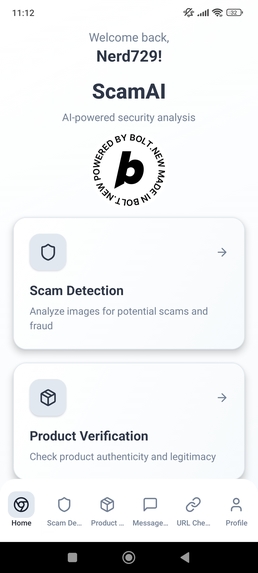
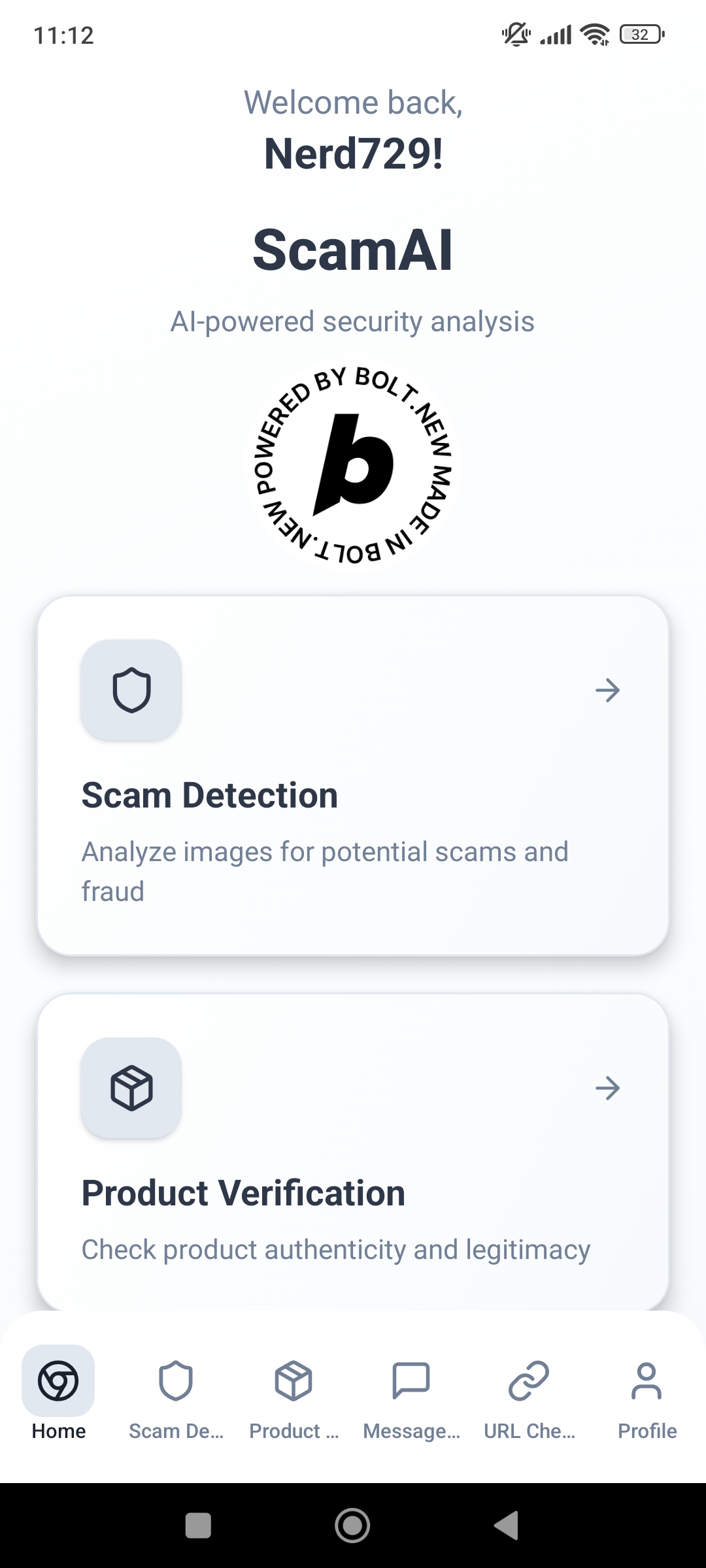
The home page of ScamAI
-
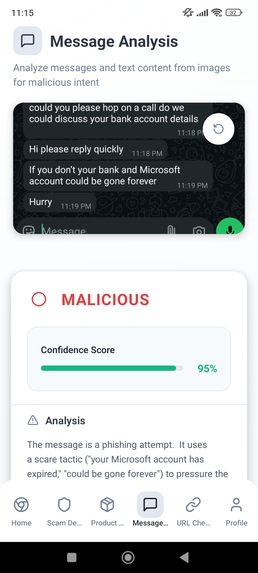
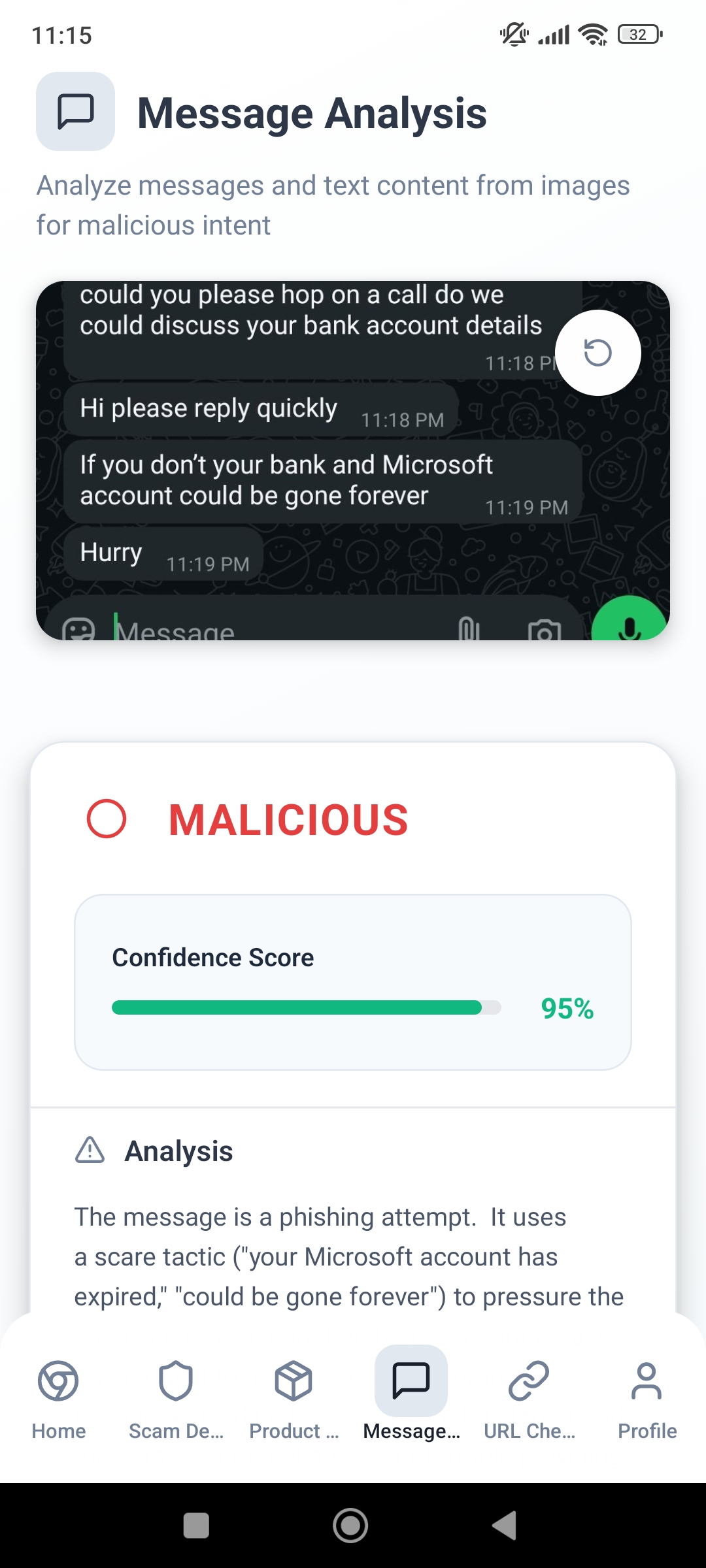
Message analysis using text extraction, clearly identifying the messages as a malicious attempt
-
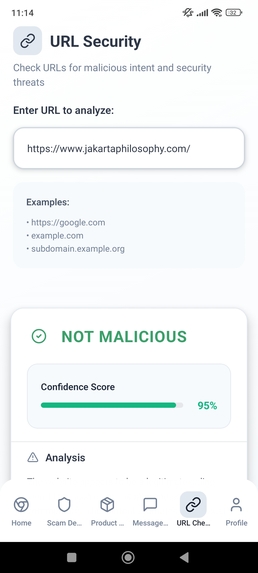
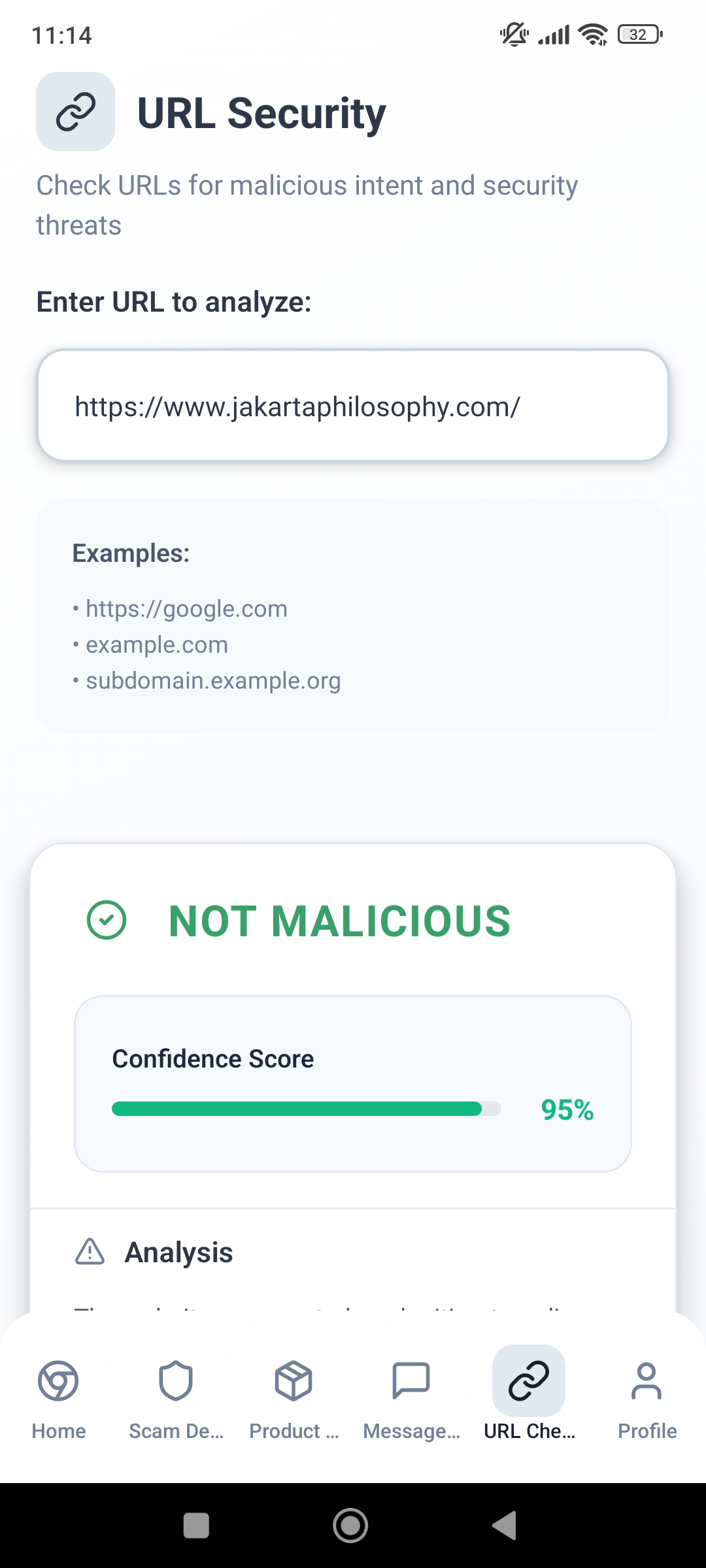
URL analysis using requests and BeautifulSoup
-
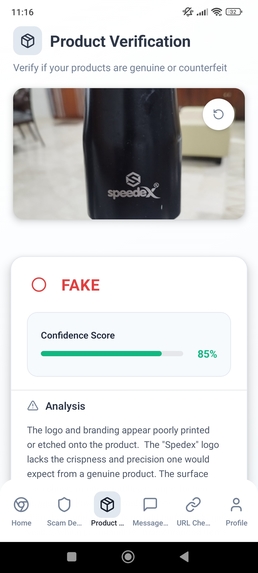
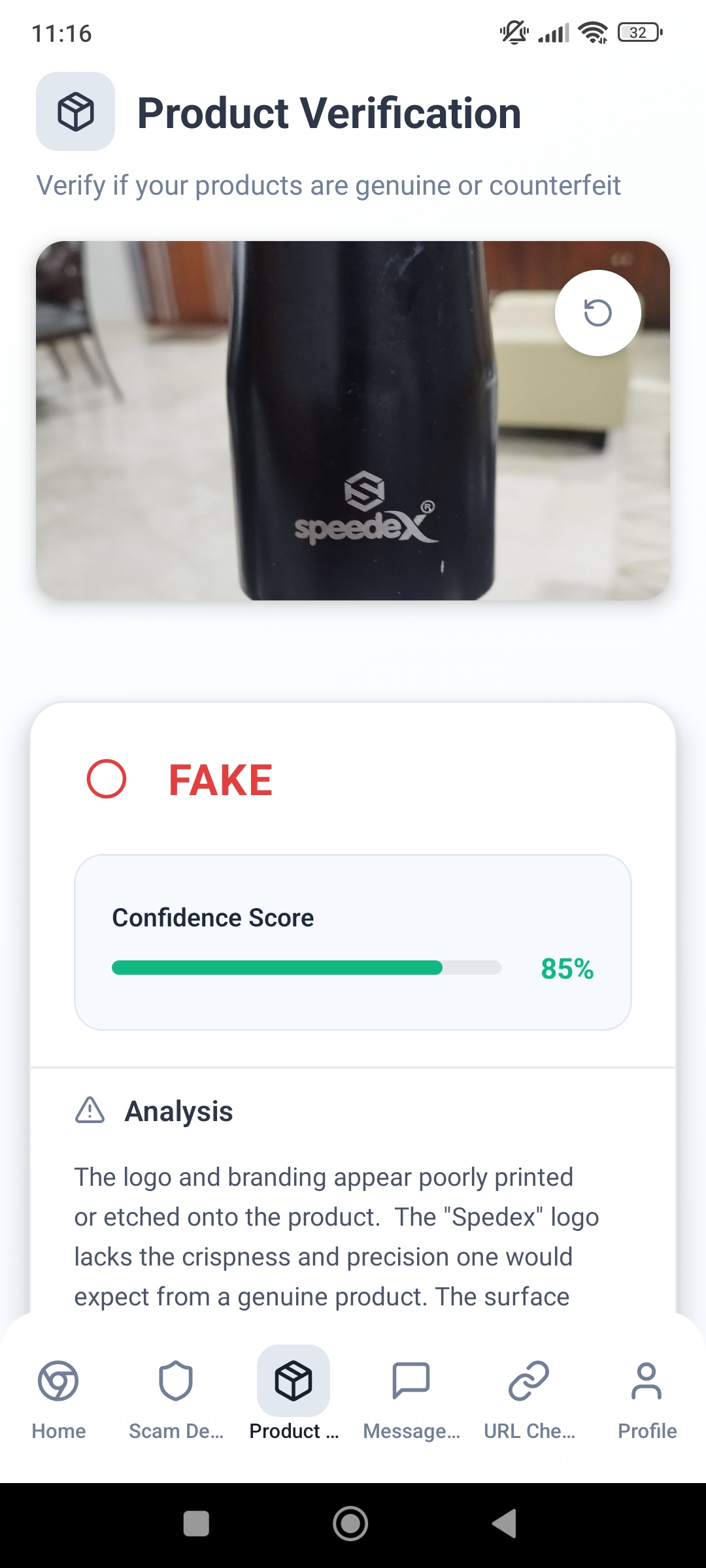
Product authenticity verification from a single image
-
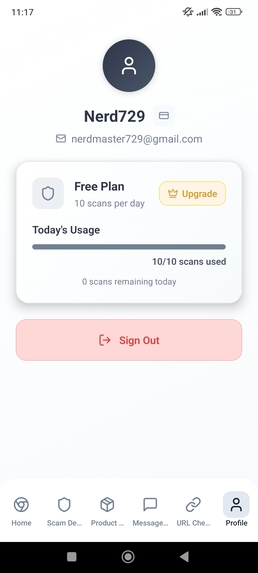
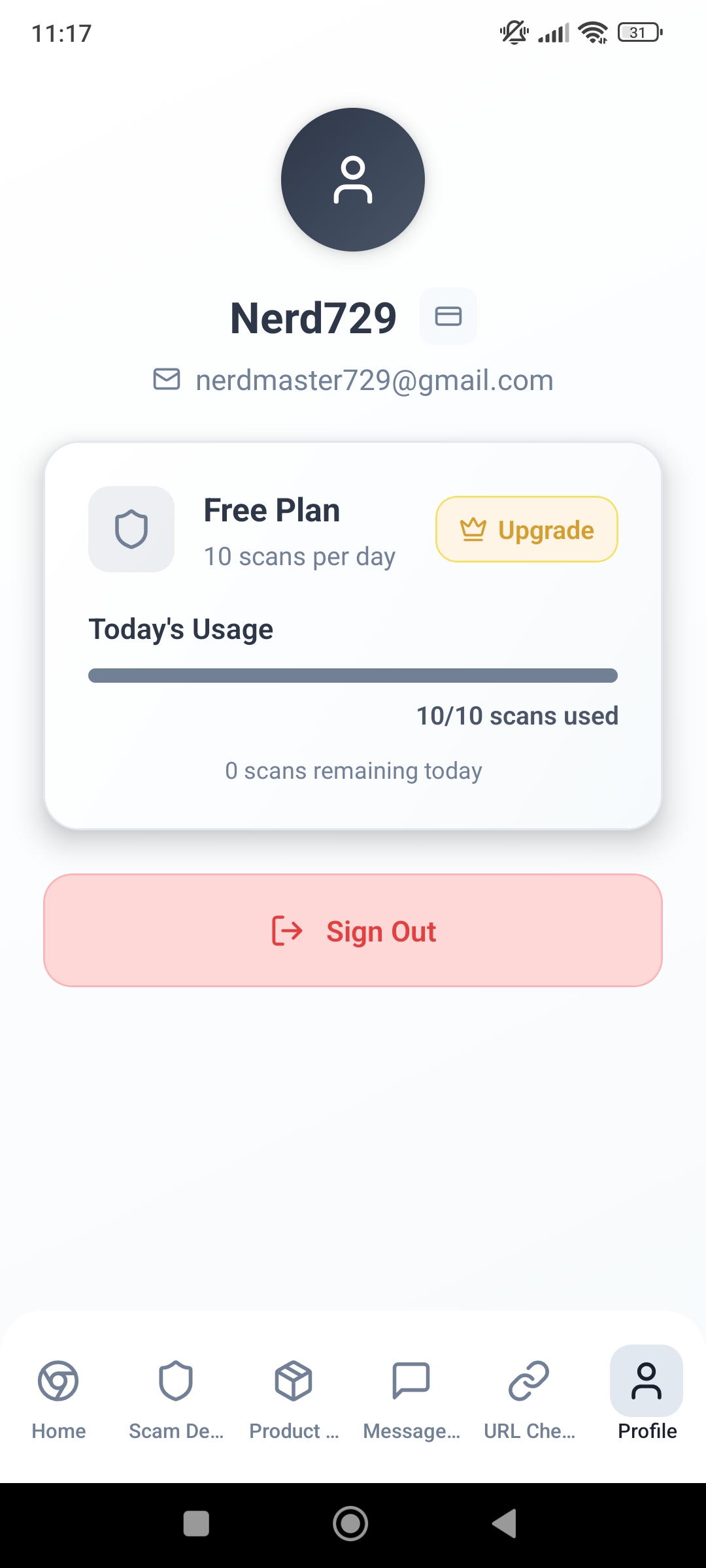
User profile with the upgrade option for subscriptions
Inspiration
When I moved to an international school in ninth grade, I was genuinely excited. New people, new cultures, and a chance to start fresh. But within the first few weeks, I realized I was being viewed through a lens I didn’t expect. People made offhand jokes about Indian call centers or asked if I knew any "real scammers." At first, I laughed it off. But the pattern repeated. Slowly, it got under my skin.
I began questioning things I never had to before — whether I should hide parts of my identity, whether people saw me as a person or just a stereotype. For a while, I resented my own community. I blamed us for the way we were treated.
That changed when I met Chris — a Chinese-Indonesian classmate who, in his own quiet way, was dealing with something similar. We started talking about the stereotypes we faced, the assumptions people made, and how much of it came down to ignorance. At some point, we decided we were tired of just complaining. If we wanted people to see us differently, we had to do something that proved them wrong.
ScamAI came out of that conversation. It wasn’t some grand mission at the start — just an idea. But it gave both of us something we hadn’t felt in a while: control over the narrative.
What it does
ScamAI lets you take a photo of anything that seems suspicious — product labels, sketchy flyers, QR codes, online listings — and instantly tells you if it’s likely to be a scam or fake. One tap, one scan. No noise, just answers.
How we built it
We built the image recognition API separately using the Gemini API — mostly because its free tier let us experiment freely. Once the backend was functional, we connected it to Bolt to bring the app to life.
We wanted the app to feel effortless, like CalAI — clean interface, no unnecessary steps. Supabase handled user authentication and storage, while Expo let us build and export the mobile version quickly. The AI inference pipeline is handled by a custom backend that processes each image and returns a scam score with a brief explanation.
Challenges we ran into
Bolt was great for speed — without it, we wouldn’t have had a working app in time. But it wasn’t without pain. Minor changes took ages to reflect, and previewing on mobile versus web was inconsistent. At one point, an image layout worked perfectly on desktop but completely broke on Android — and we spent hours trying to replicate the bug.
Supabase also had a bit of a learning curve. Authentication required more configuration than we expected, and debugging auth flow errors wasn’t fun. But the biggest hit came when we spent nearly a full day trying to export the app using Expo — only to realize we hadn’t properly set up environment variables. That moment when we fixed it and everything suddenly worked? Felt like magic.
Accomplishments that we're proud of
What means the most isn’t that ScamAI works — it’s that it came from something real. This wasn’t just a “cool idea.” It was built out of frustration, identity, and friendship.
It’s not perfect, but it’s something we can actually see people using in real life — not just a concept or pitch deck. That alone makes it worth it.
What we learned
We learned what it takes to build something real. Not just technically — though we definitely got familiar with Supabase, Expo, and Bolt quirks — but in terms of design thinking. We learned to draw the line between being inspired and being derivative, to simplify user experience without dumbing it down, and to use AI where it actually matters.
And we learned that the things that bother you — the ones you think are too small to talk about — can be the exact thing worth building for.
What's next for ScamAI
ScamAI started with images, but there’s no reason it has to stop there. We’re already exploring how to analyze text-based scams — like fake emails, phishing messages, and even voice notes. Multi-modal scam detection is the next step.
We also want to test monetization models — not for profit, but to make sure the tool is sustainable without becoming a paywall. The end goal is simple: give people a fast, reliable way to spot scams — no matter the format, no matter where they are.
Built With
- bolt
- expo.io
- javascript
- python
- react
- supabase
- typescript
- vercel

Log in or sign up for Devpost to join the conversation.