


About the Project
Inspiration
The rise of online scams, phishing attempts, and fake websites inspired us to build Scam Guard. Every day, countless people lose money and trust because they cannot distinguish between legitimate and fraudulent sites. We wanted to create a tool that empowers users to browse safely without needing advanced technical knowledge.
What We Learned
Building Scam Guard taught us a lot about:
- Machine Learning models for detecting patterns of scam-like behavior.
- Natural Language Processing (NLP) to analyze suspicious website text.
- Cybersecurity best practices, particularly in identifying phishing indicators.
- Collaboration and time management during a hackathon setting.
How We Built It
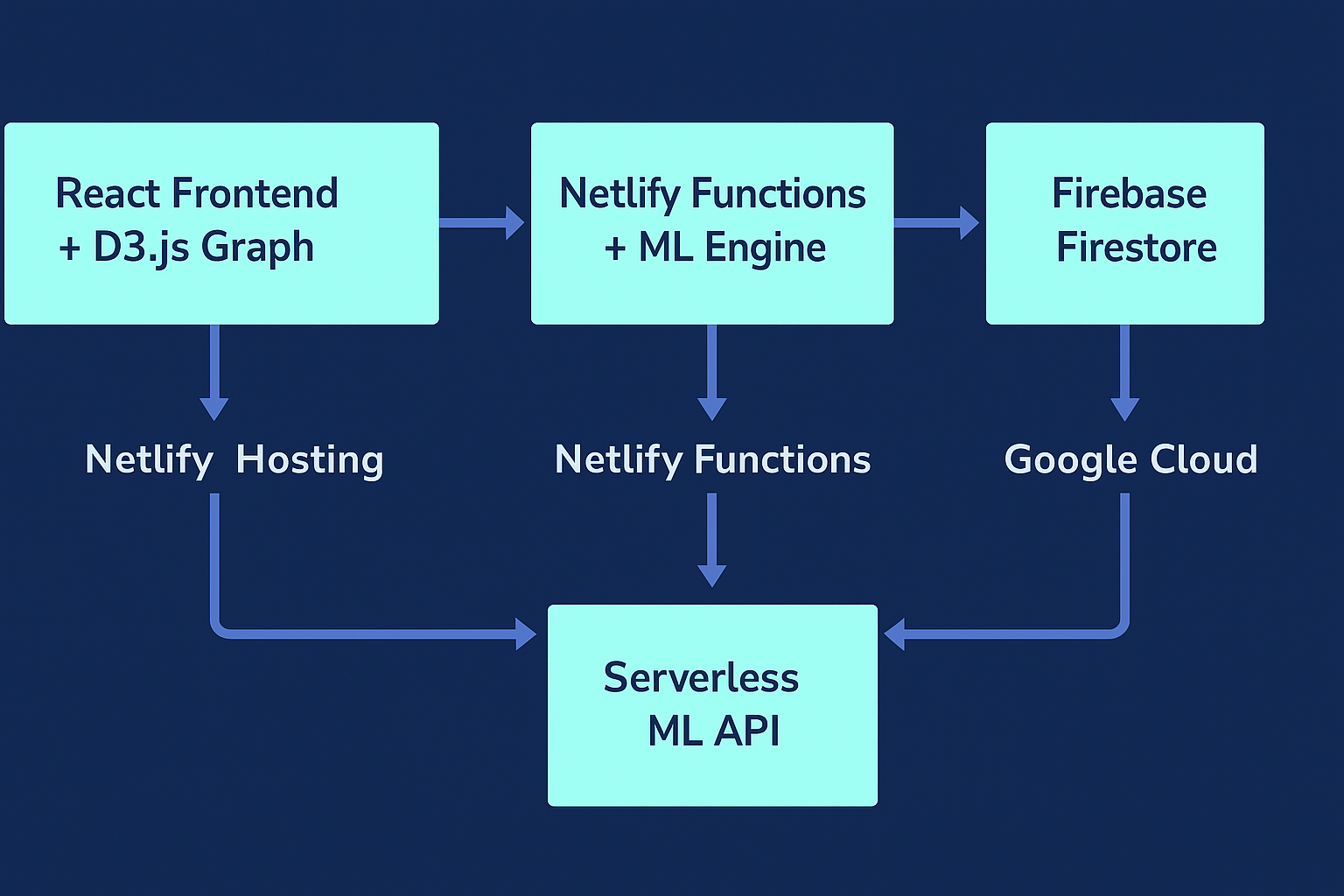
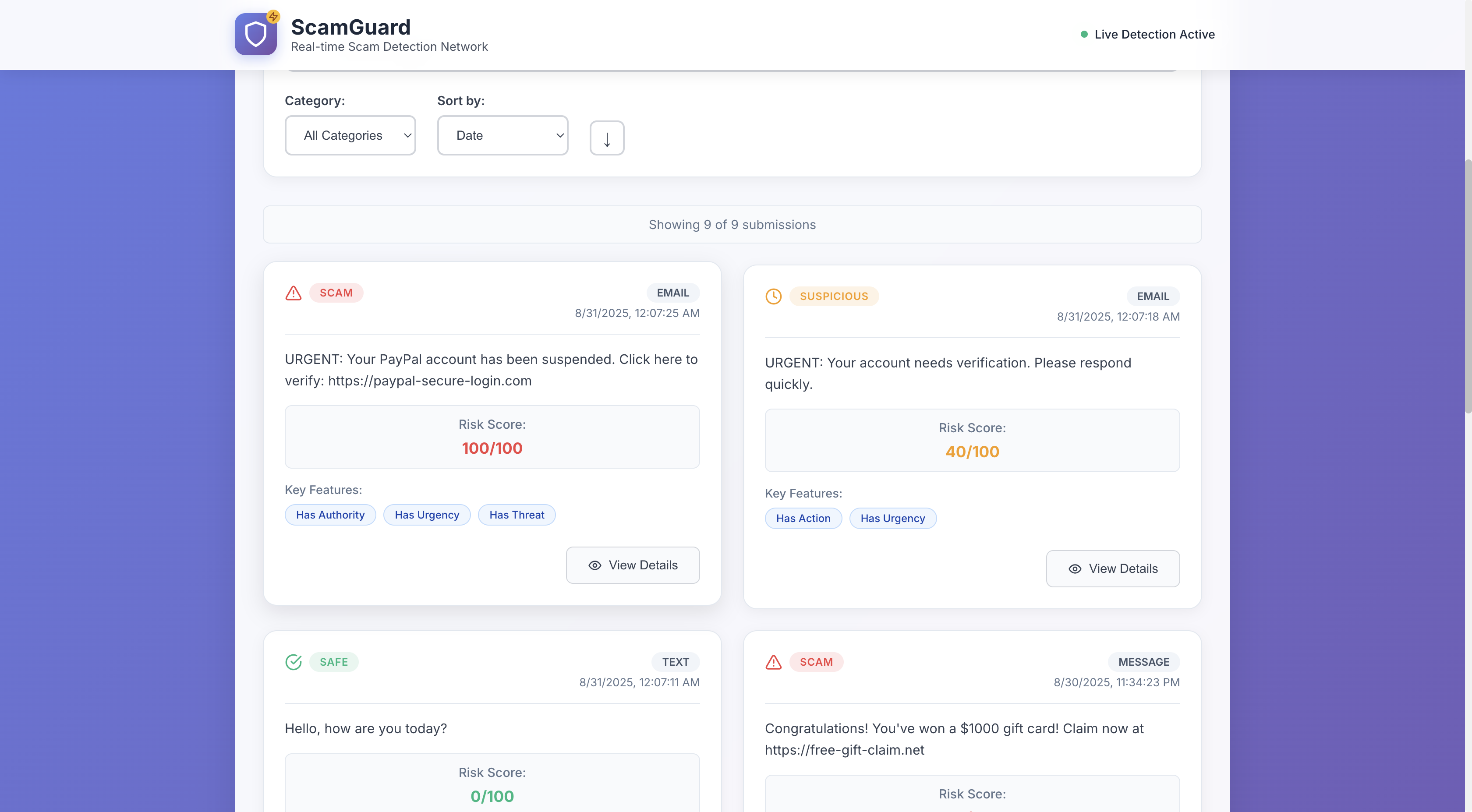
- Frontend: A simple, intuitive interface for users to input URLs or text.
- Backend: Python-based API handling URL checks, scam scoring, and pattern recognition.
- Database: A blacklist of reported scam domains plus a machine learning classifier to score new ones.
- Integration: Browser extension + web dashboard for real-time scam detection.
Workflow
- User enters a website link or receives an alert while browsing.
- Scam Guard checks the domain against a known blacklist.
- If not found, our ML model evaluates text, layout, and metadata.
- A scam score is generated:
[ \text{Scam Score} = \alpha \cdot \text{URL Risk} + \beta \cdot \text{Content Risk} + \gamma \cdot \text{User Reports} ]
where (\alpha, \beta, \gamma) are weights tuned during training. - The result is displayed as Safe, Suspicious, or Dangerous.
Challenges We Faced
- Collecting enough high-quality scam datasets to train our models.
- Balancing false positives vs. false negatives — overly strict rules blocked safe websites, while lenient ones missed scams.
- Integrating the system into a lightweight browser extension without slowing down browsing.
- Communicating complex ML outputs in a user-friendly way so non-technical users can understand the risk level.
Scam Guard is our step toward making the internet safer, one click at a time.


Log in or sign up for Devpost to join the conversation.