-
-
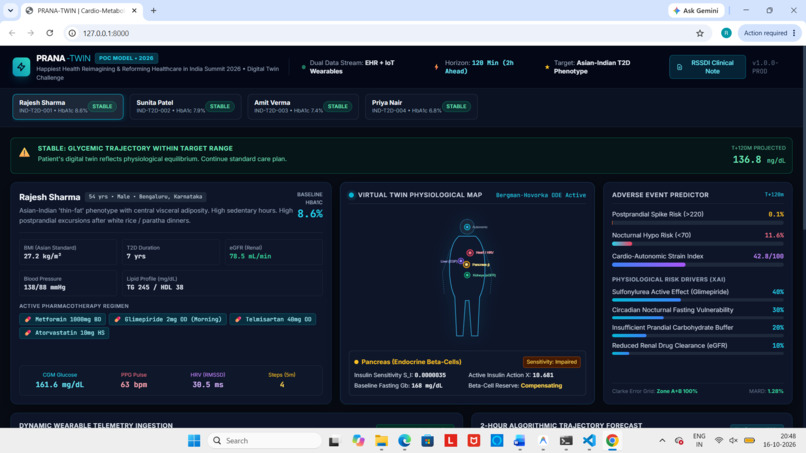
using that application
-
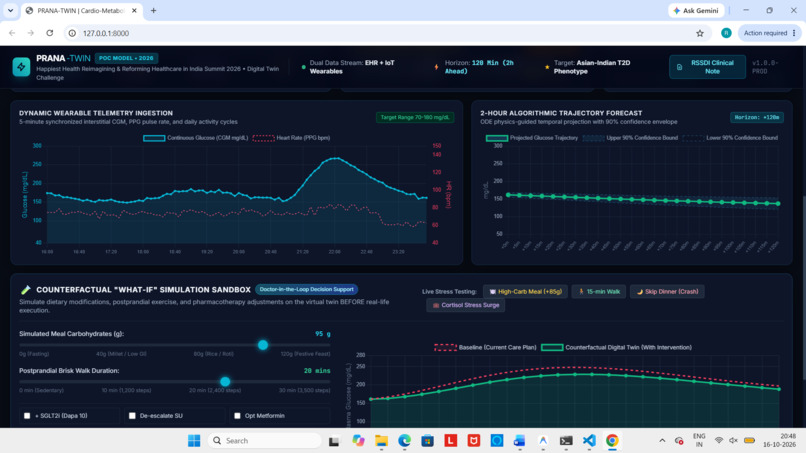
how to detect the fraud person
-
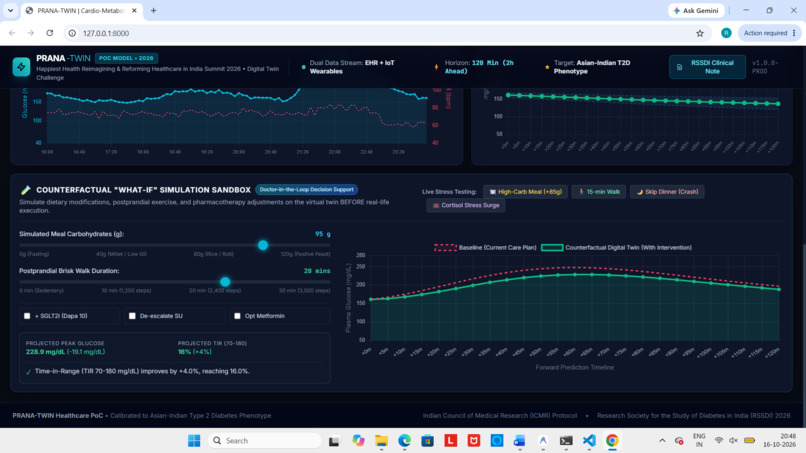
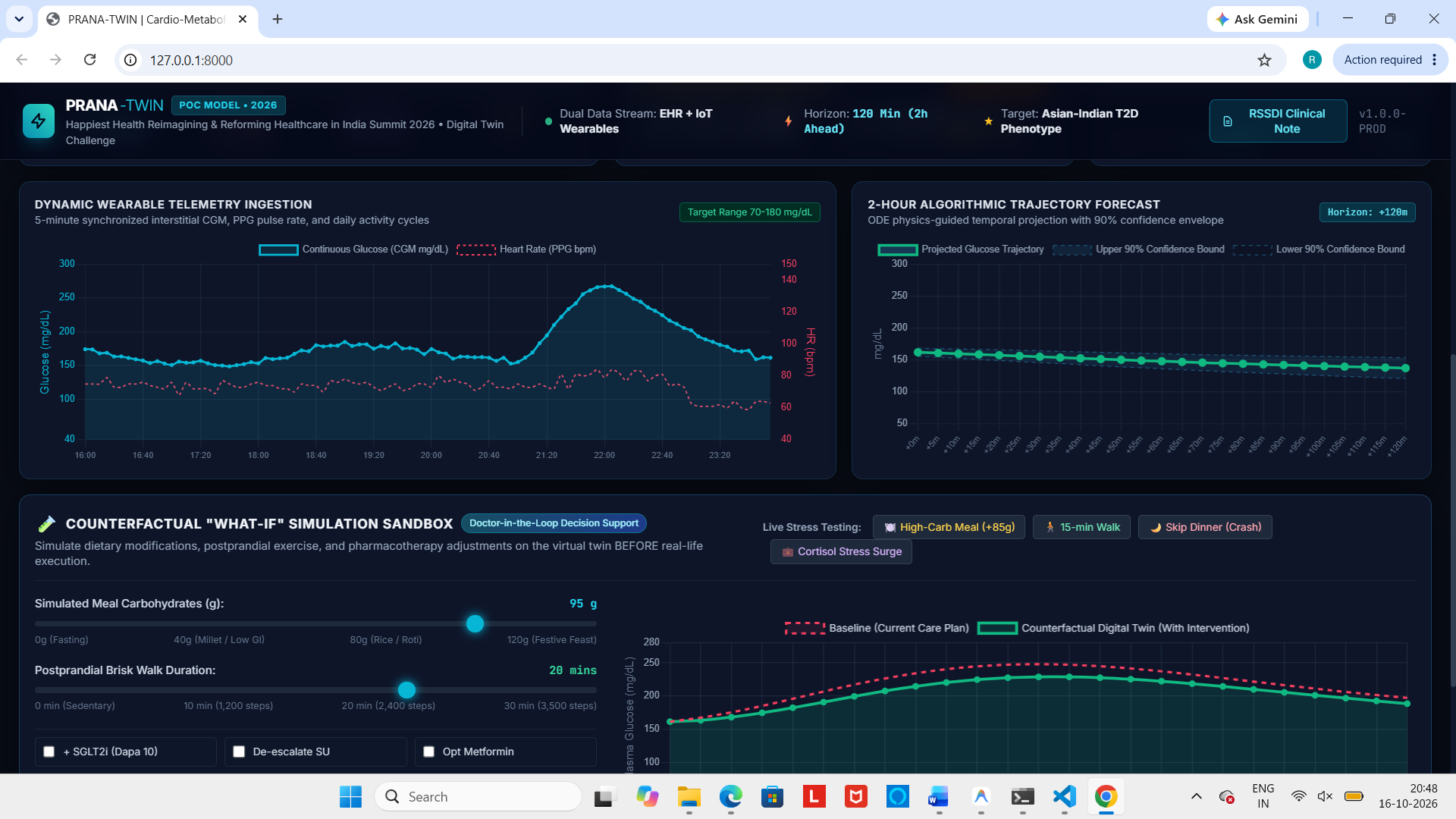
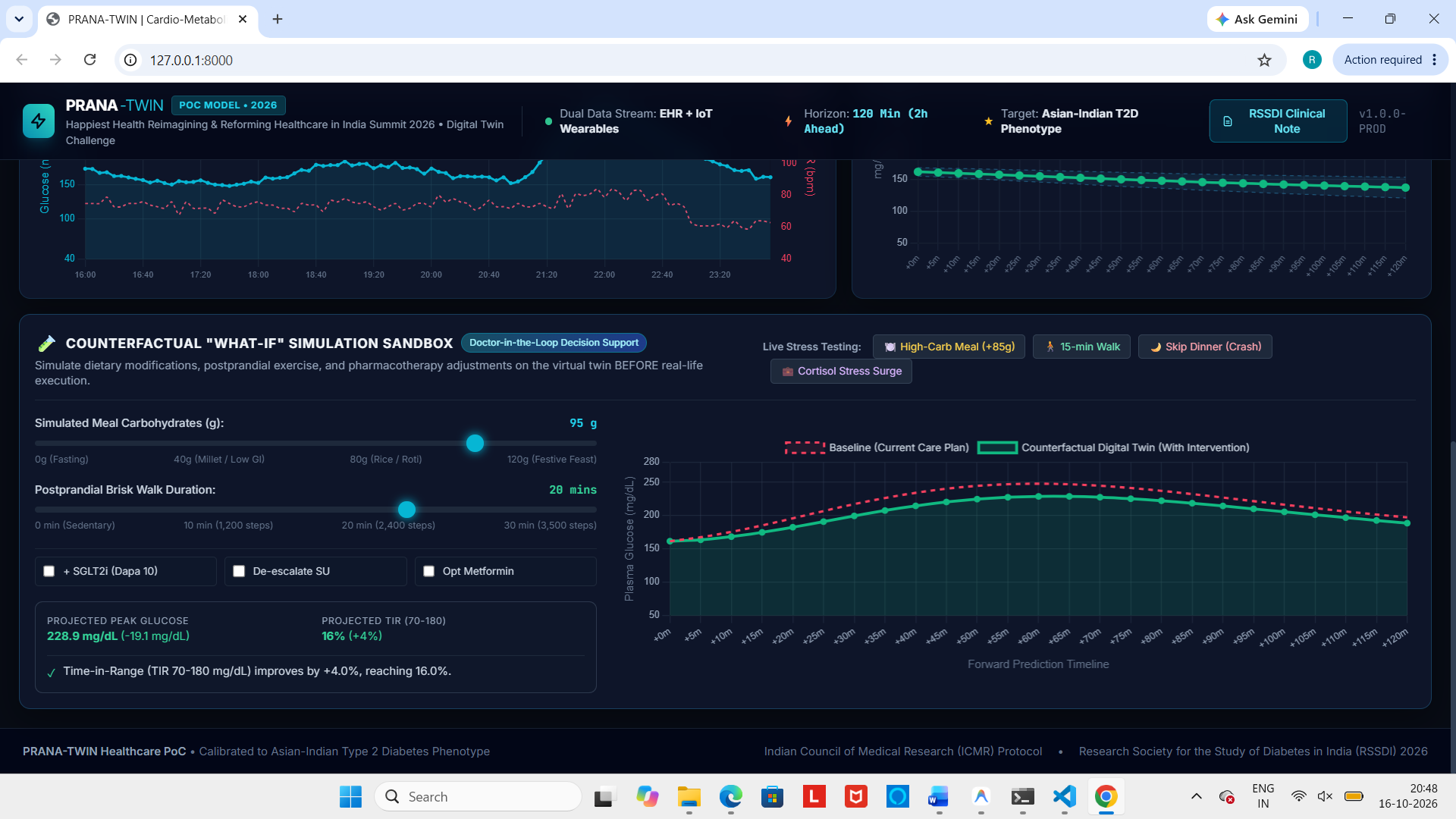
image of applictaion
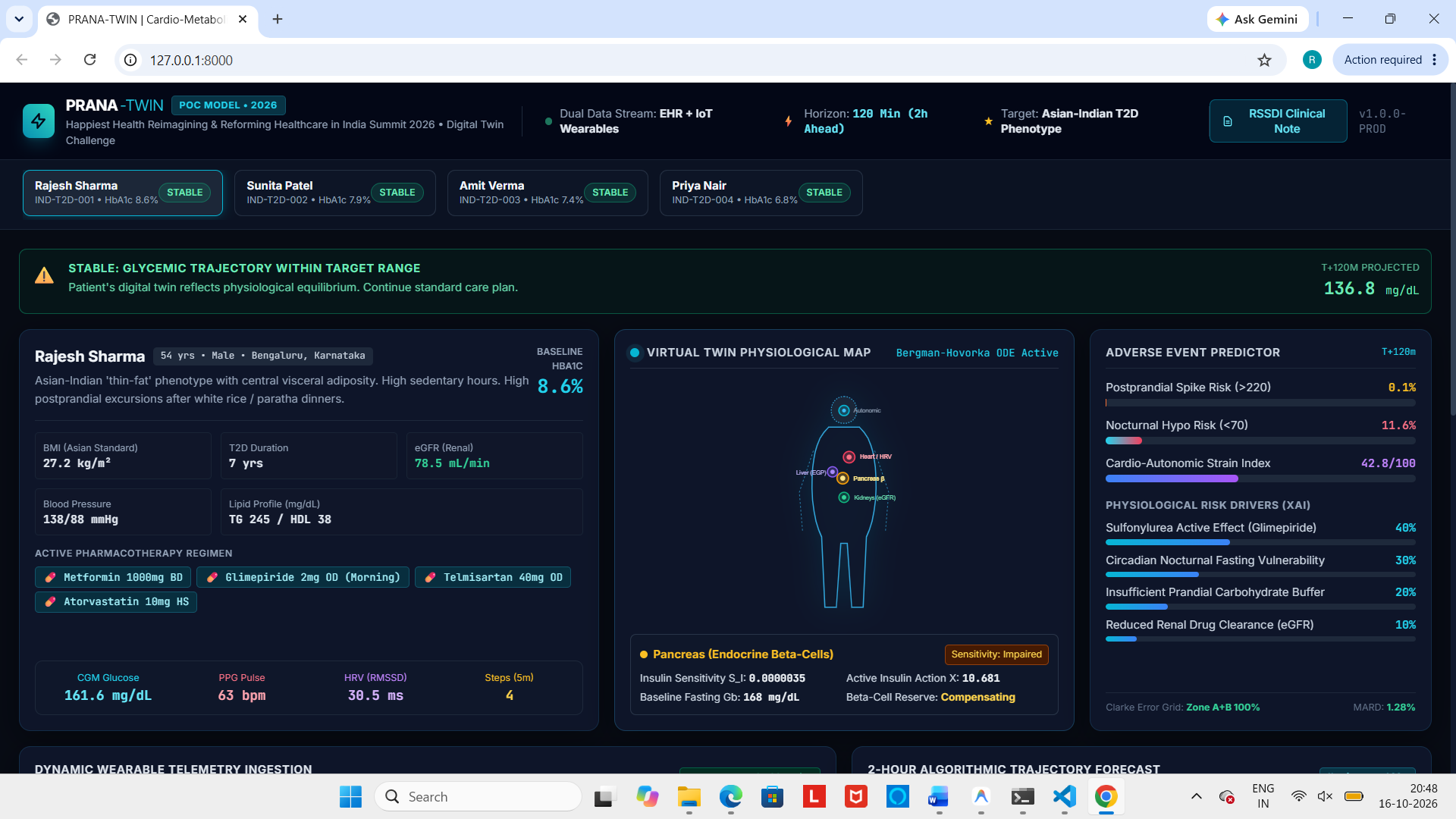
Inspiration
About the Project – SBI Fraud Detection
Inspiration
Online banking and digital payments have made financial transactions faster and easier, but they have also increased the risk of fraudulent activities. Inspired by the growing need for secure digital banking, I decided to develop SBI Fraud Detection, an AI-powered solution designed to identify suspicious banking transactions and help prevent financial fraud.
What I Learned
While developing this project, I gained practical experience in:
- Machine Learning algorithms and fraud classification.
- Data preprocessing, cleaning, and feature engineering.
- Exploratory Data Analysis (EDA) and identifying transaction patterns.
- Handling imbalanced datasets.
- Model evaluation using accuracy, precision, recall, F1-score, and confusion matrix.
- Building an application that can help identify potentially fraudulent transactions.
How I Built the Project
I developed the project using Python and Machine Learning techniques. The development process included:
- Data Collection: Obtained transaction data for fraud detection and analysis.
- Data Preprocessing: Cleaned the dataset, handled missing values, and prepared features for training.
- Exploratory Data Analysis: Analyzed transaction patterns to understand the differences between legitimate and fraudulent activities.
- Model Development: Applied machine learning classification algorithms to identify suspicious transactions.
- Model Evaluation: Evaluated the model using appropriate performance metrics, especially precision, recall, and F1-score.
- Fraud Prediction: Designed the system to classify transactions as potentially legitimate or fraudulent.
Challenges Faced
One of the biggest challenges was dealing with imbalanced transaction data, where fraudulent transactions are significantly fewer than legitimate transactions. A model could achieve high accuracy while still missing actual fraud cases.
I addressed this challenge by focusing on data preprocessing, class imbalance handling, and evaluation metrics such as recall, precision, and F1-score. Another challenge was identifying meaningful transaction patterns to improve fraud detection performance.
Future Scope
I aim to enhance the project by integrating real-time transaction monitoring, explainable AI, automated fraud alerts, and advanced machine learning models to make digital banking safer and more reliable.
My goal: To build an intelligent fraud detection solution that helps improve banking security and protect customers from financial fraud.
What it does
SBI Fraud Detection is a machine learning-based solution designed to identify potentially fraudulent banking transactions. It analyzes transaction patterns and uses trained ML models to distinguish between legitimate and suspicious transactions. The goal is to help improve banking security, reduce financial losses, and support safer digital payments.
How we built it
We built this project using Python and machine learning techniques. The development process involved:
- Collecting and understanding transaction datasets.
- Cleaning and preprocessing data.
- Performing Exploratory Data Analysis (EDA).
- Applying feature engineering to identify important transaction patterns.
- Training machine learning classification models.
- Evaluating model performance using accuracy, precision, recall, F1-score, and confusion matrix.
- Developing a fraud prediction workflow to classify transactions.
Challenges we ran into
One of our biggest challenges was handling imbalanced datasets because fraudulent transactions are much fewer than legitimate transactions. We also faced challenges in selecting relevant features, reducing false predictions, and improving the model's ability to identify actual fraudulent transactions. We addressed these challenges through data preprocessing, model evaluation, and experimentation with different machine learning techniques.
Accomplishments that we're proud of
- Developed an AI/ML-based banking fraud detection solution.
- Built a workflow for identifying suspicious transactions.
- Applied machine learning to a real-world financial security problem.
- Improved our understanding of fraud patterns and classification techniques.
- Created a foundation that can be extended into a more advanced banking security system.
What we learned
Through this project, we learned how machine learning can be applied to financial security problems. We gained practical experience in Python, data preprocessing, feature engineering, classification algorithms, handling imbalanced datasets, and model evaluation. We also understood why recall and precision are particularly important in fraud detection systems.
What's next for SBI Fraud Detection
Our future roadmap includes:
- Integrating real-time transaction monitoring.
- Implementing advanced ML and deep learning models.
- Adding automated alerts for suspicious transactions.
- Developing an interactive dashboard for transaction monitoring.
- Integrating Explainable AI (XAI) to explain why a transaction is flagged.
- Exploring secure integration with banking systems through authorized APIs.
Our long-term vision is to develop a scalable and intelligent fraud detection platform that helps protect customers and makes digital banking safer.

Log in or sign up for Devpost to join the conversation.