Inspiration
Have you ever understood English perfectly well, watched videos without subtitles, or known exactly what someone was saying only to freeze when it was your turn to speak?
That's the problem that inspired sayso.
For many English learners, the hardest part isn't memorizing vocabulary or understanding grammar. It's using English naturally in real conversations. Textbooks can teach you what's correct, but real people use slang, idioms, humor, and expressions that rarely show up in traditional lessons.
We wanted to explore a different approach: what if learning English felt less like studying for an exam and more like having a conversation?
What it does
sayso helps learners bridge the gap between understanding English and actually speaking it.
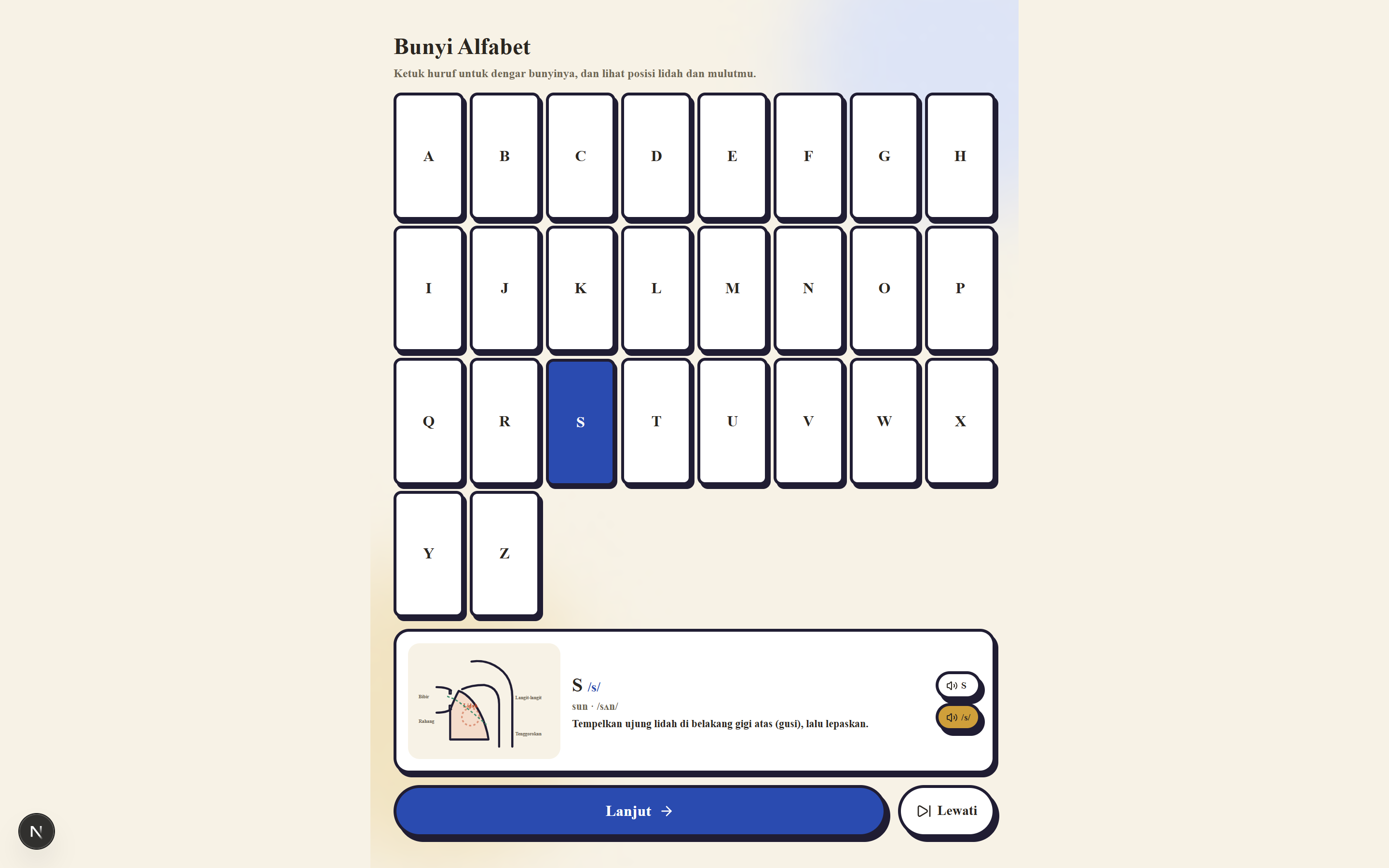
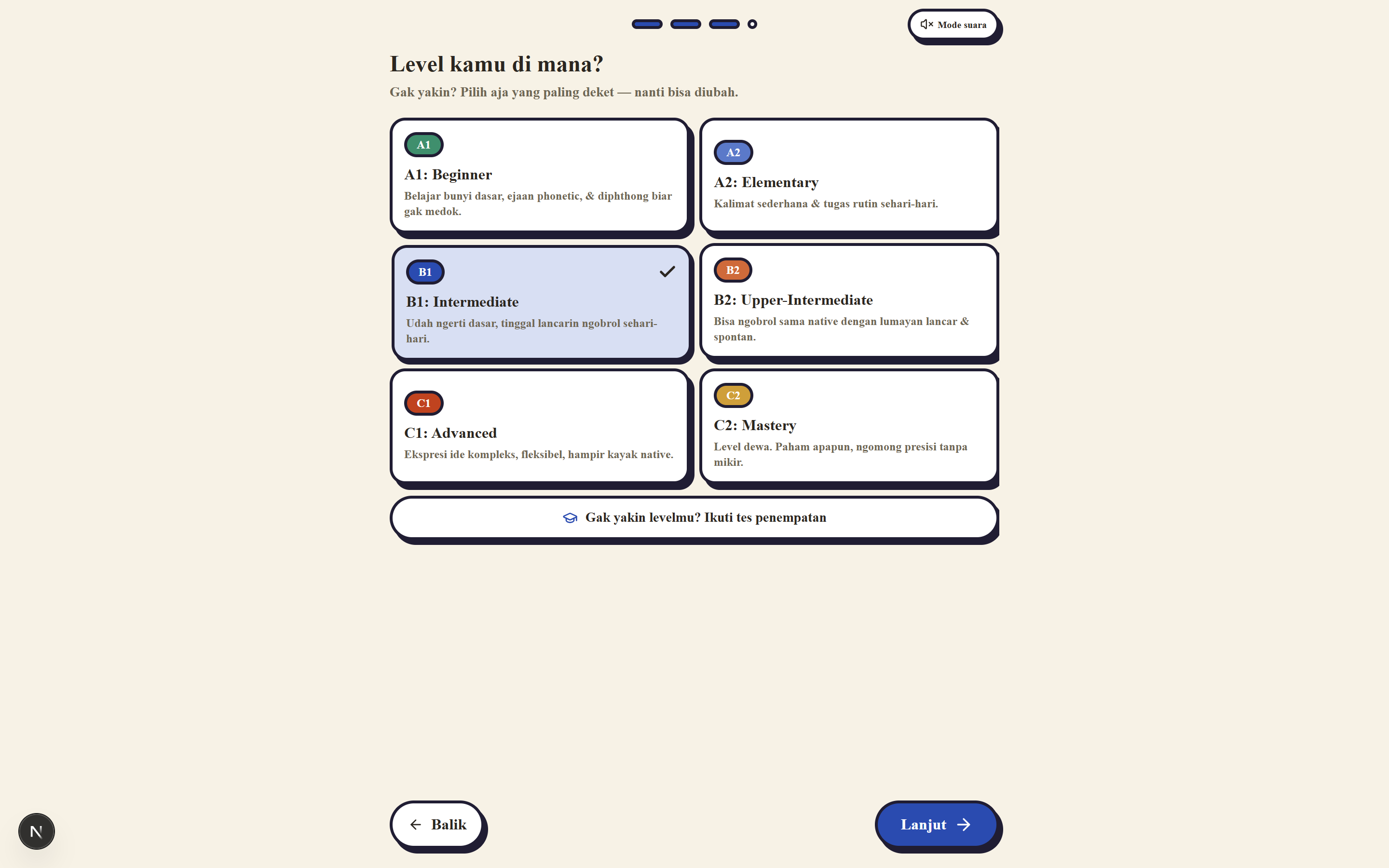
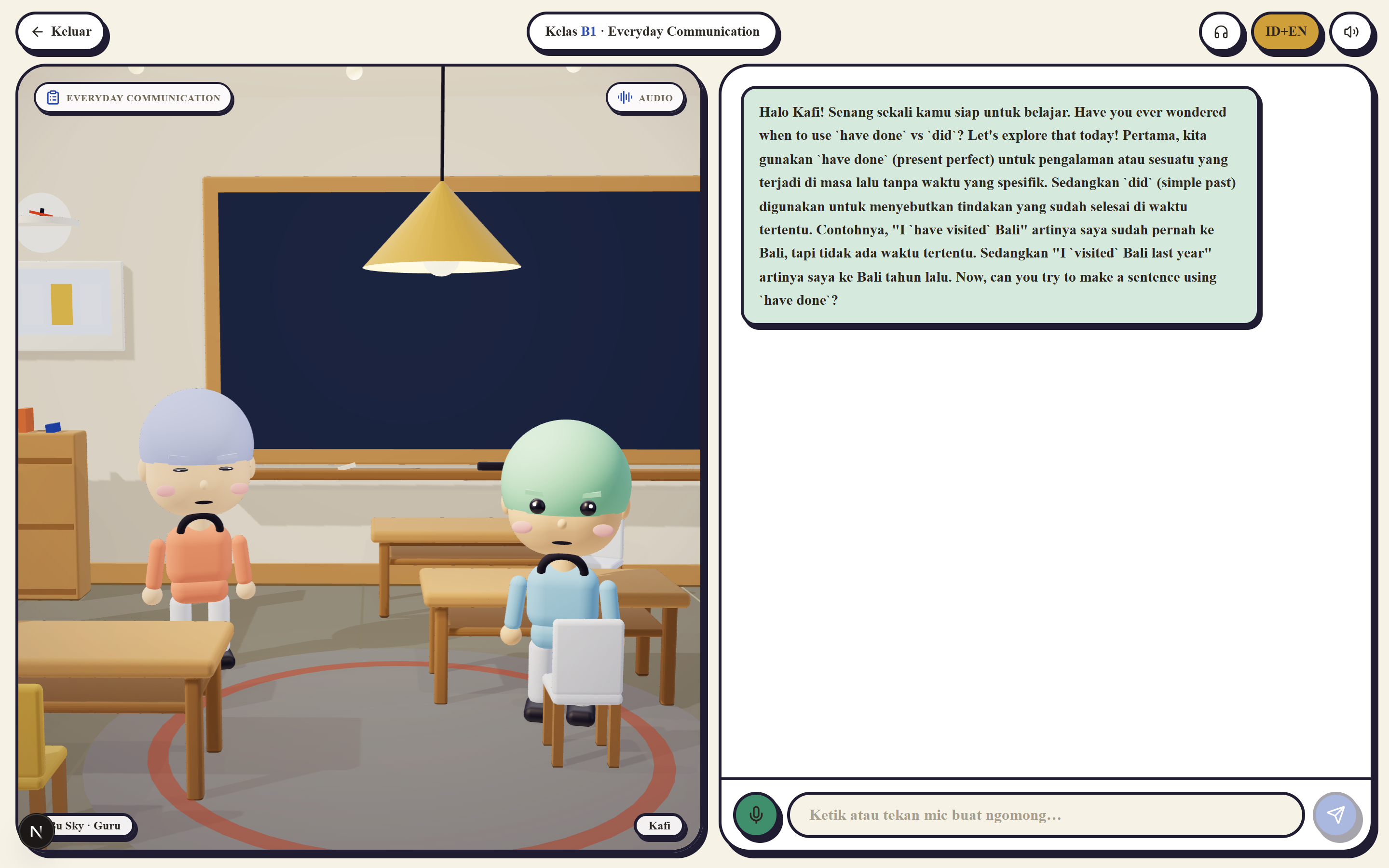
The idea is to combine AI-powered conversation practice with the English people really use every day. Instead of focusing exclusively on grammar rules and vocabulary lists, sayso aims to help learners practice real-world conversations, discover natural expressions, and build confidence speaking English.
Whether you're preparing for a job interview, chatting with friends online, traveling abroad, or simply trying to stop translating every sentence in your head, the goal is the same: to help you express yourself more naturally.
How we built it
We started by focusing on one question: how can we make English practice feel useful enough that people actually want to come back?
That question shaped our product direction. We focused on conversational learning, practical language, and an approachable identity that feels closer to a modern consumer app than a traditional classroom.
The name SAYSOreflects that philosophy. It's about having the words, the confidence, and the freedom to express yourself.
Our guiding principle is simple: learning a language should prepare you for real conversations, not just the next test.
Challenges we faced
One of the biggest challenges is making language learning both educational and genuinely engaging. An app can provide endless explanations and vocabulary exercises, but that doesn't automatically make someone comfortable speaking with another person.
We also had to think about the balance between teaching correct English and teaching natural English. Real conversations aren't always formal, and learners need to understand when an expression is appropriate, what it means in context, and how people actually use it.
These challenges helped shape our belief that effective language learning should be contextual, practical, and centered on the learner.
What we learned
Working on sayso reinforced an important idea: knowing a language and feeling confident using it are two different things.
We also learned that product design isn't just about adding features. It's about understanding the moment when a user struggles and designing an experience that helps them move forward.
For us, that moment is the pause before speaking when someone knows what they want to say but doesn't quite know how to say it.
What's next
We want to keep developing sayso into a place where learners can practice without feeling judged, experiment with new expressions, and gradually become more comfortable using English in everyday life.
Our long-term vision is to make high-quality speaking practice more accessible, personalized, and relevant to the way people communicate today.
Because learning English shouldn't just teach you how the language works. It should help you find your voice in it.
Built With
- react
- supabase
- tailwind
- typescript

Log in or sign up for Devpost to join the conversation.