-
-
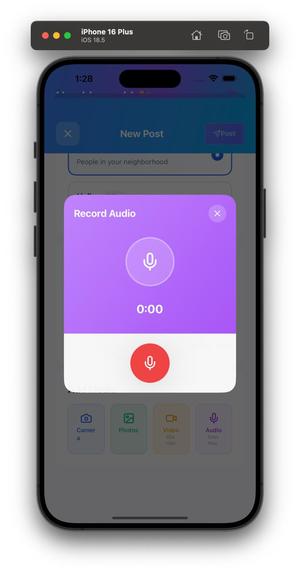
Create new post with sound
-
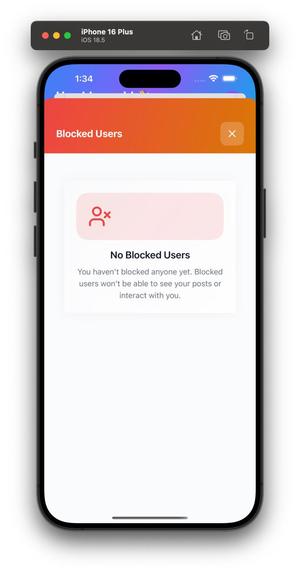
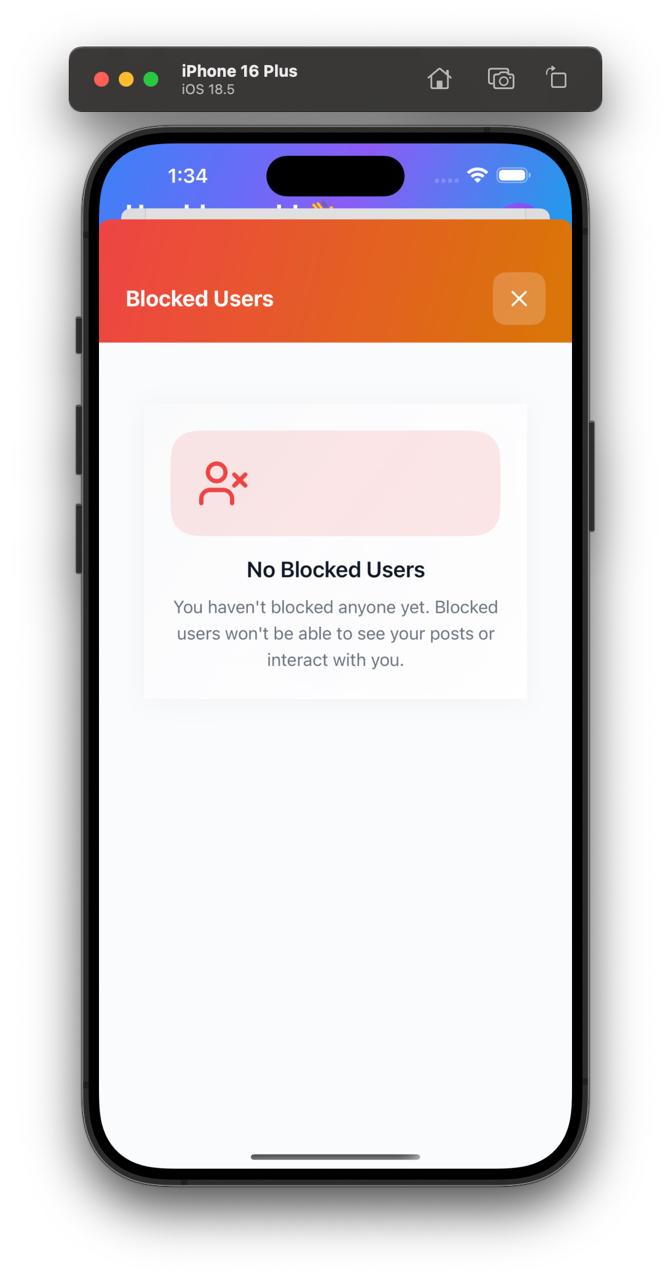
Blocked user list
-
Splash screen
-
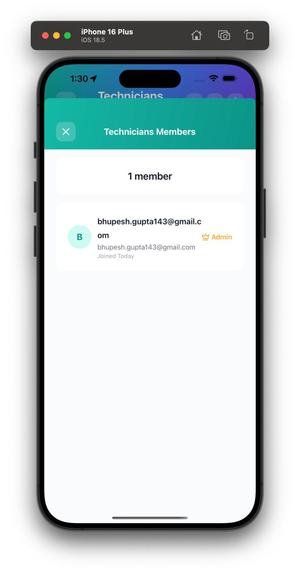
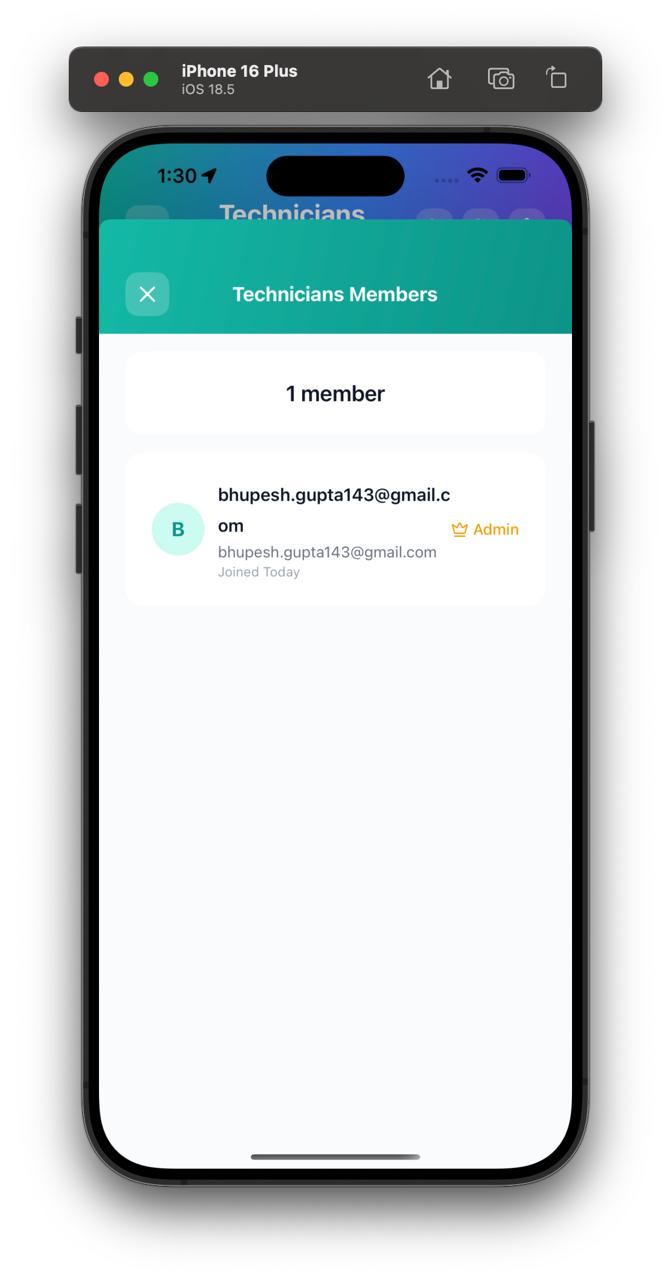
Community members
-
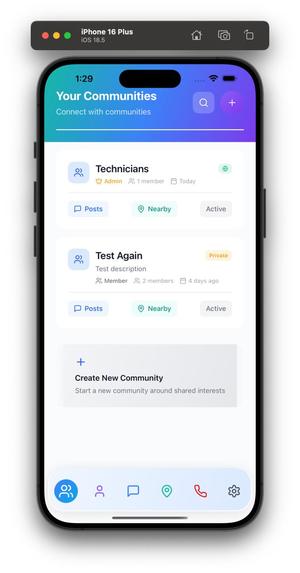
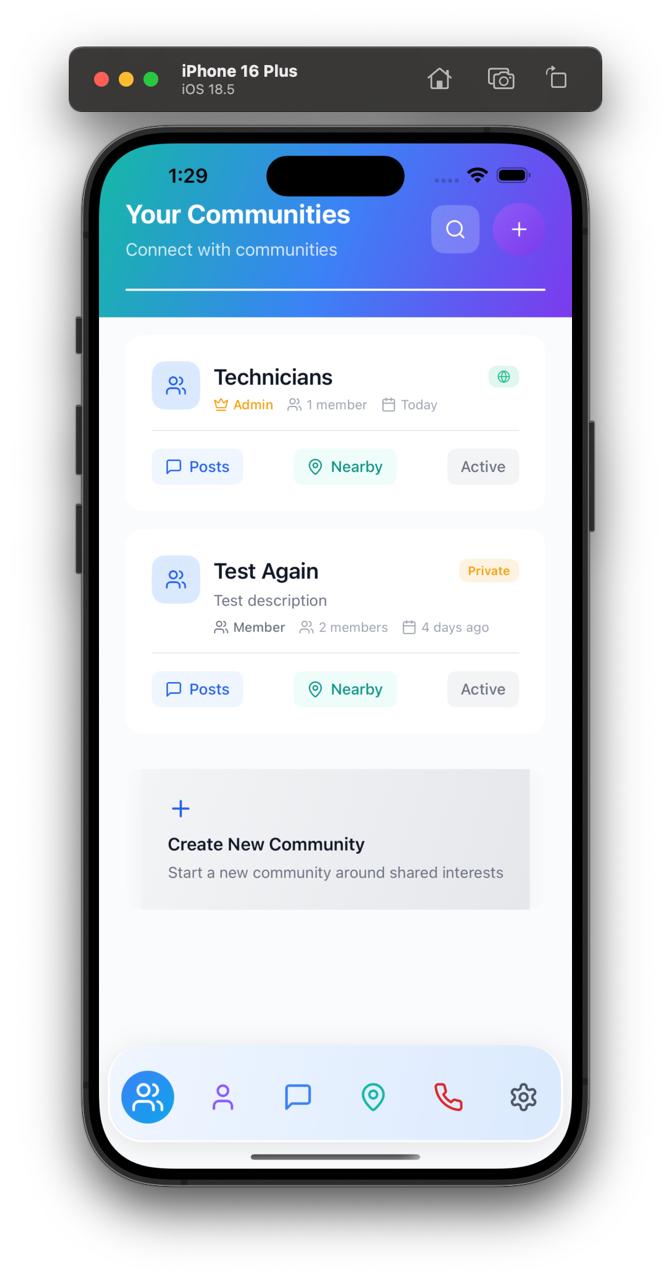
Community list
-
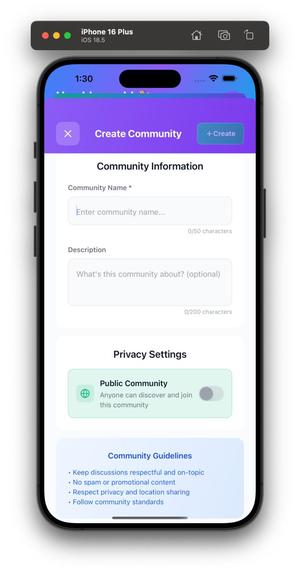
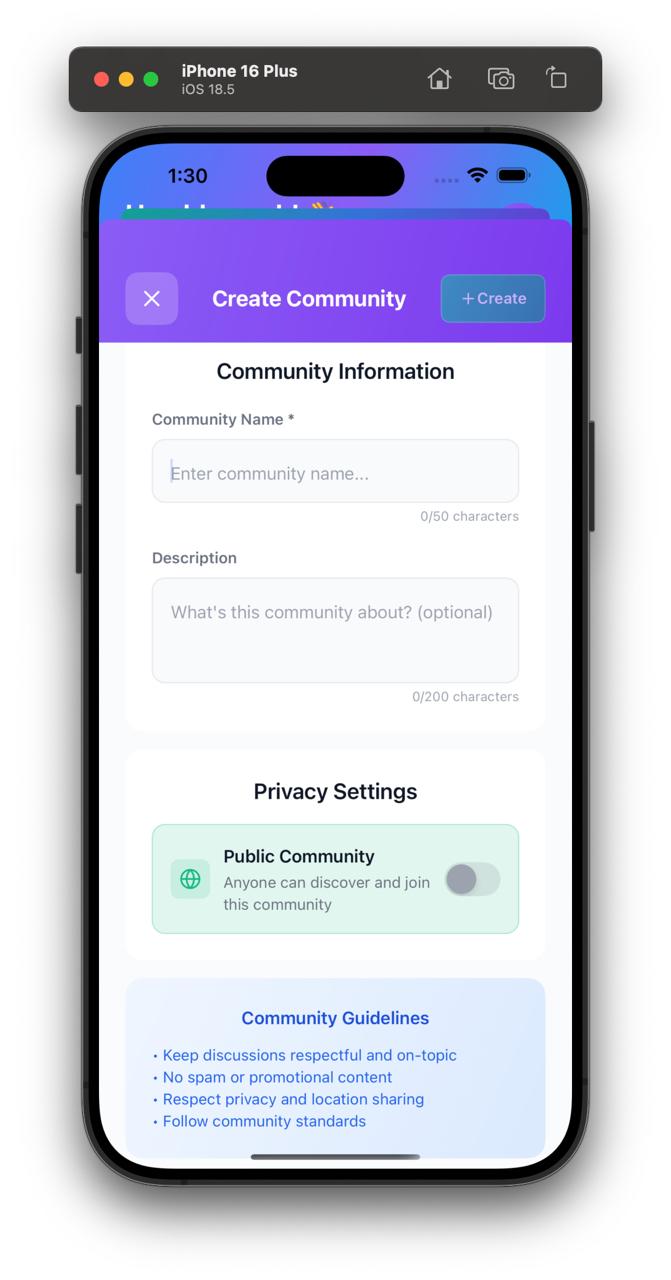
Create comunity
-
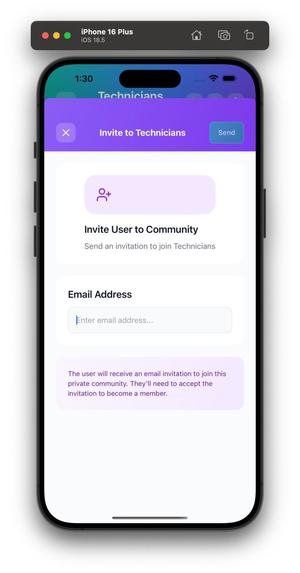
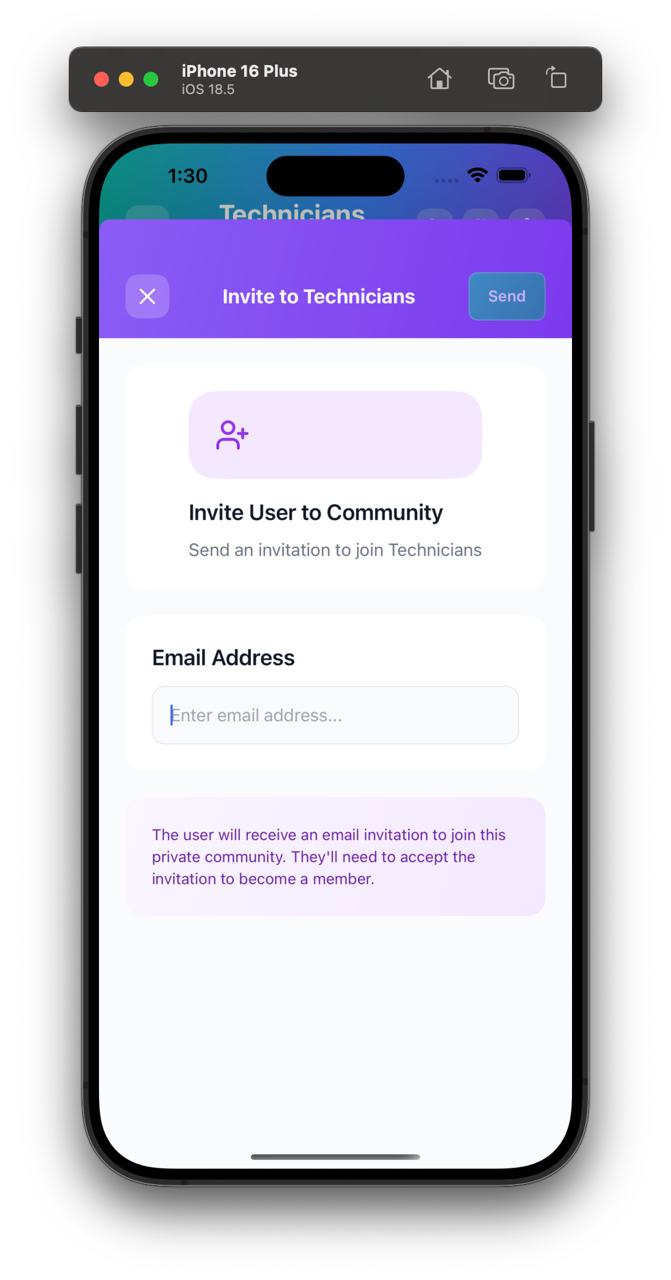
Invite a member to community
-
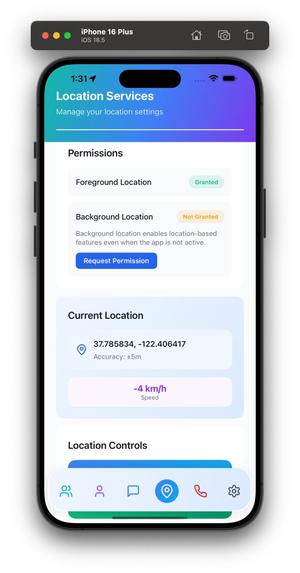
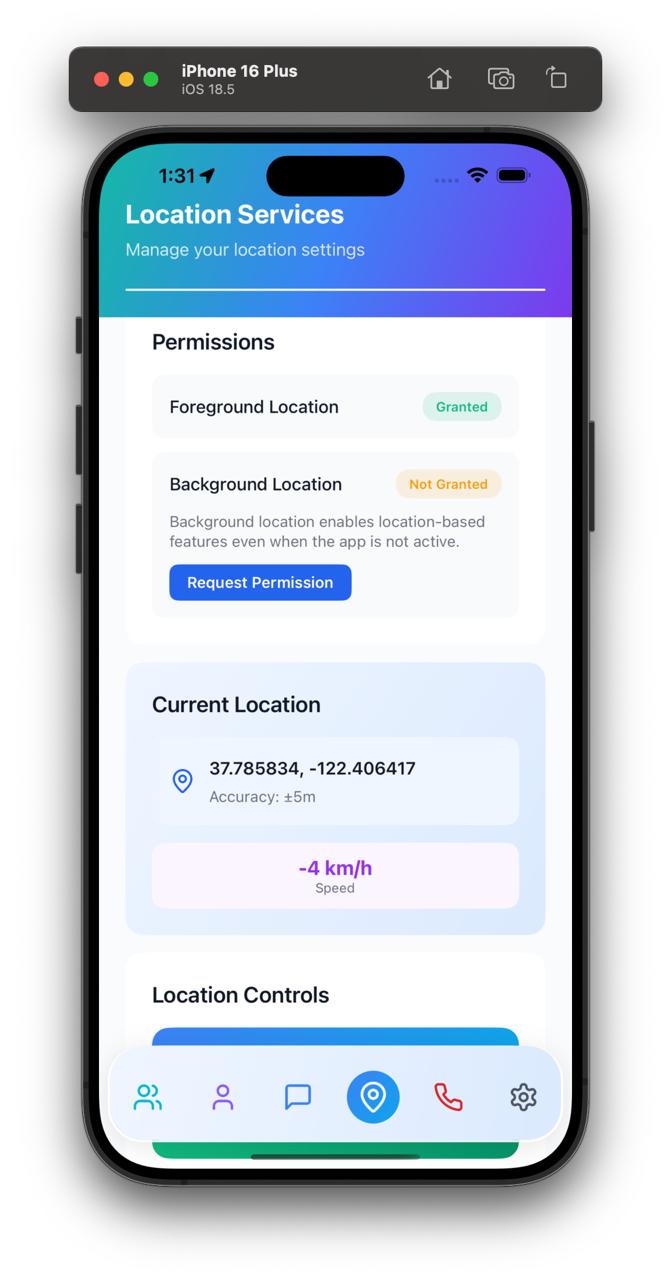
Location services
-
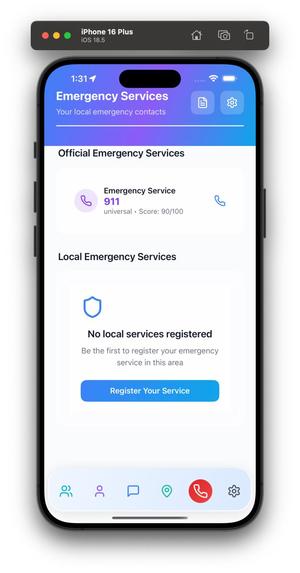
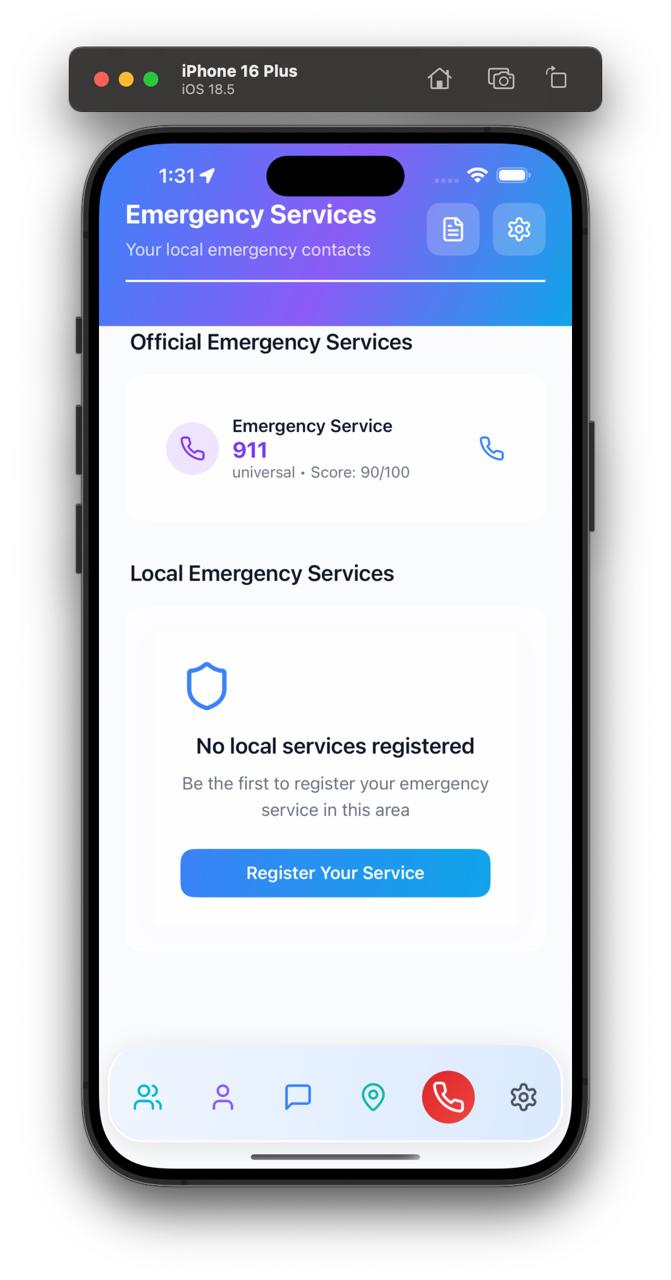
Emergency services list
-
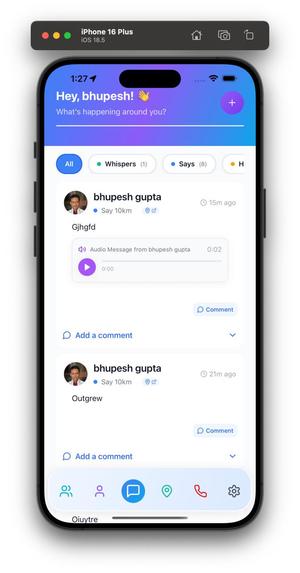
Main feed page
-
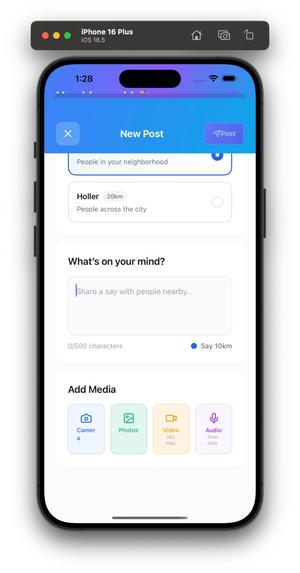
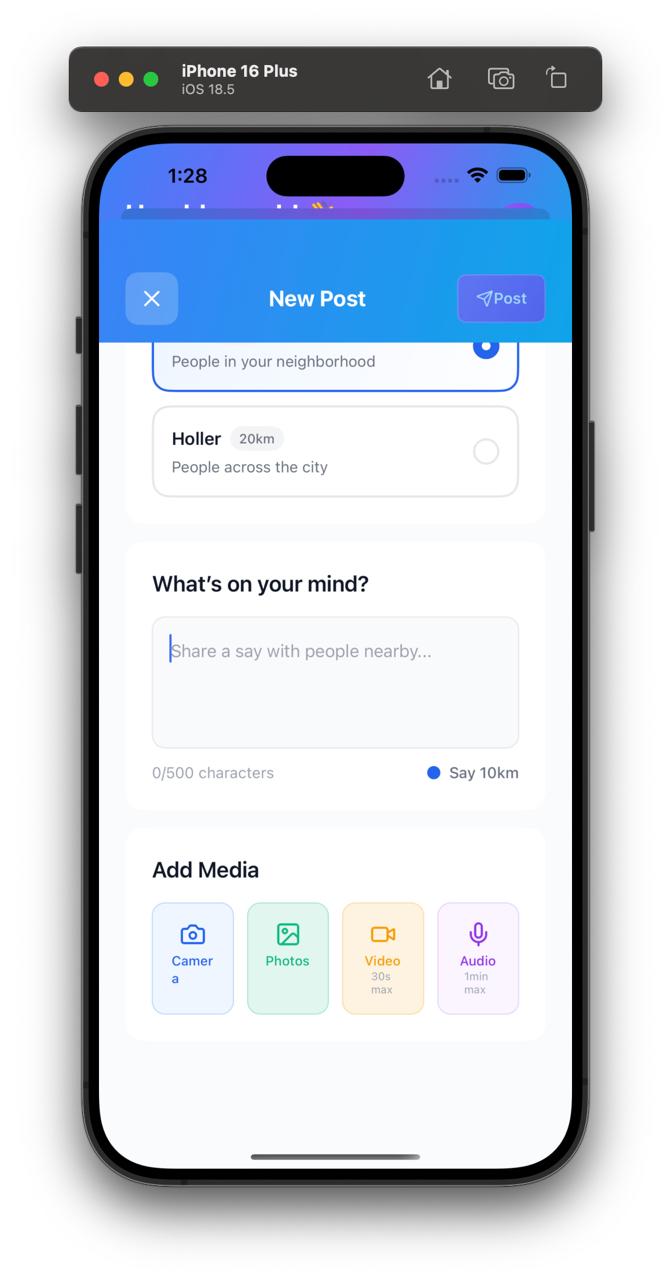
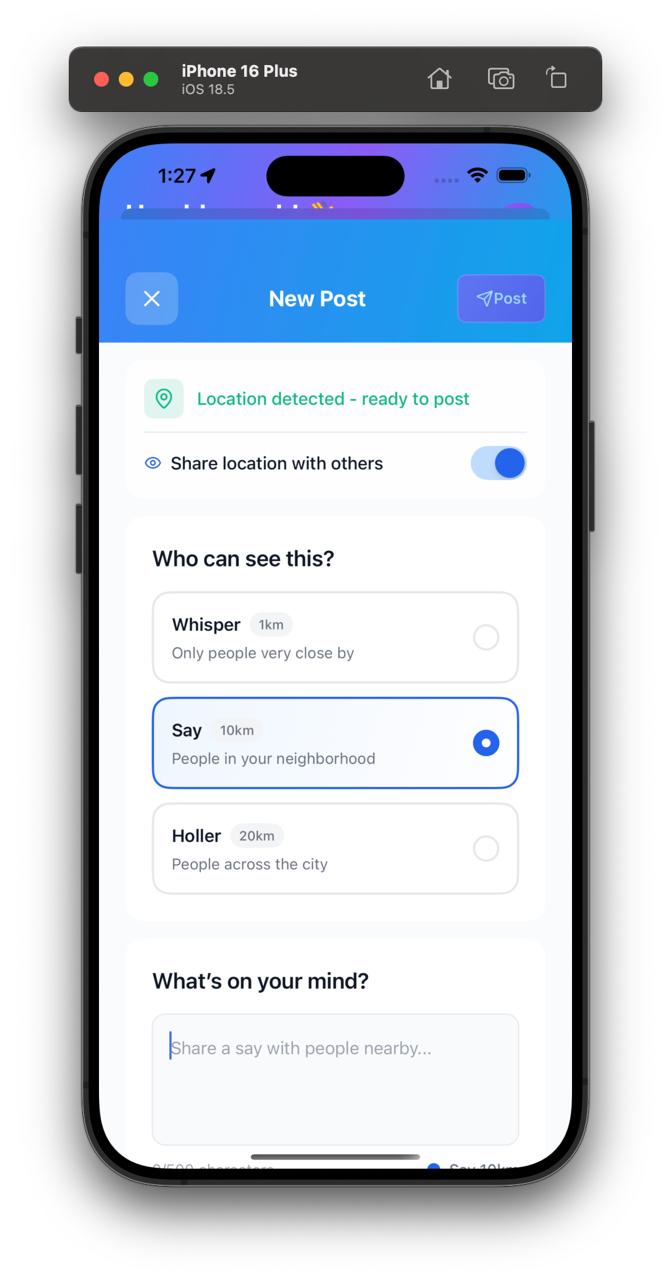
Create a new post
-
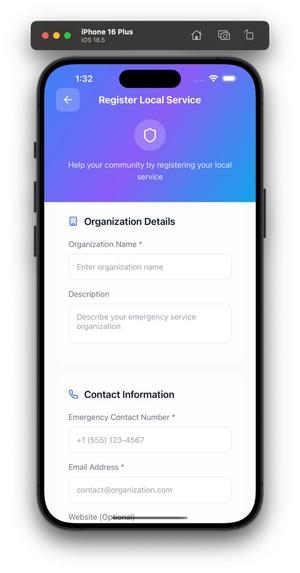
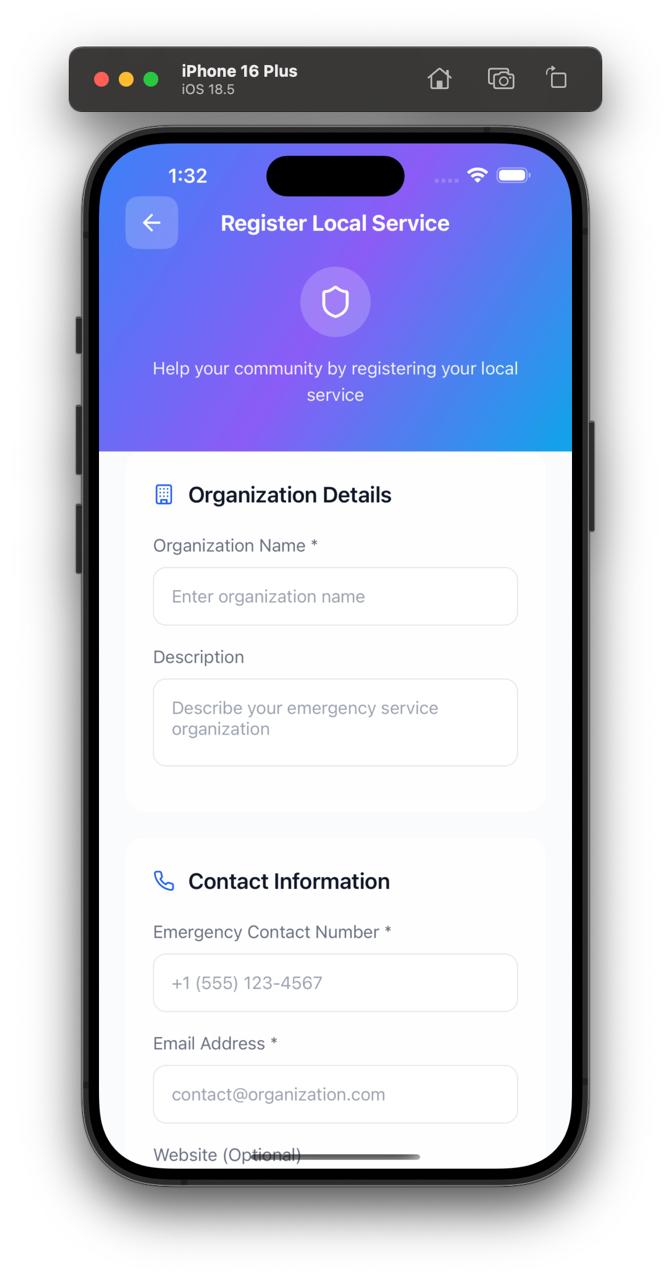
Register local service form
-
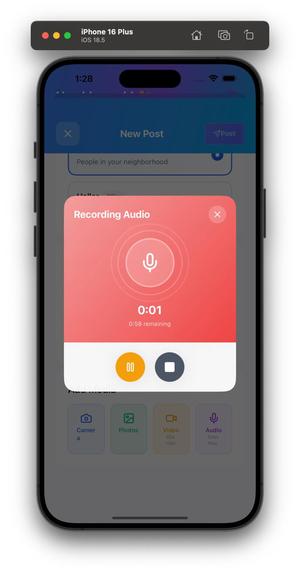
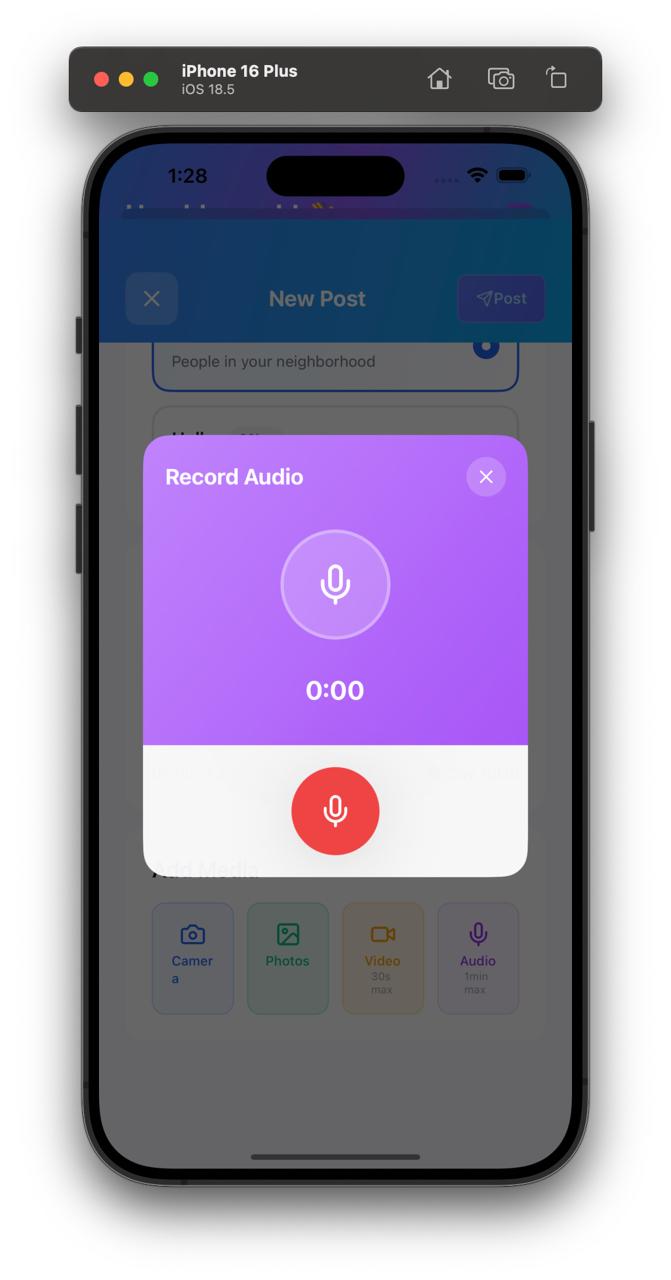
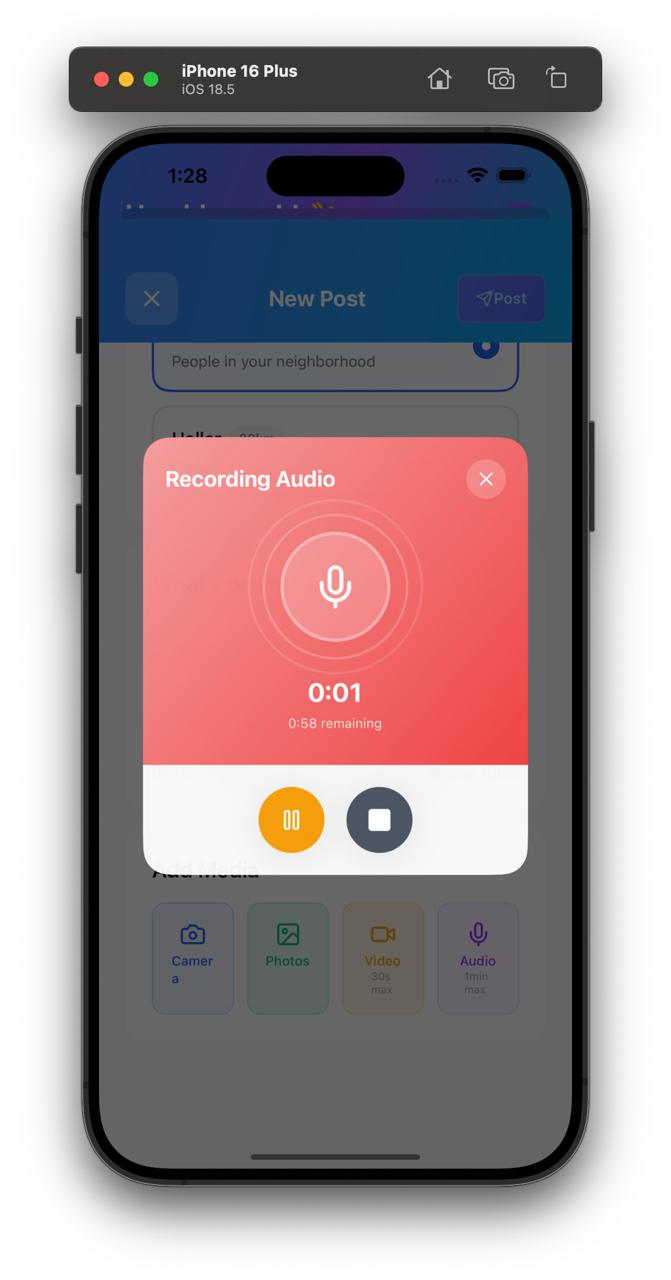
Record audio
-
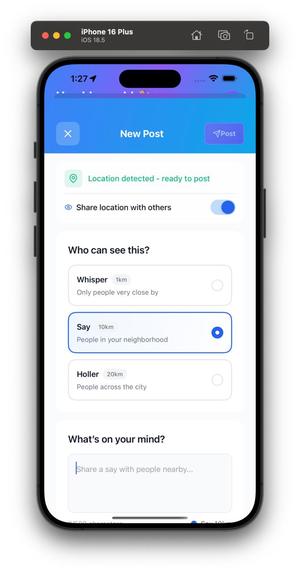
Create a new post
-
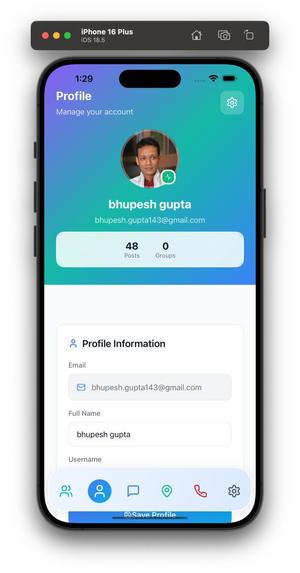
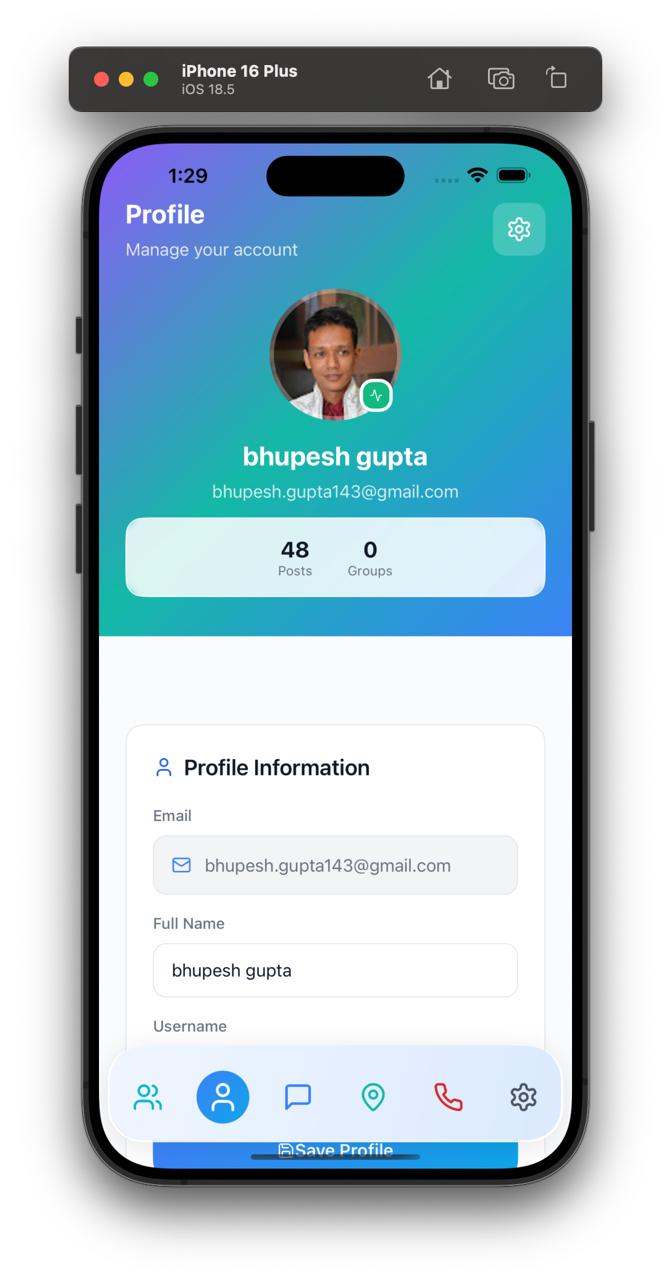
Profile page
-
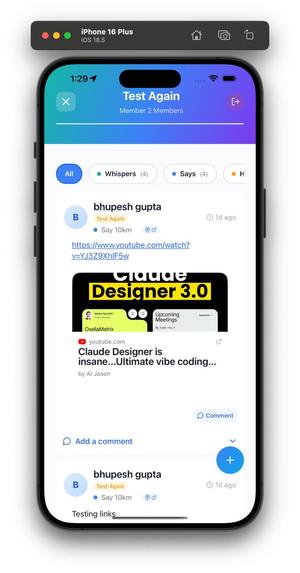
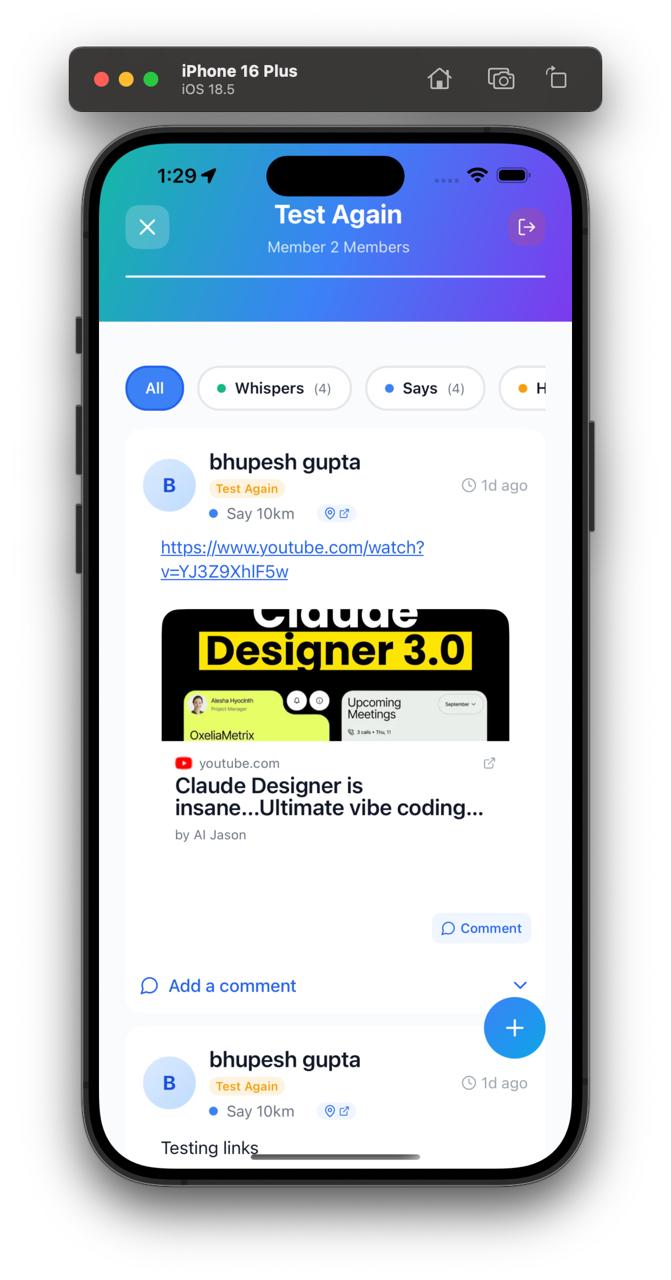
Community feed
-
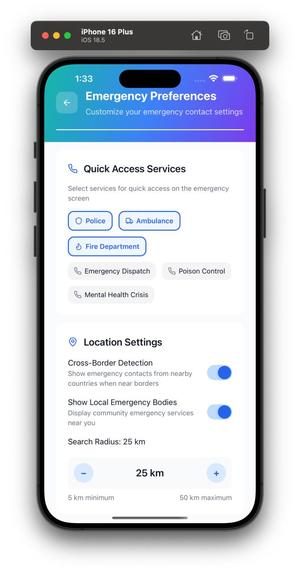
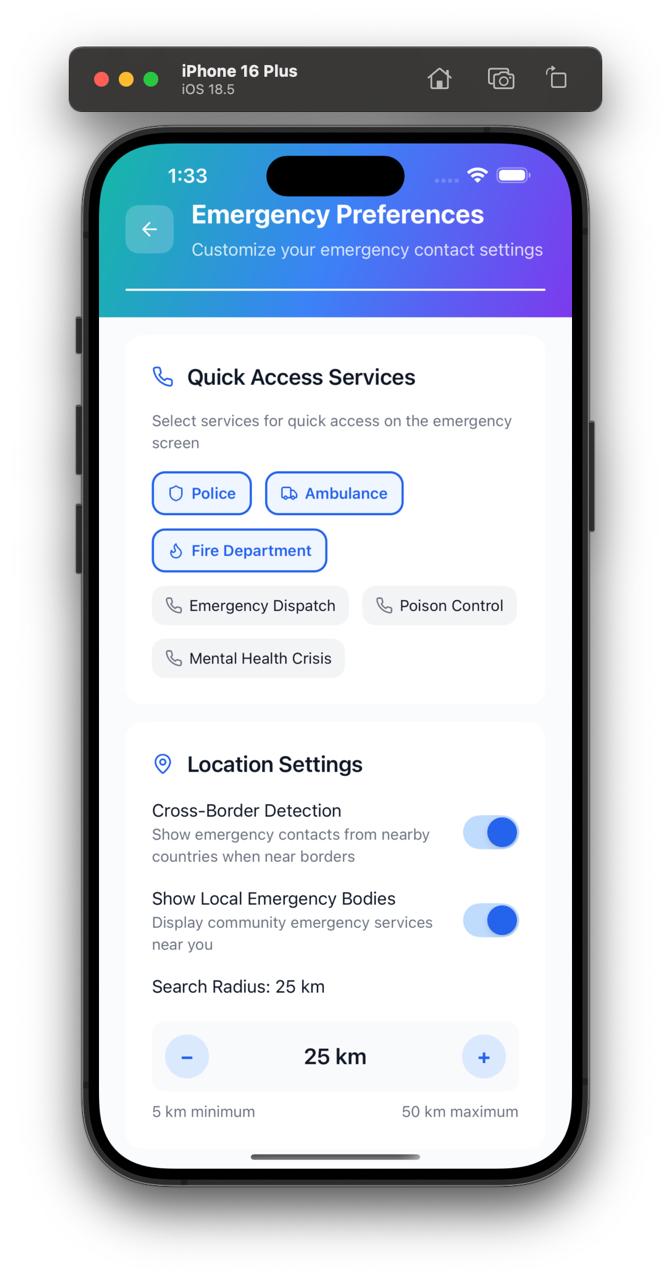
Emergency Settings
-
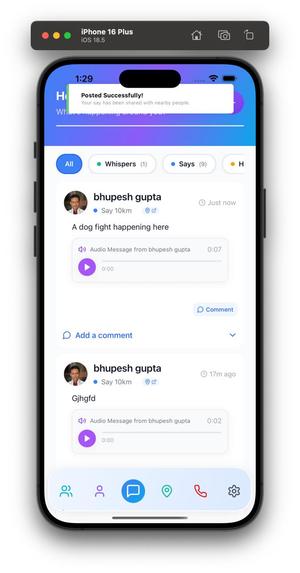
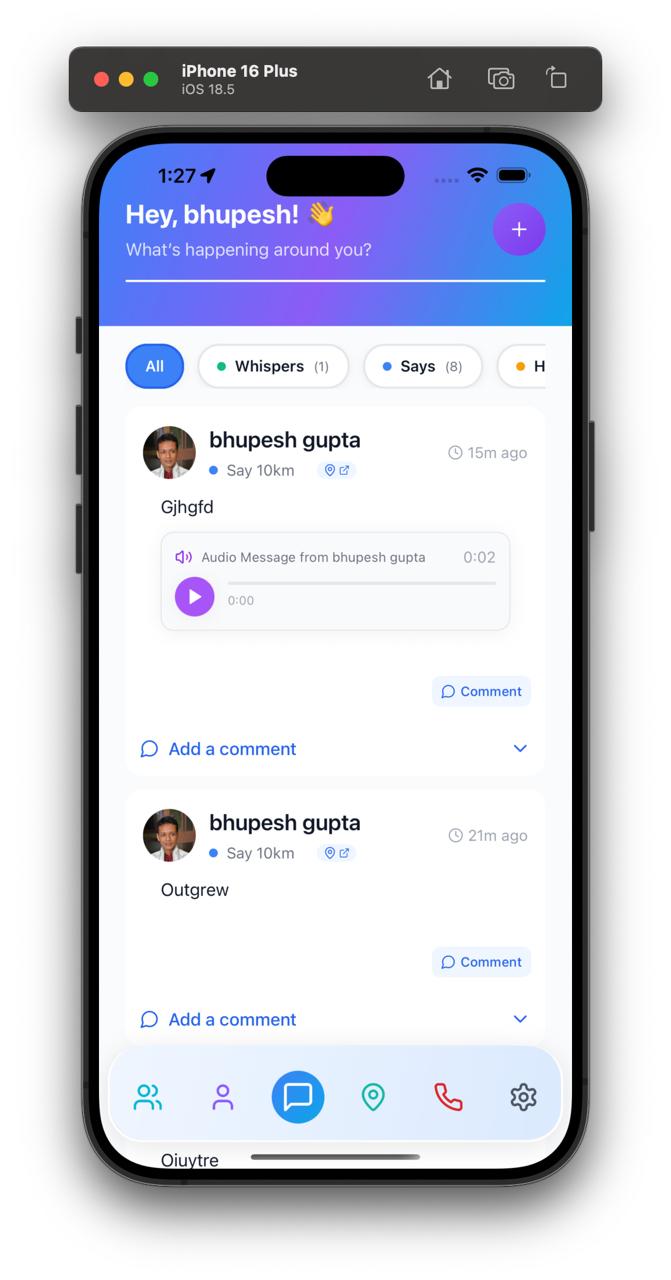
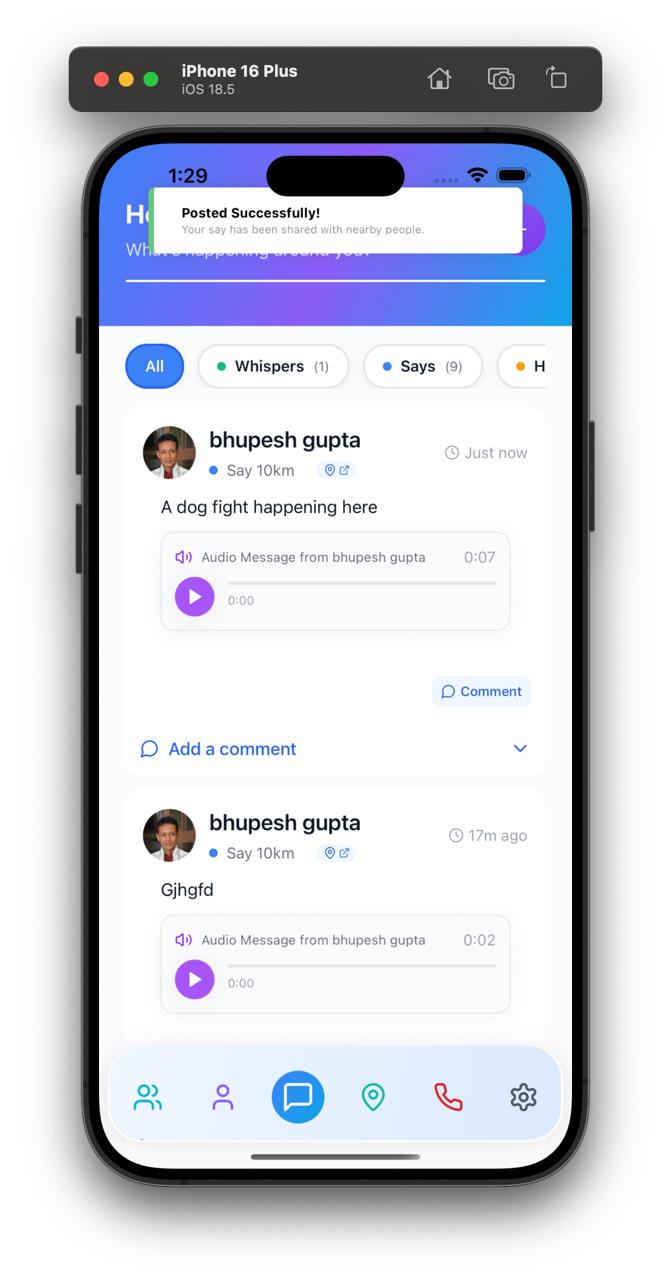
Feed list with audio
Inspiration
Say was born from the personal experience of global social networks out there. I know a lot whats happening in the world but when in need hardly I can seek help there (they have their own use case). So I started feeling a network of nearby people who can actually offer help in an hour of need. People I can meet personally. And from that this idea started growing in the heart and this hackathon gave the opportunity to fulfil that.
What it does
Say is a location-based social platform that connects people with their immediate community while providing critical emergency services integration. Users can:
- Share location-based posts with three engagement levels: Whispers (update people within 1km range), Says (update people within 10km range), and Hollers (wide-reaching announcements, update people within 25km range)
- Discover and join local communities based on shared interests and geographic proximity
- Access real-time emergency services with intelligent caching that works offline
- Register as local service providers to help their local community (like NGOs)
- Share multimedia content including audio recordings, photos, and videos with location context
- Receive push notifications for community updates and emergency alerts (push notification has some issues which are to be solved)
- Privacy first, every post is public, there are no private posts so no one can plan nefarious activities using the platform
How we built it
Say leverages a modern, scalable tech stack designed for real-time, location-aware social interaction:
- Frontend: React Native with Expo, providing cross-platform mobile experience with native performance
- Backend: Supabase with PostgreSQL and PostGIS extension for advanced geospatial queries
- Real-time Features: live feed updates and push notifications via Expo Notifications
- Location Services: Expo Location with intelligent caching and privacy controls
- Media Processing: Expo AV for audio recording and Expo Image Picker for multimedia content
- Architecture: Cache-first emergency services with offline support, using https://emergencynumberapi.com/
- UI/UX: Custom glassmorphism design system with gradient animations and haptic feedback
Challenges we ran into
- Complex geospatial queries: Implementing efficient location-based feed algorithms that scale with user density while maintaining privacy
- Offline emergency access: Building a robust cache-first system ensuring emergency contacts are always available, even without internet
- Real-time social features: Balancing immediate updates with battery life and data usage
- Location privacy: Creating granular privacy controls that protect user location while enabling community features
- Cross-platform consistency: Ensuring identical experience across iOS and Android with platform-specific optimizations
Accomplishments that we're proud of
- Seamless offline emergency access with intelligent background sync and cache management
- Advanced PostGIS integration enabling sophisticated location-based community discovery
- Scalable real-time architecture supporting live feed updates and push notifications (have some issues at the time of submission)
- Comprehensive emergency/general services database with local service provider registration
- Intuitive location aware posting system (Whispers, Says, Hollers) creates posts that travels just enough distance
- Robust privacy controls allowing users to fine-tune their location sharing preferences
- Glass morphism UI design creating an engaging, modern user experience with smooth animations
What we learned
- Geospatial database optimization is crucial for location-based social apps - PostGIS proved invaluable for complex proximity queries
- Cache-first architecture is essential for emergency services
- Community moderation at the local level requires different approaches than global social platforms
- Emergency service integration requires extensive testing with real emergency responders to ensure usability under stress
- Location-based privacy is more nuanced than simple on/off switches - users need granular control over their digital footprint
What's next for Say
- AI-powered community insights to suggest relevant local events and emergency preparedness tips
- Integration with official emergency alert systems for government-issued warnings and updates
- Expanded multimedia support including live streaming for real-time community events
- Community commerce features enabling local businesses to connect with nearby residents
- Emergency drill coordination allowing communities to organize and track safety preparedness
- Analytics dashboard for emergency service providers to understand community needs and response patterns
- Multi-language support to serve diverse local communities
- Web platform expansion to complement the mobile experience with desktop community management tools
Built With
- bolt.new
- emergencyserviceapi
- expo.io
- postgresql
- react-native
- supabase
- tailwind
- typescript


Log in or sign up for Devpost to join the conversation.