-
-
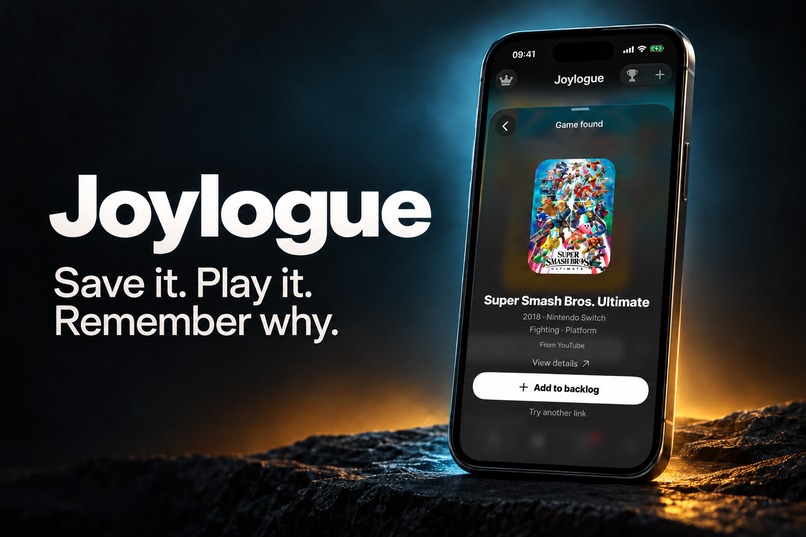
Hero
-

App Icon
-
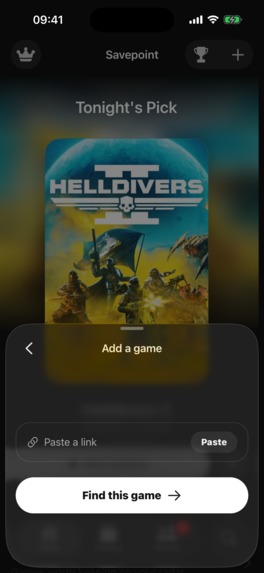
Save games directly from social media
-
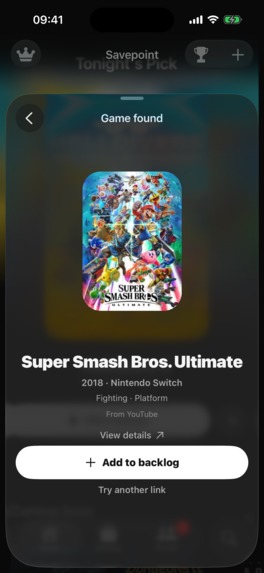
From video to backlog in seconds
-
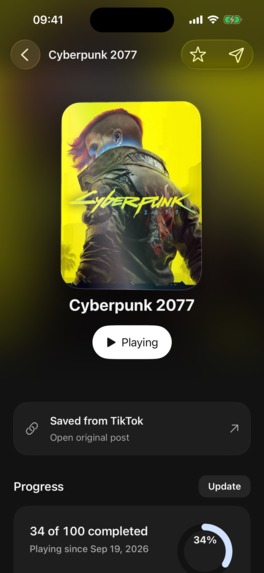
Remember why you saved it
-
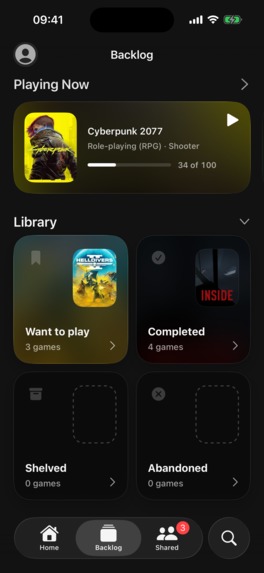
Your entire backlog, organized
-
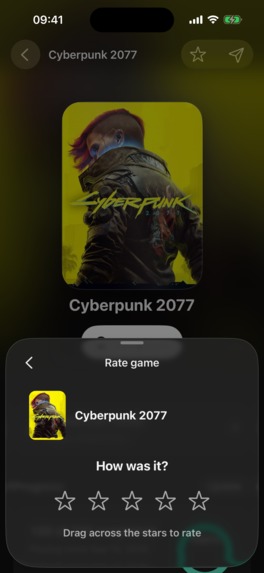
Complete it. Rate it. Remember it.
-
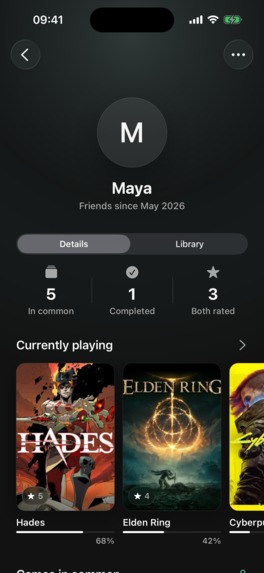
Gaming is better with friends
-
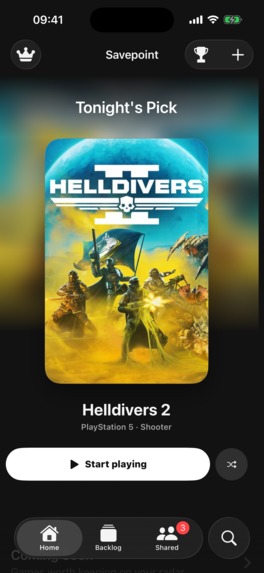
Decide what to play next
-
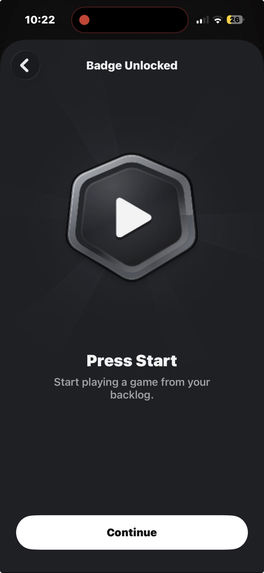
Badge Reveal
-
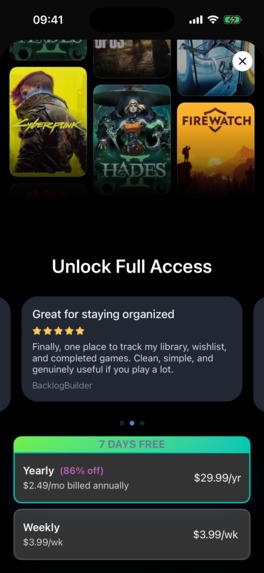
Unlock Joylogue Pro
-
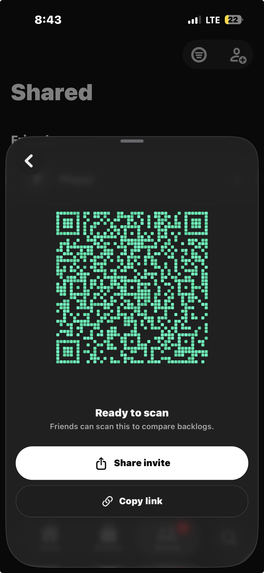
QR Code Scan
-
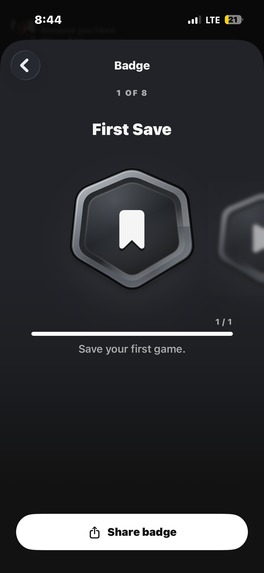
Badges Gallery
-
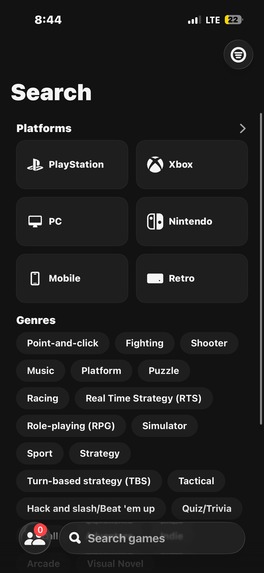
Search Screen
-
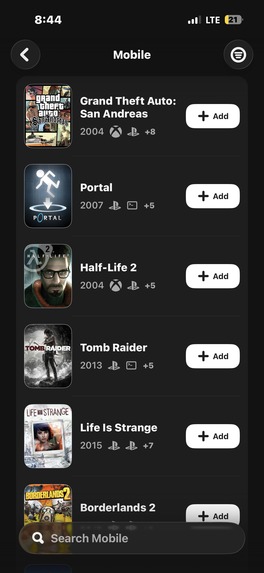
Search for games

Inspiration
The Shipaton gaming brief helped crystallize an idea I already wanted to pursue: a game tracker that feels effortless to use.
I had previously built trackers for anime, Pokémon, One Piece, and other media, so I saw clear potential in bringing that experience to games. I am also an avid gamer who regularly discovers interesting titles through YouTube, TikTok, and Instagram. Those posts often provide little context, and once I scroll away, the game is usually lost.
That personal frustration became the central idea behind Joylogue: let people save a game at the exact moment they discover it, even when all they have is a social media link.
What it does
Joylogue is a game tracker built around the full journey from discovery to completion.
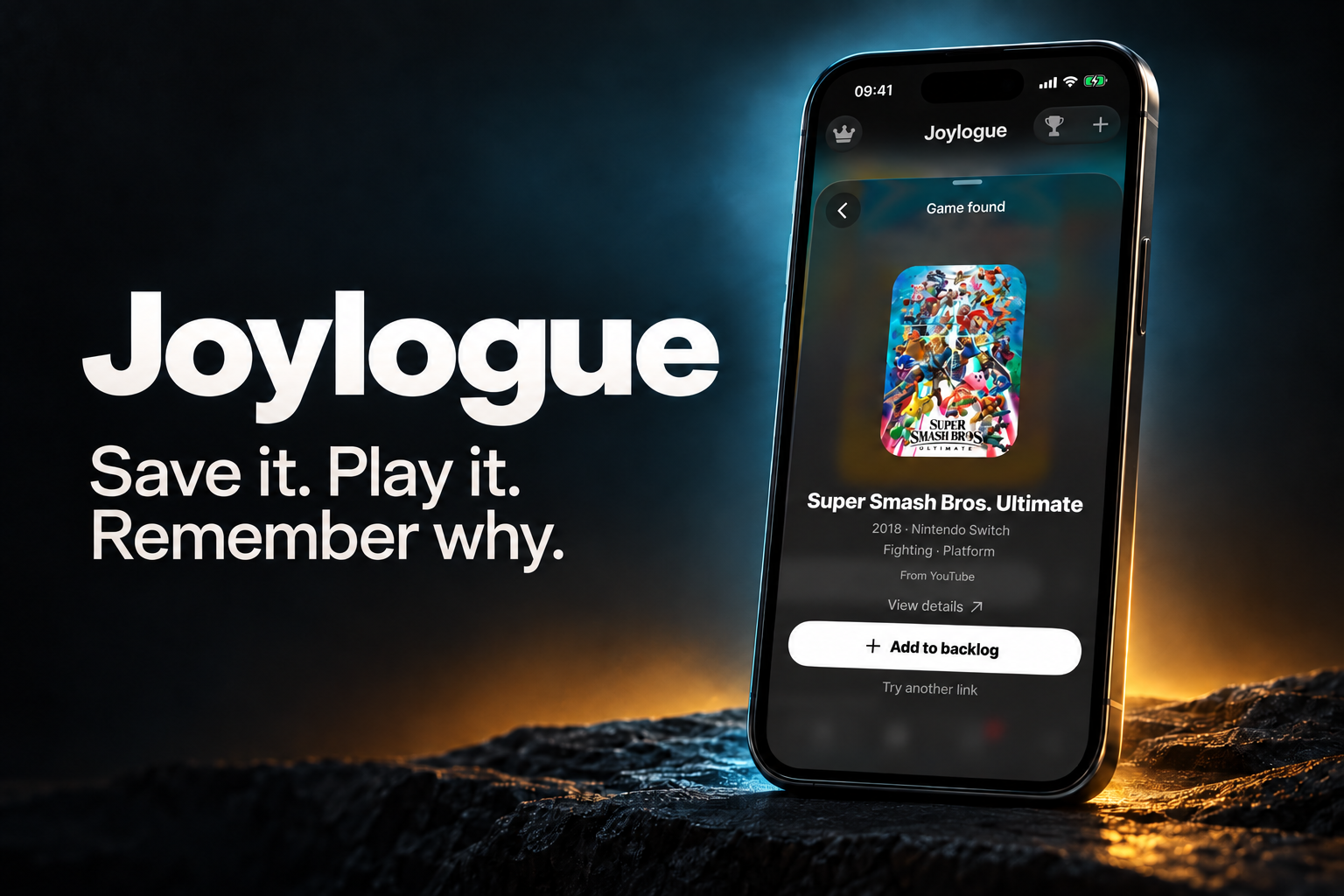
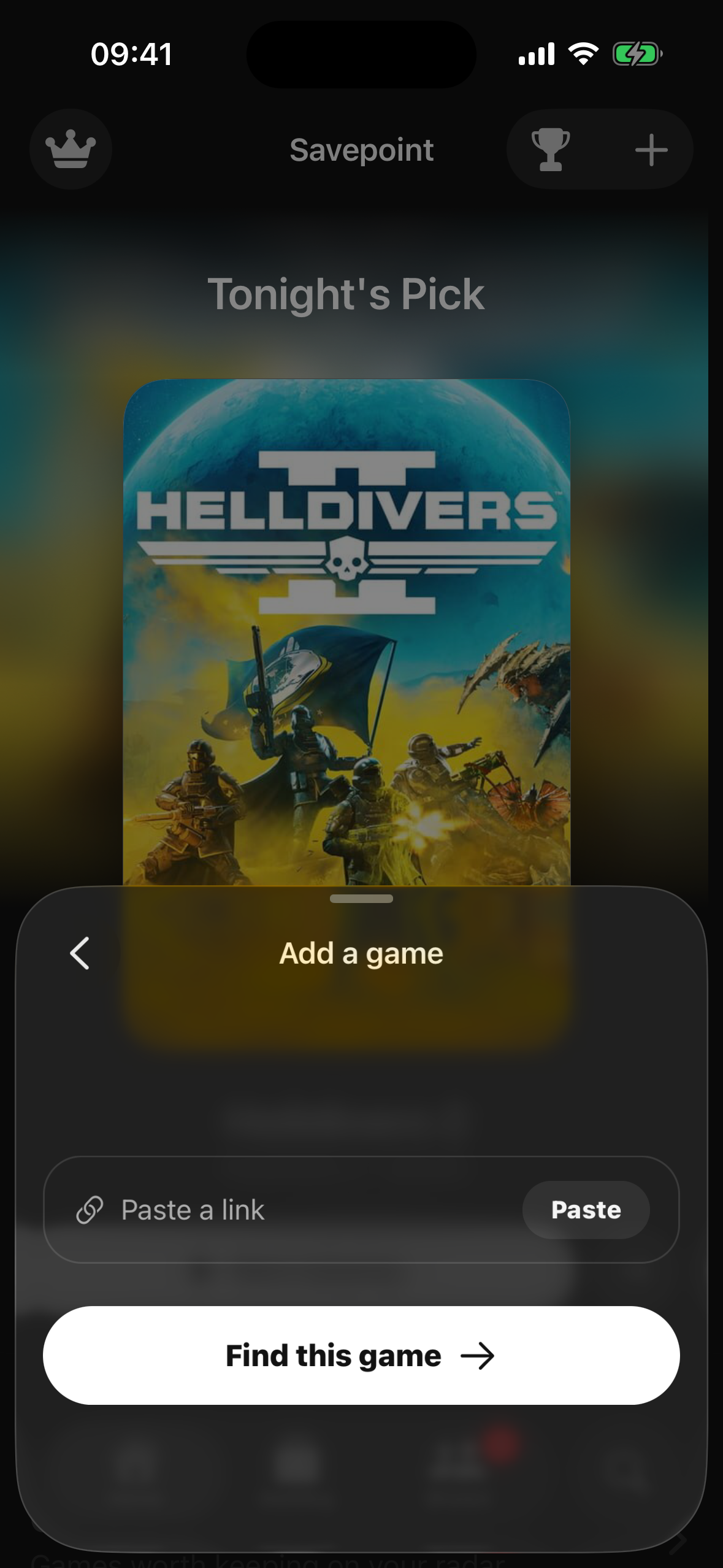
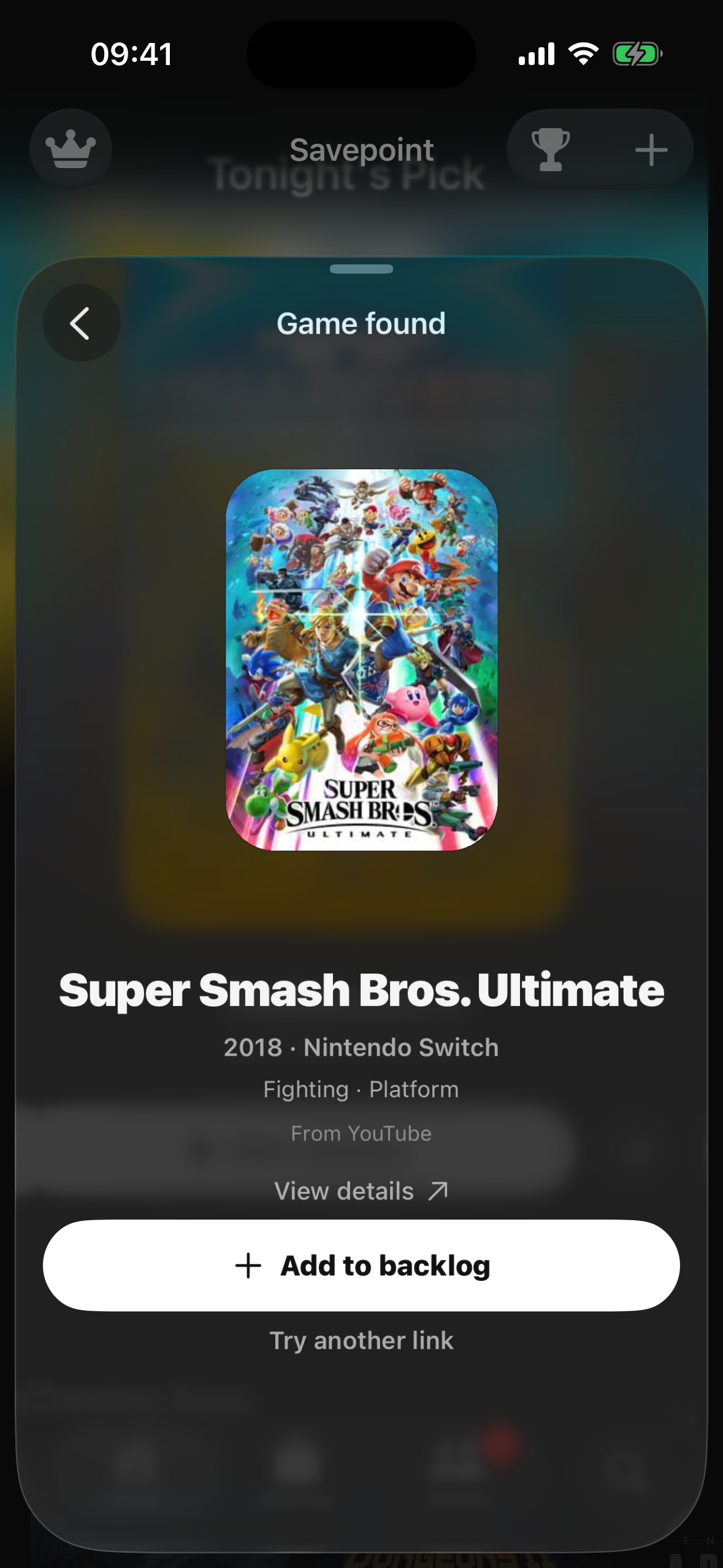
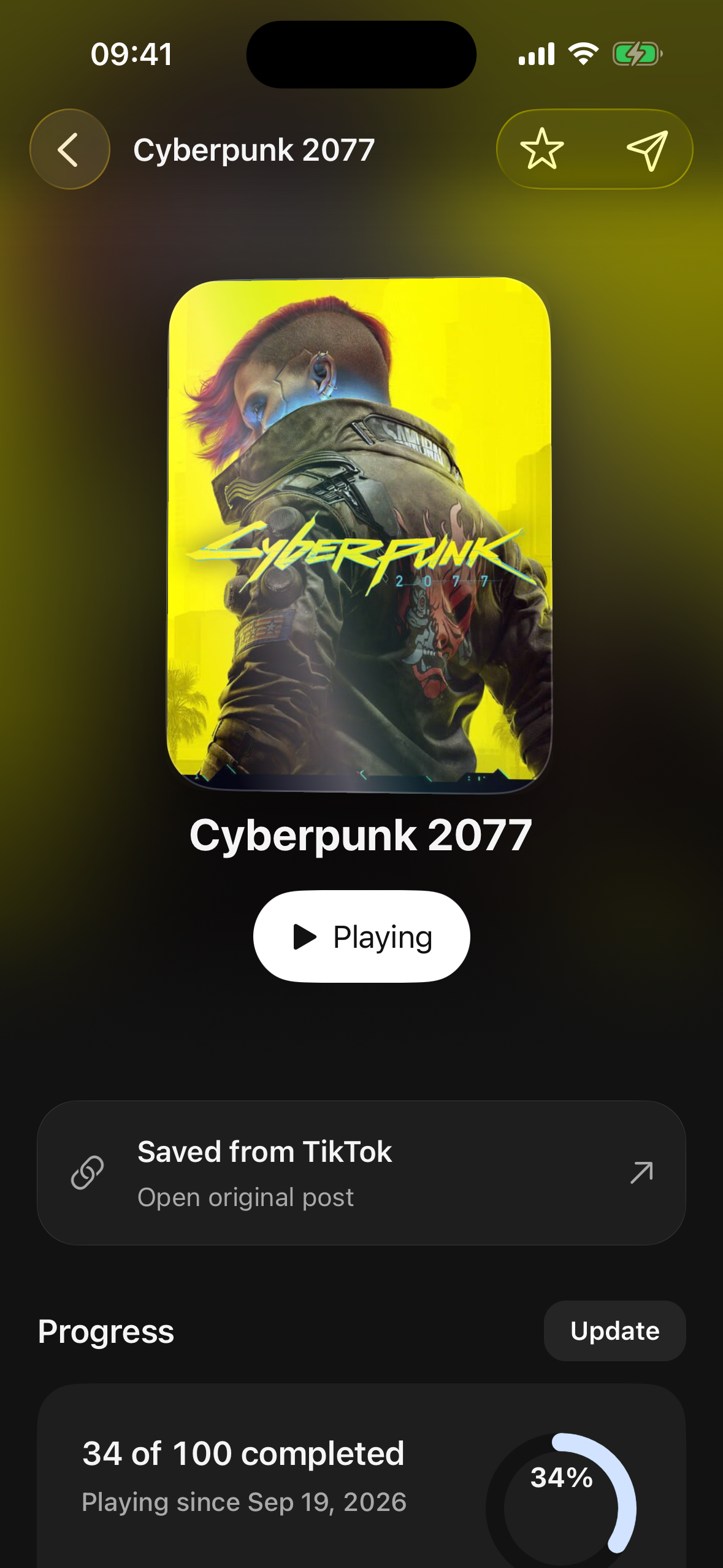
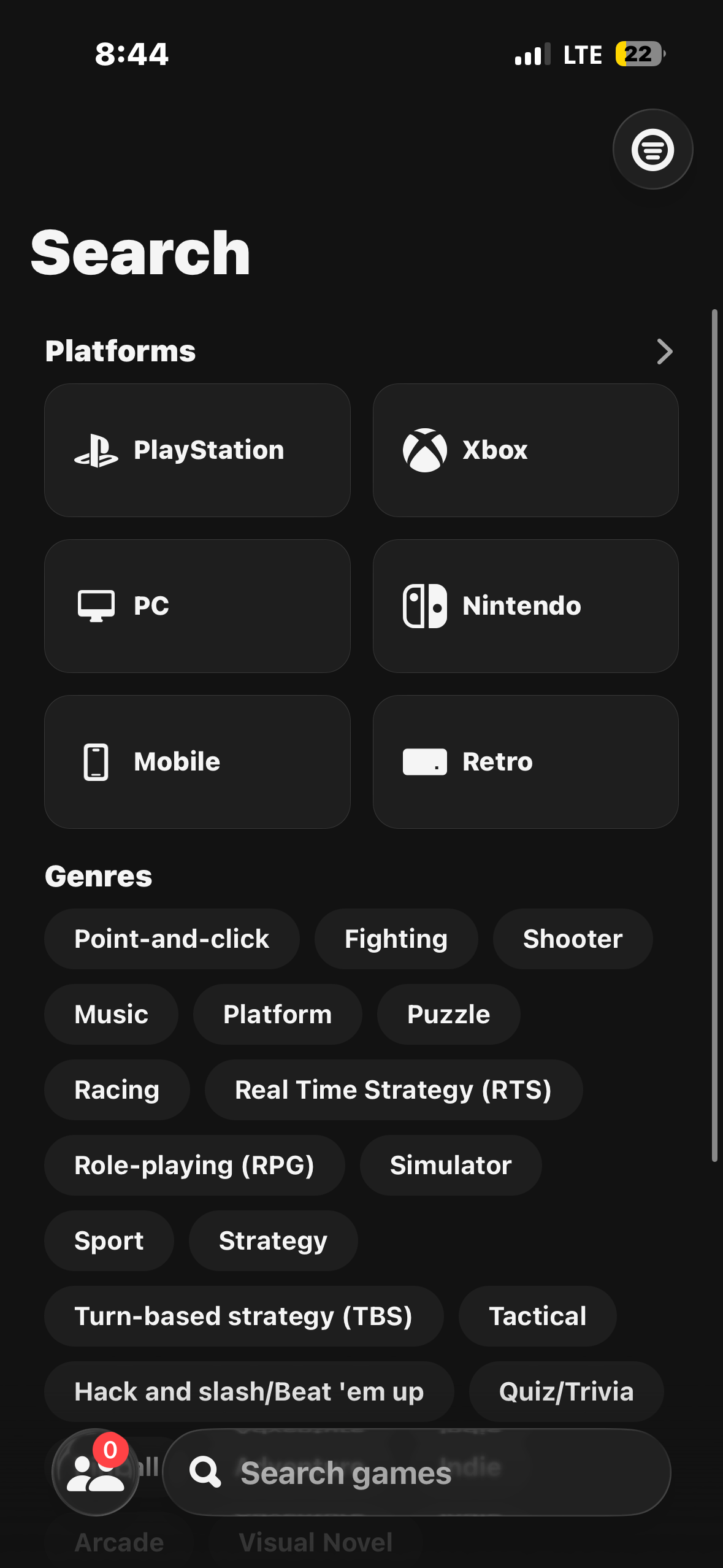
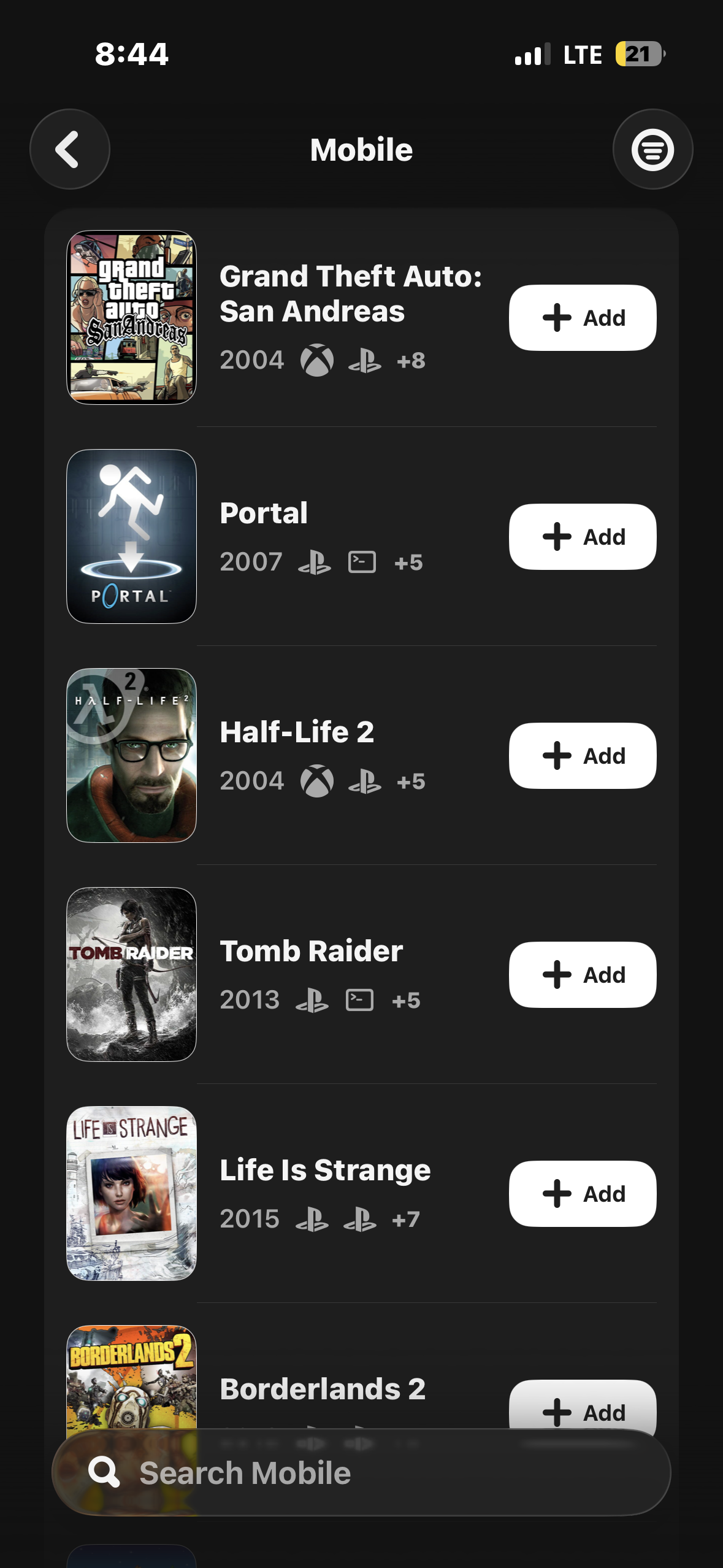
Users can share a YouTube, TikTok, or Instagram link with Joylogue, which analyzes the content, identifies the game, and creates a detailed entry in their library. Joylogue also remembers the original post so users can return to the reason they saved the game.
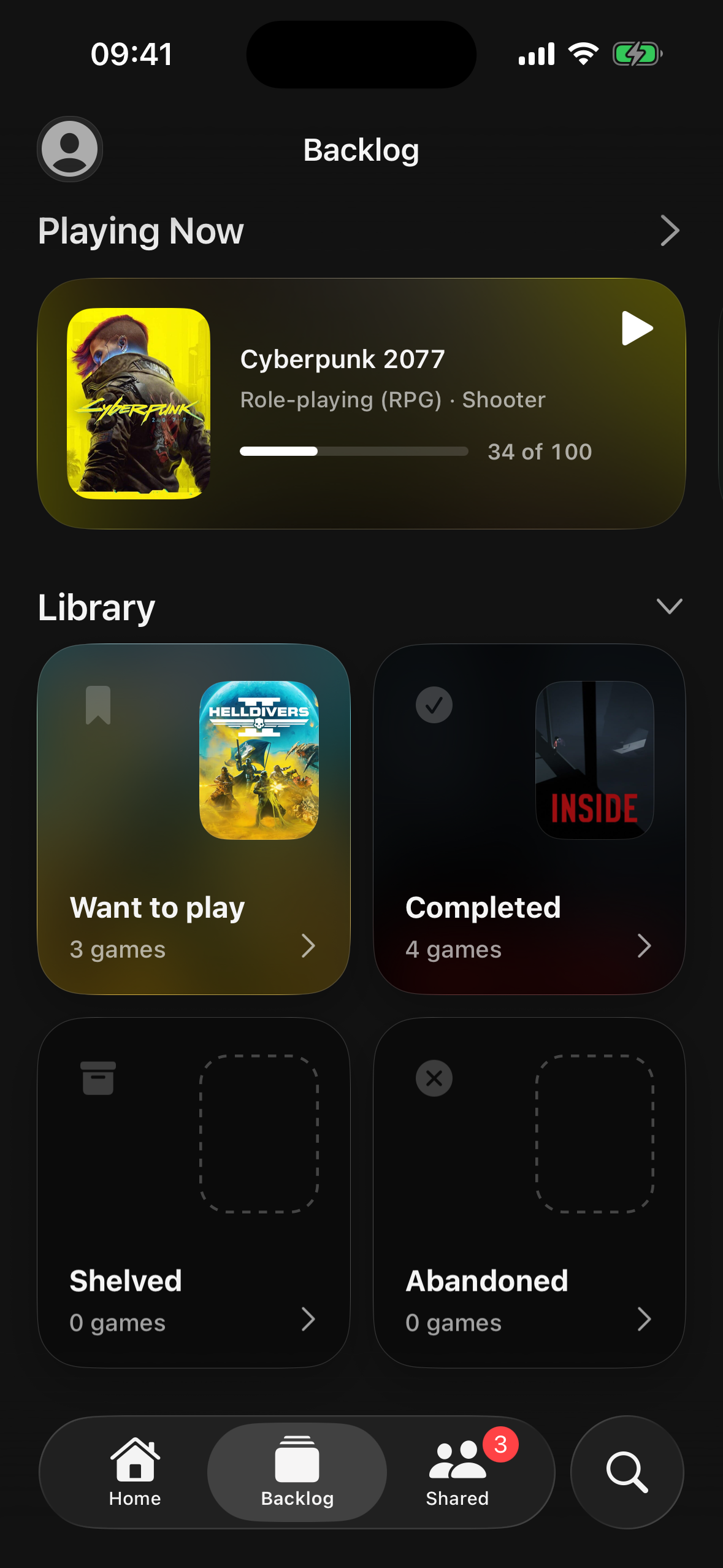
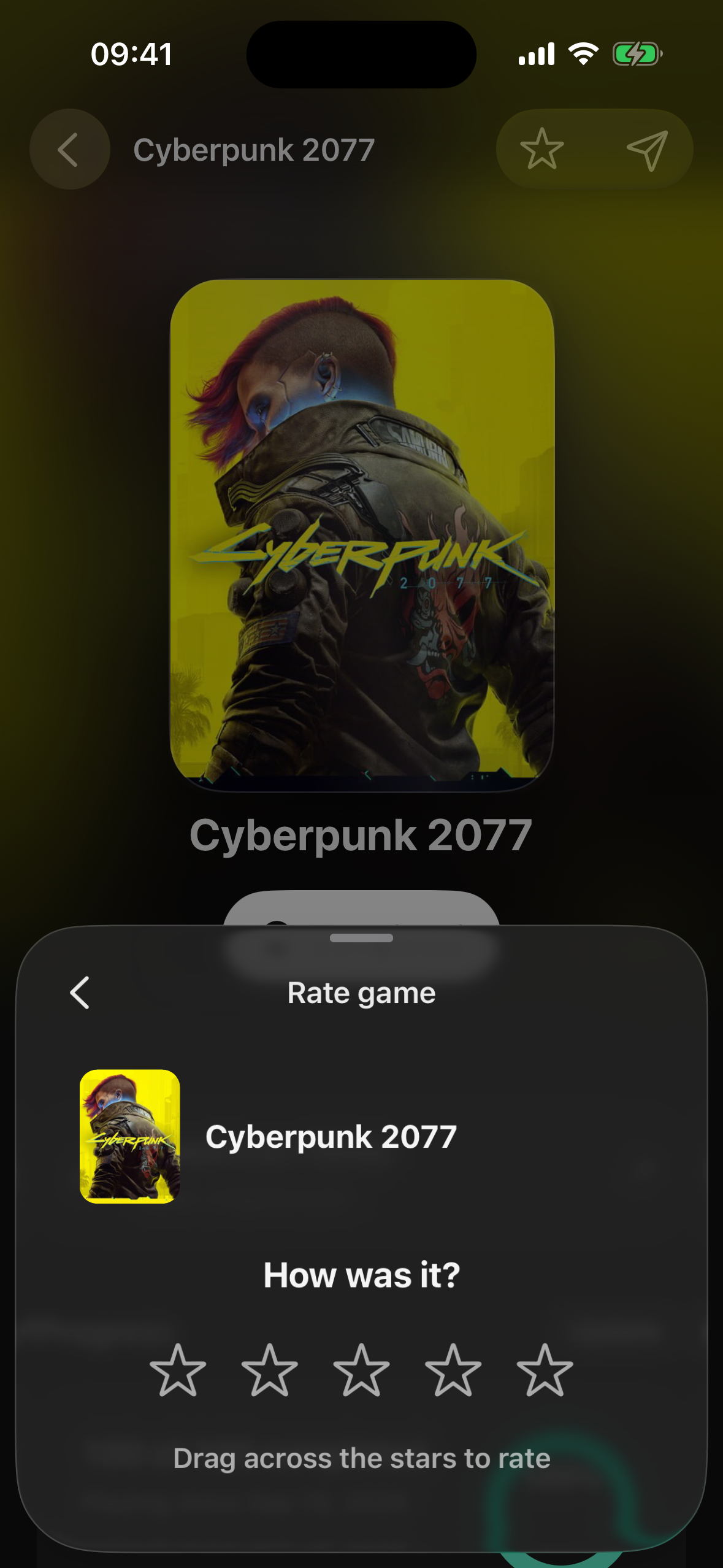
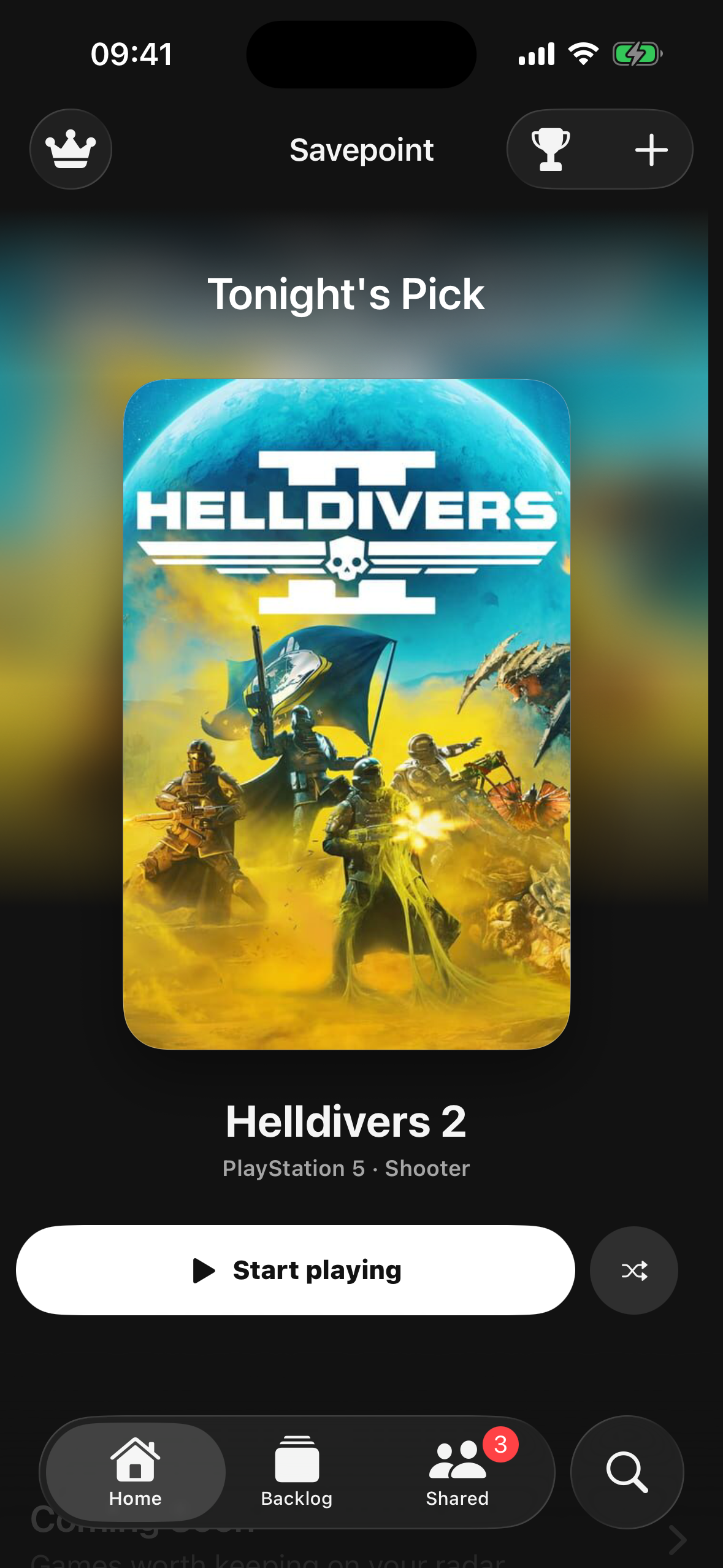
Games can be organized as Want to Play, Playing, Completed, Shelved, or Abandoned. Players can track their progress, record start and completion dates, rate completed games, receive upcoming-release alerts, and get help deciding what to play next.
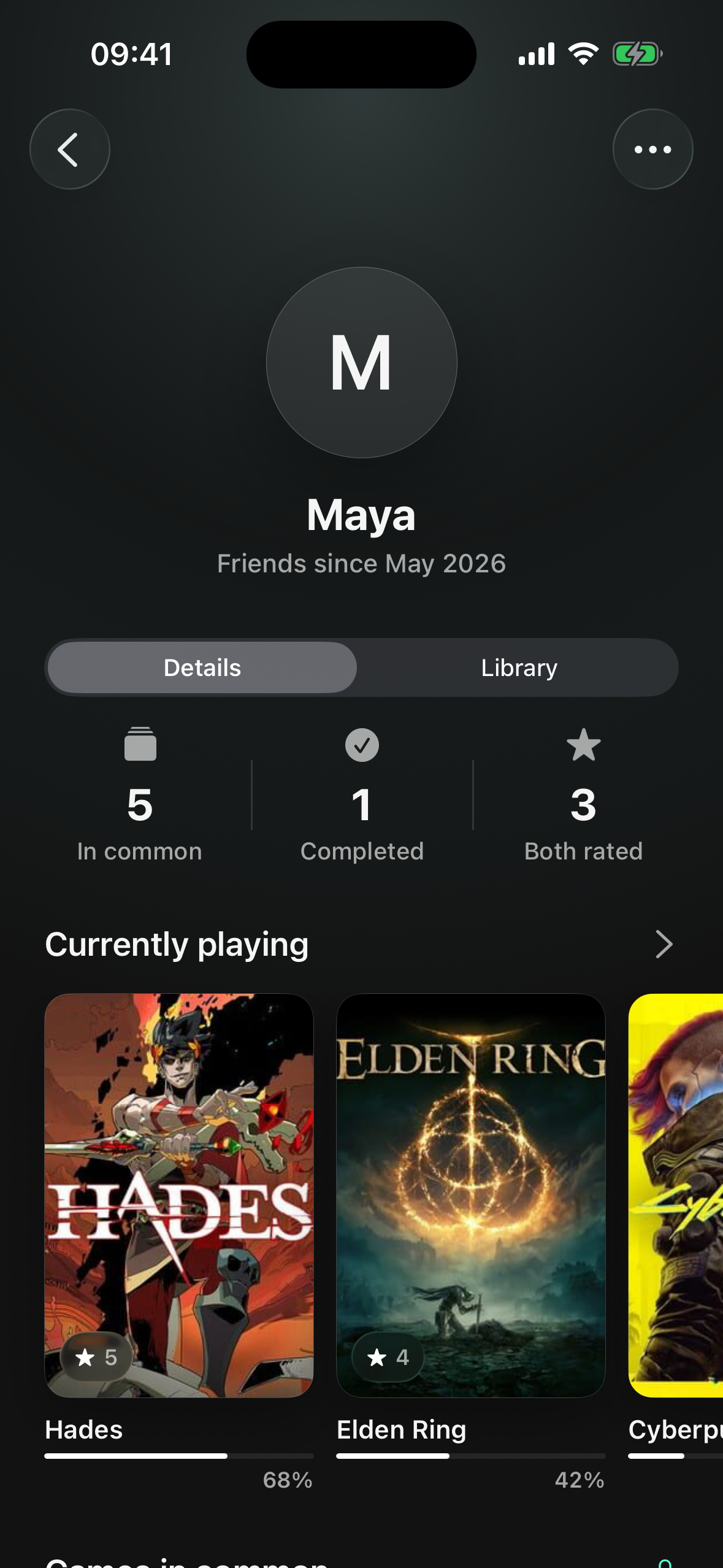
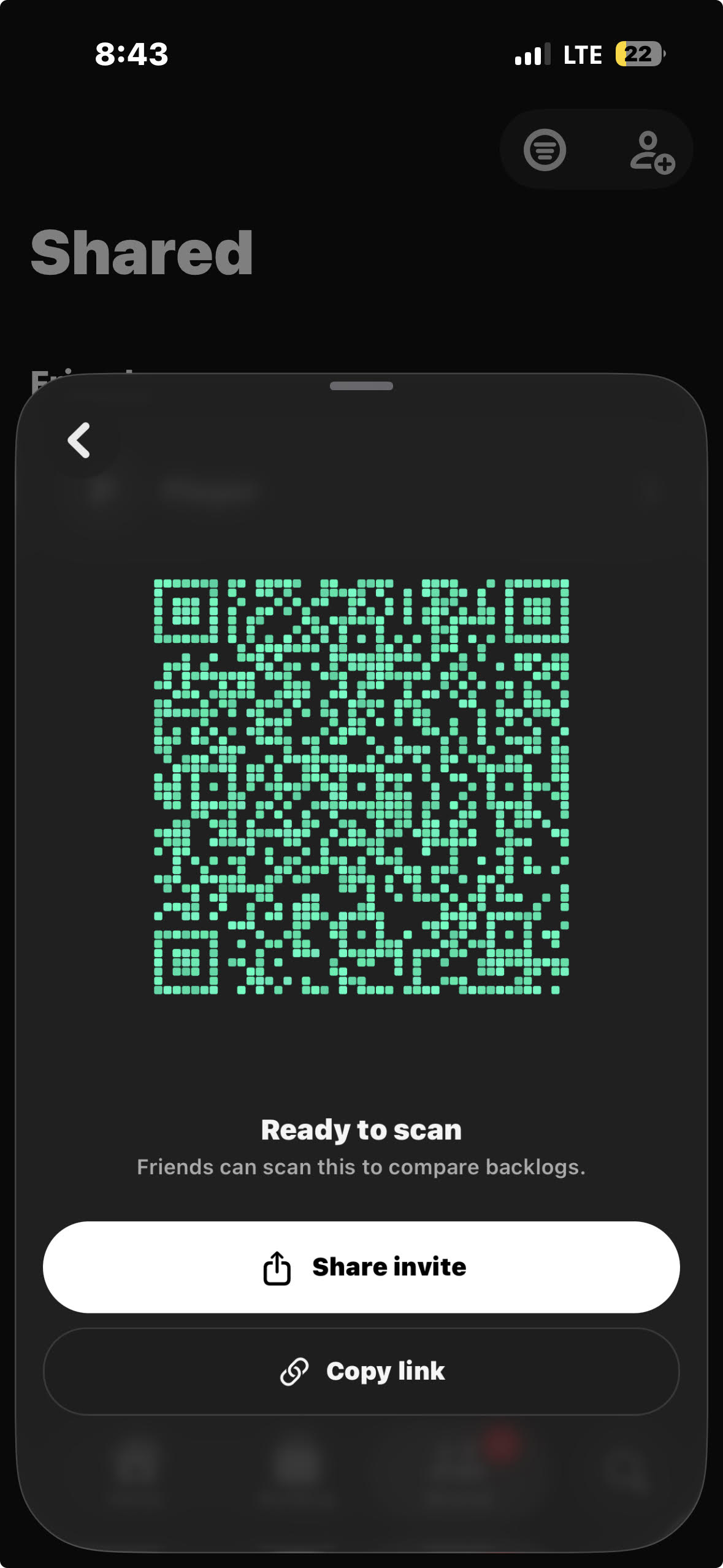
Joylogue also includes social features that support the core tracking experience. Friends can compare libraries, see games they have in common, view each other’s progress and ratings, and send direct game recommendations.
How we built it
I designed and built Joylogue by myself in approximately three weeks.
The app was created with React Native, Expo Router, and TypeScript. Its local-first library uses SQLite and Drizzle ORM, keeping the core tracking experience fast and available without depending on a constant internet connection.
The social system uses Supabase for profiles, friendships, shared libraries, and recommendations. Game information comes from IGDB through a server-side API, keeping private credentials outside the mobile app.
The social-link feature uses a server-side pipeline that can download and process public video content from platforms such as YouTube, TikTok, and Instagram. It analyzes the available text, metadata, and media to identify recognizable games before matching them with structured game data.
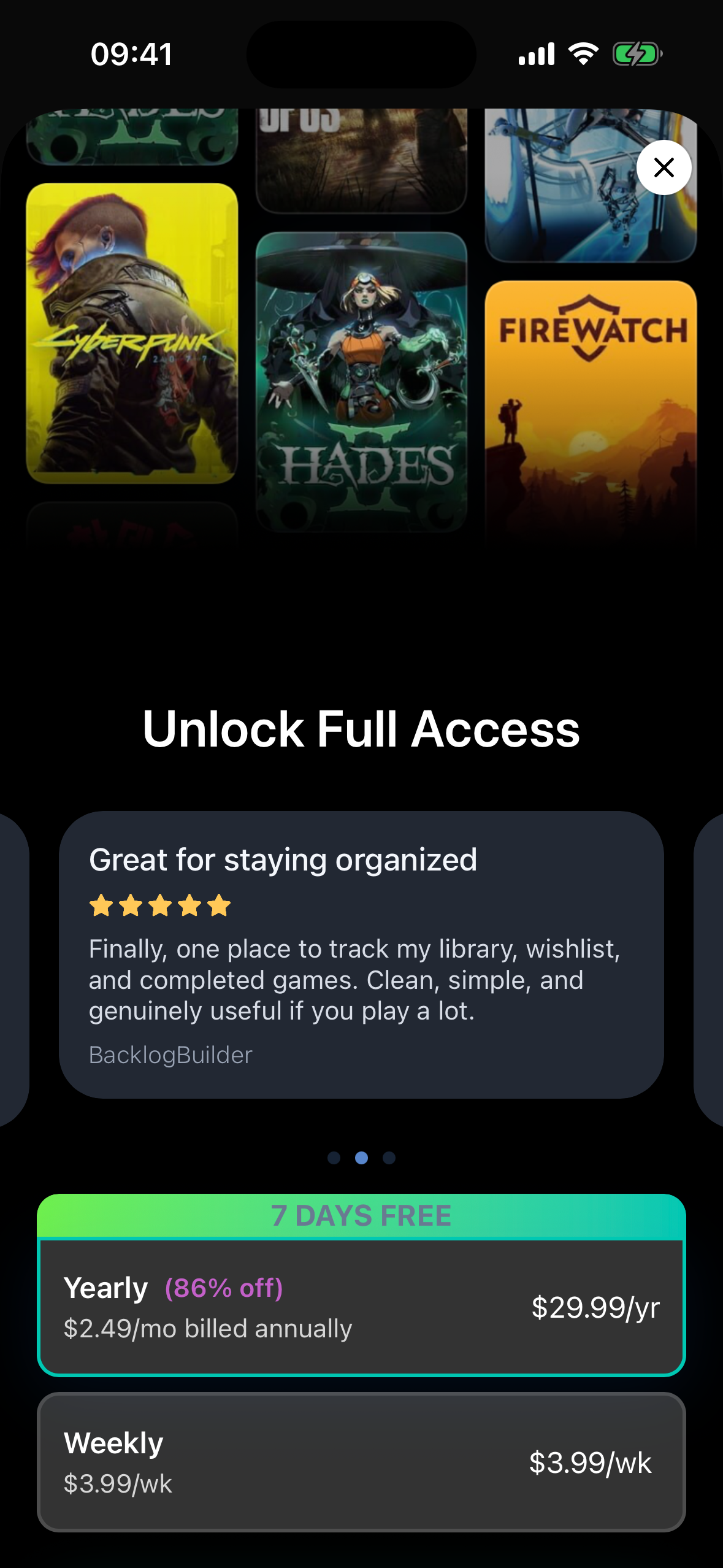
RevenueCat powers Joylogue Pro, including native paywalls, purchases, entitlement checks, restores, and subscription management. OneSignal supports notification infrastructure, while PostHog helps measure the discovery, library, social, and purchase funnels.
Challenges we ran into
The biggest challenge was making social-link identification feel dependable.
Social posts rarely provide clean, structured game information. A title might only appear briefly in the video, be mentioned in the audio, or be missing from the caption entirely. The server therefore needs to download and process the content, identify possible games, match the result against reliable game data, and return it quickly enough that saving never feels frustrating.
Building the backend was only part of that challenge. I also spent considerable time refining the loading states, animations, error handling, and confirmation screens. The experience needed to communicate what was happening without making the user think about the complexity behind it.
Another challenge was adding social features without allowing them to take over the product. Joylogue is first and foremost an intuitive personal game tracker. Friend comparisons and recommendations had to feel like natural extensions of the library rather than a separate social network.
The visual design presented a similar challenge. I did not want Joylogue to resemble another generic game database or neon gaming interface. I focused on a darker, cinematic style that gives cover artwork space to breathe and makes each library feel personal.
Accomplishments that we're proud of
I am most proud that I took Joylogue from an idea to a published product on both the Apple App Store and Google Play in approximately three weeks.
The social-link feature now identifies games from major media platforms and turns a fleeting discovery into a useful library entry. The complete product loop also works: users can discover a game, save it, organize it, track their progress, complete it, rate it, and recommend it to a friend.
Joylogue has received positive feedback about both its core experience and its design. It also has active users who return consistently, which has been especially rewarding for a product built and launched by one person in such a short period.
What we learned
I learned that the most valuable feature is often the removal of a small moment of friction. People already discover games they want to play; they simply need a reliable way to capture that intention before it disappears.
I also learned that accuracy alone is not enough for content identification. Speed, clear feedback, graceful failure states, and polished transitions all affect whether the feature feels trustworthy.
Building the social system reinforced the importance of product focus. Every feature had to support the central question: does this make tracking and enjoying games easier? That constraint helped keep Joylogue useful without turning the library into another chore.
Finally, shipping to both stores taught me how much work exists beyond writing the app itself—from purchases and entitlement handling to store metadata, analytics, testing, and production infrastructure.
What's next for Joylogue - Game Tracker
My immediate priority is refining the core loop: making social-link identification faster and more accurate, improving how games move through the library, and using real feedback to remove remaining friction.
After that, I plan to expand the social experience with better recommendations, collaborative lists, and more ways for friends to discover games through each other without distracting from personal tracking.
I also want to market Joylogue heavily on the same social platforms where the problem begins. Short demonstrations of turning an unidentified gaming clip into a saved game can communicate the product’s value immediately while reaching the people most likely to need it.
Built With
- drizzle
- expo.io
- gemini
- igdb
- onesignal
- posthog
- react-native
- revenuecat
- sqlite
- supabase
- typescript

