-
-
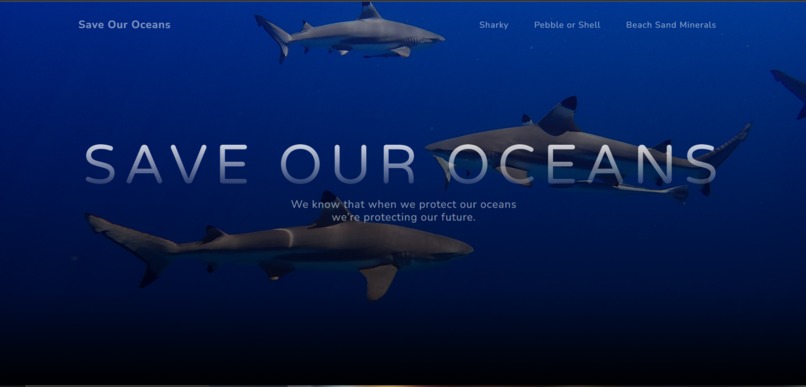
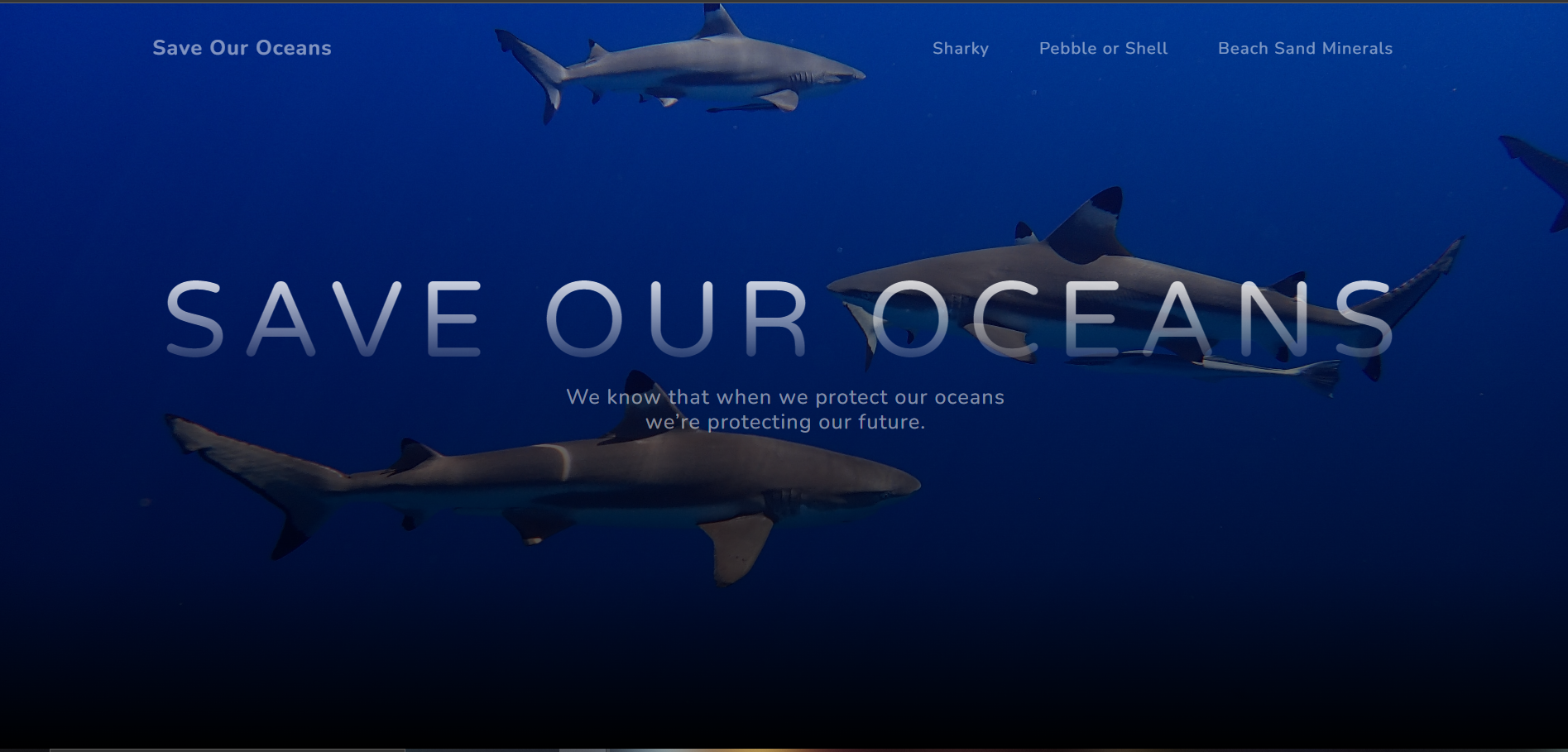
Main Web Page
-
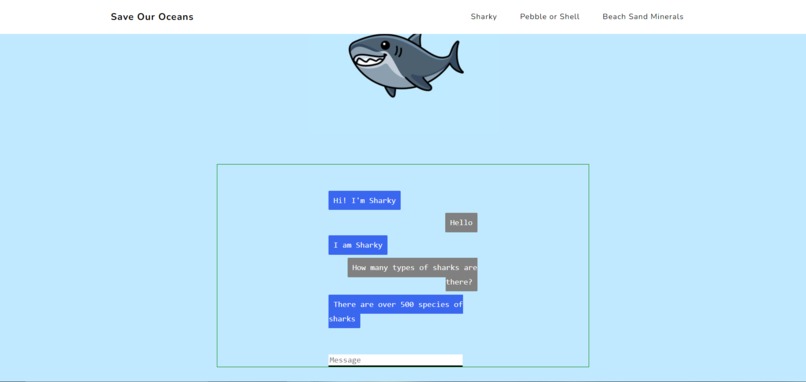
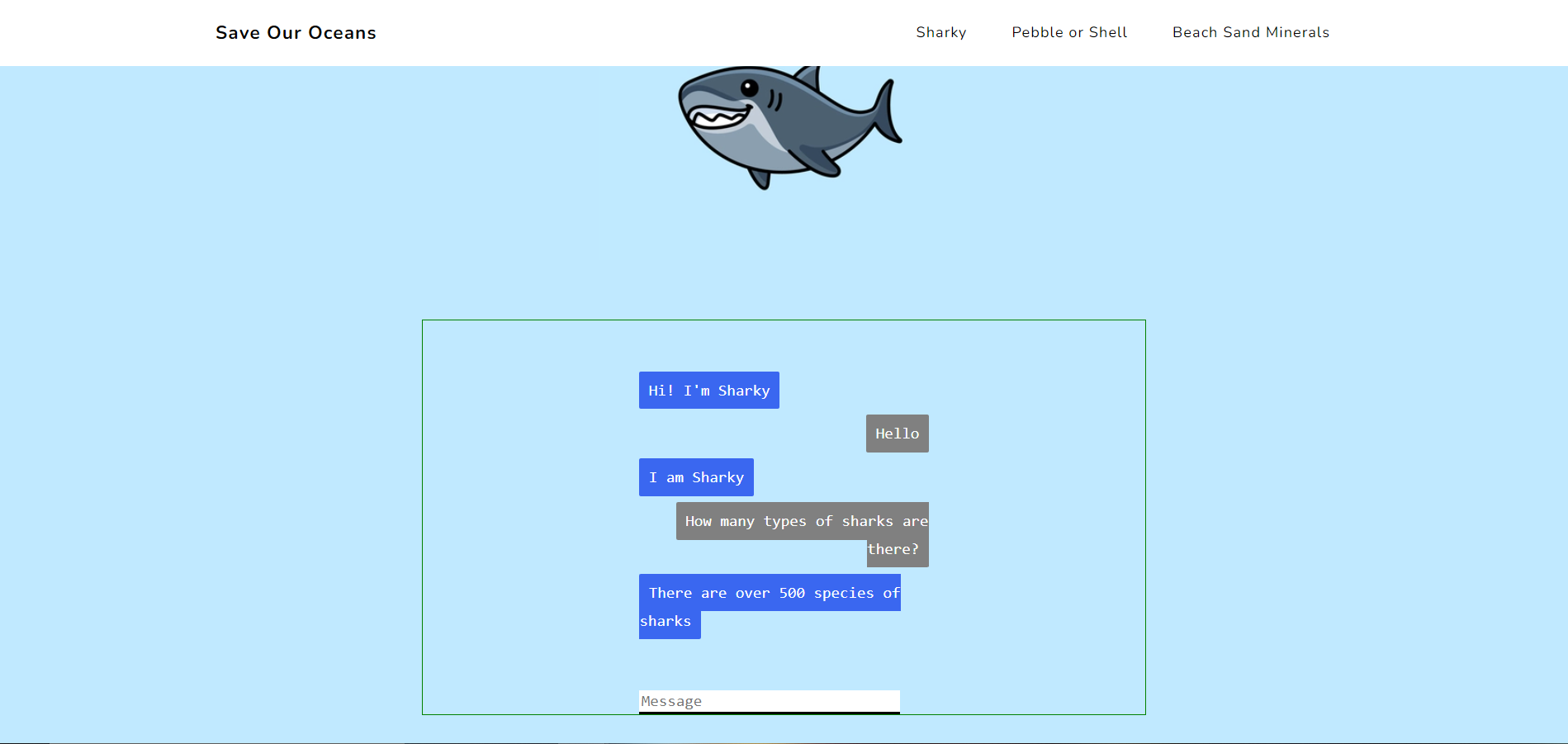
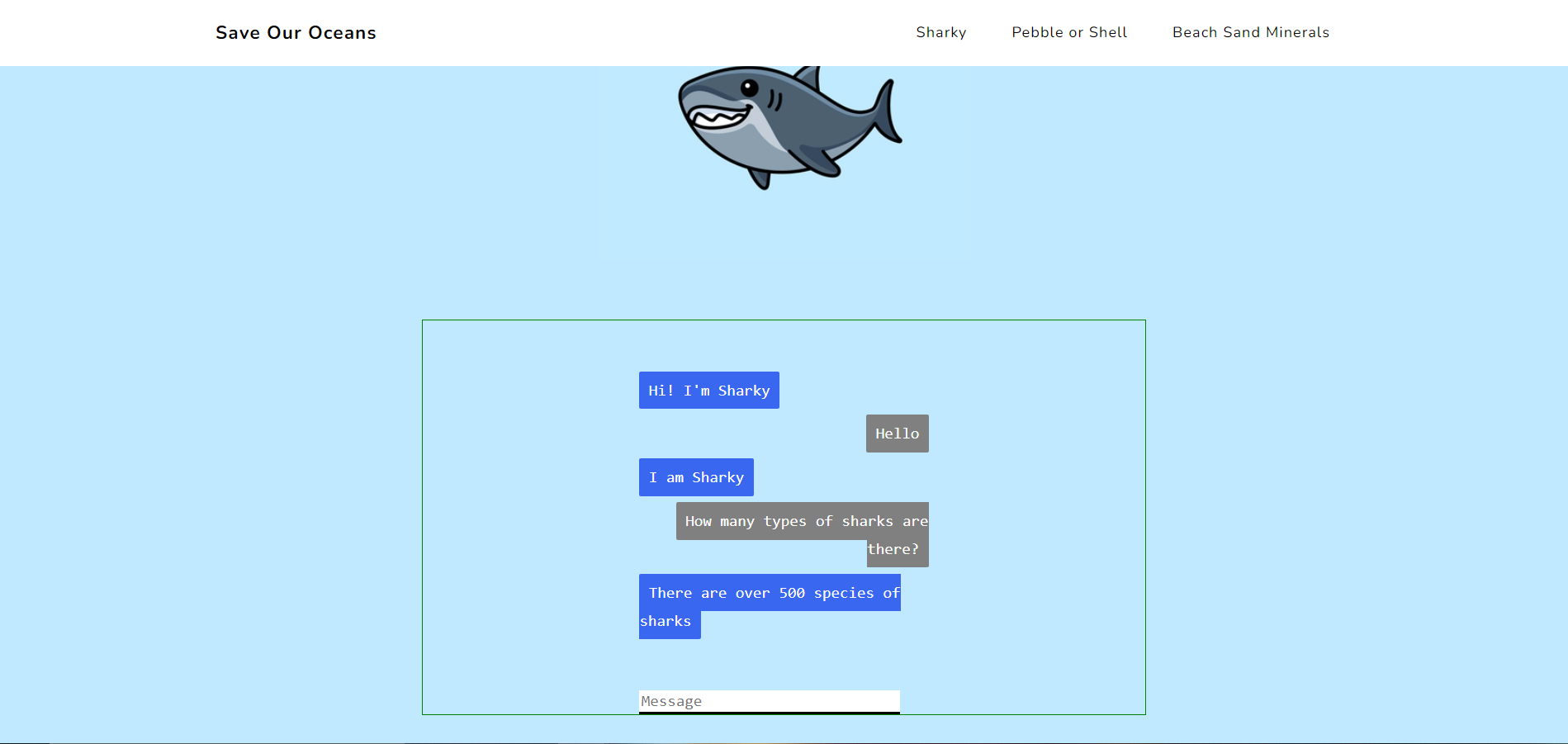
Sharky
-
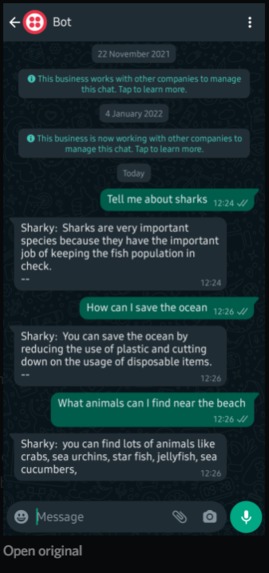
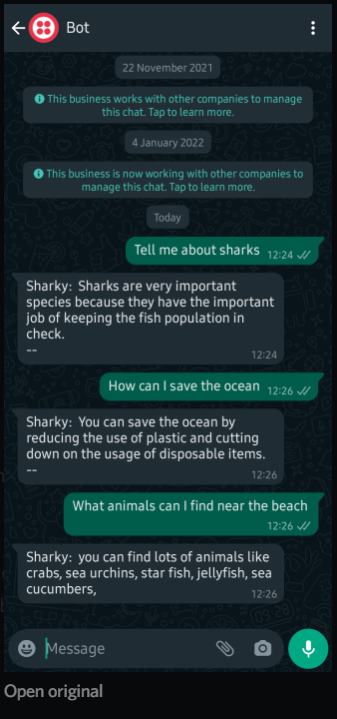
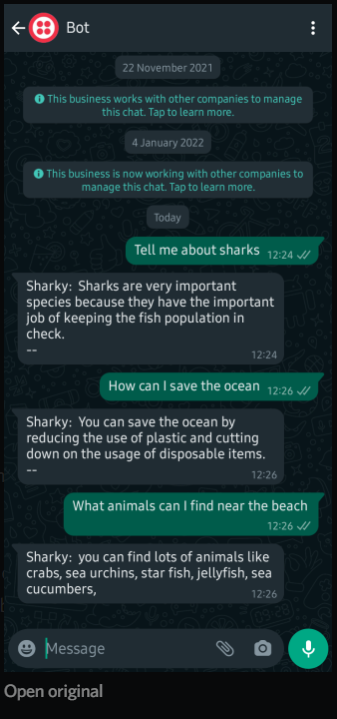
Sharky on Twilio
-
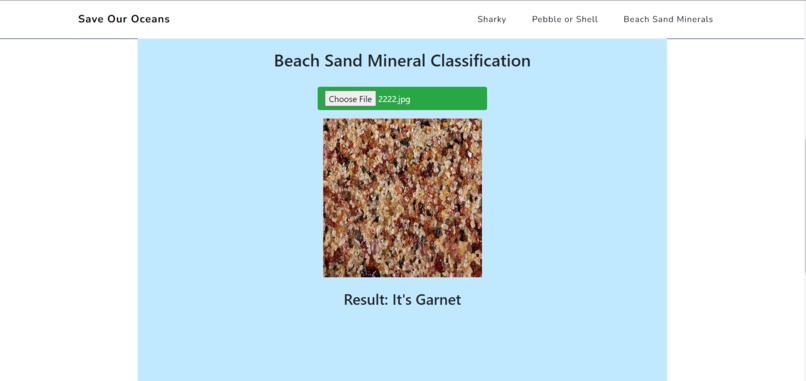
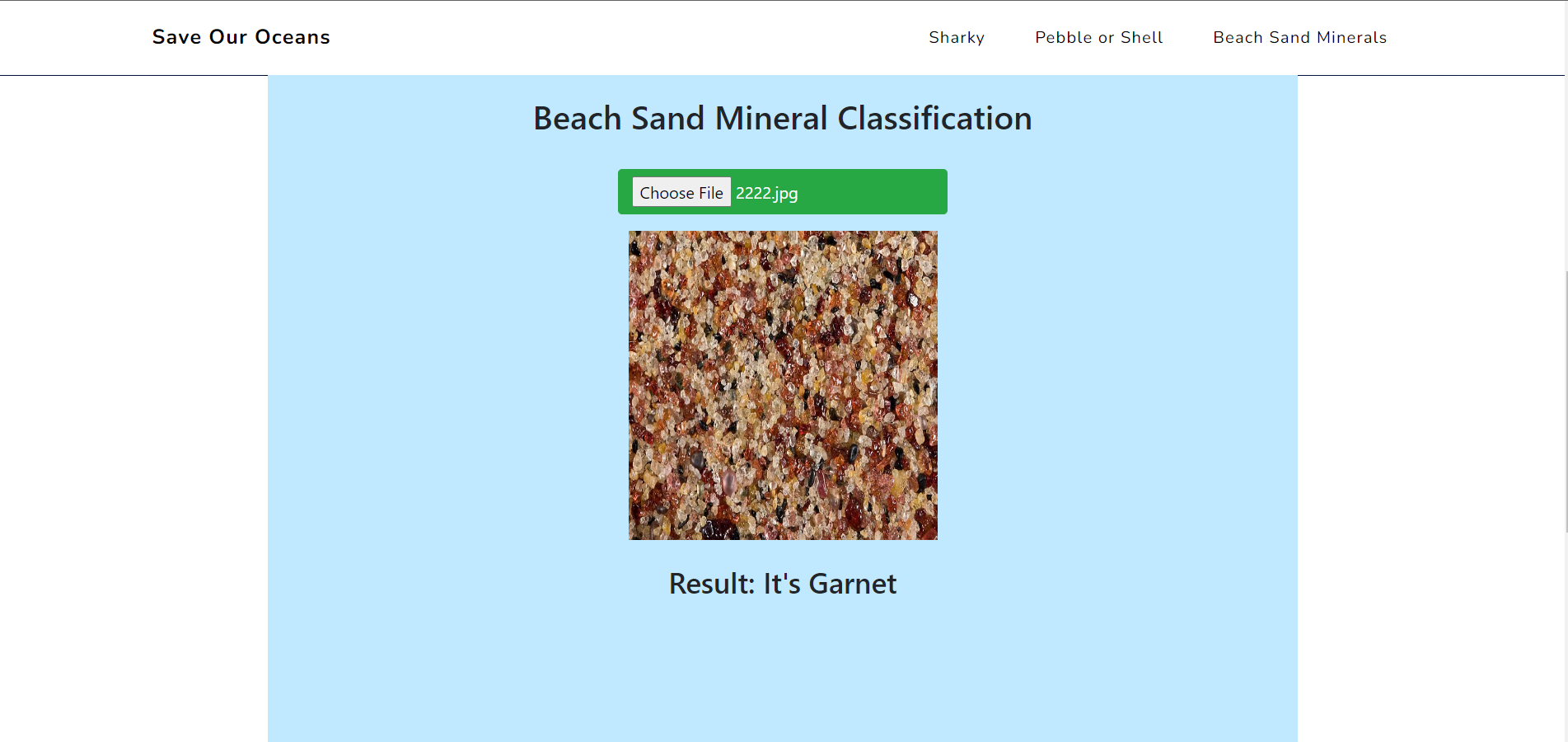
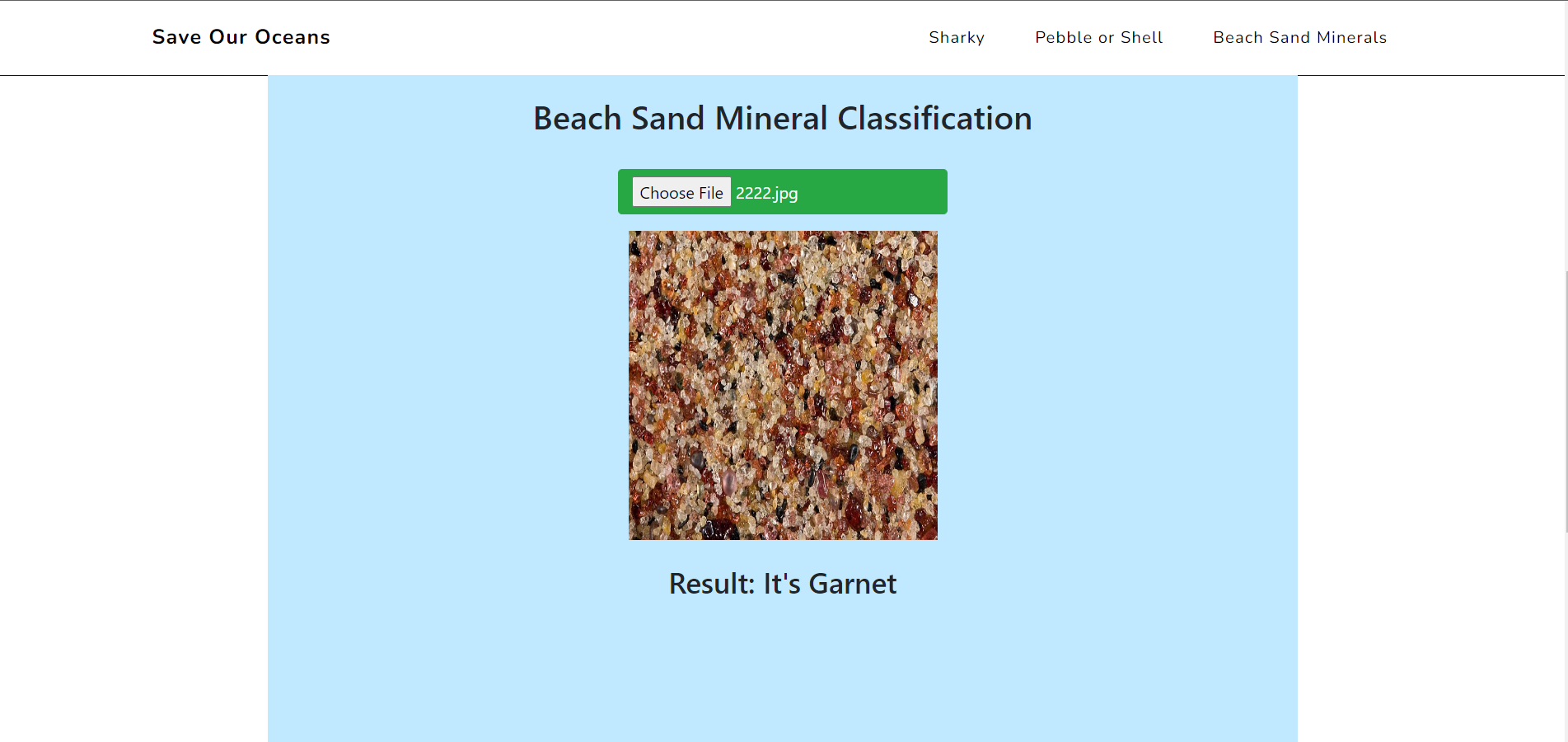
Beach Sand Mineral Classification
-
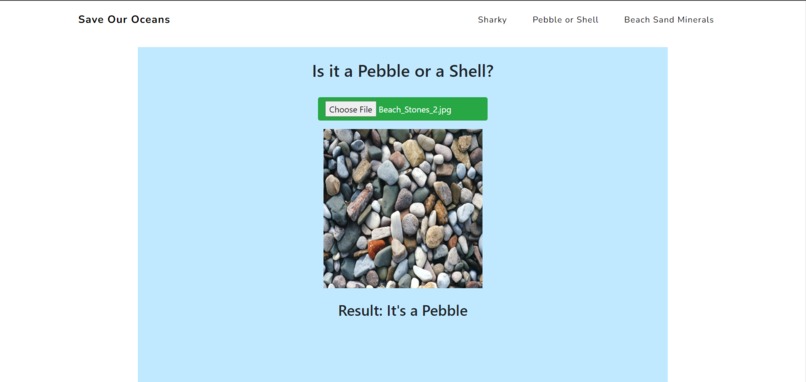
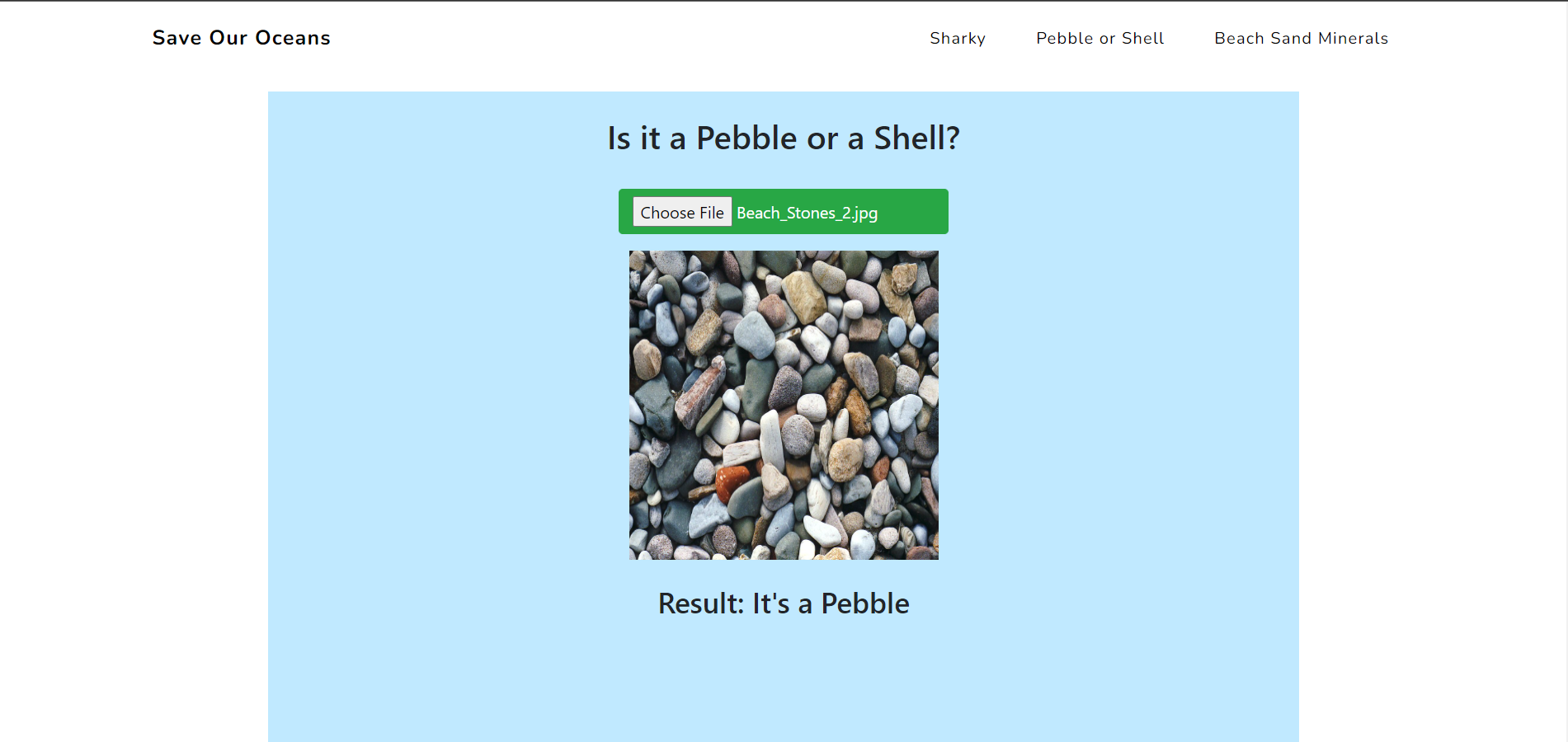
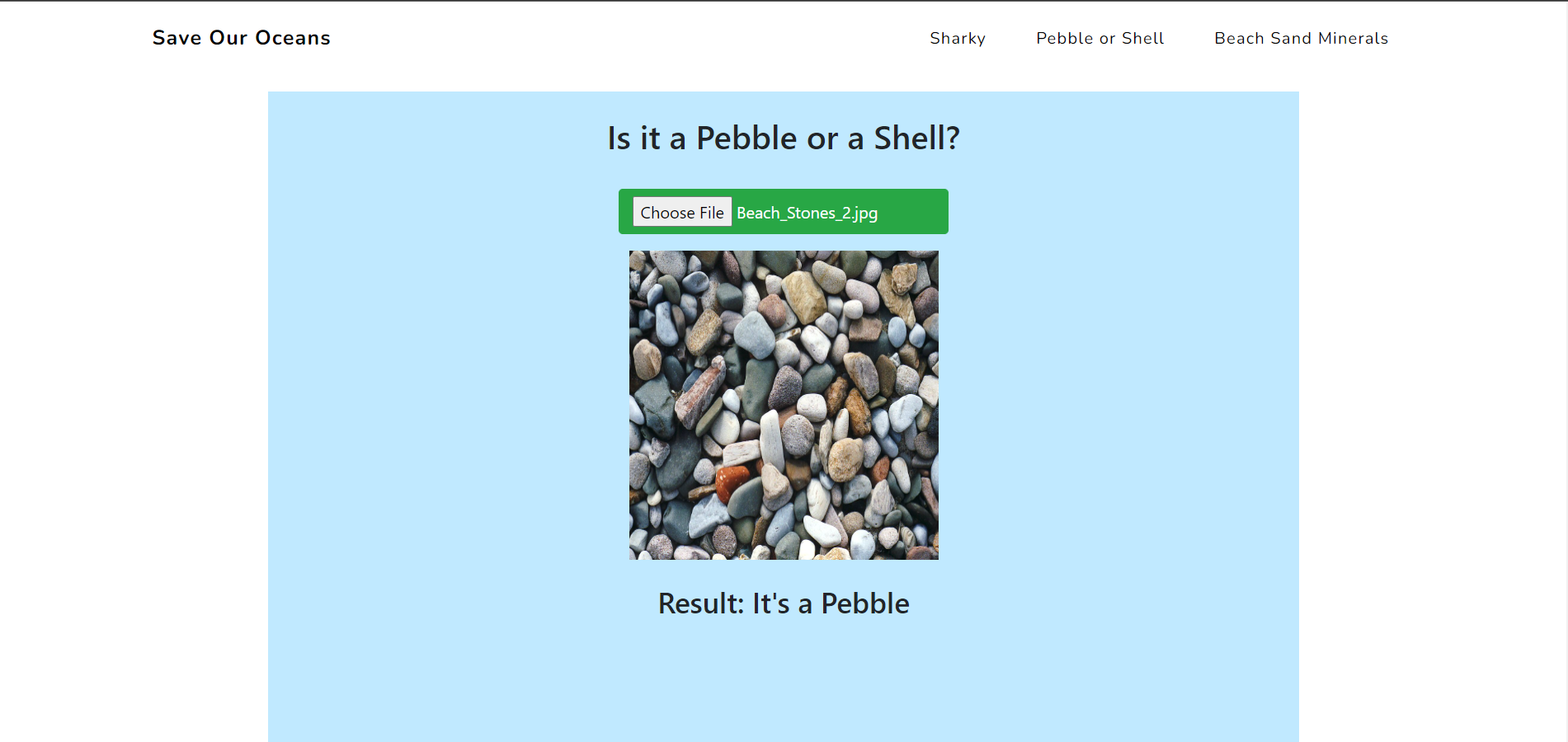
Pebble or Shell
Inspiration
Marine pollution is a growing problem in today’s world. Our ocean is being flooded with two main types of pollution: chemicals and trash. Chemical contamination, or nutrient pollution, is concerning for health, environmental, and economic reasons. The increased concentration of chemicals, such as nitrogen and phosphorus, in the coastal ocean, promotes the growth of algal blooms, which can be toxic to wildlife and harmful to humans. The negative effects on health and the environment caused by algal blooms hurt local fishing and tourism industries. Plastic waste is particularly problematic as a pollutant because it is so long-lasting. Plastic items can take hundreds of years to decompose. This trash poses dangers to both humans and animals. Fish become tangled and injured in the debris, and some animals mistake items like plastic bags for food and eat them. Small organisms feed on tiny bits of broken-down plastic, called microplastic, and absorb the chemicals from the plastic into their tissues. Microplastics are less than five millimeters (0.2 inches) in diameter and have been detected in a range of marine species, including plankton and whales. When small organisms that consume microplastics are eaten by larger animals, the toxic chemicals then become part of their tissues. In this way, microplastic pollution migrates up the food chain, eventually becoming part of the food that humans eat. So we decided to make shaky a bot that works on Cohere's NLP to educate us about how to save our oceans. Hence we named the project save our oceans.

What it does do?
It helps to spread awareness about pollution in oceans and the harm it brings to marine animals like sharks. It provides information about how can we contribute towards saving our environment and oceans at the fingertips according to the user's needs with the help of our Twilio bot (on Whatsapp) and Cohere bot (on the web app). Along with it, we made Pebbles or Shell and Beach Sand Mineral detection that would help you in collecting shells and different small rock minerals on the beach. When I used to visit beaches in childhood I had difficulty recognizing whether a certain shell or rock is worth collecting or not so I included it in the project for beach enthusiasts.
How we built it?
We built the main website using HTML, CSS, and javascript. We made sharky using Cohere's NLP and Flask. We made Pebbles or Shell and Beach Sand Mineral Classification using Tensorflow and Keras.
Challenges we ran into
The time was very limited and it was difficult to come up with ideas related to sharks.
Accomplishments we are proud of
We are proud to make this project functional and working to help others realize the importance and need of sharks and the ocean.
What we learned
As only one person in our team fully knew about bots others got the opportunity to learn about them and also how to execute them properly.
What's next for Sharky
Our app is fully capable of spreading awareness to save sharks and oceans. Now in the future, we can add a feature to collect donations from the user to make good use of it. Also in the future, we have planned to provide some animated videos and presentations on the importance of sharks in our ecosystem.
UI of the project
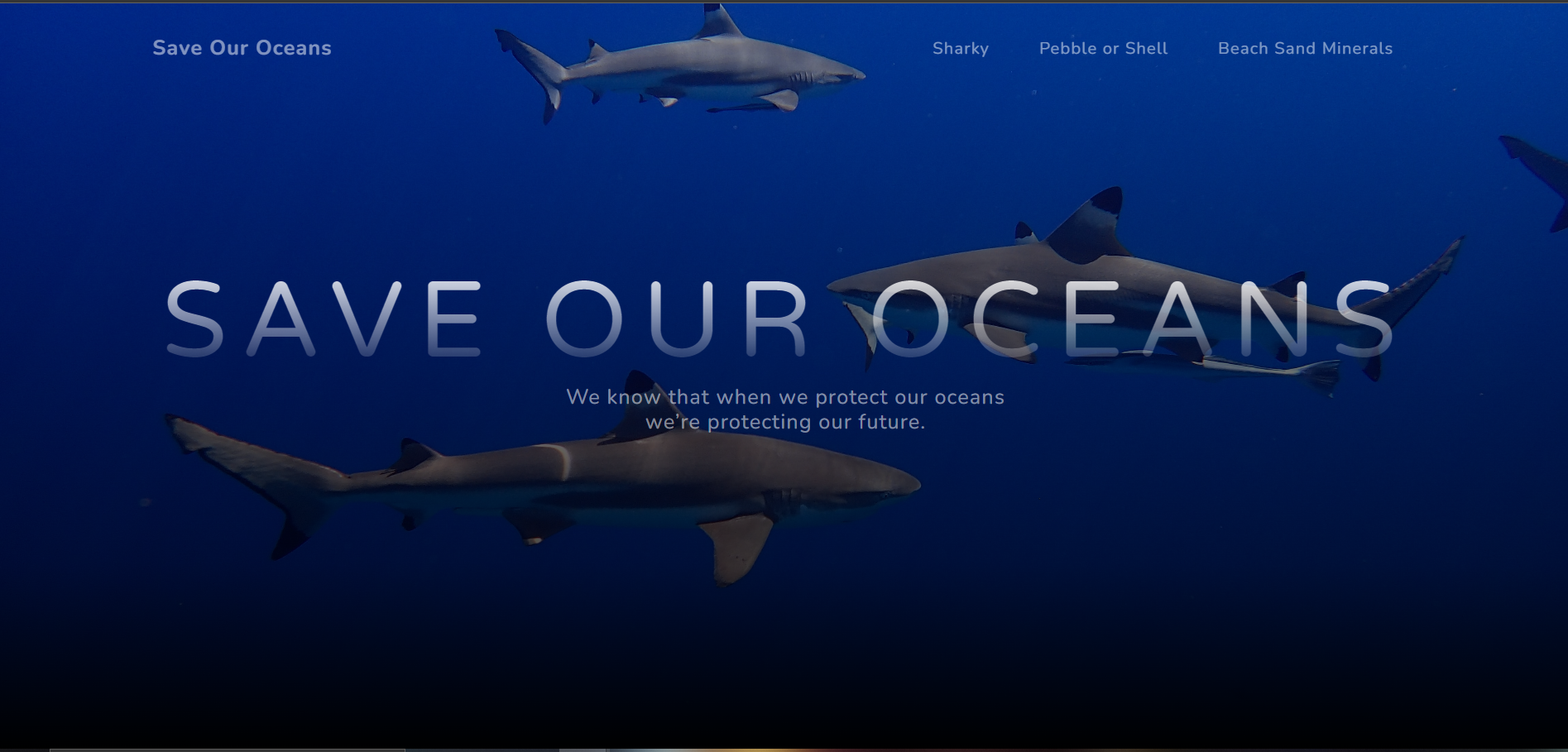
Home Page
| Cohere Bot | Twilio Bot |
|---|---|
|
 |
| Beach Sand Mineral Classification | Is it a Pebble or a Shell? |
|---|---|
 |
 |
Contributors

Harsh Kumar |

Aswin Shailajan |

Sarthak Kathpalia |
Built With
- cohere
- github
- javascript
- python
- tensorflow
- twilio

Log in or sign up for Devpost to join the conversation.