-
-
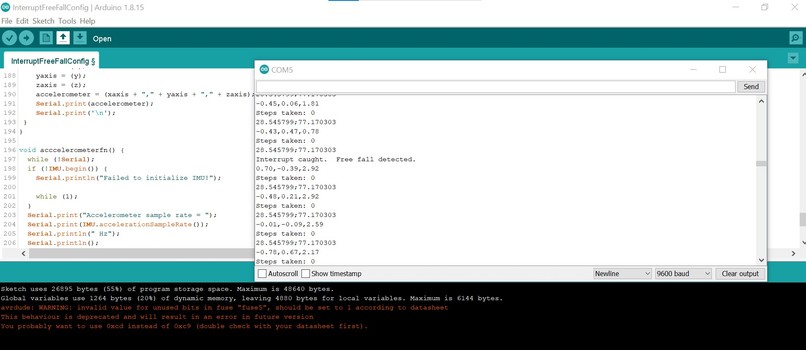
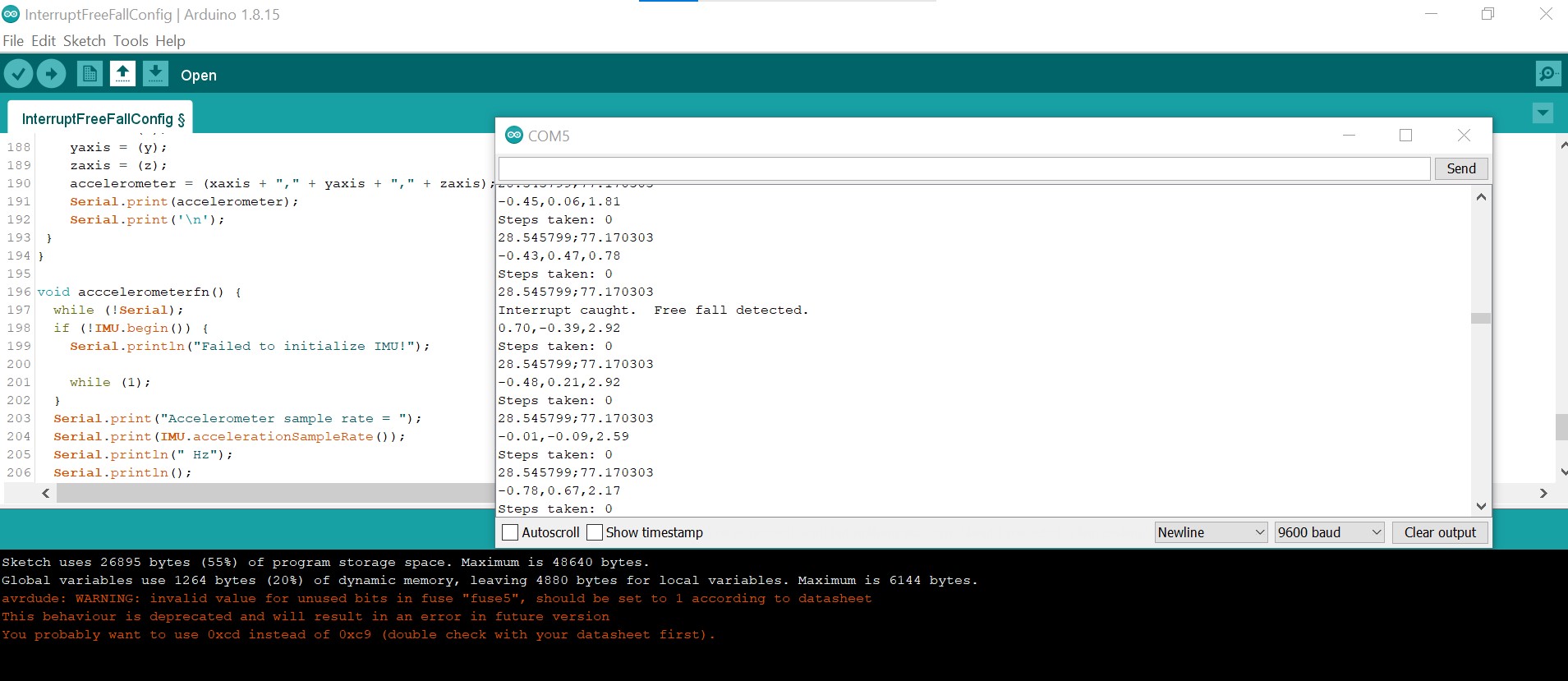
Arduino sketch and sensor readings showing , falldectection, accelerometer, steps taken and GPS locations
-
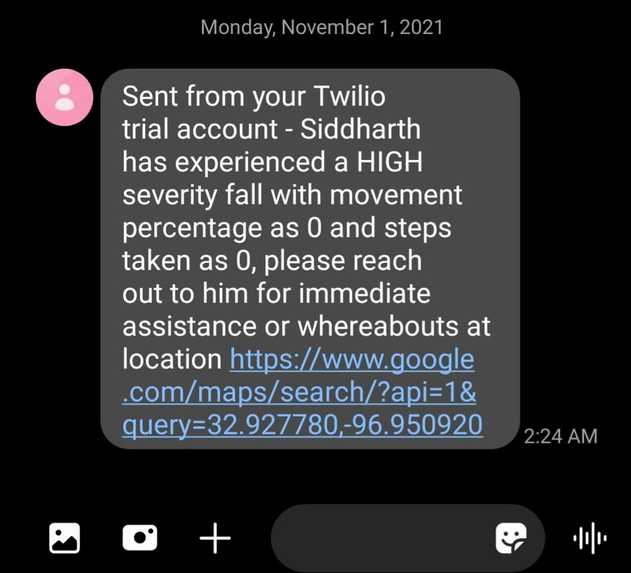
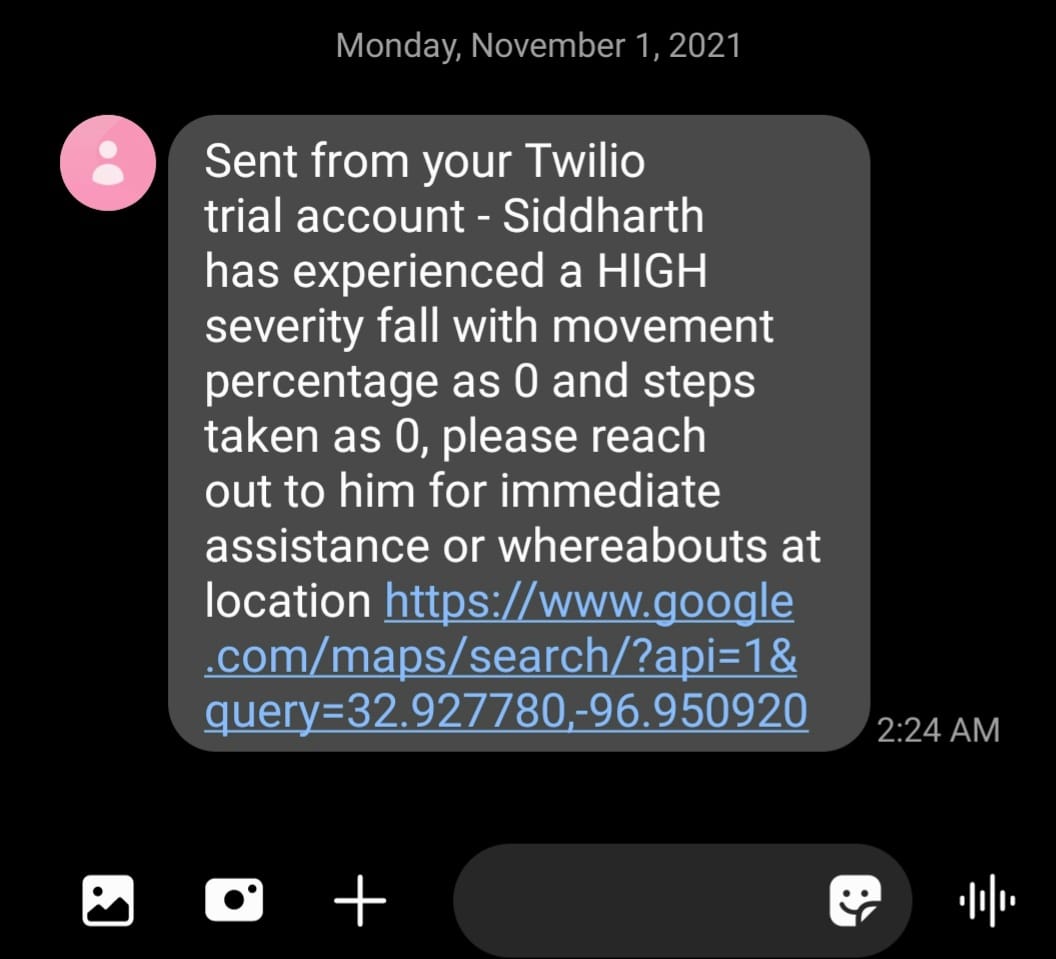
SOS Alert SMS to contacts sent from MuleSoft
-
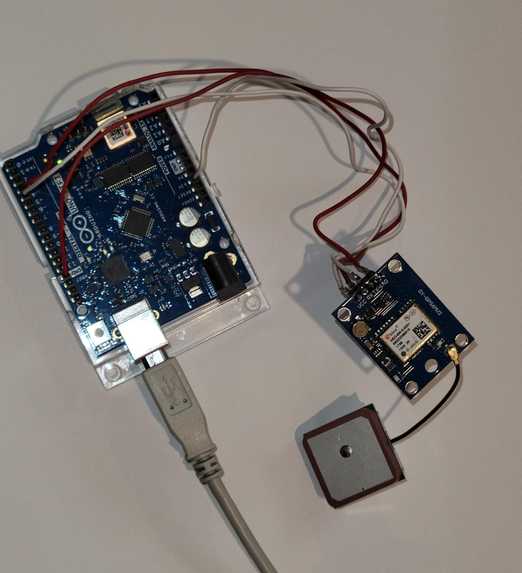
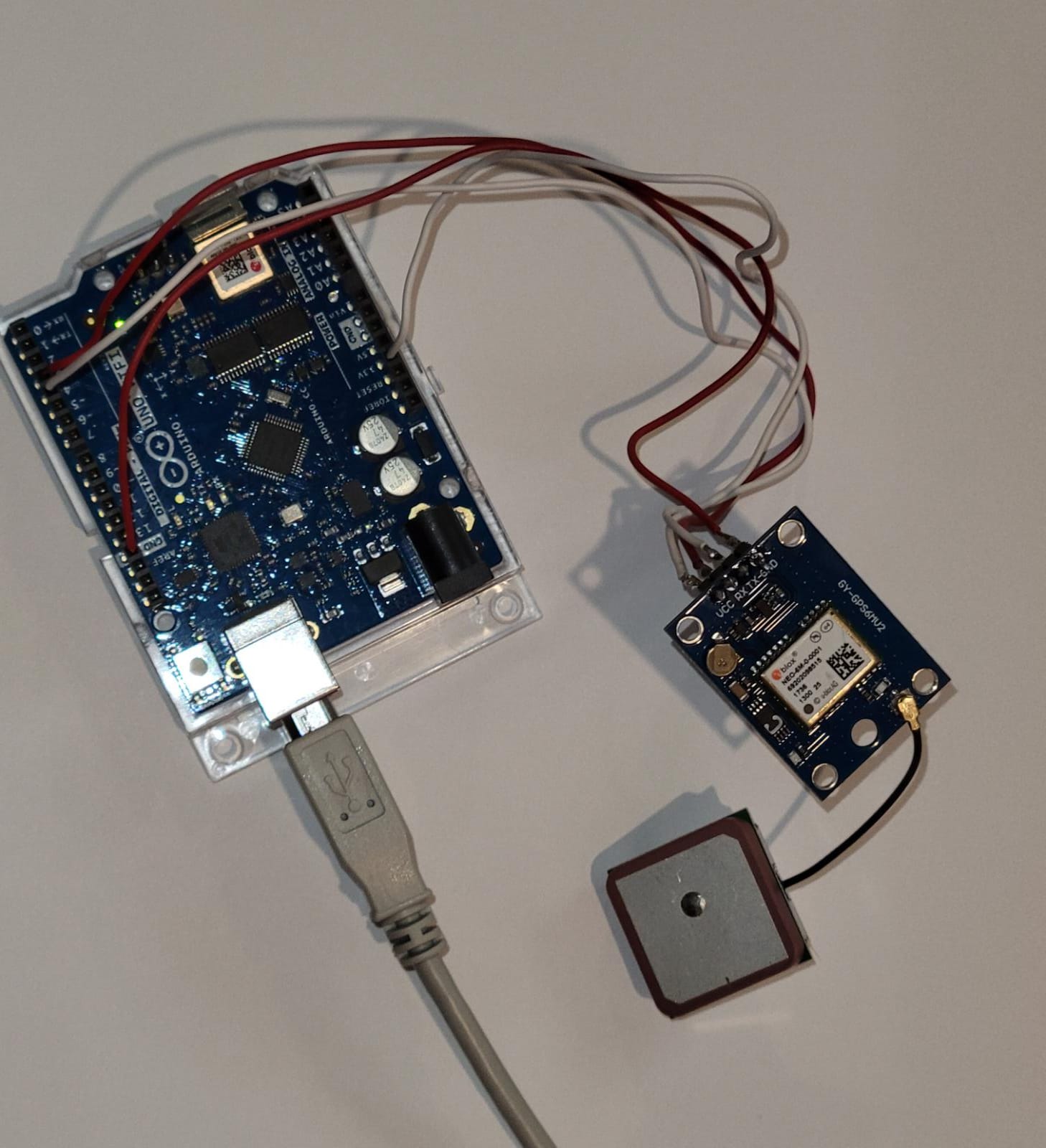
Arduino board configuration along with NEO GPS device.
-
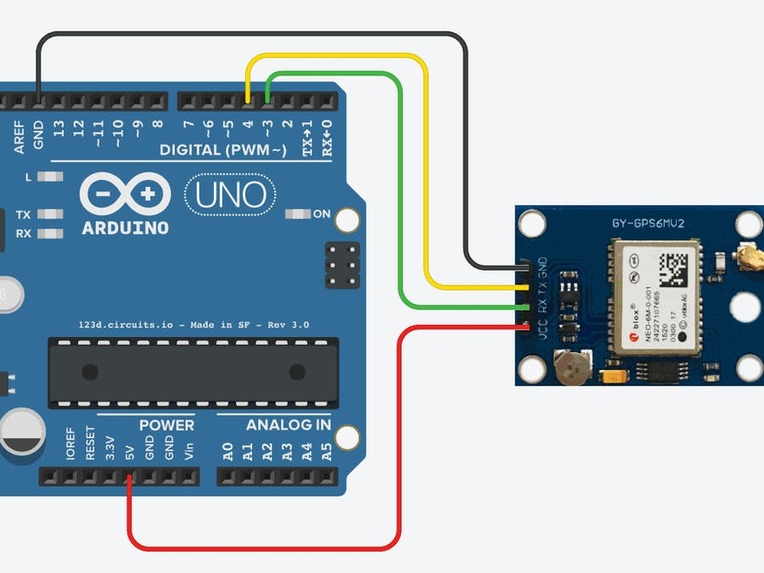
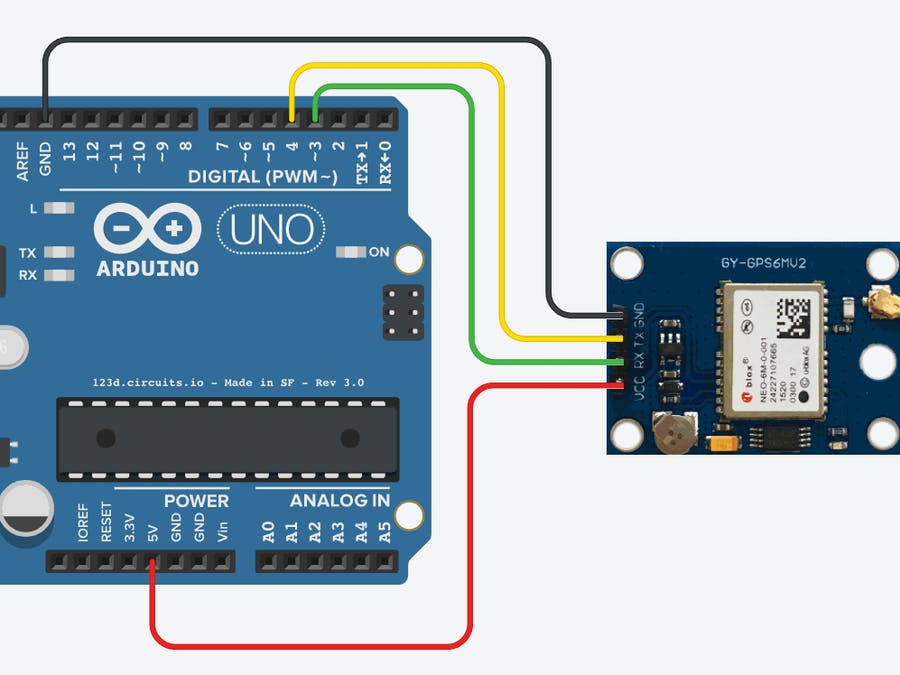
NEO GPS and Arduino connection
Inspiration
According to a WHO (world health organization) report from June 2021, Every year the lives of approximately 1.3 million people are cut short as a result of a road traffic crash. Between 20 and 50 million more people suffer non-fatal injuries, with many incurring a disability as a result of their injury.
Road traffic injuries cause considerable economic losses to individuals, their families, and to nations as a whole. These losses arise from the cost of treatment as well as lost productivity for those killed or disabled by their injuries, and for family members who need to take time off work or school to care for the injured. Road traffic crashes cost most countries 3% of their gross domestic product.
Who is at risk?
Socioeconomic status
More than 90% of road traffic deaths occur in low- and middle-income countries. Road traffic injury death rates are highest in the African region. Even within high-income countries, people from lower socioeconomic backgrounds are more likely to be involved in road traffic crashes.
Age
Road traffic injuries are the leading cause of death for children and young adults aged 5-29 years.
Sex
From a young age, males are more likely to be involved in road traffic crashes than females. About three quarters (73%) of all road traffic deaths occur among young males under the age of 25 years who are almost 3 times as likely to be killed in a road traffic crash as young females.
RISK FACTOR
Inadequate post-crash care Delays in detecting and providing care for those involved in a road traffic crash increase the severity of injuries. Care of injuries after a crash has occurred is extremely time-sensitive: delays of minutes can make the difference between life and death.
What it does
The Arduino board will collect user(person) movements and location, calculate the steps taken and also detect if a person had a fall. The MuleSoft API constantly analyzes the data collected from the Arduino sensors and informs the SOS contact of the user if the person had a fall and no or less movement is detected, it also considers the steps after the fall before sending the alerts along with the GPS location. Based on the criticality the alerts are sent to the SOS contacts who can reach the user and treat for the health conditions after the fall.
How we built it
Below are the steps we used to built this project.
- Brought Arduino board Uno Wi-Fi rev2 model
- NEO GPS device for finding the current Location
- Created MuleSoft applications to read the incoming data and send alerts to Twilio services
- Used Twilio services to send SMS and Automated calls to SOS contacts. ENTER ARDUINO
Our project, for example, takes an Arduino board (uno wifi rev2) as the health device.
The embedded IMU unit in the Arduino consists of the accelerometer and gyroscope sensor to determine the readings. A GPS NEO device is connected to Arduino board to inform current location.
Arduino is continuously sending sensorial data over HTTP to the MuleSoft APIs.
{ "fallDetection": true, "pedometer": 0, "accelerometer": "-3.31,1.32,9.33", "location": "https://www.google.com/maps/search/?api=1&query=39.9194105,-56.953133" } The event is a json object consisting of four critical pieces:
fallDetection (determines if a fall has been detected or not) pedometer (contains the steps taken by the person) accelerometer (contains data about the accelerometer readings) location (contains data about the current location) ENTER MULESOFT
Once the event has been received from Arduino via an HTTP POST request, MuleSoft Publishes the original event to a FIFO Messaging Queue so that the Arduino microcontroller code can quickly get the http response back and continue to loop over the code to send us precise data readings.
MuleSoft Subscribes to those event and determines if the event has fallDetection as true and sends it over to the Group Based Aggregator. The aggregator collects events for that user till it either aggregates 180 events OR 3 minute timeout for that group.
Once either the aggregated size or the timeout has been reached, MuleSoft takes all those events and processes them by comparing the latter reading to the prior.
"-0.45,0.04,1.98" => this reading is in the format of "x_axis,y_axis,z_axis" If the difference between the axis is greater than 0.30 (its a calibrated baseline for considering the difference as an actual movement) for any two dimension , then that event is considered as a movement. Based on all the events received we calculate the movement% like this :
movement% = ( eligible movement events / total no. of events received ) * 100 We also extract the maximum no. of steps taken from the pedometer values.
The movement% and the pedometer count are the factors which determine what kind of physical activity is the person capable to doing (can he walk , can he move , is he unconscious) and MuleSoft then sends SMS and call based on the severity (LOW, HIGH, MED)
The GPS reading will send the current location of the device from which we can calculate the persons/victims current location.
latitude,longitude: 32.9194105,-96.953133
ENTER TWILIO
MuleSoft Uses the below mentioned Twilio APIs to send SMS and make voice calls.
SMS API : https://www.twilio.com/docs/sms/api
POST REQUEST BODY
{ Body: "YourSampleBody", From: "your_twilio_number", To: "recipient_number" } VOICE API : https://www.twilio.com/docs/voice/api
POST REQUEST BODY
{
From: "your_twilio_number",
To: "recipient_number"
Url: "post endpoint serving response in TwiML format"
}
NOTE: Please refer to this Twilio doc to learn more about TwiML Responses https://www.twilio.com/docs/messaging/twiml
Challenges we ran into
Electronics and integrating with technology is altogether a new ball game for us. We have limited knowledge on how to use the Arduino or Raspberry pi. During the process we researched a lot on Arduino hardware and different kind of sensors (pulse, spo2, temperature, accelerometer , gyroscope, GPS) and learnt the behavior of each individual component and its corresponding software, Once we have good understanding on the hardware and sensors we have planned on next steps. Along with the learning curve we have faced issues with sensors and boards causing incorrect values which made us buy additional board/sensors from different vendors and used in our project.
Accomplishments that we're proud of
We have build the project from scratch with just an idea, We now have a fully functional falldetection device which detects and Integration platform platform to analyzes and sends alerts/call along with the victims/persons current location. The Arduino sketches and MuleSoft application are owned and created by us.
What we learned
We learnt what we can achieve with both electronics and MuleSoft. How MuleSoft applications can be used in building up products which will be game changer in health industries. We have learnt what microprocessors can do and how they can be used. how we can enable message and automated calls using Twilio or other similar projects.
What's next for Save Me
We have an underdevelopment project which captures pulse (BPM), SP02 and temperature readings and sends them to MuleSoft via API call. The Readings are analyzed and used to send SOS alerts/calls to contacts. This project will be added to existing to enhance the reporting accurate incidents , this also will be used by old age people which monitors health condition 24/7/365 days or for Covid patients resting during the night. When humans are unable to monitor them all day, this device will help them to seek immediate medical help.


Log in or sign up for Devpost to join the conversation.