-
-
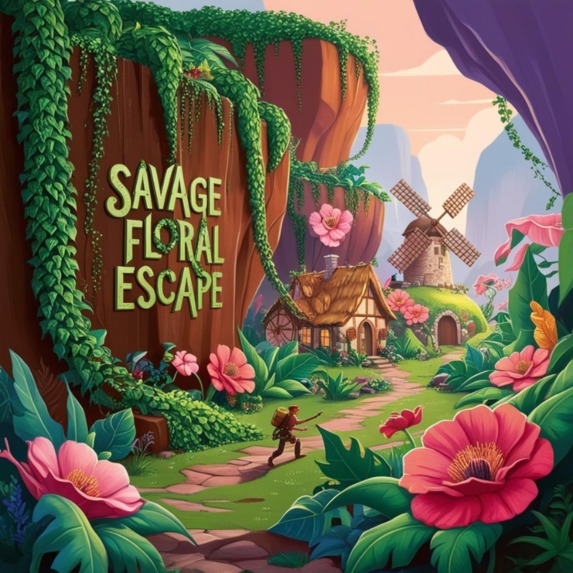
Main Poster
-
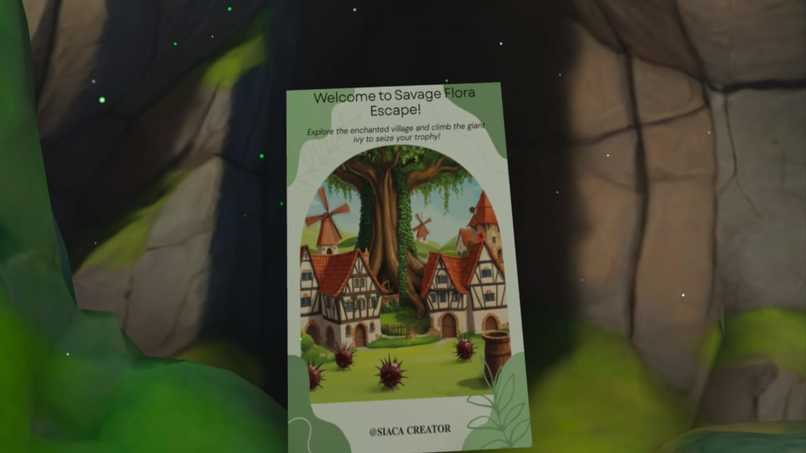
Welcome
-
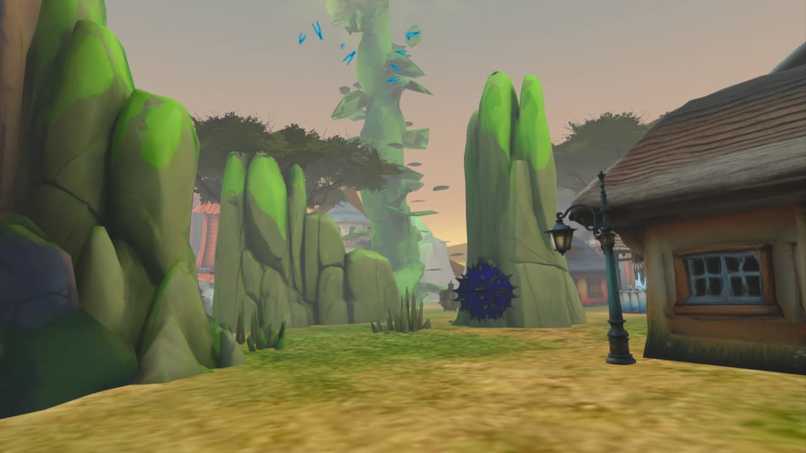
Main Stage
-
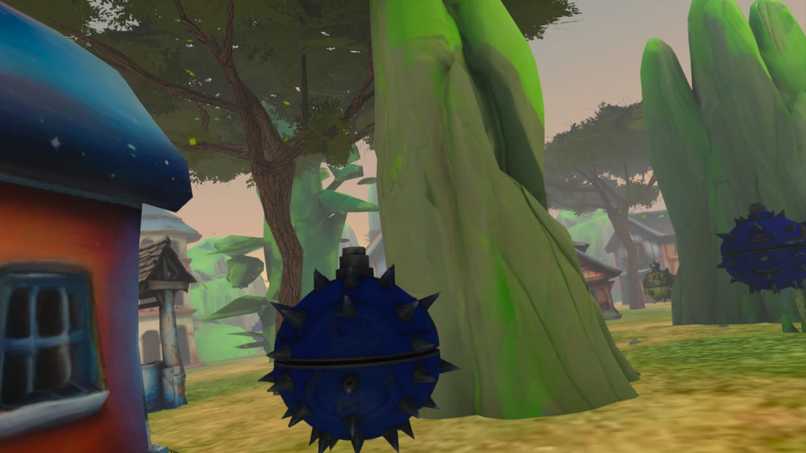
Move Around the area
-
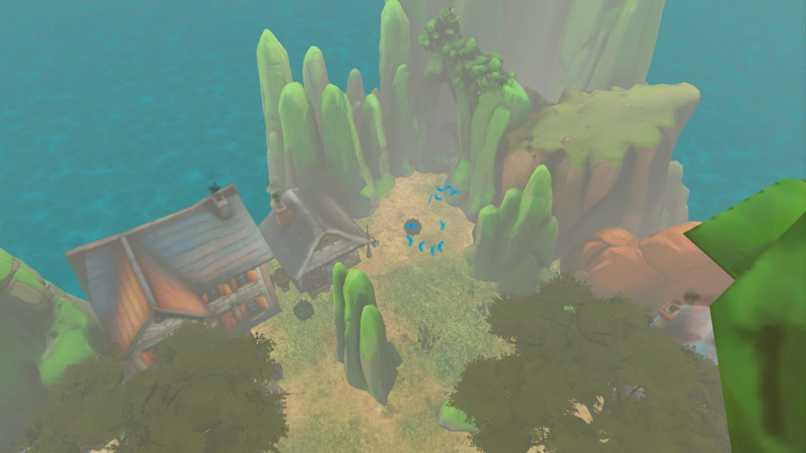
Panoramic View
-

Grab your trophy
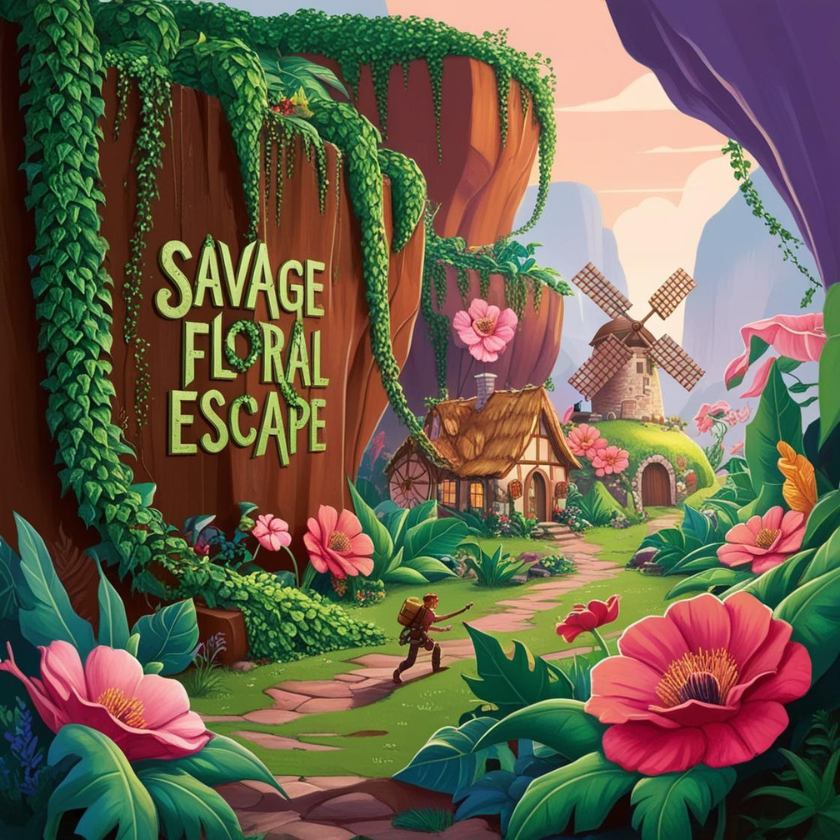
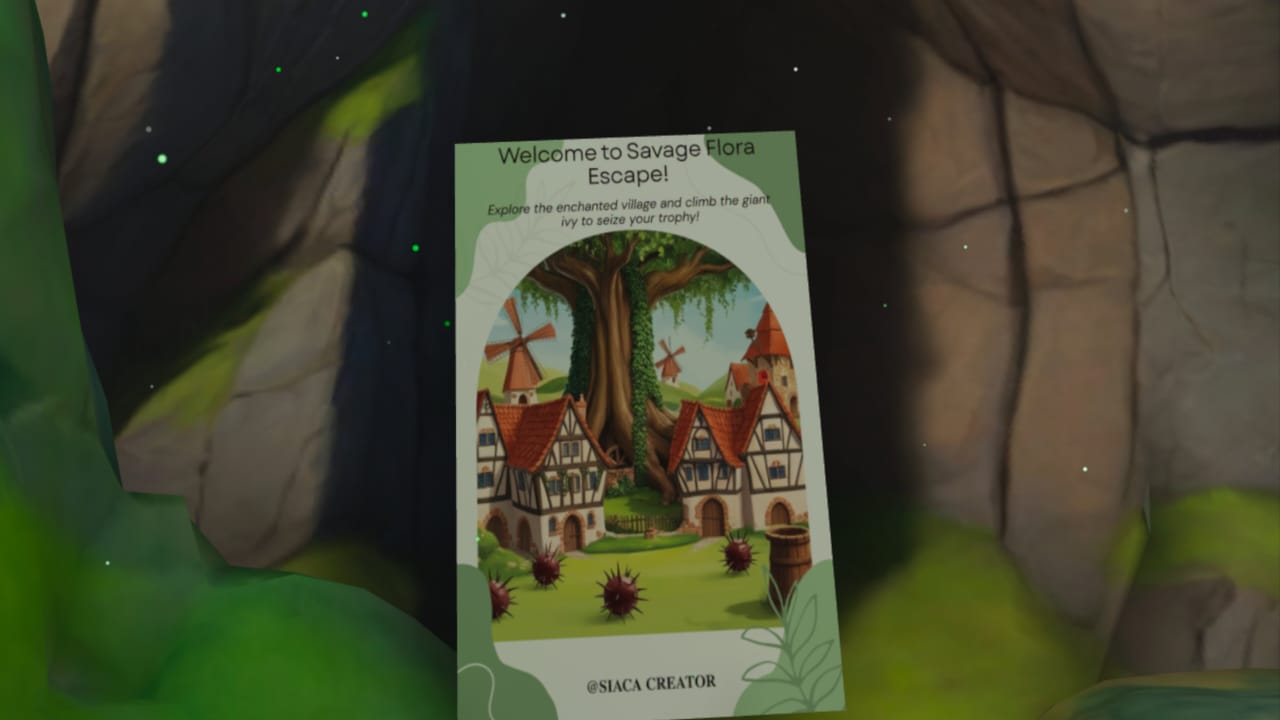
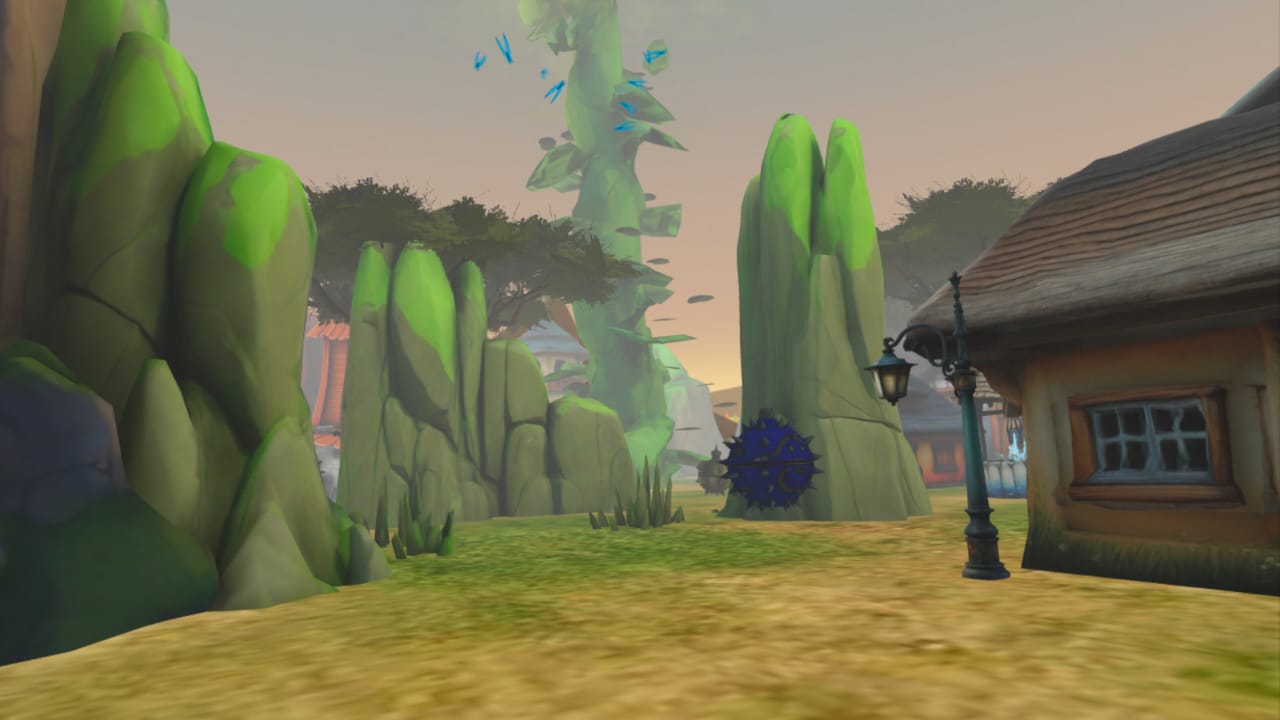
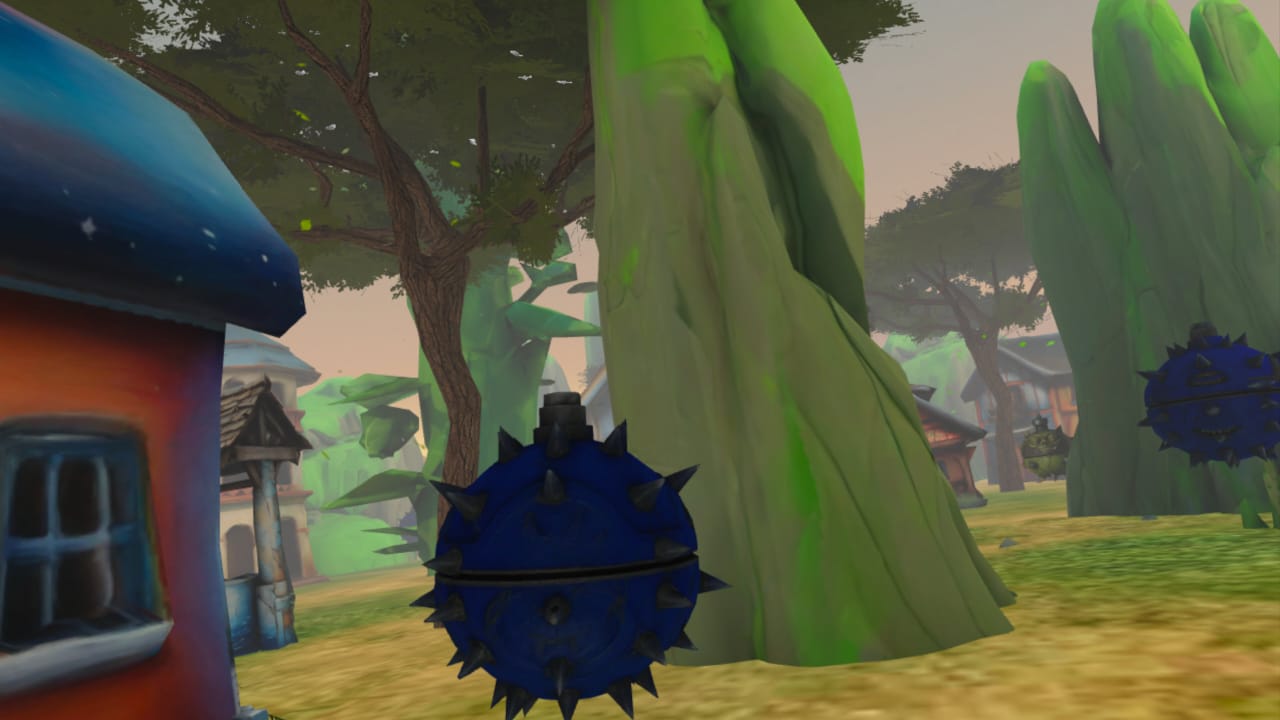
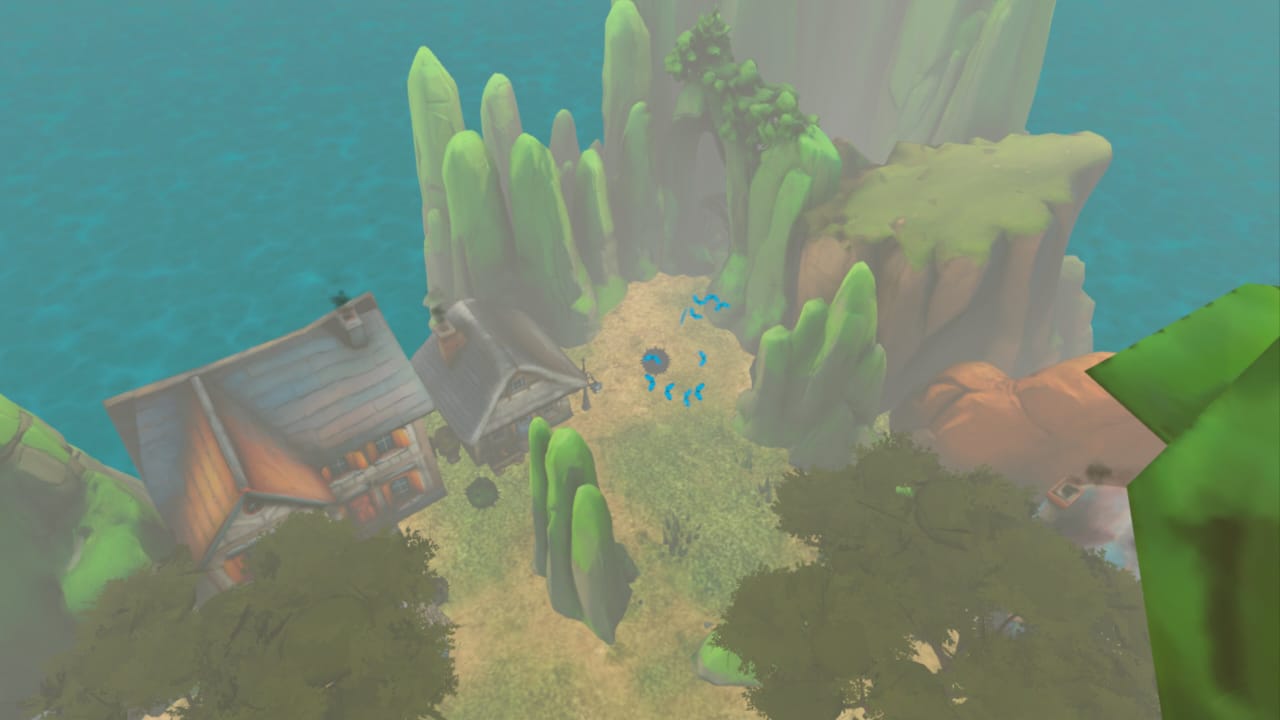

Inspiration
The inspiration comes from the famous English story Jack and the Beanstalk. As a child, I loved climbing trees and even built a wooden treehouse. I took certain elements from the story as a reference and incorporated them into a virtual magical world to provide a new experience by combining them with special effects, animation, sound, and challenges found in the virtual world I created.
What it does
The player must avoid being hit by any of the mines that appear in the stage so they can reach the main ivy that appears in the center of the world. They must then climb it using the available leaves to win the trophy located at the top.
How we built it
To build the world inspired by Jack and the Beanstalk, we first had to use existing references and inspirations from the story to see the types of illustrations available.
Then we used Gen AI in the Horizon World Editor to obtain certain models as references.
Blender was used to design certain models that were part of the scene, importing them with an .fbx extension. In this sense, we used an add-on that allowed us to know the number of vertices, lines, and polygon size we had in the viewport to adjust it to the 3D model requirements established by Horizon World for creating and publishing any world.
Texture compression was a determining factor when incorporating textures into the 3D models used in the scene. Care was taken to ensure the visual quality conveyed to the player's experience was not lost.
We added certain VFX such as smoke rising from house chimneys, butterflies flying, birds, falling leaves from trees, simulation of wind flow for the windmill blades, movement of water in the well, and pollen in the environment.
Programming using TypeScript with Visual Studio Code was important for programming certain validations with the 3D models.
Challenges we ran into
Among the things that had to be corrected, I can mention: "The offset pivot feature only supports single mesh FBX files." To resolve this error, the center of the 3D model had to be repositioned in Blender and exported, then reimported into Horizon World Editor. Other challenge was, removed the number of triangles in each 3D model that would be used. Compress the textures that make up each 3D model to the maximum extent possible. Meet the criteria to work and publish a world.
Accomplishments that we're proud of
Horizon World allowed me to interactively transform a story that has been a reference for many years. The film industry even created a movie inspired by this story. I was now able to design a world where people can interactively experience it, allowing people of all ages to join in.
What we learned
Import 3D models in FBX format.
Add special effects within the virtual world.
Design UI/UX for users.
Use Gen AI within Horizon World Editor.
Perform level testing within Horizon World Editor and using the meta headset to evaluate the user experience.
Integrating models designed in Blender with the Horizon World Editor.
What's next for Savage Floral Escape
As this virtual world is based on the story of "Jack and the Beanstalk," a second part of the story is being designed and built so that the user can continue interacting with the narrative. For this purpose, the new characters that will appear include a giant. This character will have attacking movements, running, jumping, and chasing the player. The giant's animation has already been tested and works wonderfully. This character will live in a castle, so the setting will change slightly so the player can interact with new elements, challenges, and challenges. To keep the player engaged in the story's narrative, upon winning the trophy at the top of the ivy, a window will be left open, transporting the user to the second virtual world.
Built With
- blender
- canva
- genai
- horizoneditor
- photoshop
- riggedbody
- typescript
- vfx


Log in or sign up for Devpost to join the conversation.