-
-
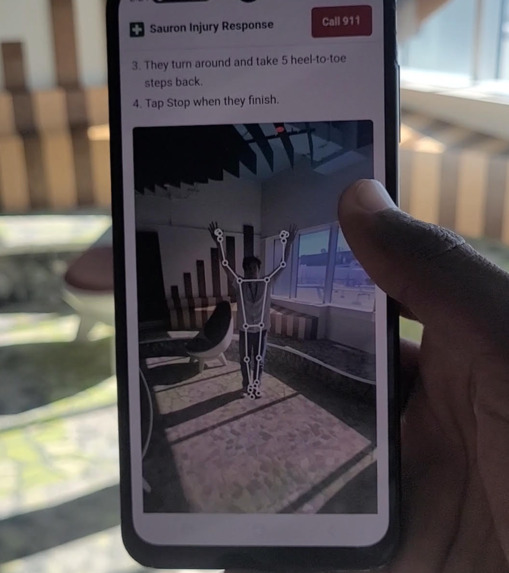
Skeleton Rig Model Tracking
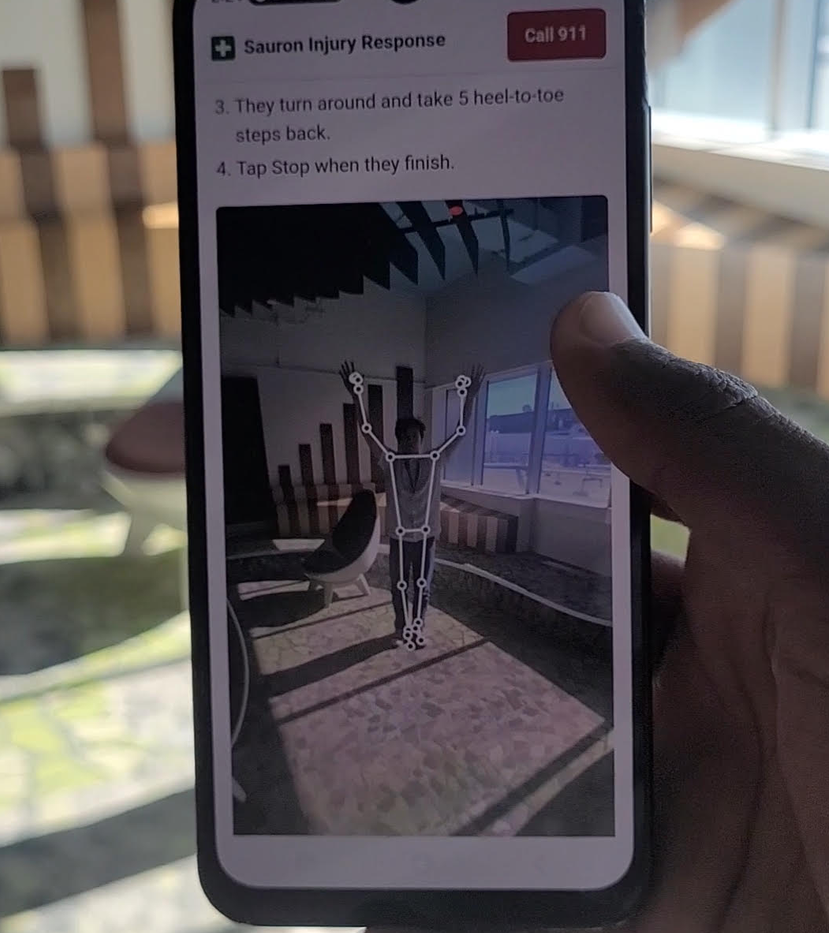
Inspiration:
Injuries in places like warehouses, gyms and construction sites often go unnoticed for critical minutes, especially when someone is working alone. We wanted a system that’s always watching, like the all-seeing Eye of Sauron, but working to protect people instead of hunting them.
What it does:
Sauron Injury Response watches live camera feeds and detects incidents like falls, collapses or someone not moving. When it spots one, it immediately alerts [responders / a supervisor / emergency contacts] with the location and a snapshot. It also logs each incident automatically, so there’s a record for follow-up and for prevention.
How we built it:
We built the detection pipeline with Python, by using a pose-estimation model like, which tracks body posture frame by frame to flag sudden falls or long periods without motion. Alerts go out through a web dashboard. The frontend is built in HTML, CSS and Javascript , and there is no backend as everything runs on the phone. Nothing is sent anywhere except the reports the coaches choose to share because we're handling sensitive information.
Challenges we ran into:
Our biggest challenge was cutting down false positives: sitting down, bending over or lying down on purpose can look a lot like a fall. Getting detection fast enough to run in real time on camera was also hard. And we had to connect the frontend and backend under hackathon time pressure.
Accomplishments that we’re proud of:
We got a working end-to-end demo running: a staged fall in front of the camera triggers a real alert within 3 seconds. We’re also proud of turning a working prototype into something that looks and feels like a real product in ~8 hours.
What we learned:
We learned how to work with real-time computer vision and pose estimation, and why tuning thresholds matters as much as choosing the model. We also got better at splitting the work cleanly between frontend and backend, and at shipping fast as a team.
What’s next for Sauron Injury Response: Train on more data to cut false alarms. Support multiple cameras in a single dashboard. Add privacy features such as on-device processing and blurring faces. Integrate with existing workplace safety and emergency systems. Pilot it in a real gym or warehouse.

Log in or sign up for Devpost to join the conversation.