Inspiration
Sátira 23:08 began as an exploration of how a recurring character can hold an entire visual universe together.
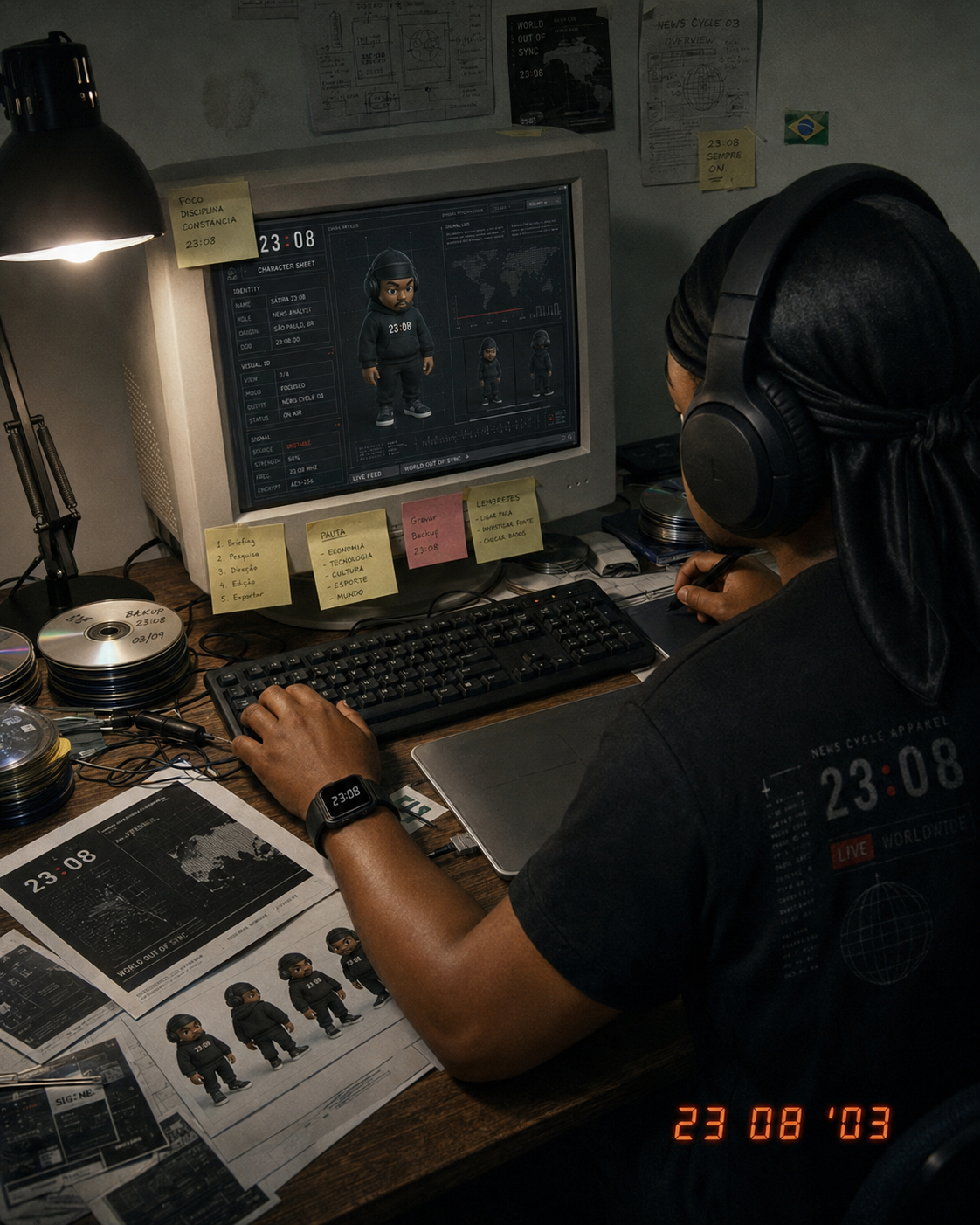
Instead of creating isolated images, I wanted to build a coherent narrative system around Lizu — a character who remains recognizable while moving through different environments, moods, and geographical contexts.
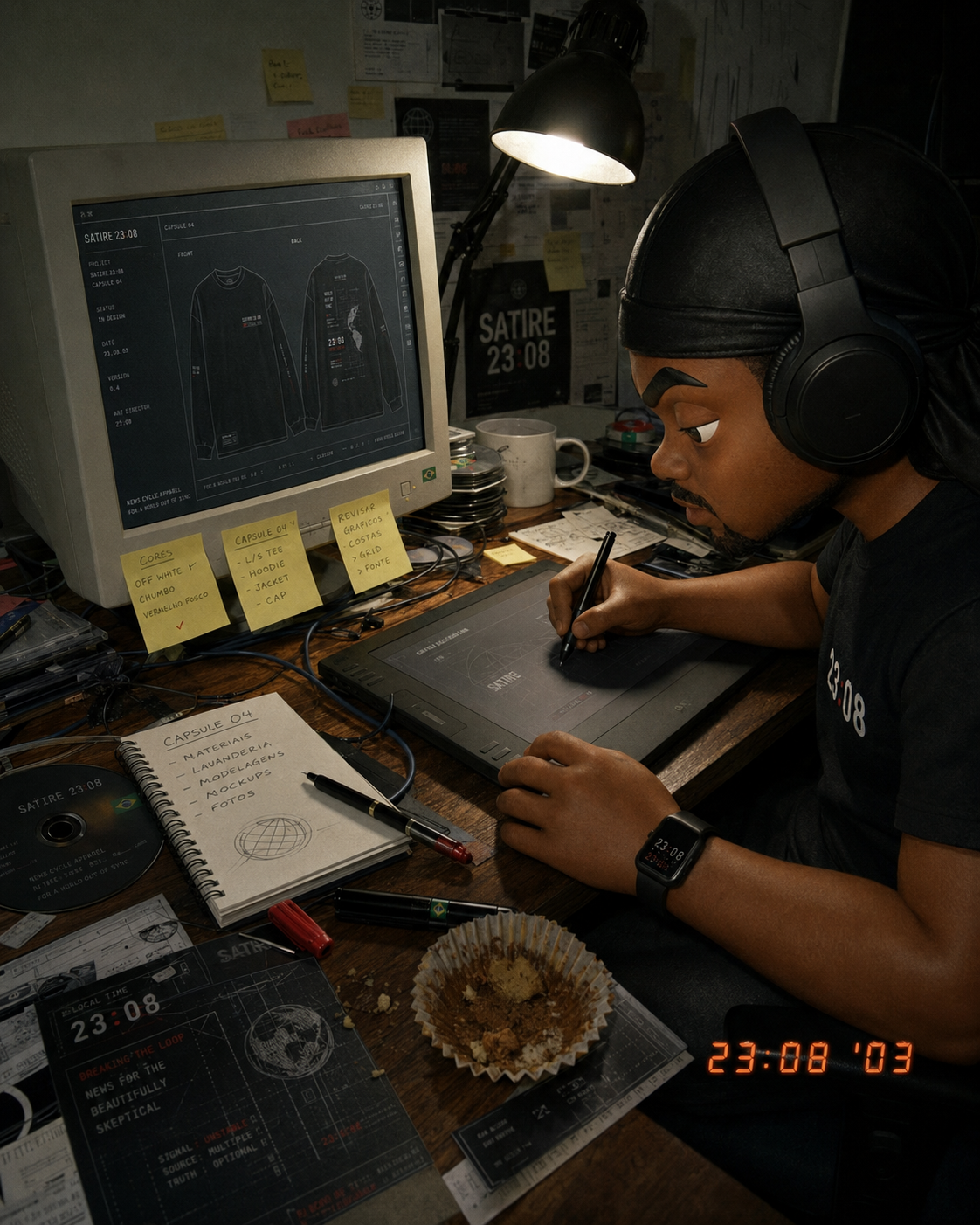
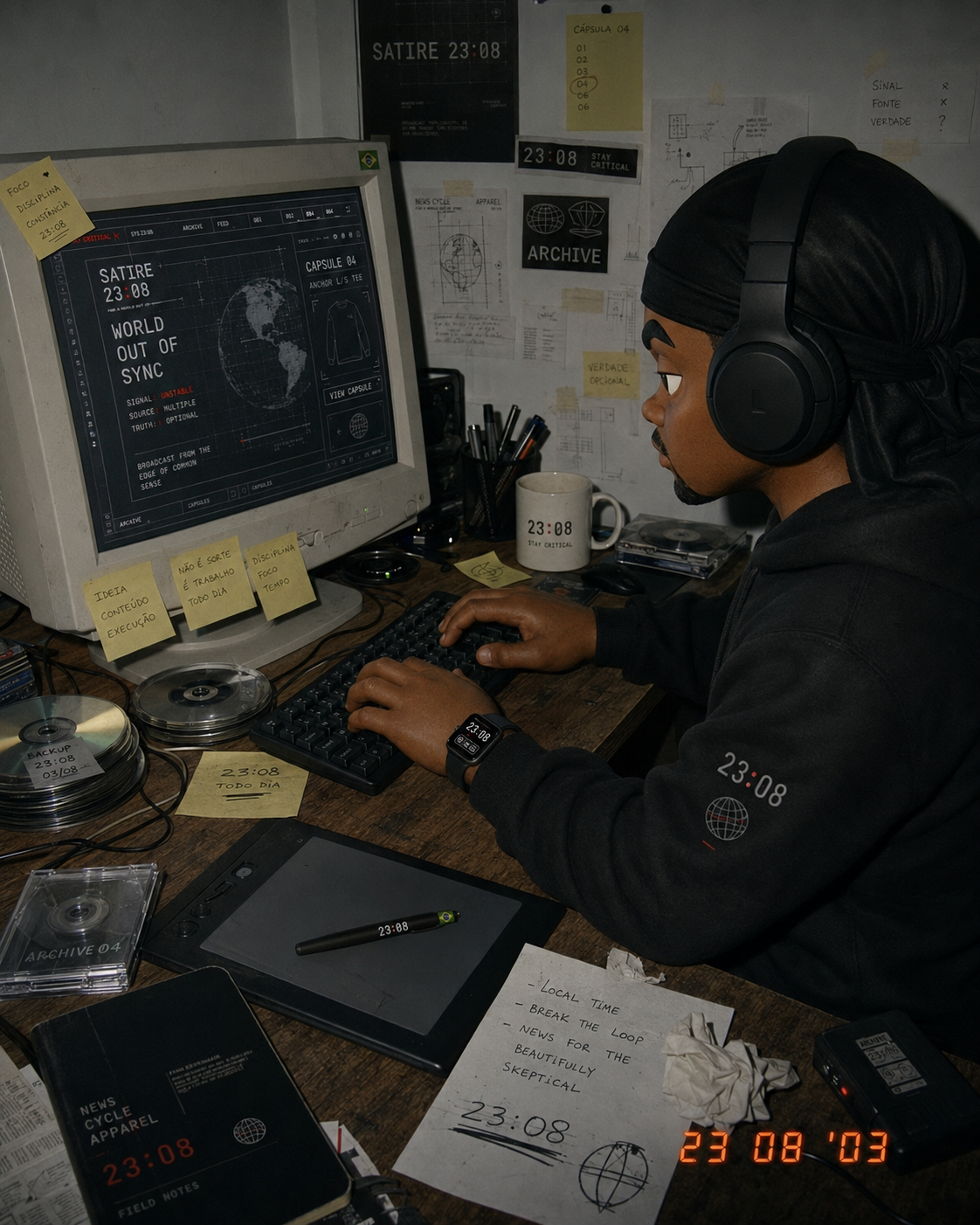
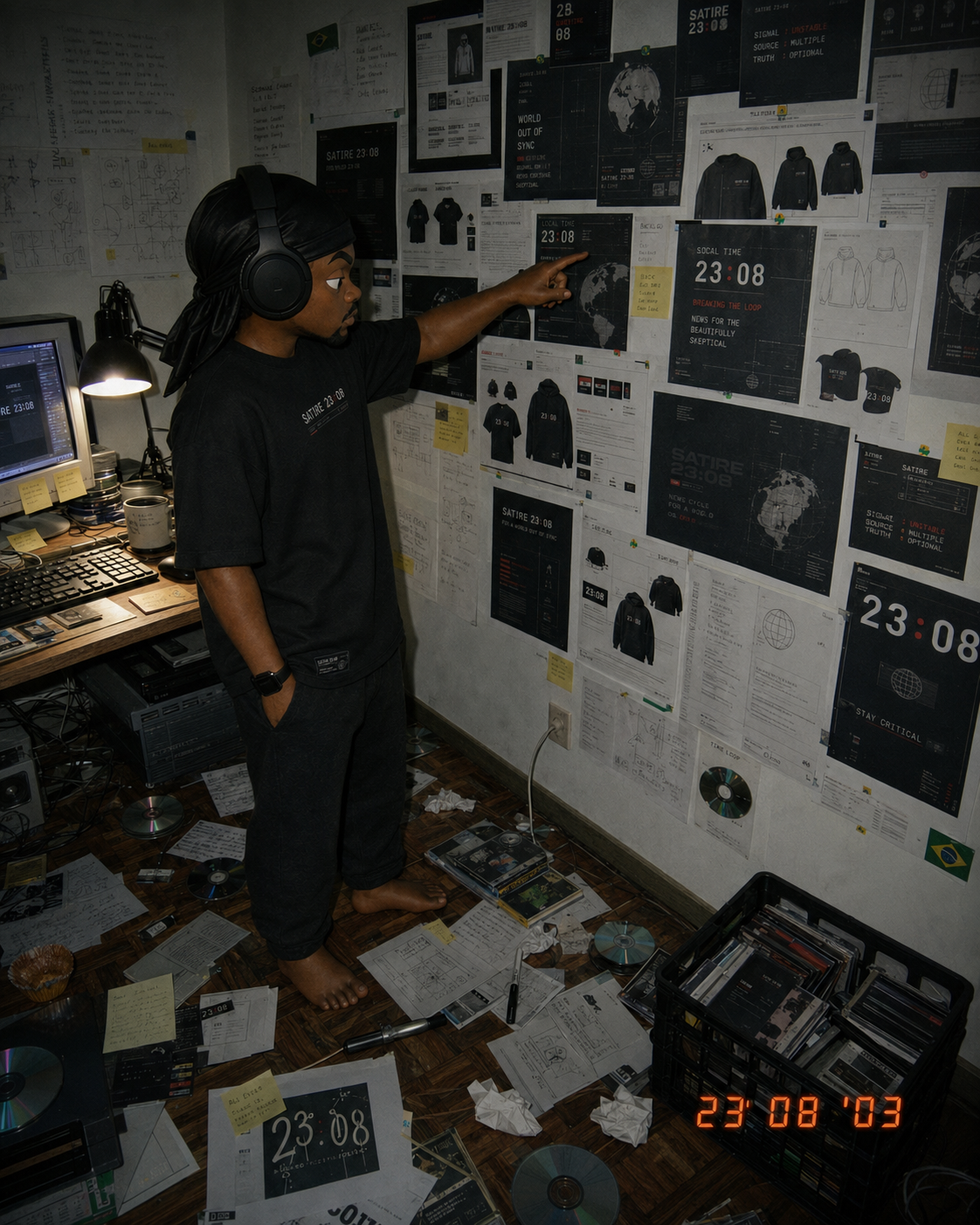
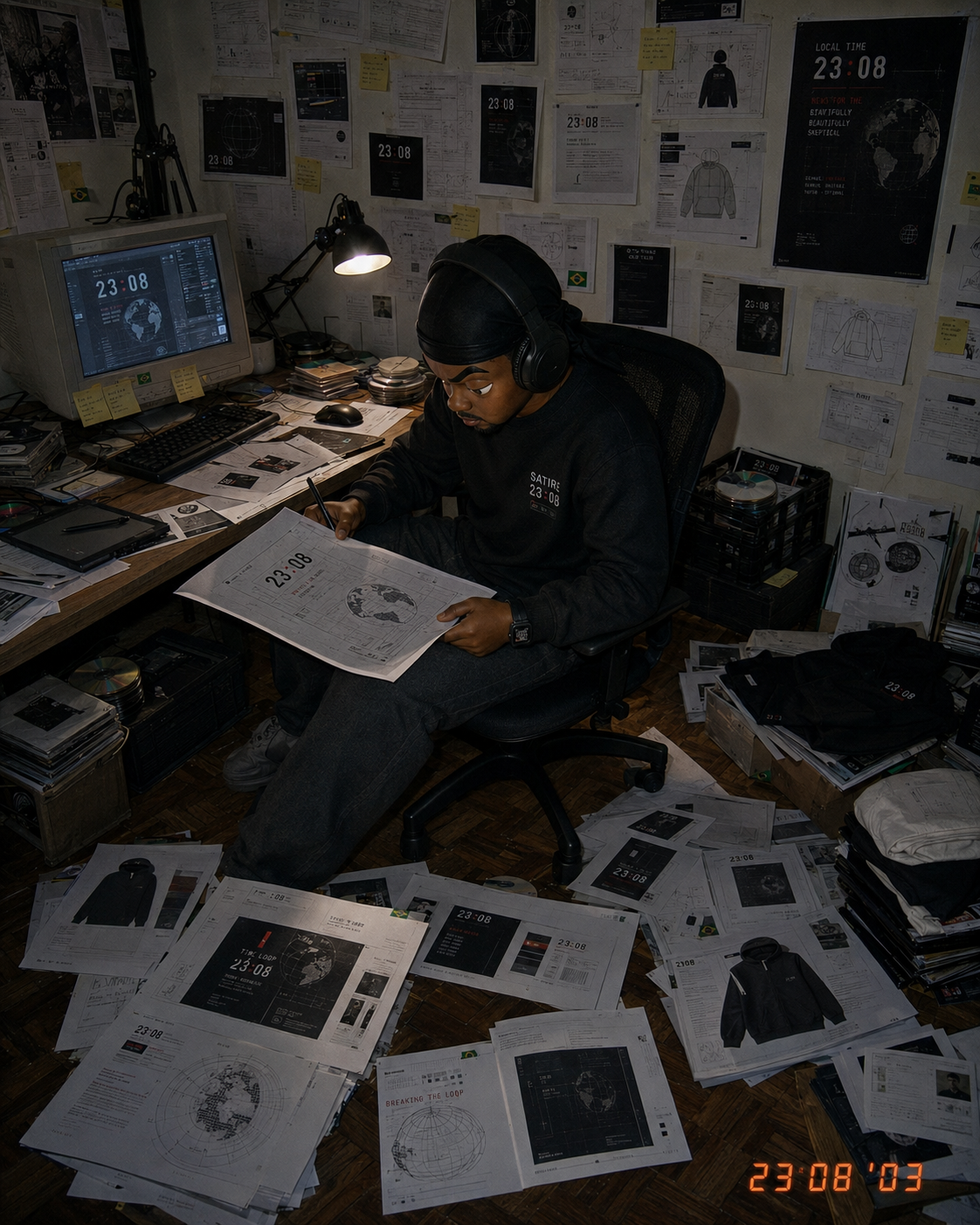
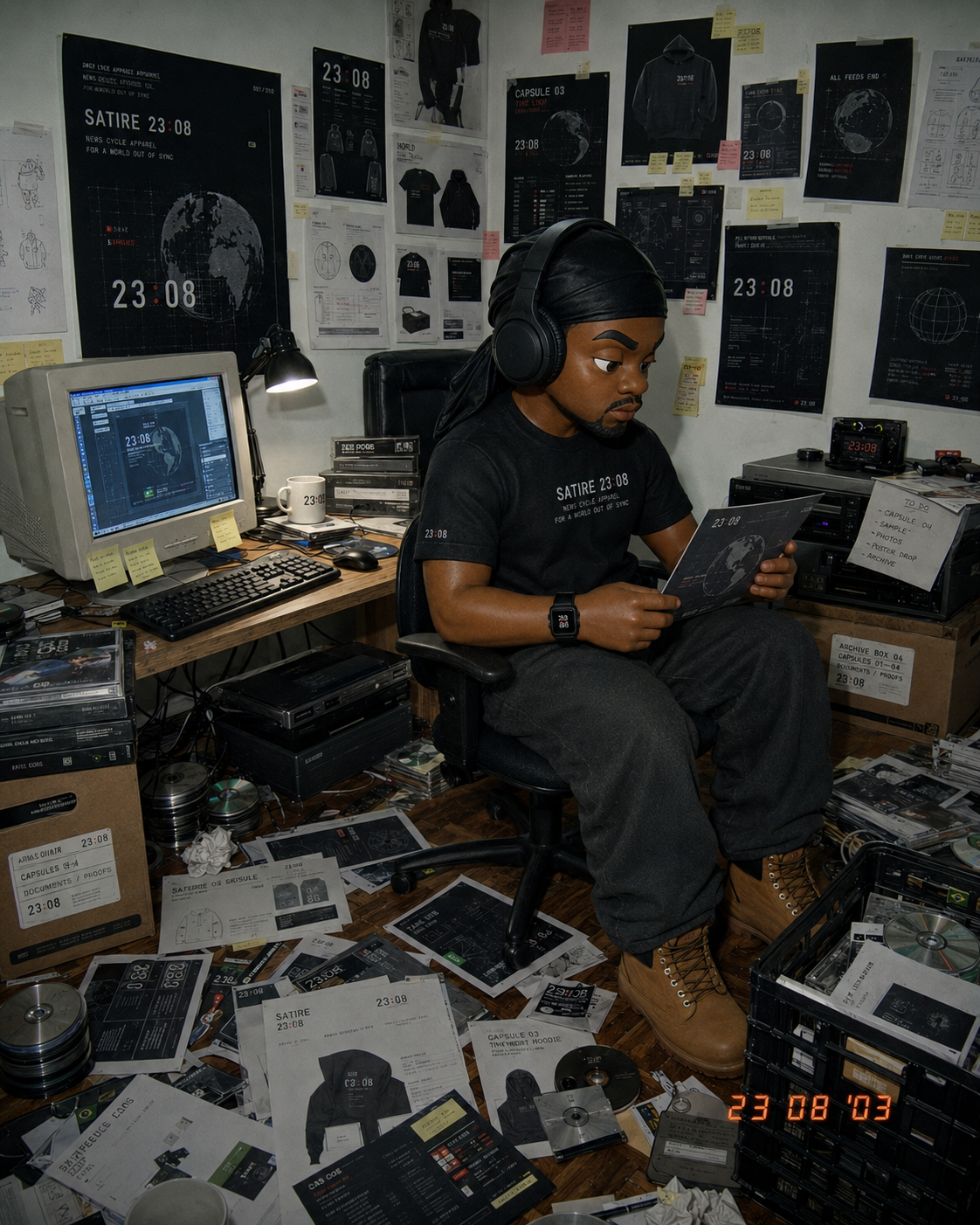
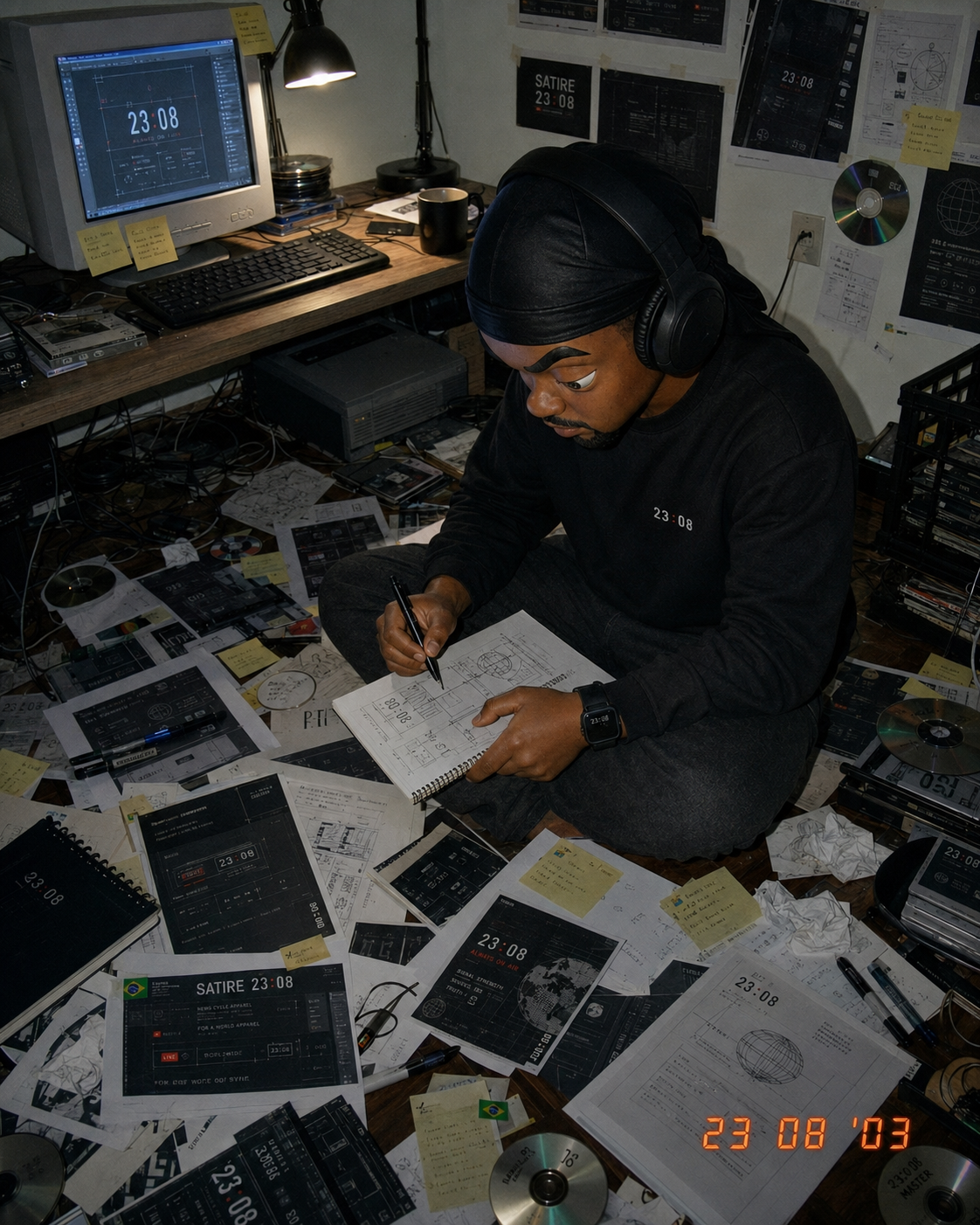
The project is inspired by early-2000s digital photography, editorial archives, CRT interfaces, late-night creative spaces, streetwear documentation, and the feeling of discovering images from a lost visual archive.
What it does
Sátira 23:08 uses Lizu as a recurring narrative anchor.
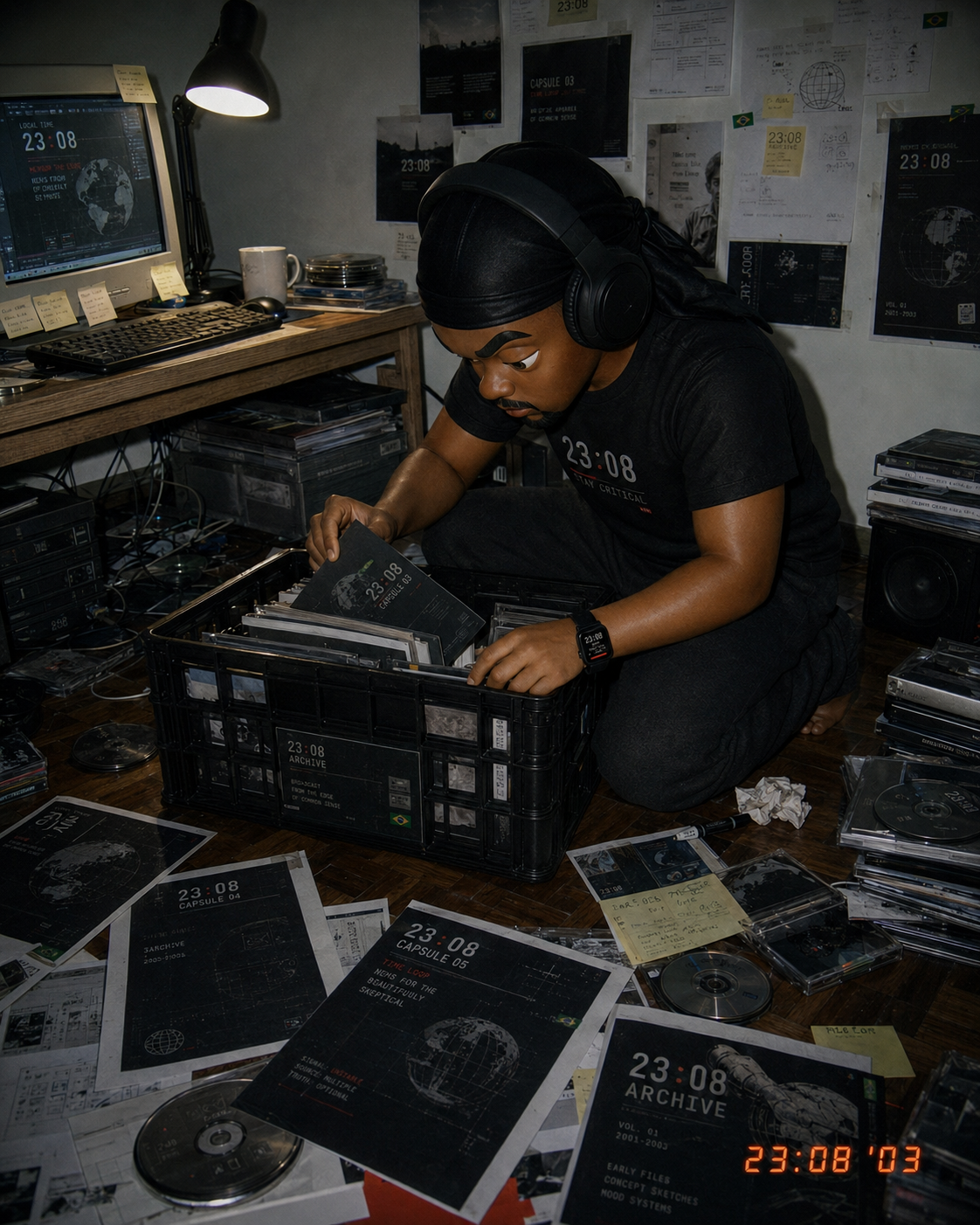
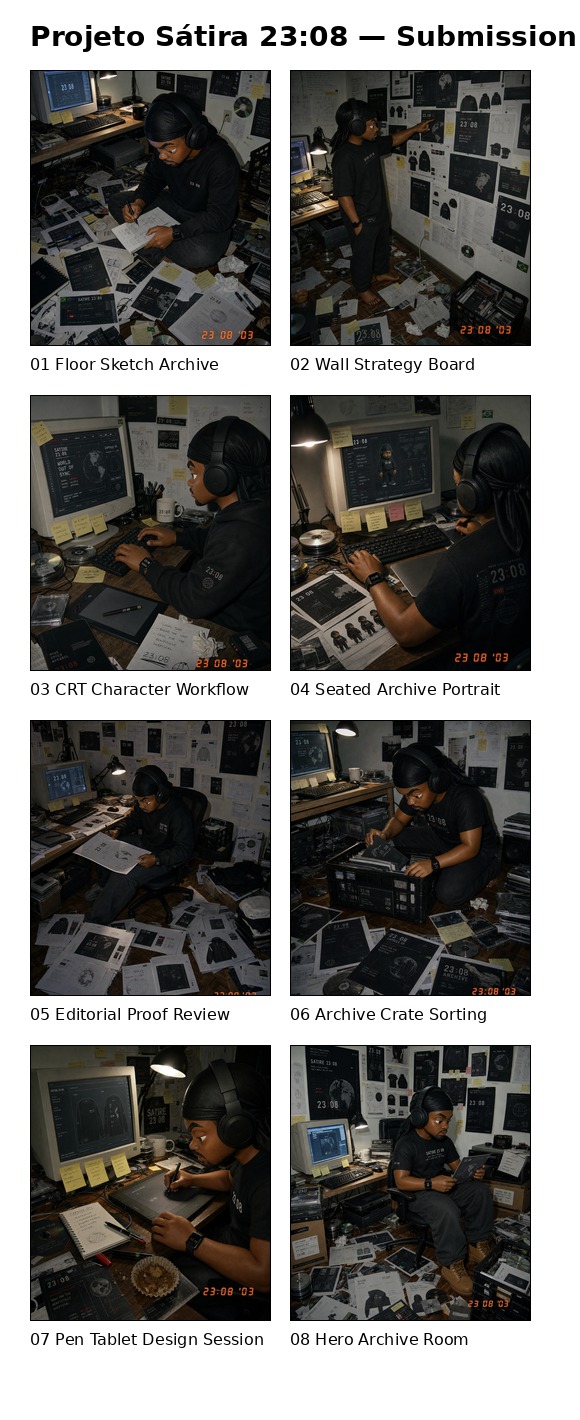
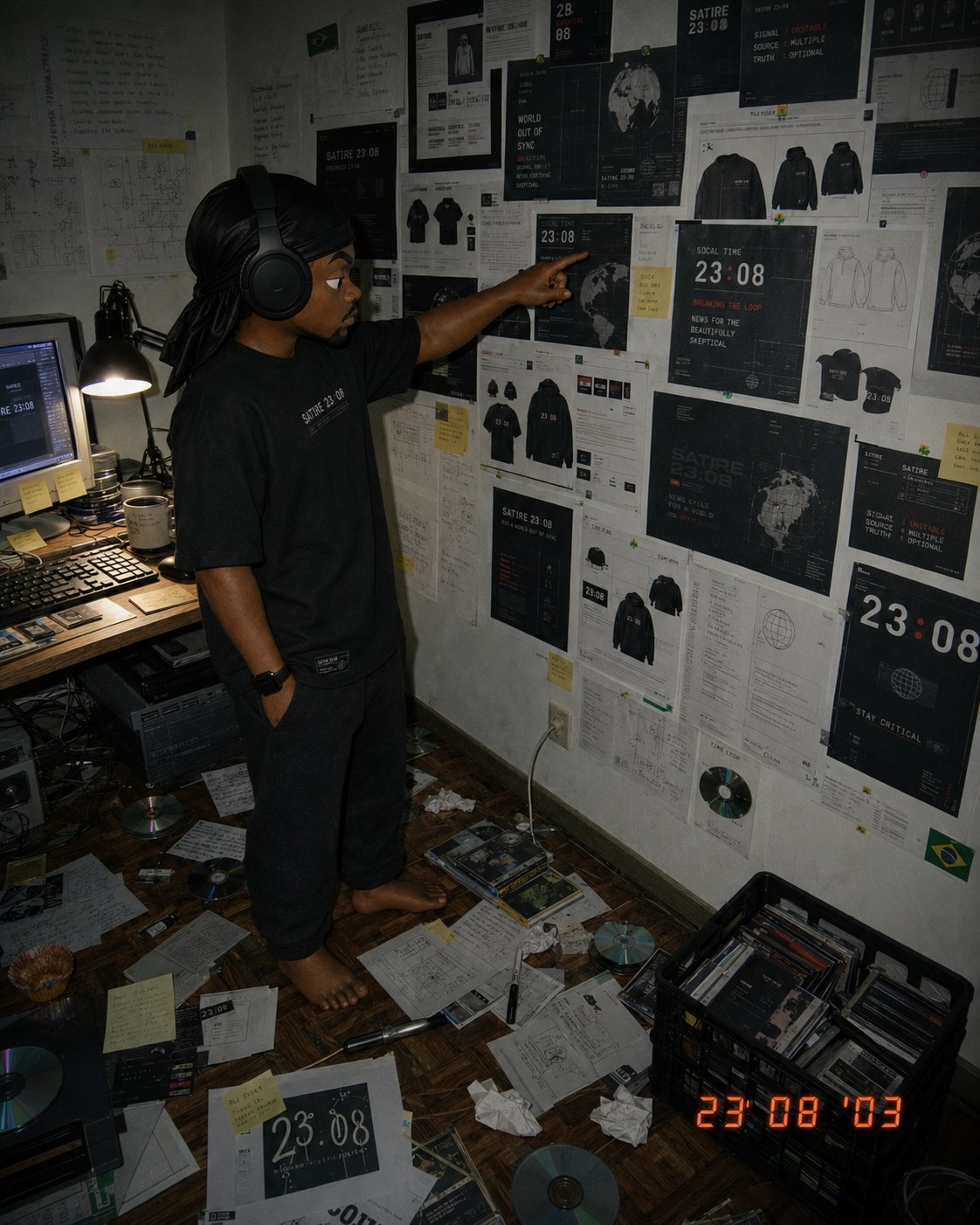
The character first appears inside an intimate creative archive filled with sketches, printed proofs, old computers, CDs, visual experiments, and references to the recurring time 23:08.
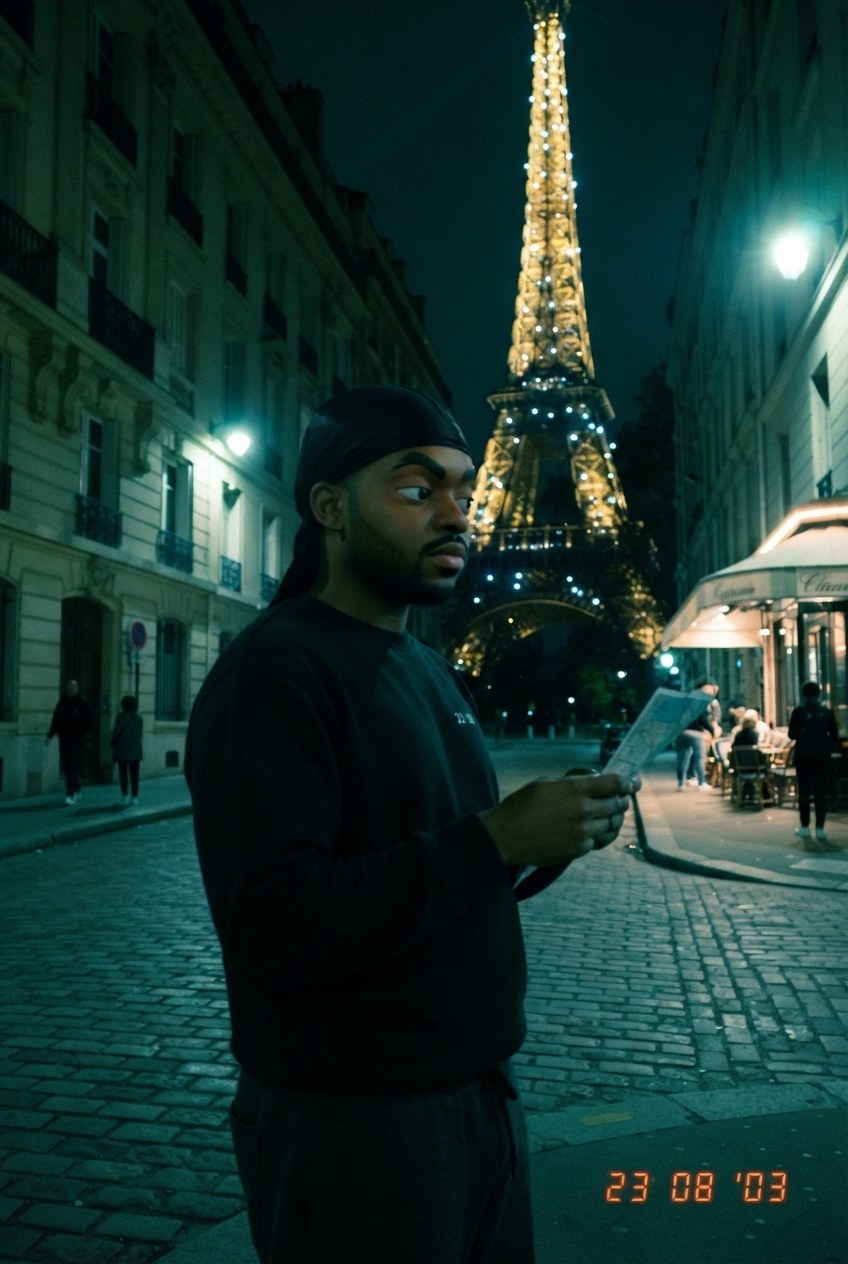
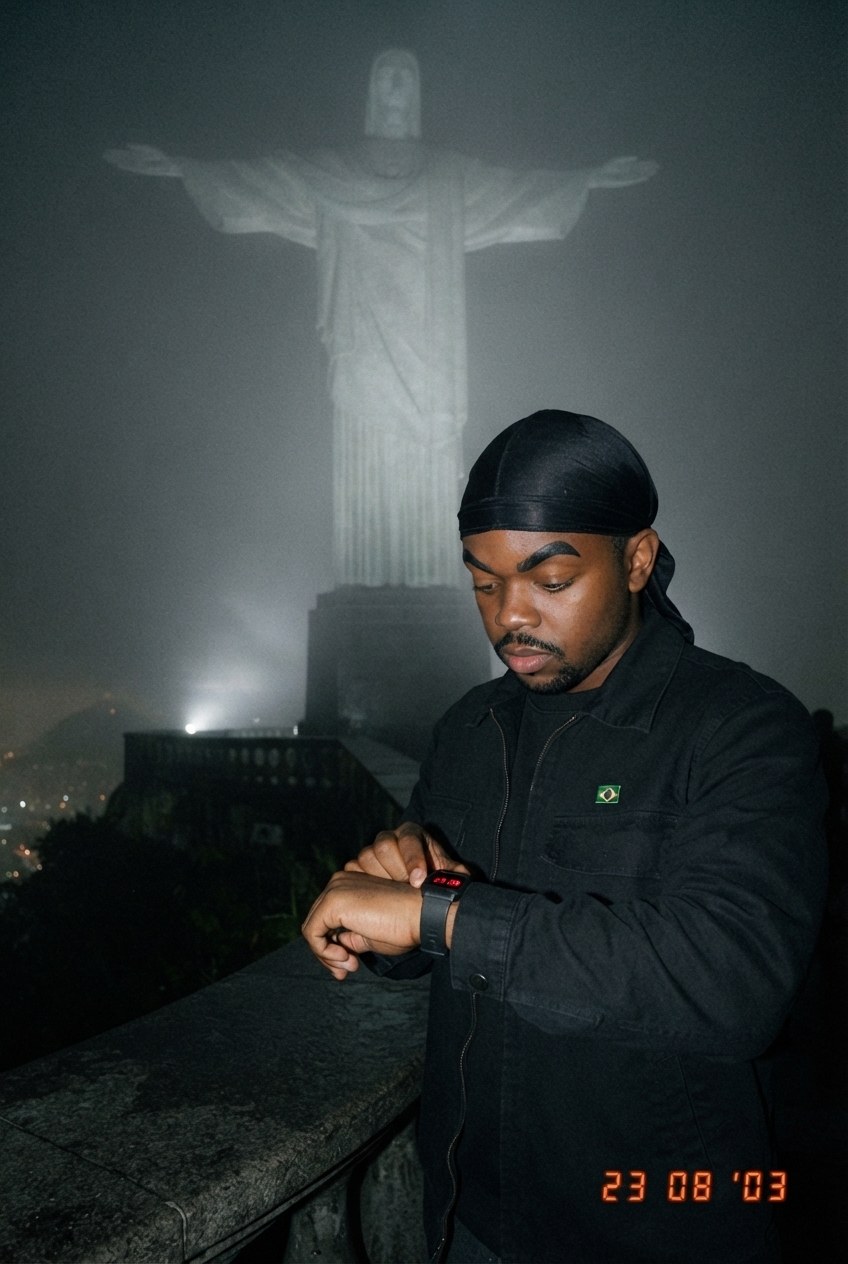
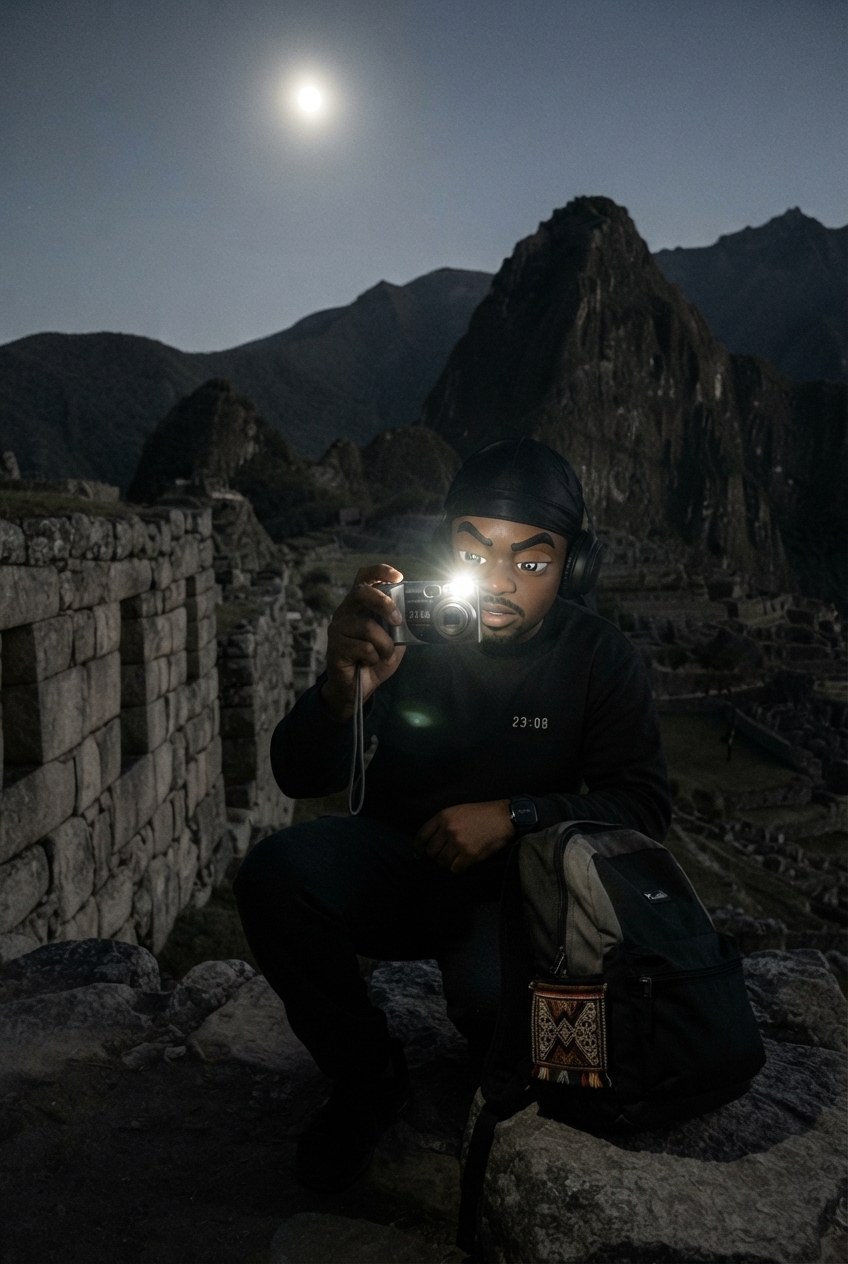
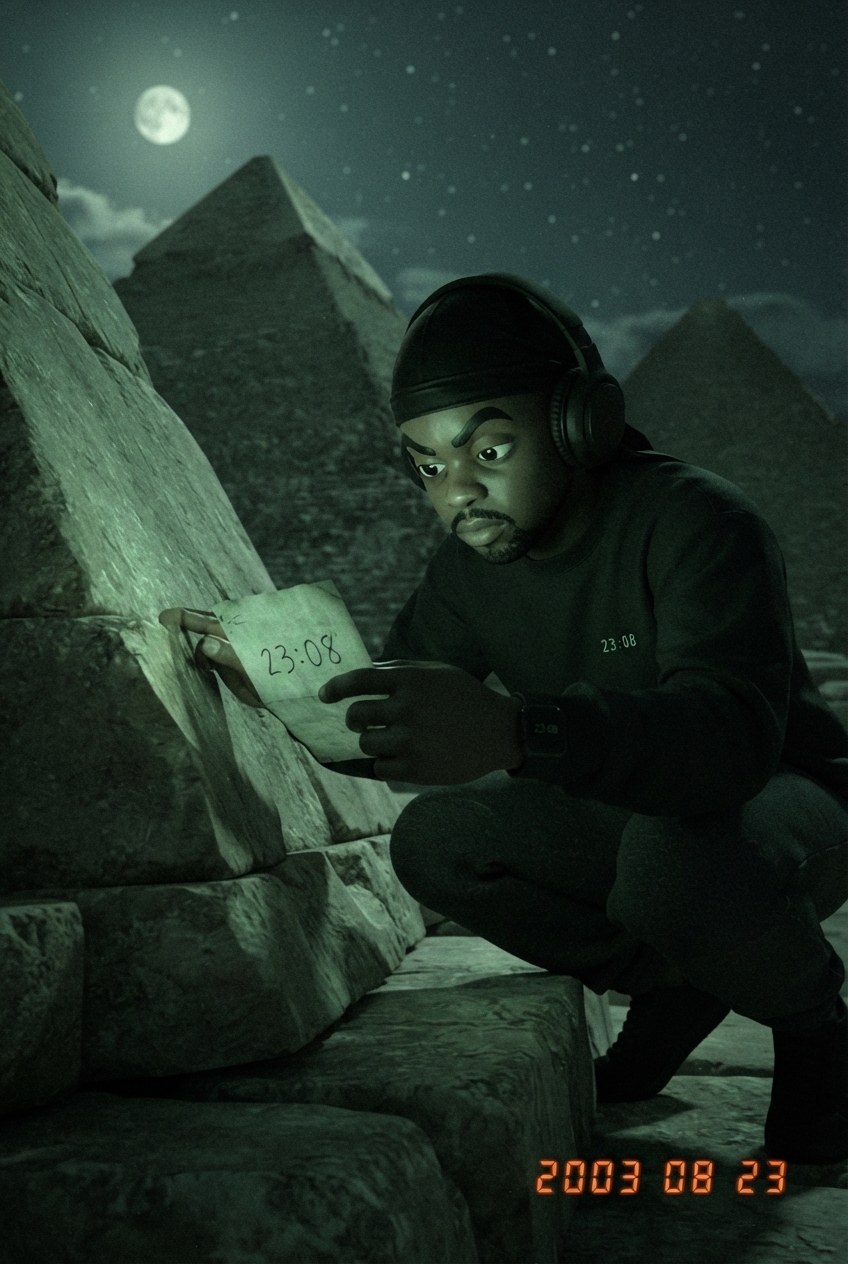
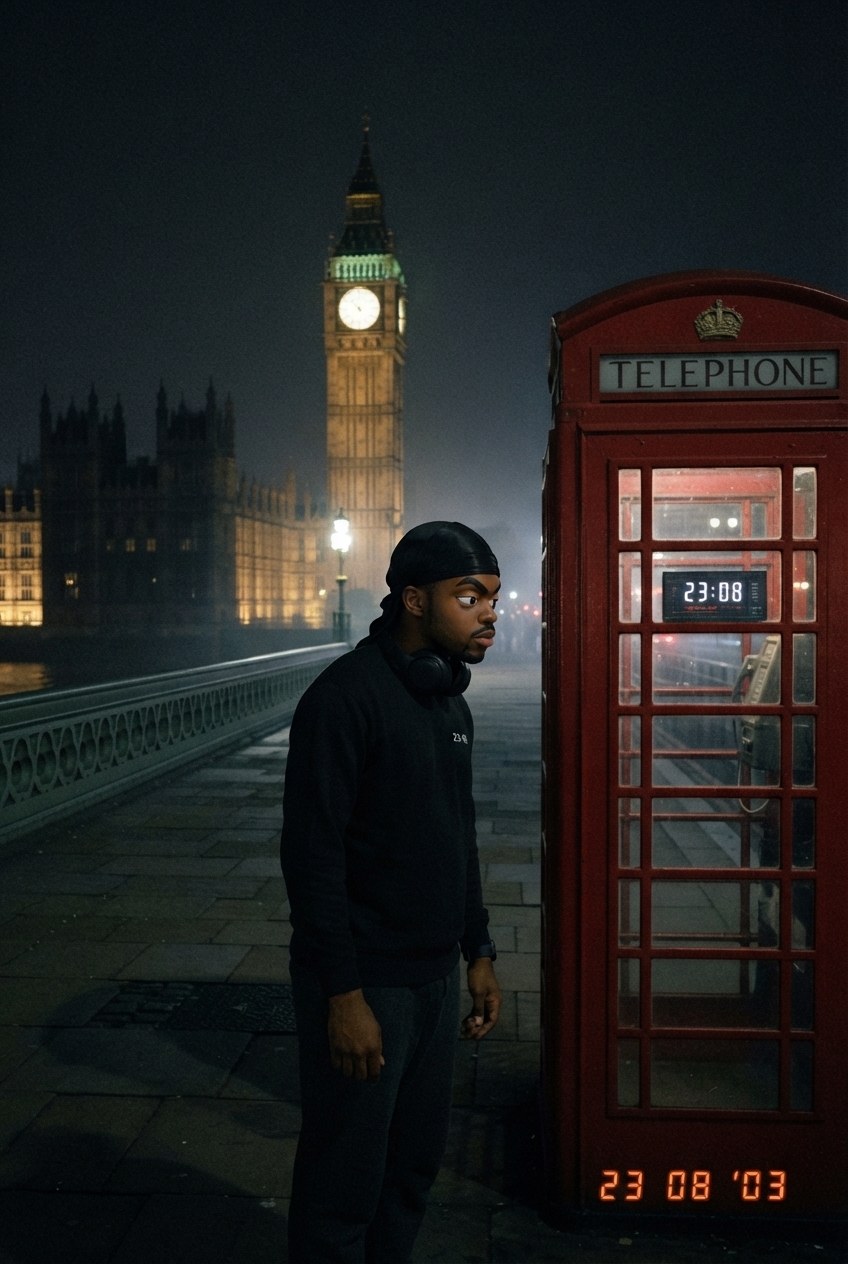
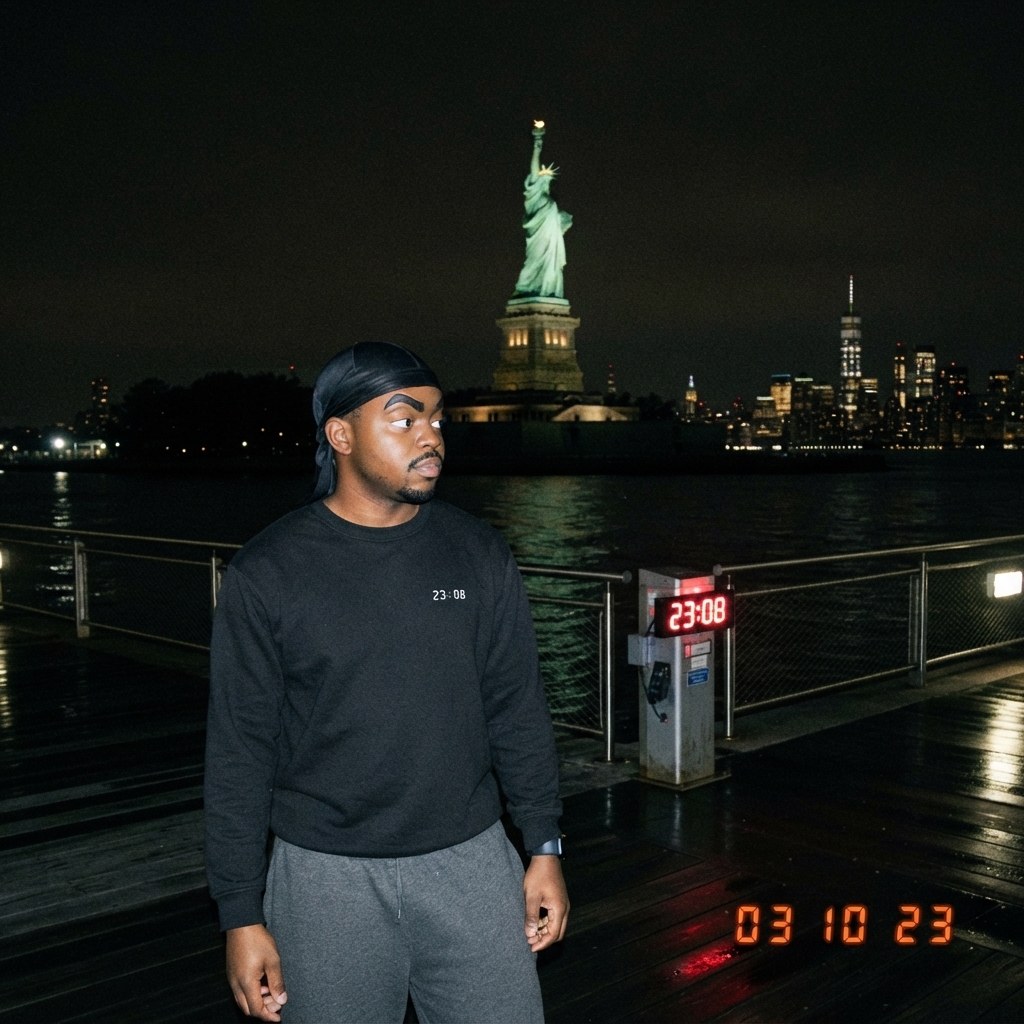
The project then expands into the Global Night Archives, where Lizu appears at culturally significant locations around the world. Every scene takes place at night and preserves the same visual identity, character language, and 2003 documentary-camera aesthetic.
The recurring 23:08 reference appears naturally through timestamps, clocks, signs, screens, and environmental details.
The result is not simply a collection of images, but a continuous visual story that can expand across branding, fashion, editorial design, digital experiences, and transmedia storytelling.
How I built it
I began by defining a visual system for the project:
- a consistent character identity for Lizu;
- a dark editorial color palette;
- direct-flash and early-digital-camera textures;
- CRT screens, printed archives, grids, timestamps, and physical media;
- subtle red accents and recurring 23:08 references;
- discreet Brazilian visual details;
- a balance between documentary realism and stylized character design.
I created a reference and branding pack to establish the visual rules before producing the final scenes.
Using generative AI tools, reference images, structured prompts, and multiple refinement passes, I directed each composition individually. The outputs were then curated and organized into two connected chapters:
- The Studio Archive — Lizu inside the creative process.
- The Global Night Archives — Lizu carrying the same identity across major locations around the world.
AI was used as a production tool, while the concept, character direction, visual rules, narrative structure, selection, and final curation were human-directed.
Challenges
The main challenge was maintaining Lizu's identity across different poses, lighting conditions, camera angles, clothing variations, and environments.
Another challenge was preventing each output from feeling like an unrelated generated image. Every frame needed to belong to the same visual universe.
I addressed this by repeatedly reinforcing the same character traits, color system, camera period, environmental language, and 23:08 motif. I also removed images that were visually strong but weakened the continuity of the series.
The process showed me that consistency requires more than repeating a prompt. It requires a clear visual grammar and deliberate editorial selection.
What I learned
I learned how important pre-production and art direction are when working with generative media.
A strong reference system makes it possible to:
- maintain a recognizable character;
- connect multiple compositions narratively;
- create variation without losing identity;
- turn individual outputs into a coherent body of work;
- use AI as part of a directed creative workflow rather than as an automatic final result.
The project also helped me understand Lizu as more than a character. He became a visual point of view through which different places, ideas, and cultural environments can be documented.
What's next
The next stage is to transform Sátira 23:08 into an interactive digital archive.
Visitors would be able to explore locations, dates, visual capsules, character notes, and hidden 23:08 references through a navigable web experience.
Future extensions may include:
- short animated sequences;
- interactive maps;
- editorial capsules;
- apparel and physical artifacts;
- sound design and audiovisual storytelling;
- collaborative stories created with artists from different locations.
The long-term goal is to develop Sátira 23:08 into a flexible narrative universe where Lizu can move between art, design, technology, fashion, and digital storytelling.

Log in or sign up for Devpost to join the conversation.