
Inspiration
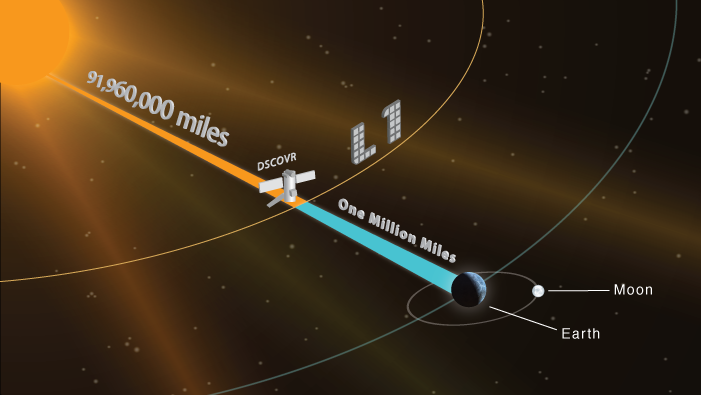
Today the U.S. has more than 400 military, government and commercial satellites circling the globe a GEO celestial path about 22,000 miles above the ground. These high-altitude satellites are very helpful for telecommunications, meteorology and certain military applications, but when they break, it is nearly impossible to fix something far out in the cosmos.
Additionally, the identification of these repairs often only occurs after the satellite is not able to properly communicate or perform its intended task. If the satellite is particularly in need of repair, it may become dangerous to other satellites at high velocities as they collide.
Similarly, according to NASA, more than 500,000 pieces of orbital debris as big as a marble or larger are tracked as they orbit the Earth. These can be bad news for a satellite when they collide. Although NASA and DARPA, as well as smaller organizations, are tracking the orbitals of this "space trash" the issue of removing the debris remains prominent. Current solutions propose robotic arms or deflection techniques to burn up the debris in Earth's atmospheres. However these solutions themselves necessitate that satellites be sent in space, causing more debris to eventually accumulate.
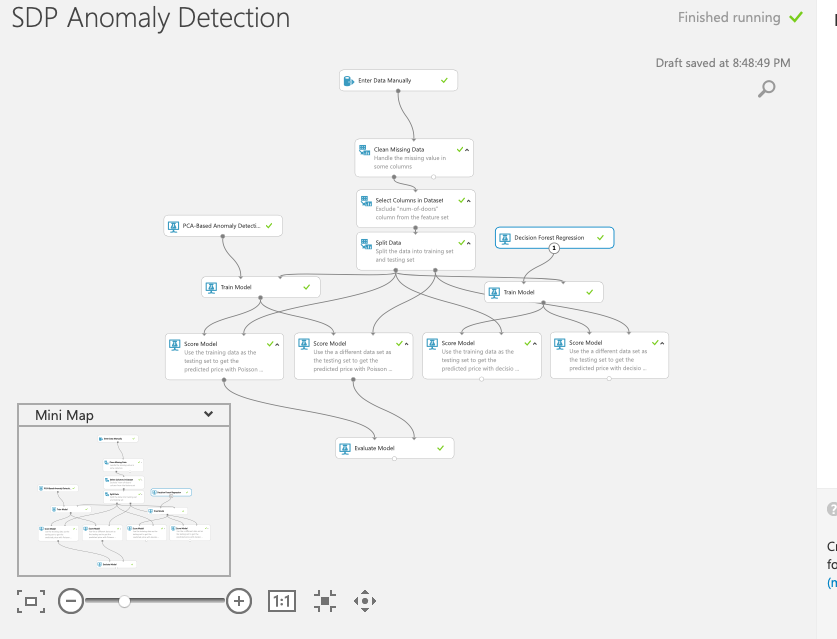
Therefore, I build a machine learning algorithm based on PCA Anomaly Detection based on satellite orbit to detect abnormal satellite trajectories around Earth and guide existing technologies that are removing space trash to redirect these materials to the satellites that need material for repair.
What it does
The SDB machine learning algorithm is based on two satellite orbital datasets from USC and the Union of Concerned Scientists, which documents the orbital trajectories can be installed into the tracking and computer systems of satellites and allow them to differentiate signals from neighboring satellites.
These signals are analyzed into a Principal Component Analysis algorithm which tracks anomalies. The satellite is then able to contact space debris robots or machinery to this specific satellite and utilize debris that may be necessary for repair, streamlining this process without human contact.
This is the first satellite based repair and trajectory tracking device.
How I built it
I used the Azure Machine Learning Studio to process the satellite data and trajectories.
Challenges I ran into
Several variables such as the period, longitude of GEO, pedigree, and apogee are needed to accurately depict and predict the correct trajectories that should occur for each satellite. Therefore, the PCA was initially difficult to load and train, however it was able to successfully classify and cluster each satellite in the end!
Accomplishments that I'm proud of
The machine learning algorithm is successfully able to cluster over 1400 satellites currently in orbit and detect common anomalies introduced into the set!
Built With
- azure-machine-learning-studio


Log in or sign up for Devpost to join the conversation.