-
-
SATA Logo
-
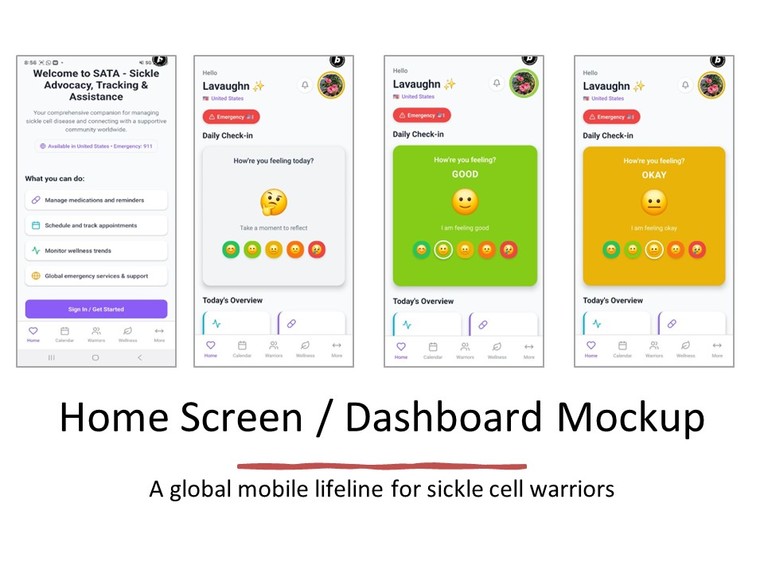
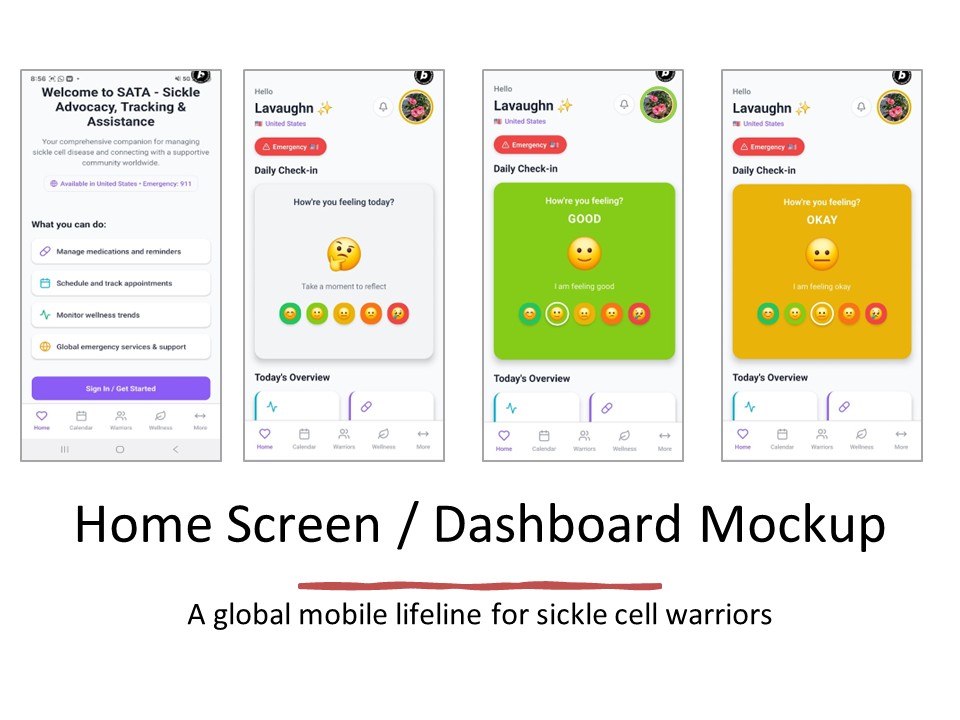
Home Screen
-
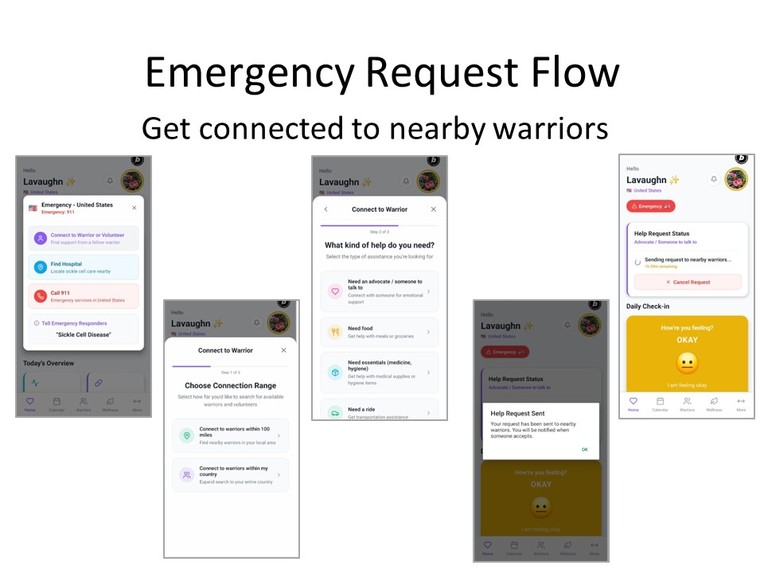
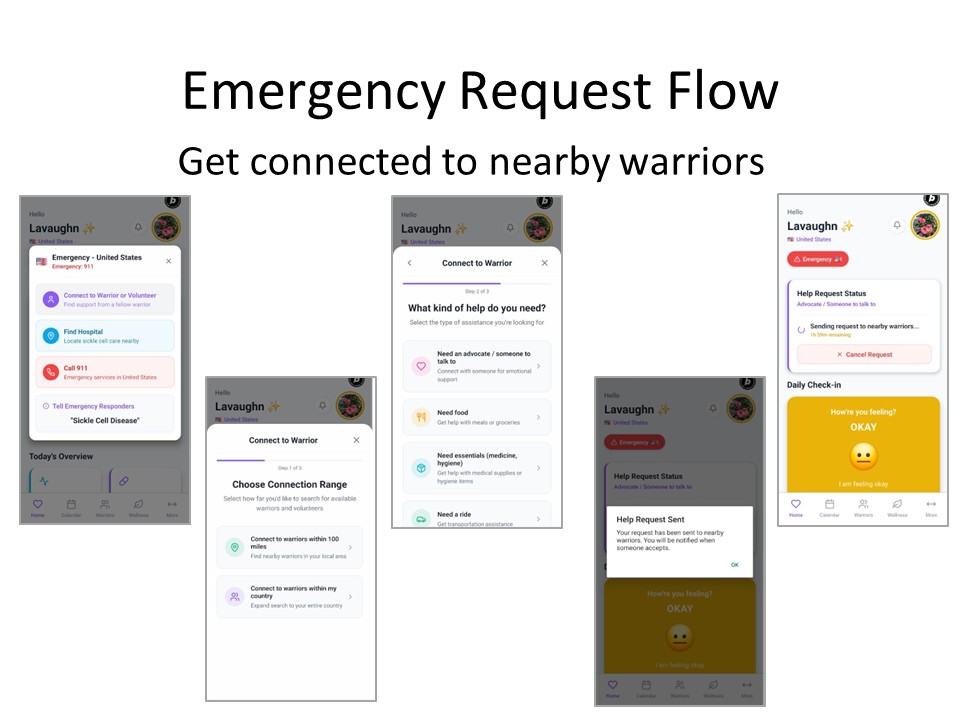
Emergency Request Flow
-
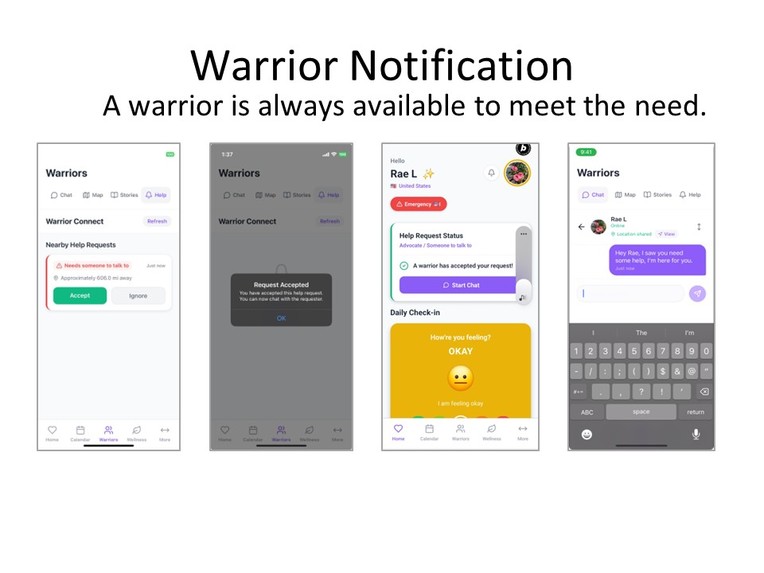
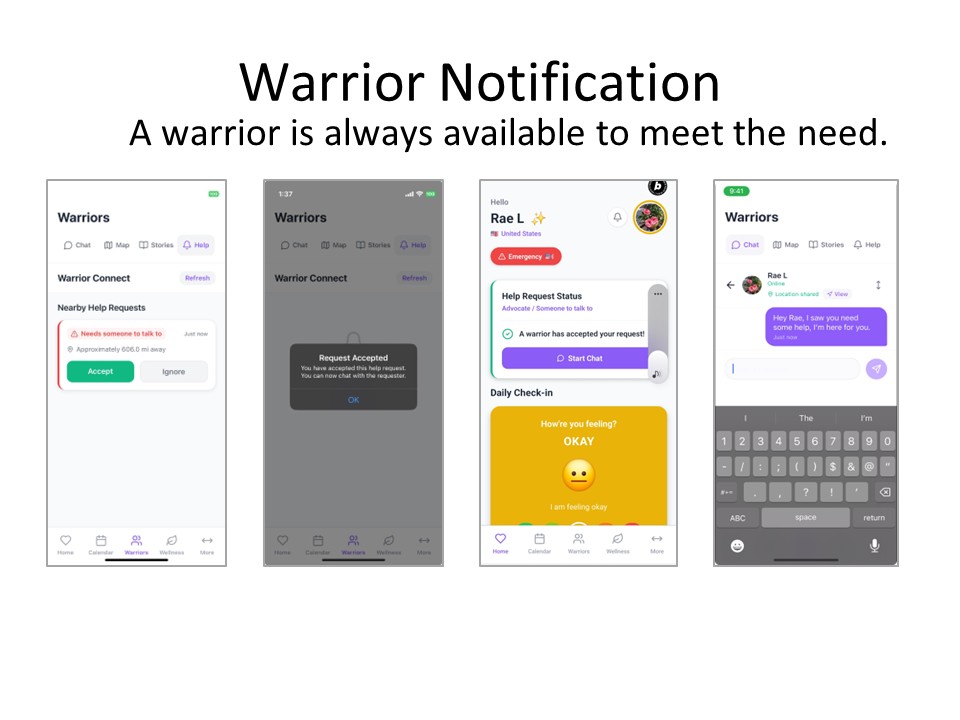
Warrior Connection and Notification
-
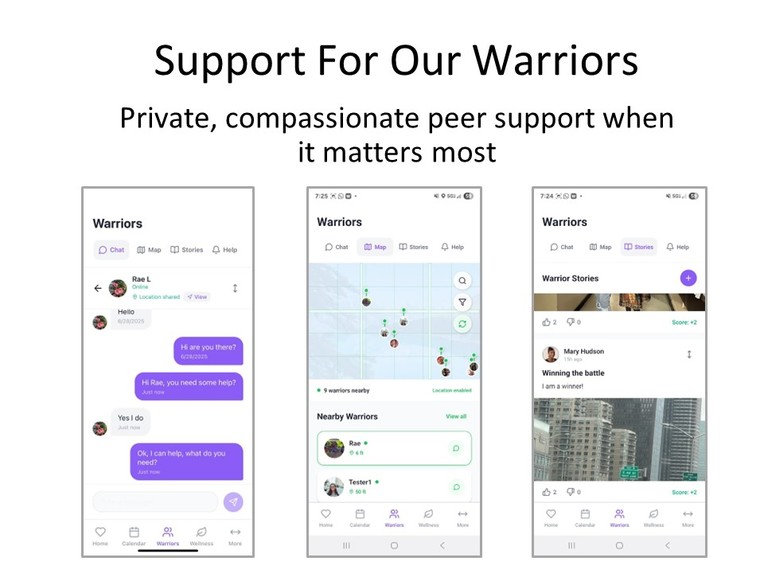
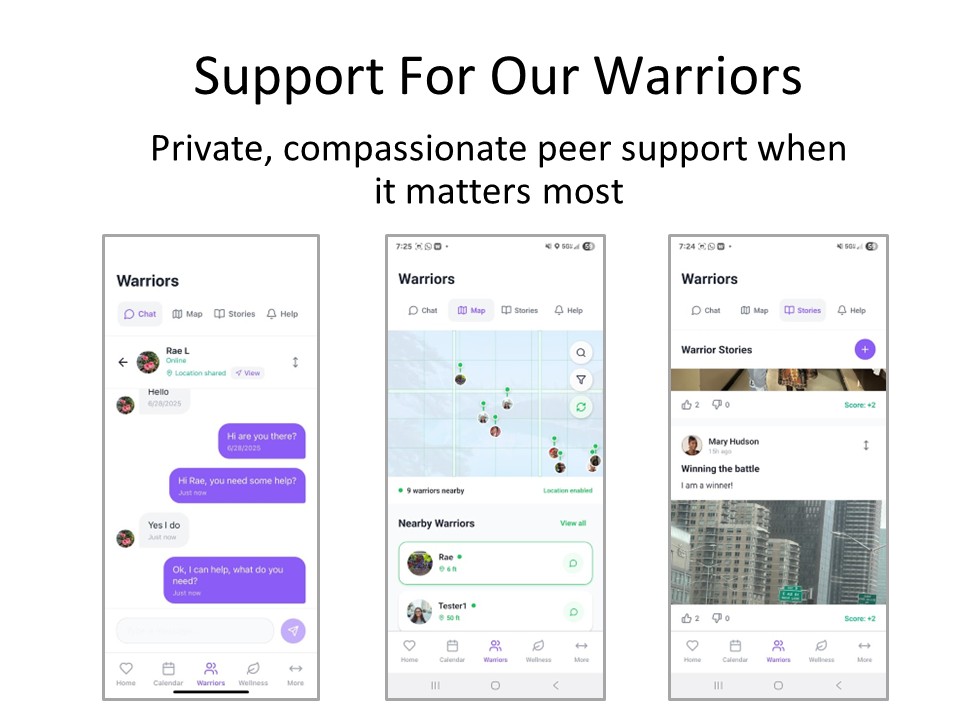
Support For Our Warriors
-
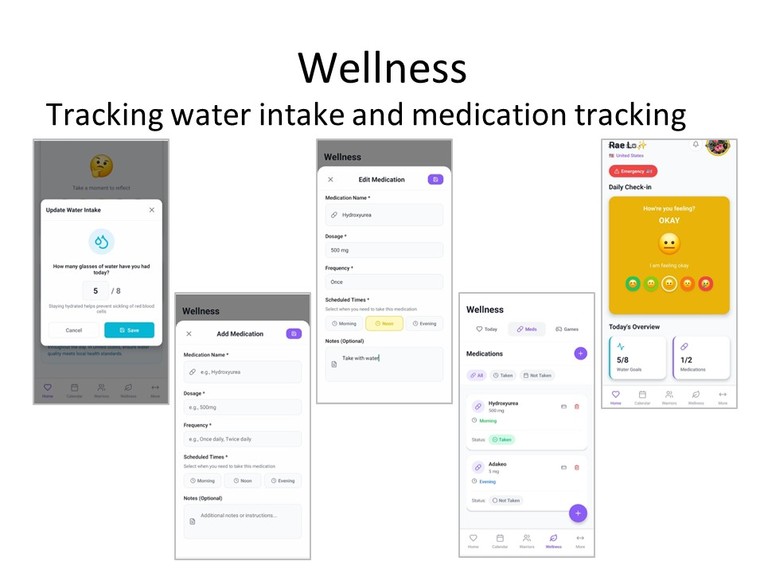
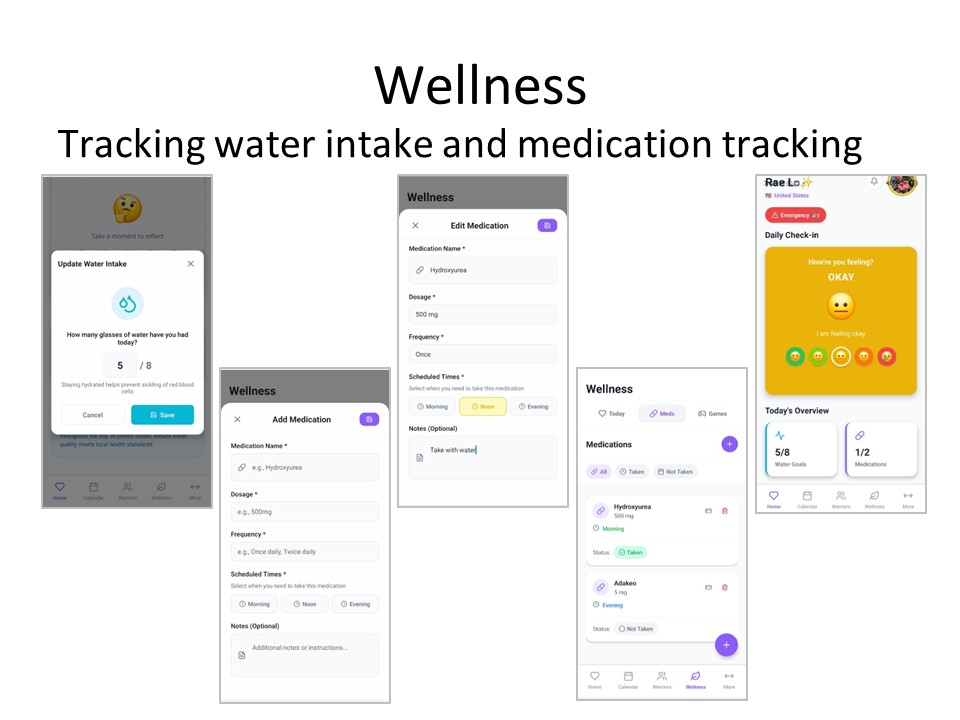
Wellness - Monitoring Water Intake and Medication Tracking
-
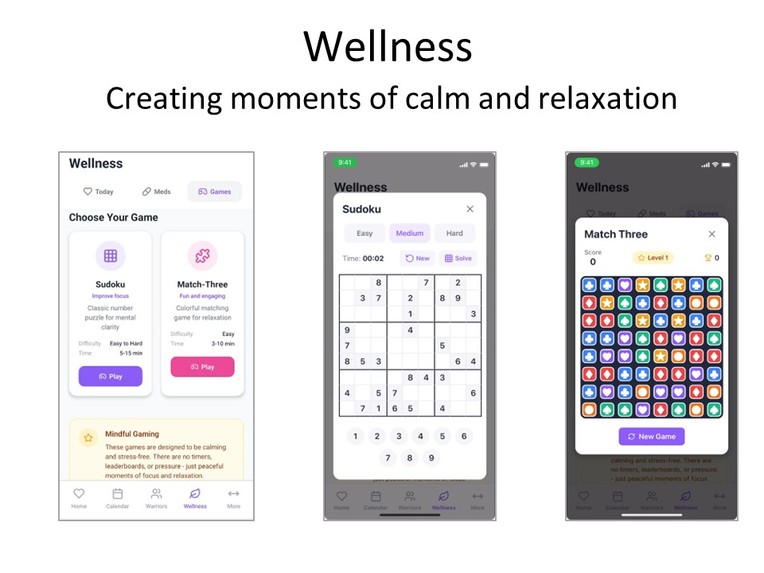
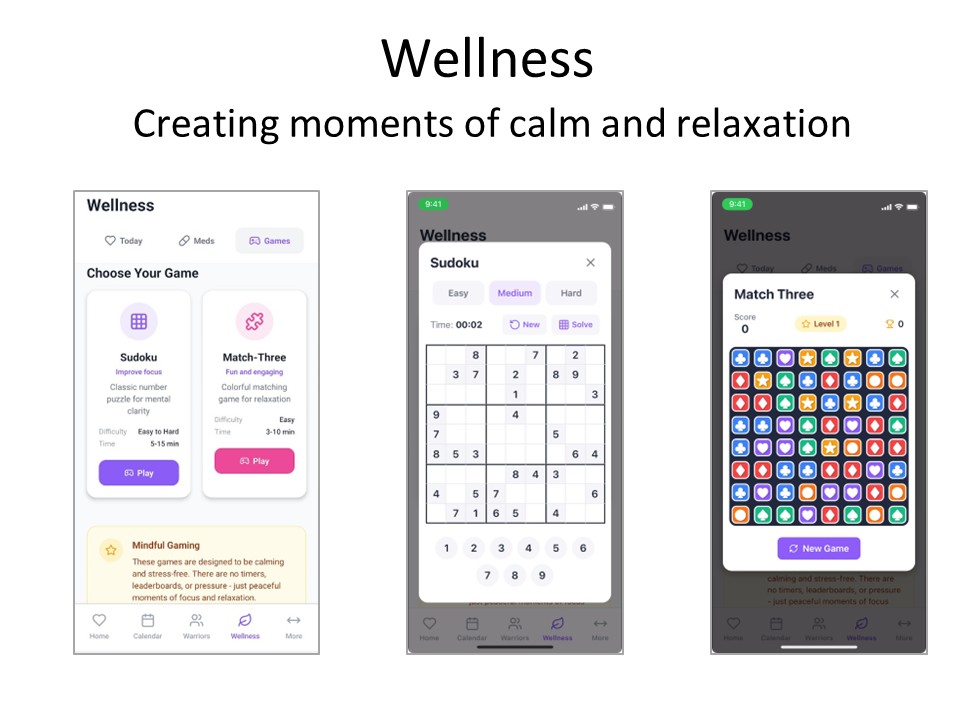
Wellness - Games
-
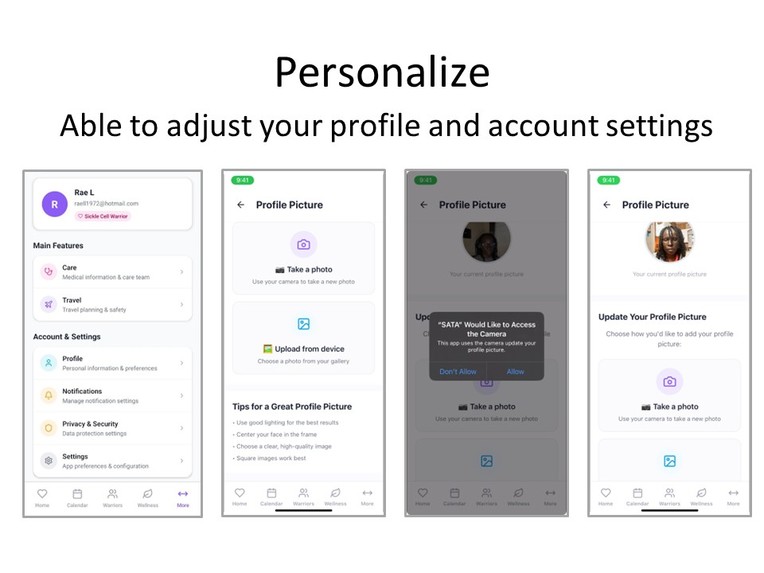
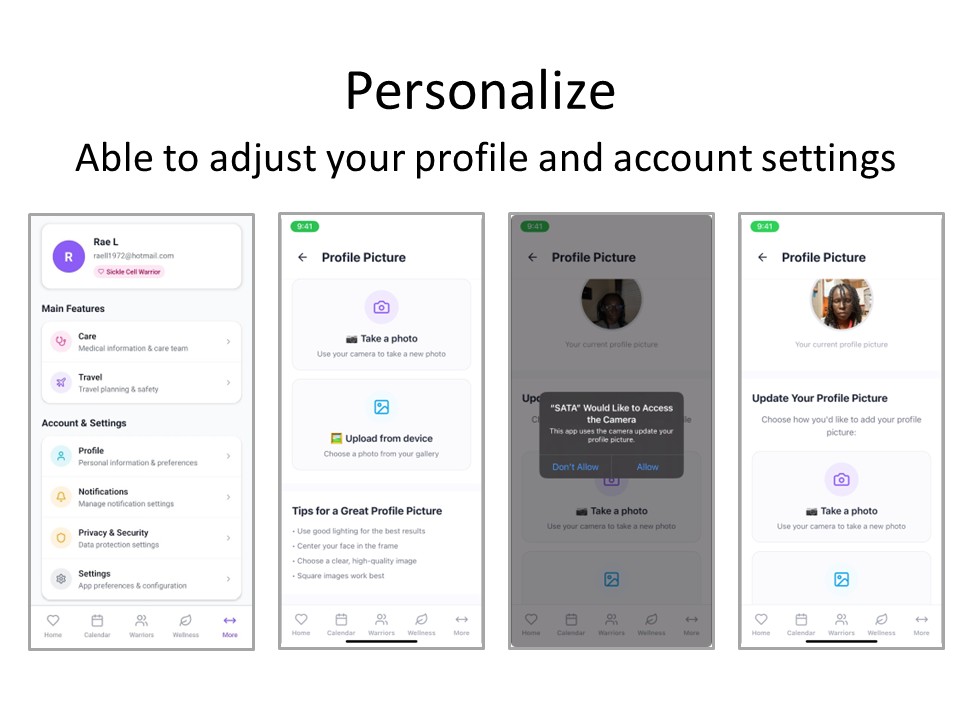
Account and Settings - Profile
-
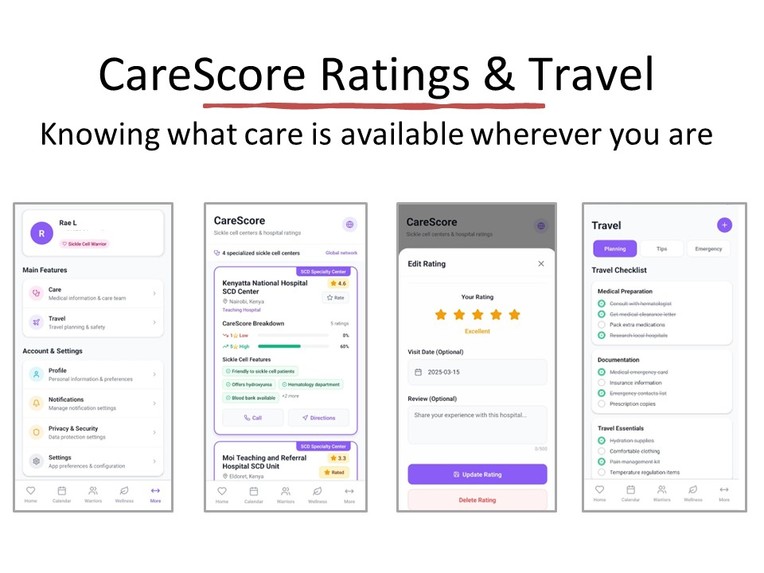
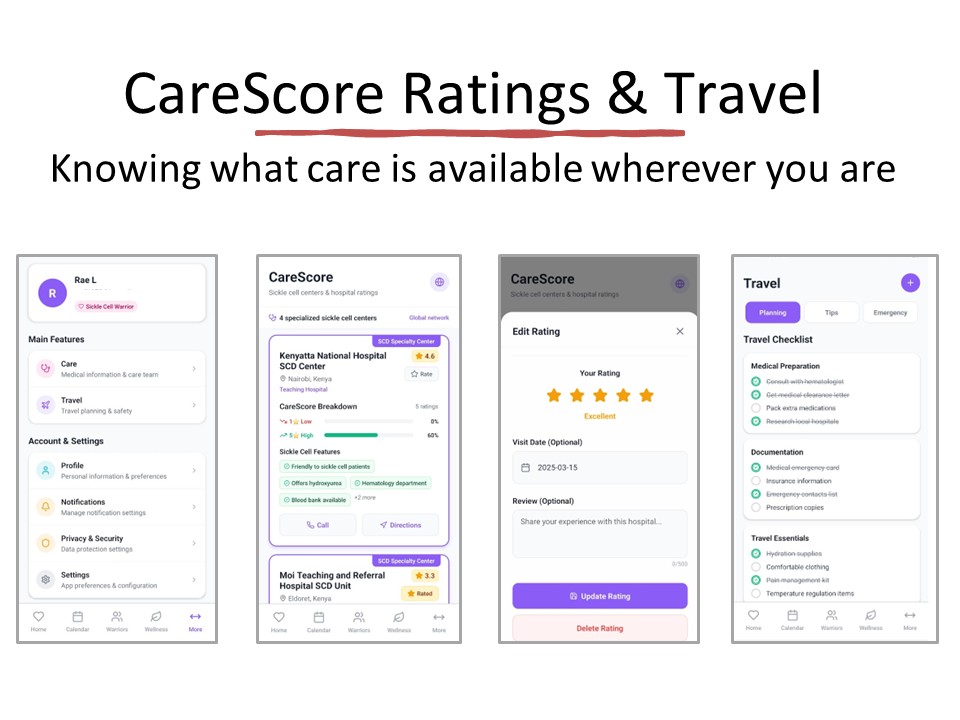
CareScore Ratings and Travel
-
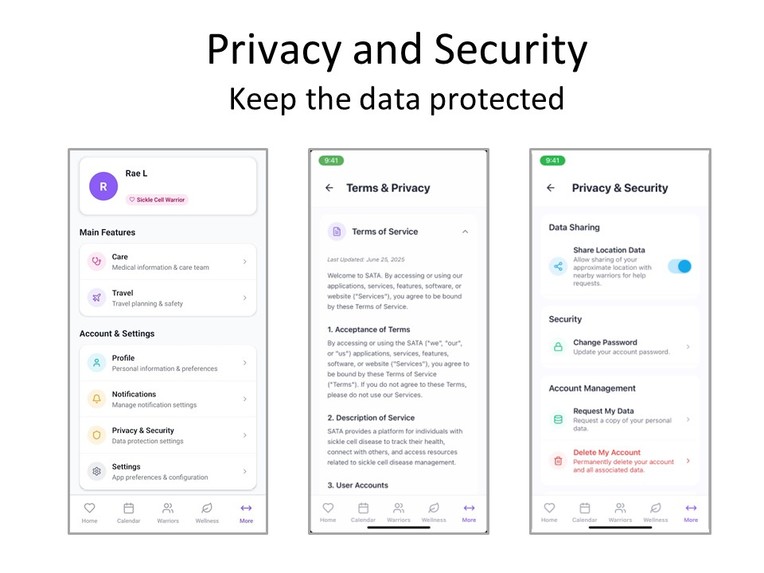
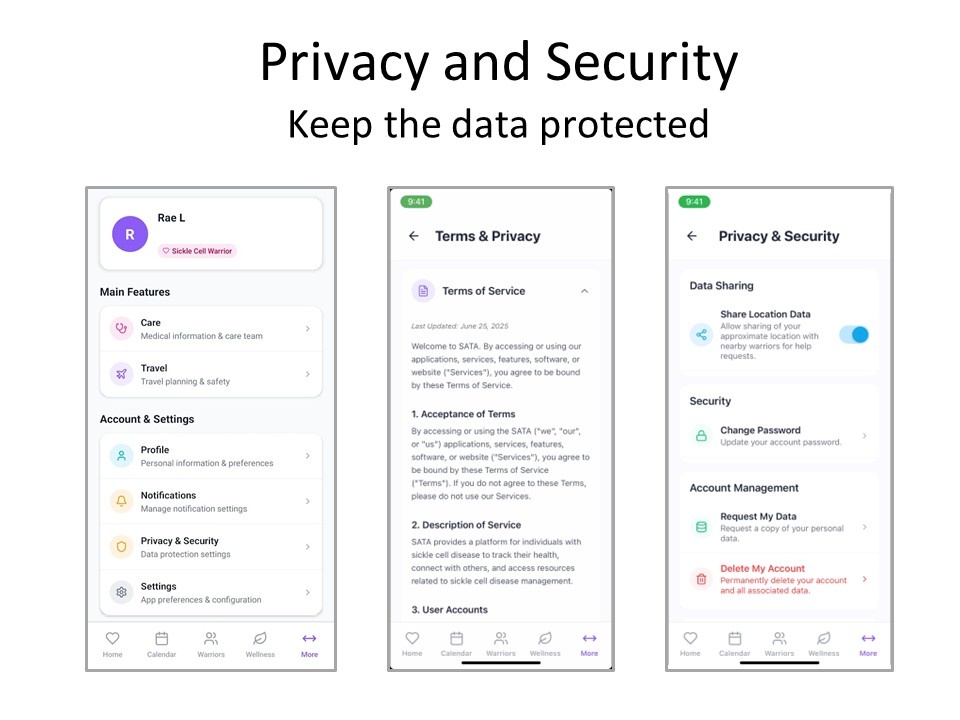
Privacy and Security.
-
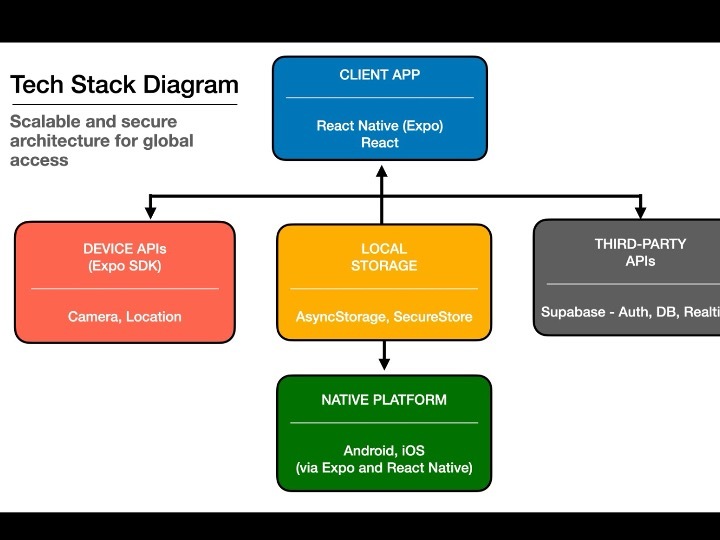
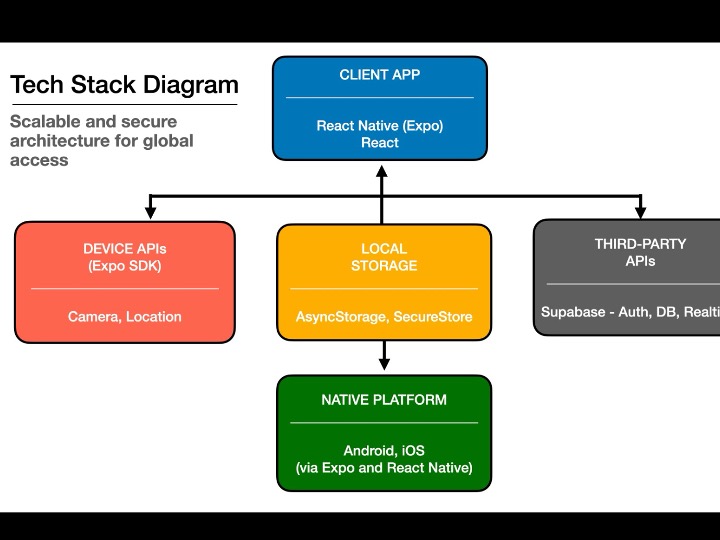
Tech Stack Diagram
-
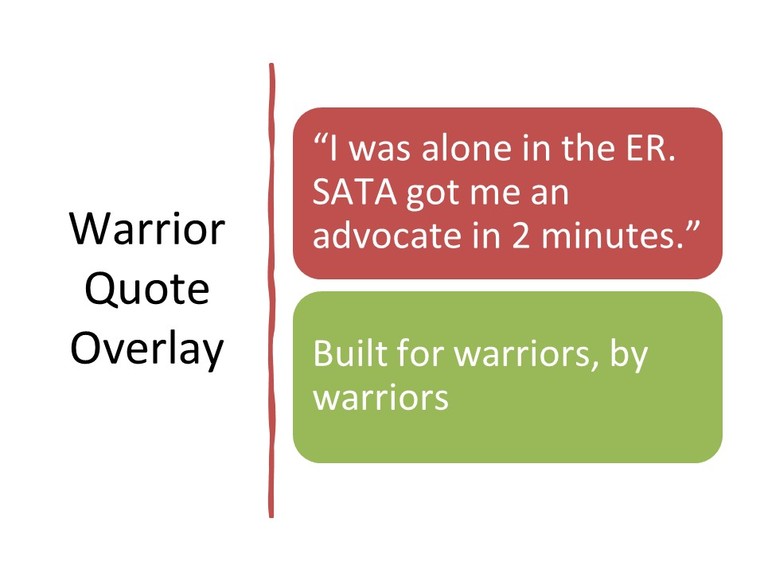
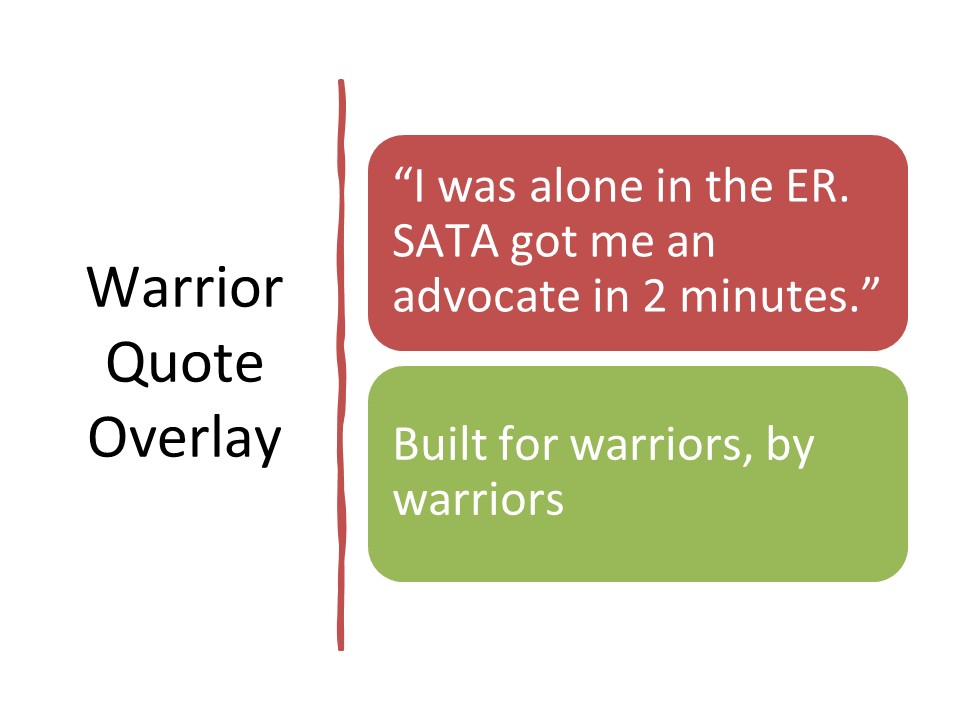
Quotes from Warriors
-
One app, Many lifelines
Inspiration:
Millions of people living with sickle cell disease (SCD) face preventable pain, isolation, and premature death, especially in underserved regions link. Children with SCD are generally well taken care of but transition to adulthood is rough. Interviews with adult SCD patients from the U.S., Kenya, and Trinidad & Tobago revealed urgent unmet needs: lack of 24/7 advocacy, poor access to medication, no emergency support system, and a deep desire for peer connection. The SATA app is built to change that.
What it does:
SATA is a global mobile platform designed by and for sickle cell warriors. It connects patients with each other and with volunteers to provide immediate, compassionate support. Core features include:
- Peer Network & Emergency Volunteer Help via geo-tagged maps and a "Connect to Warrior/Volunteer" button to summon real-time help to advocate for patients during ER visits or hospitalizations
- Trusted Facility Ratings (CareScore) based on lived experience, not just clinical data
- Medication & Appointment Tracker to help patients manage long-term care
- Pain Distraction Tools to reduce mental health burden during hospital stays
How we built it:
Native Platform:
Android, iOS
Technical Stack
Client App
- Framework: React Native
- Styling: Tailwind CSS
- Build Tool: Vite
- Cross-Platform Mobile Development: Expo
- Device APIs: Expo SDK (for Camera and Location)
Backend & Database
- Authentication: Supabase
- Database: Supabase (PostgreSQL)
- Realtime*: Supabase (for Chat Functionality and Connecting Warriors and Volunteers)
Challenges we ran into:
- Collaboration tools were lacking.
- Hard to decipher all the tools and how they can be used.
- Used up many tokens fixing errors that Gemini or Claude standalone fixed quickly.
- Supabase is good but very confusing.
- What needed to done for the documentary was confusing.
- Multi-region was unnecessary given the global nature of teams. Why was this needed.
- Difficult to decipher the challenges and what they meant. It took some time to figure it out.
- Office hours would have been useful. Training happened at times that weren't good for all timezones or the timing is off - ex: Expo training towards the end of the hackathon.
- We had difficulties submitting the original project because it was synced from GitHub so we could collaborate as a team. Original URL (private, could not change): https://bolt.new/~/github-zxanrulj Submitted URL (secret): https://bolt.new/~/github-zxanrulj-raeeb48c
Accomplishments that we're proud of:
- Building a culturally sensitive and globally relevant MVP rooted in lived experiences
- Designing with accessibility, empathy, and offline-first priorities
- Creating an app that could change sickle cell care from reactive to proactive
What we learned:
- True innovation requires listening deeply to the community you’re building for.
- AI can be more meaningful when used to empower voices, not replace them.
- Volunteer networks can be digitally scaled but must be rooted in mutual respect and cultural knowledge.
What's next for SATA - Sickle Advocacy, Tracking & Assistance:
- Launch in the App Store and Google Play
- Deploy pilot in Kenya, Atlanta, U,S. and Baltimore, U.S.
- Expand database of rated facilities across Africa, Caribbean, and U.S.
- Open-source the core platform to empower other chronic disease communities.
Funding & Sustainability:
Startup Phase Funding:
- Grants: Seek support from global health funders (e.g., WHO, Gates Foundation, NIH Fogarty, Sickle Cell Disease Coalition).
- Hackathon Prize Money: Initial launch and MVP development.
- Partnerships: Collaborate with pharma (e.g., Novartis, Pfizer) for sponsored medication trackers and outreach.
Long-Term Sustainability:
- Freemium Model: Core features remain free; optional subscription for premium features (e.g., telehealth advocacy, enhanced reports).
- NGO + Government Contracts: Offer app as part of health systems in LMICs and diaspora communities.
- Marketplace & Microdonations: Peer-to-peer microgiving to fund transportation, meds, and red cell exchange procedures.
Built for Scalability:
- Modular design allows regional customization
- Offline mode and SMS keep cost low and access high
Built With
- bolt
- chatgpt
- claude
- dribbble
- expo-go
- figma
- github
- supabase
- testflight
- trello
- veed


Log in or sign up for Devpost to join the conversation.