-
-
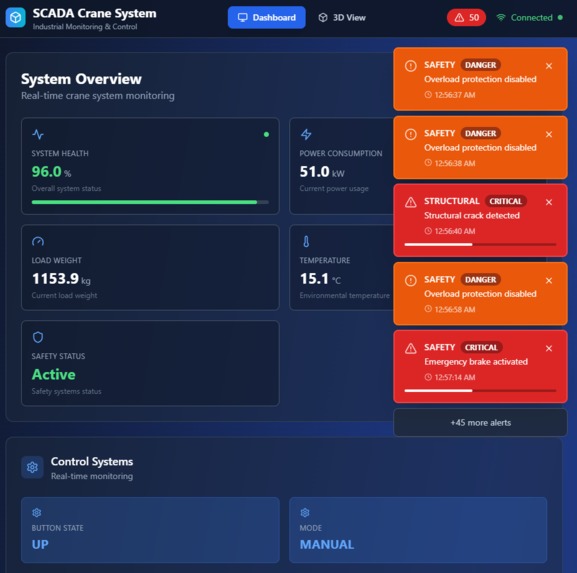
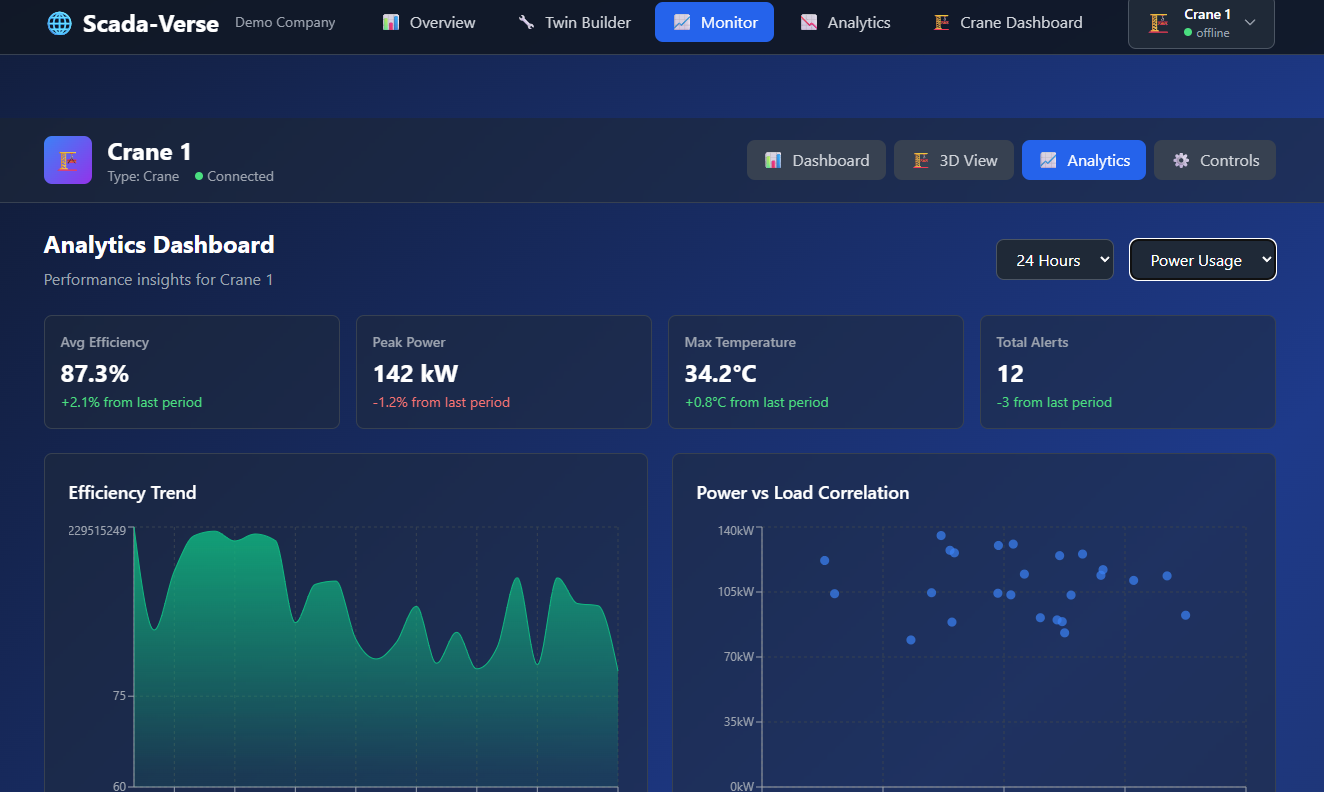
scada crane analytics view
-
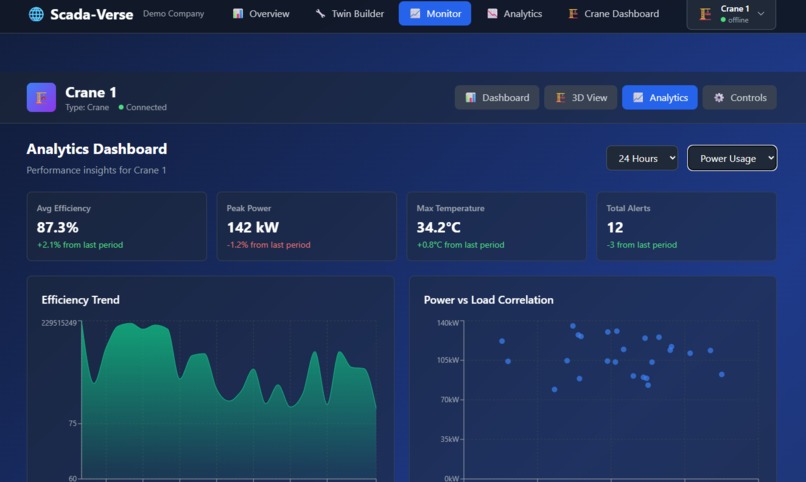
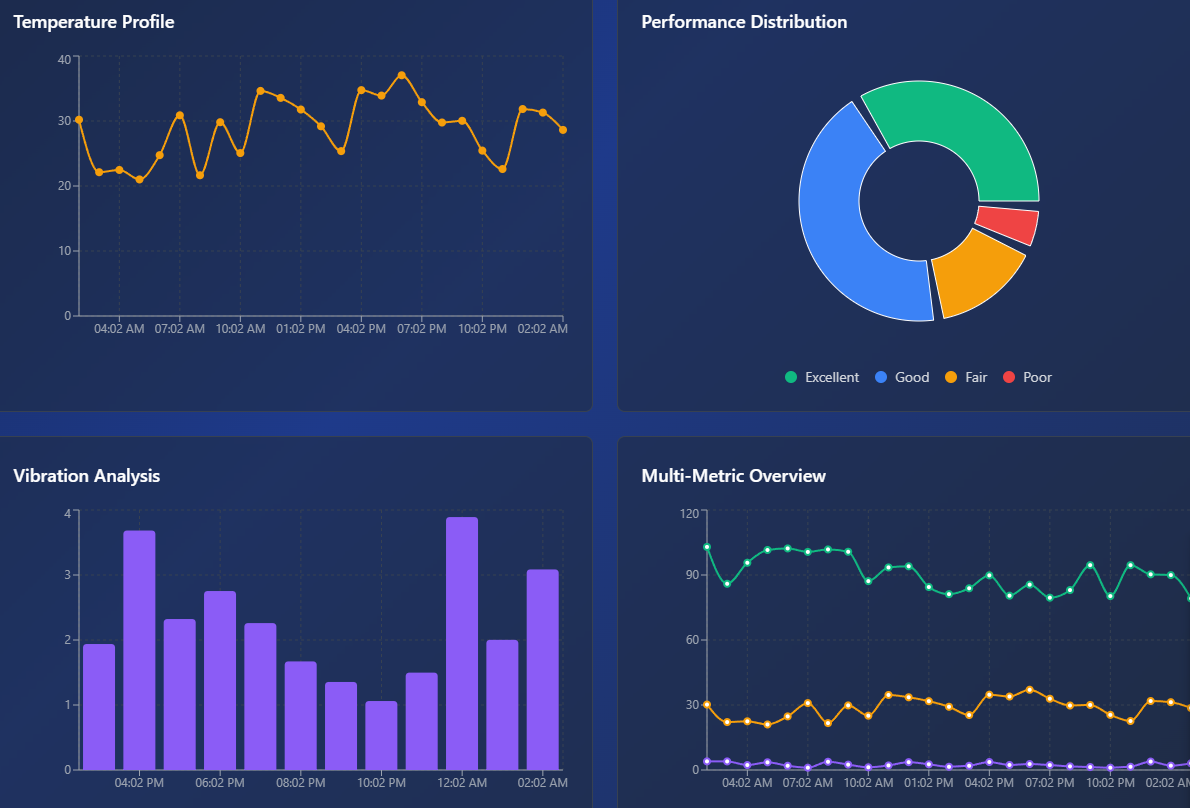
graphical data 1
-
-
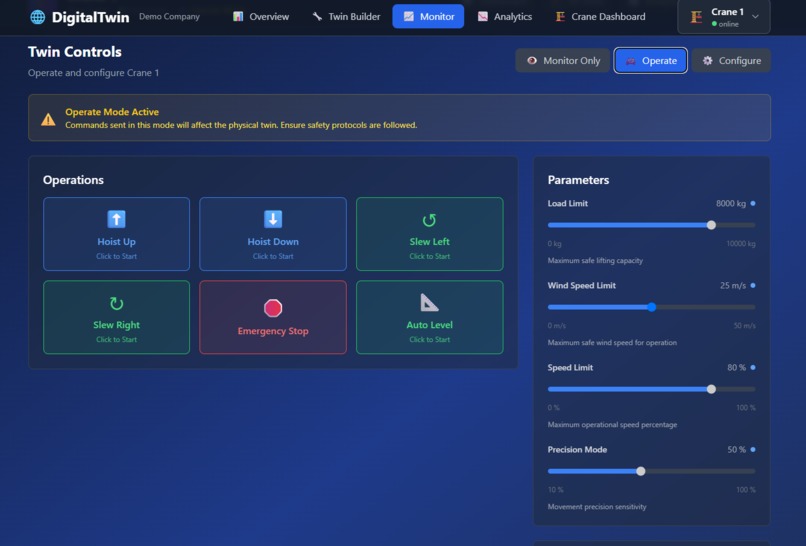
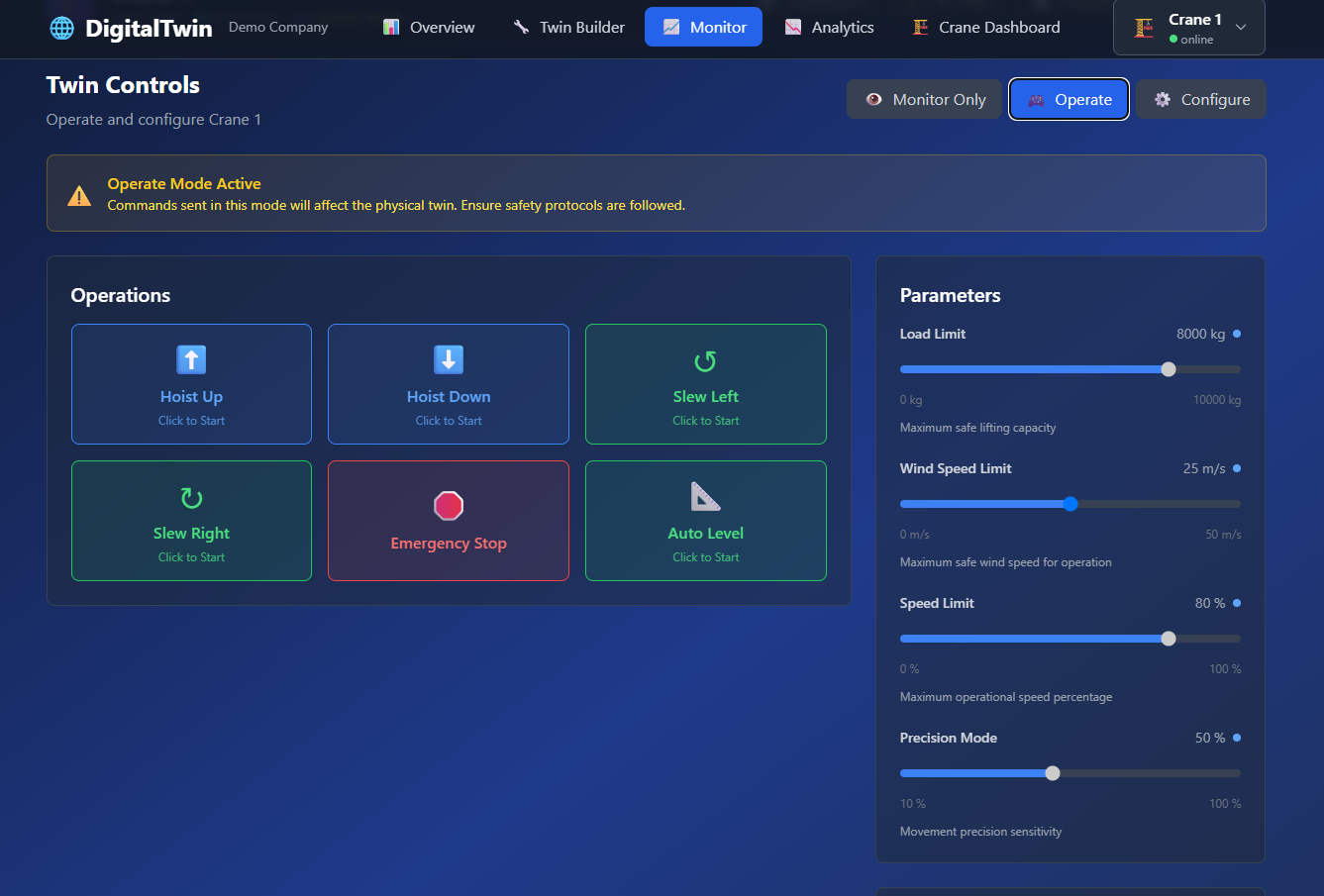
Controls and Config View
-
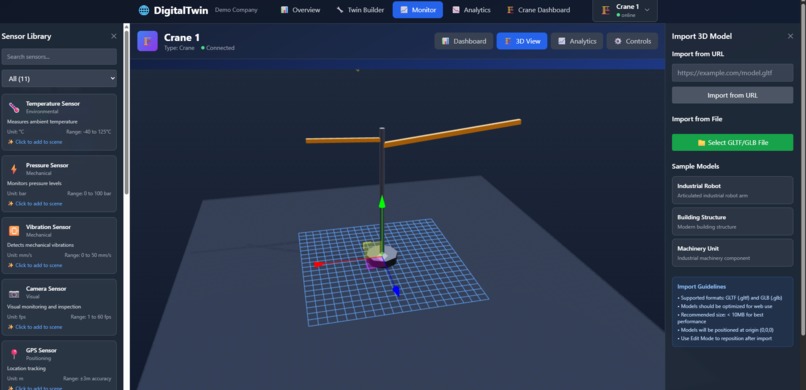
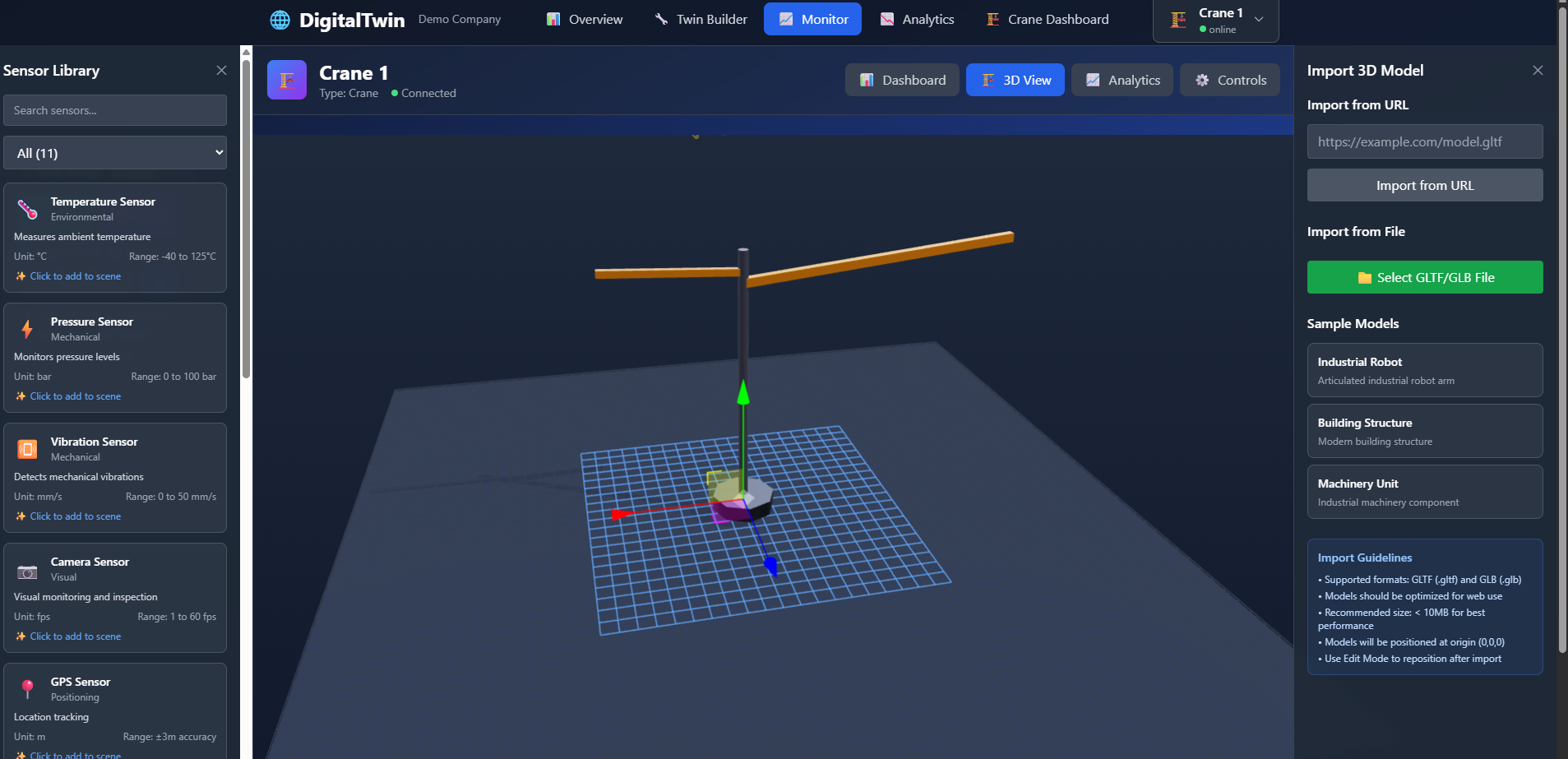
Crane 3d twin Builder View
-
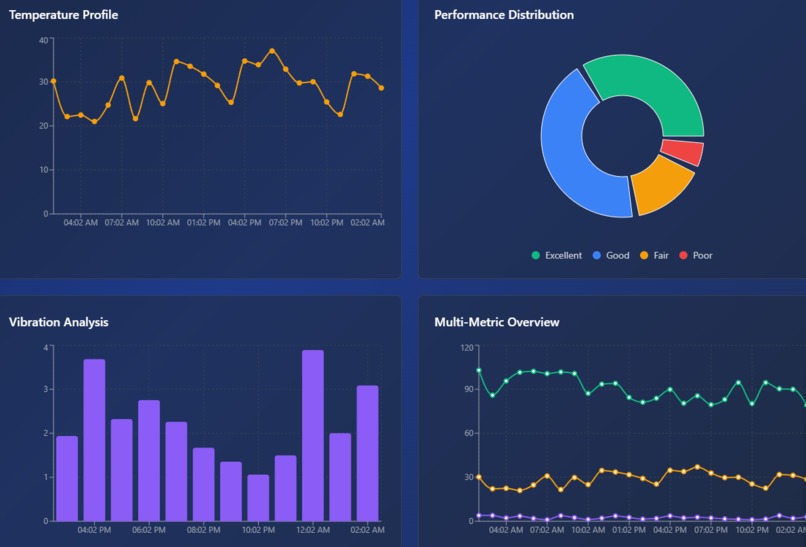
graphic analytics 2
-
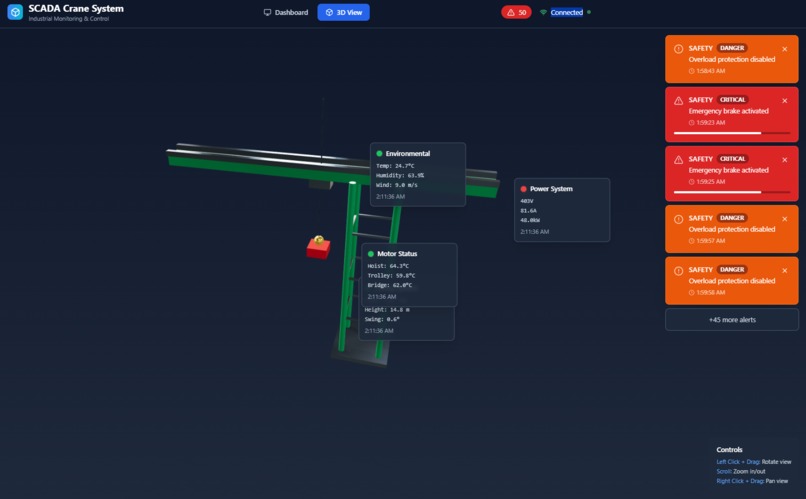
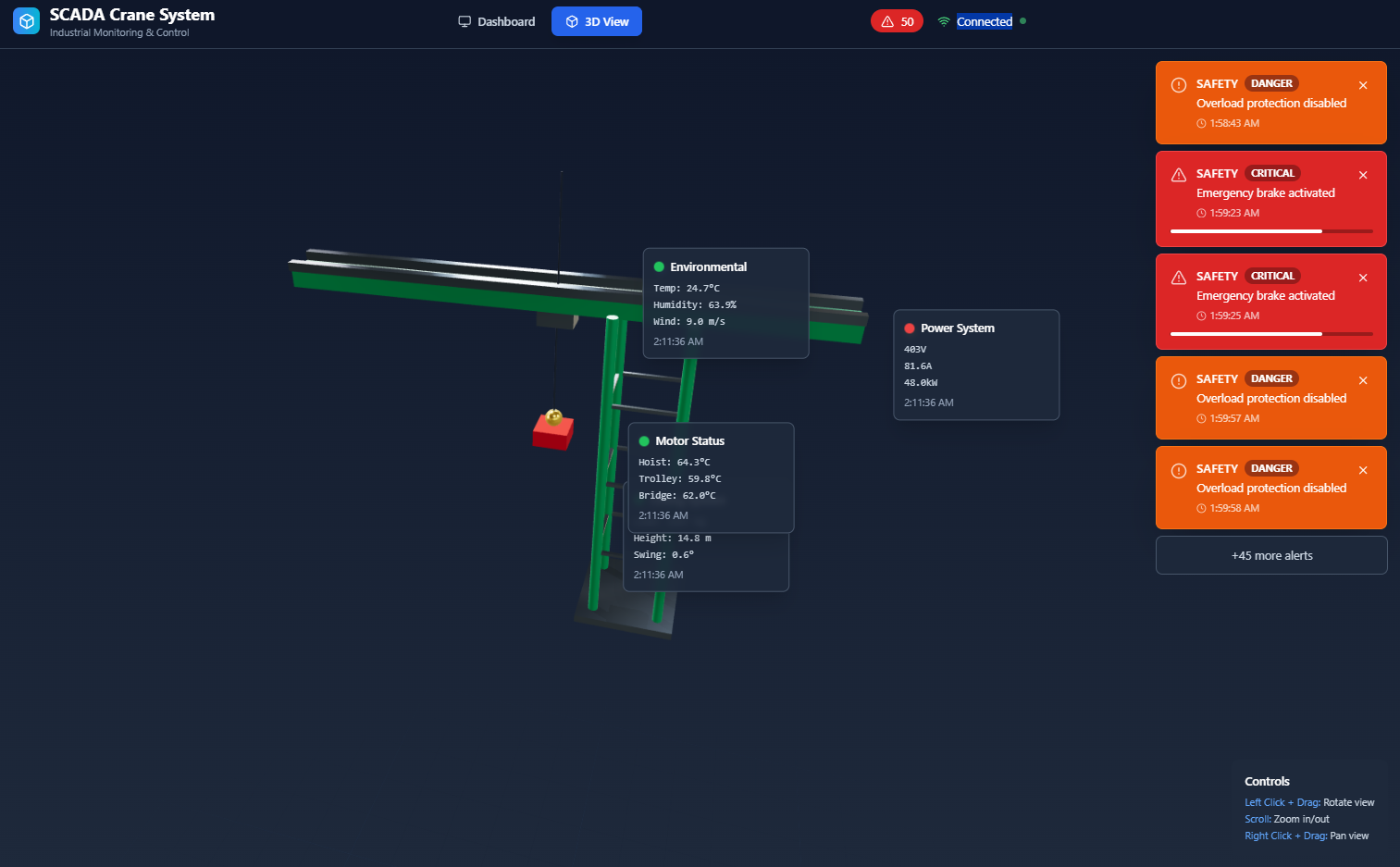
scada crane 3d view
-
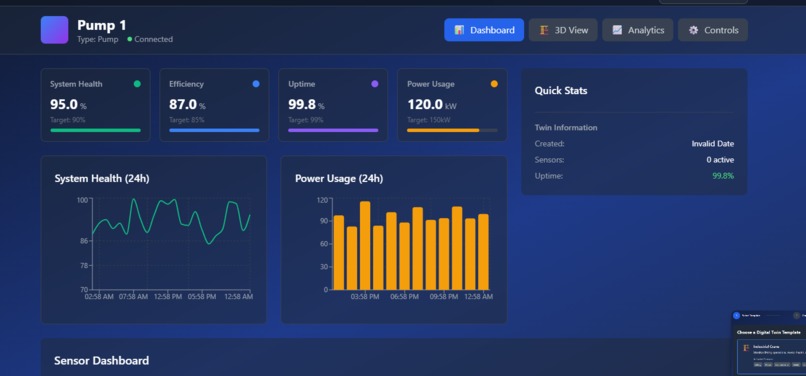
analytics main view
-
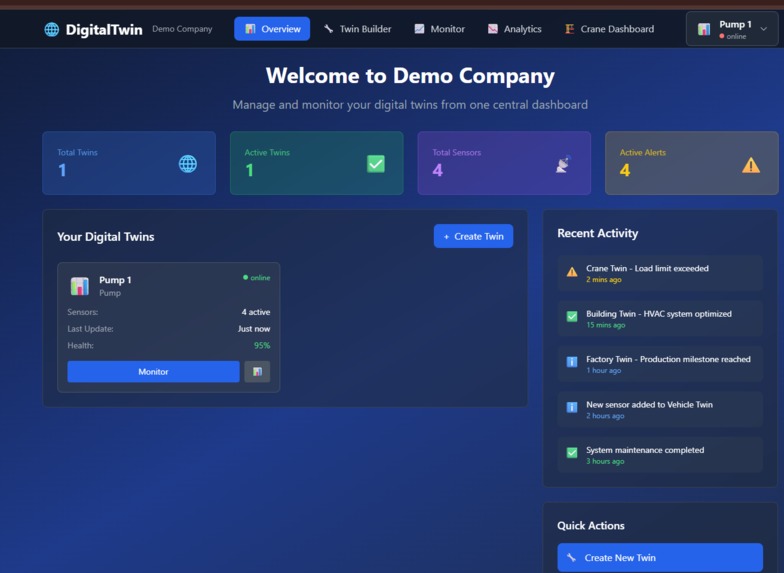
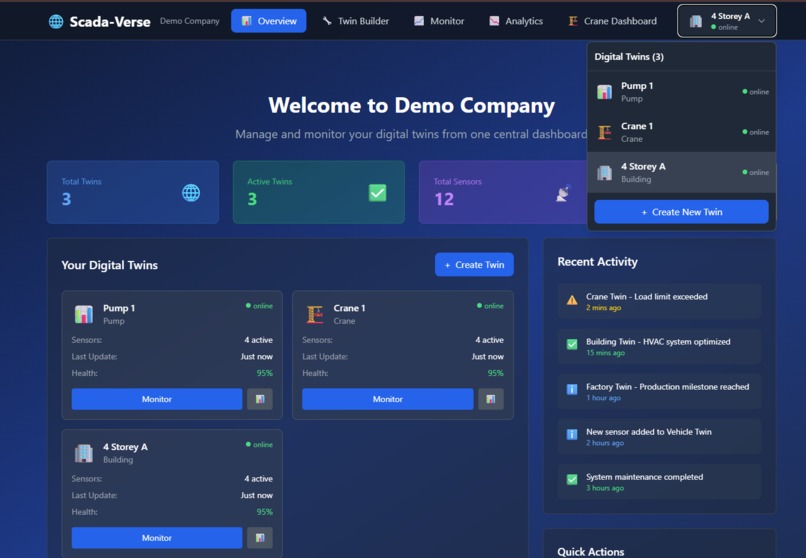
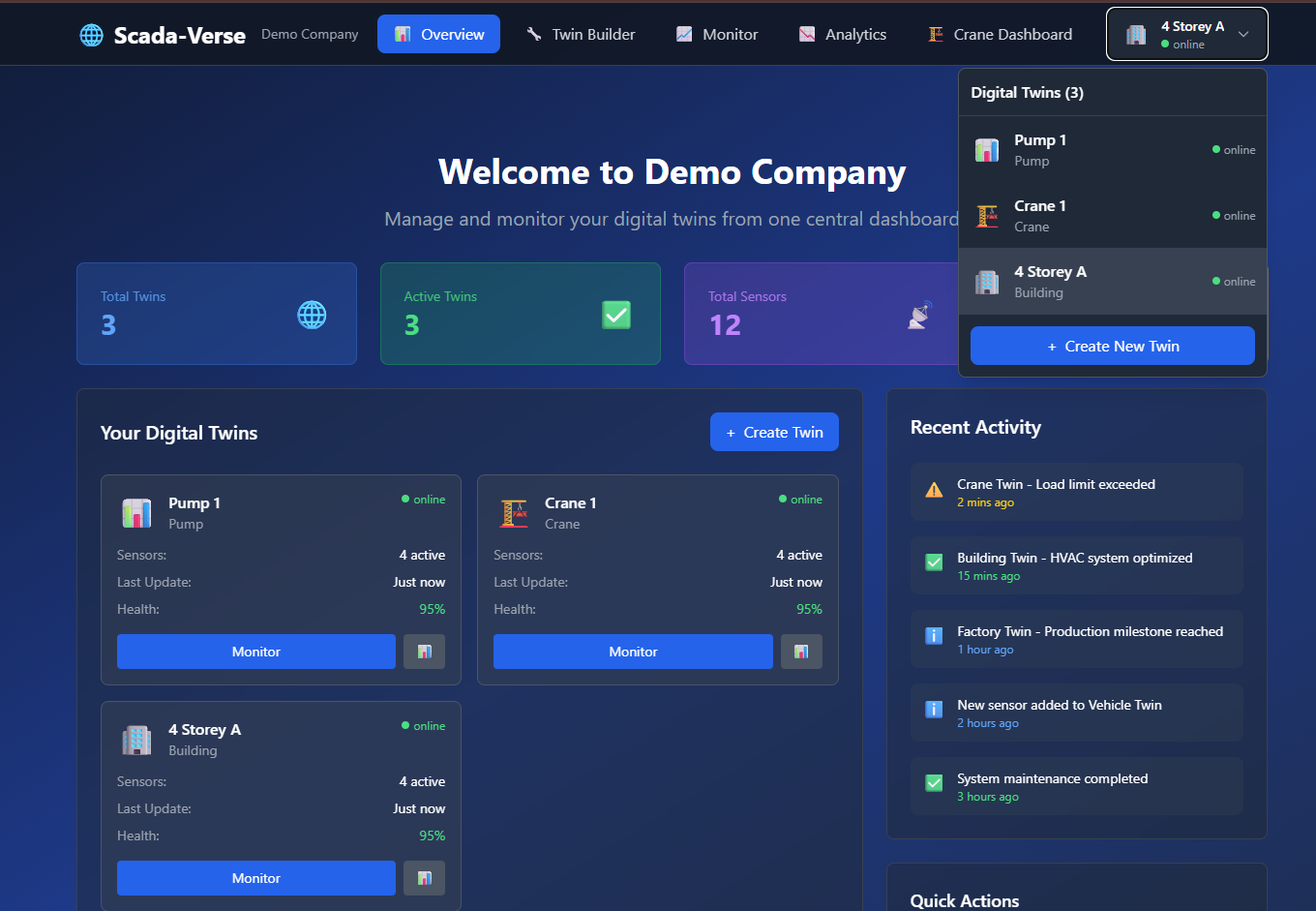
Landing view
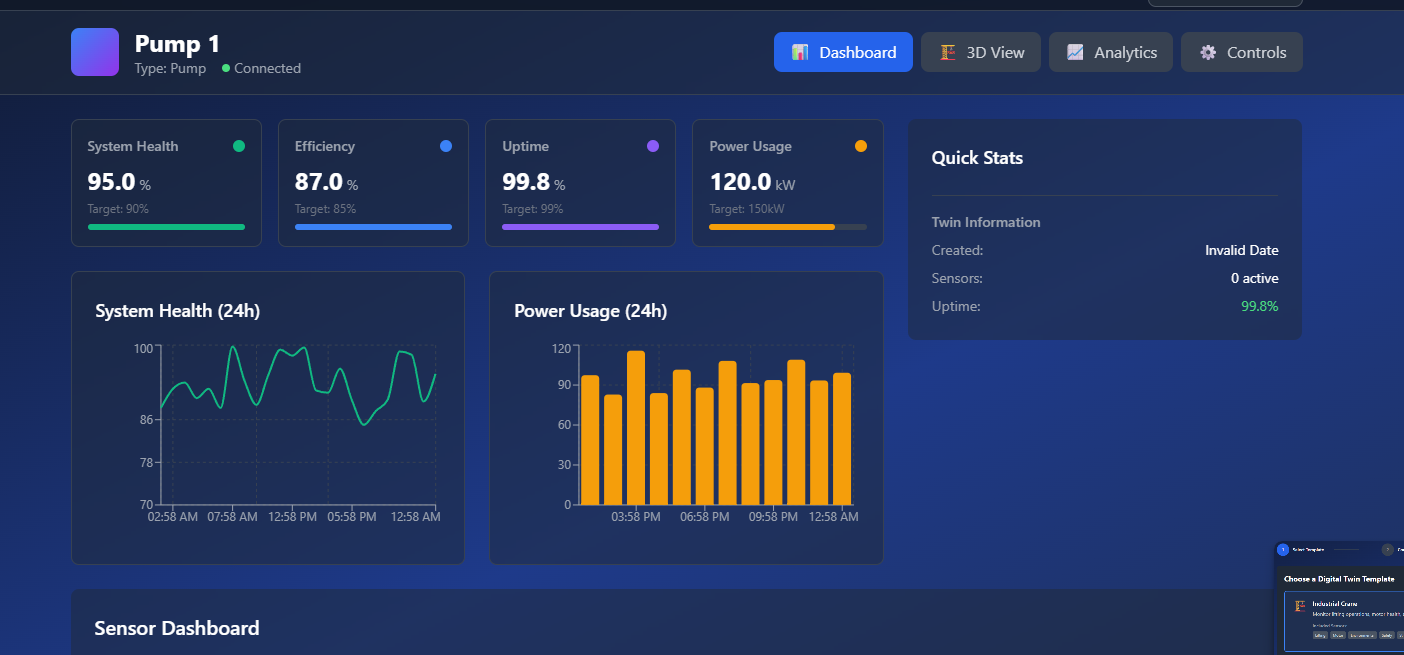
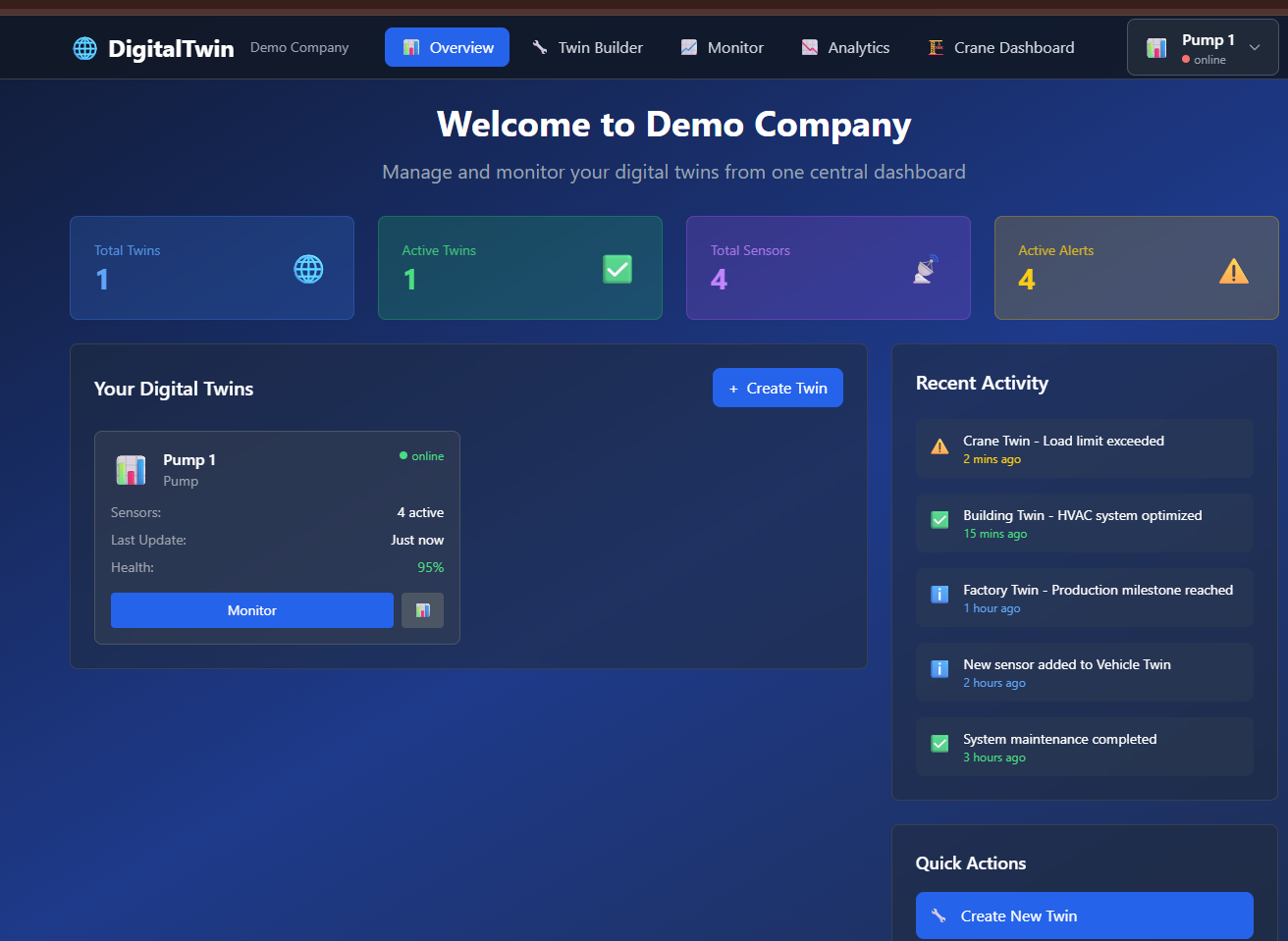
Our inspiration for building SCADA-VERSE stemmed from one clear problem: industrial equipment often fails not because there was no data available, but because the signals were missed, misinterpreted, or never seen in time. We were struck by real-world incidents—like a crane accident caused by undetected wear or a power plant outage triggered by overlooked temperature anomalies. These failures highlighted how current systems are fundamentally reactive, relying on human intervention after issues arise. With critical machinery like turbines, CNC machines, rail systems, or aircraft components, even one failure can cost crores, disrupt operations, or endanger lives. We wanted to shift the paradigm from reactive to predictive. The vision: a digital nervous system for machines, offering real-time situational awareness, high-fidelity failure prediction, and actionable insights through an intuitive 3D digital twin. Inspired by how smartphones track battery health or how wearables track vitals, we asked—why can’t we give machines the same self-awareness and proactive care? SCADA-VERSE is our answer to that question.
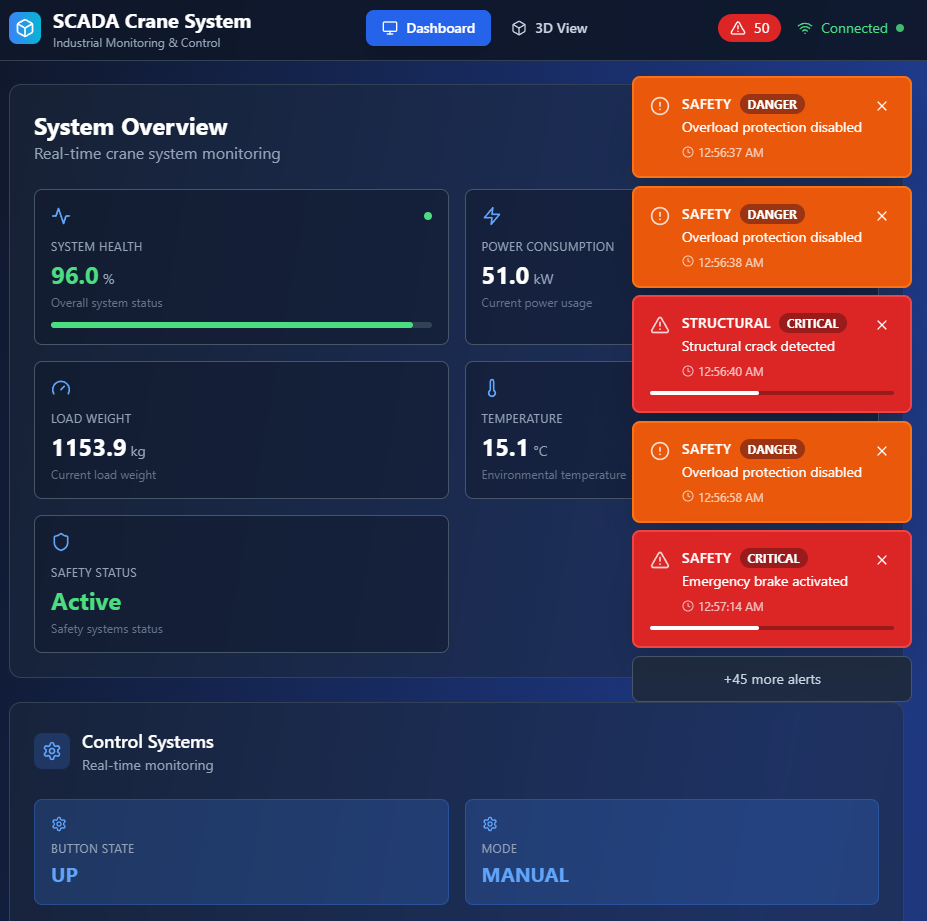
SCADA-VERSE is an AI-powered digital twin SCADA platform that creates real-time, 3D virtual replicas of industrial equipment using multi-sensor fusion (vibration, acoustic, thermal, visual). These digital replicas aren’t just models; they breathe live data from operational environments, offering plant managers and operators an interactive dashboard where they can visualize asset health, predict failures, simulate conditions, and streamline maintenance workflows. SCADA-VERSE integrates with existing infrastructure via a universal gateway that supports protocols like Modbus, MQTT, OPC-UA, and even legacy converters. Once integrated, the system overlays live sensor data on 3D models, tracks KPIs, alerts on anomalies, and allows "what-if" simulations to test component behavior under stress, overload, or environmental changes. Our hybrid architecture enables real-time edge processing for fast alerts and cloud analytics for deep trend detection. This blend offers a continuously improving, low-latency monitoring system with predictive insights up to 120 days in advance.
We built SCADA-VERSE from the ground up with scalability, performance, and security in mind. The backend is powered by FastAPI, Node, and Expressjs and Supabase/Postgres, providing a secure and real-time data ingestion pipeline. Data is captured via edge devices (e.g., Raspberry Pi, Jetson Nano) and streamed using MQTT/WebSocket protocols. Our time-series data is normalized and processed through custom LSTM-based predictive models for anomaly detection. We used Python and scikit-learn for the core ML pipeline, which we trained on synthetic and real-world sensor datasets to achieve 91% predictive accuracy on critical failures.
For 3D rendering, we chose Three.js for browser-based digital twin visualization. The system dynamically updates models based on real-time data feeds, allowing operators to zoom, rotate, and interact with equipment representations. All processing is hybridized—real-time inference happens on the edge, while long-term forecasting and training run on cloud services. Security is implemented through JWT-based authentication, role-based access control, and encrypted data channels. We also built a guided onboarding and calibration pipeline, so industrial users can self-deploy SCADA-VERSE with minimal intervention.
One major challenge was integrating heterogeneous industrial protocols. Many older systems use proprietary or obscure data formats, and real-time polling introduces delays or inconsistencies. To solve this, we developed a protocol translation hub capable of converting serial, Modbus, and legacy fieldbus data into standard MQTT streams. Another challenge was accurate 3D model generation. Many clients lack CAD files, so we supported photogrammetry-based model reconstruction. Synchronizing high-frequency sensor data with 3D updates was non-trivial; we implemented a data-buffering and timestamp alignment algorithm to ensure fidelity.
Another major hurdle was managing bandwidth and connectivity constraints in factory environments. Some clients have limited internet or firewall restrictions. We addressed this by implementing offline buffering and sync-on-connect features in our edge agents. Data security and regulatory compliance, especially for critical infrastructure sectors, demanded strict access controls and local deployment options, which we implemented.
Finally, ensuring usability for non-technical users was harder than anticipated. Traditional SCADA users are not used to 3D interfaces. We solved this with an intuitive UI, predefined views, and interactive tutorials built into the dashboard.
We are particularly proud of the system’s predictive accuracy—91% in detecting failures like bearing misalignments, pipe leaks, and thermal overloads. In a simulated pilot deployment for a crane fleet, SCADA-VERSE identified a critical misalignment five days before failure, preventing an estimated ₹25 lakh in downtime costs and a major safety hazard. We also managed to integrate eight sensor types (thermal, vibration, pressure, camera, acoustic, ultrasonic, accelerometer, and strain gauges) into one unified visualization engine.
Another accomplishment is our platform’s seamless performance across devices—from rugged industrial PCs to mobile tablets, ensuring operators can access the system anywhere. We designed a real-time anomaly alert engine that triggers maintenance tickets automatically and integrates with existing ERP systems like SAP and Odoo. We also built an ROI calculator to help clients estimate savings, which has proven instrumental during pilot negotiations.
Finally, our team built a complete onboarding flow that guides users from sensor connection to live 3D monitoring within hours—not weeks. This reduces technical dependency and accelerates adoption.
We learned that building for the industrial sector isn’t just about tech—it’s about trust, usability, and integration. Plant operators don’t want another dashboard. They want a system that works within their existing processes and adds value without complexity. We also learned that predictive analytics are only useful if they’re paired with actionable recommendations. Simply showing a graph or alert isn't enough. Users need to know: What does it mean? What should I do now?
We also realized the critical importance of resilience. Factories don’t have stable Wi-Fi, nor can they afford data loss. Our edge-first strategy was born out of this reality. We also learned to modularize our codebase, so each industry use case—be it a CNC machine, water pump, or rail axle—can have a tailored deployment without bloating the system.
Designing a 3D visualization system that isn't "gimmicky" was another key learning. Instead of flashy graphics, we focused on fidelity, responsiveness, and relevance. Finally, building pilots taught us how to negotiate ROI with customers: cost per hour of downtime, savings from fewer inspections, and fewer failures are what close deals.
We’re taking SCADA-VERSE from prototype to pilot-ready SaaS. First, we are formalizing our partner pipeline, starting with 3 pilot deployments: a mid-sized automotive plant, a renewable energy site, and a water treatment facility. Each will allow us to fine-tune vertical-specific versions of SCADA-VERSE.
Next, we are building a low-code configuration tool that lets plant engineers create their own 3D twins, connect sensors via drag-and-drop interfaces, and simulate common failure modes without writing code. We also plan to integrate AR overlays, enabling engineers to walk around real equipment while viewing live telemetry via smart glasses or tablets.
On the AI side, we’re developing generative maintenance plans: instead of just predicting failures, our system will recommend optimal maintenance schedules and part replacements using LLM-powered reasoning. We’re also working on federated learning pipelines so each SCADA-VERSE instance can learn locally while contributing to global model improvement without sharing raw data—preserving IP and privacy.
We will launch an open beta soon with industrial partners and make SCADA-VERSE available to early adopters via a tiered SaaS model. In parallel, we are refining our anomaly explanation engine so that instead of just saying "vibration spike detected," the system can explain "this spike matches historical bearing failure patterns under overload conditions."
Our ultimate vision? To make SCADA-VERSE the operating system for industrial reliability. We want to empower every plant, every engineer, and every machine to predict the future—and prevent it from breaking down. We believe the future of machine operations is not just reactive alarms, but intelligent, visual, proactive systems that work alongside humans to build safer, smarter, and more efficient industries.
Built With
- blender
- cad
- javascript
- jetson-nano
- mqtt
- node.js
- numpy
- pandas
- python
- react
- scikit-learn
- supabae
- tensorflow
- three.js
- typescript


Log in or sign up for Devpost to join the conversation.