-
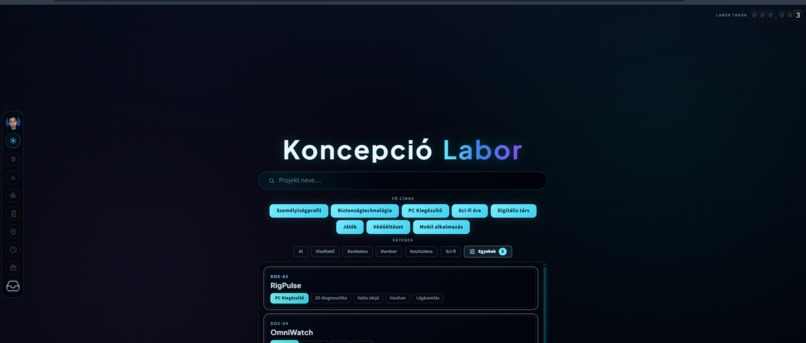
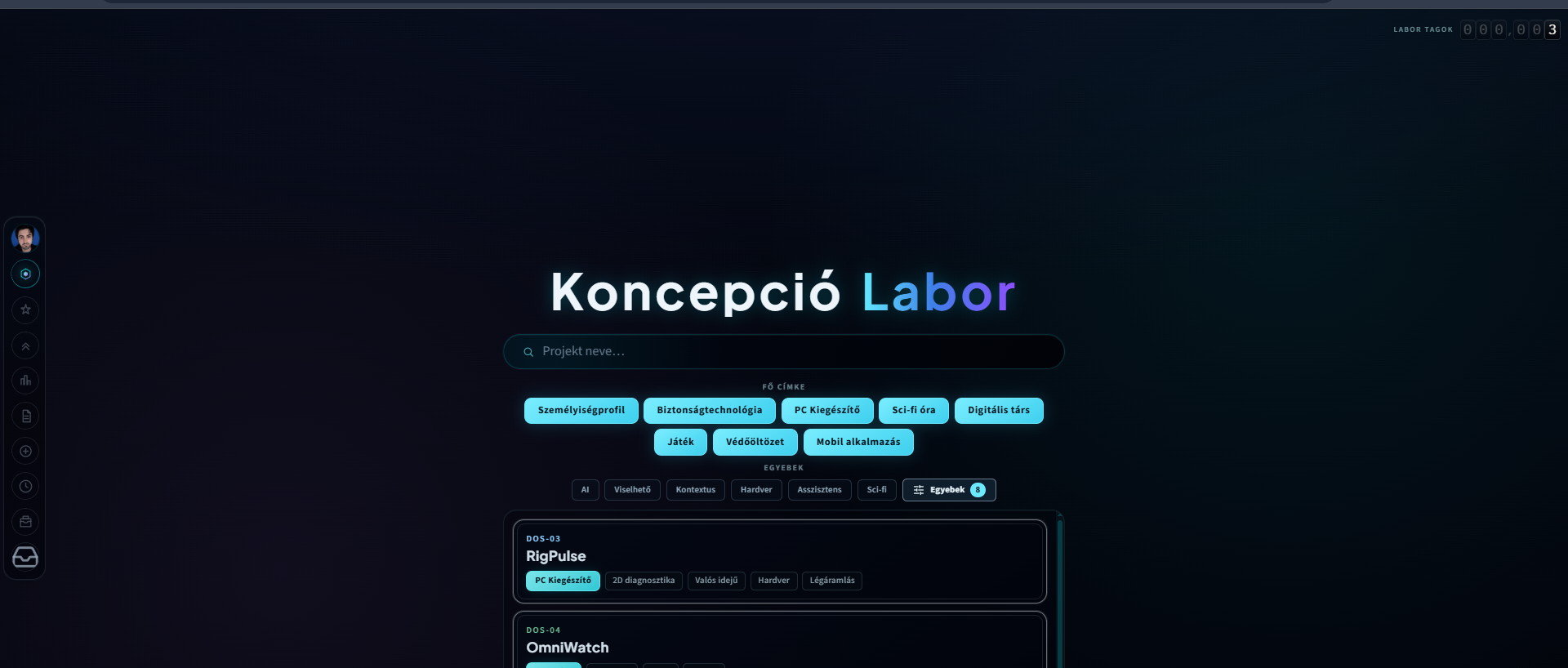
Concept Lab the main design where you can search later for real concepts
Inspiration
I built Sarah Concept Architect because many people have interesting ideas, but they struggle to turn them into something structured, actionable, and worth building. I wanted to create a system inside Concept Lab that helps users go from a raw concept to a clearer project direction.
The inspiration came from a simple problem: idea creators often know what they want in a broad sense, but they do not know how to define the problem, the target audience, the MVP, the risks, or the next steps. I wanted Sarah to act as a guided digital companion that makes this process easier and more accessible.
What it does
Sarah Concept Architect is a GPT-5.6-powered idea-to-project assistant built inside Concept Lab.
A user can bring in a rough idea, and Sarah helps turn it into a more structured concept by:
- identifying the core idea,
- clarifying the main problem,
- helping define the target audience,
- suggesting a more actionable project direction,
- highlighting possible risks and challenges,
- supporting direct creator communication through the built-in chat workflow.
The project is designed to connect AI-assisted idea analysis with a real creator platform, so the experience is not just about generating text, but about moving an idea closer to something usable and discussable.
How I built it
I built the project on top of my existing platform, Concept Lab, using a modern web stack.
Main technologies:
- TypeScript
- React
- TanStack Start
- Supabase
- PostgreSQL
- Vercel
- OpenAI / GPT-5.6
- Codex
- GitHub
The platform already had a custom visual identity, project browsing, Sarah as a digital assistant, and a direct creator chat foundation. For Build Week, I focused on shaping this into a clearer AI-assisted experience.
I used Codex to help with implementation, repository understanding, iteration, and development support, and GPT-5.6 as the core intelligence layer behind the concept-to-project workflow.
Challenges I ran into
One of the biggest challenges was connecting multiple parts of the experience into something coherent:
- the platform UI,
- Sarah’s identity and presentation,
- the creator chat flow,
- and the AI-assisted concept analysis direction.
Another challenge was deciding how to present Sarah: not just as a visual assistant, but as a meaningful product feature. I also had to think carefully about scope, because this project sits inside a larger platform, so I needed to keep the Build Week direction focused and understandable.
Balancing design, usability, and technical integration was an important part of the process.
What I learned
This project taught me a lot about how important product framing is. A feature becomes much stronger when it solves a real user problem in a clear way.
I also learned more about how to use Codex as a practical development partner: not just for small fixes, but for understanding code structure, iterating on features, and helping move an idea toward a more polished implementation.
On the product side, I learned that users need more than inspiration — they need structure, clarity, and a feeling that their idea can actually move forward.
What's next
My next goal is to expand Sarah Concept Architect into a more complete workflow:
- deeper idea analysis,
- clearer structured outputs,
- stronger project brief generation,
- better admin-side message handling,
- and a more refined interaction flow between users and the creator.
I also want to keep improving Sarah’s presentation and responsiveness so the assistant feels more integrated, helpful, and unique inside Concept Lab.
Why this matters
Sarah Concept Architect is about helping early-stage ideas become more understandable and more buildable. Instead of leaving users with a vague concept, it aims to guide them toward clarity, direction, and action.
Built With
- ai
- codex
- gpt-5.6
- openai-api
- postgresql
- react
- supabase
- tanstack-start
- typescript
- ui/ux
- vercel
- web-app

Log in or sign up for Devpost to join the conversation.