-
-
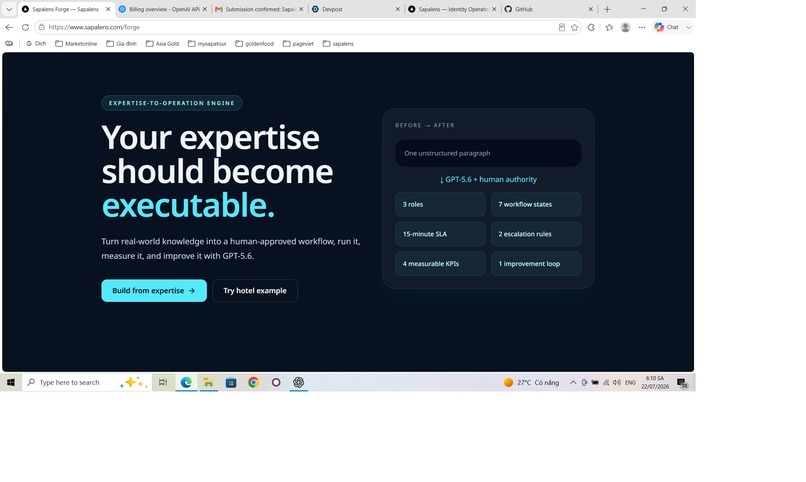
Hero
-
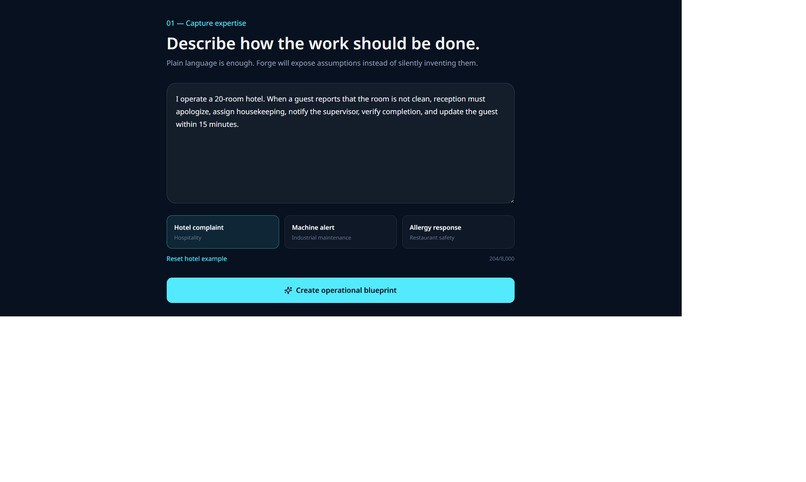
Describe Expertise
-
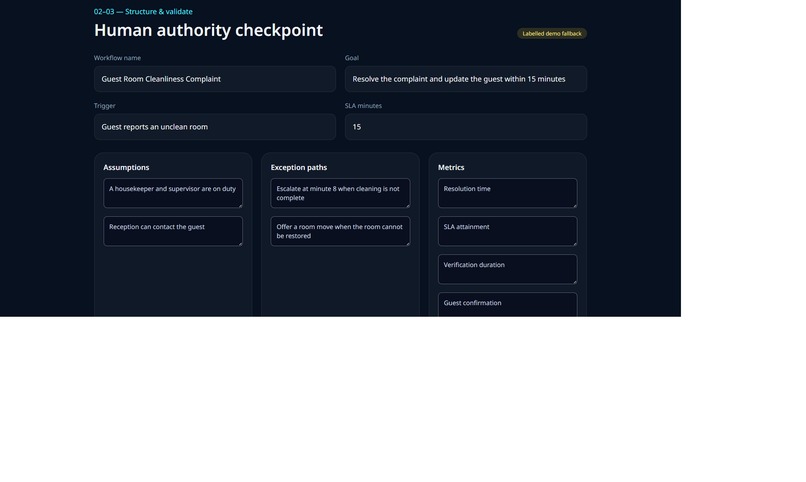
Operational Blueprint
-
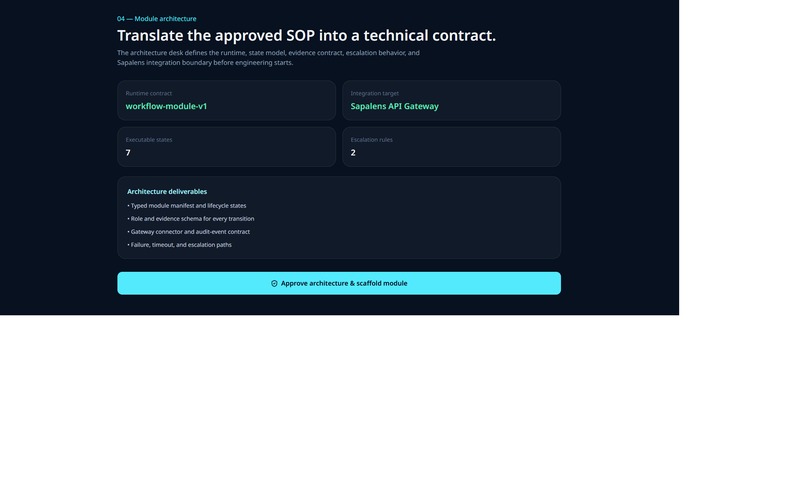
Module architecture
-
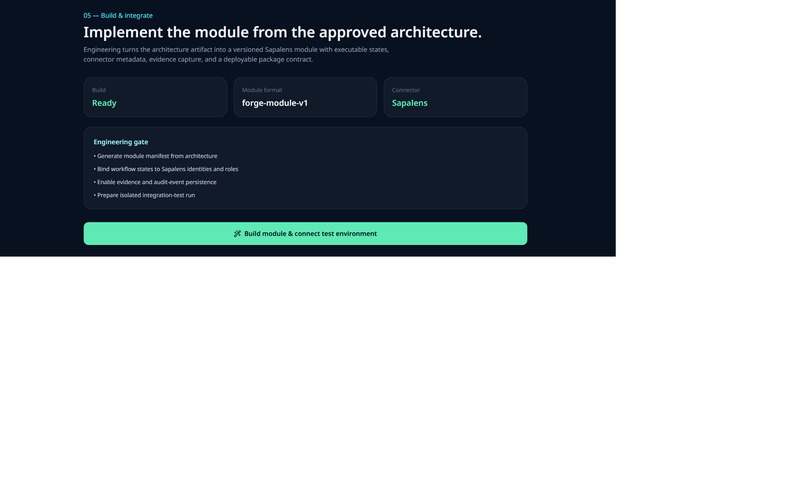
Build & integrate
-
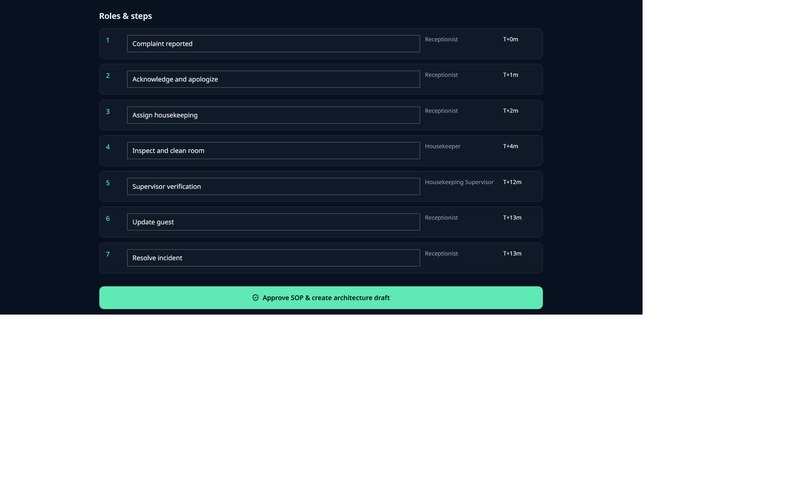
Roles & steps
-
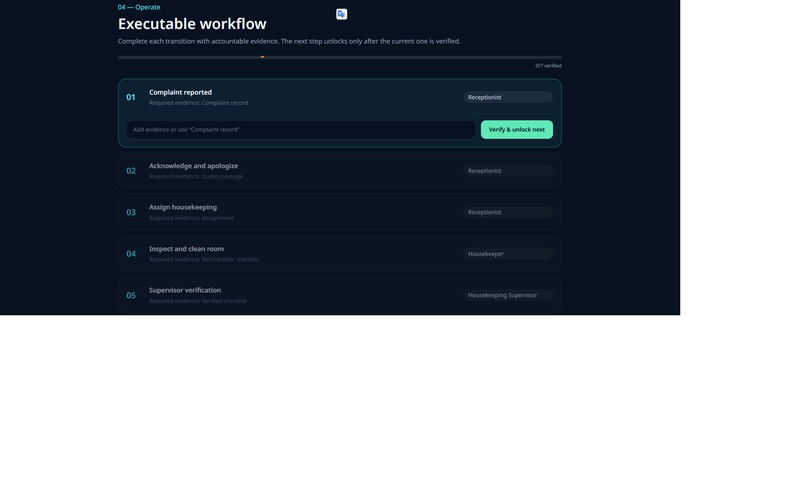
Workflow
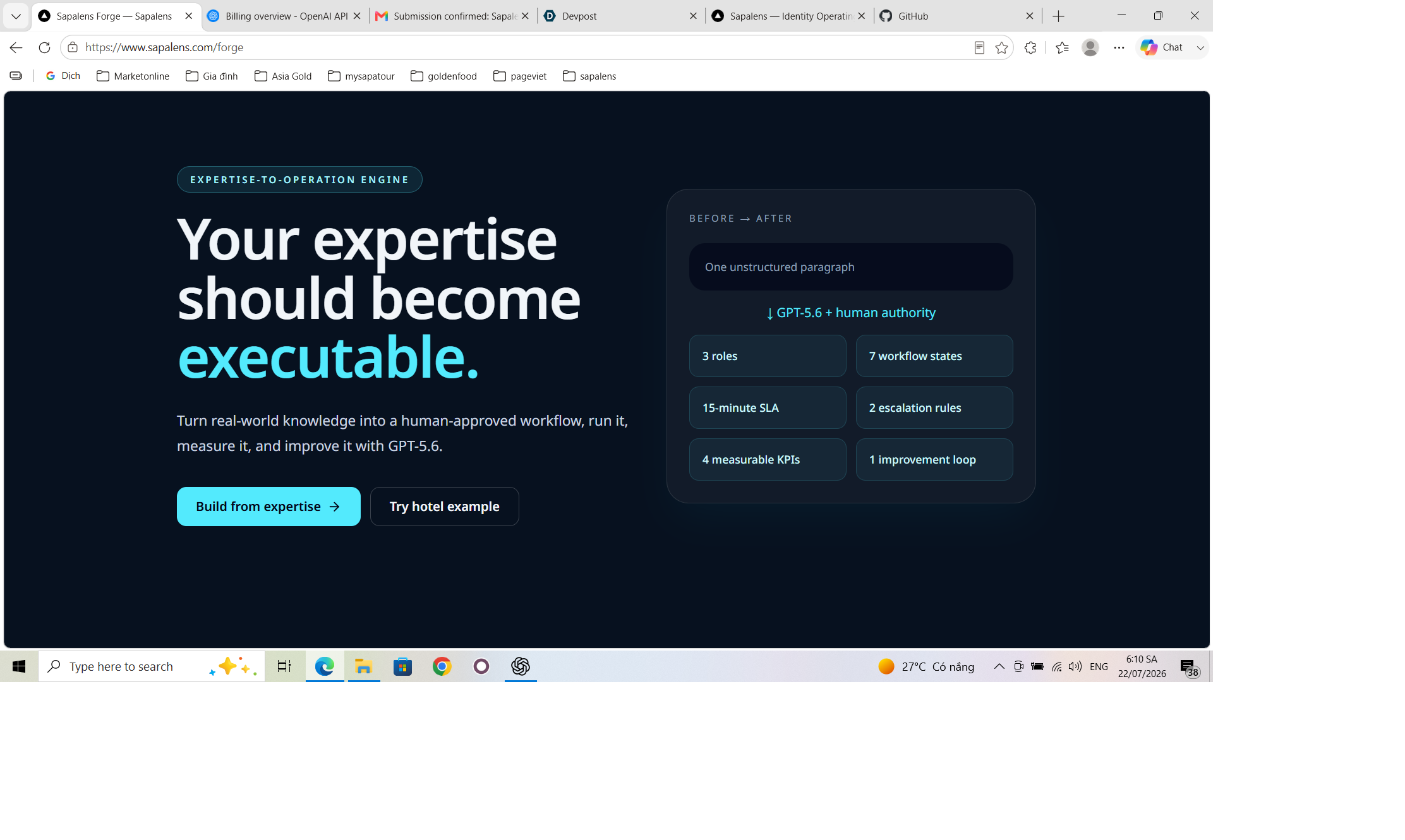
Inspiration
Every organization depends on human expertise.
Yet most operational knowledge exists only in documents, spreadsheets, chat messages, or in the minds of experienced people. When those people leave, much of that knowledge disappears with them.
Traditional documentation is difficult to maintain, hard to execute consistently, and rarely evolves into reusable software.
We built Sapalens Forge to solve this problem.
Instead of treating AI as a chatbot, we use AI as an Operational Intelligence Engine that helps people transform real-world expertise into structured operational knowledge, validate it through human review, and finally convert it into executable software modules.
The vision is simple:
Human Expertise → AI Structured SOP → Executable Module → Continuous Improvement.
What it does
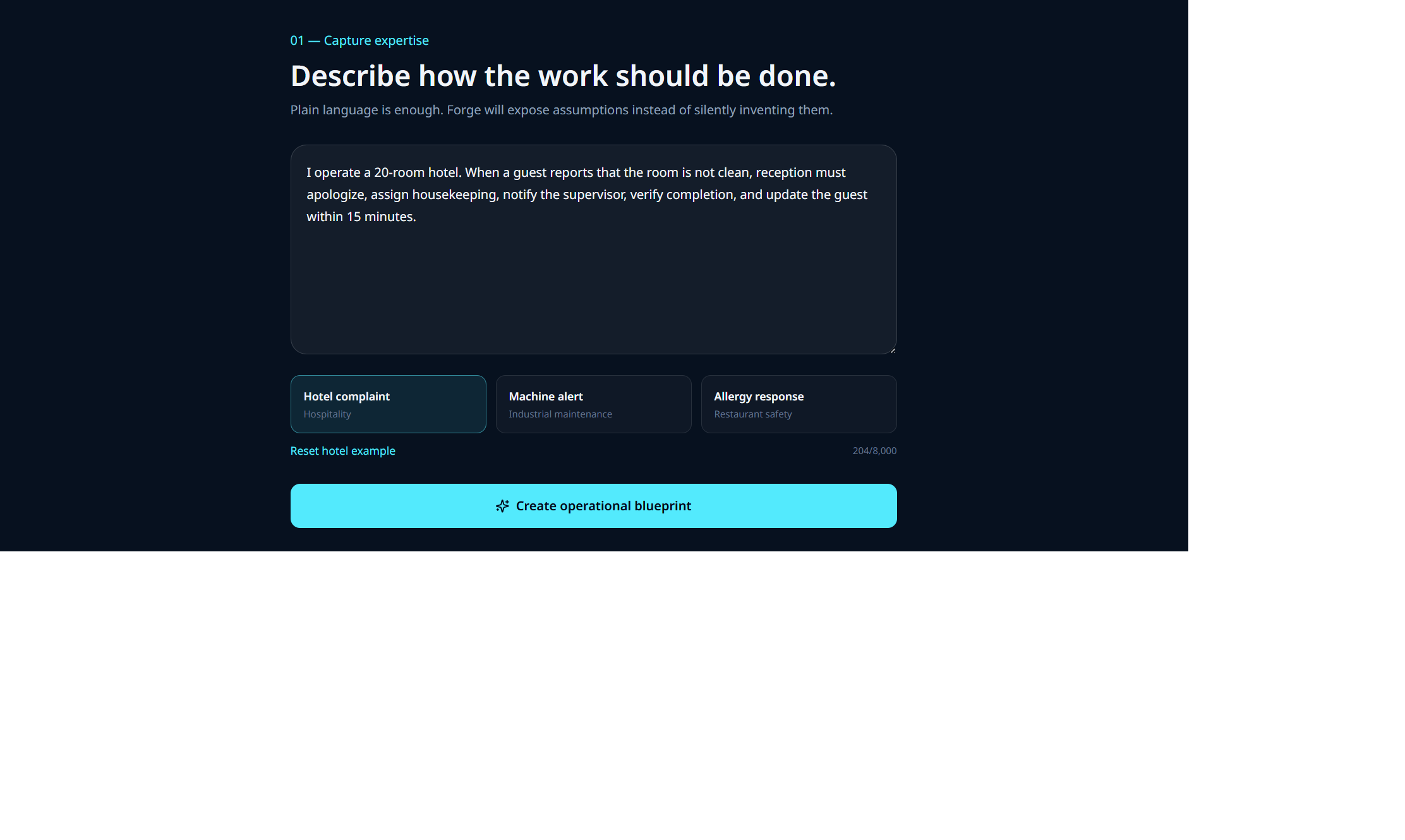
Sapalens Forge enables domain experts—not only software engineers—to transform their professional knowledge into operational systems.
The workflow is designed around five major stages:
- Capture real-world expertise in natural language.
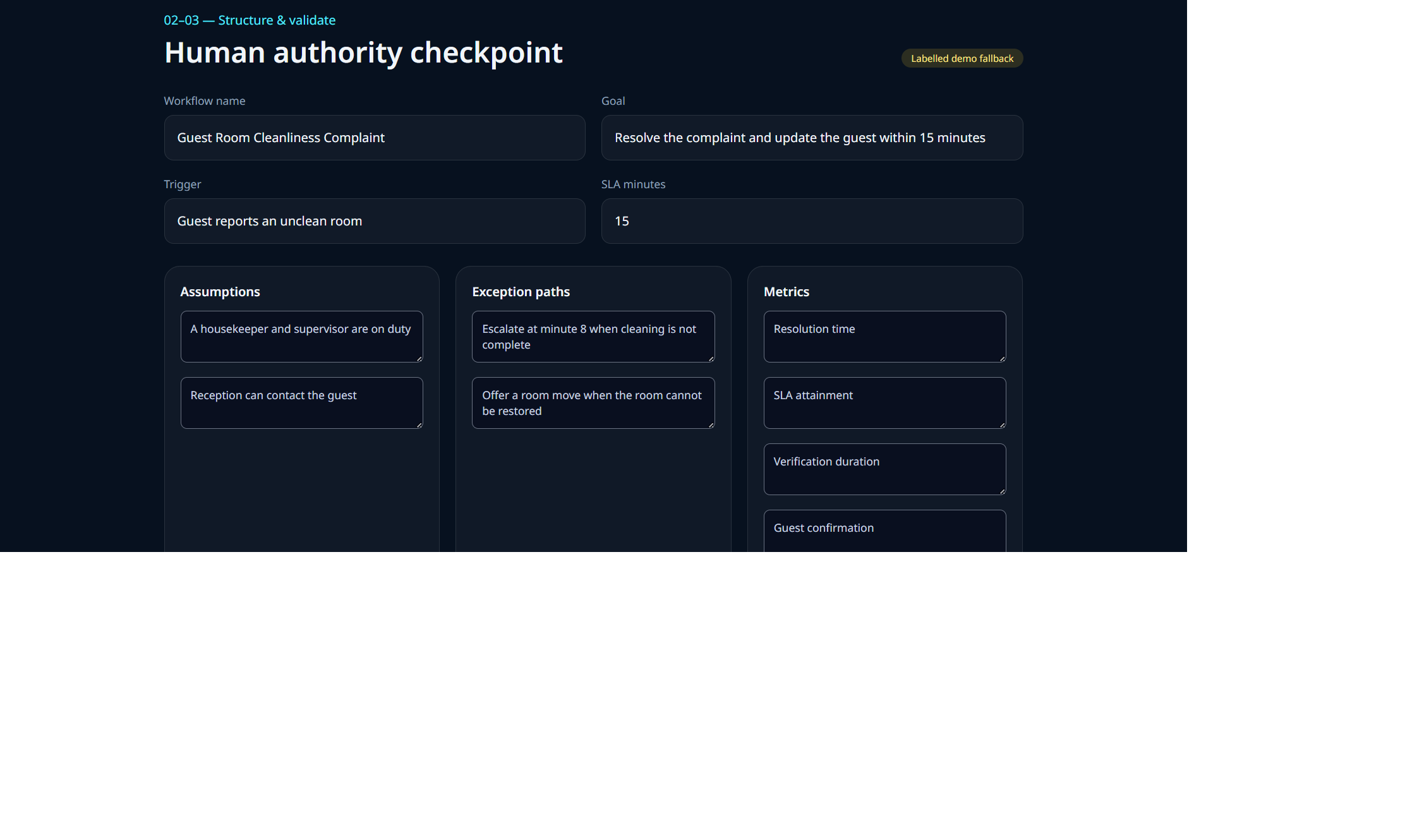
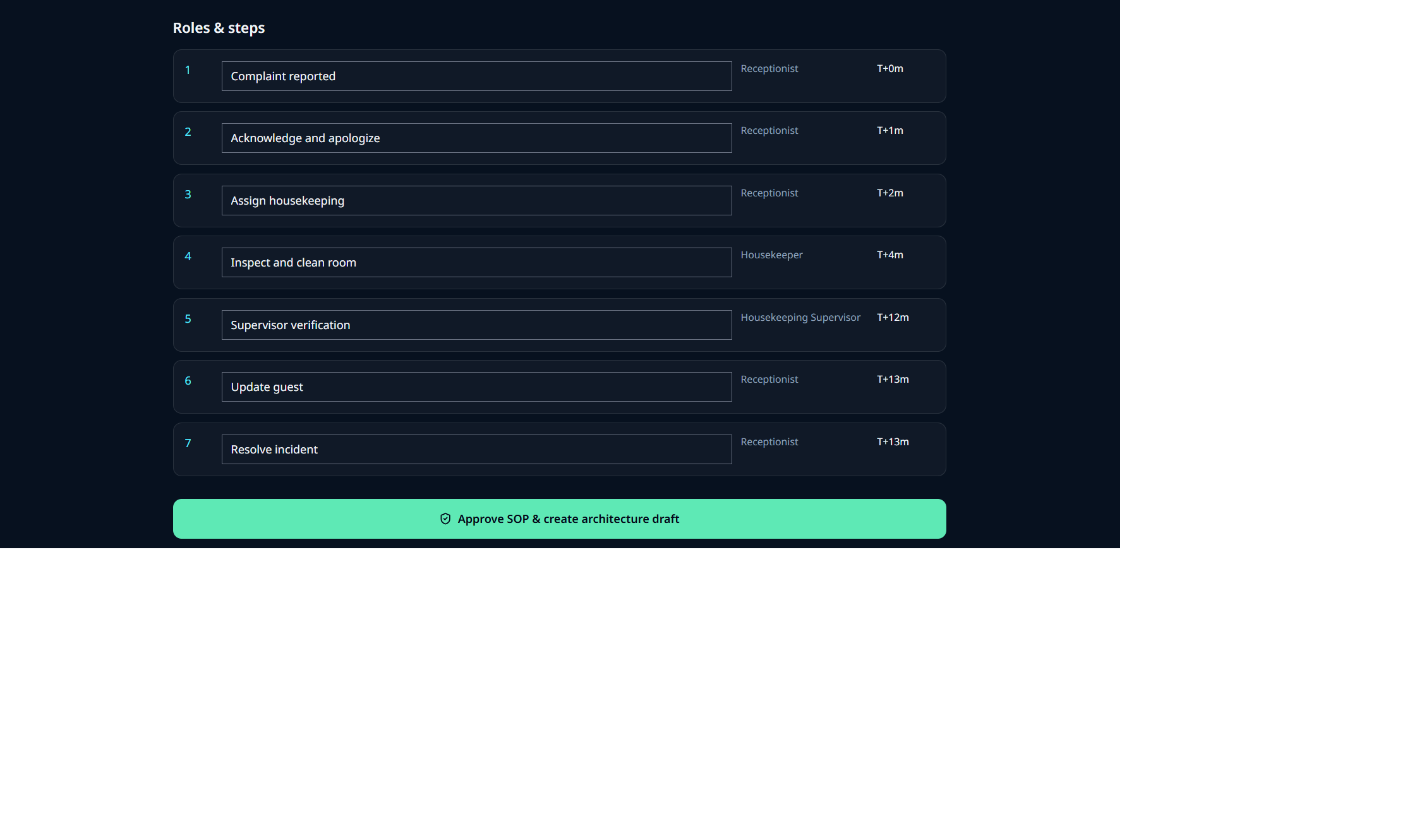
- AI structures the knowledge into standardized operational SOPs.
- Human experts review, validate, and approve every critical decision.
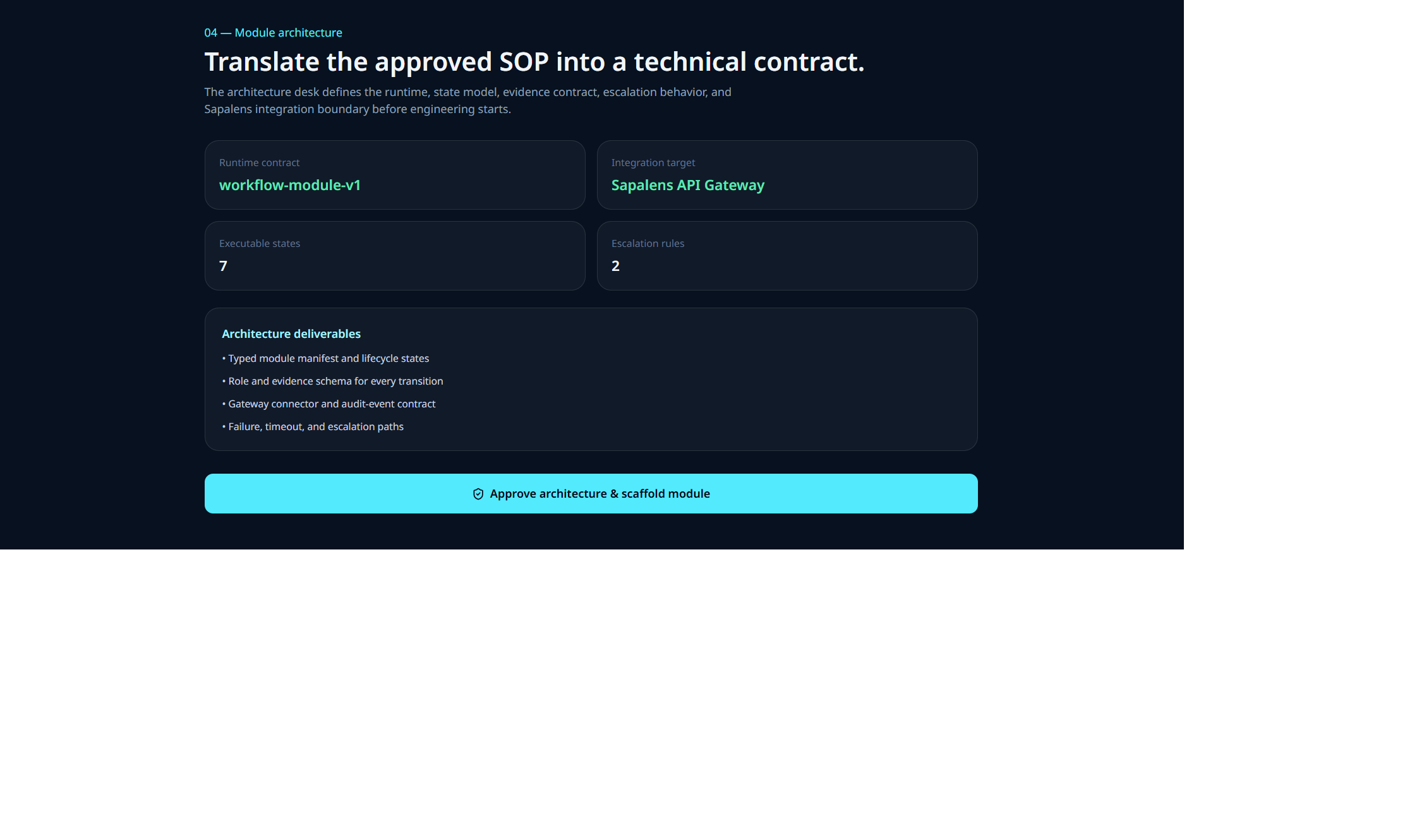
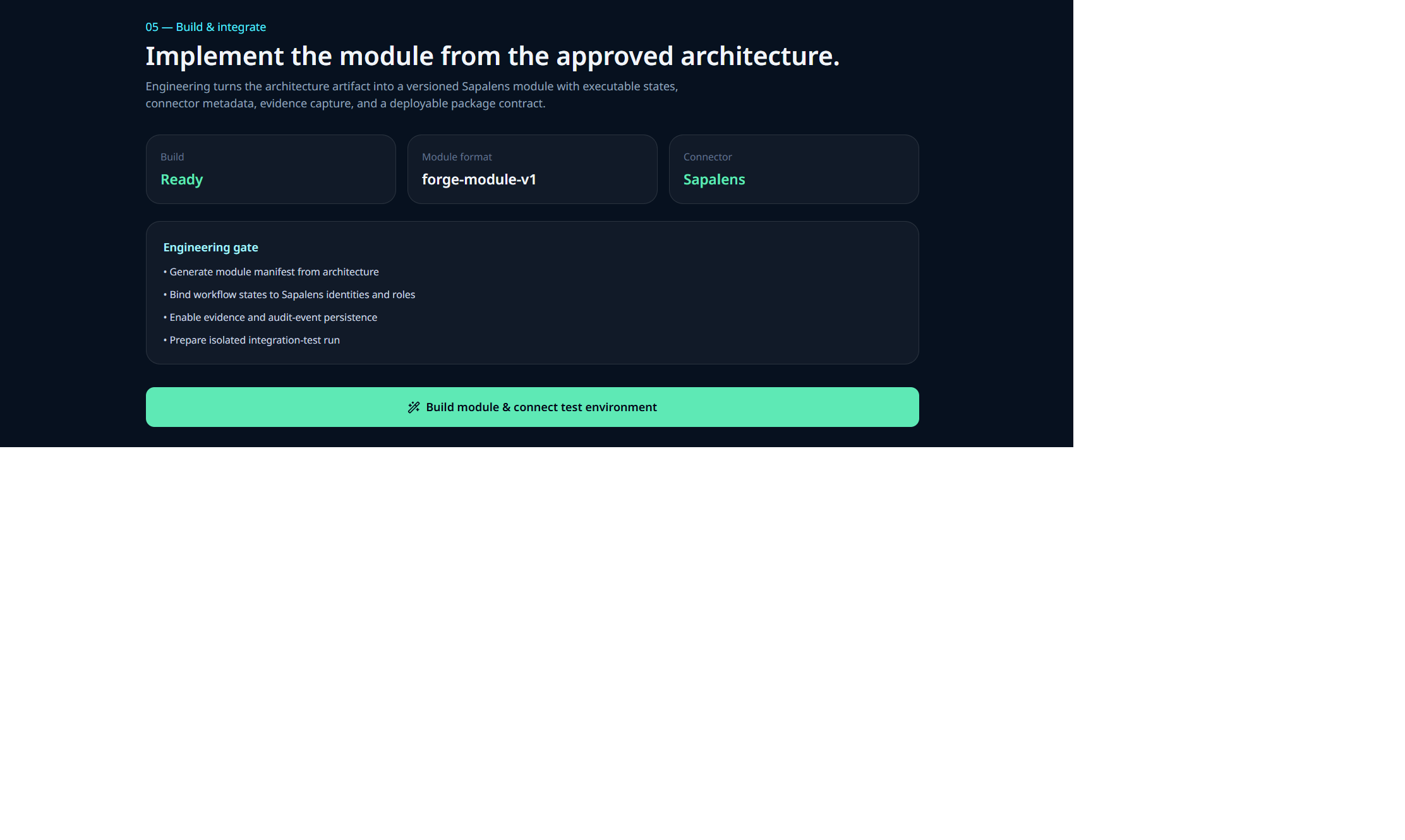
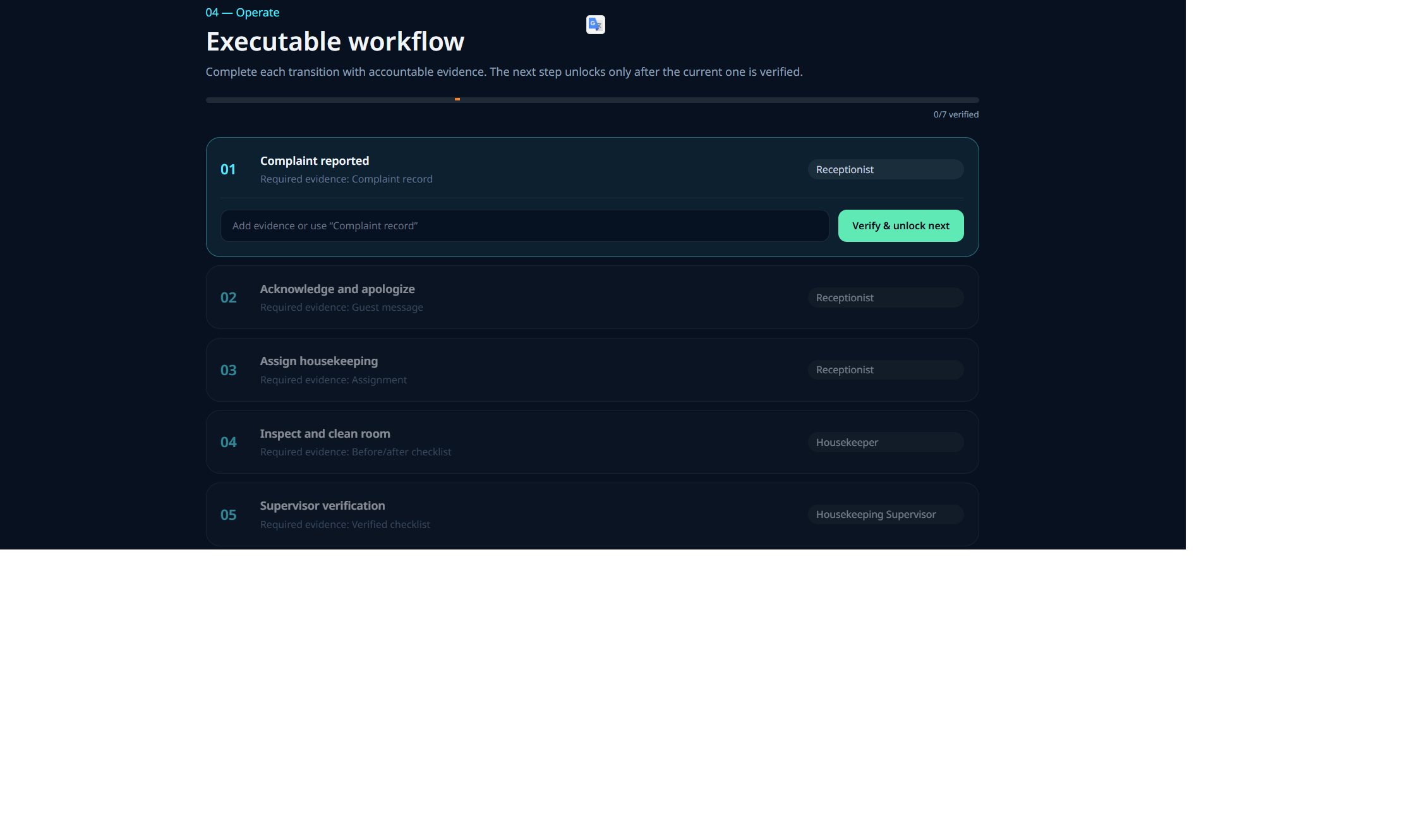
- Approved SOPs are transformed into executable software modules.
- Operational data continuously improves future versions of the workflow.
Rather than generating static documentation, Forge creates operational assets that can eventually power automation, collaboration, measurement, and continuous optimization.
The goal is not simply to document knowledge, but to make expertise reusable at scale.
How we built it
Sapalens Forge was built using GPT-5.6 together with Codex as the primary AI engineering assistant.
GPT-5.6 is responsible for understanding human instructions, structuring operational knowledge, generating standardized SOPs, and assisting decision workflows.
Codex significantly accelerated implementation by helping develop production-ready components, refactor architecture, and maintain consistency across a growing codebase.
The application is built with a modern full-stack architecture including React, Next.js, TypeScript, NestJS, PostgreSQL, Docker, and the OpenAI API.
Throughout development, AI accelerated implementation, while system architecture, workflow design, operational modeling, and product decisions remained under human control.
Challenges we ran into
The biggest challenge was not generating text.
The real challenge was preserving human authority while allowing AI to automate operational intelligence.
Real operational systems require:
- approval checkpoints,
- evidence verification,
- escalation rules,
- measurable execution,
- continuous improvement.
Designing AI around these principles proved significantly more difficult than building a traditional AI assistant.
Another challenge was converting unstructured human knowledge into reusable operational modules without losing context or flexibility.
Accomplishments that we're proud of
We successfully built a complete operational workflow that goes far beyond document generation.
Forge demonstrates how AI can:
- capture expertise,
- structure operational knowledge,
- generate standardized SOPs,
- preserve human approval,
- create executable workflows,
- support reusable operational modules.
Instead of replacing human experts, Forge amplifies their expertise and makes it reusable by others.
What we learned
Building operational AI is fundamentally different from building conversational AI.
People do not simply want answers.
They need systems that can execute consistently, adapt safely, and remain understandable by human teams.
We also learned that AI becomes significantly more valuable when humans remain responsible for governance, approval, and continuous improvement.
What's next for Sapalens Forge
Our next milestone is to transform Forge into an open platform where professionals from any industry can contribute operational knowledge and convert it into reusable software modules.
Future versions will support:
- collaborative module development,
- operational marketplaces,
- enterprise deployment,
- measurable operational analytics,
- AI-assisted continuous optimization,
- integration with the broader Sapalens ecosystem.
Our long-term vision is to help every expert transform their professional knowledge into reusable digital infrastructure that creates value far beyond traditional documentation.
Built With
- codex
- docker
- gpt-5.6
- jwt
- nestjs
- next.js
- node.js
- openai
- postgresql
- react
- tailwind
- typescript

Log in or sign up for Devpost to join the conversation.