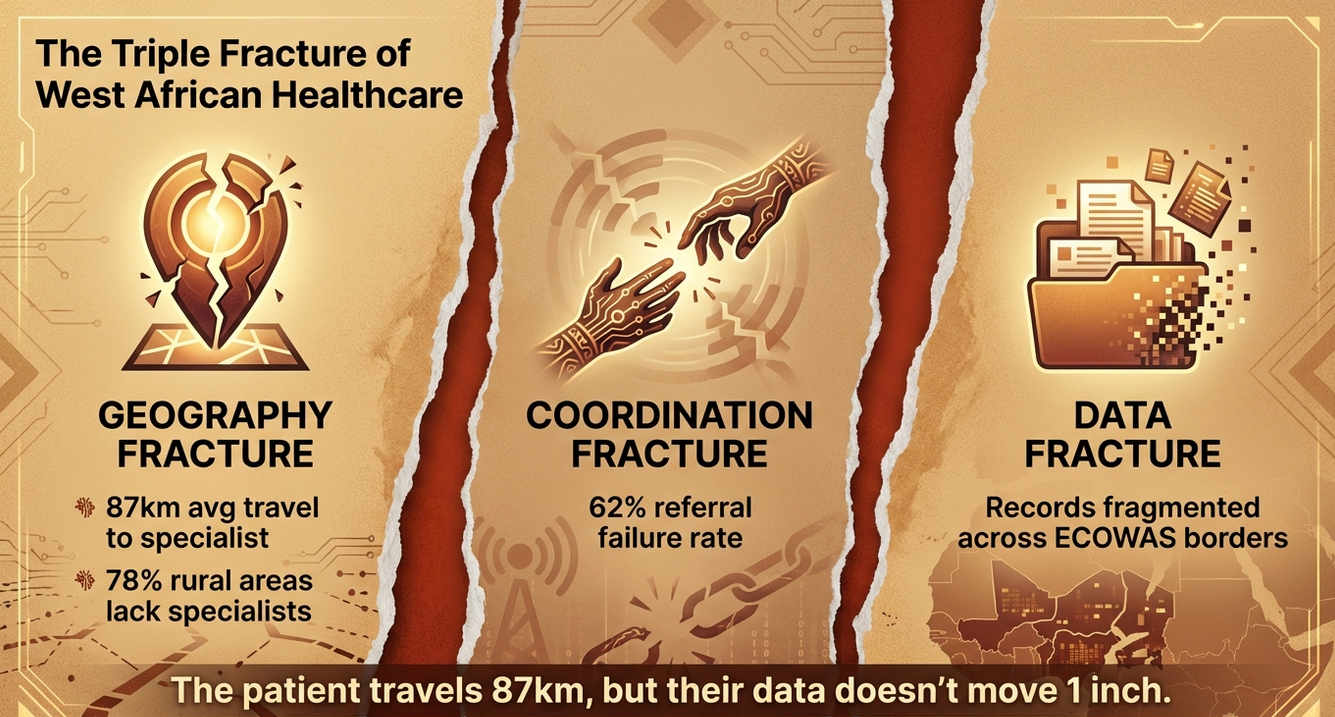
Inspiration In West Africa, healthcare is paralyzed by a "triple fracture": geographical (78% of rural areas lack specialists), coordinational (62% failure rate in medical referrals), and sovereignty-based (fragmented data ownership). Our vision for Santé-ID 2.0 is to transform this crisis into a digital opportunity. We aim to empower citizens with full control over their health assets, using digital identity as the cornerstone for cross-border interoperability within the ECOWAS region.
What it does Santé-ID 2.0 is a decentralized health identity infrastructure concept featuring:
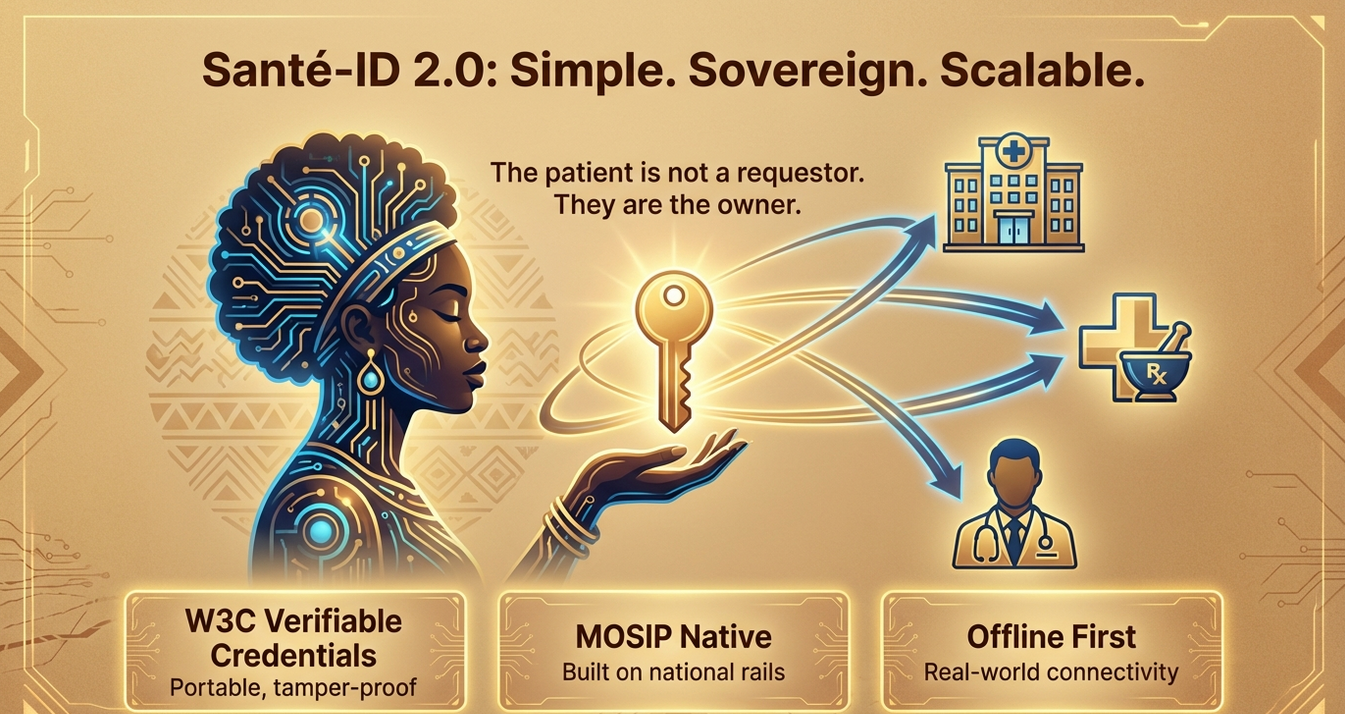
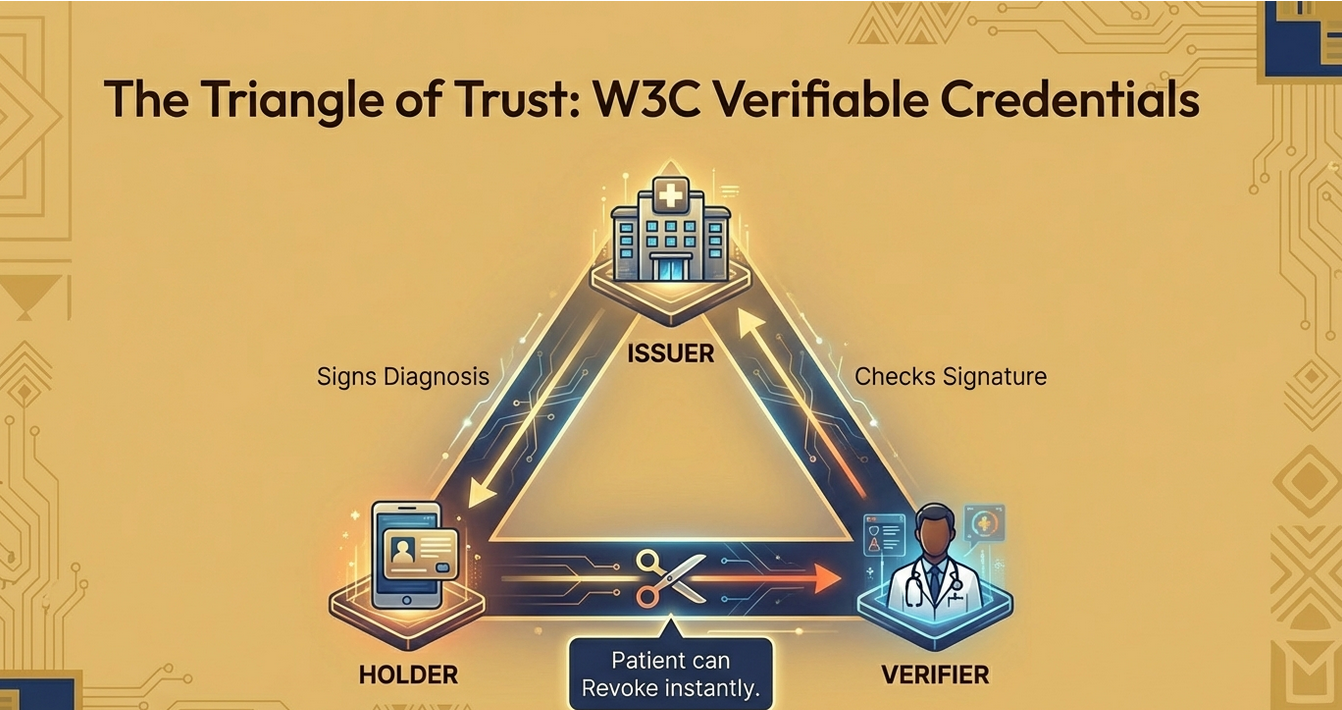
Sovereignty through VCs: Patients will store their health records (vaccinations, diagnoses) as secure, tamper-proof W3C Verifiable Credentials.

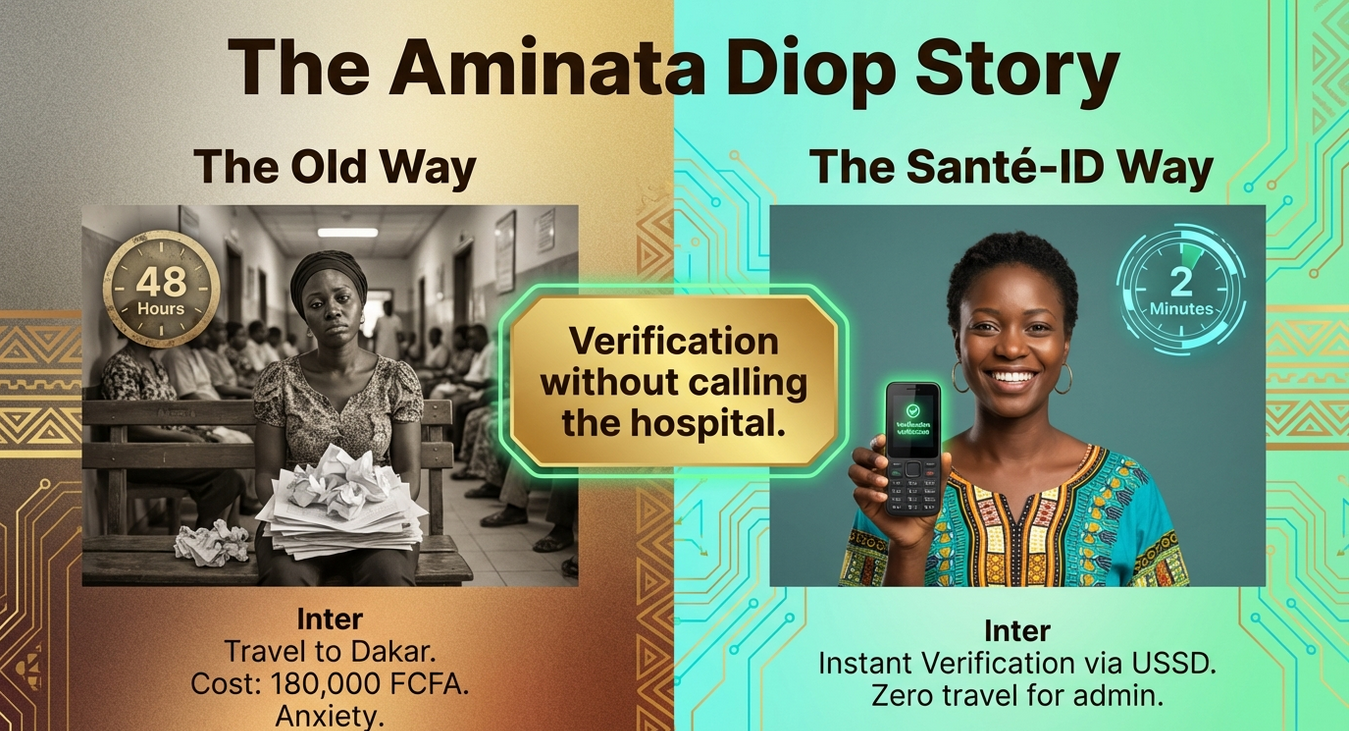
Universal Inclusion (USSD Bridge): To include the 78% of rural populations without smartphones, we plan to build a USSD gateway allowing real-time data sharing consent without an internet connection.

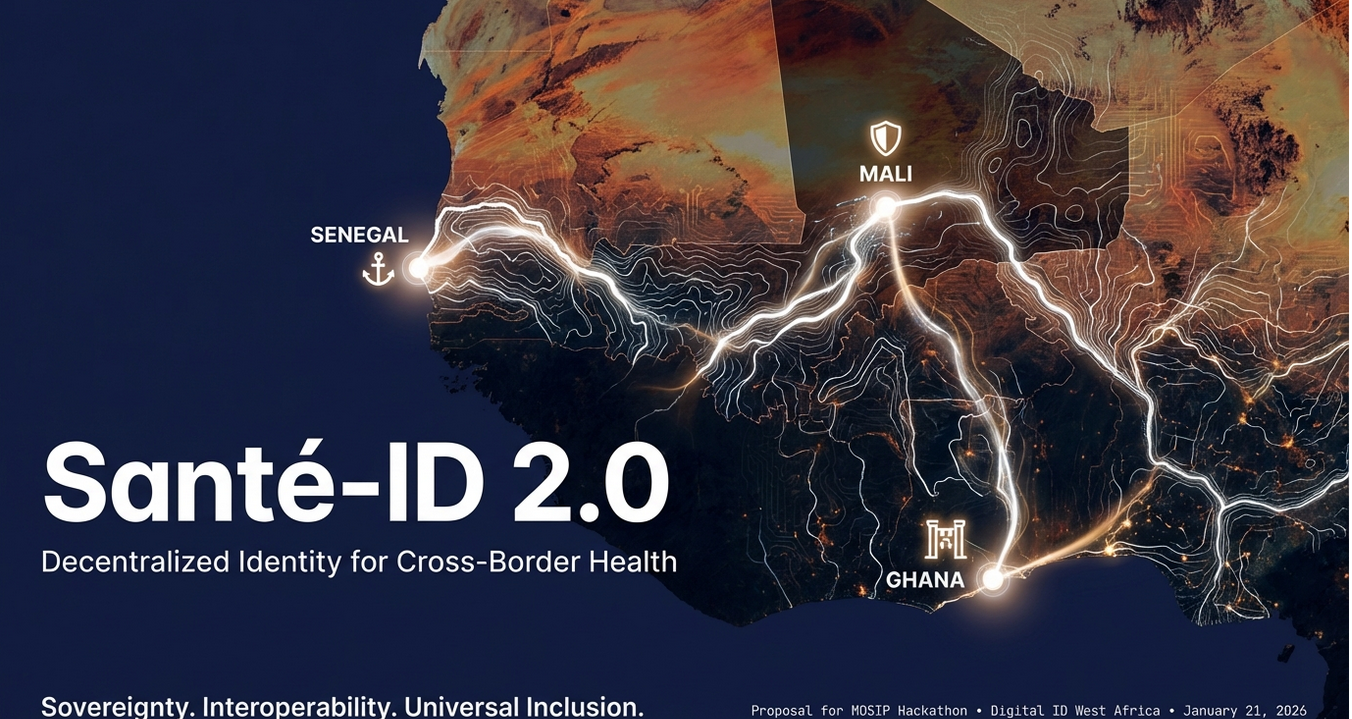
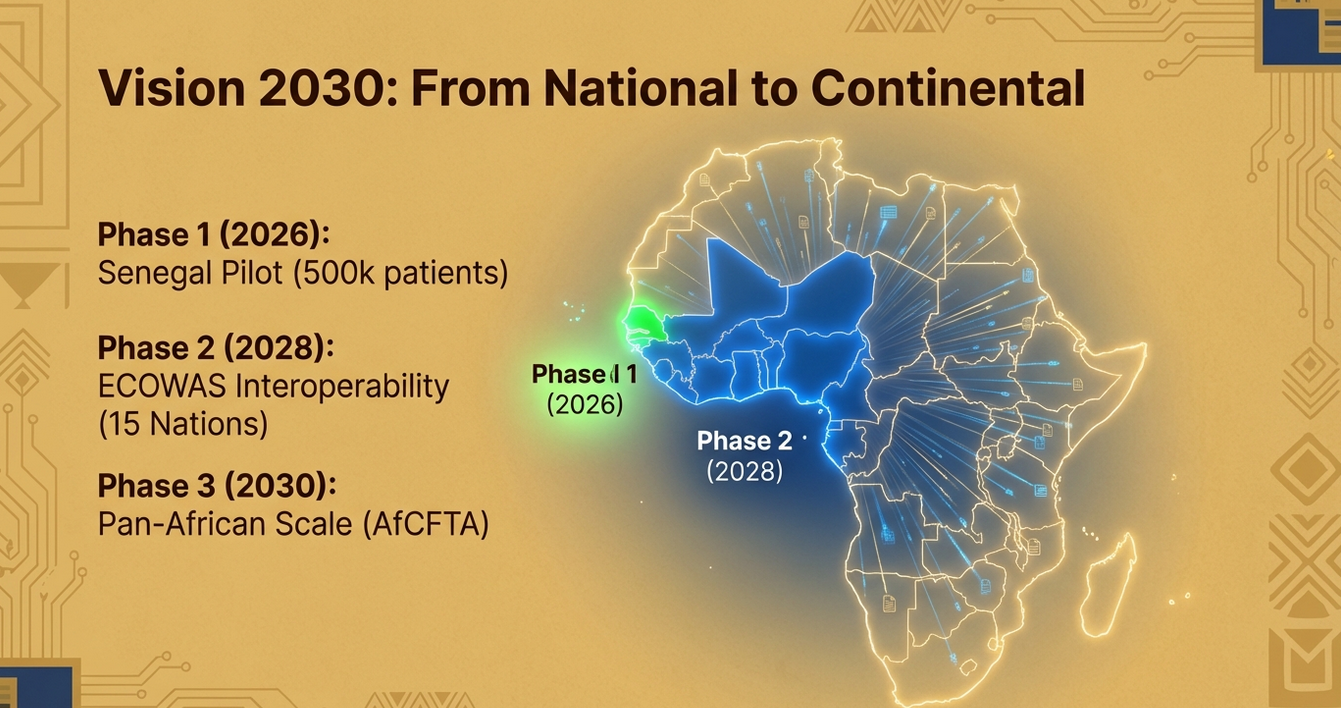
Cross-border Continuity: An architecture designed to ensure medical data follows the patient across borders, aligning with AfCFTA goals.
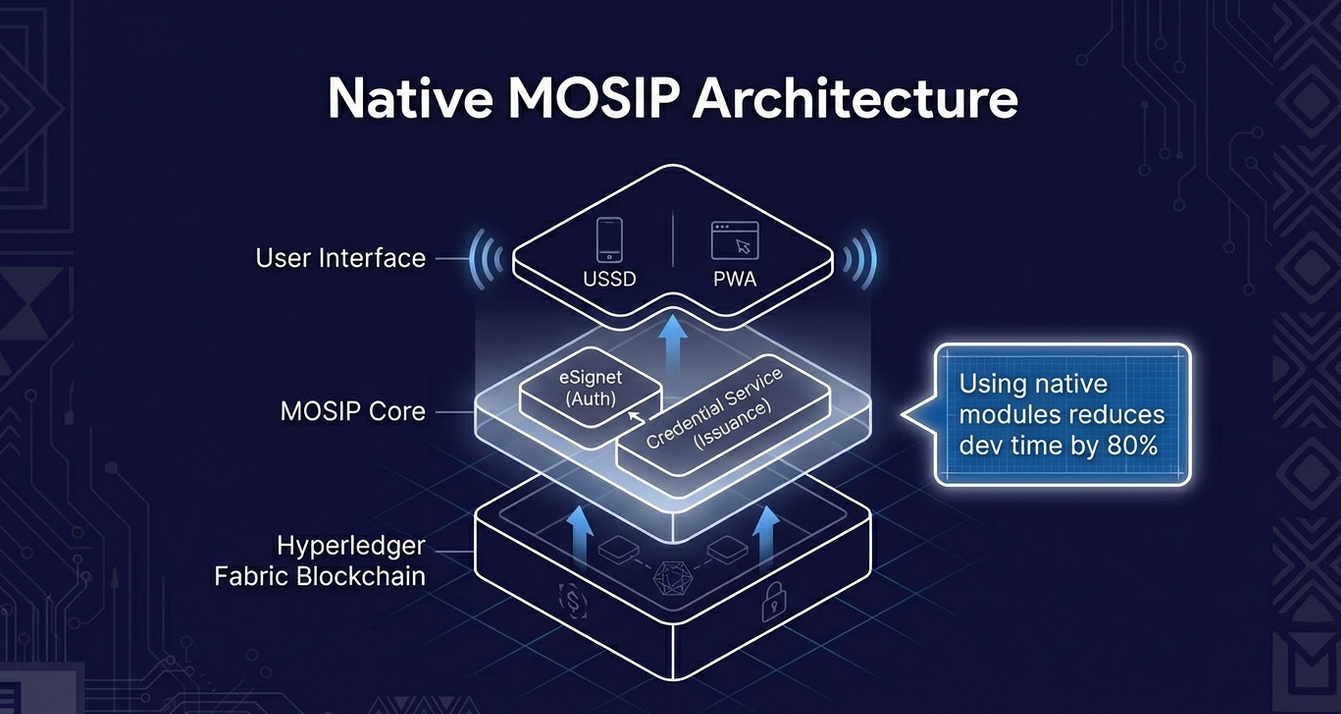
How we plan to build it The prototype will be "MOSIP-Native" to ensure seamless integration with national ID systems:
MOSIP eSignet: For decentralized authentication via OIDC.

Credential Service: To issue and manage digital health attestations.

Offline-first PWA: A specialized interface for rural practitioners, capable of syncing data once connectivity is restored.

Immutable Audit Trail: To log every data access event and ensure system-wide trust.
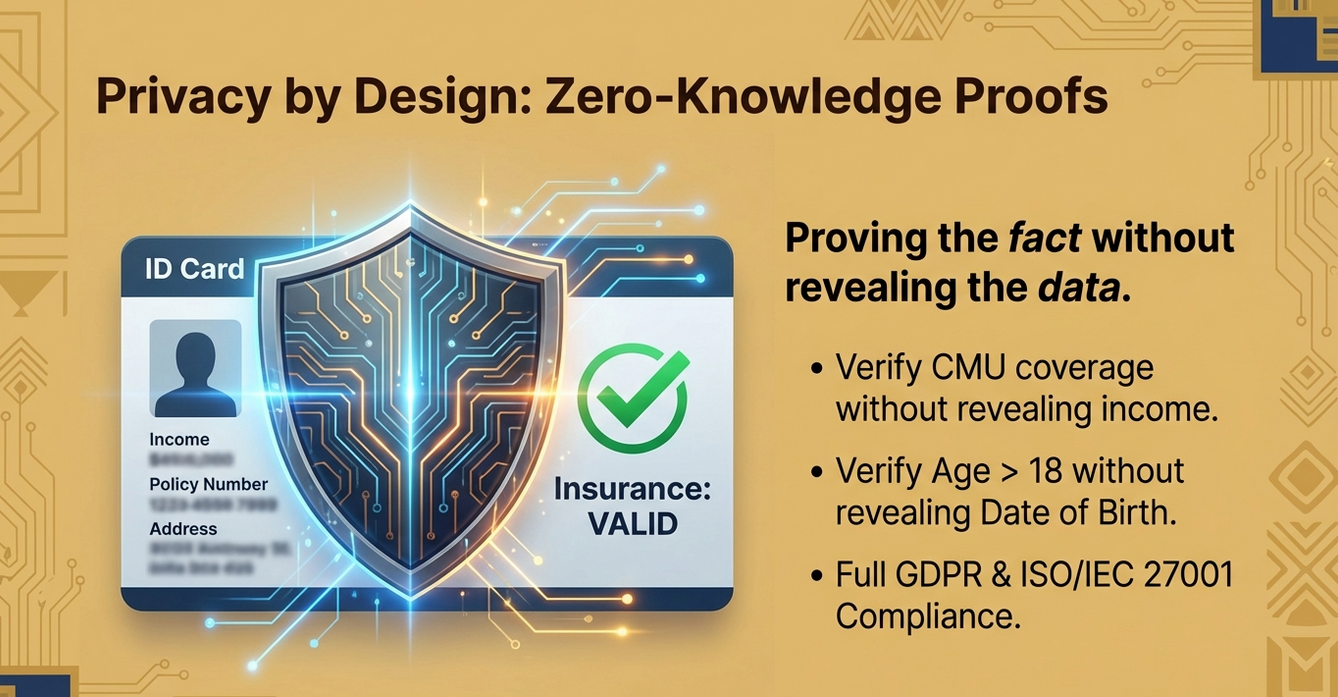
Challenges we expect to face The primary challenge lies in securing data exchange over low-bandwidth channels (USSD/SMS). We plan to explore Zero-Knowledge Proofs (ZKP) to allow verification of specific attributes (e.g., active insurance status) without ever exposing sensitive raw data over insecure networks.
Accomplishments we're aiming for
Cost Efficiency: Demonstrating that leveraging existing MOSIP infrastructure can reduce health-ID deployment costs by up to 92%.

Social Validation: Integrating Community Health Workers into the digital workflow to ensure high adoption rates from day one.
What we hope to learn We aim to test the extensibility of the MOSIP sandbox for complex health-sector use cases and refine medical data portability standards tailored for the African context.
What's next for Santé-ID 2.0 If selected, our 6-week execution roadmap is set:
Weeks 1-2: MOSIP sandbox setup and health data schema modeling.

Weeks 3-4: Development of the credentialing service and USSD gateway.

Weeks 5-6: Finalizing the practitioner interface and testing cross-border referral scenarios.


Log in or sign up for Devpost to join the conversation.