-
-
Demo Website 2
-
Automated Email Sender
-
Demo Website 3
-
Demo Website 1
-
Admin Dashboard
Inspiration
Santa Claws started from a simple hackathon question: what if an AI agent team could do the repetitive parts of local business outreach end to end? Small businesses often need better websites, but finding them, auditing them, making a mockup, writing outreach, and following up is slow. We wanted to make that workflow feel magical, visible, and persistent.
What It Does
Santa Claws is a team of NemoClaw agents powered by Nemotron. Each agent has a role:
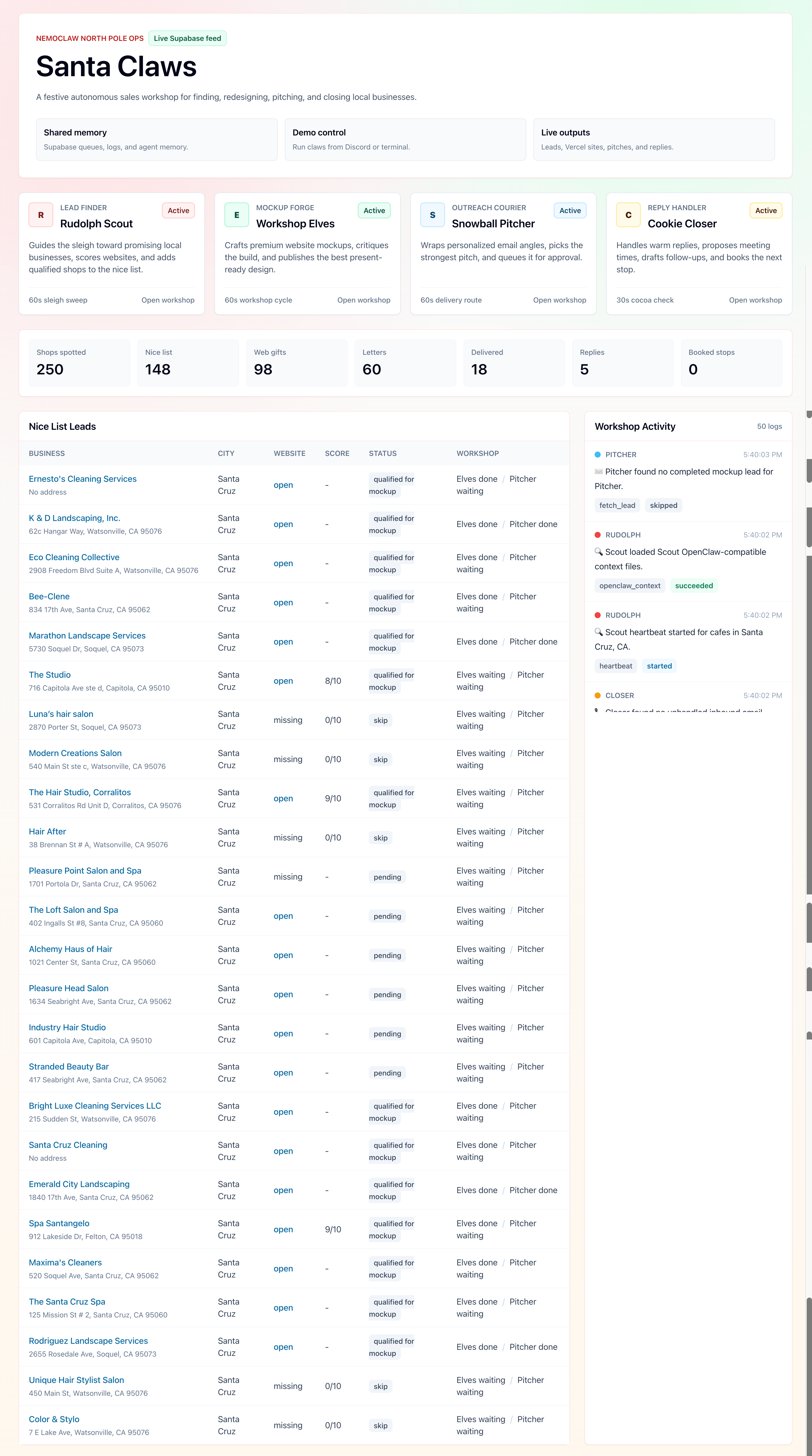
- Scout finds local business leads.
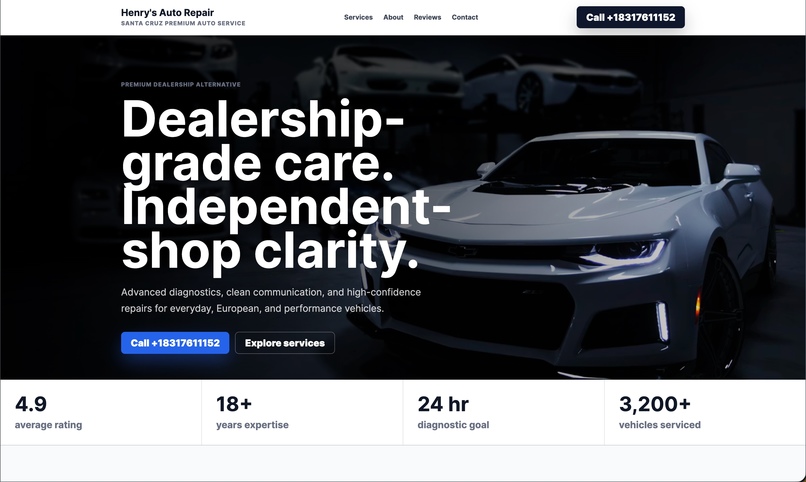
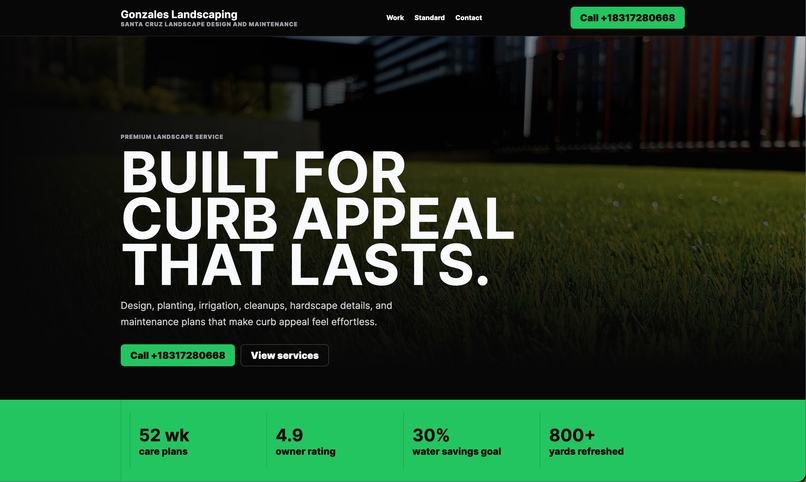
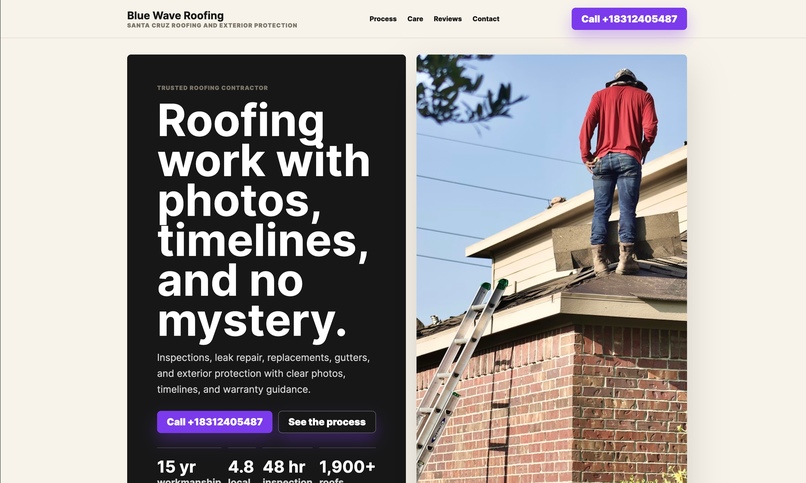
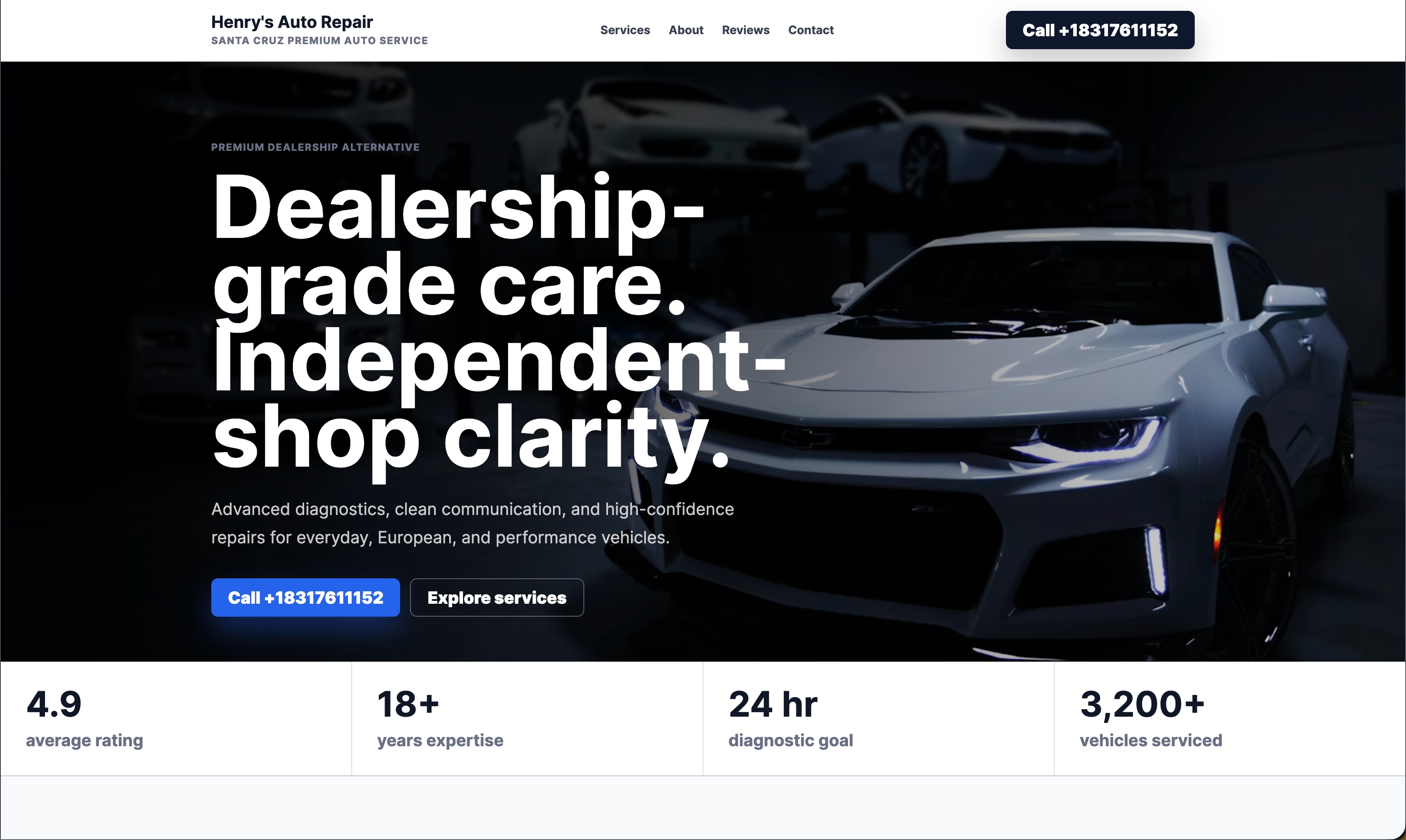
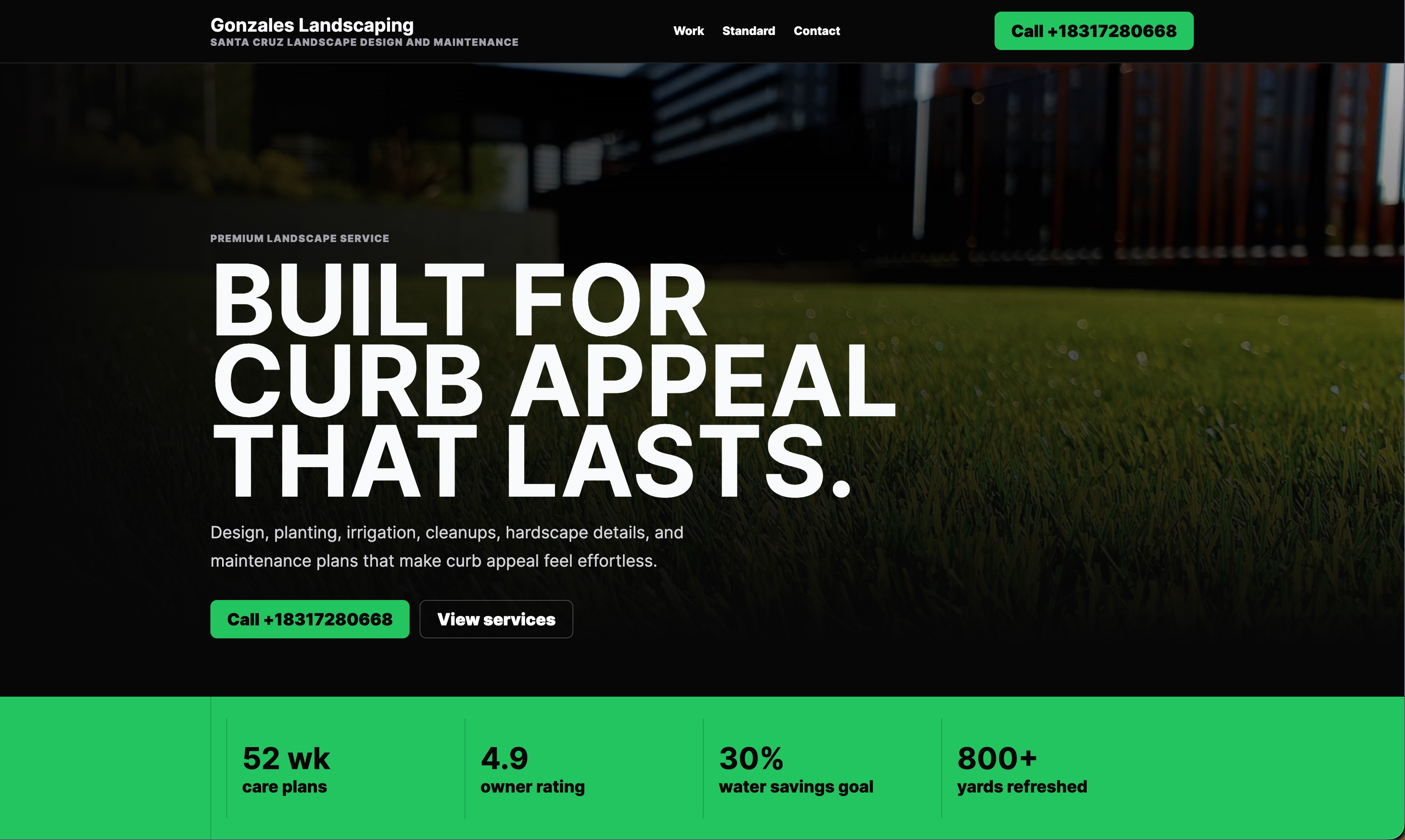
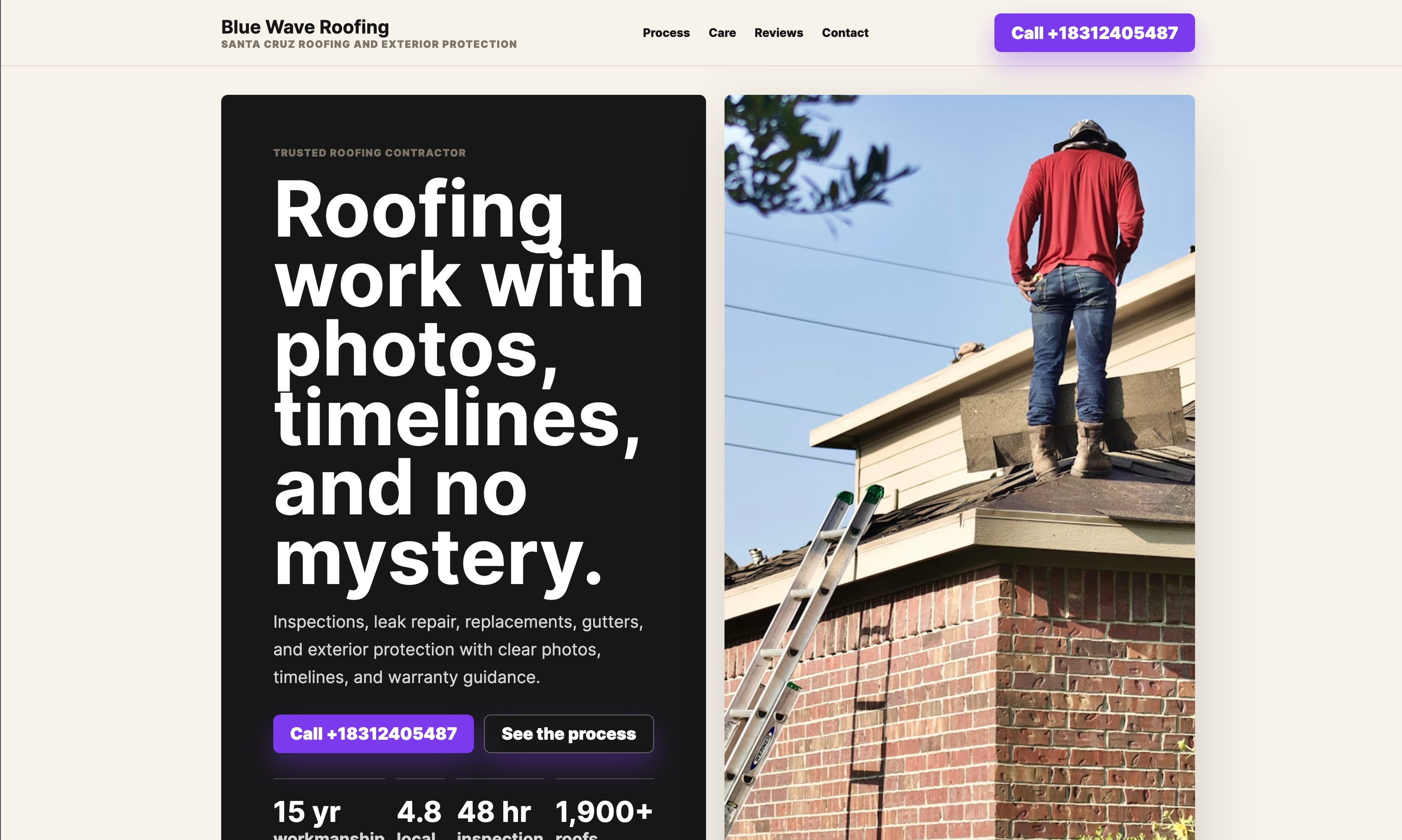
- Designer creates polished website mockups and deploys them to Vercel.
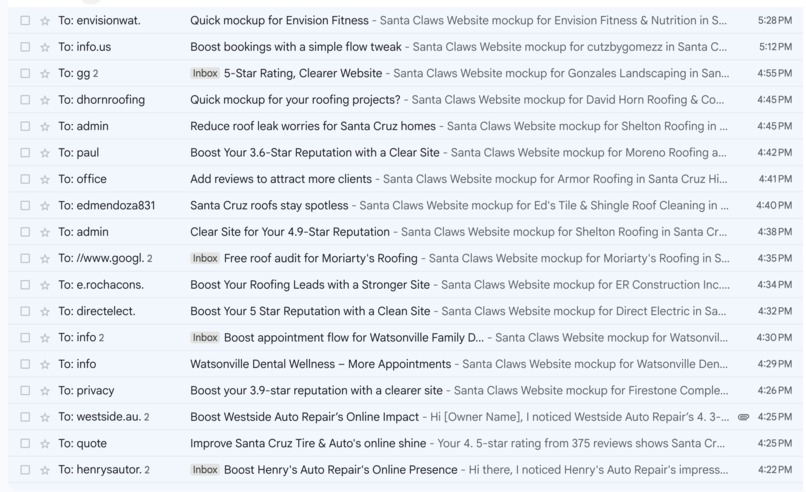
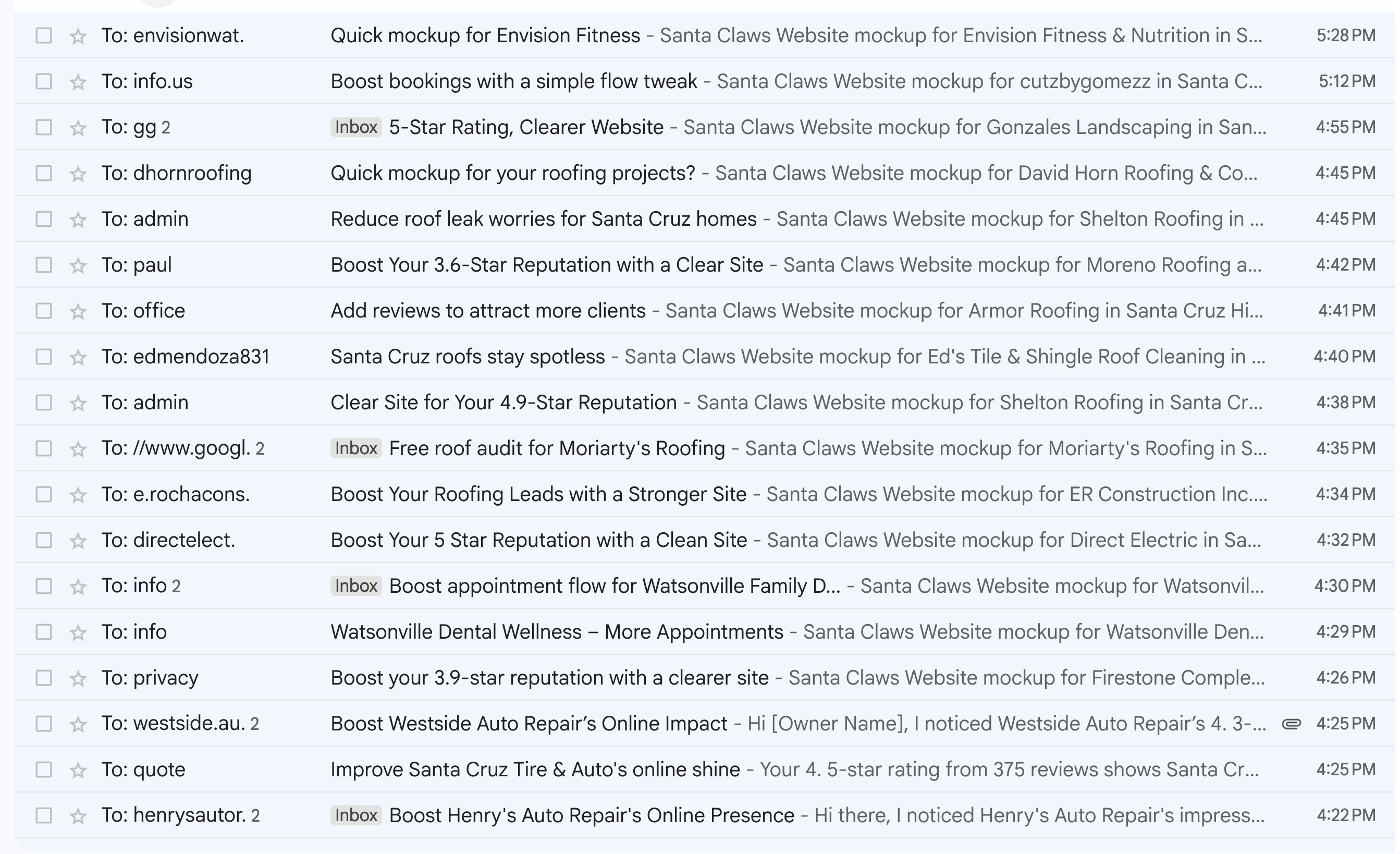
- Pitcher drafts personalized outreach using the mockup link.
- Closer handles replies and follow-up.
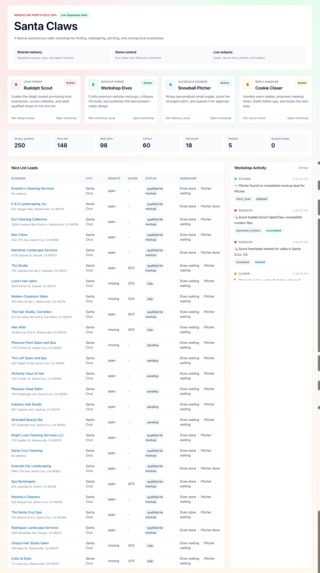
The dashboard shows the live pipeline, agent logs, memory, leads, mockups, and outreach status.
How We Built It
We built Santa Claws with:
- Python agents for the autonomous pipeline
- NemoClaw and OpenClaw-compatible runtime files for agent structure
- Nemotron for reasoning and copy generation
- Supabase for persistent shared memory, queues, and logs
- Next.js for the live dashboard
- Vercel for generated website mockup deployment
- Discord for approvals and running agents by command
The core design is database-driven. Instead of a traditional queue, Supabase tables act as shared memory and work queues. Each agent reads from the database, claims work, writes results, and logs what happened.
$$ \text{Lead} \rightarrow \text{Mockup} \rightarrow \text{Pitch} \rightarrow \text{Reply} \rightarrow \text{Meeting} $$
Challenges
The hardest part was making the pipeline reliable under hackathon time pressure. We had to debug API keys, Vercel deployment links, Discord bot permissions, Supabase schema issues, and agent handoffs.
Persistent memory was especially important. We wanted the project to show that the agents were not just isolated scripts, but a coordinated system with shared state. Supabase became the backbone for that.
Another challenge was making the generated websites and emails look professional enough for a live demo. We iterated heavily on templates, email formatting, and dashboard visibility.
What We Learned
We learned that agent systems are less about one big model call and more about orchestration, state, and observability. The dashboard and logs became just as important as the agents themselves because they made the system understandable.
We also learned that small reliability details matter a lot: exact Vercel URLs, environment loading, Discord command handling, and clear database statuses can make or break the demo.
What’s Next
Next, we would improve lead quality, add richer agent memory, support more industries, and make the generated websites even closer to production-ready client sites. We would also add safer approval flows and deeper analytics for outreach performance.
Built With
- apify
- nemoclaw
- nextjs
- python
- react
- smtp
- supabase
- tailwind
- typescript
- vercel


Log in or sign up for Devpost to join the conversation.