-
-
-
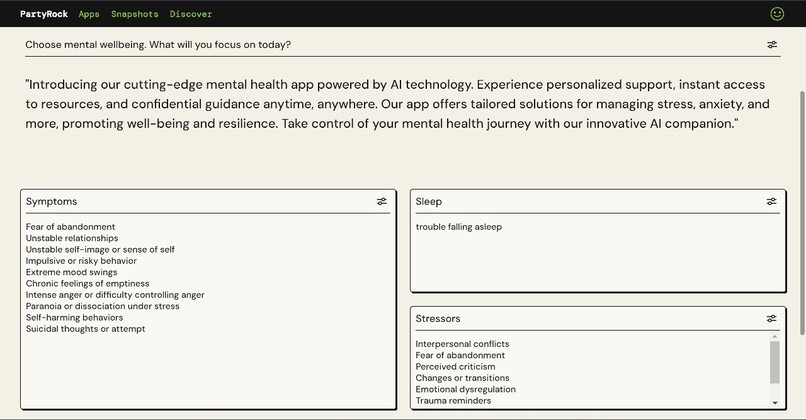
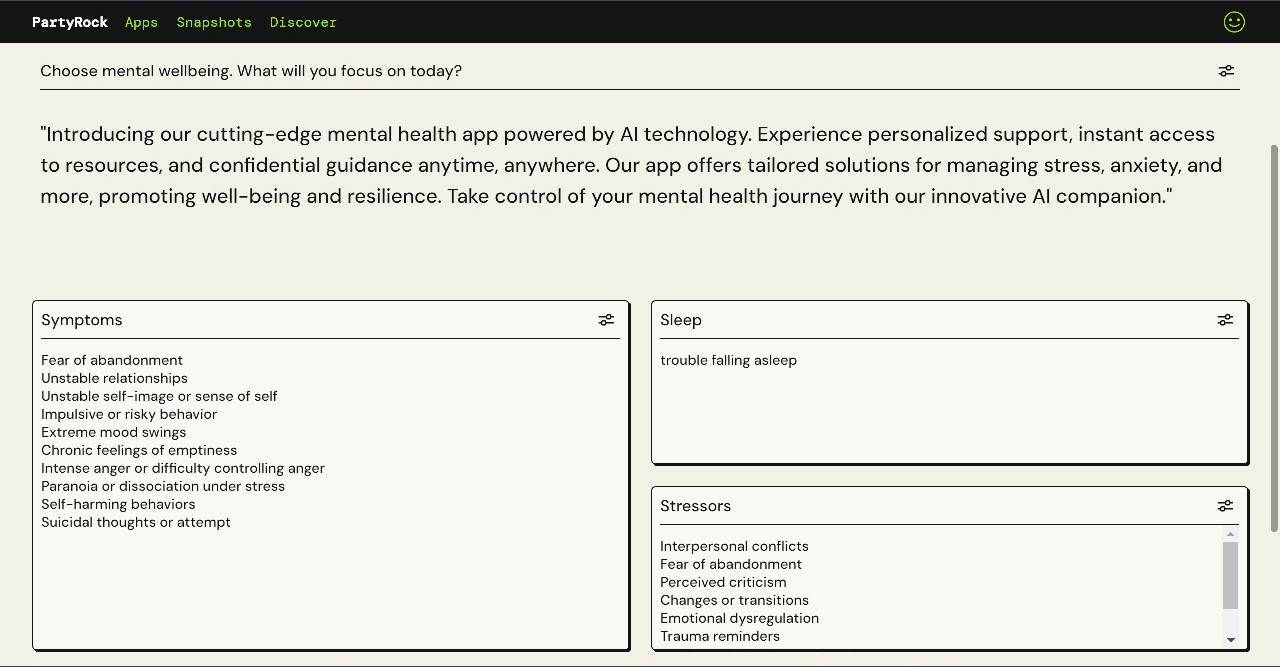
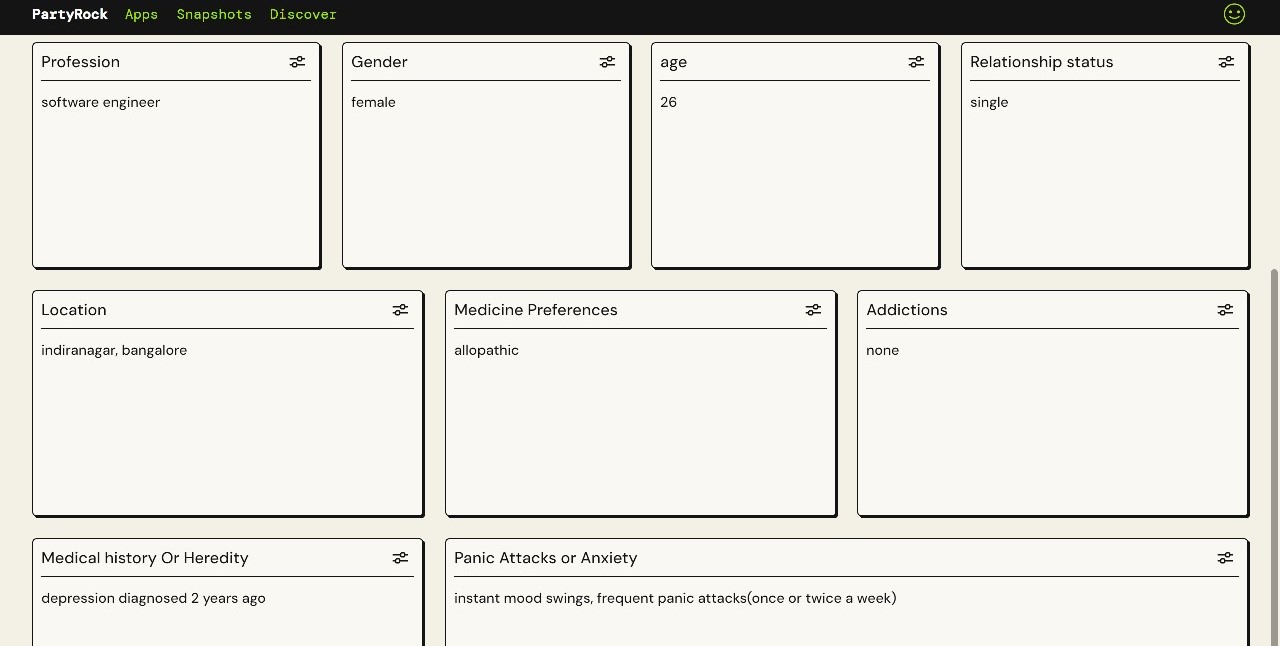
inputs from user
-
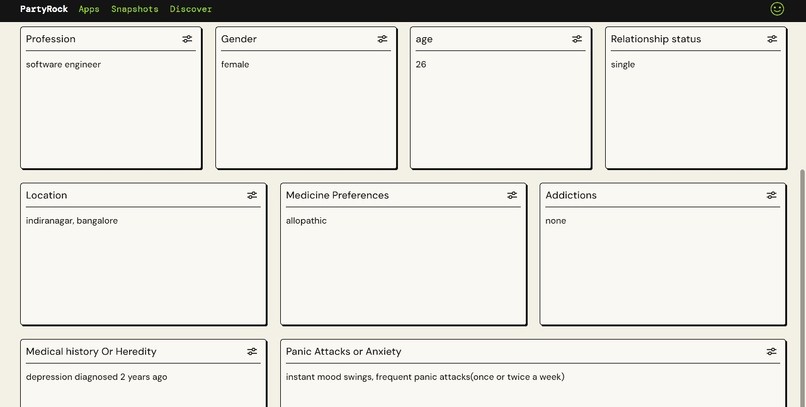
inputs from user
-
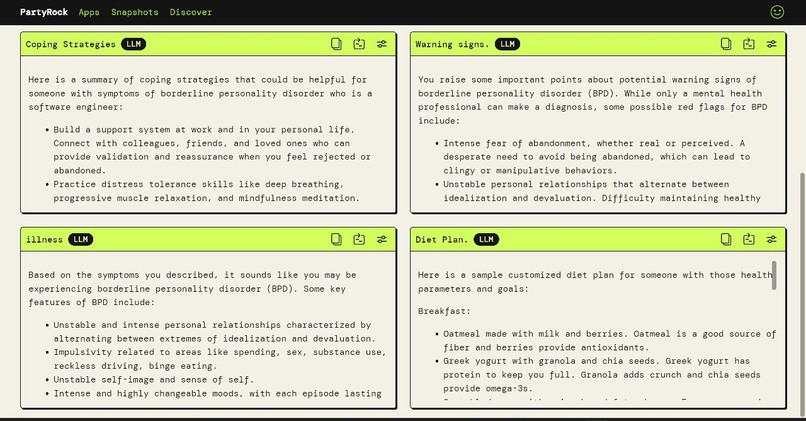
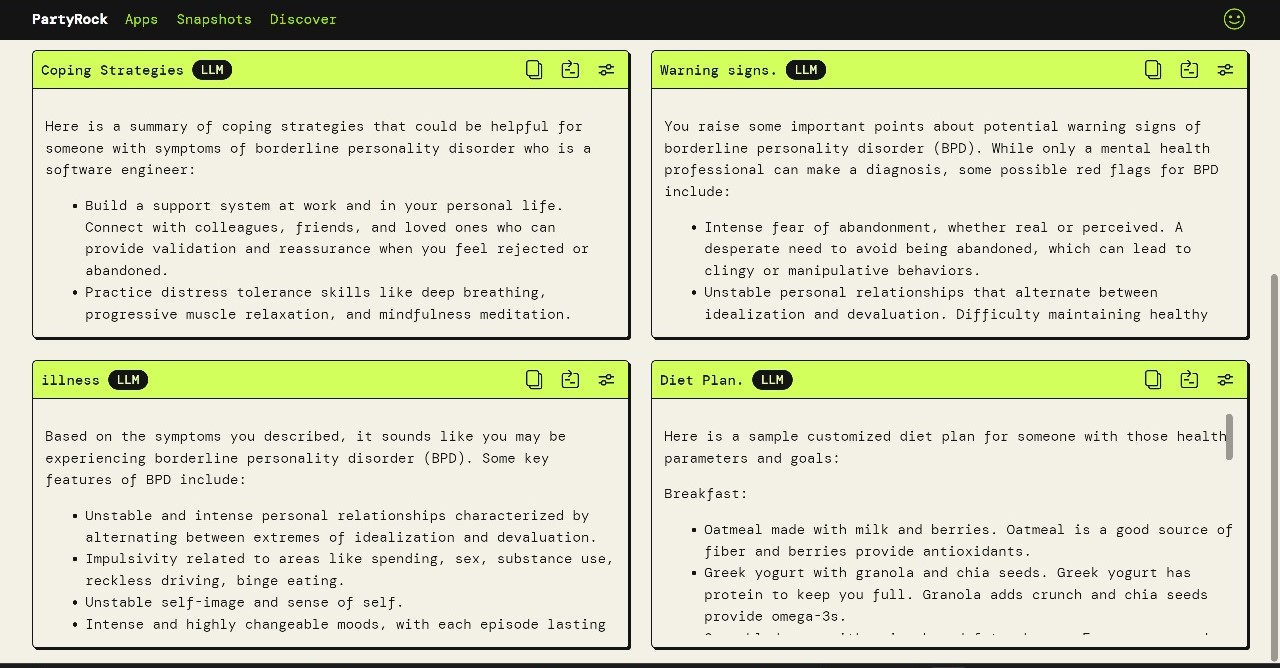
corresponding ai generated outcomes like coping strategies, warning signs, illness, diet plan.
-
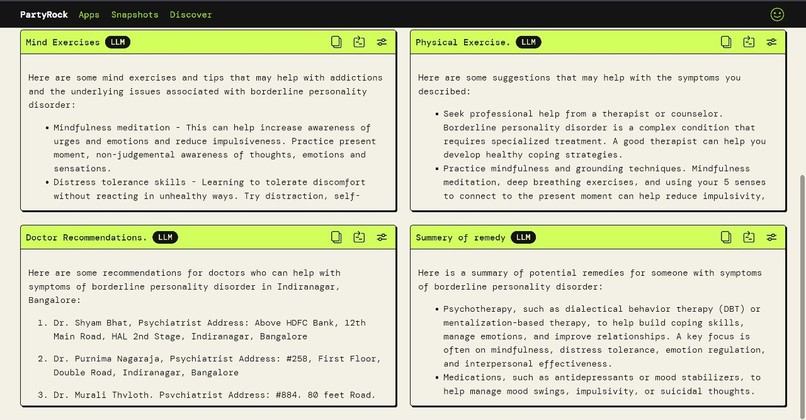
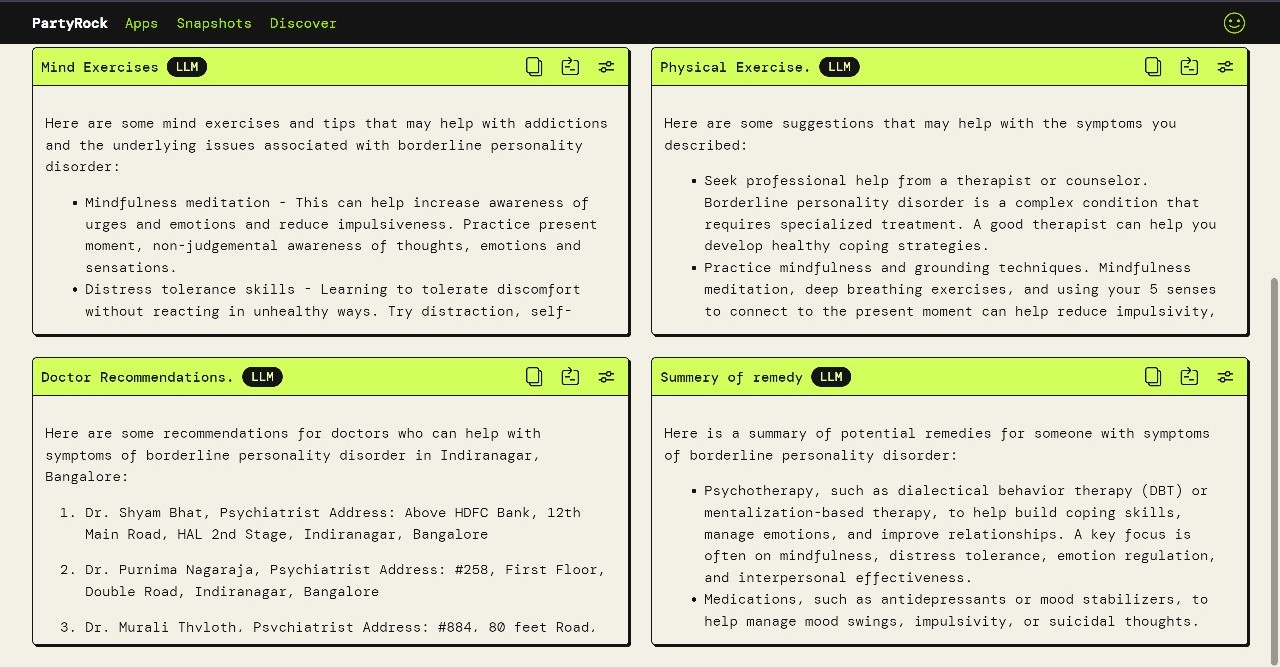
corresponding ai generated outcomes like mind and physical exercises, doctor recommendations, summary report
-
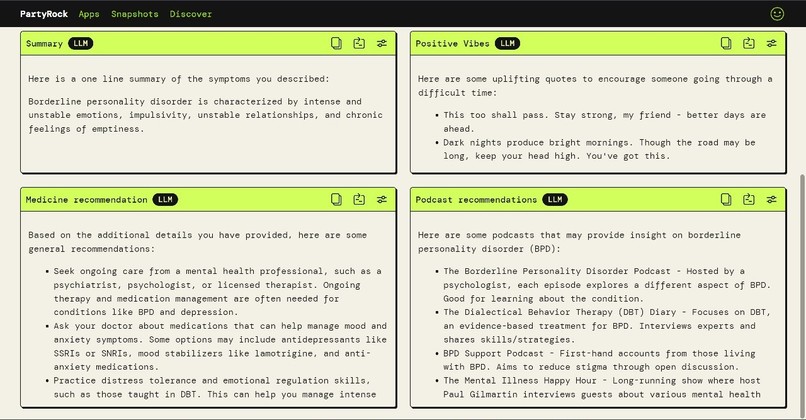
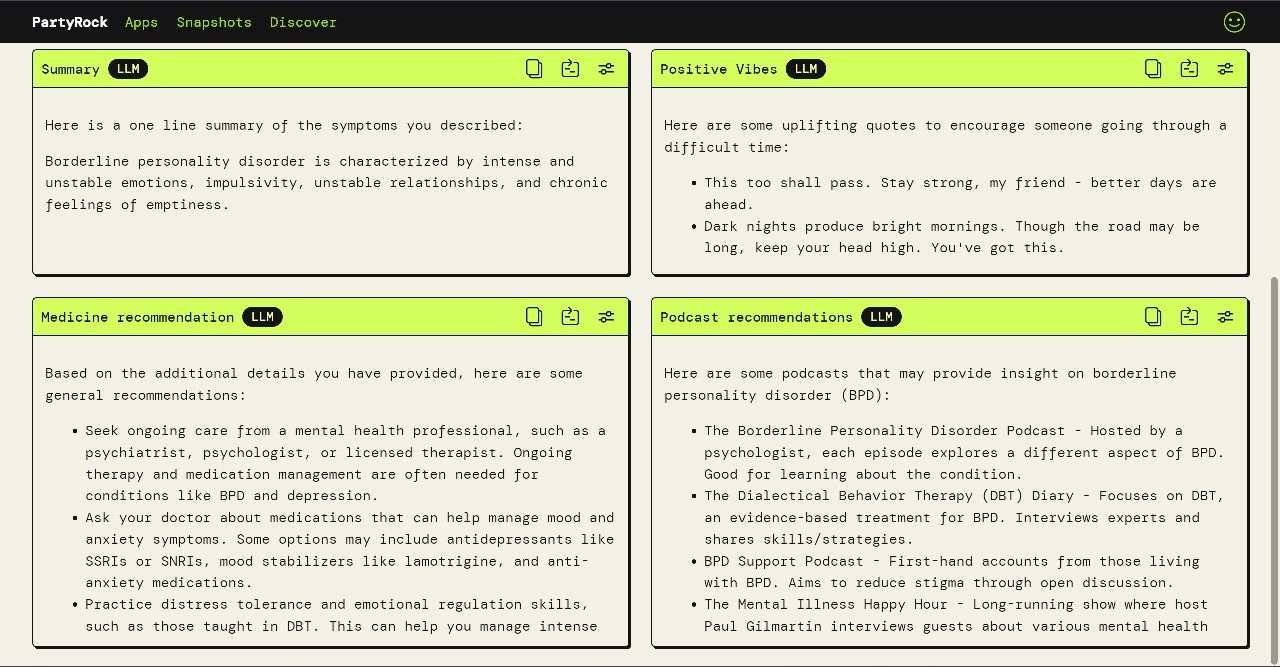
corresponding ai generated summary report , quotes to encourage people, medicine recommendations and recommendations of few podcasts
-
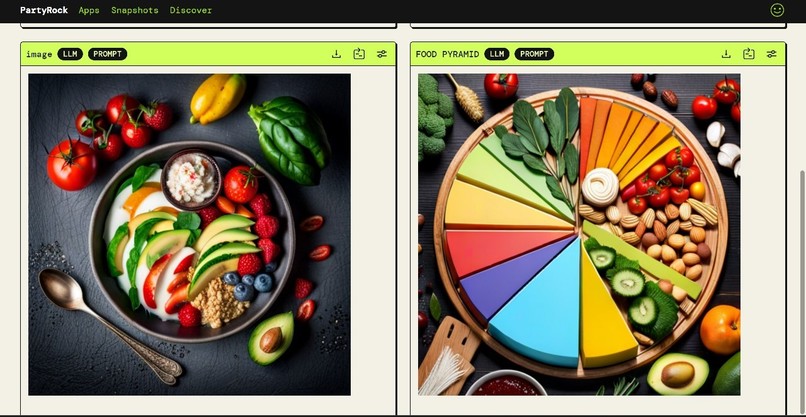
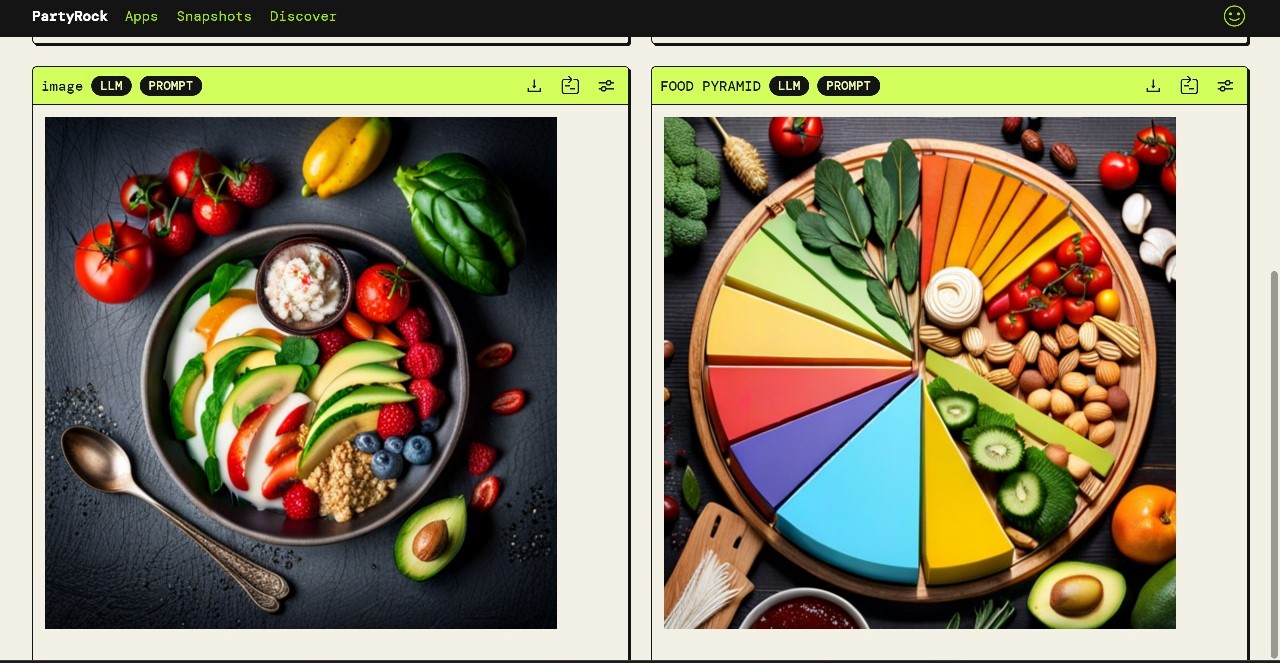
images generation from diet plan
-
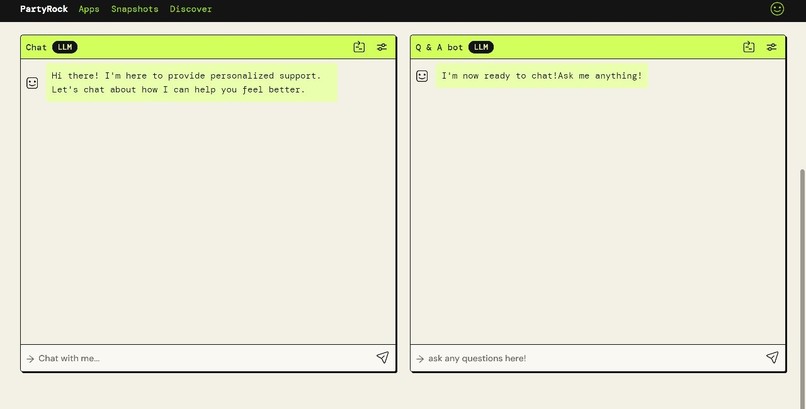
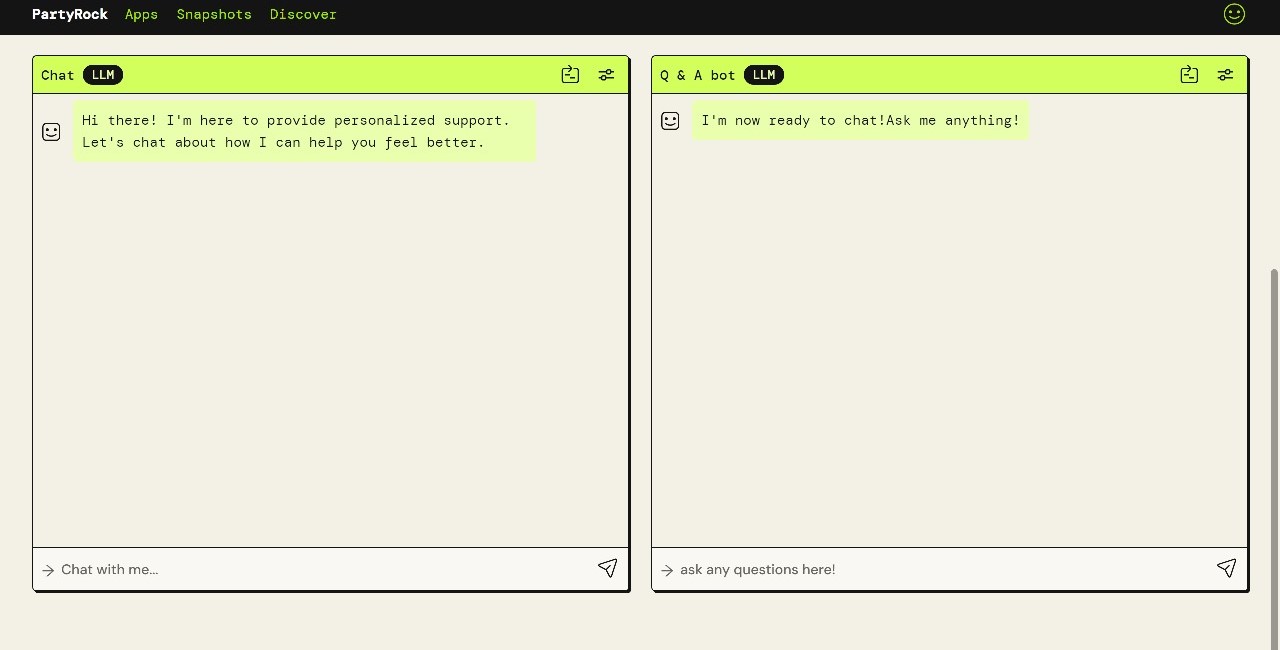
Chat bot
Inspiration
Motivated by our team members' personal journeys through the crucible of stress, anxiety, and mental health deterioration during competitive exams, Sanmona emerged as a deeply empathetic response to the challenges they endured. Drawing from these shared experiences, the team intimately understood the toll that academic pressures can exact on one's mental well-being. It was this first hand understanding that fueled our commitment to crafting a solution that not only leverages AI for personalized support but also stands as a testament to the resilience born from overcoming mental health struggles in competitive settings.
How we built it
We started by brainstorming ideas for an AI-powered mental health companion app. We identified the key features we wanted to include, such as personalized support, coping strategies, and doctor recommendations. We designed a user-friendly and intuitive interface for the app. We ensured that the app was easy to navigate and provided a seamless experience for users. We integrated AI technology into the app using PartyRock, an AI platform by AWS. We trained the AI model using a large dataset of mental health symptoms, coping strategies, and doctor recommendations.
We incorporated a feature that allowed users to input their symptoms, sleep patterns, stressors, and medical history. The AI model then processed this data and provided personalized support, coping strategies, and doctor recommendations.We thoroughly tested the app to ensure that it functioned correctly and provided accurate support. We collected user feedback and made necessary improvements to the app. By following this process, we were able to build a comprehensive and effective AI-powered mental health companion app, Sanmona, that provides personalized support, coping strategies, and doctor recommendations to help users manage their mental health.
Challenges we ran into
Processing user inputs and generating personalized support, coping strategies, and doctor recommendations may have been challenging due to the complexity of the AI model and the need to ensure accurate and relevant results. Designing an intuitive and user-friendly interface for the app may have been challenging, as it is essential to ensure that users can easily navigate the app and access the features they need. Thoroughly testing the app to ensure that it functions correctly and provides accurate support may have been time-consuming and challenging due to the need to collect user feedback and make necessary improvements. Ensuring that the app is accessible to a wide range of users, including those with varying levels of technology literacy, may have been challenging due to the need to design an intuitive and user-friendly interface. These are just a few potential challenges that you may have encountered while building the app. If you have any specific challenges that you would like me to address, please let me know, and I will do my best to help you.
Accomplishments that we're proud of
We have built an AI-powered mental health companion app that provides personalized support, coping strategies, and doctor recommendations to help users manage their mental health. We have designed an intuitive and user-friendly interface for the app, making it easy for users to navigate and access the features they need. We have developed a system for processing user inputs and generating personalized support, coping strategies, and doctor recommendations, ensuring accurate and relevant results. We have created a mental health companion app that empowers communities by making mental health care more accessible and affordable, revolutionizing mental health support through personalized support and customized guidance based on user inputs. We have explored various alternative development scenarios, such as integrating the app with wearable devices, partnering with mental health organizations, creating a social media platform for users, incorporating user feedback and testing, expanding the app's features and capabilities, creating a community platform for users, and providing premium features and partnerships. These are just a few accomplishments that we can be proud of. Building an app that provides personalized support for mental health is a significant achievement, and we should be proud of the impact that our app can have on individuals and communities.
What we learned
During the development of the Sanmona mental health app, the team learned several valuable lessons. The team learned about the importance of user-centered design and the need to incorporate user feedback and testing throughout the development process. The team conducted extensive user testing and feedback sessions to ensure that the app was accessible and easy to use for individuals with varying levels of technology literacy.
Additionally, the team learned about the importance of accurate and helpful resources and guidance for mental health management. The team collaborated with mental health professionals to ensure the accuracy and effectiveness of the app's resources and guidance.
Finally, the team learned about the importance of marketing and promotion in making the app accessible to potential users. The team's marketing strategy resulted in a significant number of downloads and positive user feedback.
Overall, the team learned about the importance of user-centered design, user privacy and security, accurate and helpful resources and guidance, and effective marketing and promotion in creating a successful mental health app. These lessons will inform the team's future projects and contribute to their expertise in AI technology, user experience design, mental health management, and marketing strategy.
What's next for Sanmona : Mental Health Companion
Based on the success of the Sanmona: Mental Health Companion, the team plans to continue improving and expanding the app's features and capabilities. The team plans to incorporate user feedback and testing to ensure that the app remains accessible and easy to use for individuals with varying levels of technology literacy.
The team also plans to expand the app's resources and guidance for mental health management, collaborating with more mental health professionals to ensure the accuracy and effectiveness of the app's resources and guidance.
Additionally, the team plans to explore new integrations with other apps and services to provide even more comprehensive mental health support. For example, the team is considering integrating with wearable devices to track users' physical health and provide personalized recommendations for exercise and nutrition.
Furthermore, the team plans to expand the app's marketing and promotion efforts to reach a wider audience and increase downloads. The team plans to leverage social media, influencer partnerships, and targeted advertising to reach potential users.
Finally, the team plans to explore new revenue streams, such as premium features and partnerships with mental health organizations. These revenue streams will allow the team to continue developing and improving the app while remaining accessible and affordable for users.
Overall, the team is committed to continuing to improve and expand Sanmona: Mental Health Companion, providing personalized support and customized guidance based on user inputs to enhance mental health. The team's future plans will build on the app's success and contribute to its mission of promoting mental well-being and resilience.
Built With
- partyrock


Log in or sign up for Devpost to join the conversation.