-
-
Thumbnail
-
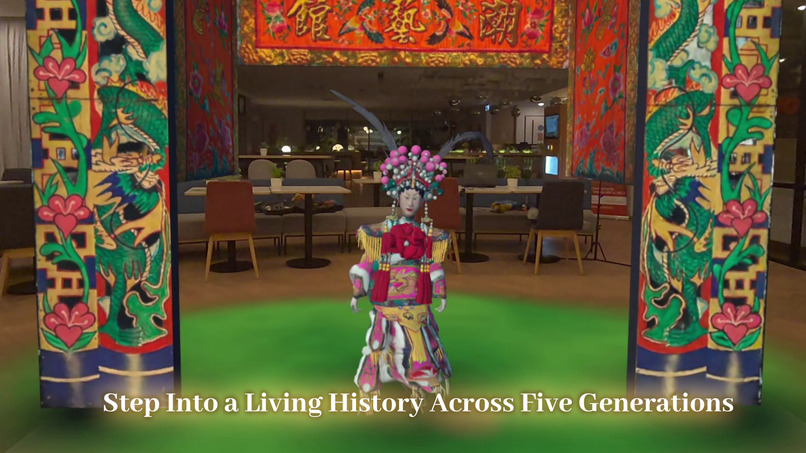
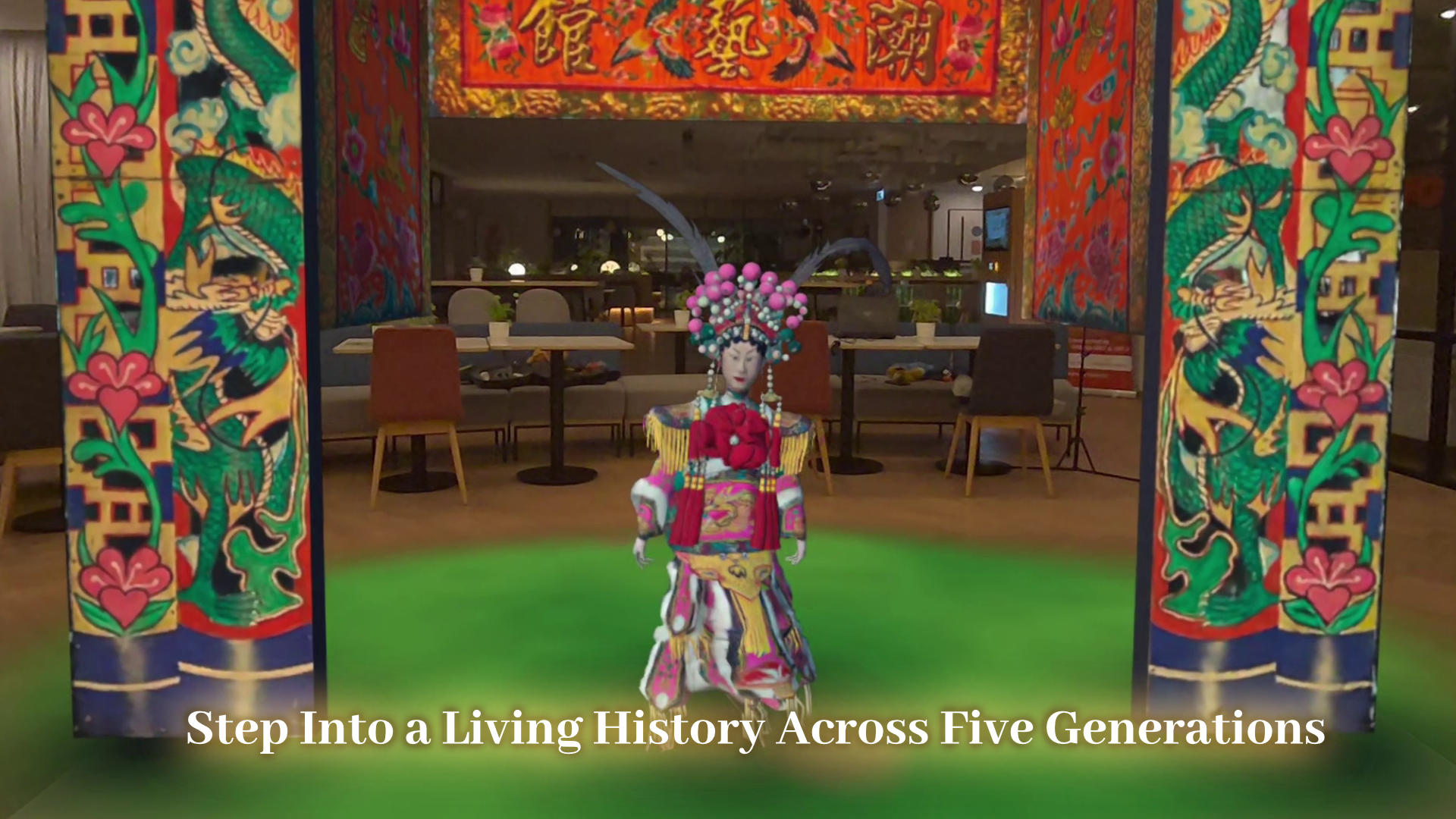
Screenshot - Step Into a Living History Across Five Generations
-
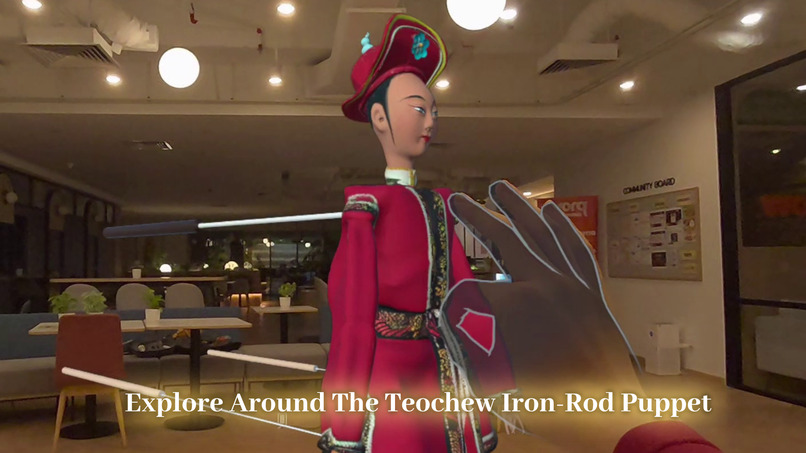
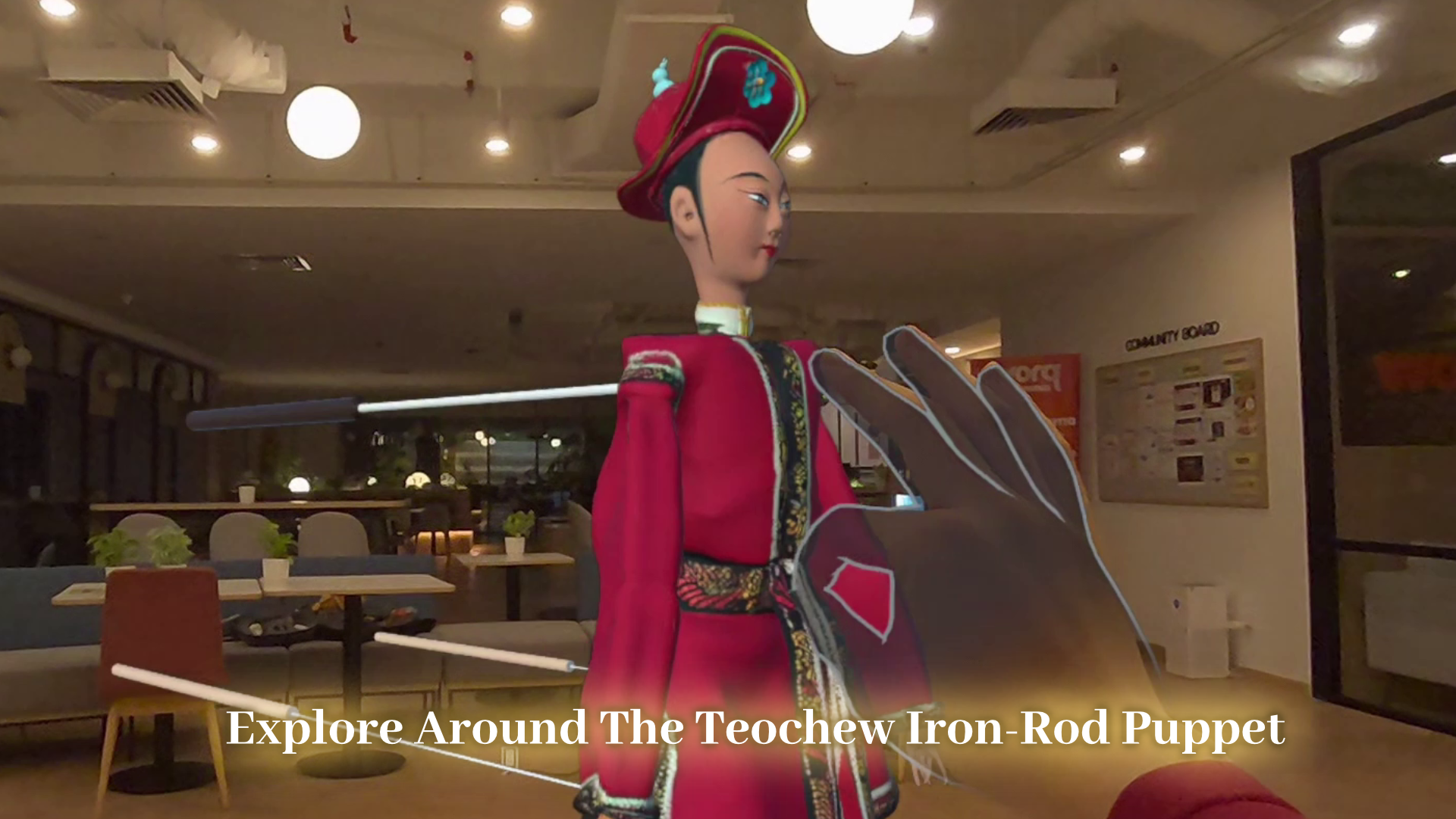
Screenshot - Explore Around the Teochew Iron-Rod Puppet
-
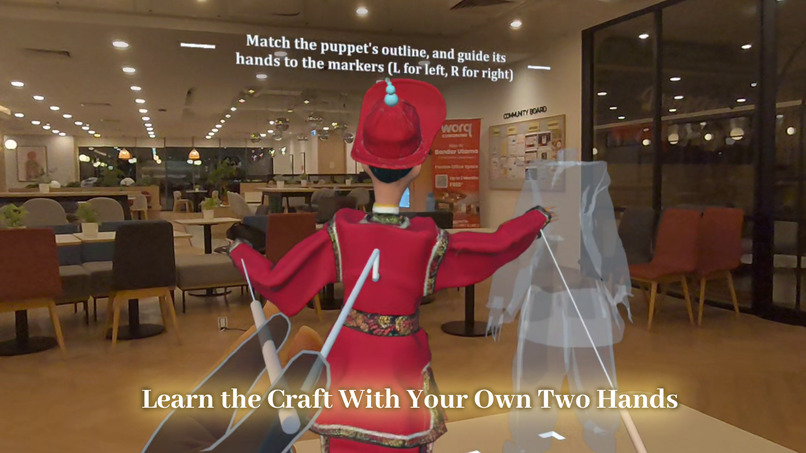
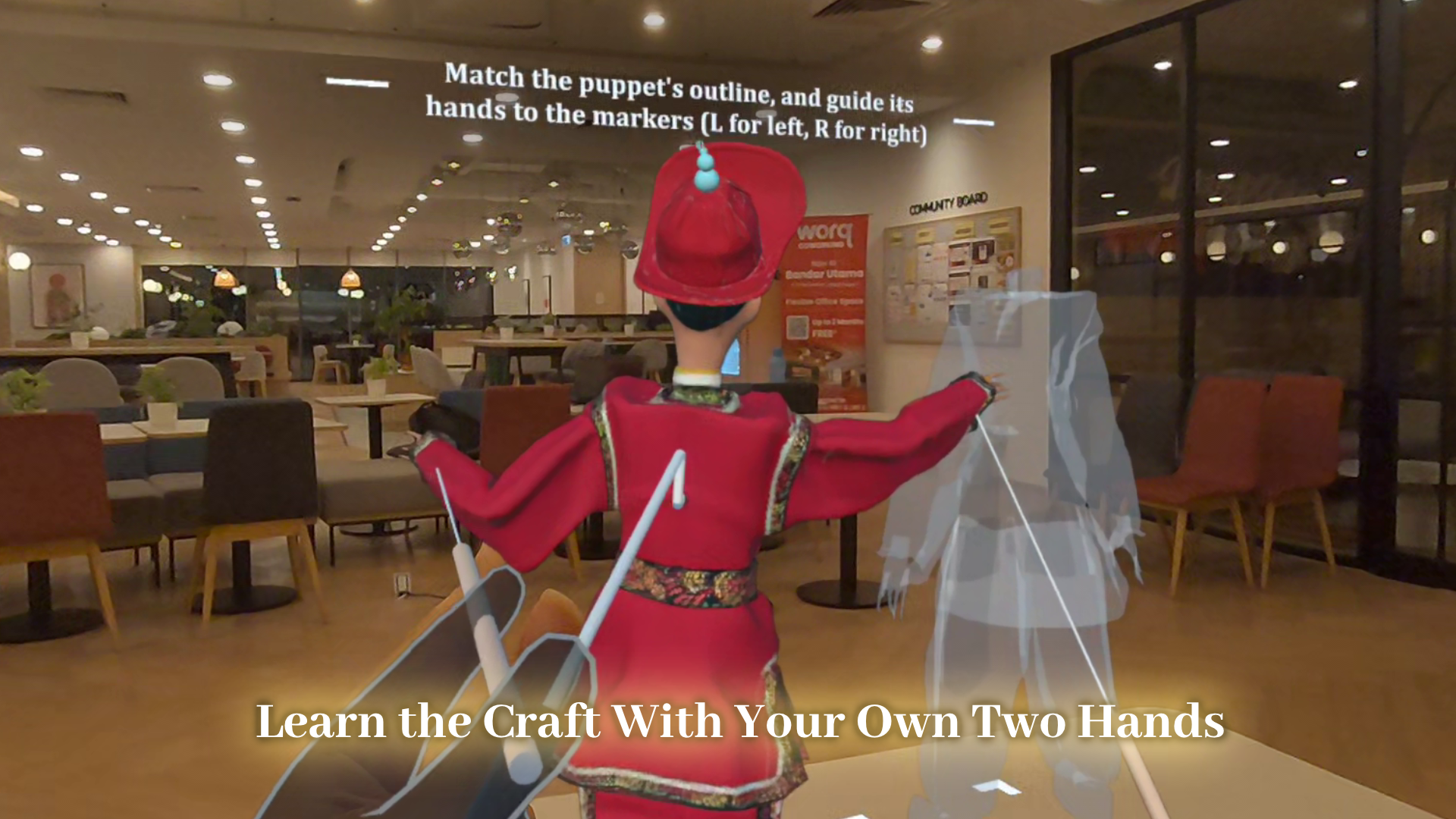
Screenshot - Learn the Craft With Your Own Two Hands
-
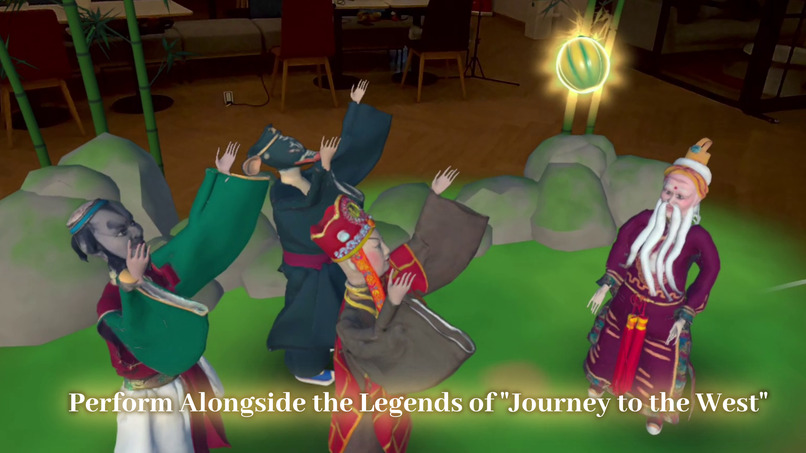
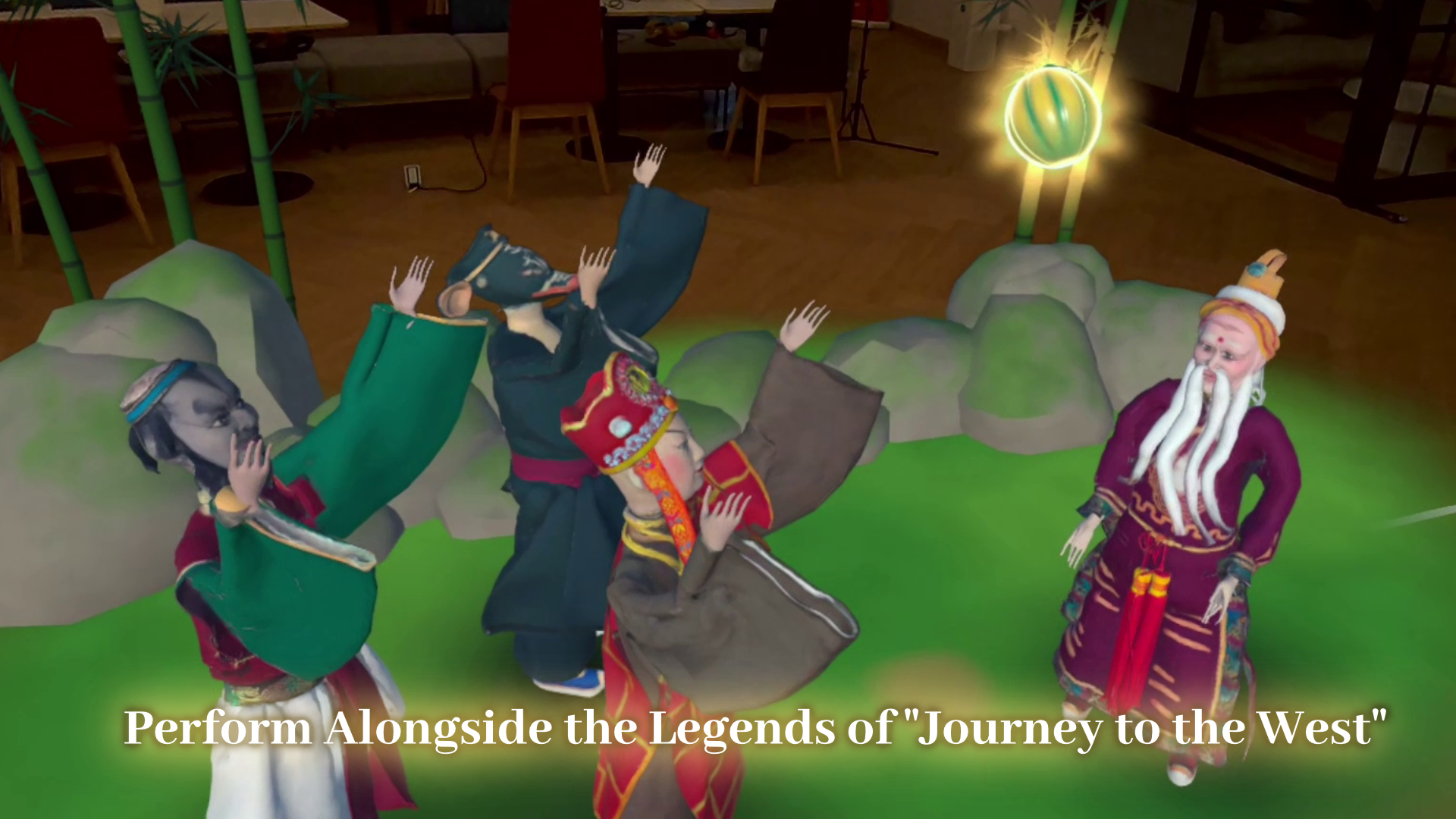
Screenshot - Perform Alongside the Legend of "Journey to the West"
-
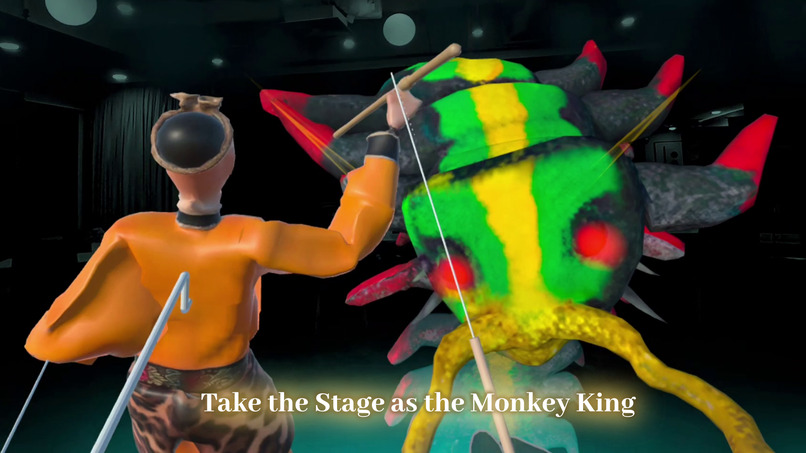
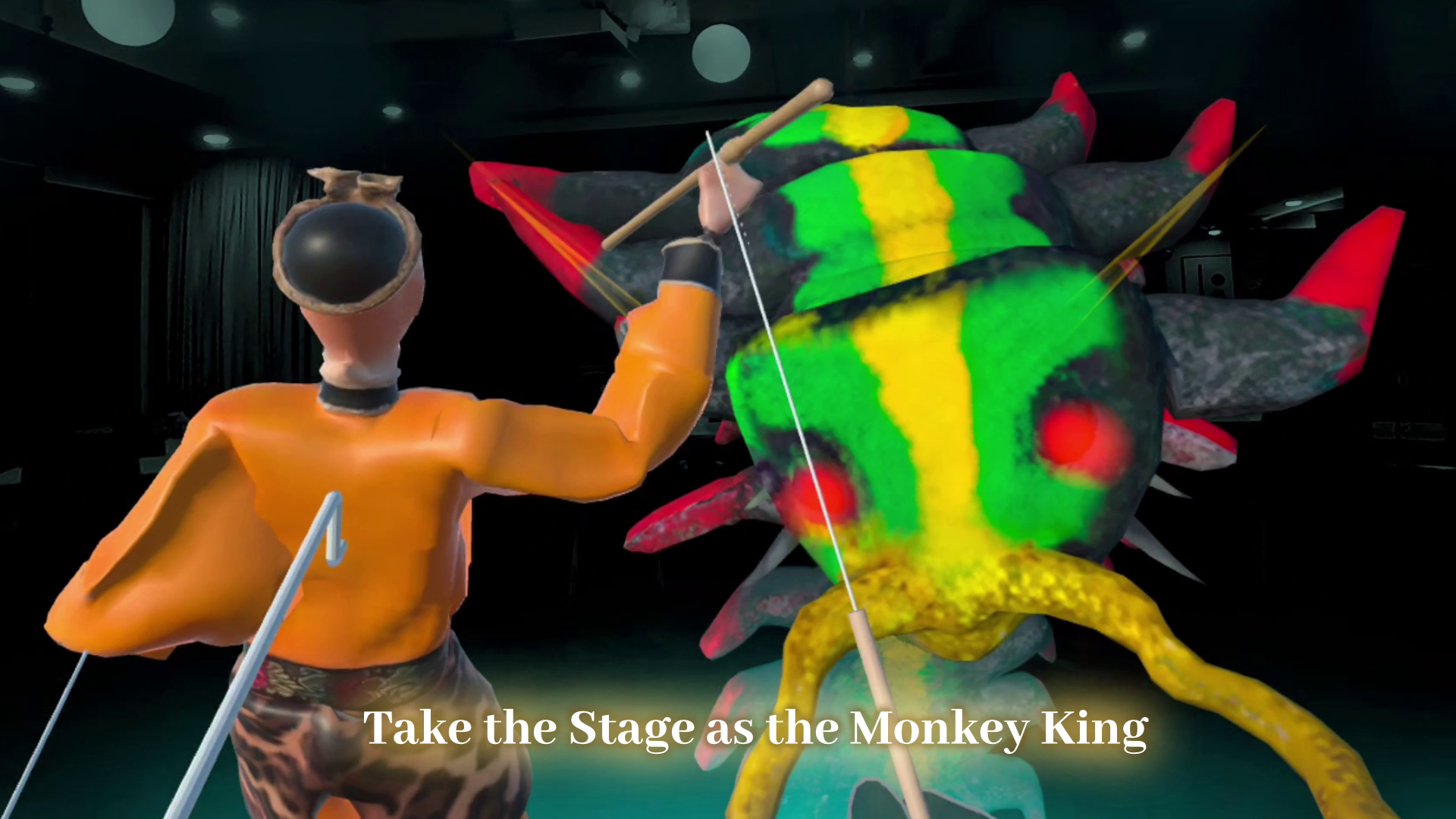
Screenshot - Take the Stage as The Monkey King
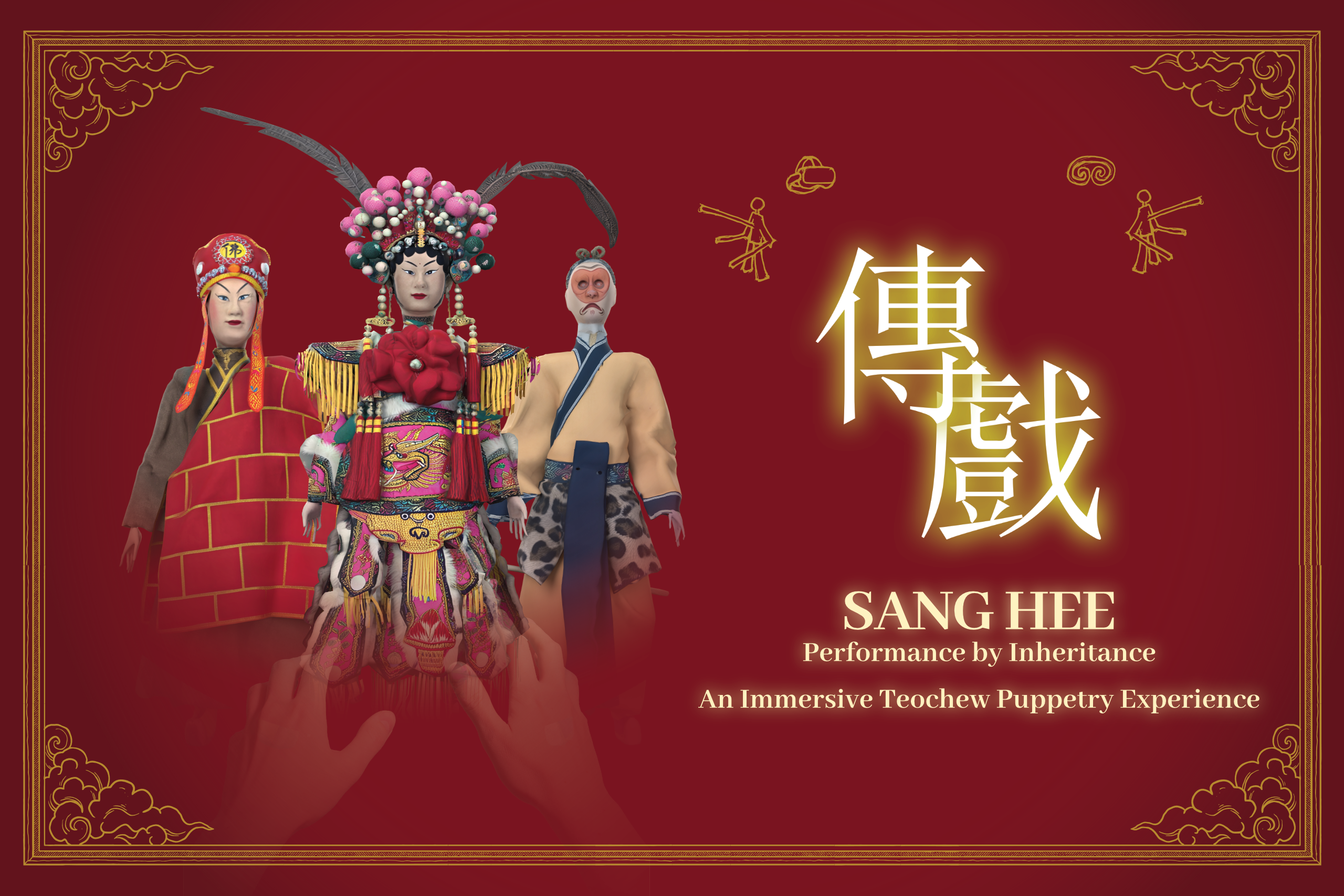
Watch Announcement Trailer Here (different than Demo Video)
Inspiration
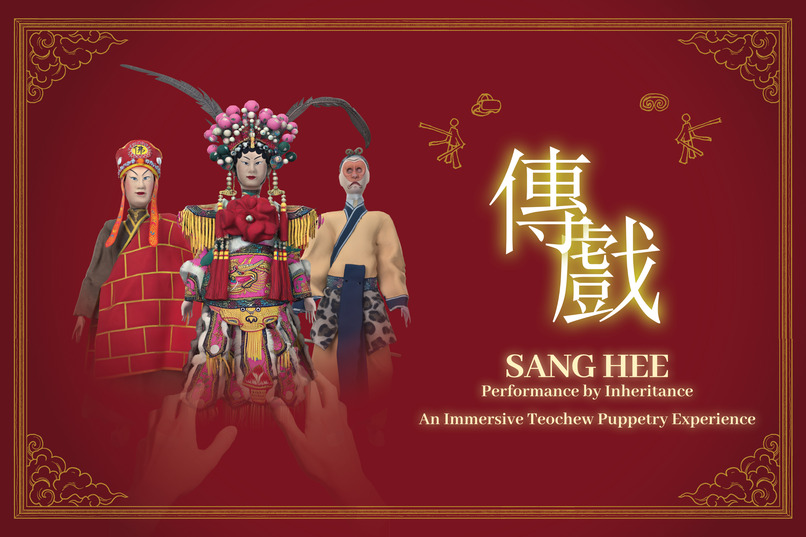
Teochew iron-rod puppetry (潮州铁枝木偶戏) is one of southern China’s most traditional performing arts. Rooted in shadow play, its puppets are worked by a single puppeteer using three slim iron rods, performing tales from Chinese history and folklore to Teochew opera music.
In Penang Island of Malaysia, the Kim Giak Low Choon Puppet Troupe (金玉楼春) has kept the art alive for five generations, while the Teochew Puppet & Opera House (潮艺馆) shares it through museum exhibits. Yet audiences are aging and few young people take up the craft. Hands-on access is rare too: the puppets are delicate heirlooms, and the three-rod technique takes years to master, with a skilled practitioner needed to guide even a first attempt.
Sang Hee (傳戲) uses mixed reality to let anyone pick up a puppet and give it a try, with no heirloom at risk. Developed in collaboration with the Teochew Puppet & Opera House, it aims to make a first encounter with puppetry approachable and fun. It’s meant to spark curiosity, not replace the real craft, so newcomers leave with a glimpse of what the art demands and a reason to see it live in Penang.
What it does
Sang Hee (傳戲) is a 20–30 minute interactive mixed reality experience for Meta Quest 3 that teaches Teochew iron-rod puppetry through your bare hands. Played solo, it takes players from step-by-step guidance to a playful co-performance of a classic tale.
The stage comes to you. With a two-handed pinch, you place a puppet stage on any tabletop or open space in passthrough, turning your surroundings into the theatre.
A master teaches you the craft. A mentor figure walks you through the puppet’s anatomy and three tutorial beats on holding form, movement and limb control, then a combined practice round to bring the basics together.
A traditional Teochew play, in your hands. Adapted from the classic Journey to the West, the story casts you as the Monkey King (Sun Wukong). Alongside NPC performers such as the monk Tripitaka (Tang Sanzang), you follow prompted actions that carry it forward, enjoying the show along the way.
Authenticity is preserved. The voiceover is in full Teochew dialect, with English and Chinese subtitles. The music comes from the Opera House’s own archival recordings.
The curtain call leads to the real thing. At the end, your mentor acknowledges your performance and thanks you, followed by a call to action to learn more and visit the real Opera House in Penang.
How we built it
Engine and platform: Unity on Meta Quest 3, using the Meta XR SDK for passthrough and hand tracking.
Hand-to-puppet control: Hand pose detection recreates the rod grips used in real performance, simplified just enough for beginners to pick up. The rod and fingertip positions then drive the puppet’s limbs through inverse kinematics (IK).
Puppet assets: We 3D-scanned and digitised the physical puppets provided by the Opera House, then cleaned up the meshes and rigged them in Blender, reworking weights so they move naturally.
Story and NPC performance: Using an archival performance recorded in 2019, we adapted a short scene sequence from the source material, with NPC animations and cue sheets timed to the archival music. Interactive moments throughout keep players engaged in the performance.
Cultural process: We worked closely with the Teochew Puppet & Opera House at every stage, from cultural research and scriptwriting to proofreading, to keep the experience authentic. A bilingual Letter of Collaboration formalises the partnership, and regular meetups keep the troupe involved throughout development.
Support: Developed under two programmes: Cahaya XR StoryLabs: Inheritance 2026, by Maitree House with the Malaysia Digital Economy Corporation (MDEC), and the Hands-First VR Accelerator under Meta Horizon Start.
Challenges we ran into
Staying faithful to the originals: Puppet clean-ups were one of our longest tasks. Some puppets needed re-scanning, and every mesh had to be repaired and rigged so it deforms cleanly in each pose. The constant constraint was that each digital puppet had to stay visually true to its handcrafted original, so every fix had to be weighed against how much it changed the puppet’s look.
IK for puppets, not people: Standard IK setups assume humanoid bodies, but a rod puppet moves differently: its limbs are driven by rods rather than muscles. The puppets’ large, flowing sleeves added complexity too, since the arms had to move freely without the sleeves clipping into the body or the hands poking out of the cuffs. Getting the IK to feel natural took many rounds of iteration.
Wearing many hats: As the sole developer, I took on roles well beyond engineering: producer, director, scriptwriter, 3D artist and interaction designer. Switching constantly between creative, technical and production work meant learning fast in unfamiliar areas while keeping the overall vision and schedule on track.
Accomplishments that we're proud of
From developer to creator: As AI takes on more engineering work, I’m proud to have stepped beyond the developer role. Outside my personal projects, this is my first time leading as an XR creator alongside a real cultural partner, taking Sang Hee from idea to playable experience with the Teochew Puppet & Opera House.
More than a prototype: Sang Hee was built for a real partner and a specific purpose: bringing newcomers closer to a living heritage art. It isn’t a tech demo or a familiar XR genre like a shooter or escape room. We shaped it around a real cultural need and an audience that rarely gets hands-on access.
Growing beyond engineering: Directing, scriptwriting, 3D work and interaction design pushed me well outside my comfort zone. Even while juggling these roles, I delivered the full scope planned at the storyboarding stage, with very minimal cuts along the way.
Strong playtest response: Around 20 playtesters tried Sang Hee, drawn from Meta’s accelerator programme, local testers and our cultural partner. The response was enthusiastic, and the progressive onboarding flow taught first-timers the basics while keeping them engaged. Many left wanting to learn more about the art form, which is exactly the curiosity Sang Hee is meant to spark.
What we learned
Cultural collaboration is built on trust, not just permission: Working with the Opera House taught me that whether a story is yours to tell depends on the relationship, not just admiration for the art. Formalising consent, per-object approvals and credits early made it easier to work openly together later.
AI agents multiply a solo creator’s reach: Agentic tools, including Unity and Blender MCP integrations, sped up almost every stage of the process, from documentation and archival research to system implementation. They let me cover far more ground than I could alone, while the creative direction and cultural decisions stayed with me and the Opera House.
Teach the art, not the interface: Playtests showed that players could succeed from the onboarding alone, so the master stays in character (“hold the rod steady,” not “pinch to grab”) while subtle on-screen cues carry the mechanics. The bigger lesson was that effective onboarding and puppet behaviour have to be designed hand in hand with cultural authenticity, so that making the craft easier to learn never makes it less true to itself.
Dialect heritage needs human expertise: No reliable speech-recognition tool exists for Teochew. Voiceover, transcription and subtitles all depended on native speakers. Translating archaic Chinese and fitting subtitles to VR readability limits showed how much cultural nuance lives in language.
What's next for Sang Hee
Showcasing to wider audiences: Sang Hee will be shown at SIGGRAPH Asia 2026 in Kuala Lumpur, the first time the conference has been held in Malaysia. More exhibitions are planned for 2027, bringing the experience to new audiences in person.
Public release: We’re considering a free release on the Meta Horizon Store in Q1 2027, so anyone with a Quest 3 can try their hand at Teochew iron-rod puppetry.
New features: We’re planning a puppet gallery for viewing the digitised puppets up close, and an audience mode for sitting back and watching the full performance unfold.
Visual polish: We plan to refine the visuals further, and we’re exploring bringing in specialist artists and animators to raise the craft to the standard the art form deserves.

