-
-
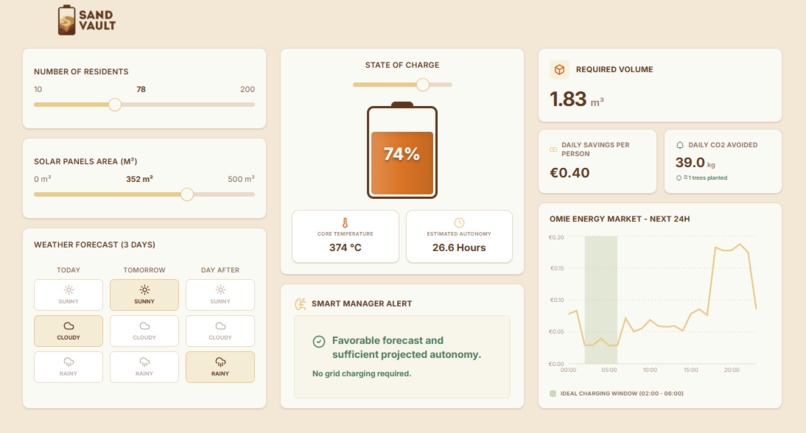
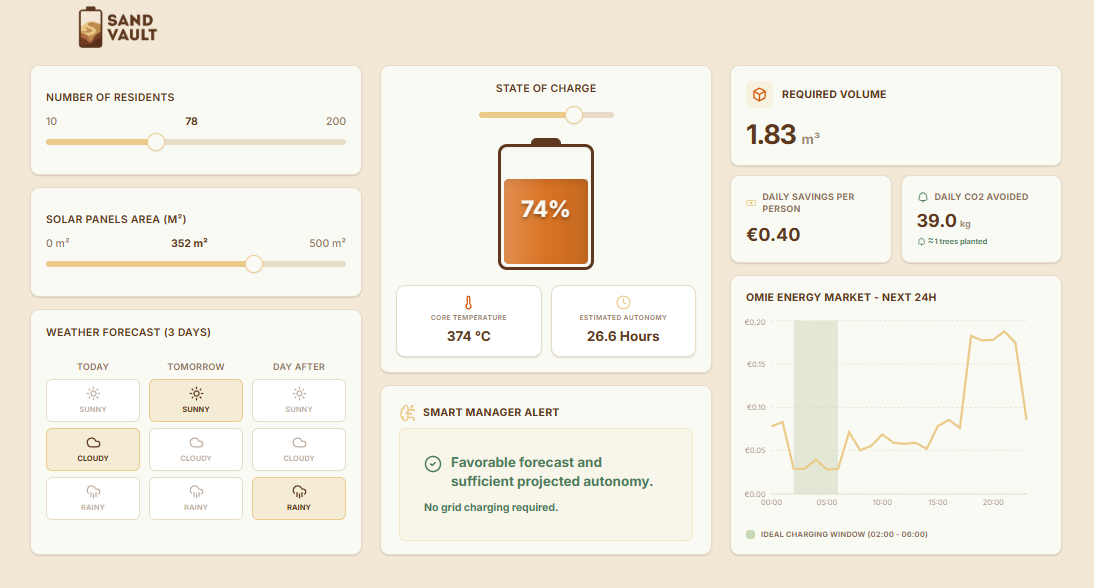
Interactive Dashboard Interface
-
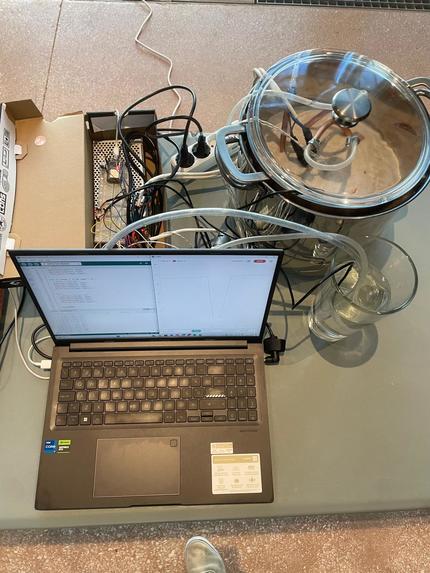
Final Prototype Working
-
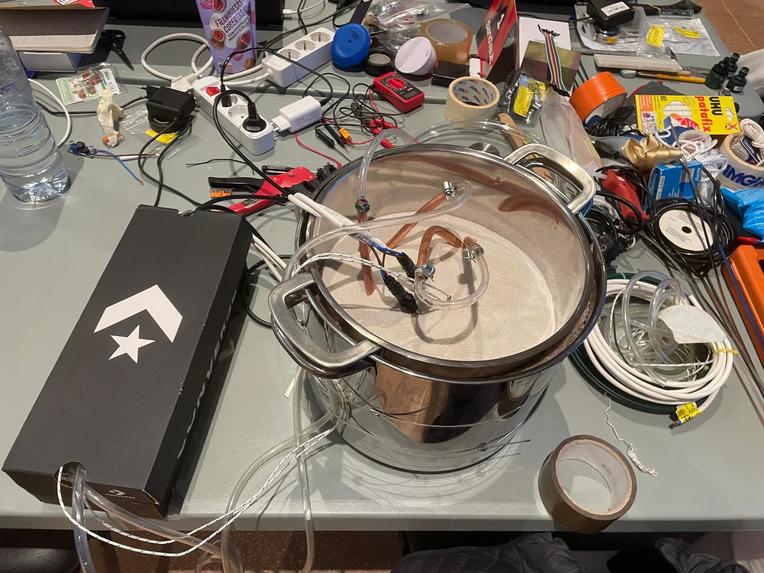
Organizing Cables and Components in the Box
-
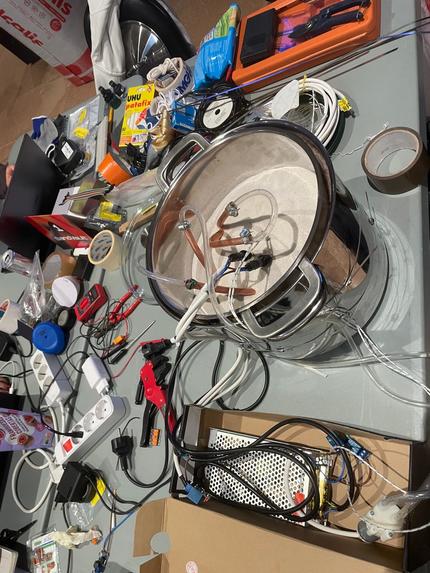
Assembly process near the end
-
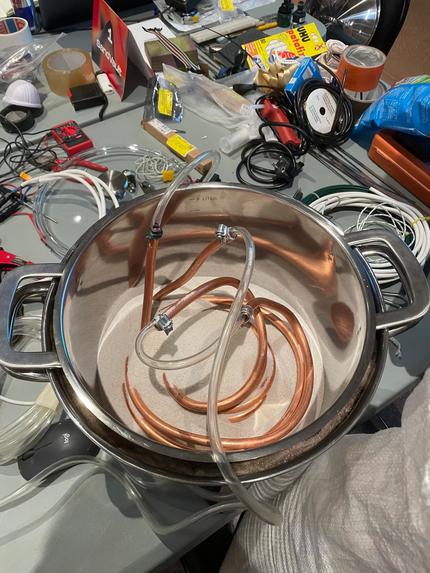
Adding Sand to the Copper Tubes
-
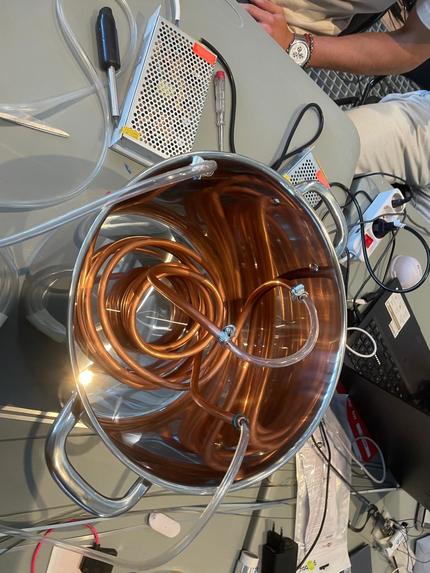
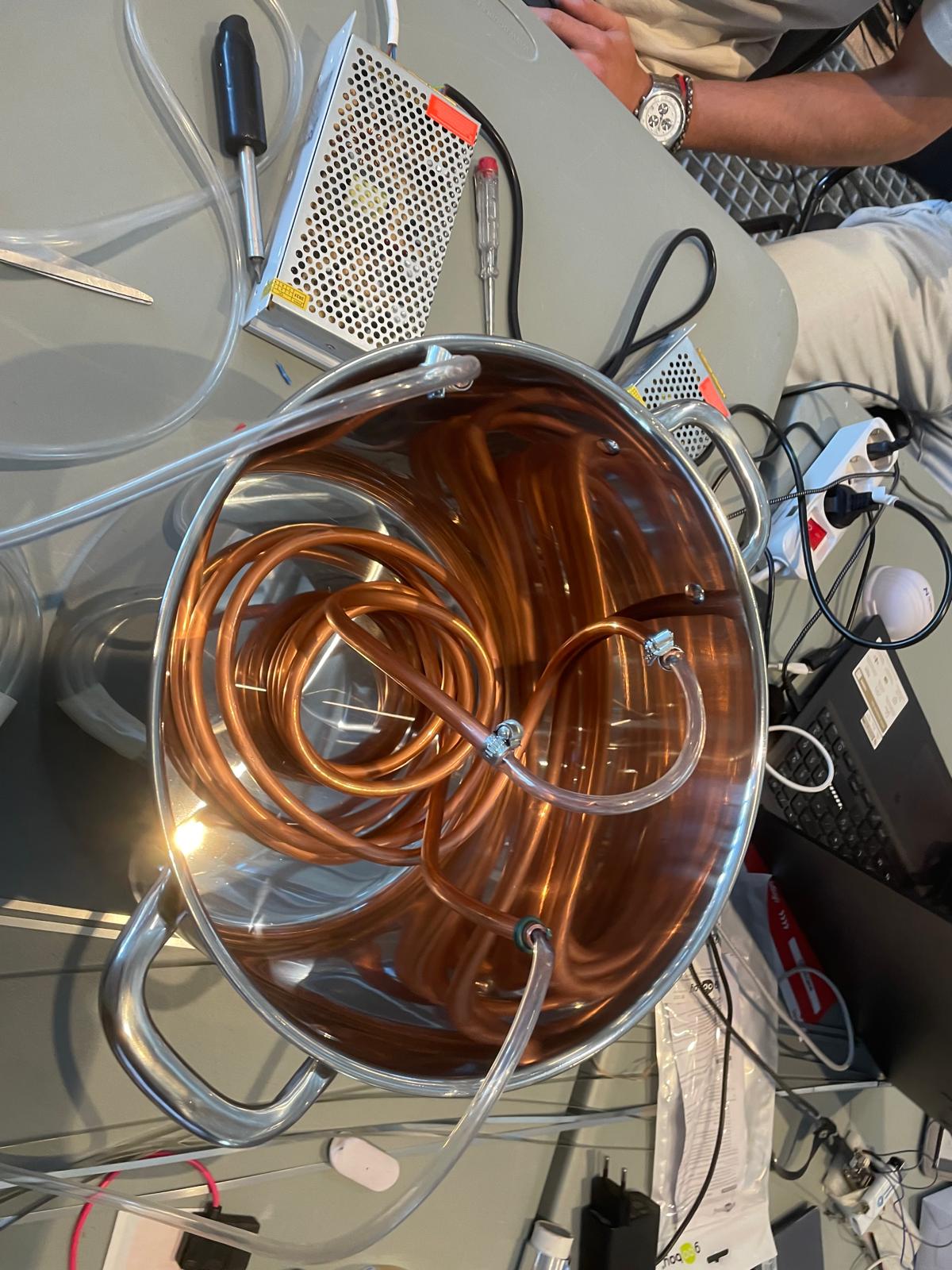
Copper Tubing inside the Pot
-
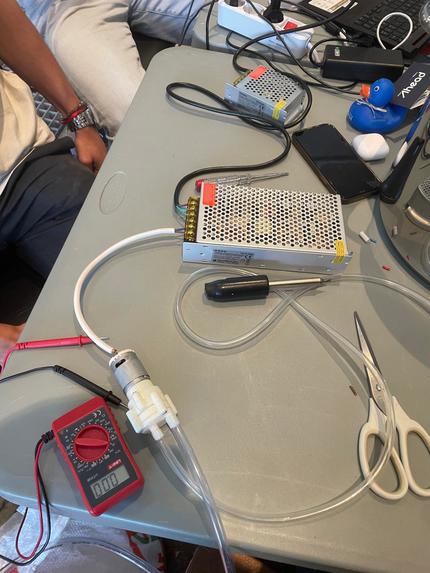
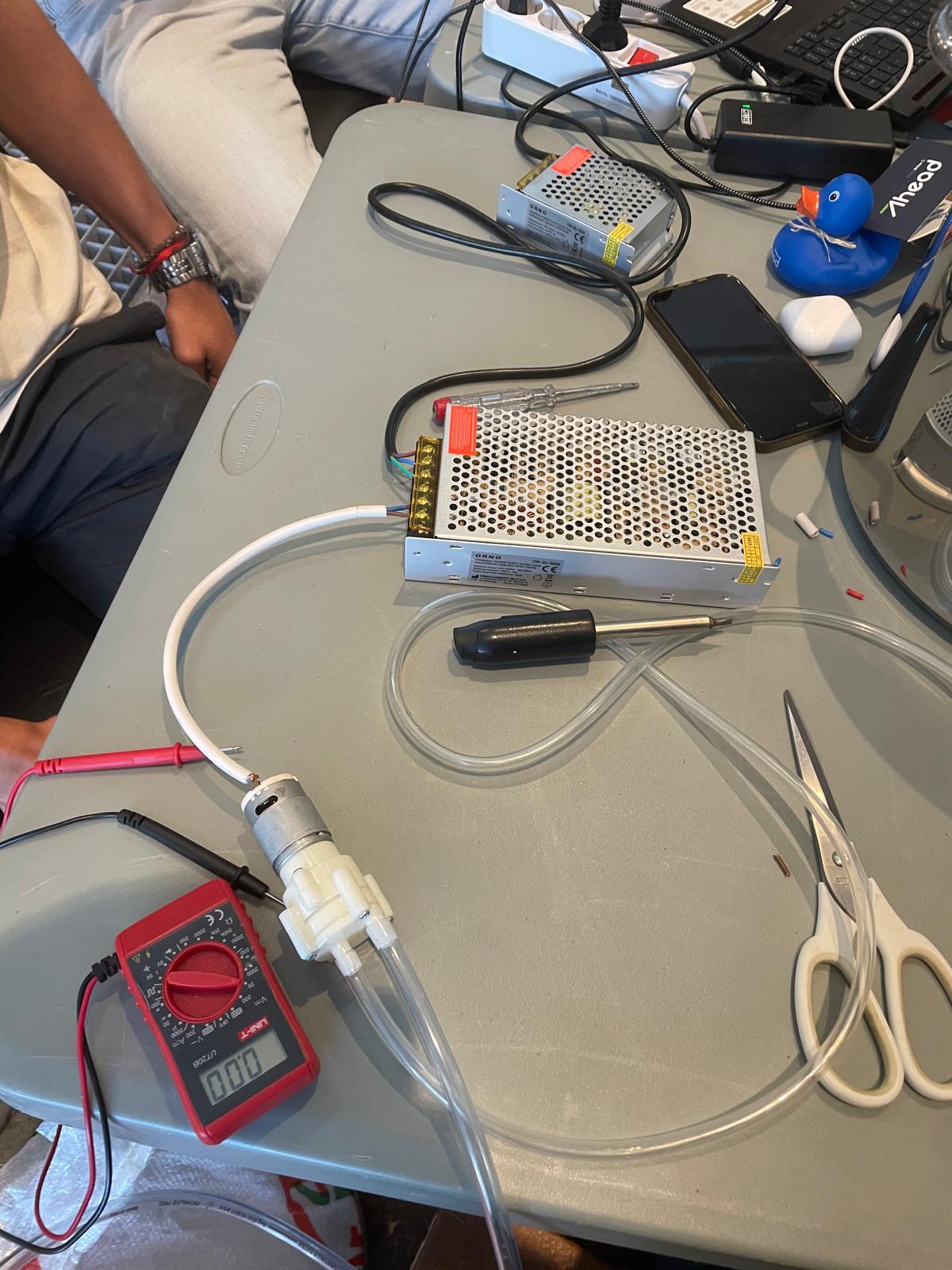
Testing the Water Pump and Tubes
-
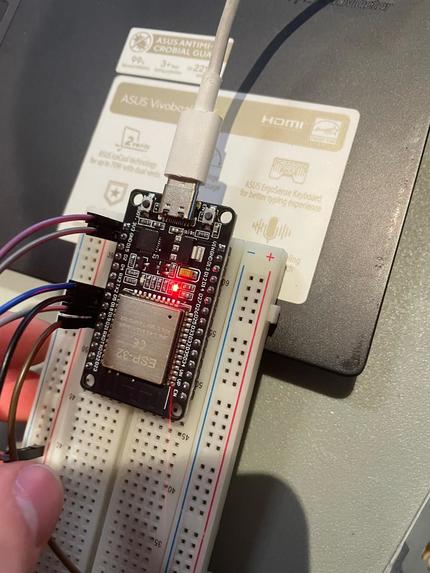
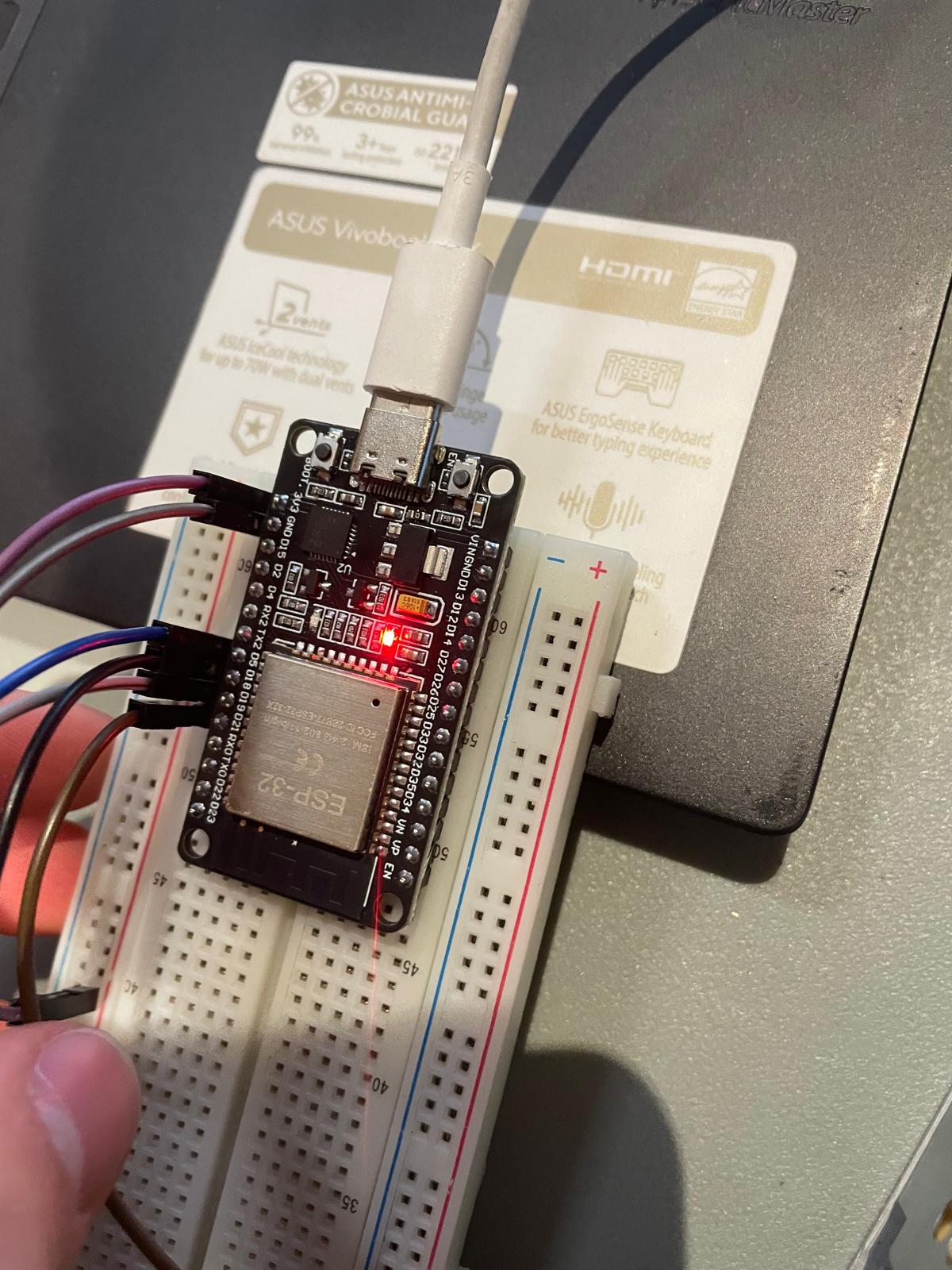
ESP32 Microcontroller Setup
-
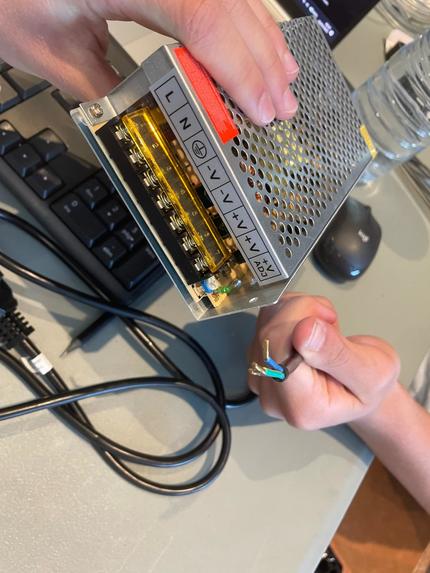
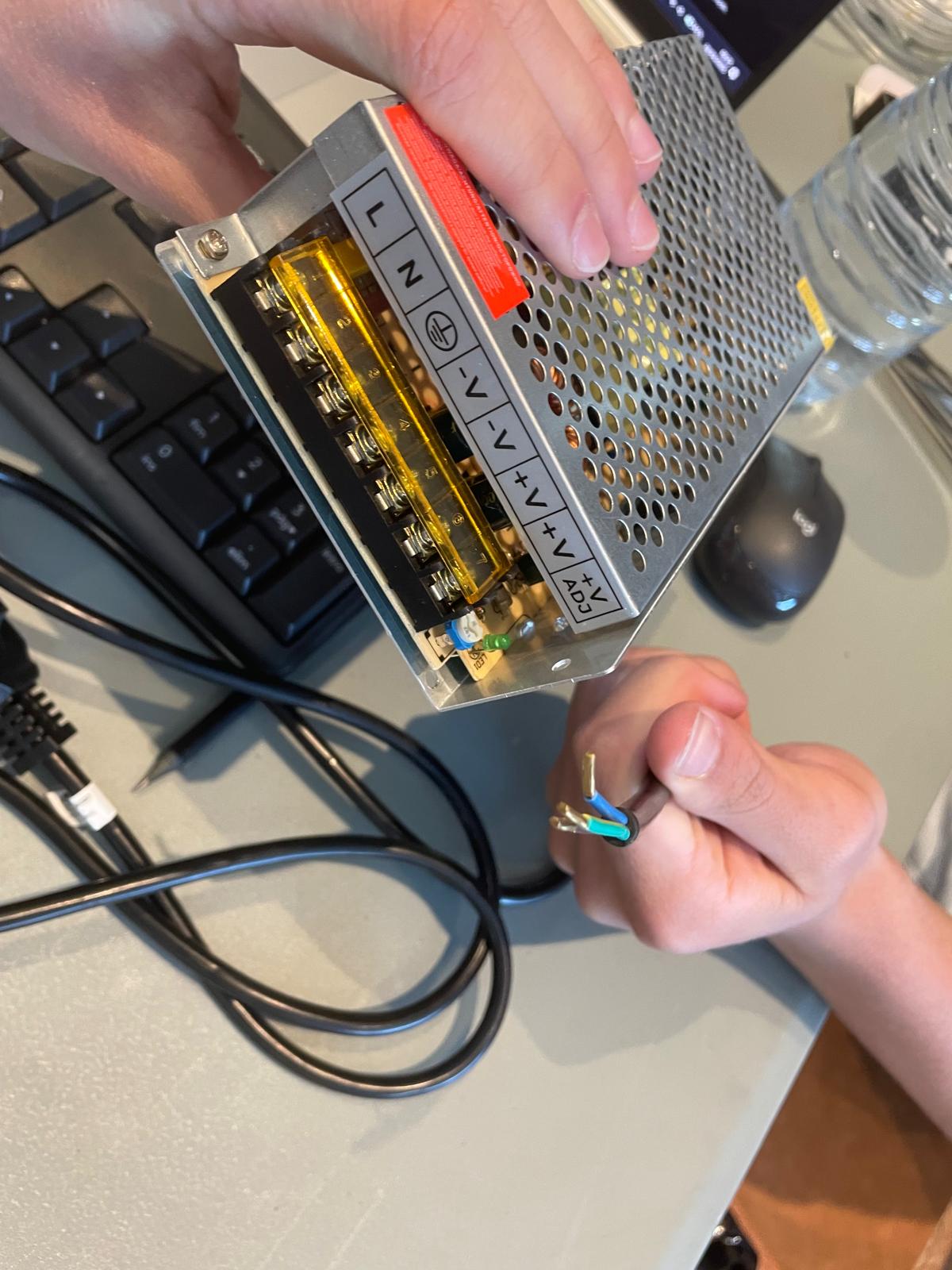
AC/DC Power Conversion (230V-12V)
-
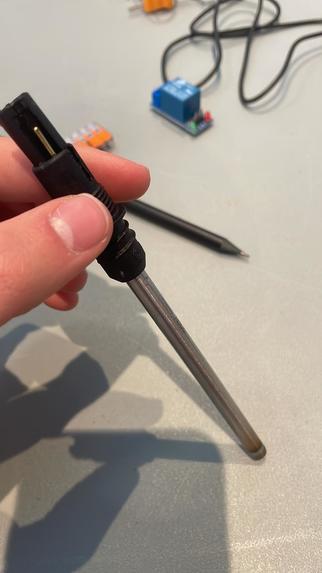
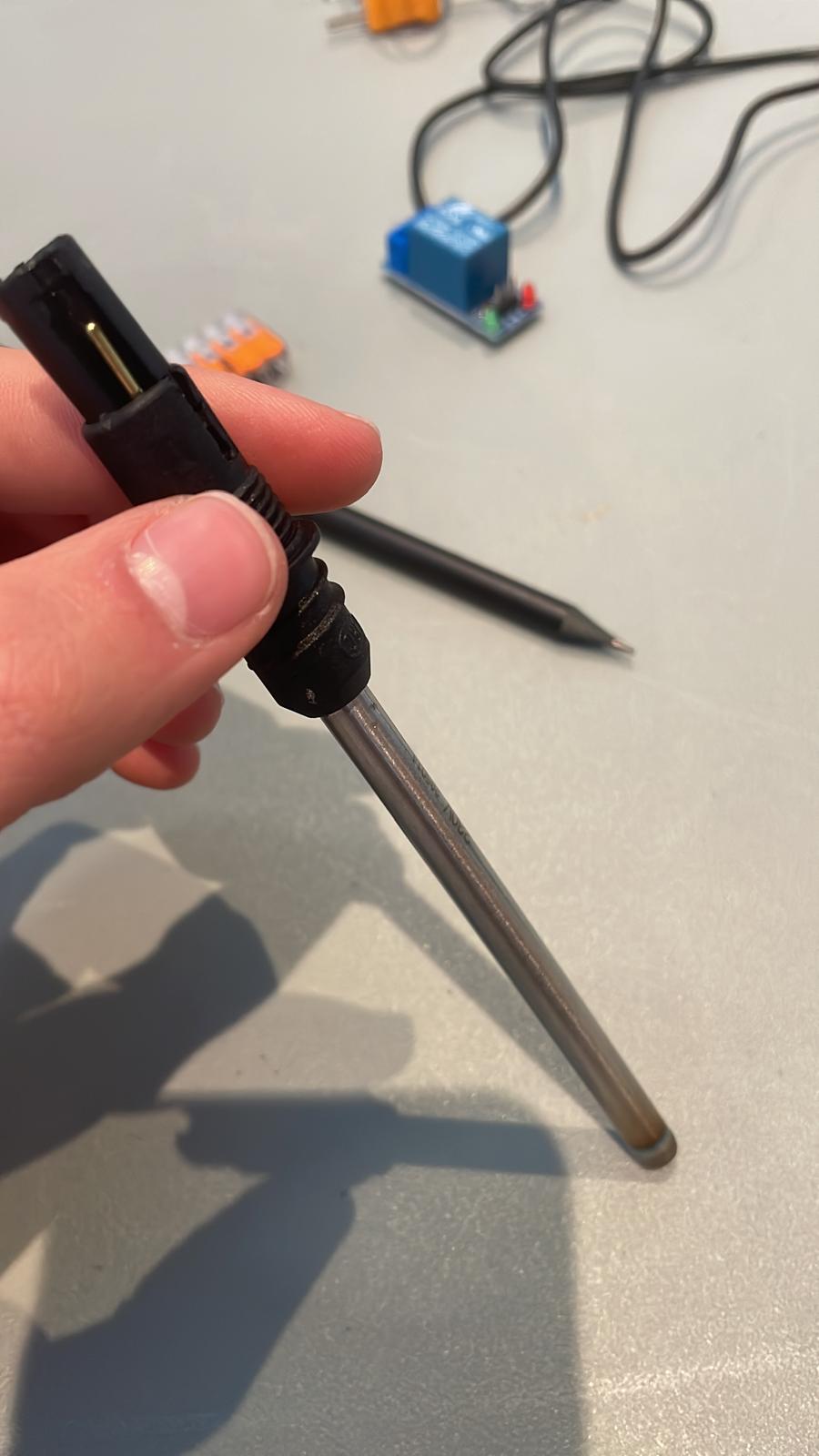
230V Heating Resistor
-
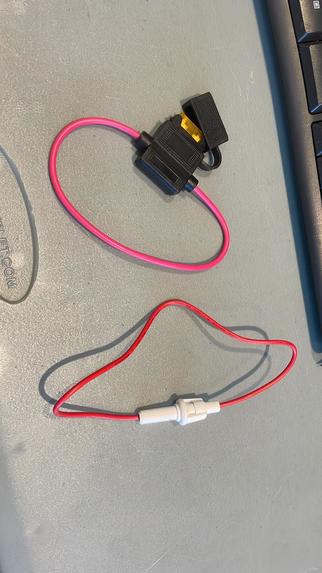
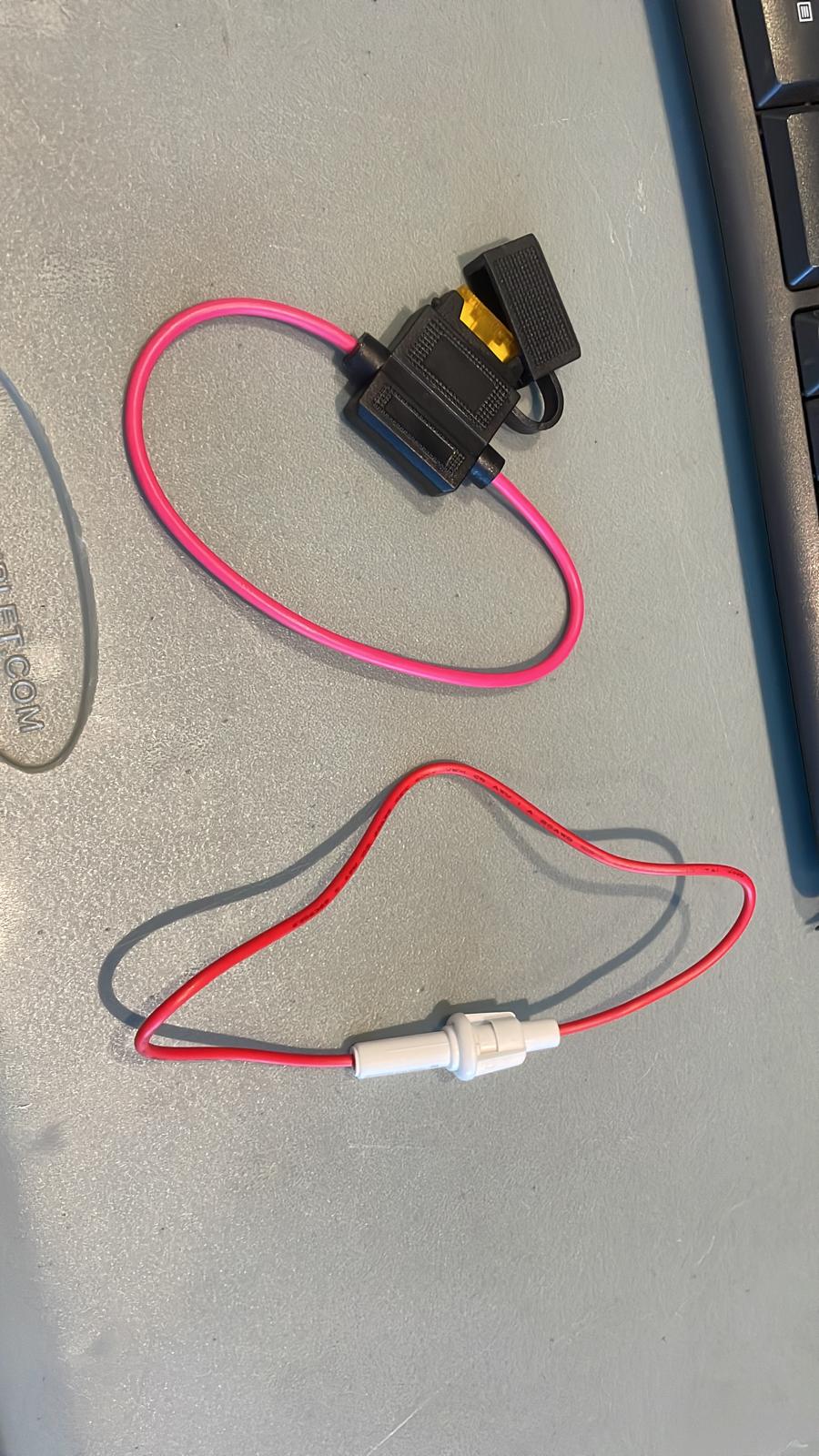
Safety Fuses for the Cables
Inspiration
It all started with a frustrating conversation at home. My father, who had recently installed solar panels on our roof, was complaining about the math: during the day, the system produced a massive surplus of energy that he was forced to sell back to the grid for pennies. Yet, at night, when we actually needed to heat our water and home, we had to buy energy back at premium prices.
This felt like a massive blind spot. We were producing clean energy but still wasting money and relying on the grid when the sun went down.
Determined to find a solution, I started researching how the most energy-progressive nations handle this paradox. That is when I discovered the Nordic approach. Countries like Finland are years ahead in sustainable infrastructure, and I was absolutely fascinated by their massive, industrial-scale sand batteries storing heat for entire villages.
That was the turning point. The physics were brilliant, but the technology was locked behind giant industrial applications. I saw the perfect opportunity to bring this highly advanced thermal storage to my own reality. What if I could democratize it?
I decided to take this proven Nordic concept, shrink it down to fit residential buildings, and, most importantly, give it a brain. By adding an intelligent predictive algorithm to autonomously manage the thermal charging based on market prices, consumer habits, weather forecasts, and the internal battery status, SandVault was born. It turns a frustrating household energy problem into a smart, profitable, and green solution.
What it does
SandVault is a scalable thermal energy management system that bridges the gap between when solar energy is generated and when thermal energy is actually consumed. Designed for scale, it acts as a centralized thermal battery to replace traditional gas boilers and expensive lithium batteries in condominiums and Energy Communities.
The system operates in four core pillars:
1. The Charging Phase (Power to Heat)
During peak sunlight hours, instead of exporting unconsumed solar energy to the grid, SandVault redirects this surplus electricity to internal heating resistors. These resistors are embedded in a heavily insulated core filled with common sand, safely raising its temperature up to 600°C.
2. The Discharging Phase (Heat to Water)
When residents demand hot water for showers, appliances, or central heating, water does not go inside the sand tank. Instead, a smart ventilation system drives air through the superheated sand core. This incredibly hot air then passes through an external air-to-water heat exchanger, safely and efficiently transferring the energy to the building's water supply at the perfect temperature.
3. The Smart Grid Integration (The Brain)
To guarantee 24/7 reliability, SandVault acts as an active energy trader. It runs an underlying predictive logic that continuously monitors weather forecasts, internal thermal reserves, and consumer habits. If the system anticipates a lack of solar energy (e.g., a cloudy week approaching), it automatically scans the OMIE electricity market index. It then schedules grid-charging exclusively during the absolute cheapest hours, ensuring the building always has hot water at the lowest possible cost.
4. The Scale and Business Model
SandVault is engineered for a B2B2C (Business-to-Business-to-Consumer) market approach. Thanks to the Square-Cube Law of thermodynamics, as we scale the tank up for a condominium, its energy capacity grows exponentially faster than its surface area (heat loss). By installing a single, centralized SandVault unit for an entire building block or Energy Community, we provide the core infrastructure to the real estate developers or management entities (B2B), while directly delivering drastically cheaper, 100% decarbonized heating to the families living there (2C).
How I built it
To prove that SandVault is a viable, scalable business and not just a theoretical concept, I split the development into two fronts: building a physical hardware prototype to prove the thermodynamics, and designing an interactive simulation dashboard to validate the economic model and logic.
1. The Physical Prototype (Hardware & Physics)
I needed to prove the fundamental heat transfer formula: Q = mcΔT. While the full-scale B2B2C system uses vacuum insulated panels and air-circulation, for this prototype, I built a scaled-down closed-loop system:
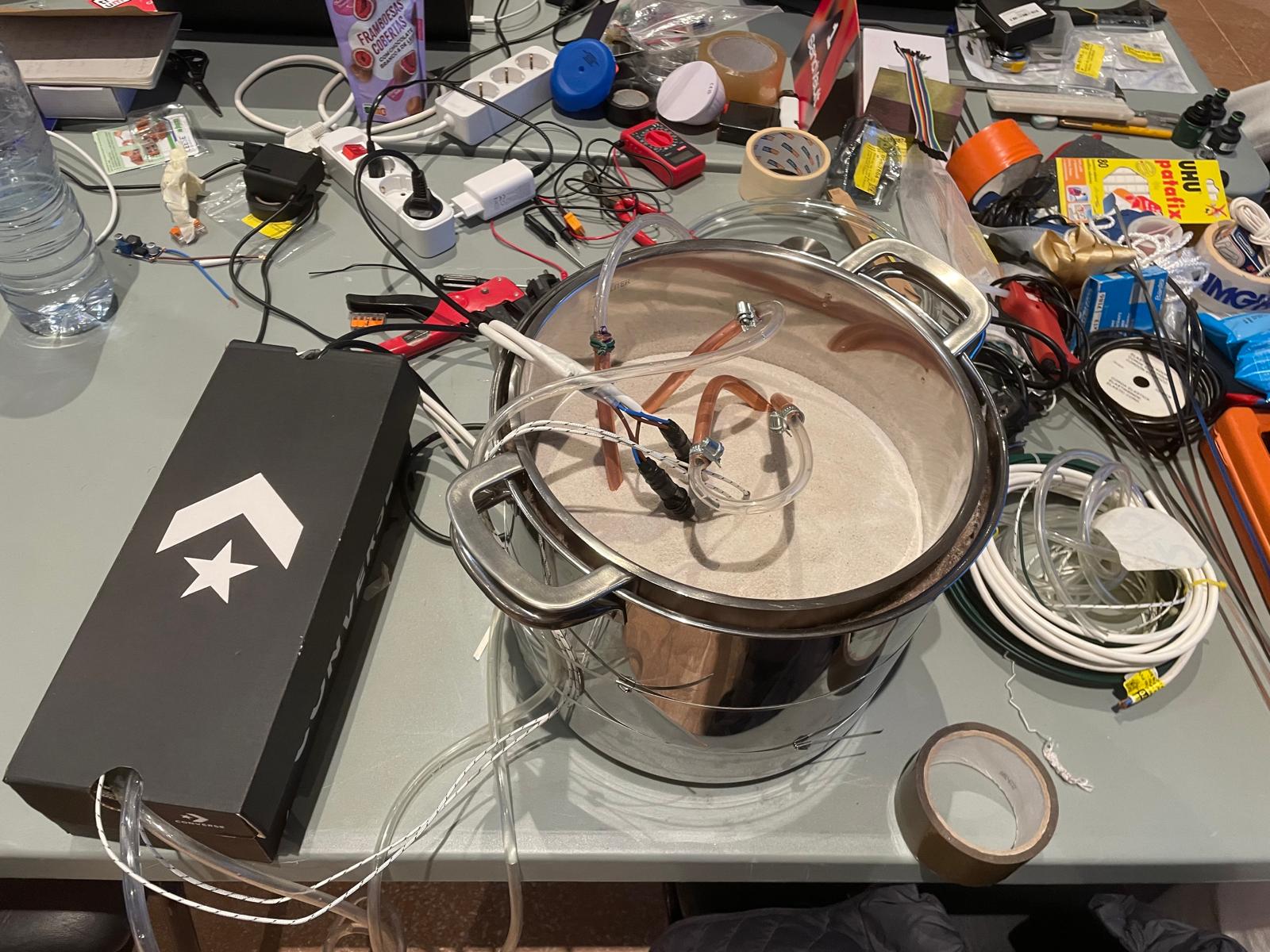
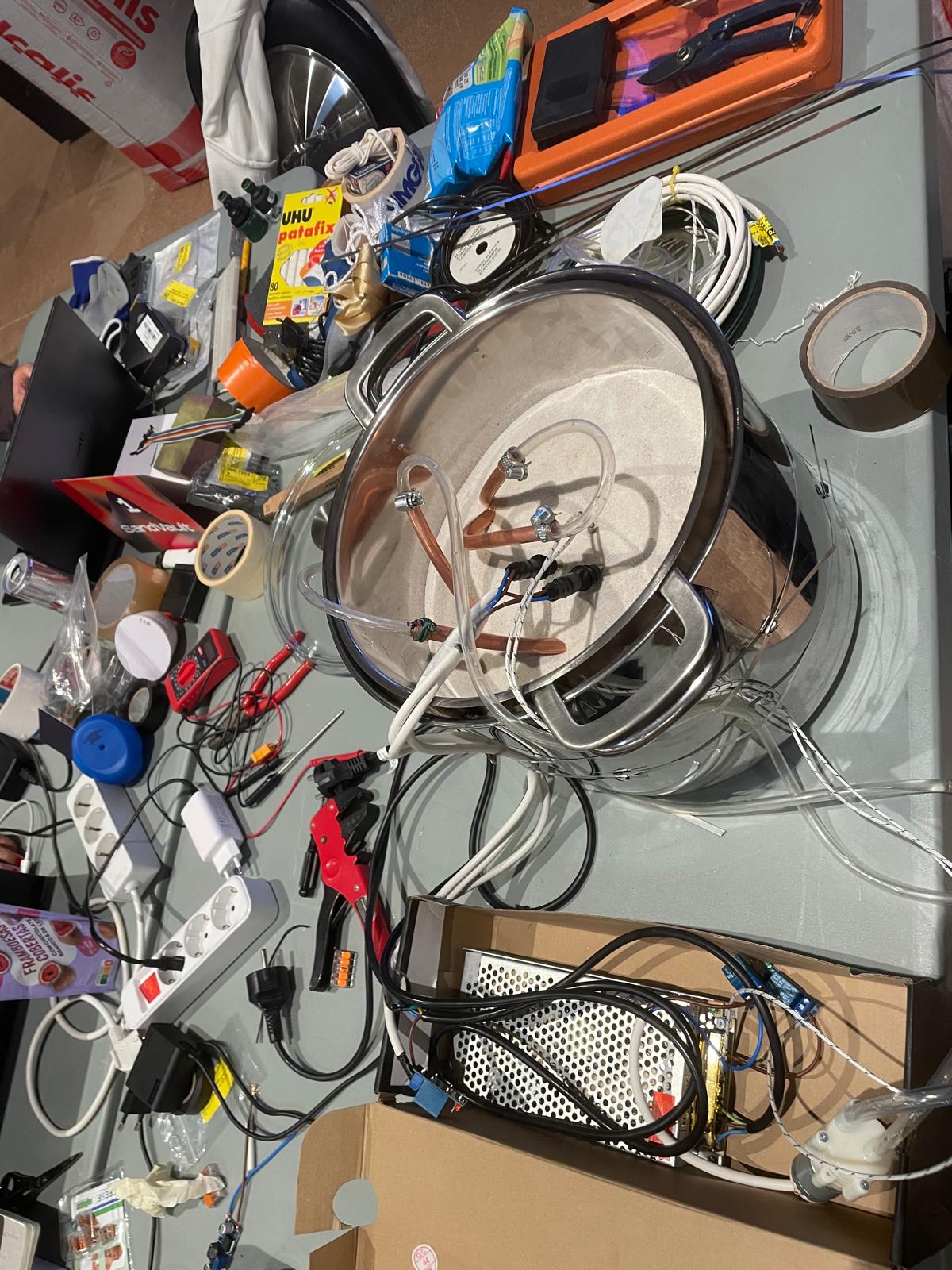
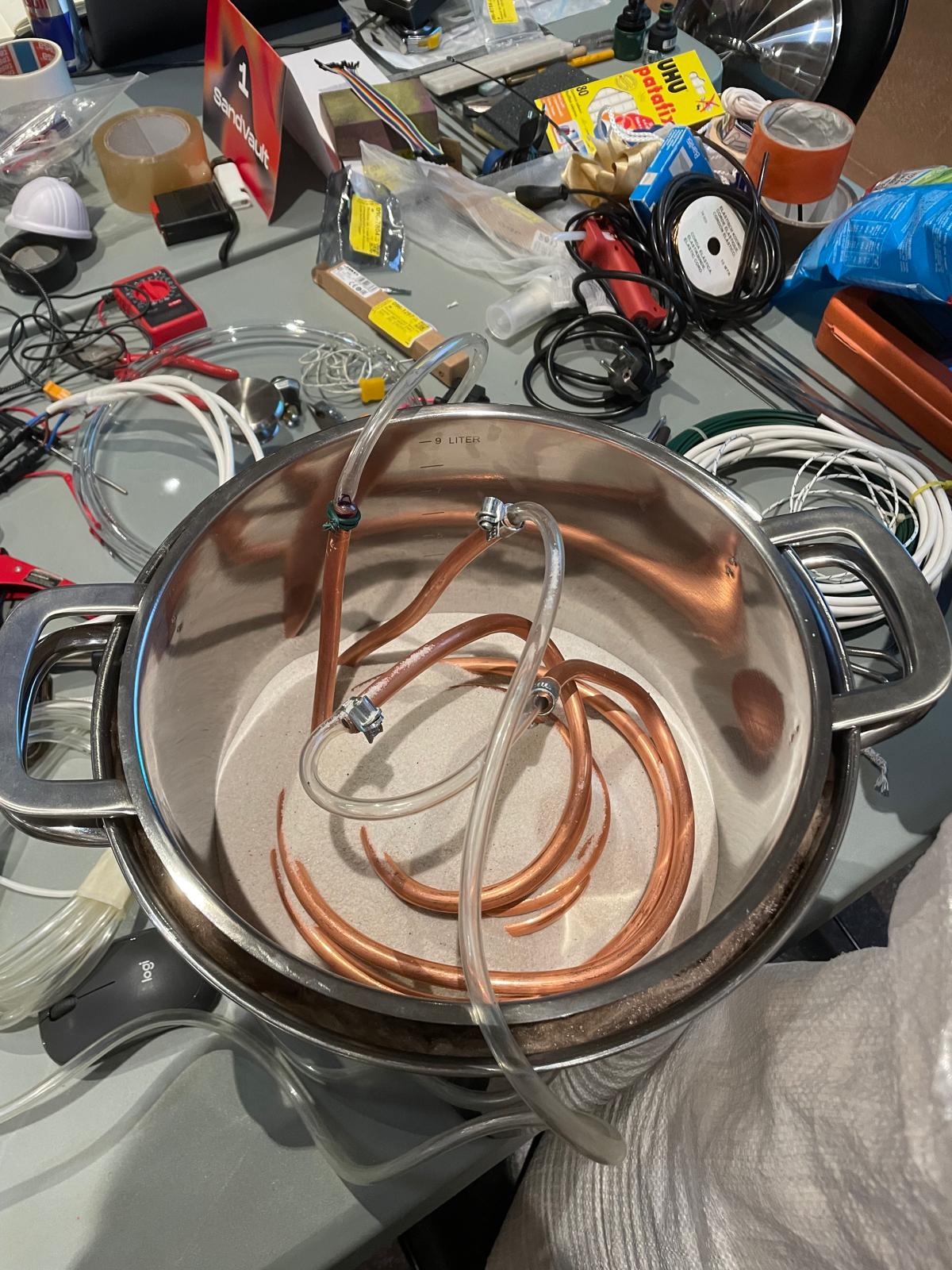
- The Core: I constructed a thermal unit using two nested containers, heavily insulated with rock wool. Inside, I packed 13 kg of sand embedded with electrical heating resistors.
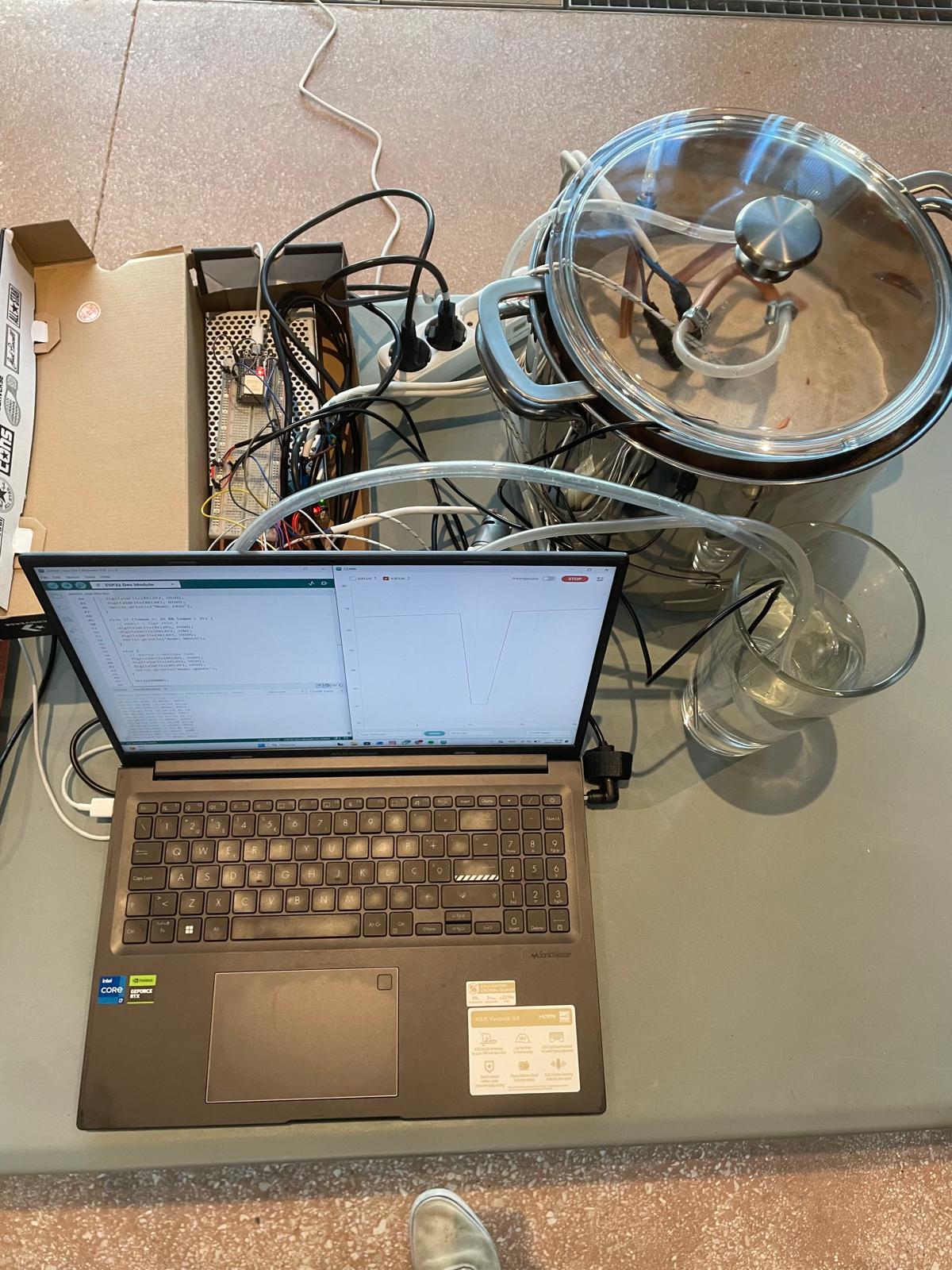
- The Electronics: I wired temperature sensors to an ESP32 microcontroller to monitor the sand's internal temperature in real-time.
- The Heat Transfer: I used a water pump to continuously circulate water through copper and silicone tubing buried directly inside the heated sand.
- The Result: The system quickly pushed the sand to 90°C. When I activated the loop, it raised the water temperature from 20°C to 45°C in roughly three minutes, proving the phenomenal thermal conductivity and retention of the sand.
2. The Simulation Dashboard (UI/UX & Logic)
To prove the viability of SandVault, we built a fully functional Simulation Dashboard. This is not just a visual interface (UI/UX); it runs on a robust physics and economic logic engine that calculates thermal dynamics, financial savings, and environmental impact in real-time.
A. The Baseline Parameters
Every calculation in the dashboard is grounded in real-world data:
- Consumption: 2.5 kWh/day per resident.
- Sand Density: 160 kWh/m³.
- Solar Efficiency: 0.2 kWp/m².
- Weather Multiplier: Solar generation varies dynamically (Sunny = 5h; Cloudy = 2.5h; Rainy = 0.5h).
- OMIE Market Tariffs: 0.16 €/kWh (Normal Grid) vs. 0.04 €/kWh (Off-peak/Madrugada).
- Environmental Impact: The fossil grid emits 0.20 kg CO₂/kWh; planting 1 tree offsets 20 kg CO₂.
B. The Core Physics Engine
The central battery responds directly to the user's inputs based on strict thermal formulas:
- System Sizing: The required volume automatically scales with the number of residents to guarantee a safety baseline of 1.5 days (36 hours) of autonomy.
$$Volume = \frac{Residents \times 2.5 \text{ kWh} \times 1.5}{160 \text{ kWh/m}^3}$$
- Temperature & Autonomy: The core temperature (Tcore) and the Estimated Autonomy are directly tied to the State of Charge (SoC). We assume a base temperature of 15°C at 0% and 500°C at 100%.
$$T_{core} = 15 + \left(\frac{SoC}{100} \times 485\right)$$
C. The Impact Outputs
The metrics on the right side of the dashboard update dynamically to showcase the system's value:
- CO₂ & Trees Planted: Calculates the clean energy generated, multiplies it by the grid's emission factor, and converts the saved emissions into the equivalent number of "trees planted".
- Financial Savings: Calculates the cost difference between relying 100% on the standard grid versus using free solar energy (and occasional off-peak grid charging).
D. The Smart Manager Alert (Predictive Algorithm)
This is the brain of the system. It cross-references the current SoC with a 3-day weather forecast to make autonomous decisions:
- Standby (Green): If the 3-day solar forecast covers the residents' consumption, the system blocks grid usage. 100% free energy.
- Predictive Optimization (Yellow): If rainy days are coming and a negative balance is predicted, the algorithm schedules an automatic grid charge for 03:00 AM, locking in the 0.04 €/kWh OMIE off-peak tariff.
- Emergency (Red): If the SoC drops below 10% or autonomy falls under 2 hours, it overrides all pricing rules and immediately injects grid power to ensure users never run out of thermal energy.
E. OMIE Market Integration
The bottom chart provides visual proof of the Iberian Electricity Market (OMIE) behavior over 24 hours, graphically justifying why our Smart Manager specifically targets the 02:00–06:00 AM window for optimization.
Challenges I ran into
Coming into this hackathon, my hands-on experience with electrical circuits was practically zero, which meant I had to learn everything the hard way. Building the physical prototype brought a lot of real-world hurdles:
- The Electrical Learning Curve: Wiring the components, handling transformers, and dealing with live cables was a completely new world for me. At one point, I actually caused a short circuit while trying to test voltages on the transformer with a multimeter! It was a scary but incredibly valuable hands-on lesson in electrical safety and circuit building.
- Sensor Noise and ESP32 Programming: Programming the ESP32 microcontroller was complicated enough, but getting accurate temperature readings was a nightmare. The sensor data kept showing crazy, erratic spikes and completely random values. After hours of debugging and researching, I finally understood the issue and added a pull-up resistor to the circuit, which beautifully stabilized the signal.
- The Breadboard Cable Jungle: Cable management became a constant struggle. The sheer number of jumper wires connected to the breadboard meant that the setup was extremely fragile. Every time I had to slightly move the physical prototype on the table, a wire would pop out, disconnecting a sensor or a component, forcing me to trace all the connections back to their right pins.
Accomplishments that I'm proud of
I am incredibly proud of turning a complex industrial concept into a working physical reality in just a few days, especially coming in with zero hands-on electrical background.
- Building a Working Thermal Battery: Seeing the physical prototype actually work was a massive win. Watching the water loop temperature rise from 20°C to 45°C in just a few minutes proved that the fundamental physics and my scaled-down design were completely viable.
- Overcoming the Hardware Learning Curve: Successfully debugging the ESP32 sensor noise by figuring out the pull-up resistor solution. Going from accidentally short-circuiting a transformer to having a stable, live-reading microcontroller felt like a huge personal victory.
- Designing the Smart Manager Dashboard: I am extremely proud of the software simulation. Translating complex thermodynamics, OMIE market prices, and the 3-day predictive algorithm into a clean, interactive UI/UX in Figma proves that SandVault is not just a science experiment, but a viable, user-centric product.
What I learned
I learned a massive amount across multiple disciplines in record time:
- Practical Electronics: I learned the hard way how to properly wire an ESP32, the crucial role of pull-up resistors in stabilizing noisy sensor data, and why breadboard cable management is a matter of life and death for a prototype.
- Applied Thermodynamics: I learned that translating physics into reality is tough, but seeing the Q = mcΔT formula come to life by successfully transferring heat from 90°C sand to water was an incredible lesson in thermal energy.
- The Physics of Business Scaling: I learned the true power of the Square-Cube Law. Because volume (energy capacity) grows faster than surface area (heat loss), I realized this technology is exponentially more efficient and profitable when scaled up for B2B Condominiums and Energy Communities rather than single homes.
- Rapid UI/UX Prototyping: I learned how to effectively use AI prompting to structure complex mathematical logic and seamlessly integrate it into a Figma prototype, proving you can validate a complex product experience without hardcoding an entire backend.
What's next for SandVault
The immediate next step for SandVault is scaling up from our laboratory prototype to a real-world B2B2C pilot. Our goal is to build a full-scale centralized thermal battery specifically designed for a condominium or a local Energy Community, allowing us to truly capitalize on the thermodynamic efficiency of the Square-Cube Law. Simultaneously, we plan to transition our Figma simulation into a fully functional software backend, integrating real machine learning models that can learn a building's specific water consumption habits down to the minute to further optimize our predictive OMIE market purchasing. Ultimately, our vision is clear: we want to completely eliminate residential reliance on fossil fuels like gas boilers, replacing them with a sustainable, circular-economy solution that doesn't just save the planet, but actively puts money back into the consumer's pocket.

Log in or sign up for Devpost to join the conversation.