Inspiration
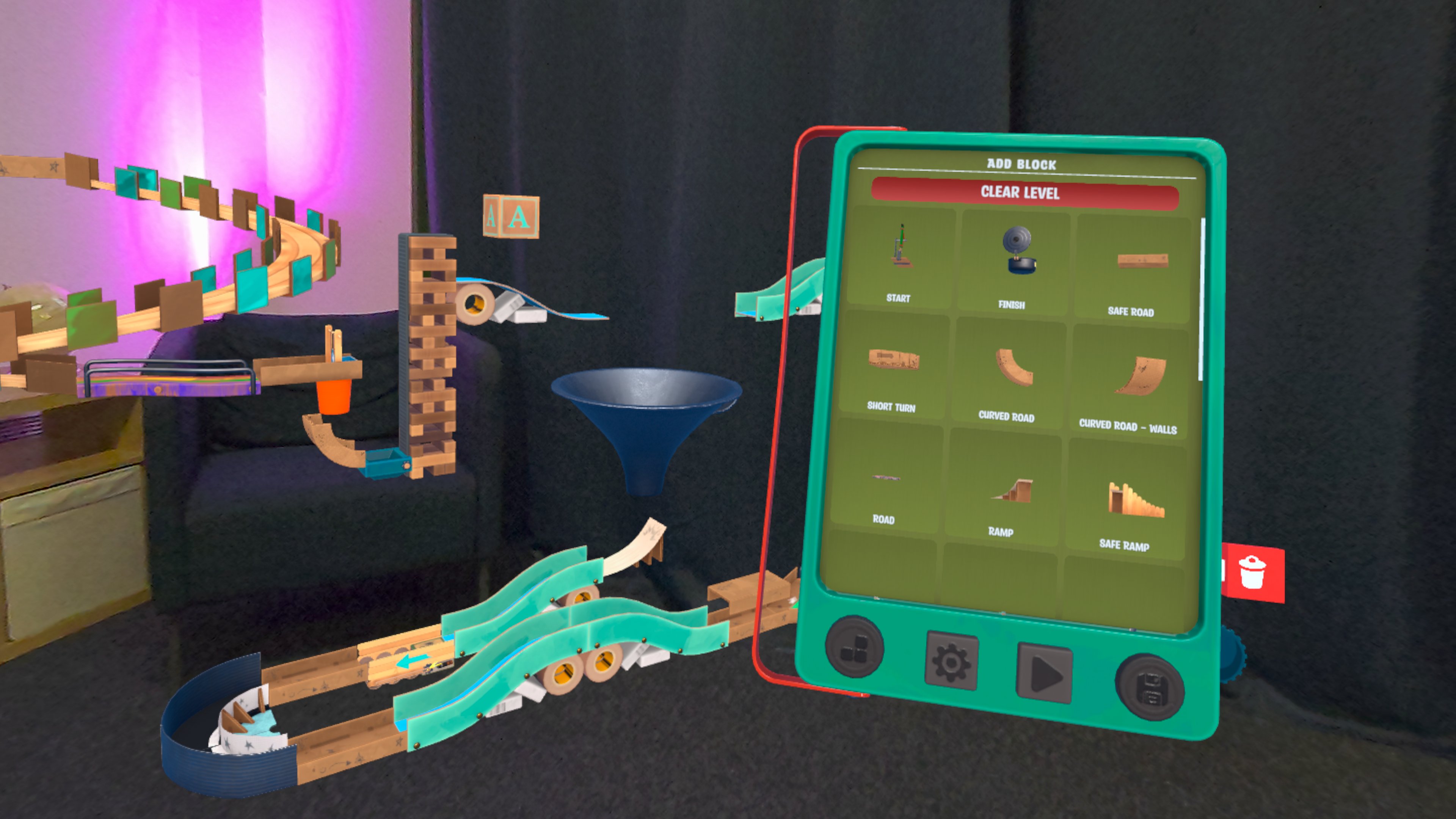
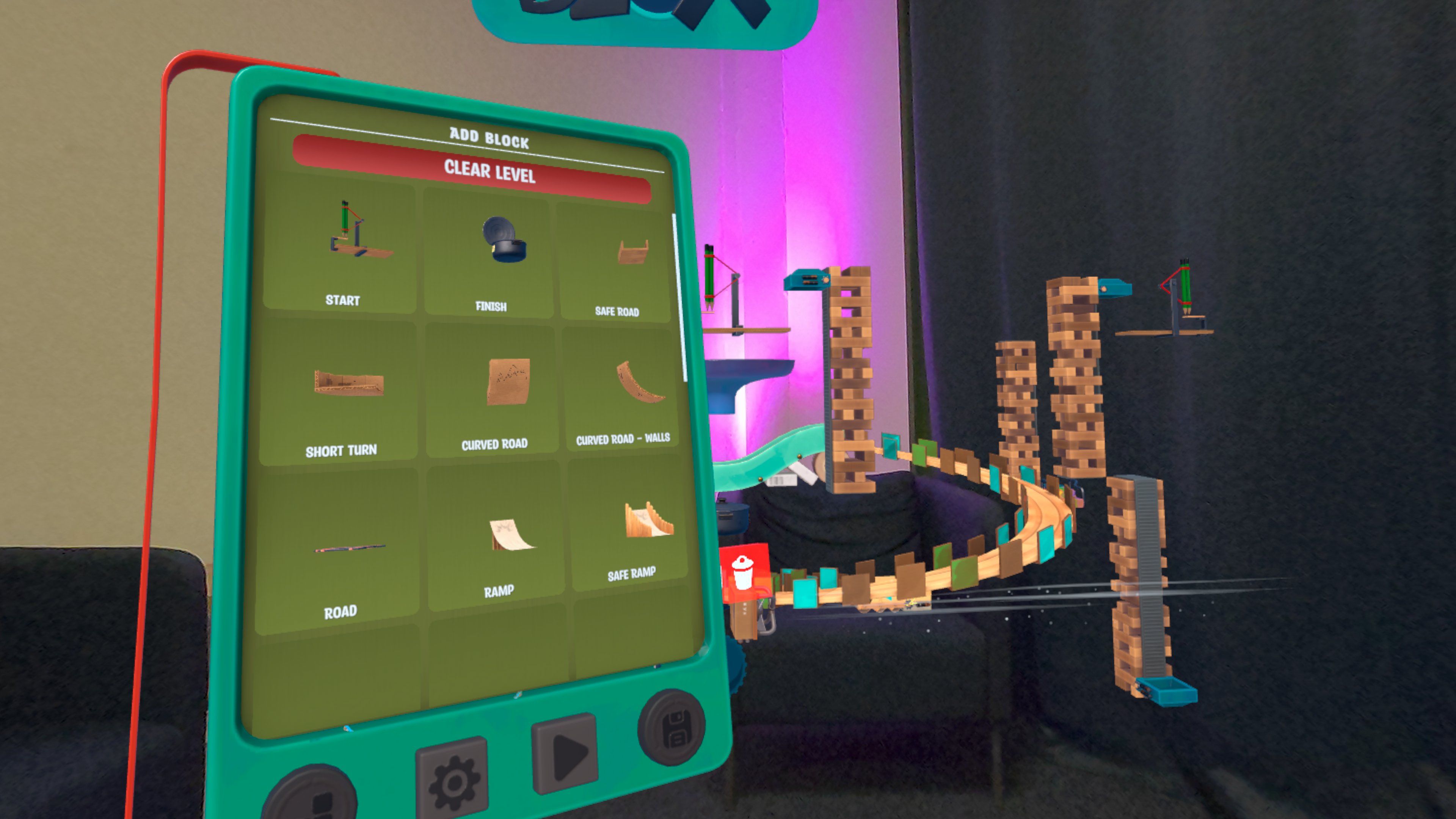
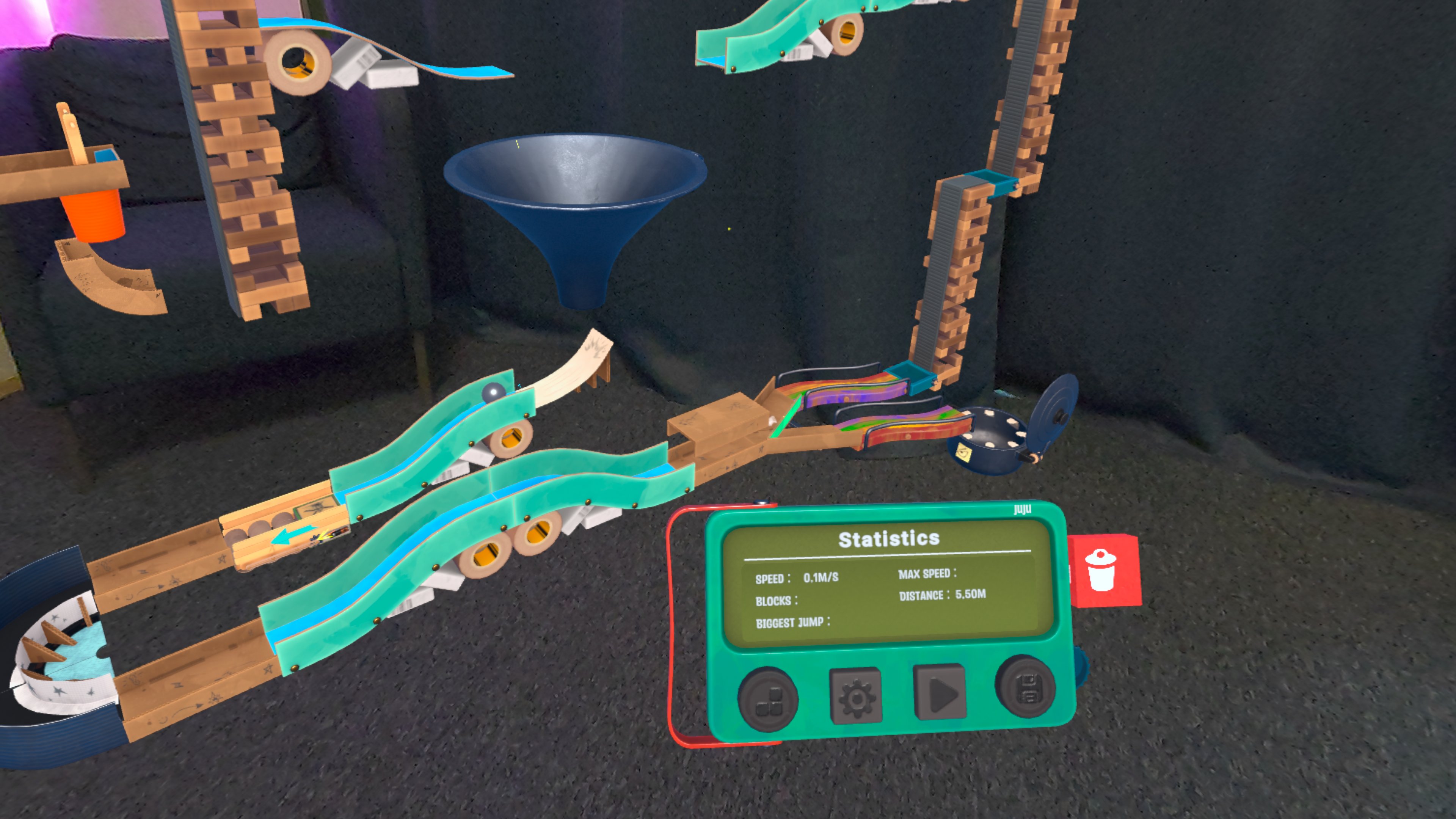
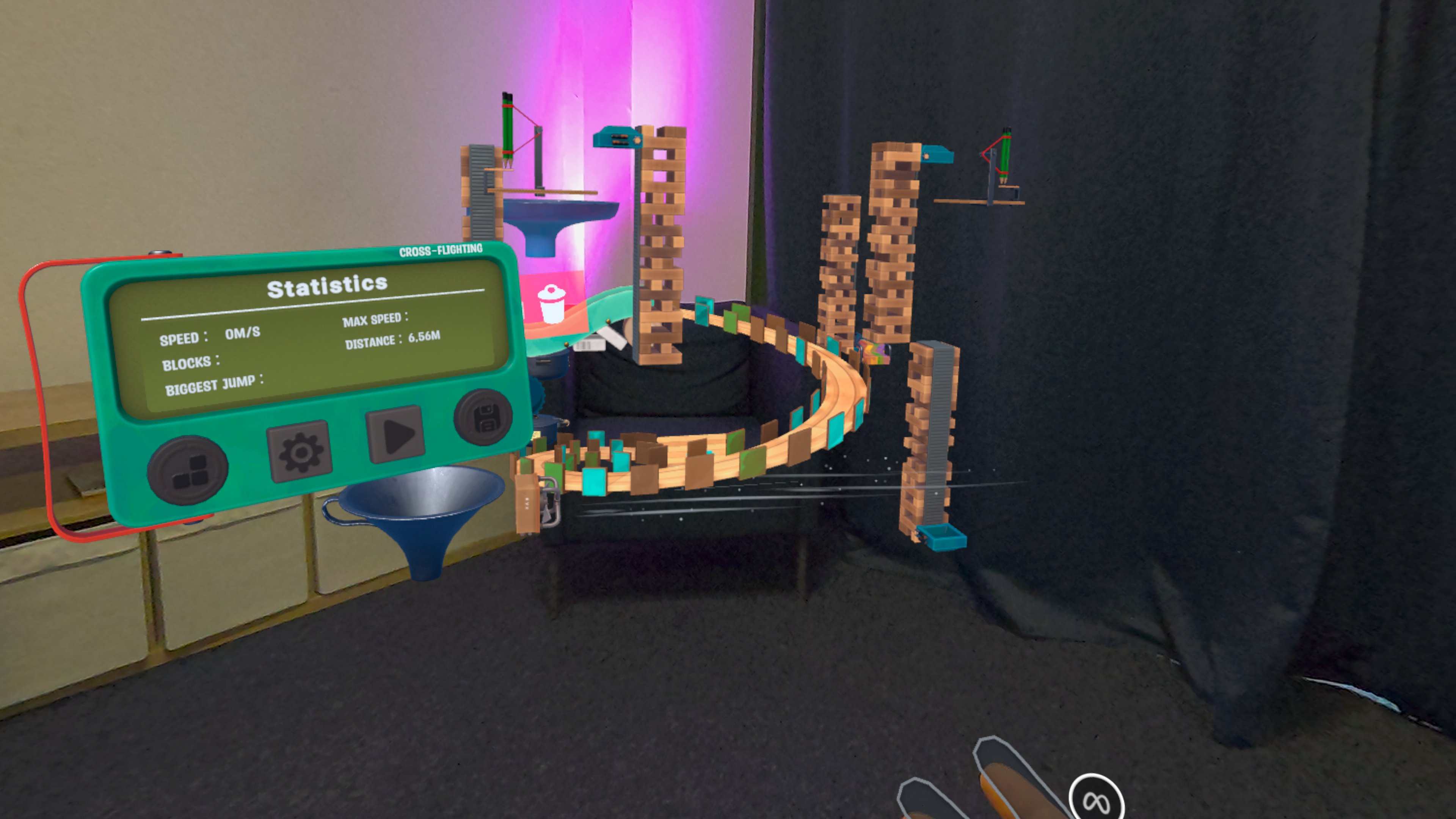
SandBlox started as a game for Apple Vision Pro, a headset with no controllers, only your hands. We wanted something you play leaning back on your couch: grab a few blocks, snap together a marble run on your coffee table, let go of a marble and watch it roll. A calm, physical toy more than a game.
We shipped it in 2024, but we hit two walls. Unity's pipeline on visionOS limited what we could do with shaders, lighting and atmosphere (also blendshapes), and the headset's install base was too small to keep investing. So we put the project on hold.
Meta Quest gave us a reason to bring it back. Hand tracking there is fast and precise enough for fine manipulation, and we have full control over rendering, so we can finally build the cozy, warm mood we had in mind from day one.
How we built it
- Engine: Unity, reusing the core gameplay from the Vision Pro version (block system, physics, level format).
- Interaction: rebuilt on Meta's hand tracking: pinch to grab, wrist rotation to orient, release to place, with magnetic snapping so tracks line up without frustration.
- Mixed reality: passthrough puts your marble run in your own living room, anchored to your table or floor.
- Rendering: now that the visionOS constraints are gone, we rewrote materials and lighting with custom shaders and post-processing to get the relaxed, tactile look we wanted.
- Sharing: levels are serialized, so tracks can be saved, shared and replayed by friends.
Challenges
- Hands-only precision. Without buttons, every action has to be readable from a gesture. Making grabbing, rotating and snapping feel forgiving, and avoiding accidental pinches while you're slouched on a sofa, took a lot of iteration.
- Stable physics. Marbles are small, fast objects. Keeping them on the track at every speed, without tunneling or jitter, meant careful tuning of colliders, timesteps and block geometry.
- Porting without starting over. We had to separate the gameplay code from the visionOS input and rendering layers so the core could carry over to Quest.
- Comfort. A "chill" game has to stay comfortable for long sessions, which meant no arm-fatigue poses and keeping all interactions within easy reach.
What we learned
- Hand tracking works best when it's slow, forgiving and physical. Users should feel like they're touching toys, not using a UI.
- Atmosphere matters as much as mechanics for a relaxing experience, and the rendering freedom on Quest changed the feel of the game.
- Our first version showed us onboarding is critical: users found the first tutorial step confusing, so this time we teach every gesture through play instead of instructions.
- Designing for one platform's limits and then removing them made it clear what the core of SandBlox really is: your hands, a few blocks, and a marble rolling across your living room.

Log in or sign up for Devpost to join the conversation.