-
-
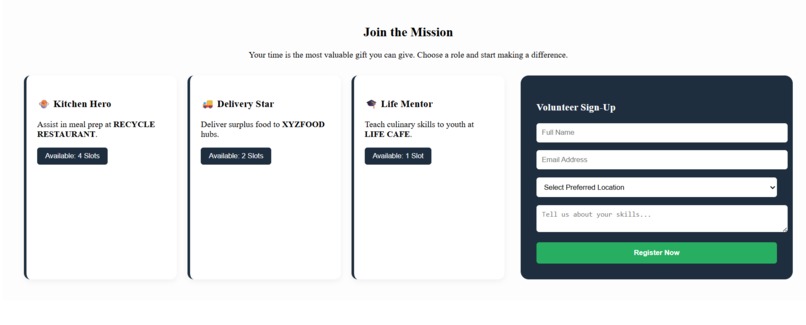
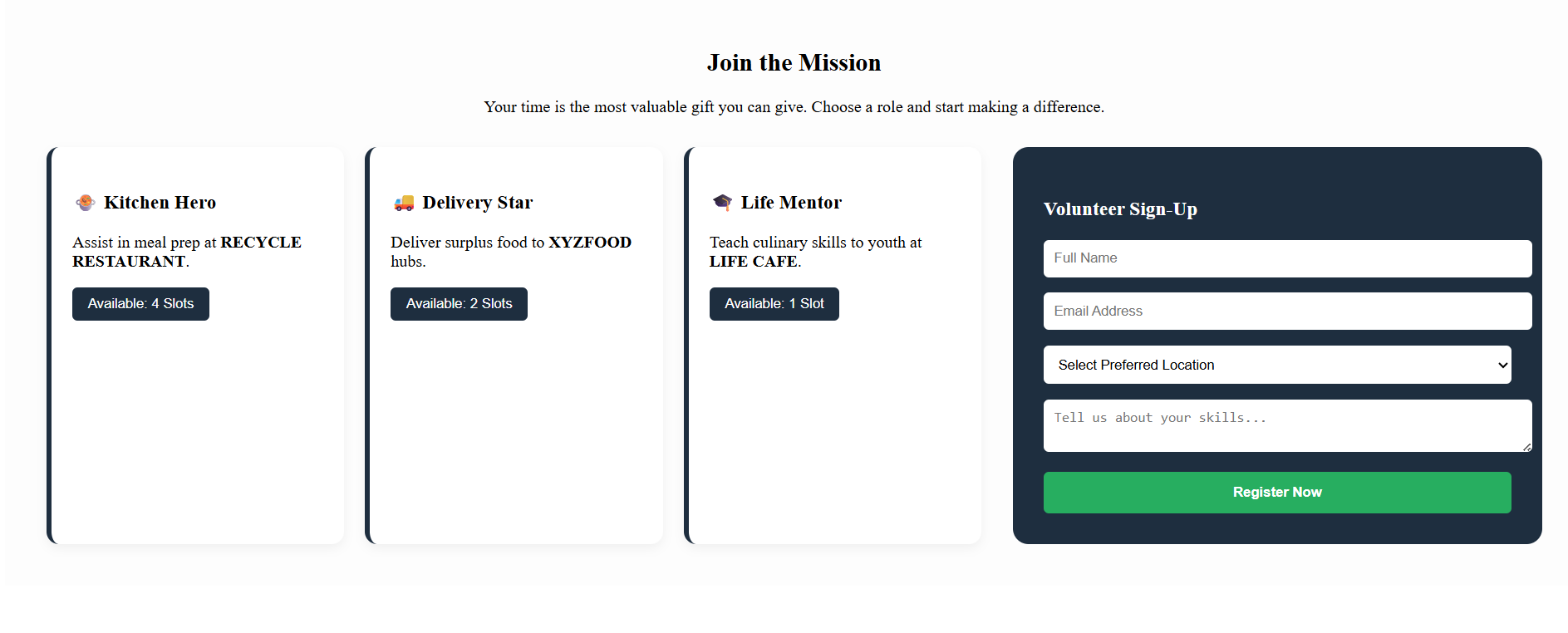
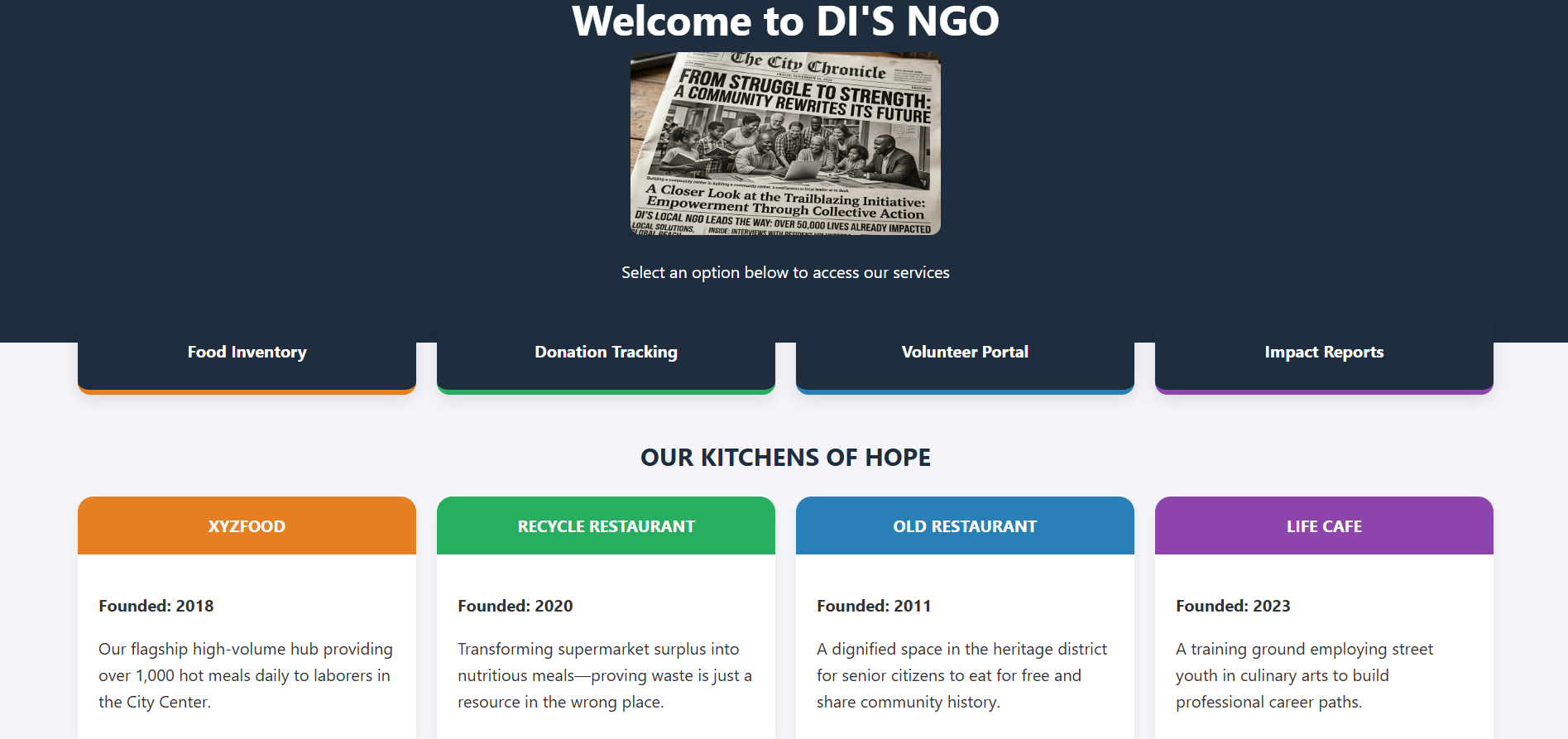
Here if a person wishes can join the mission for sustainable development
-
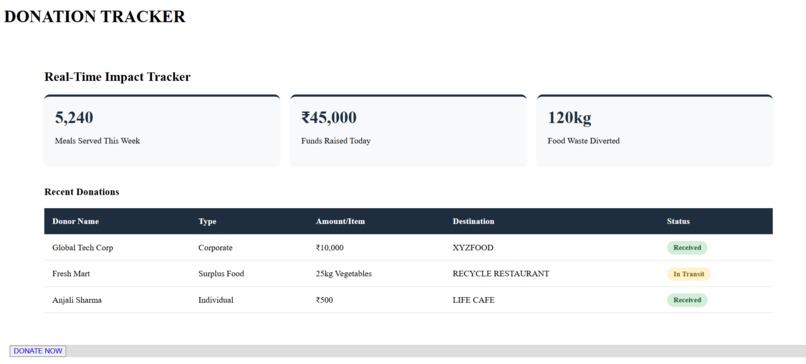
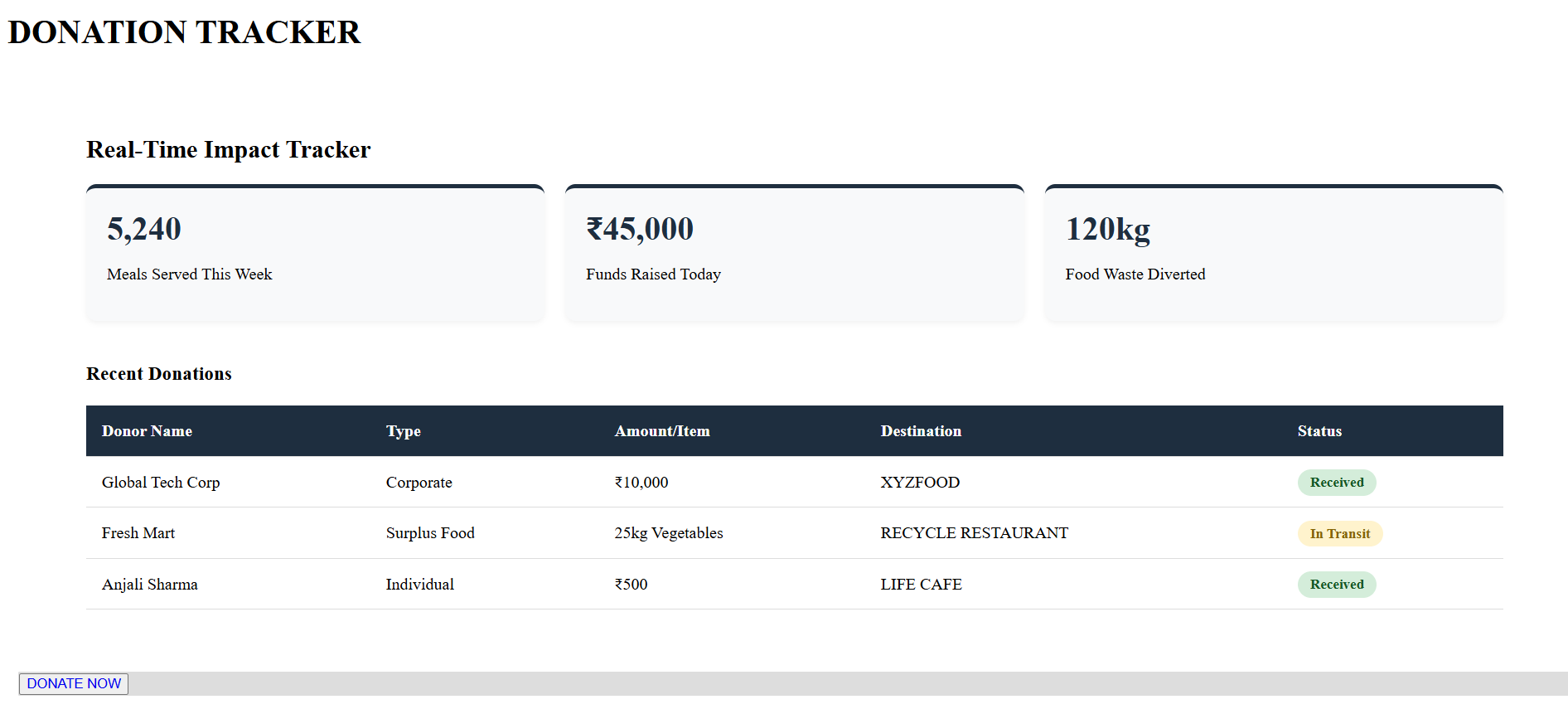
Here if a person wishes can donate for the humanity..
-
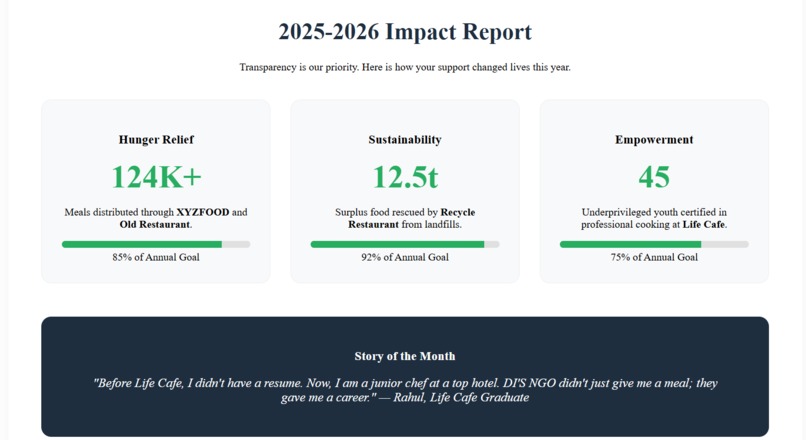
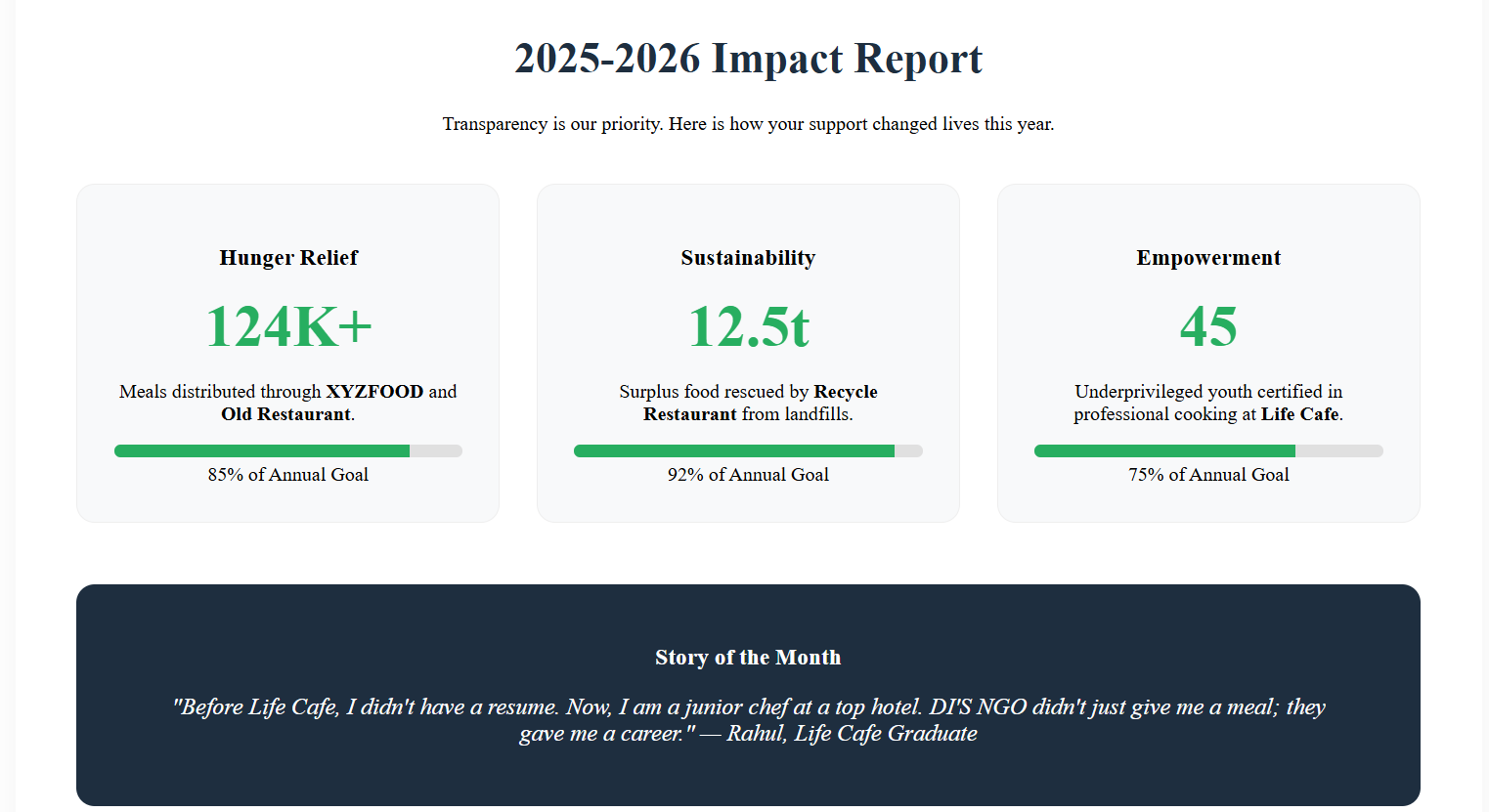
This is the site where you can access the impact reports of the organization
-
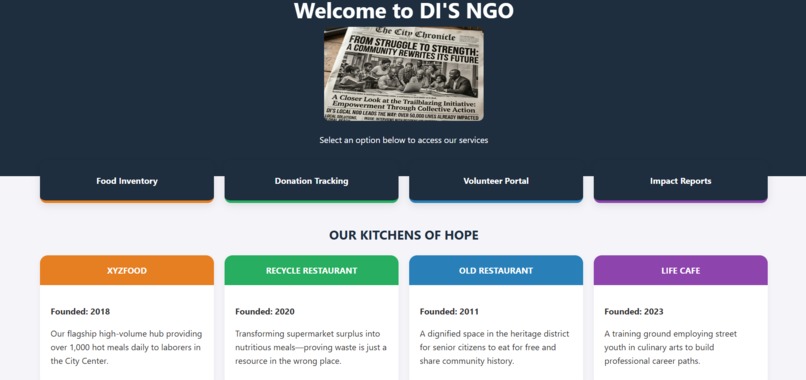
This is the dashboard where you can access various services..
-
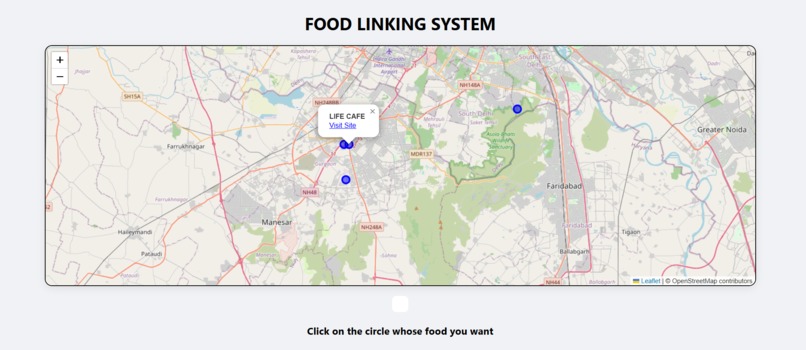
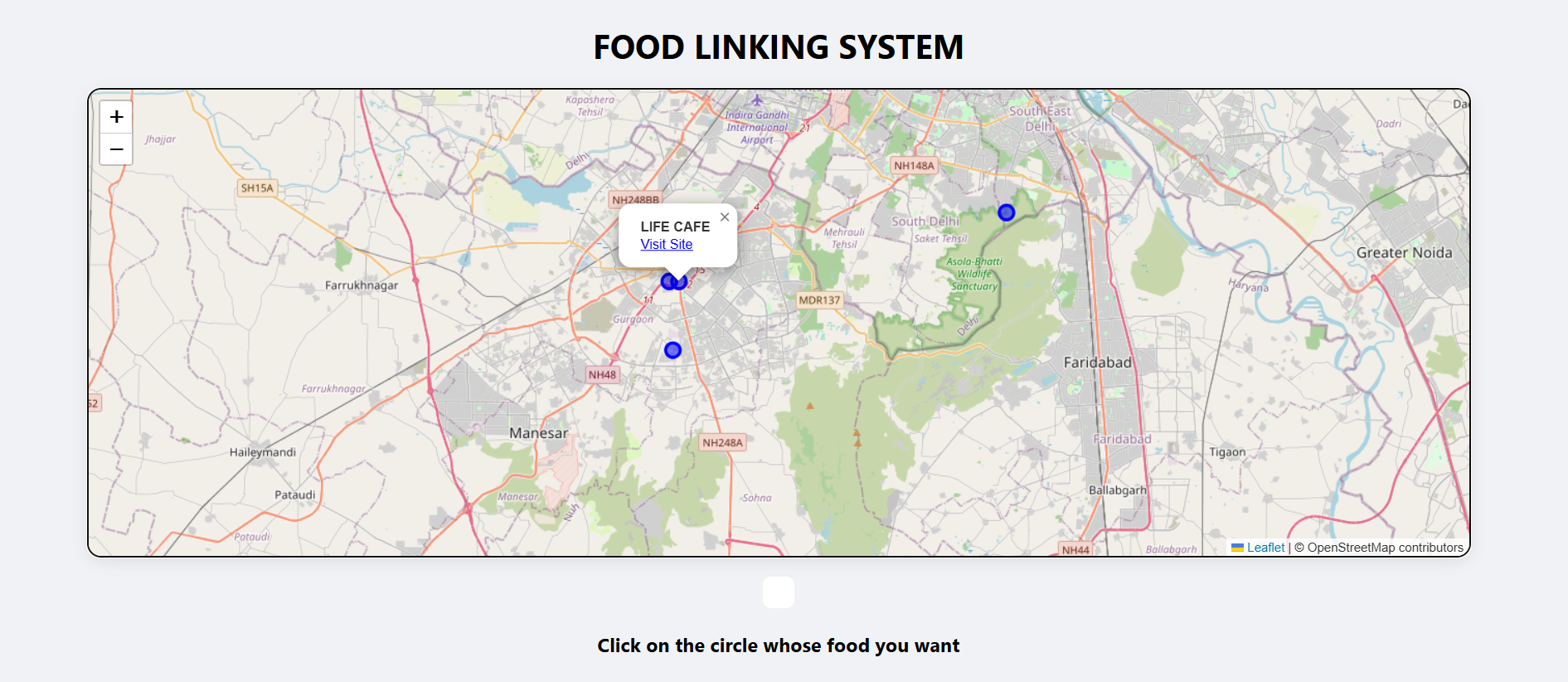
This is the site where you could find the area where there is left over food and then you can access that ..
Inspiration
We live in a world of paradoxes where millions go hungry while one-third of all food produced is wasted. We noticed that most waste happens not because of a lack of will to donate, but because of a lack of infrastructure. We wanted to build a "Plate Protector" system that treats food waste as a logistical problem solvable with technology, turning an environmental burden into a community resource.
What it does
The platform acts as a real-time bridge between food providers (restaurants, event planners, hostels) and NGOs. It allows donors to list surplus food with "shelf-life" timestamps. The system then uses a proximity-based algorithm to alert the nearest NGO or community kitchen. It also includes a Sustainability Dashboard that tracks the carbon footprint saved by preventing food from hitting landfills.
How we built it
The project was built using a robust stack designed for speed and reliability:
Frontend: React Native for a cross-platform mobile experience, ensuring ease of use for NGO volunteers in the field.
Backend: Express to handle high-frequency logistics and real-time updates.
Key Feature: Integration with Google Maps API for optimized "pickup-to-delivery" routing to ensure food remains fresh.
Challenges we ran into
The biggest hurdle was the "Perishability Logic." Developing a system that prioritizes pickups based on how fast the food will spoil was complex. We also had to design a verification system to ensure food safety standards were met during the handover, which required building a digital "Quality Check" checklist for donors.
Accomplishments that we're proud of
We successfully built a functional end-to-end prototype that handles a donation in under 60 seconds. We are particularly proud of the Impact Tracker, which converts kilograms of food saved into "Meals Provided" and "CO2 Diverted," making the abstract concept of "sustainability" feel tangible and rewarding for the donors.
What we learned
We learned that technology is only half the battle; user trust is the other half. We realized that simple, clean UI is better than complex features when people are in a rush to donate. We also gained deep insights into the circular economy and how minor logistical optimizations can lead to massive social benefits.
What's next for Sanchay
The next step is implementing Predictive Analytics. By using historical data, we want to help restaurants predict when they will have surplus food before it happens. We also plan to integrate a "Volunteer Network" module, allowing independent citizens to act as "couriers" to further reduce the cost of logistics.
Built With
- api
- css3
- html5
- javascript
- maps


Log in or sign up for Devpost to join the conversation.