-
-
Thumbnail
-
Stats
-
Solution
-
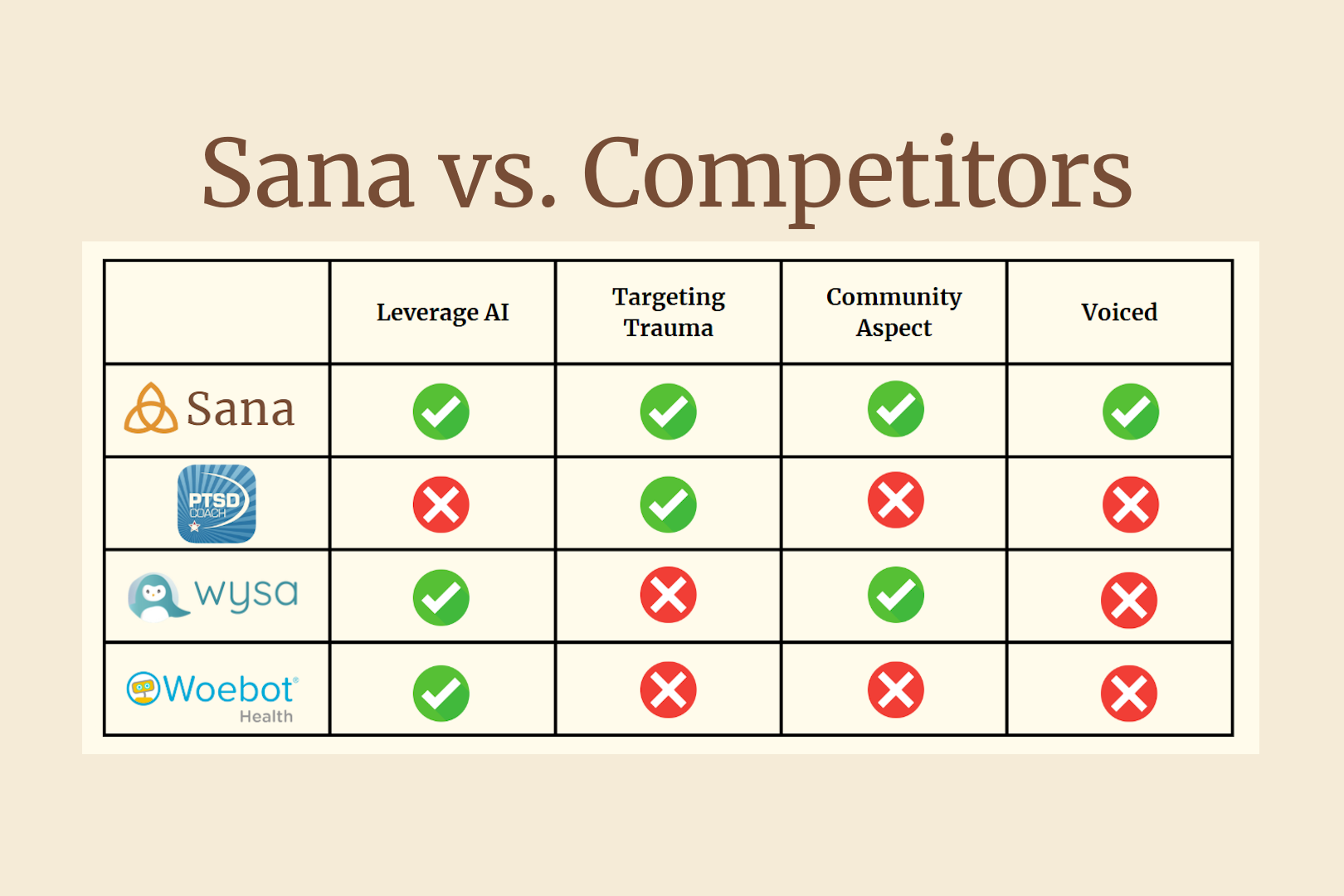
Competitors
-
Architecture

Sana
🌱 Inspiration
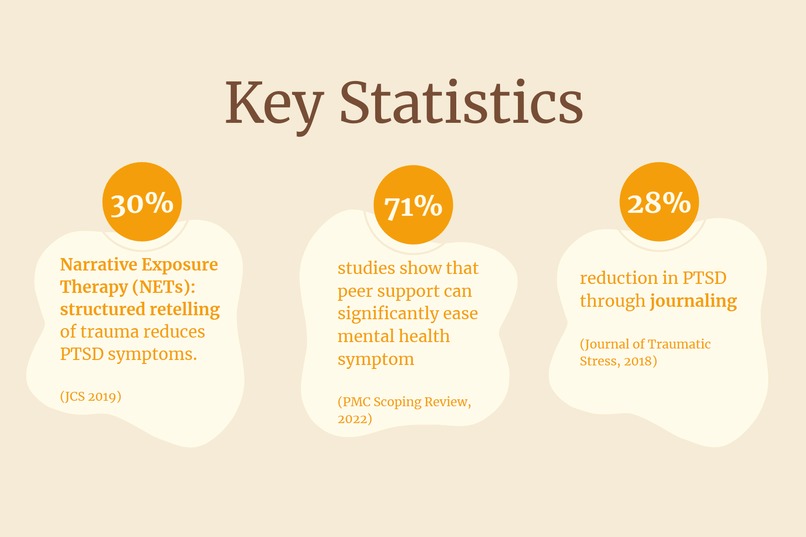
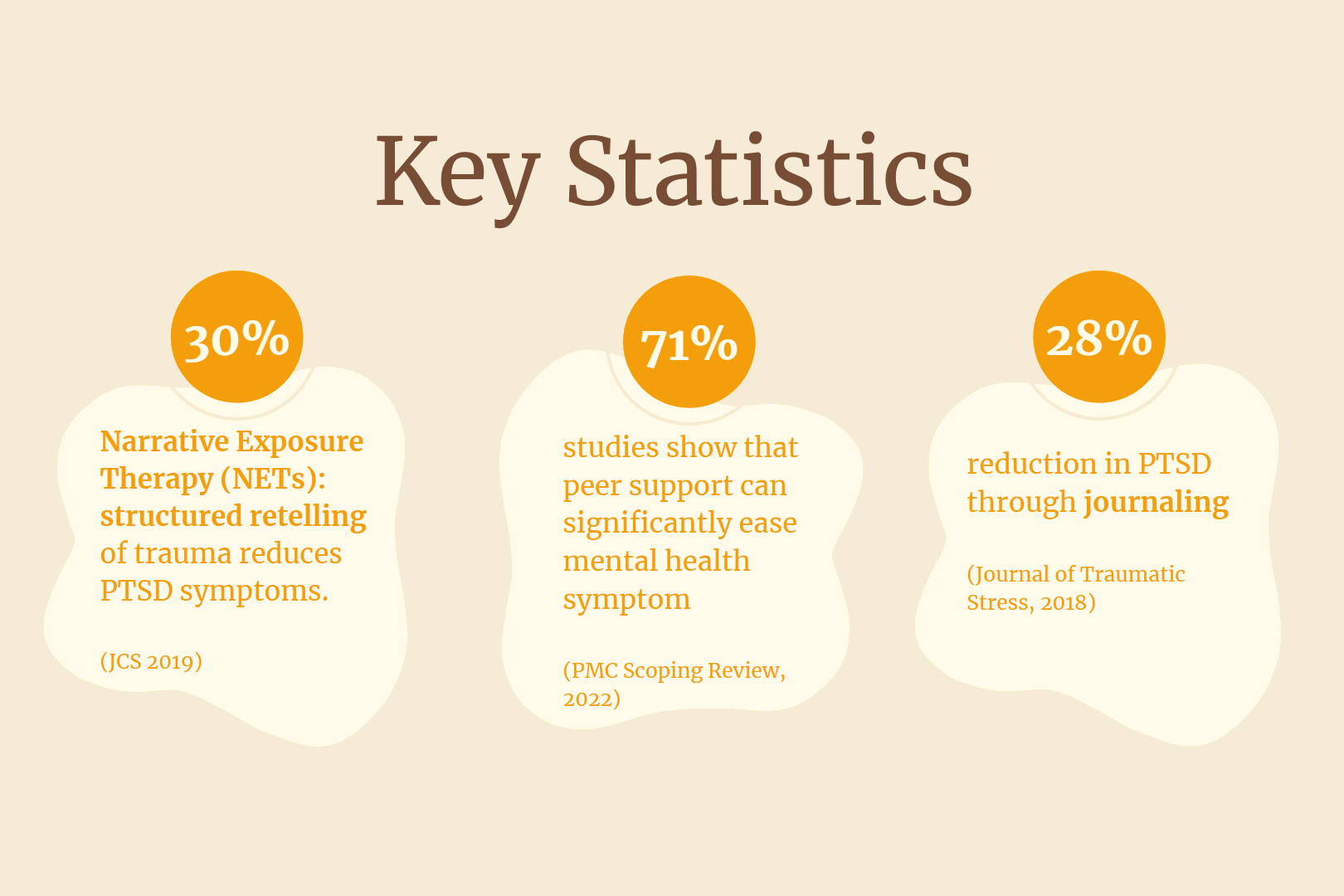
Abuse and trauma often leave survivors feeling silenced and isolated. Fear, shame, and the lack of safe spaces prevent millions from sharing their experiences, hindering their path to healing. We were inspired by the need for a truly private, secure outlet—a place where individuals can process their thoughts without judgment, find solidarity in shared experiences (if they choose), and access pathways to support. Witnessing the prevalence of unspoken pain, and informed by research showing the therapeutic benefits of journaling (Journal of Traumatic Stress, 2018) and peer support (PMC Scoping Review, 2022), we wanted to leverage technology to create a bridge from silence to support, empowering users to reclaim their narrative and take steps towards healing. Furthermore, recognizing that hearing one's story externally can unlock different pathways to processing (informed by narrative therapy principles), Sana aims to be that first, safe step.
✅ What it does
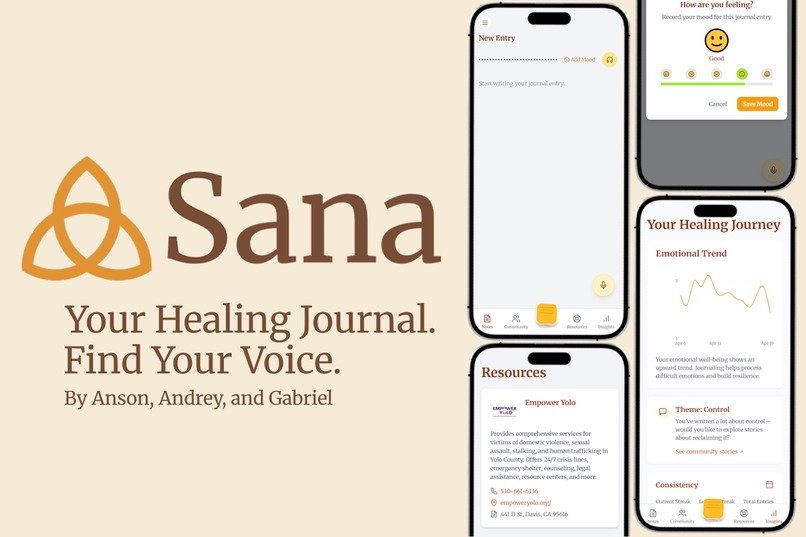
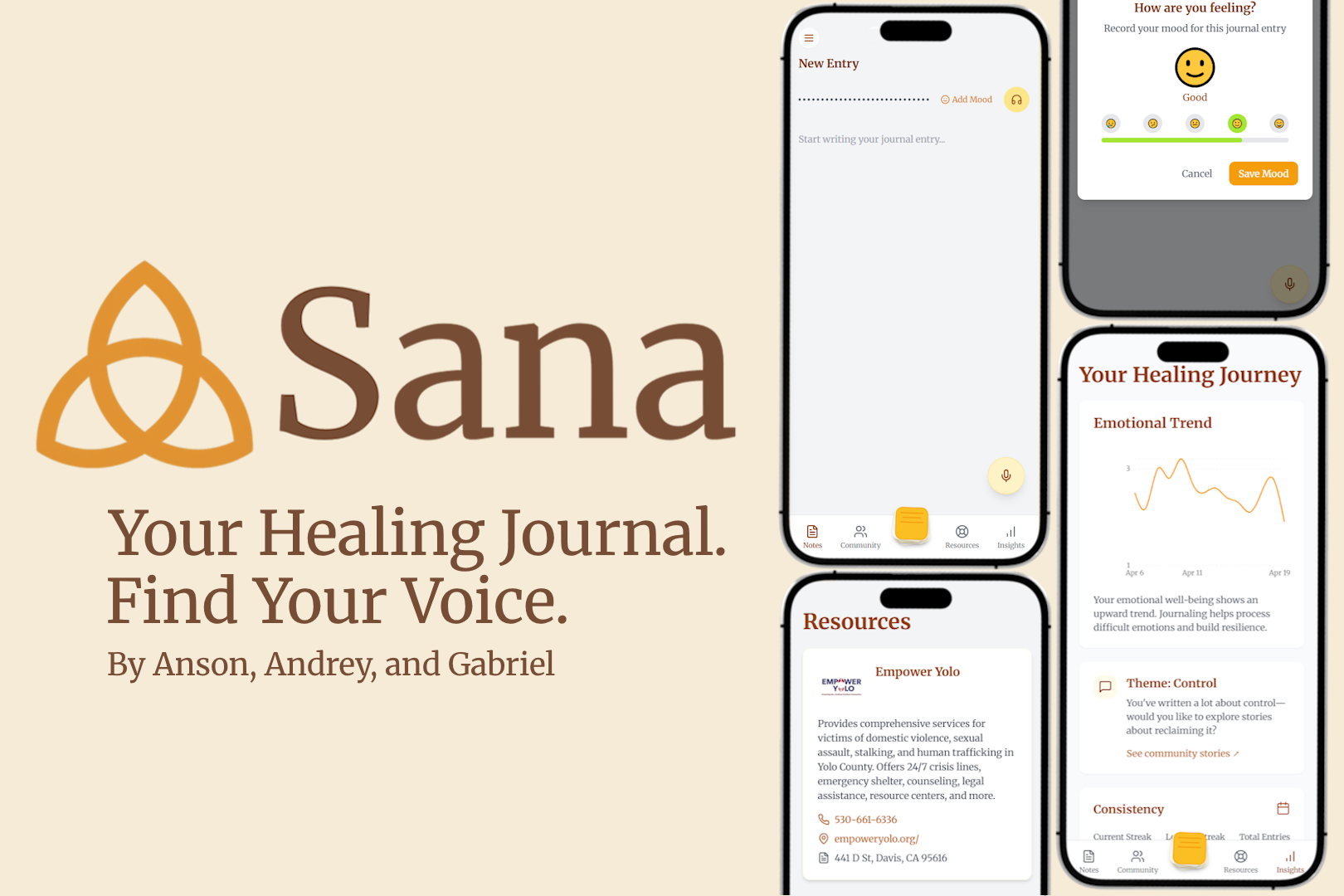
Sana is a mobile application designed as a secure sanctuary for survivors of abuse and trauma. It offers:
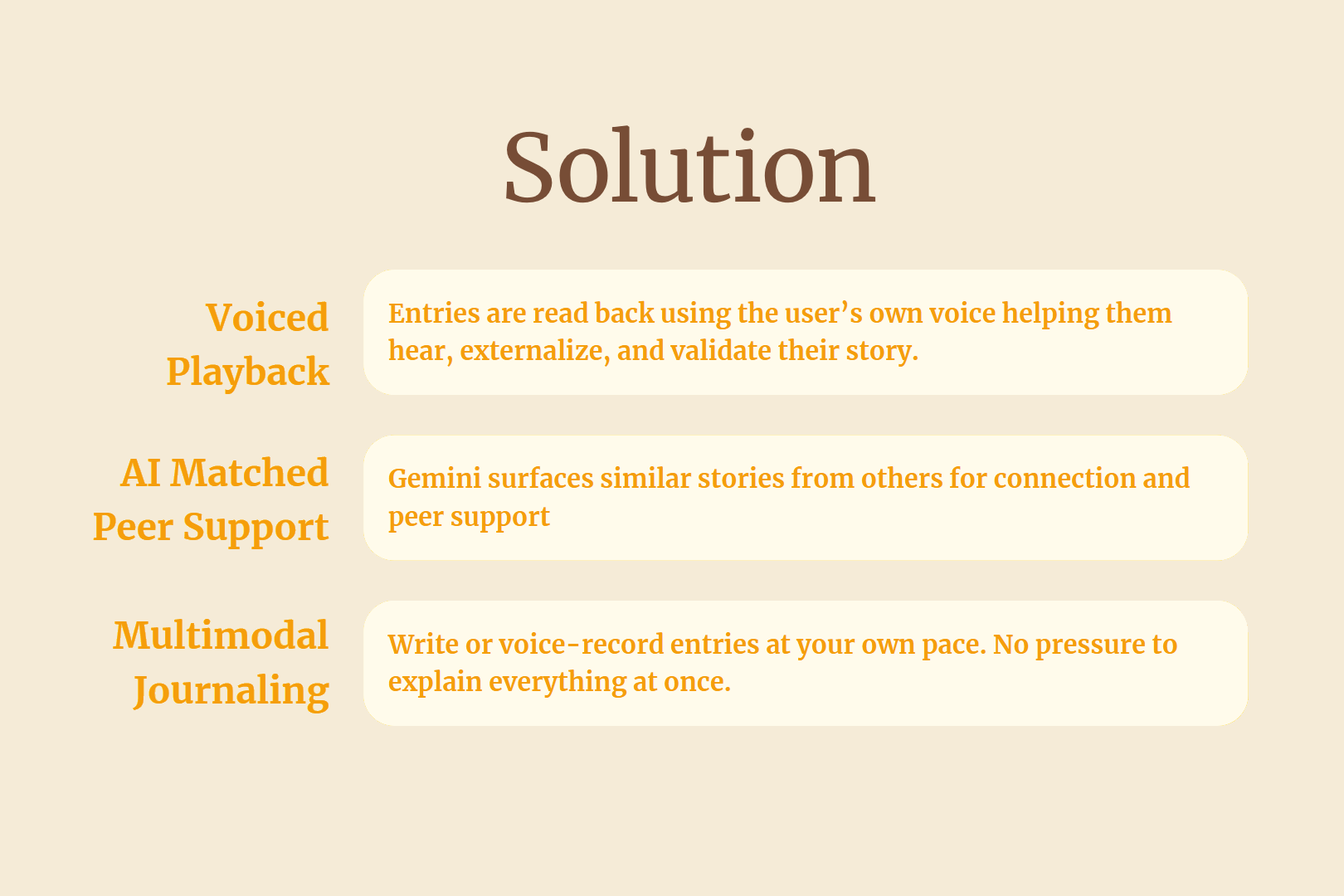
- Private Journaling (Text & Voice): A safe, confidential space for users to document their thoughts, feelings, and experiences whenever they need to vent or reflect, either by typing or voice recording.
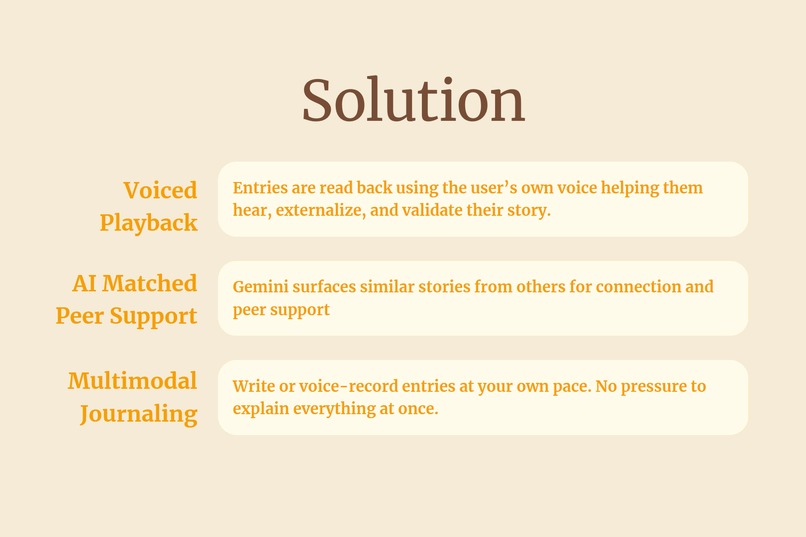
- Voice Synthesis Playback: Offers users the powerful option to listen to their written journal entries read aloud using either a standard text-to-speech voice or, uniquely, a clone of their own voice created via ElevenLabs. Hearing their own experiences spoken externally can be a crucial step in healing. Based on principles from narrative therapy, this feature helps users externalize overwhelming thoughts, creating distance and making them feel more manageable. Listening to their own story can validate the reality of their experience, help organize fragmented memories, and foster self-compassion. It provides a unique, private way for users to reclaim their voice.
- AI-Powered Categorization: Using the Google Gemini API, Sana can anonymously analyze text journal entries (only if the user chooses to share) and gently categorize the primary theme (e.g., Domestic Violence, Child Abuse, Emotional Abuse) to help users feel understood and connect with relevant, anonymized experiences.
- Anonymous Community Feed: An optional feature allowing users to anonymously share their categorized journal entries. Users can then view other anonymous stories within the same category, fostering a sense of solidarity (a key element highlighted in peer support research) and reminding them they are not alone. This feed is intentionally read-only to maximize safety, a decision guided by survivor safety preferences.
- Intelligent Resource Suggestions: Leveraging Gemini, Sana analyzes a user's journal entry to suggest the most relevant support resources from a curated, localized database stored in MongoDB.
- Mood Tracking: A simple pre-journaling mood check-in allows users to track their emotional state over time, providing personal insight into their journey.
Sana provides tools for self-reflection, anonymous connection, and access to help, prioritizing user safety, privacy, and control at every step.
💻 How we built it
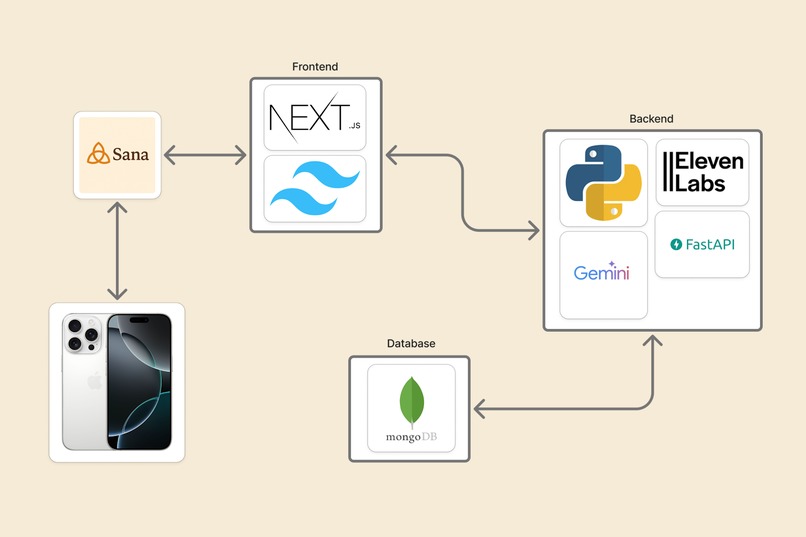
- Mobile App: Developed using a PWA created with Next.js, focusing on a calming, intuitive user interface and user experience. Includes functionality for text input and handling audio recording input.
- Backend: Built with Python and FastAPI, handling API requests, database interactions, and secure communication with external AI services.
- Database: MongoDB Atlas used to store anonymized user identifiers, journal entries, mood tracking data, and the comprehensive, curated list of support resources.
- AI & Voice Integration:
- Google Gemini API: We utilized the speed and power of the Gemini 2.0 Flash model for two key features on text entries:
- Classification: Sending anonymized entry text to Gemini with a carefully crafted prompt to determine the most likely category.
- Resource Matching: Sending entry text to Gemini, providing the curated resource list from MongoDB as context, and prompting Gemini to identify and return the most relevant resources.
- ElevenLabs API: Integrated for voice cloning (allowing users to optionally create a clone from a sample) and text-to-speech synthesis.
- Google Gemini API: We utilized the speed and power of the Gemini 2.0 Flash model for two key features on text entries:
🤔 Challenges we ran into
Our main challenge was tackling the immense responsibility that comes with building an app for such a sensitive purpose.
- Ensuring Anonymity: Architecting a system where users could optionally share text entries without revealing their identity.
- Ethical Boundaries: Constantly evaluating features to prioritize user safety above all else. This included making voice cloning strictly optional and considering the potential emotional impact of users hearing traumatic experiences read in their own cloned voice. Balancing functionality with the need for a trauma-informed approach was key.
🎉 Accomplishments that we're proud of
We are incredibly proud of creating a functional prototype that directly addresses the critical need for safe spaces for survivors, offering both text and voice journaling options. We're proud of maintaining a user-safety-first approach throughout the entire design and development process, building a foundation of trust and privacy. We also managed to compile a very comprehensive list of local and national resources, making the support aspect robust.
🎓 What we learned
This project reinforced the paramount importance of trauma-informed design, guided by established therapeutic principles and user safety considerations. Every UI element, every word choice, every feature decision had to be viewed through the lens of user safety and potential triggers. We learned the technical intricacies of implementing secure data handling for both text and audio, striving for true user anonymity in sharing features, and integrating multiple external APIs securely. Working with powerful LLMs like Gemini and voice synthesis like ElevenLabs taught us the necessity of precise prompting and ethical considerations, especially regarding the potential therapeutic power (and risks) of auditory processing – externalizing internal narratives through sound – and advanced voice technology in the healing journey. We also learned how vital it is to clearly define scope, especially when dealing with complex social issues and safety requirements in a time-limited environment like a hackathon.
🚀 What's next for Sana
The immediate next step before any wider release would be implementing a comprehensive, professional moderation strategy for any shared content, even if read-only initially. We envision:
- Expanding and continuously verifying the resource database.
- Exploring secure, professionally moderated community features (like support groups or specific discussion threads) in consultation with experts.
- Building partnerships with local support organizations (like Empower Yolo or UC Davis CARE) to ensure our resource information is accurate and potentially integrate referral pathways.
- Long term, Sana could become a widely trusted first step for survivors seeking a safe place to process and find help.


Log in or sign up for Devpost to join the conversation.