-
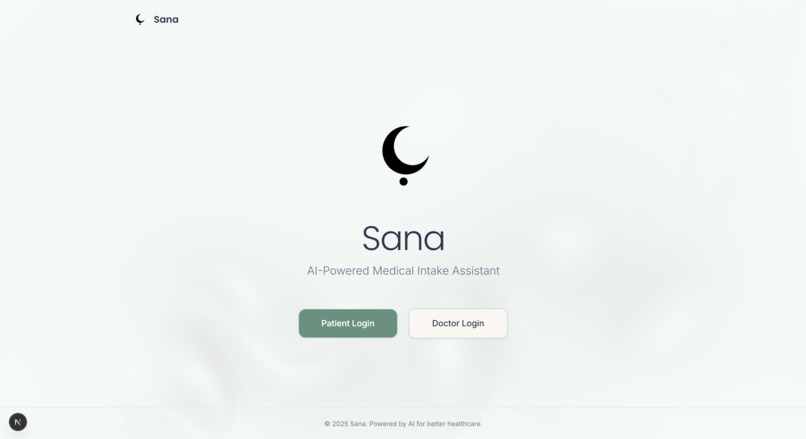
Landing Page
-
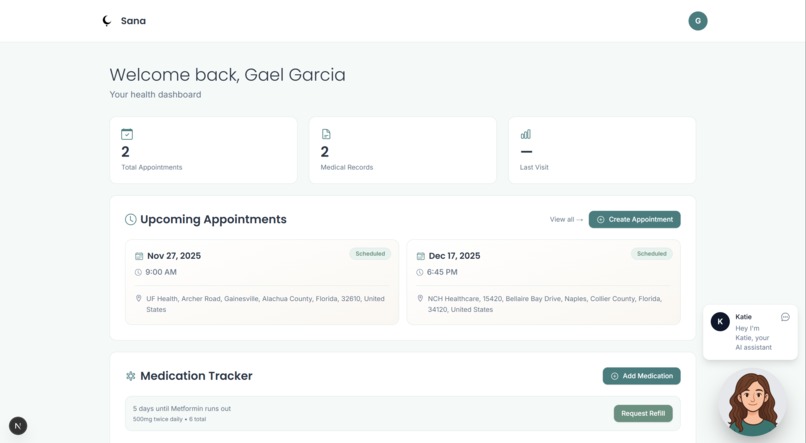
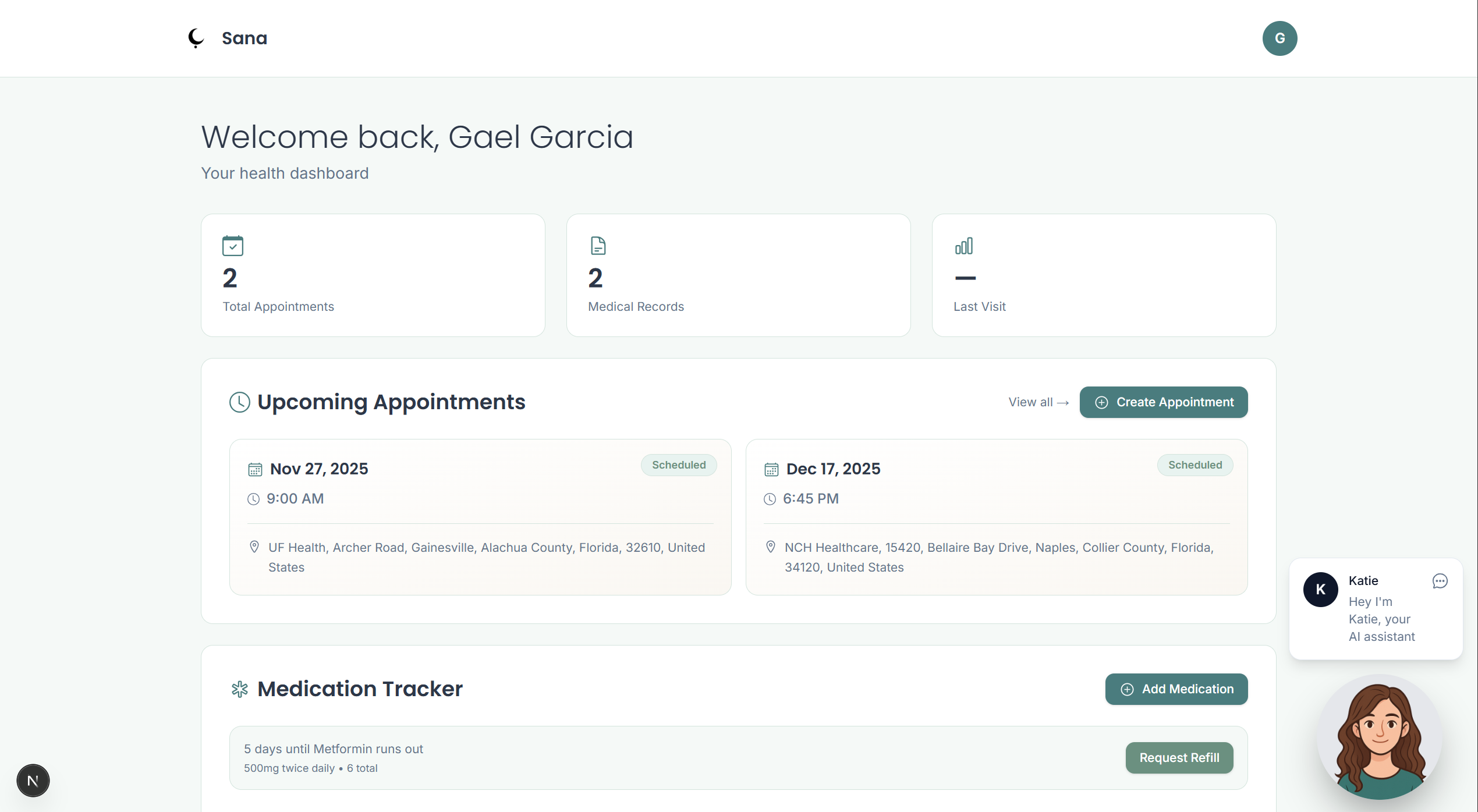
Patient Dashboard
-
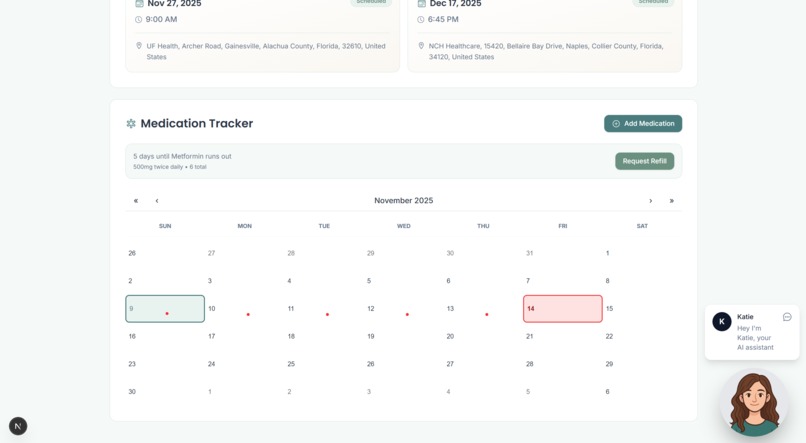
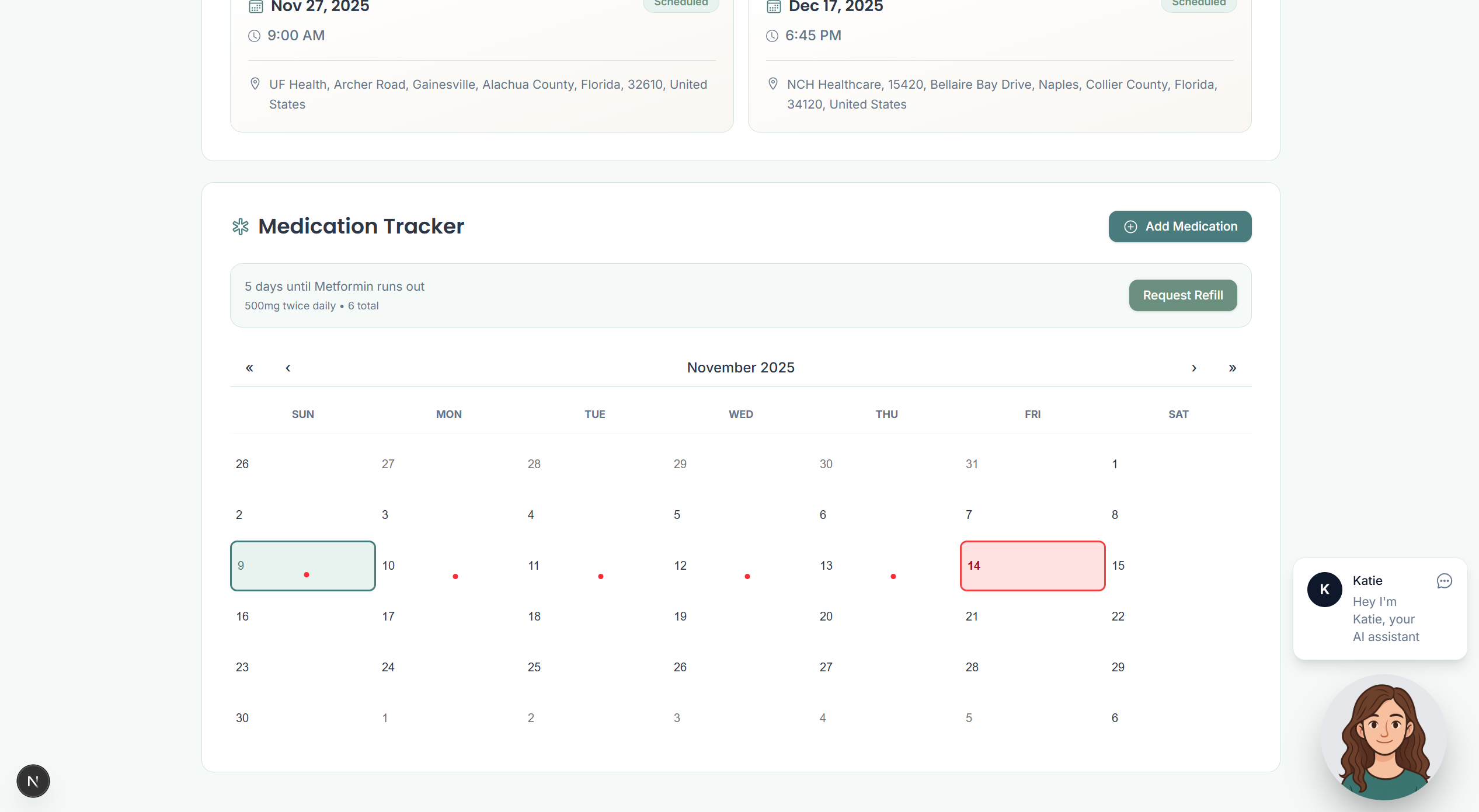
Medication Tracker
-
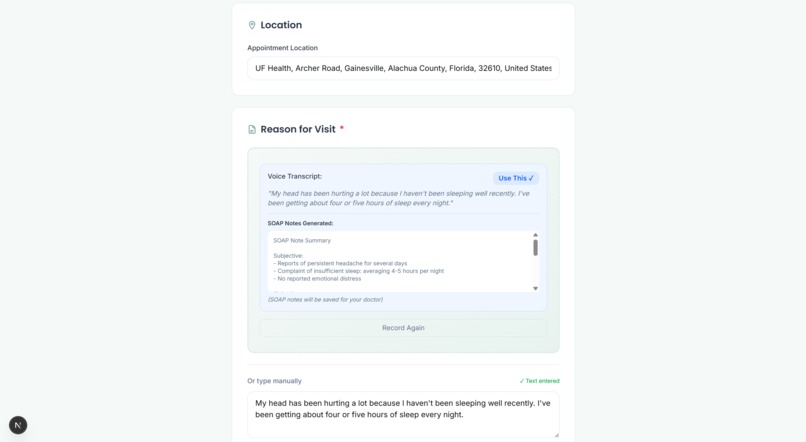
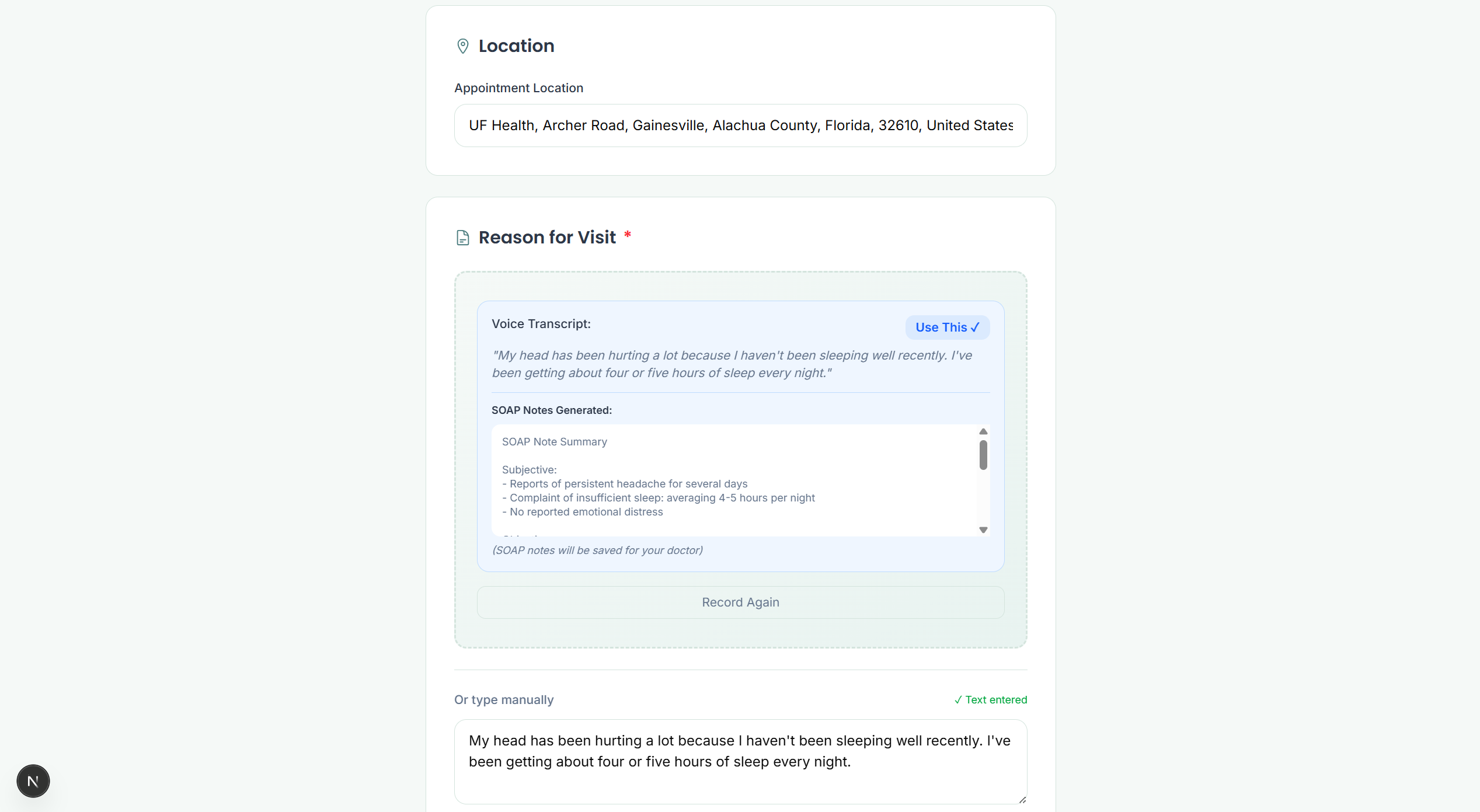
SOAP Notes Generation from Speech
-
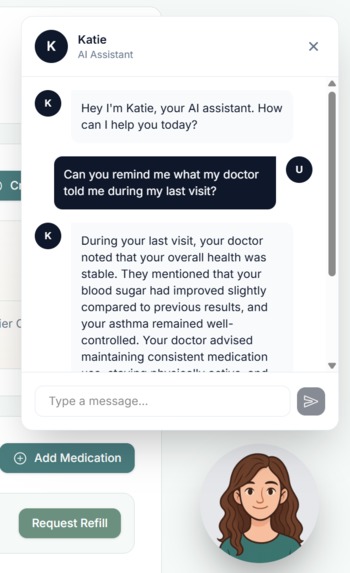
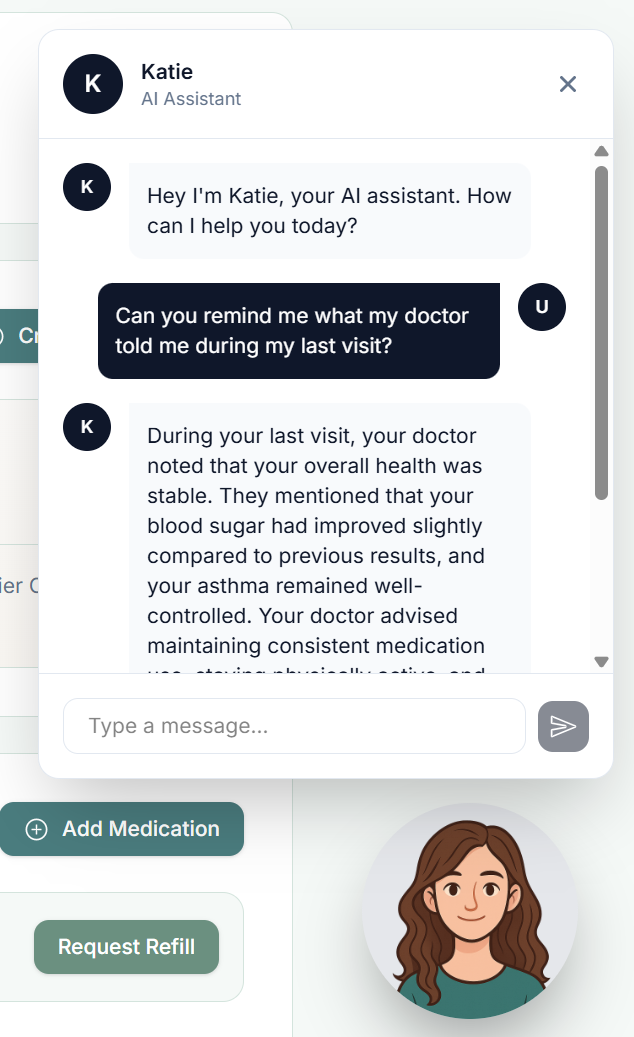
RAG AI Assistant Conversation
-
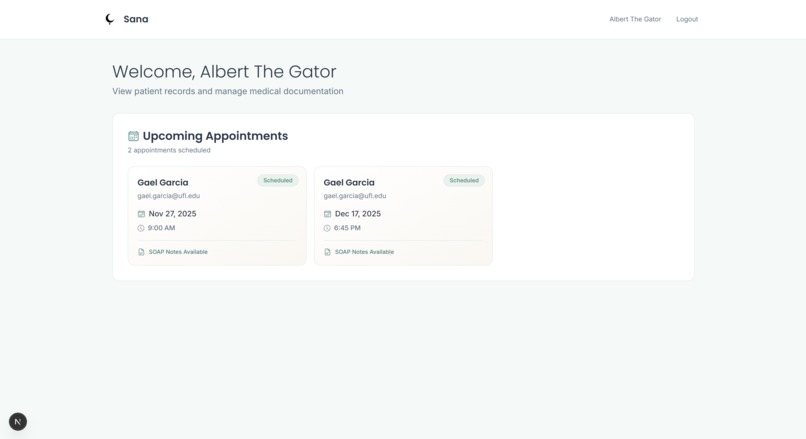
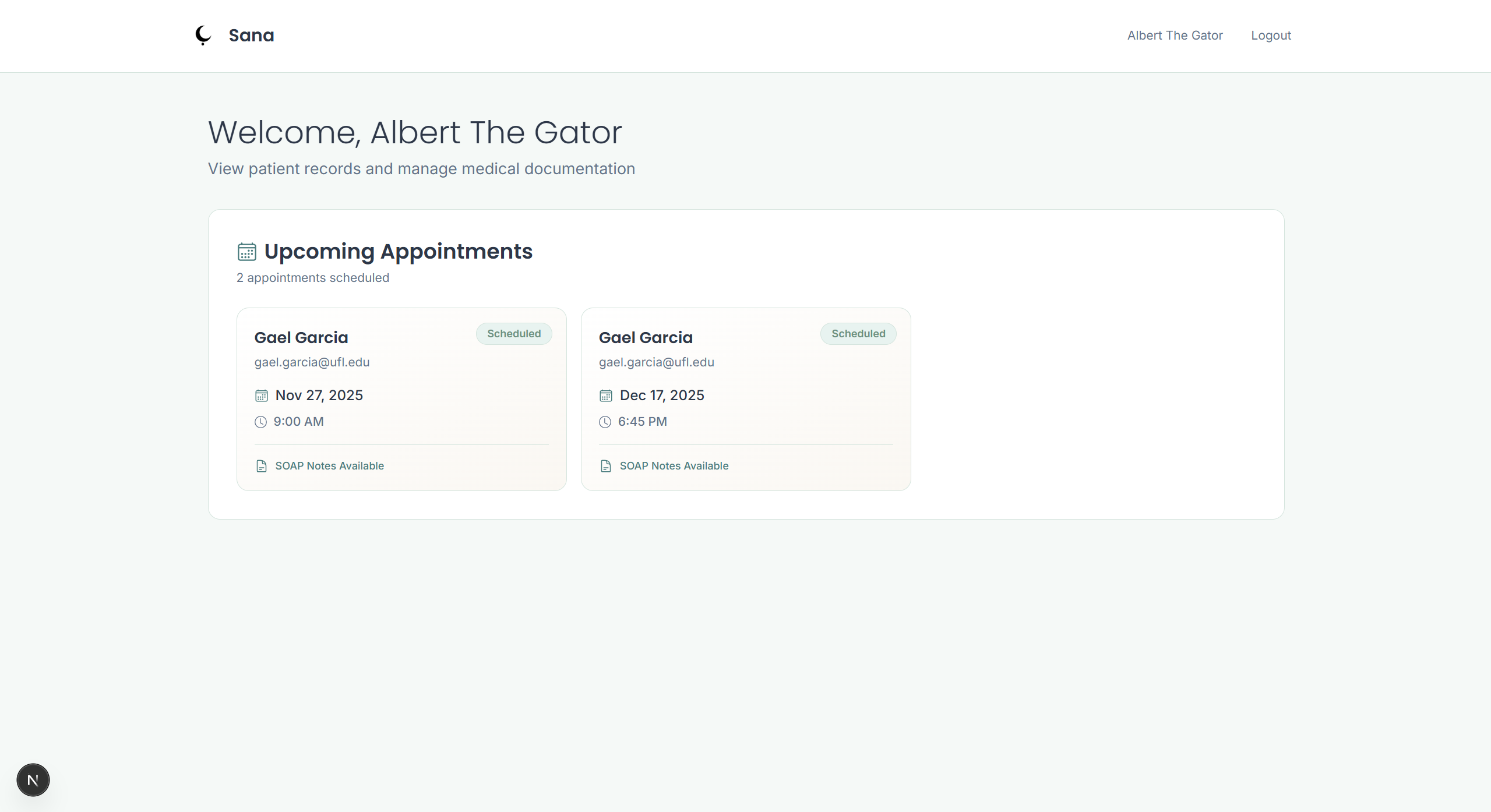
Doctor Dashboard
Inspiration
As someone who has a mother who goes to the doctor almost every month for checkups, I have always been the one helping her fill out registration and medical history forms. Every visit feels the same. I type the same information, answer the same questions, and then sit in the room while the doctor asks us everything we just wrote down.
Recent studies show that nearly half of patients are asked to re-enter the same health information at every appointment, and primary care staff can spend up to 30% of their time on redundant paperwork instead of direct care [1][11]. This repeated process not only wastes patient and provider time but also leads to frustration and inefficiency.
It always felt inefficient and repetitive. On top of that, getting help after an appointment can be frustrating. You have to call the office, wait on hold, and hope to reach someone who can actually answer your question.
That experience made me realize how much time and energy is wasted on paperwork and communication instead of care. I wanted to build something that made healthcare feel easier, faster, and more personal. That is how Sana started.
What it does
Sana is an AI-powered healthcare assistant that simplifies patient communication and documentation.
Patients can talk naturally about their symptoms or concerns. Sana listens, transcribes, and automatically organizes the information into structured medical summaries that doctors can use immediately.
Industry research highlights the urgent need for AI-powered assistants in healthcare: surveys reveal that over 50% of patients struggle to get timely answers post-visit, and there is a growing demand for tools that reduce administrative burdens on clinicians while improving patient engagement [1][1].
It also includes a RAG-based chatbot that lets patients ask follow-up questions after appointments, such as medication instructions or clarifications about their visit. This reduces waiting times, phone calls, and confusion. The goal is to create a smoother, more human experience for both patients and doctors.
How we built it
We built Sana using a Python backend with FastAPI and a Next.js frontend for a modern and clean user interface.
The backend handles all the AI processing:
- Speech recognition with Whisper for accurate transcription
- SOAP note generation and reasoning using Llama 3.1
- A full Retrieval-Augmented Generation (RAG) pipeline for contextual chatbot responses using Sentence Transformers and FAISS embeddings
The frontend, built with Next.js and React, uses Material UI and React Calendar for a professional and easy-to-use experience.
We used Supabase for user authentication and data storage, allowing each user to securely manage their own data and chatbot history.
This architecture directly addresses key pain points validated by recent healthcare technology reports emphasizing the importance of interoperability, real-time AI assistance, and secure patient data management [6][11].
Challenges we ran into
One of the biggest challenges was working with open-source AI models on limited hardware. Running Whisper and Llama locally required a lot of GPU memory, and optimizing inference speed was difficult.
There were also challenges connecting different frameworks, managing VRAM on an NVIDIA RTX 4070, and keeping performance stable. These issues forced me to learn more about model optimization, caching, and efficient resource management.
These problems are common in healthcare AI innovation where balancing cost, latency, and privacy is critical [14].
Accomplishments that we're proud of
I am proud that Sana became a real, working system instead of just an idea.
- Built a functional RAG chatbot that helps patients get answers about prescriptions or past visits
- Integrated Whisper and Llama 3.1 for seamless speech-to-text and reasoning
- Designed a clean and responsive frontend that feels professional but approachable
Solving validated pain points that affect millions of patient visits daily, Sana has the potential to save countless hours in administrative work while improving patient satisfaction [1].
What we learned
I learned how to use CUDA to improve processing speed with my GPU and how to work with Hugging Face models effectively. I also learned how to build an entire RAG pipeline from scratch, including data ingestion, text splitting, embedding generation, and vector storage.
Beyond the technical side, I learned how important user experience is in healthcare technology. A system like this only works if it feels natural and comfortable to use.
Healthcare studies confirm that digital transformation initiatives succeed best when they are both technically sound and intuitively designed for the patient and provider workflow [1][11].
What's next for Sana
The next steps are focused on scalability and real-world accessibility.
- Deploying Sana with Docker so it can run anywhere
- Migrating to Pinecone for a more powerful and scalable vector database
- Transitioning to OpenAI APIs for faster and more reliable inference
- Continuing to refine the design and usability for broader adoption
Sana began as a way to help my mom spend less time filling out forms and more time focusing on her health. Now it has the potential to make healthcare communication better for everyone.
*References:
[1] Press Ganey 2025 Patient Experience Trends
[3] Ipsos PX Pulse Consumer Perspectives on Patient Experience 2025
[6] NAM High-Quality Primary Care Policy Priorities 2025
[11] Healthcare communication pain points study 2025
[14] Healthcare AI Model Optimization Challenges 2025*
Built With
- cuda
- fastapi
- langchain
- llama
- materialui
- nextjs
- python
- pytorch
- rag
- supabase
- tailwindcss
- three.js
- typescript
- whisper


Log in or sign up for Devpost to join the conversation.