-
-
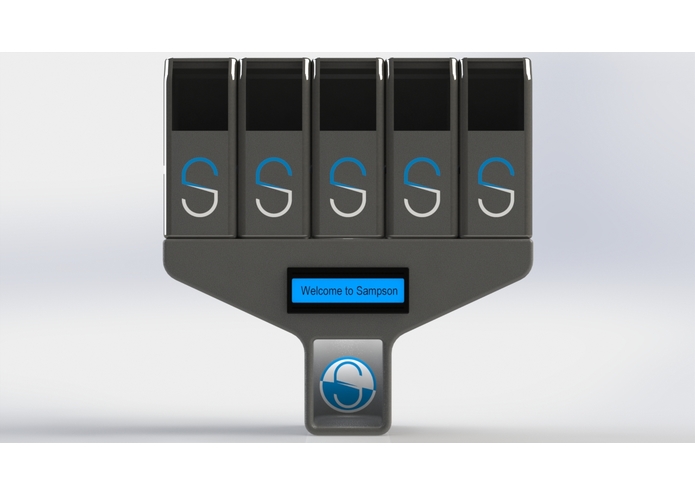
Sampson
-
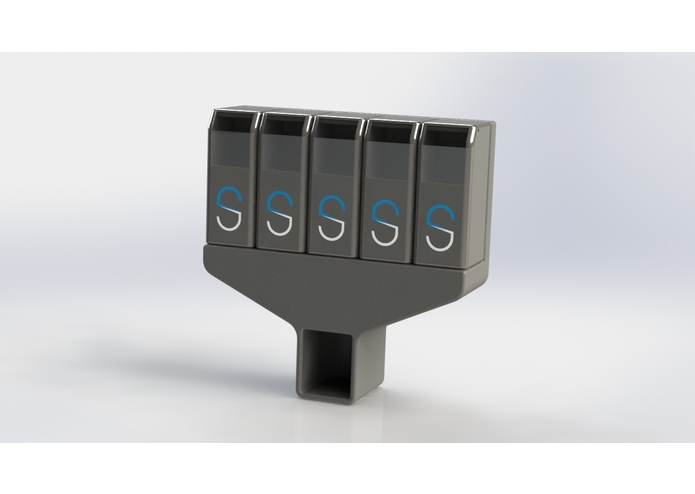
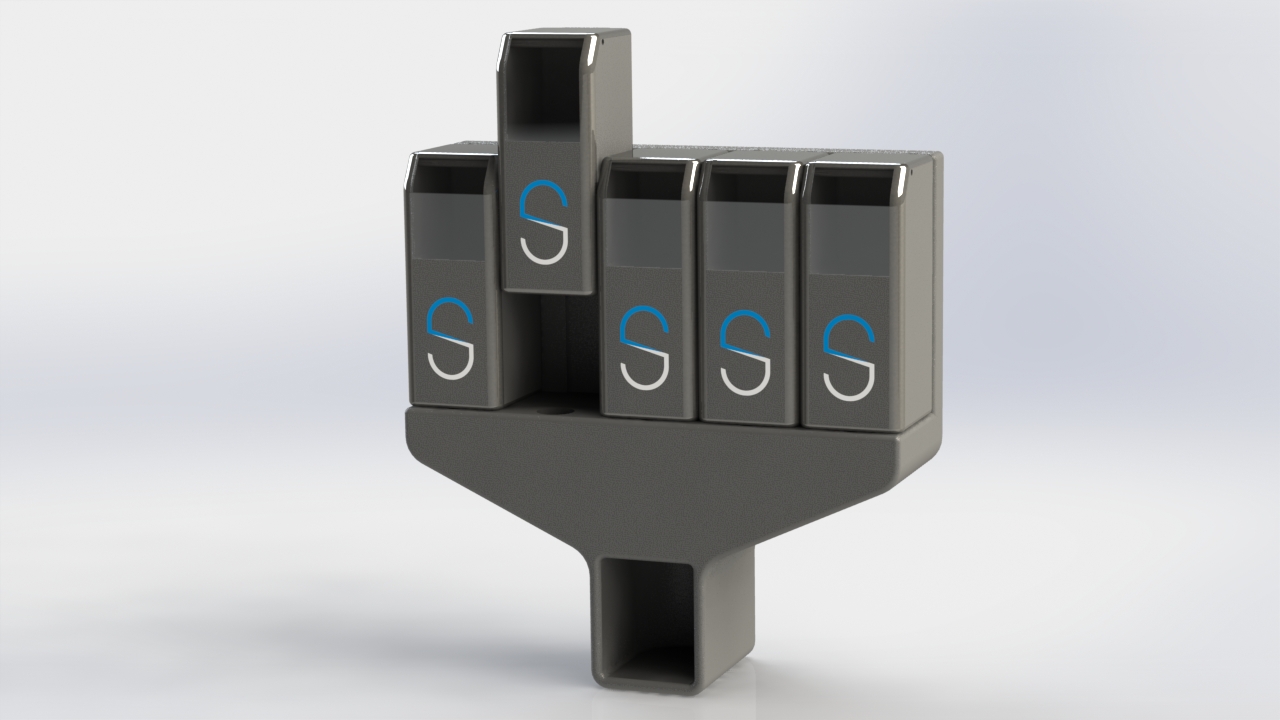
Sampson Isometric View
-
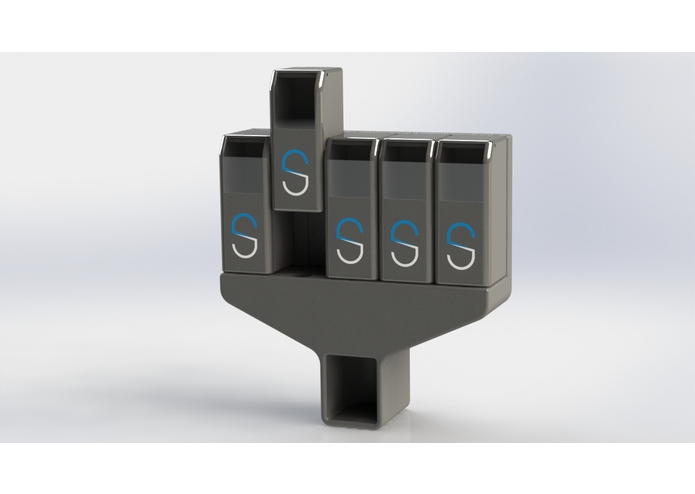
Removable Dispensers
-
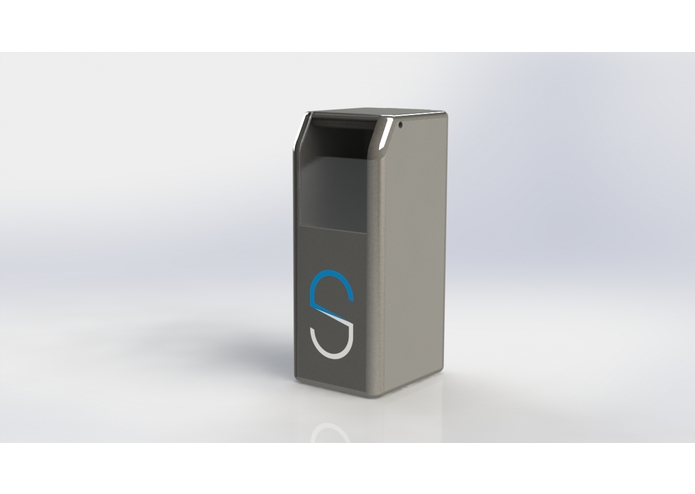
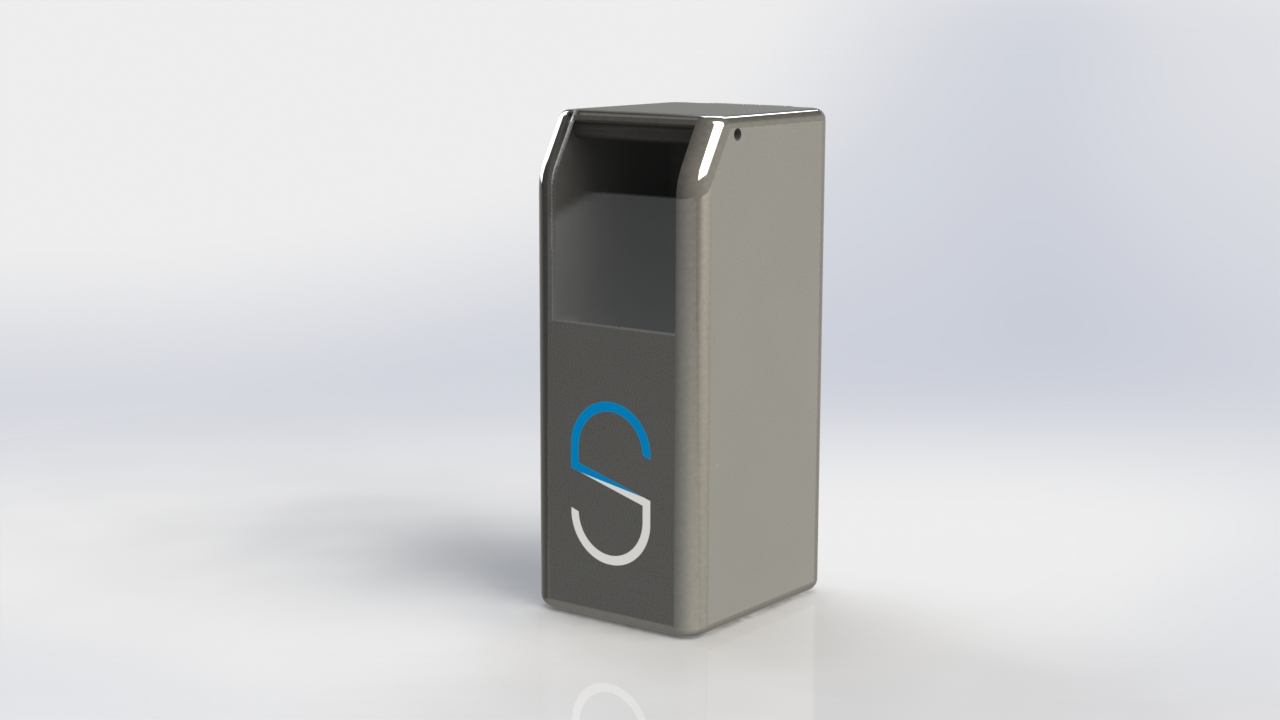
Dispenser
-
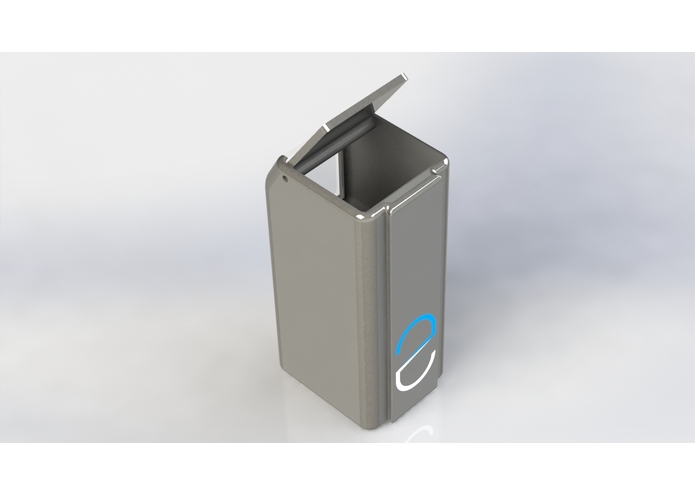
Dispenser From Back
-
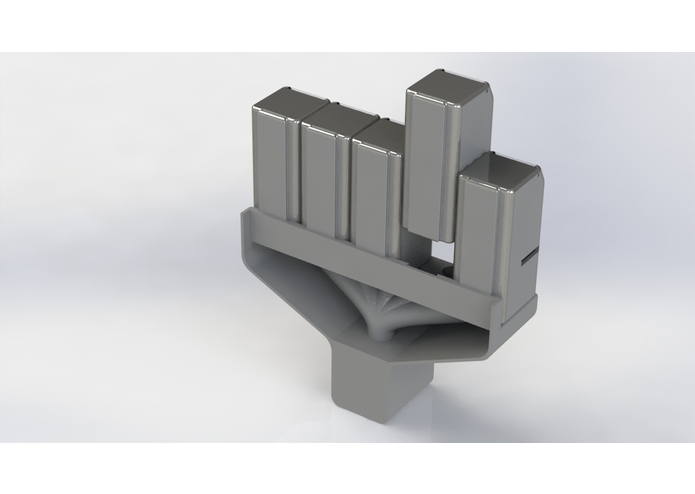
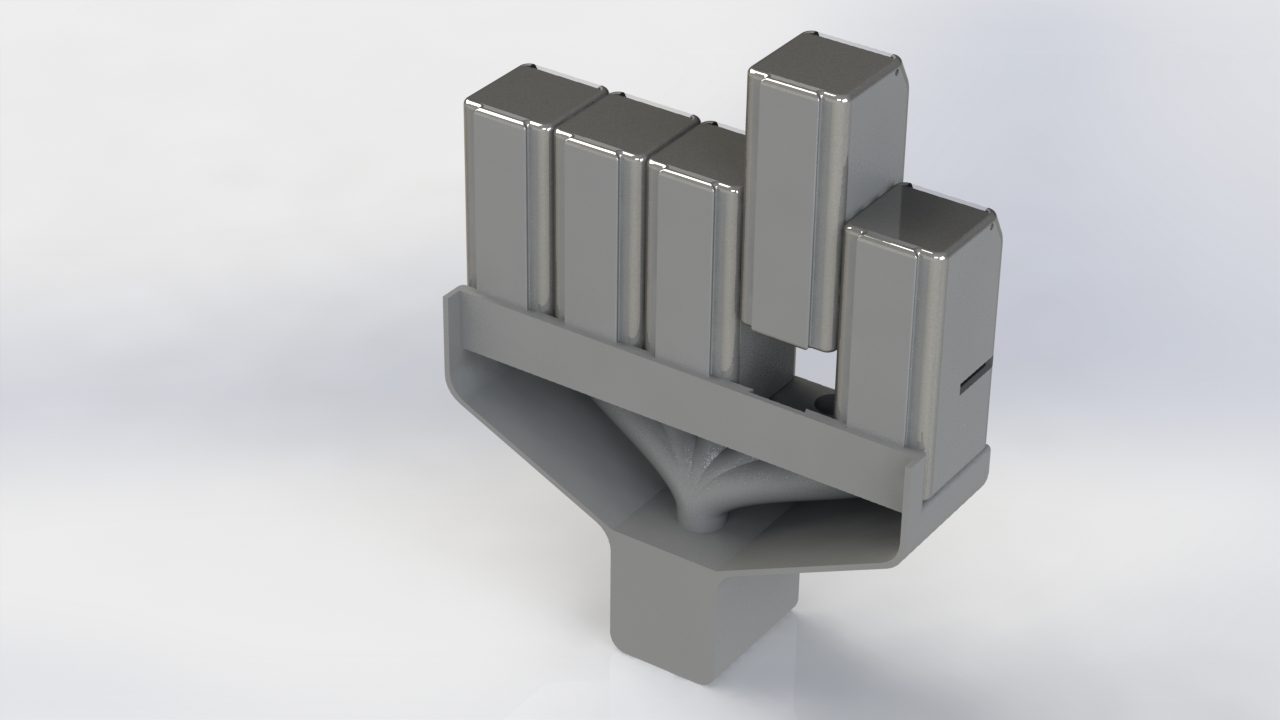
Dispensers From Back
-
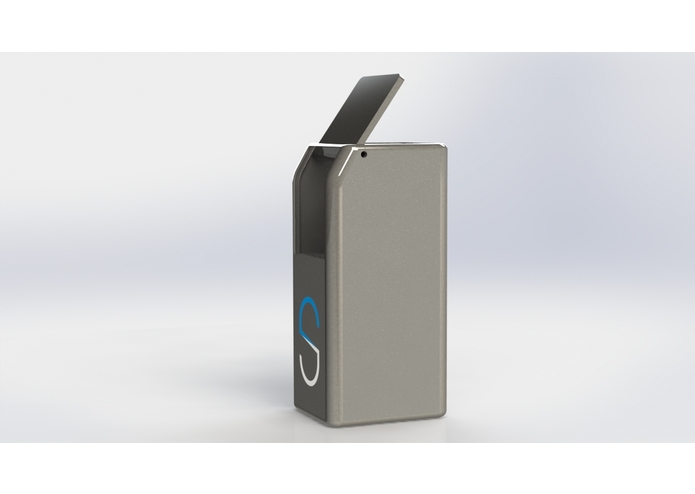
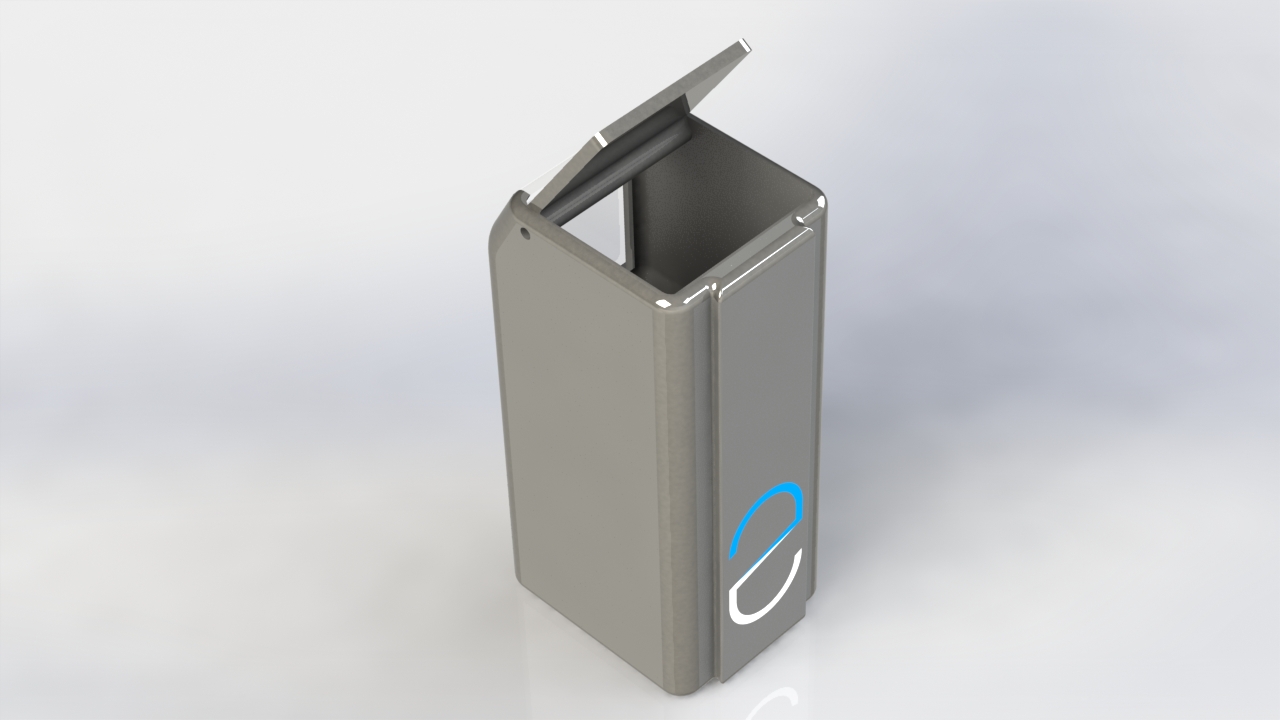
Refillable Lid
-
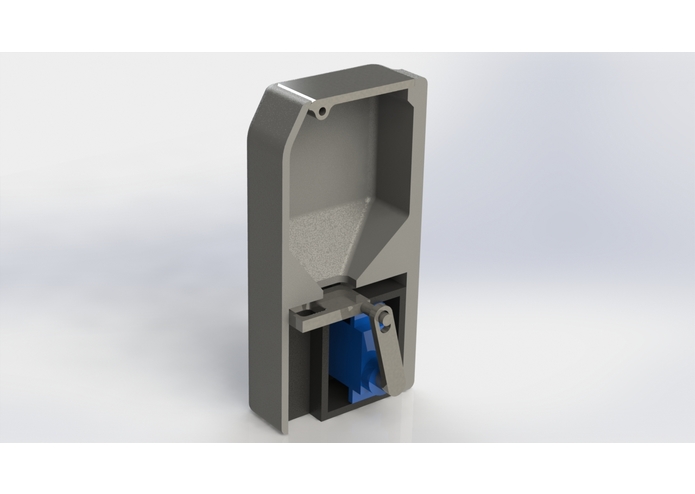
Actuation Mechanism (part 1 of 2)
-
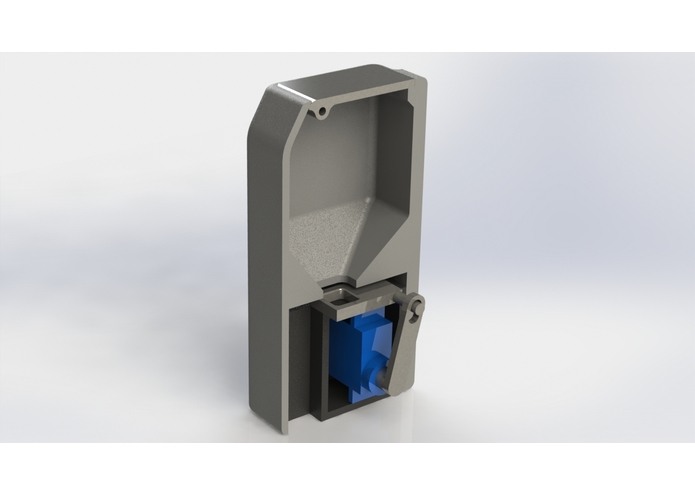
Actuation Mechanism (part 2 of 2)
-
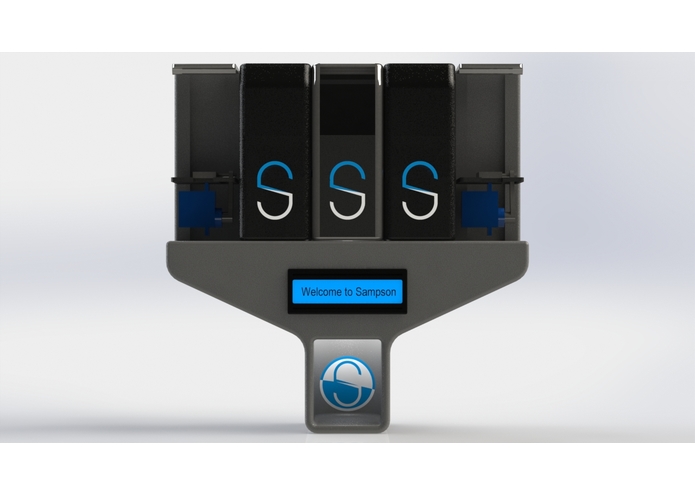
Sampson Internals
-
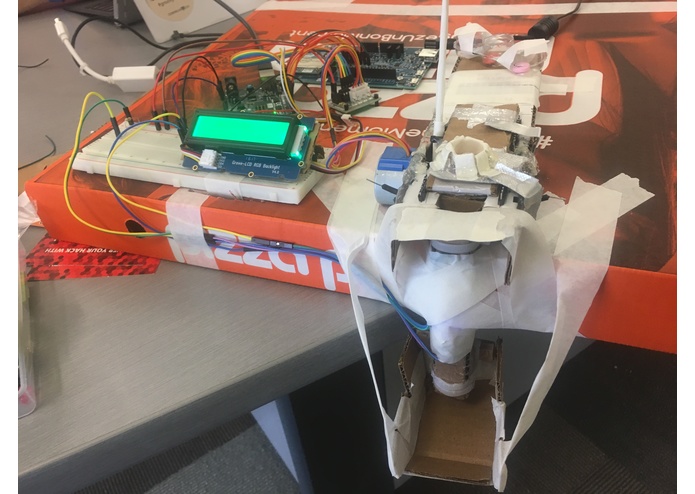
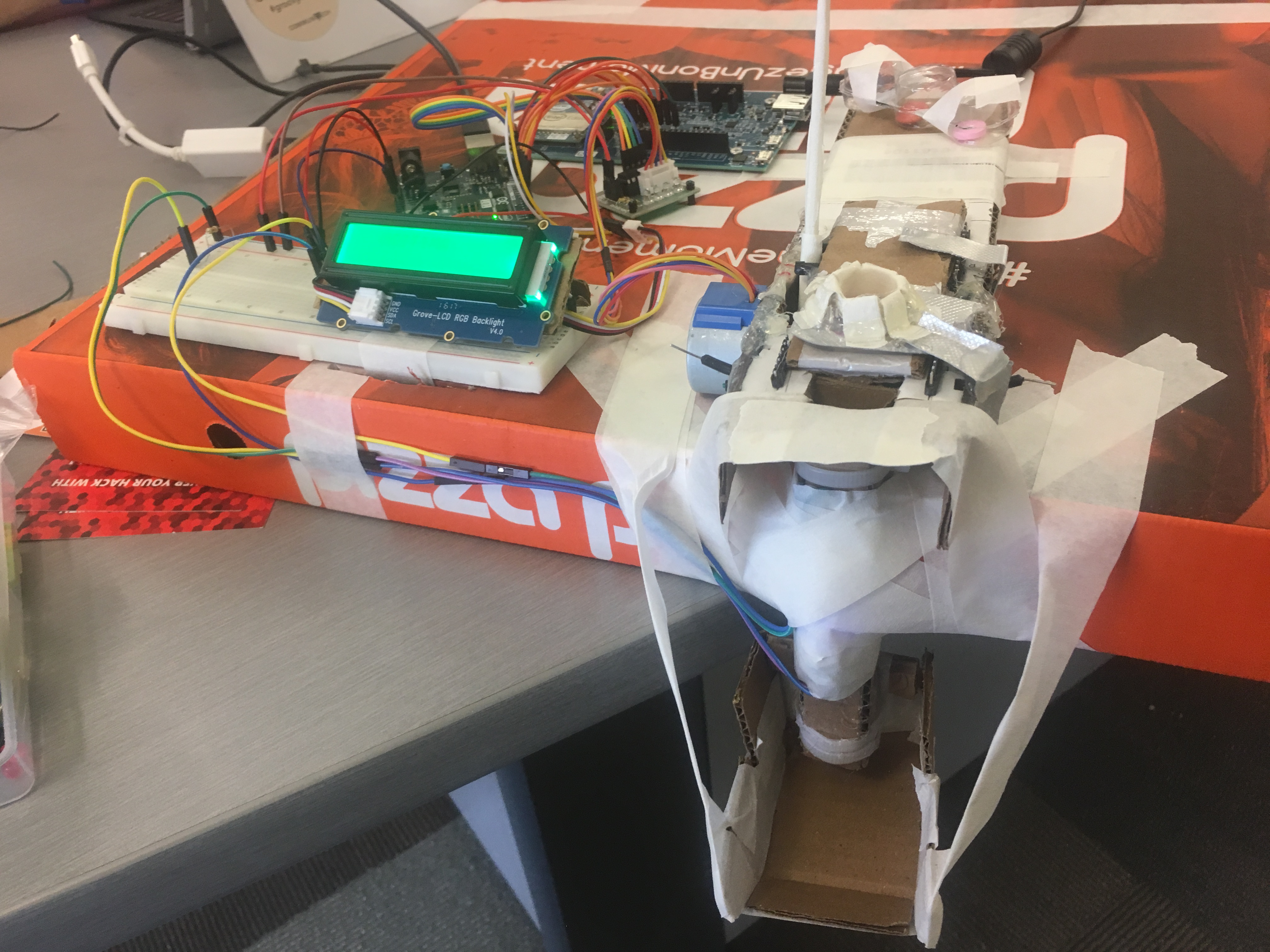
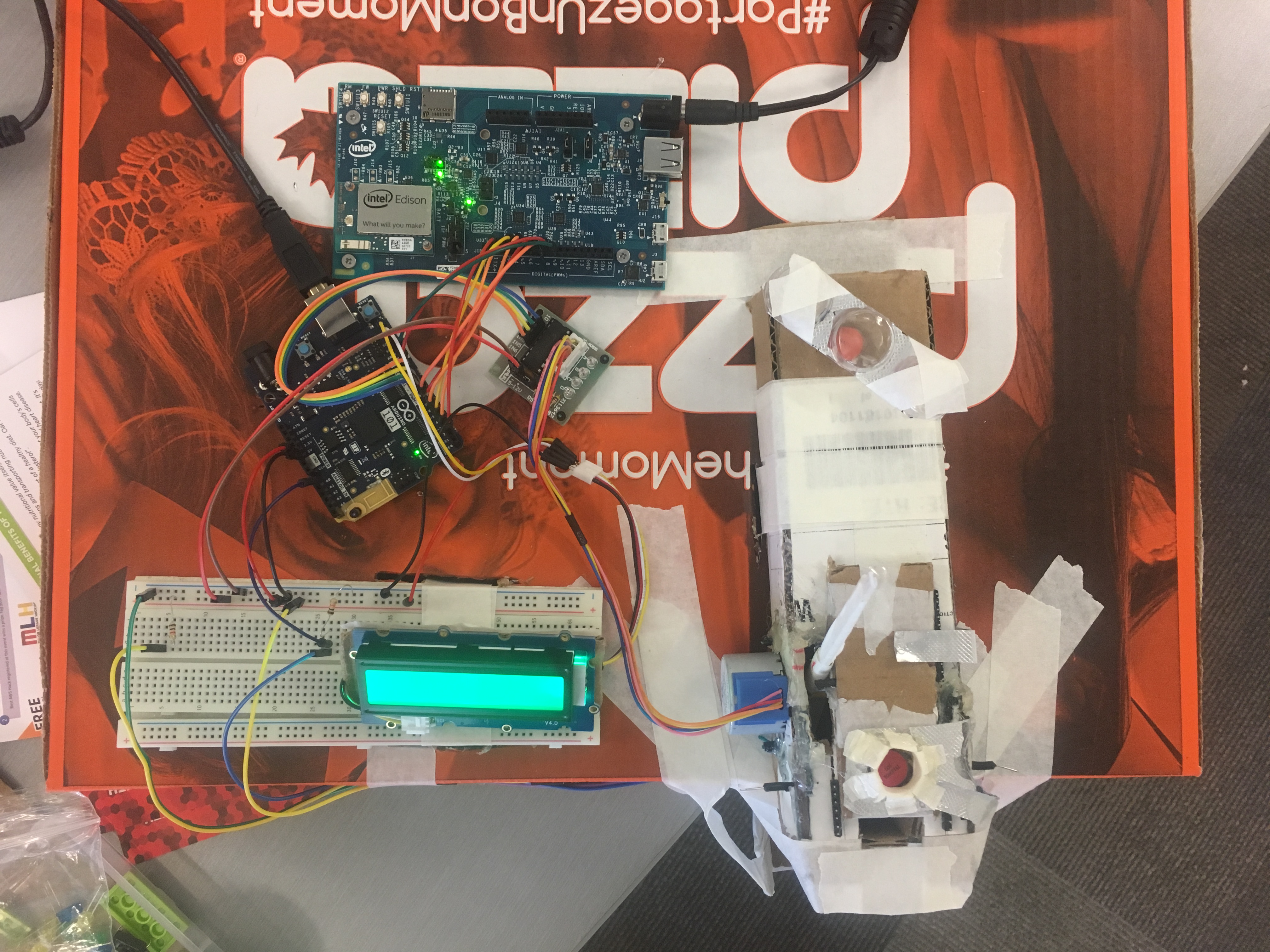
Our Prototype
-
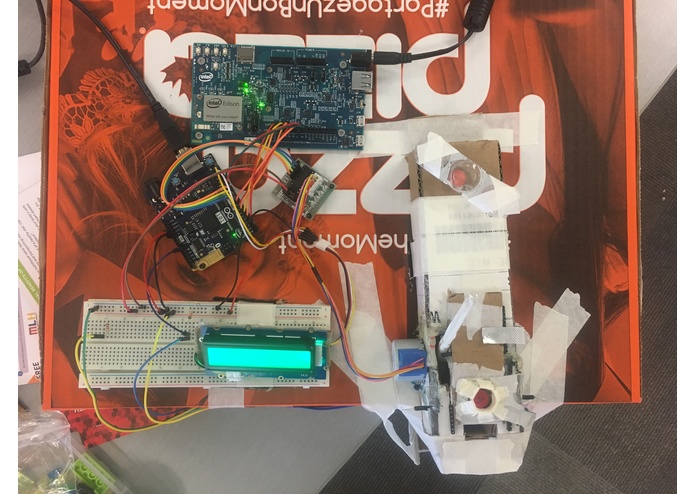
Sampson V0.0.0.1 (alpha)
-
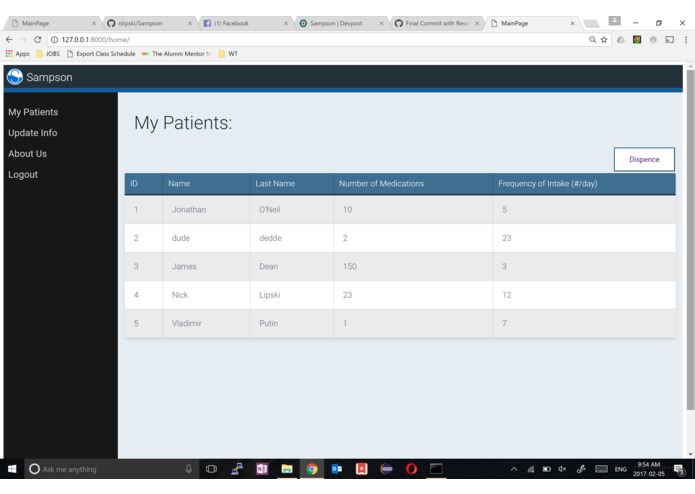
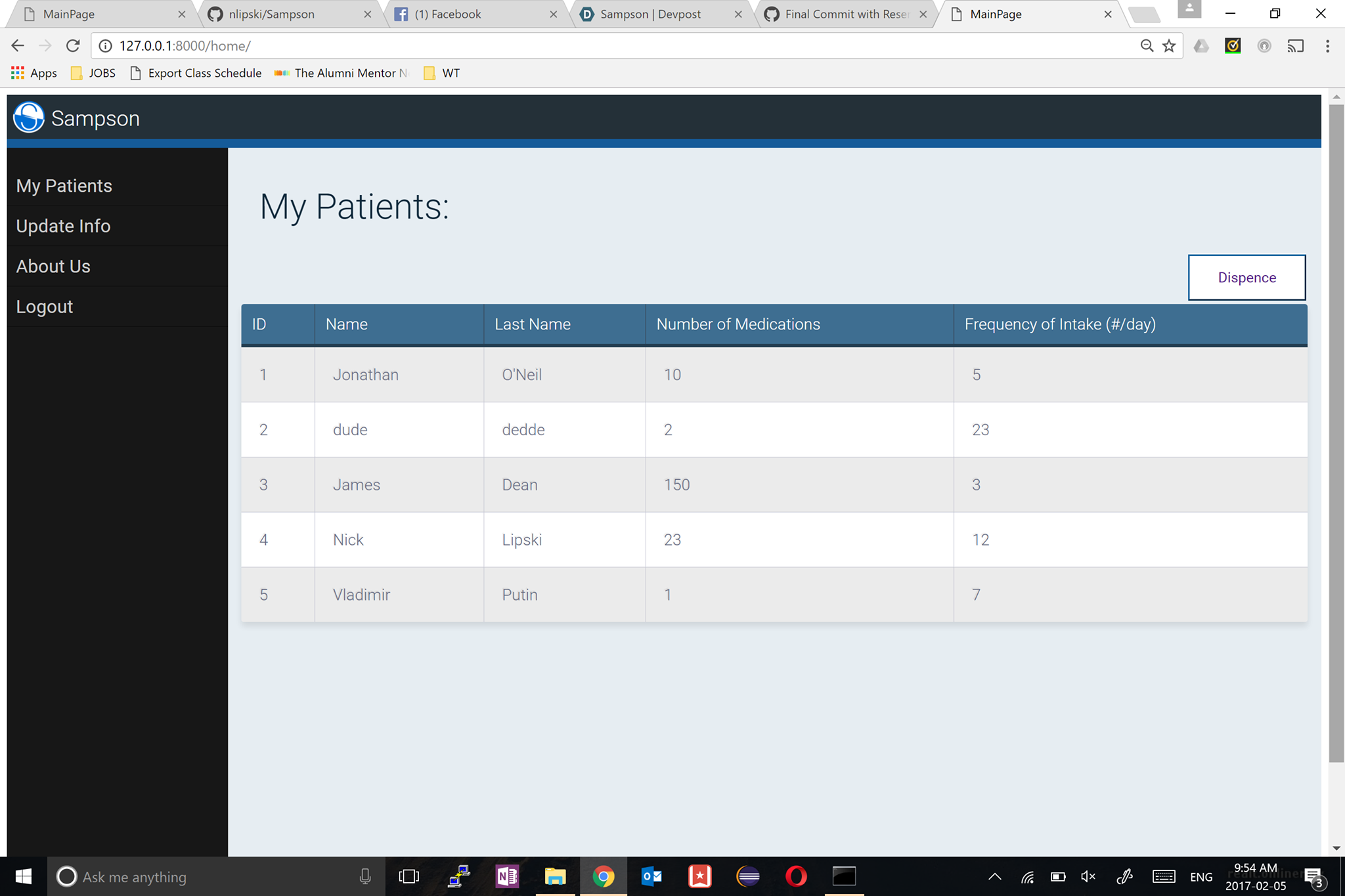
Prescription Database
-
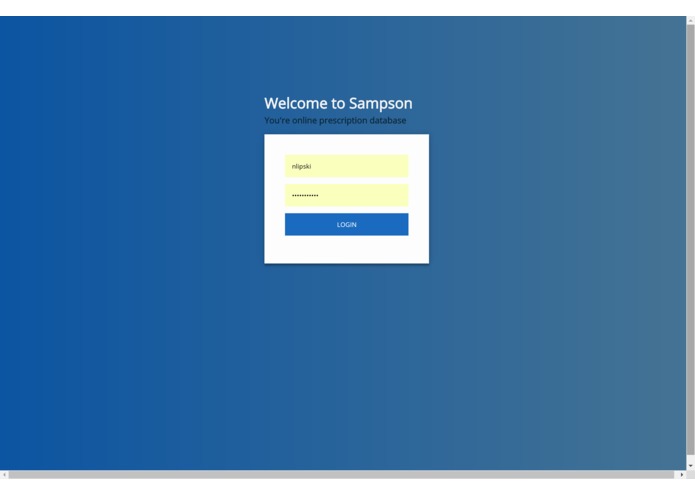
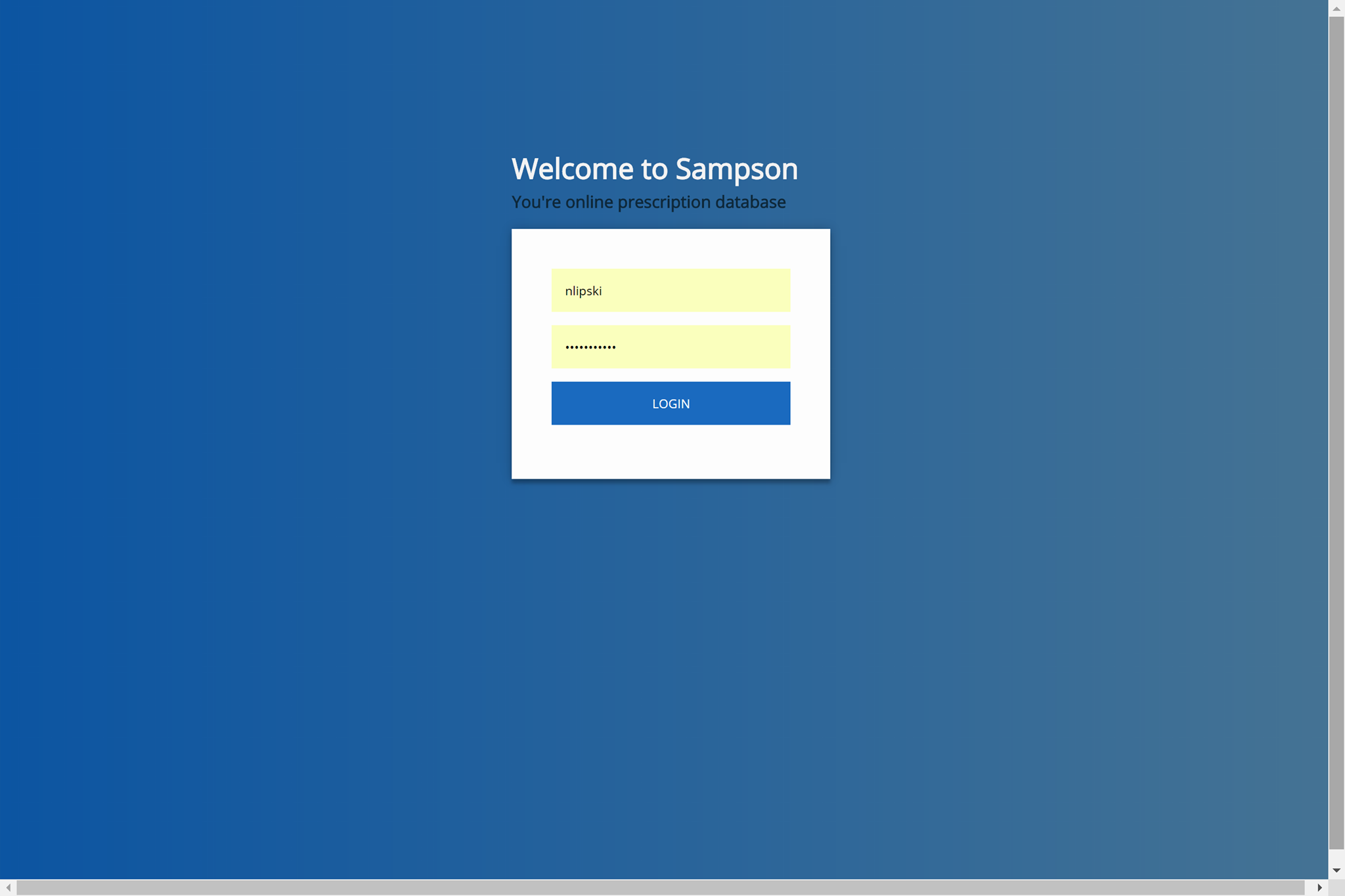
Database Login
Inspiration
The inspiration behind Sampson is the abuse and overuse of prescription drugs. This can come in both the form of accidental and on purpose. Our team’s main focus is on assisting patients that are not able responsibly manage their own medication. Often this is a big issue with Alzheimer's or Dementia patients. Sampson’s aim is to prevent this from happening and allow these patients and their families to be less stressed about their medication.
What it does
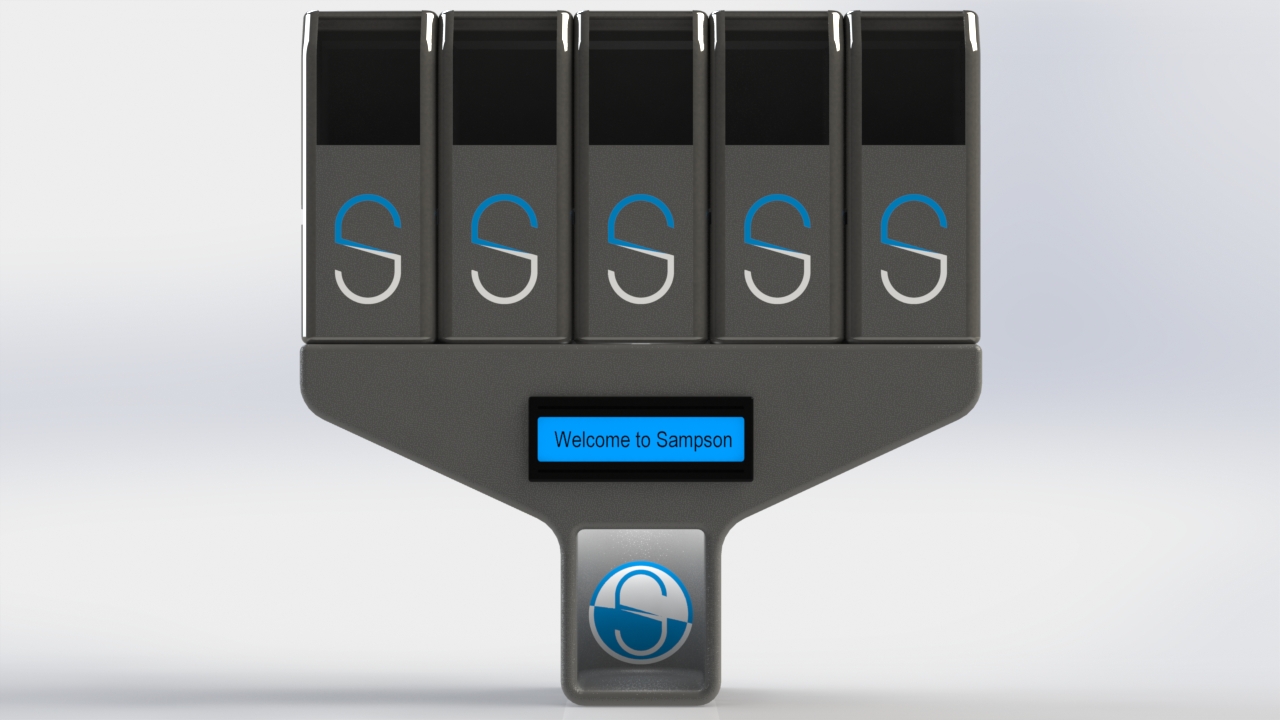
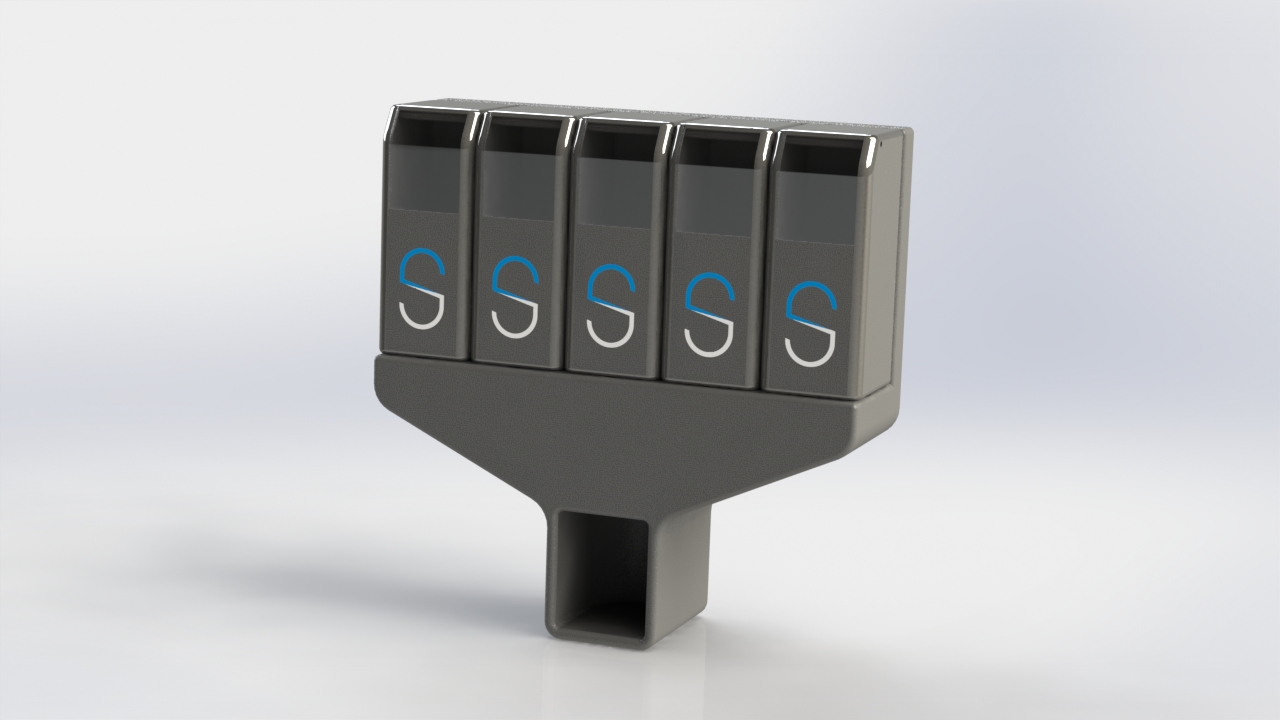
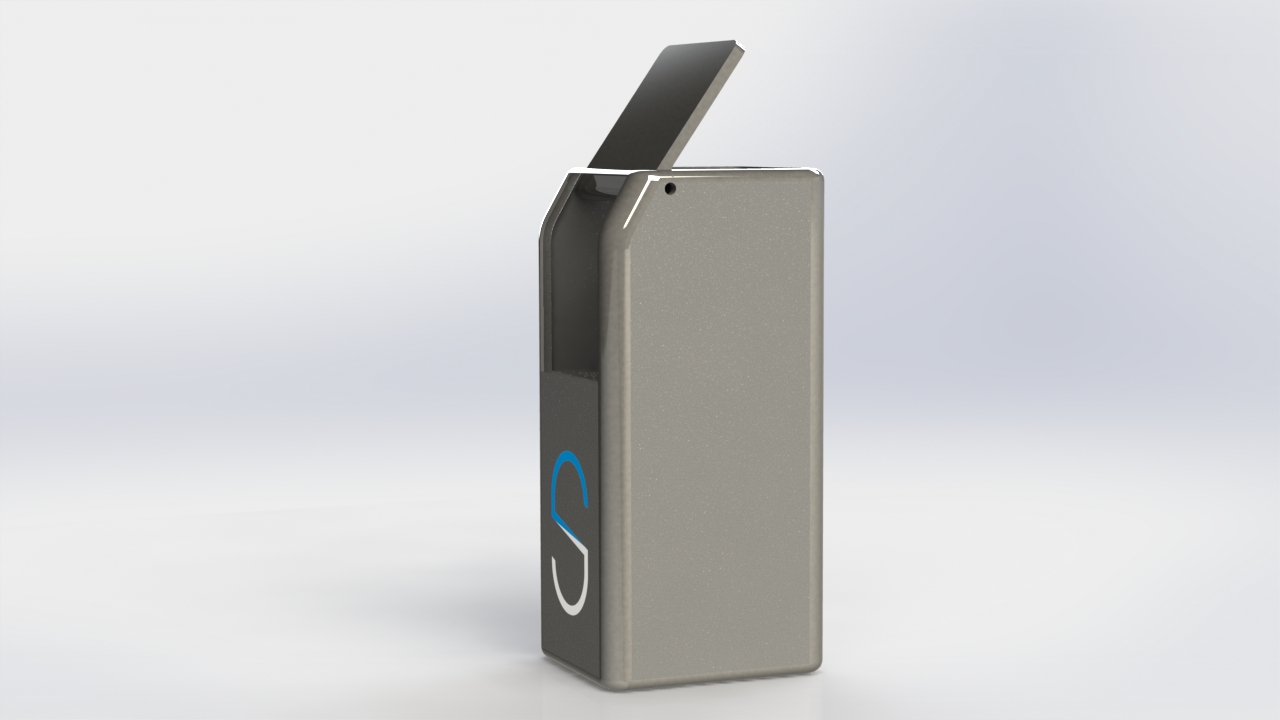
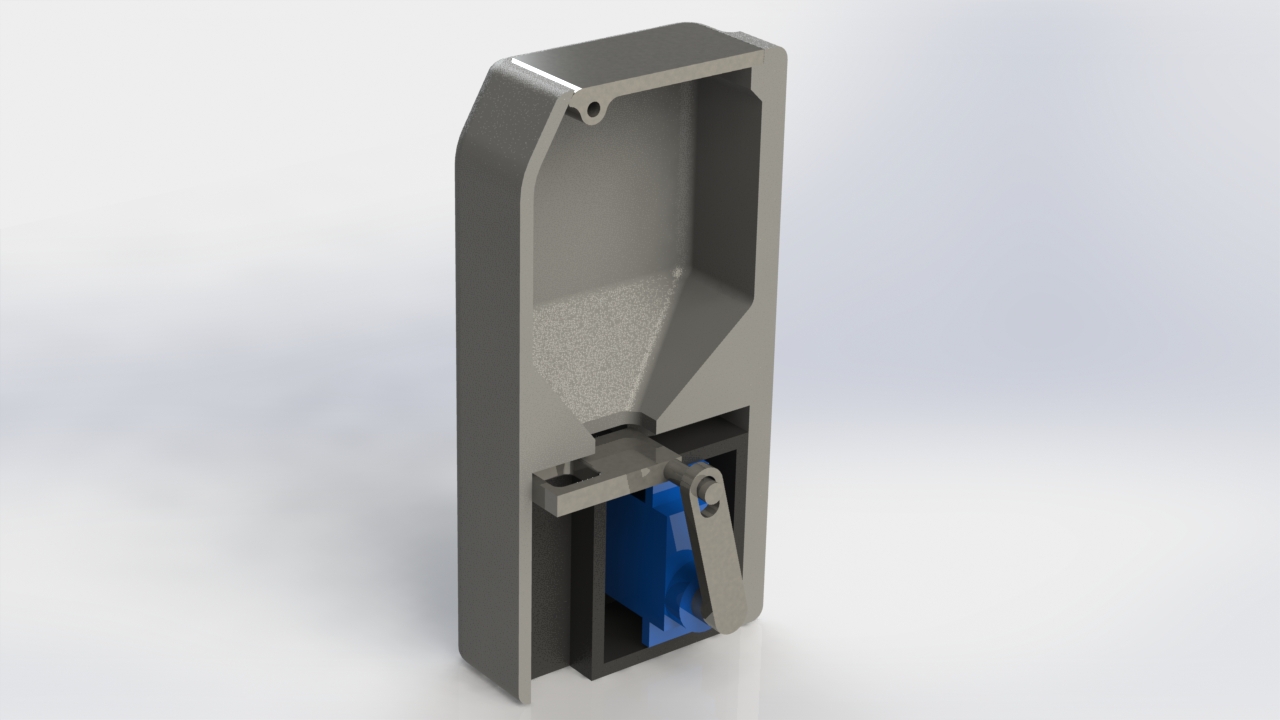
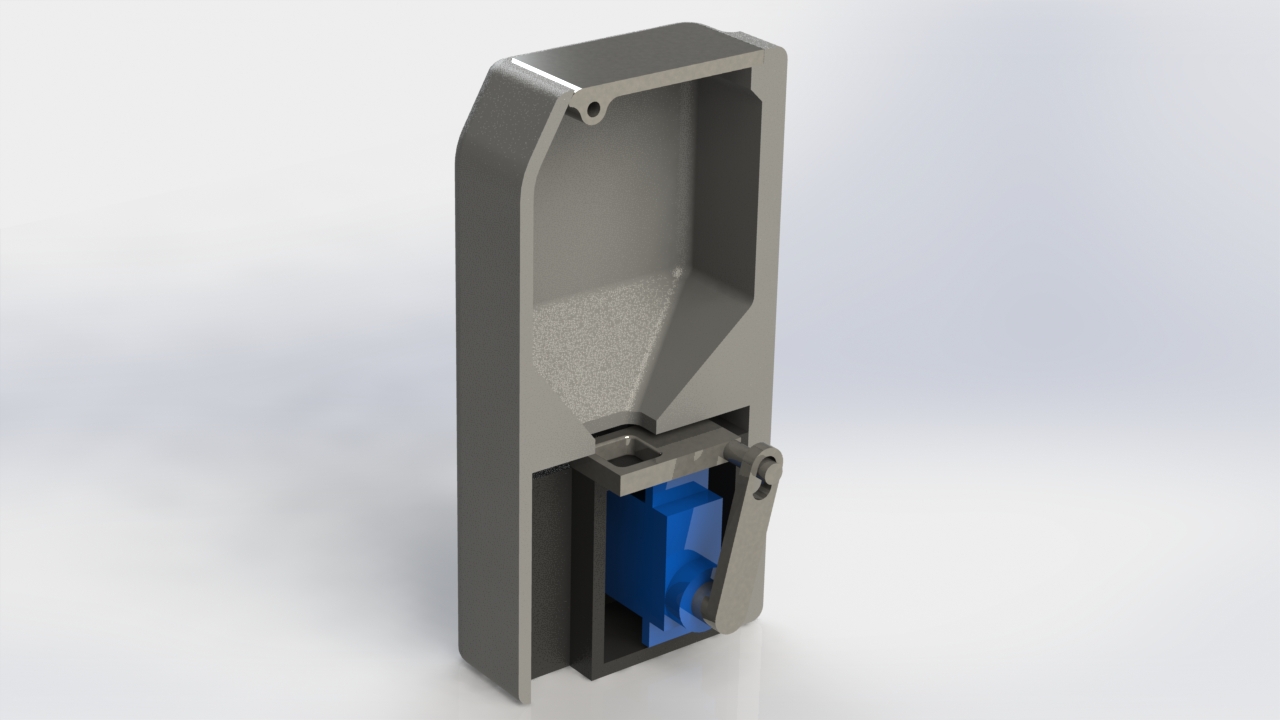
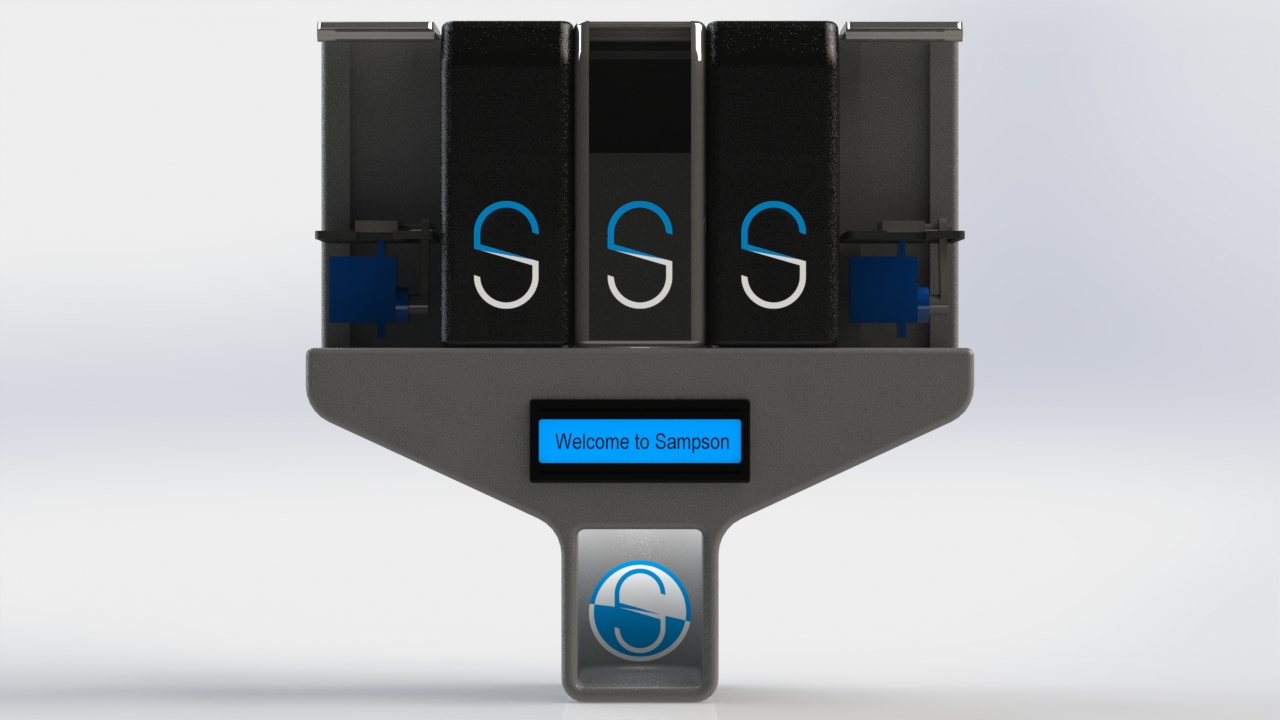
Sampson is a cloud-connected, remote managed pill dispensary system intended to assist patients with their prescriptions. The system is controlled by each patient's physician through a centralized database where information such as the type of medicine the user requires, the frequency and schedule of usage of this medicine. Each pill dispenser is equipped with its own pill dispenser mechanism as well as a completely sealed case that does not allow users to directly access their bulk medication. This however is able to be accessed by pharmacists or qualified technicians to refill. Each of these pill holders is connected to an IoT device that is able to communicate with the system’s centralized database. This system is able to get information on pill dosages and scheduling as well as send data about the level that the pill container is at. This same centralized system is able to be accessed by doctors and physicians for them to be able to live update a patient’s prescription from anywhere if necessary.
How we built it
The team built the system on a variety of frameworks. The centralized database was built with Python, HTML, and CSS using Django Framework. The IoT device was built on an Intel Edison Board using Python. The Prototype Hardware was built on an Arduino 101 using Arduino’s Software and integrated libraries. The team also developed a Simple Socket server from scratch hosted on the Intel Edison Board.
Challenges we ran into
One of the major challenges the team faced was getting all the systems to communicate together (Physician Database, IoT Device and Prototype Hardware). The biggest challenge of all was having the IoT device be able to communicate with the database through the Simple Socket Server to be able to get information about the user of the device. One of the challenges with the prototype hardware was that we were unable to determine in the timeframe how to also run it through the Intel Edison board and in turn had to control all the hardware through an Arduino. This meant the team had to come up with another way of transmitting important data to the Arduino in order to have a cohesive final product.
Accomplishments that we're proud of
- Setting up a Simple Socket Servo on the Intel Edison
- Creating a functional prototype out of Arduino and cardboard
- 3D cad model of proposed product
What we learned
What did we not learn about? The team took on a very ambitious approach to tackle what we felt is a very pertinent and (relatively) simple to fix problem in the medical sector. Throughout this project the team learnt a lot about web services and hosting of servers as well as how IoT devices connect to a centralized system.
What's next for Sampson
In the future the team hopes to further develop the web platform for Doctors to create a more thought out and user friendly application. There is also a high incentive to create an app or communication system to talk to the user to remind them to take their medication. It is also incredibly important to improve the encryption used to protect patient data. The team would also like to develop a portable version of the system for use while away during the day or on vacation. The team has also proposed the usefulness of such a system in controlling more common household medicines that are still very dangerous to children and adults alike.
Built With
- arduino
- c
- django
- intel-edison
- python
- solidworks


Log in or sign up for Devpost to join the conversation.