-
-
r0
-
Hardware in action
-
Rpi Audio
-
Rpi Camera
-
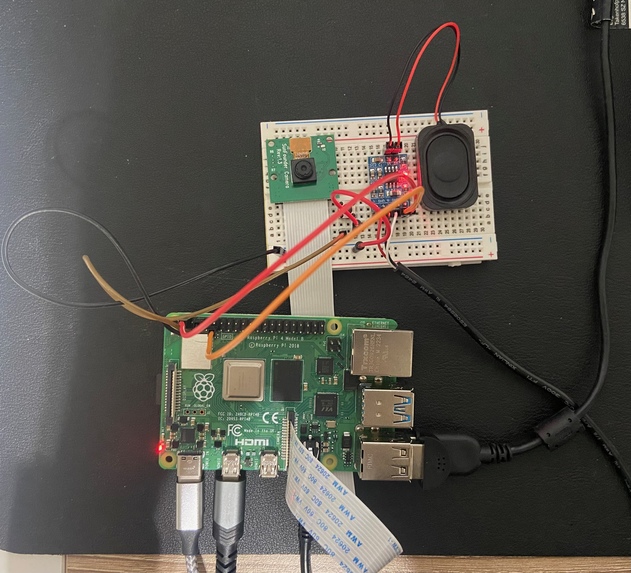
Hardware
In the modern world, we approach innovations in one of two ways: a luxury product for humans or a product that empowers the ones in need.
As an individual from a third-world country, I am predisposed to the latter. A few years back, I collaborated with the Centre for Research and Development of Deaf & Mute India to develop an Indian Sign Language Recognition System (ISLAR). ISLAR leverages Artificial Intelligence to identify and translate signs into text/vocals in real time. With this project, I intend to commence a chain reaction to combine hardware and software advancements in making mobile, easy-to-use products that autonomize differently-abled individuals.
Building atop Rabbit R1 and Humane AI - products that aim to disrupt human-peripherals interaction - I intend to shift the focus from a luxury to an empowering product.
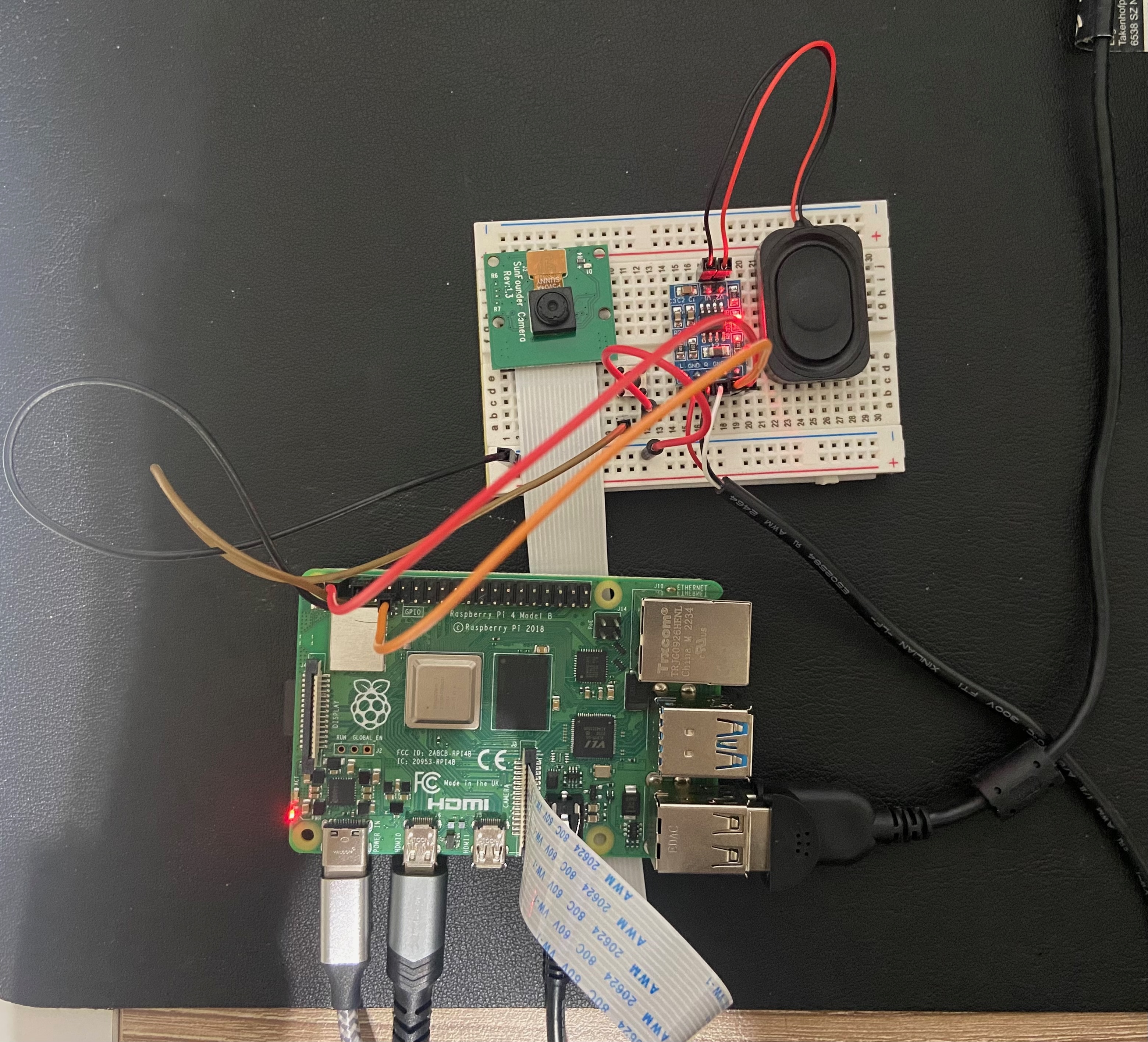
My product, Rabbit R0, focuses on supporting visually impaired and specially-abled people who need assistance interacting with the outside world. Or, shall we say, helping the commoner who needs assistance interacting with specially-abled individuals? It is a Gemini-powered AI intelligent companion built on atop Raspberry Pi that one can use to interact with the real world.
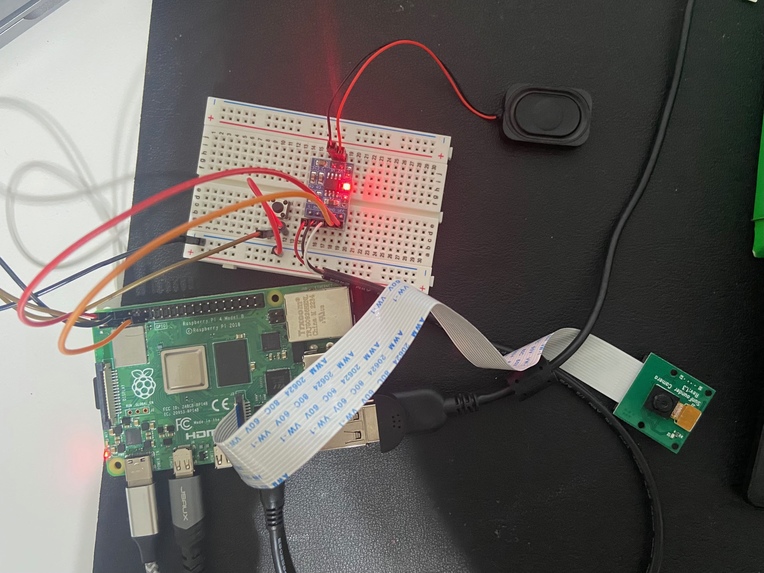
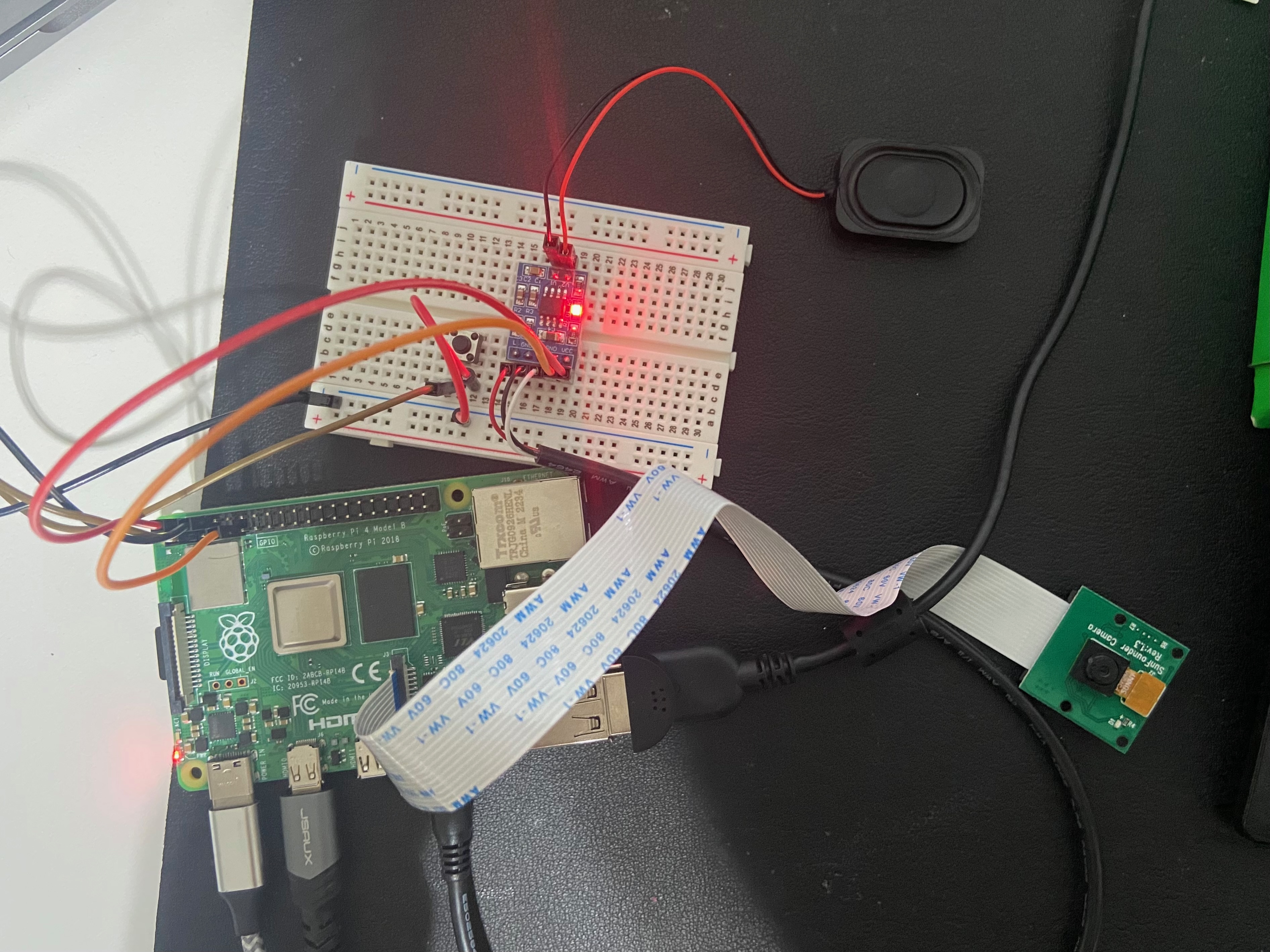
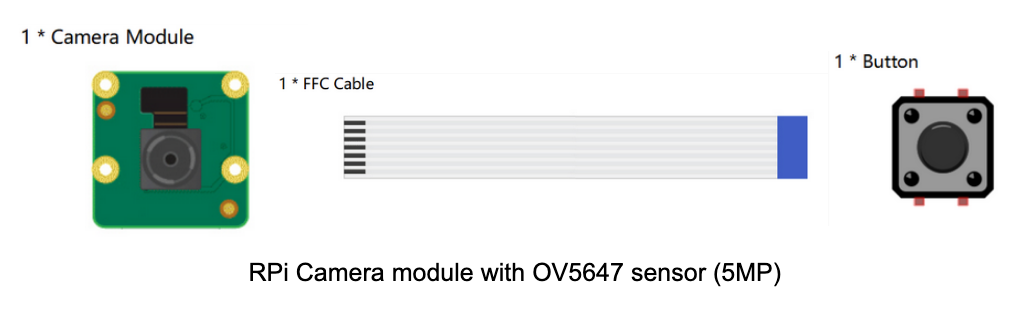
Currently, Rabbit R0 has incorporated the following modules to support input via voice and camera to provide a seamless experience to the user.
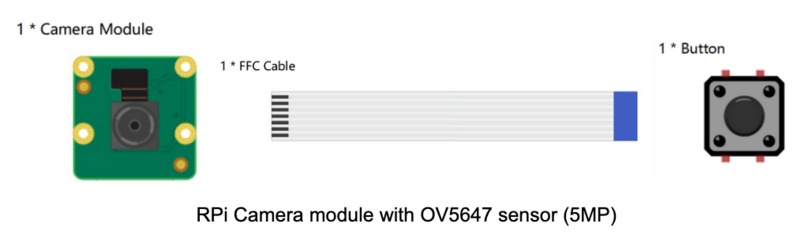
- RPi Camera module with OV5647 sensor (5MP)
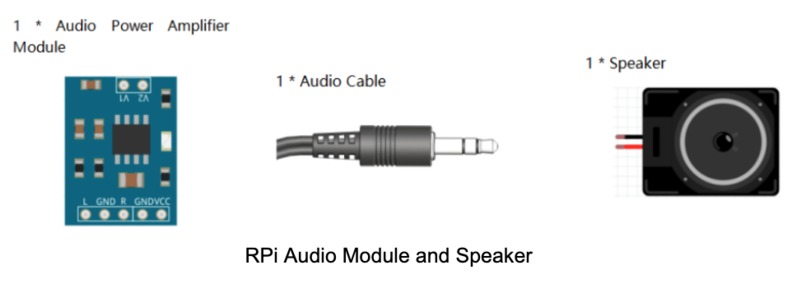
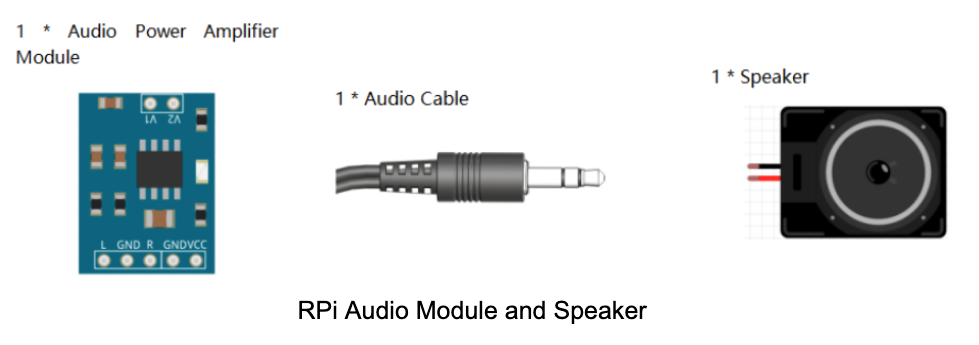
- RPi Audio Module and Speaker
- RPi Touch Sensor
The software uses Google's Gemini LLM model. Each input call is composed of:
- Gemini as a Large Intent Model (LIM): The first phase of the pipeline is used to get intent from the user's input.
- Gemini as a Large Response Model (LRM): The second phase of the pipeline is used to generate an appropriate response.
Today, the most significant challenge faced with building 'accessible products' in developing and under-developed countries isn't a lack of facilities, technological advancement, or skills; on the contrary, it is more of an operational and logistical difficulty to make them economic – something which I firmly believe, can be achieved by AI/ML.
Rabbit R0's journey is just getting started. With the right support and guidance, I plan to make it more robust, intuitive and user-friendly by incorporating more intents and APIs. Furthermore, I would like to integrate sign language capability into this module with an aim to develop lightweight LLM hardware and model for 14 million specially abled Indians.


Log in or sign up for Devpost to join the conversation.