-
-
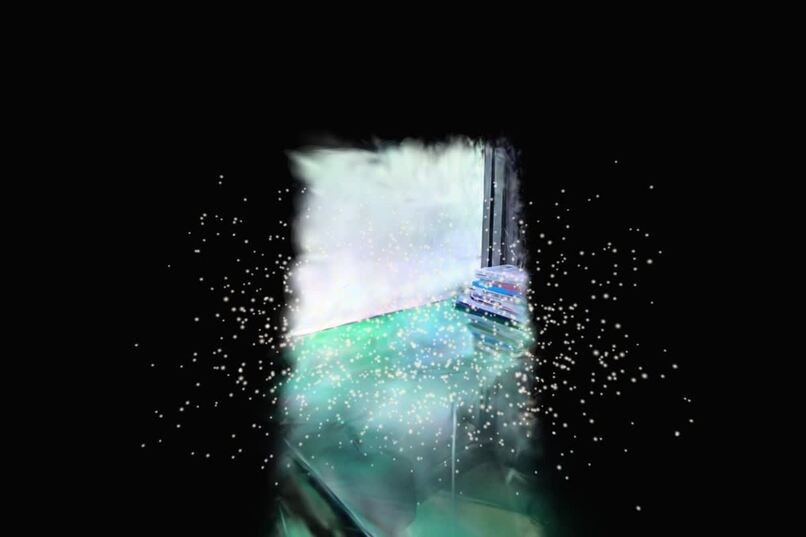
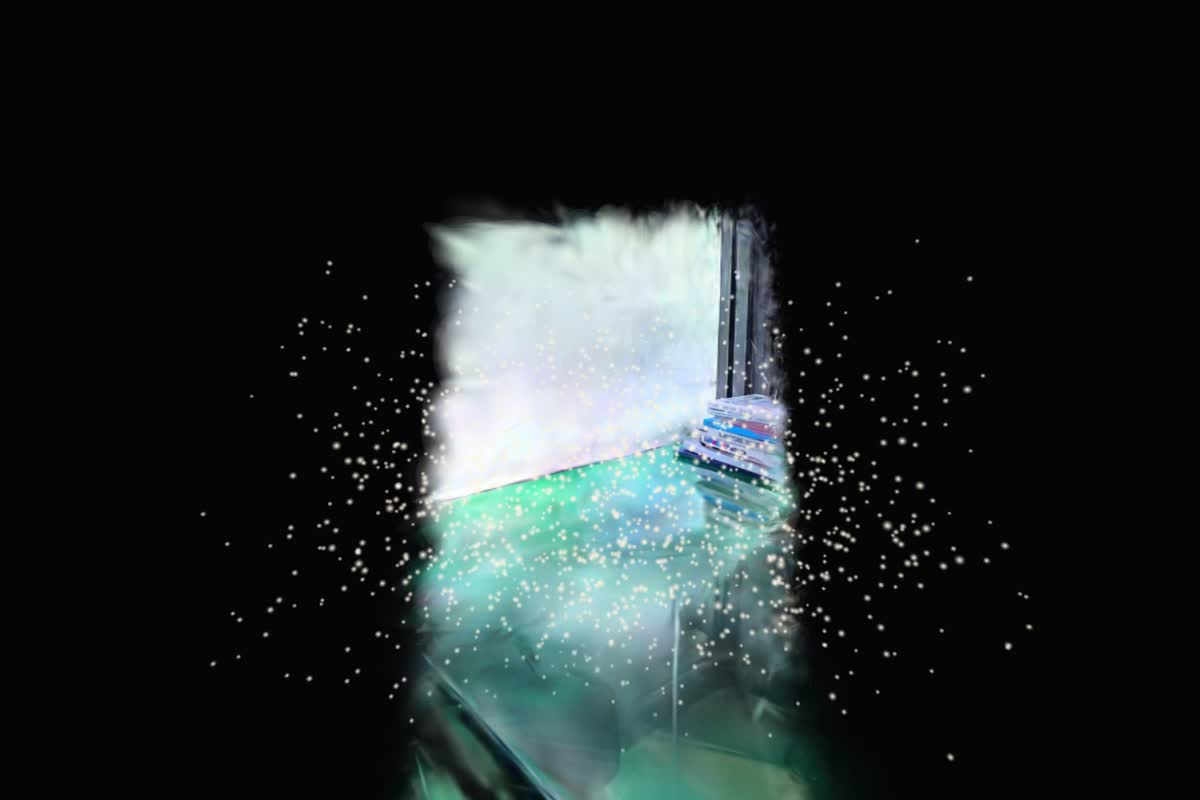
Pull the line apart: the real café appears through the gap as the letters scatter.
-
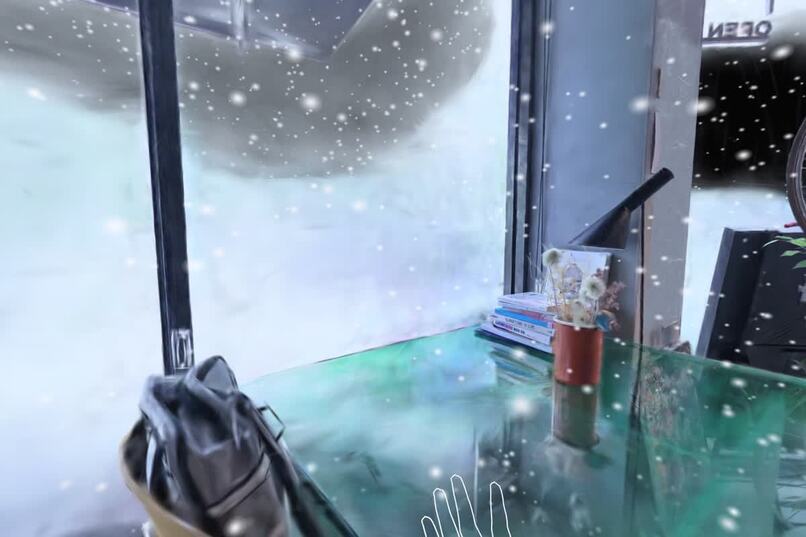
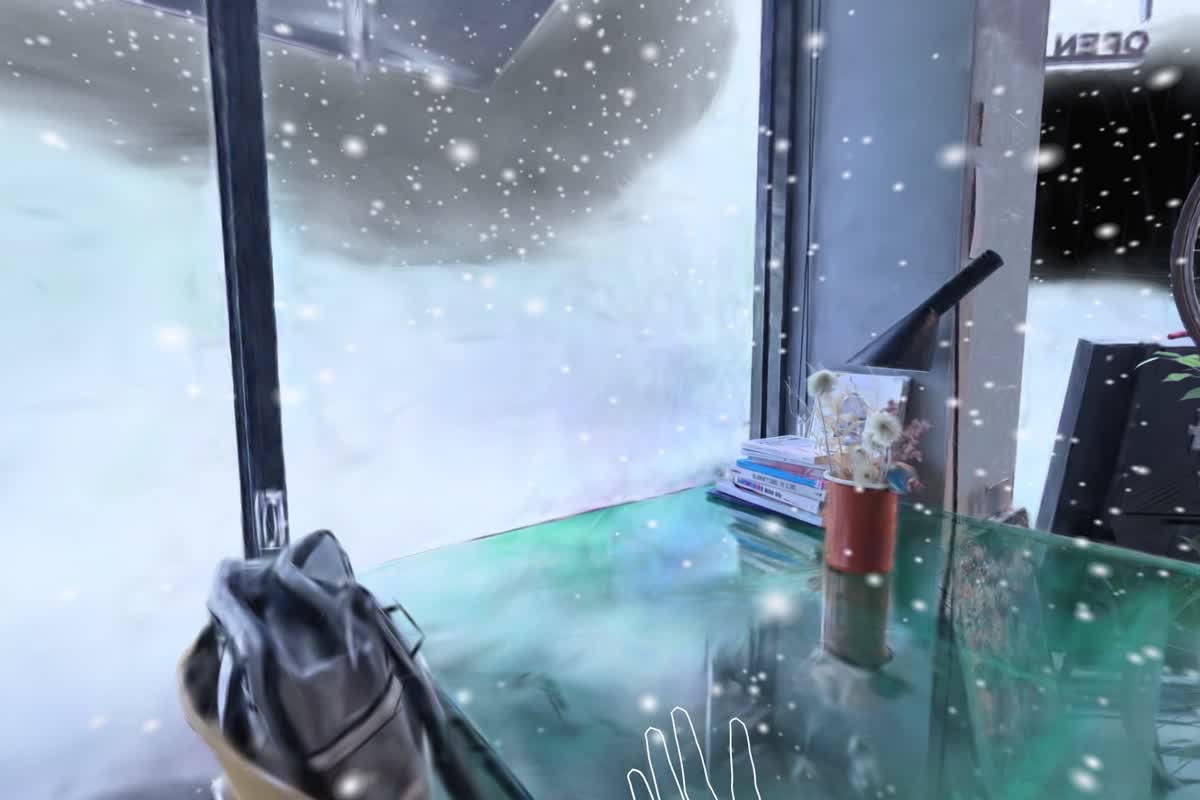
It snowed inside. Snow falls from the ceiling and frost settles on the glass table.
-
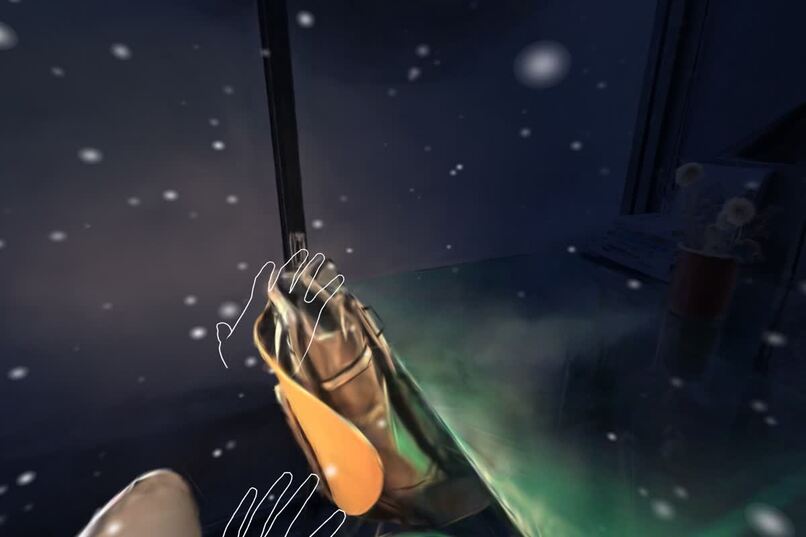
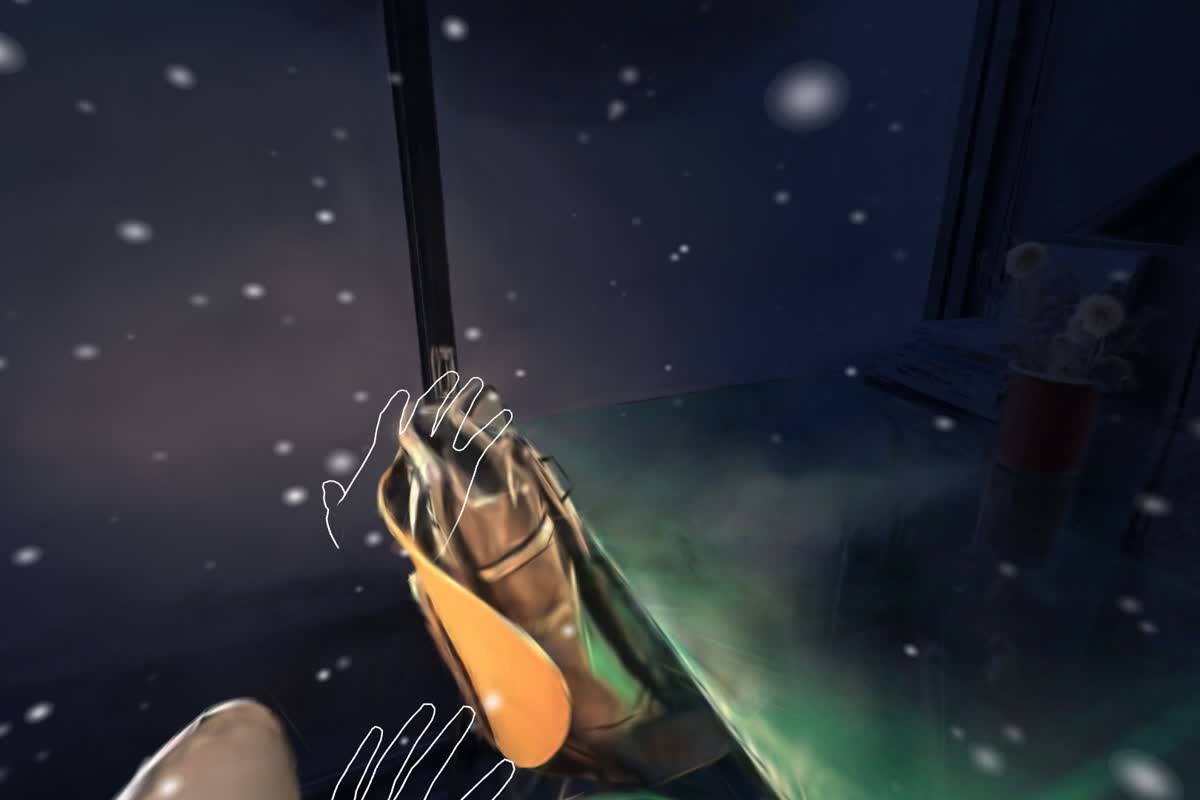
The lights went out. Your hand is the only light in the room.
-
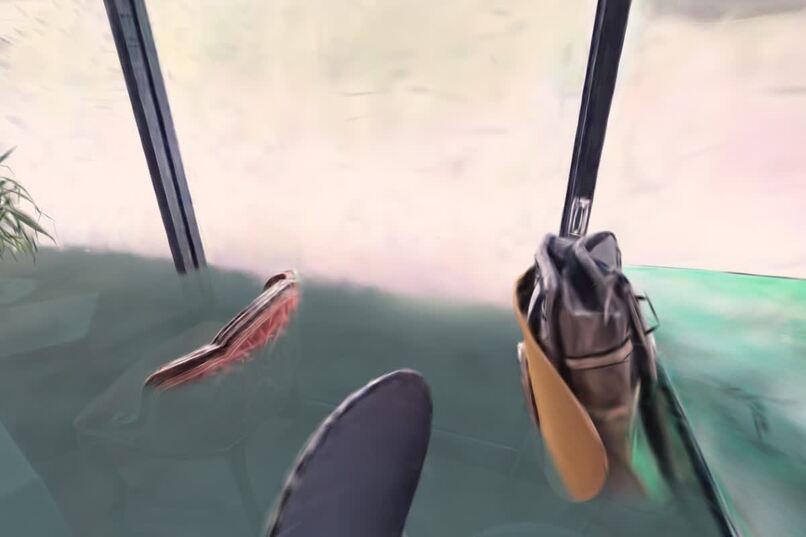
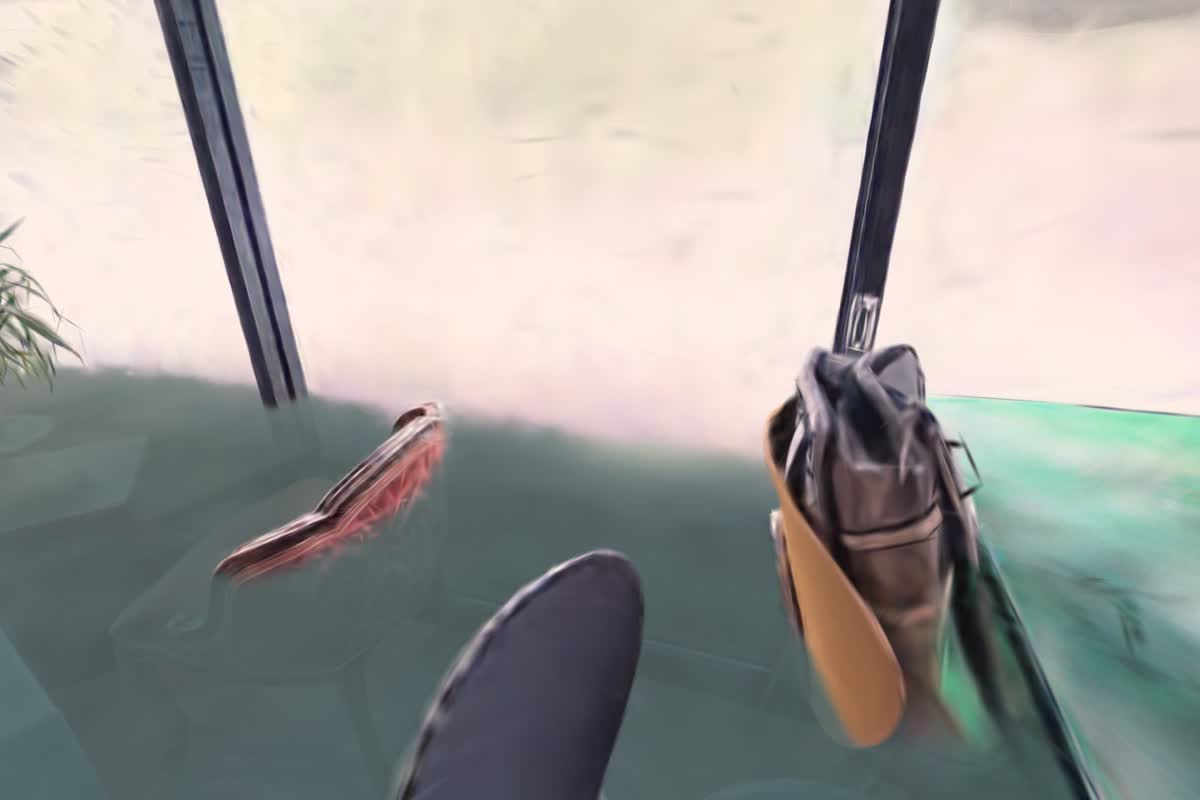
By morning, the sea. The floor by the window floods; touch the water for ripples.
Inspiration
What it does
How we built it
Challenges we ran into
Accomplishments that we're proud of
What we learned
What's next for Same Seat
Inspiration
We started from a single idea: one sentence should be able to change a world, and the result should be a place you can be inside. On a headset that is seated and hands-first, we turned the idea around. You stay exactly where you are. The room is what changes.
The room is real. It is a window seat in a small café in Ulsan, Korea, captured as 3D Gaussian splats (with the owner's permission). You sit in that chair for the whole piece.
What it does
Same Seat is a short poem you open with your hands, about five minutes long, entirely seated.
- In the dark, one line floats within reach: A window seat in Ulsan. 3 p.m. Its two ends glow. You pinch them and pull. The sentence splits between two words, and through the gap you see the café. Pull further and the letters scatter into light, and the room gathers around you. You are sitting at the window table.
- A new line arrives above the table: It snowed inside. Open it, and snow falls from the concrete ceiling. Frost settles on the glass table and the chairs. Flakes that land on your hand melt.
- The lights went out. The room drops into a blue night. Your hands become the only light. You find the room again by carrying light across it.
- By morning, the sea. Dawn comes through the window, the snow melts, and water rises until it stops just below the table. Touch the surface and ripples cross the room.
- The three lines gather into one poem. A small branch on the table grows a leaf for each line. The water recedes, the light returns to three in the afternoon, and the room is exactly as it was. Same seat. Pinch the branch to read again.
Each world continues from the last: the night falls on the snowy room, and the sea is the snow melting at dawn.
How we built it
- WebXR with Meta's Immersive Web SDK (IWSDK) and three.js, running in Meta Quest Browser. No install, no server.
- The café is a real scan rendered as 3D Gaussian splats with Spark. We cropped the scan to about 3.4 m around the chair (finer detail close to the seat, about 370,000 splats), removed a branded drinks fridge, and painted over photos and postcards so that nothing identifiable or branded remains.
- Every effect runs on the splats themselves in one GPU modifier: the room appearing through the gap in the sentence, the frost on horizontal surfaces, the night grade, the light carried by your hands, the colour of the room under water.
- The snow, the sea surface and the dust of the letters are splats too, so everything you see is made of the same material.
- All sound is synthesized live with the Web Audio API and placed in space around you.
- Hand input is raw WebXR hand tracking: we measure the distance between thumb and index tip with hysteresis for a stable pinch, and read the palm position and direction for catching snow, carrying light and touching water.
Hand interactions
The piece teaches one gesture without a wall of text: pinch and pull. The ends of the first line pulse until your fingers find them; if nothing happens for a few seconds, the sentence breathes open a little by itself to show what to do, and only if the ends are still untouched after a while does one quiet line appear underneath: "pinch the two lights and pull them apart." After that, each world asks something new of your hands without instructions: hold a palm out to catch snow, move your hand to light the room, touch the water to make ripples. Everything happens within arm's reach while seated. One hand is enough to open a line. Controllers also work (the trigger pinches), but hands are the way it is meant to be read.
Challenges we ran into
- Keeping a real scan light enough for a standalone headset: cropping to what the chair can see, mixing two levels of detail, and regenerating splats only when an effect actually changes.
- Making a sentence feel like the door to a place: the room is revealed through an angular window that follows the gap between your hands.
- Content rules in a real place: a café is full of brands and other people's artwork. We kept the room around the chair, removed or painted over everything identifiable, and left the rest in darkness.
Accomplishments that we're proud of
The first thirty seconds: a sentence you pull apart becomes a real room around you, with no instructions and no menus.
What we learned
A real place carries emotion that a modelled one does not. When snow falls on a table you could actually sit at, it reads as an event, not an effect. Seated design is not a limitation here; it is the subject.
What's next for Same Seat
- Your own sentence: we have a pipeline (from an earlier prototype) that turns a typed sentence into a new splat world in about two minutes. Next is bringing it to the headset with voice, so a reader can add a fourth line.
- More real seats: a library desk, a train window, a hospital bed by a window.
- Architecture and interiors: the same technique lets someone sit in a room before it is built or rebuilt.
How to try it
- On Meta Quest 3 or 3S, open https://same-seat.pages.dev in Meta Quest Browser.
- Sit down. Tap Sit down on the page, then allow hand tracking if asked. Put the controllers down; the piece is made for hands.
- Sound on. The piece takes about five minutes and ends by itself. Pinch the small branch on the table to start again.
- If the room looks too close or too far, hold the Meta button to recenter while sitting upright.
The demo video was captured in the Immersive Web Emulator (Meta Quest 3 profile) with scripted hand input, running the same build.
Credits
Café scan used with the owner's permission; the café is not named in the piece. Libraries: Immersive Web SDK (MIT), three.js (MIT), Spark (MIT). All sound is synthesized in code.
Built With
- gaussian-splatting
- immersive-web-sdk
- javascript
- meta-quest
- particle
- three.js
- vite
- web-audio-api
- webxr
