Inspiration
Inspiration can be divided into two tangents:
Motivation: The idea was motivated by the need to tackle increasing traffic, which is drastically decreasing the quality of life, amount of online orders, and most importantly climate change with one solution. For the solution to be adopted by the industry giants, it needs to be affordable, feasible, user friendly and easily manufacturable, and these were driving constraints for the engineering design process.
Design Inspiration: From current industry leaders in the personal electric vertical take off landing(VTOL) space to the military airfracts by the like of Osprey 22 served as inspiration for the design ideas and proof of concept for emerging aerodynamic principles.
What it does
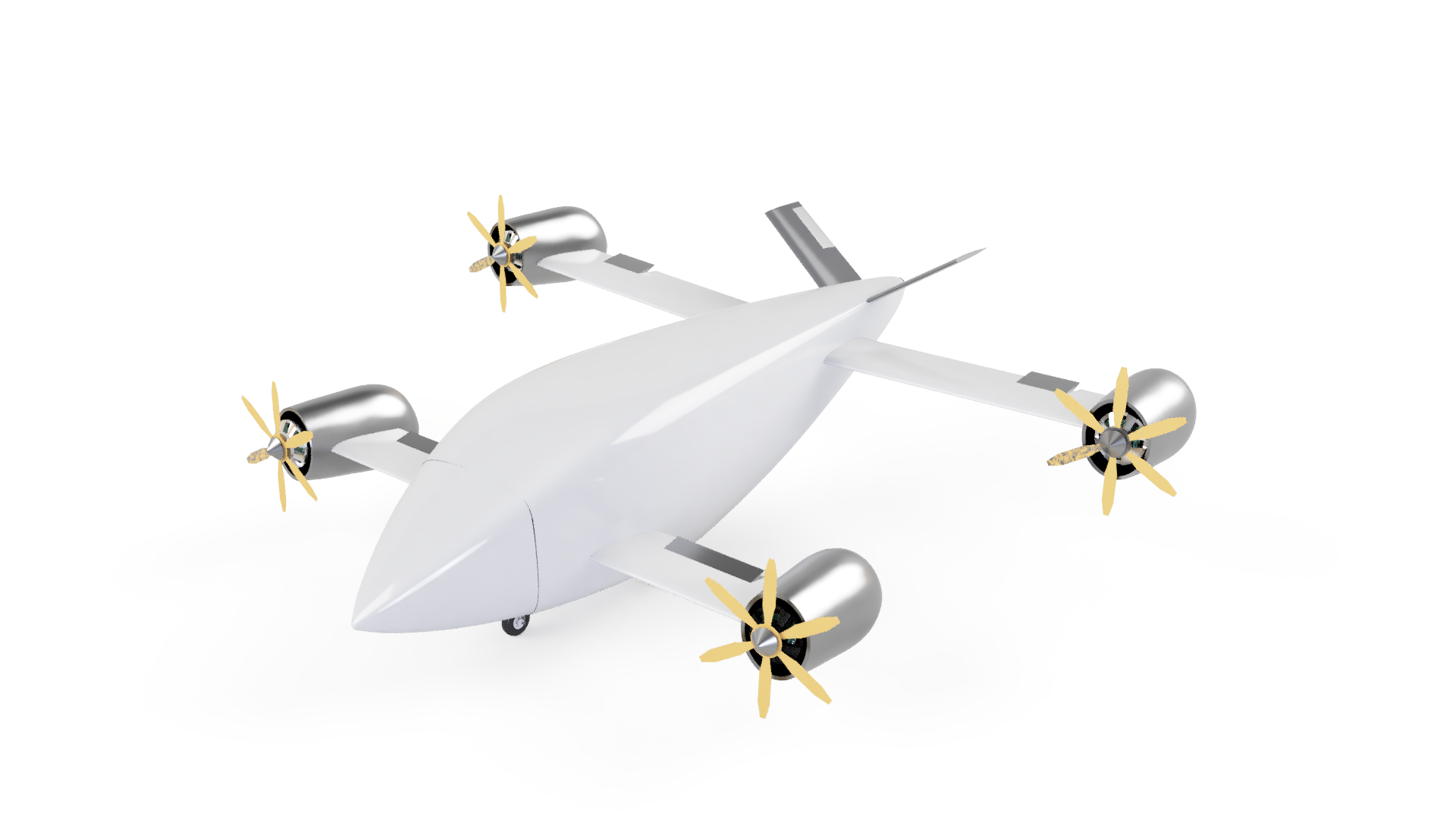
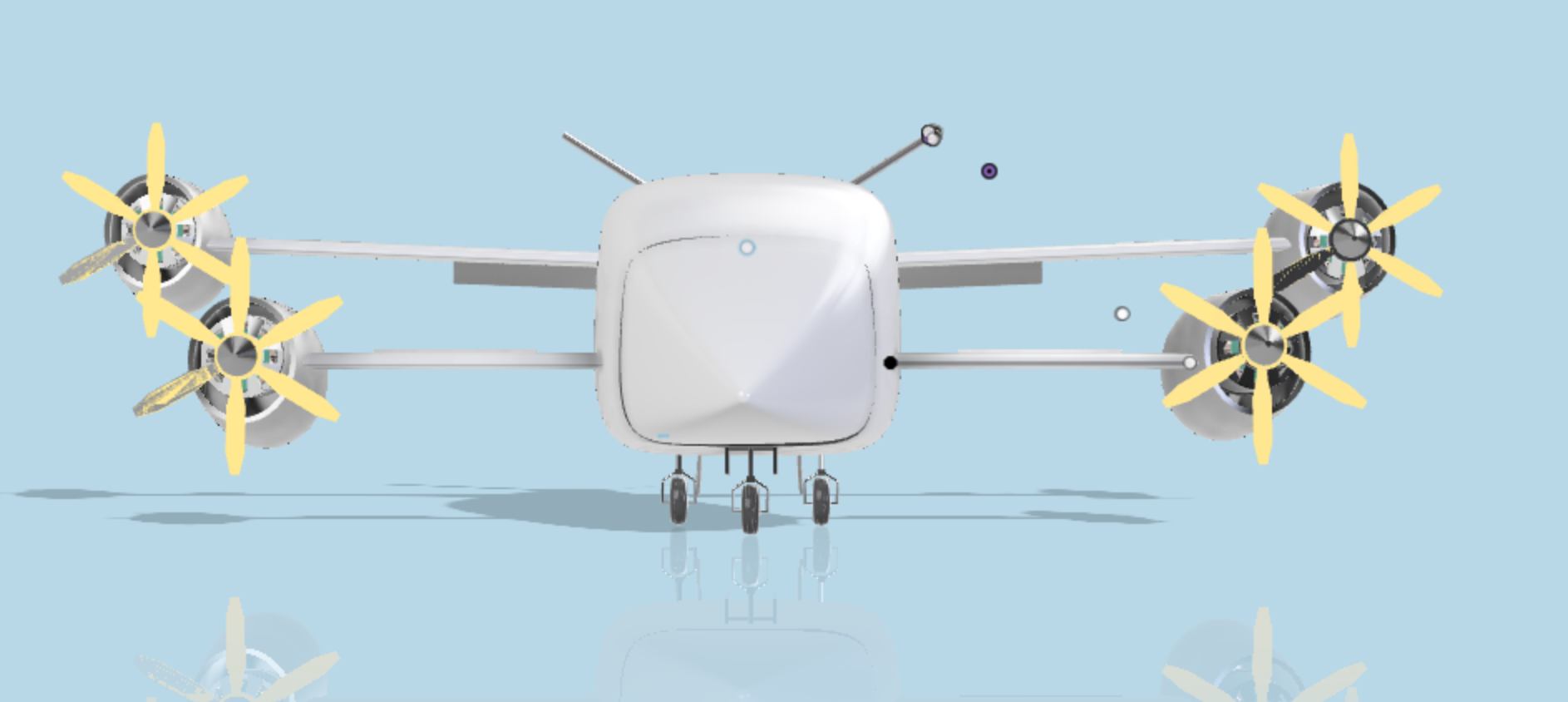
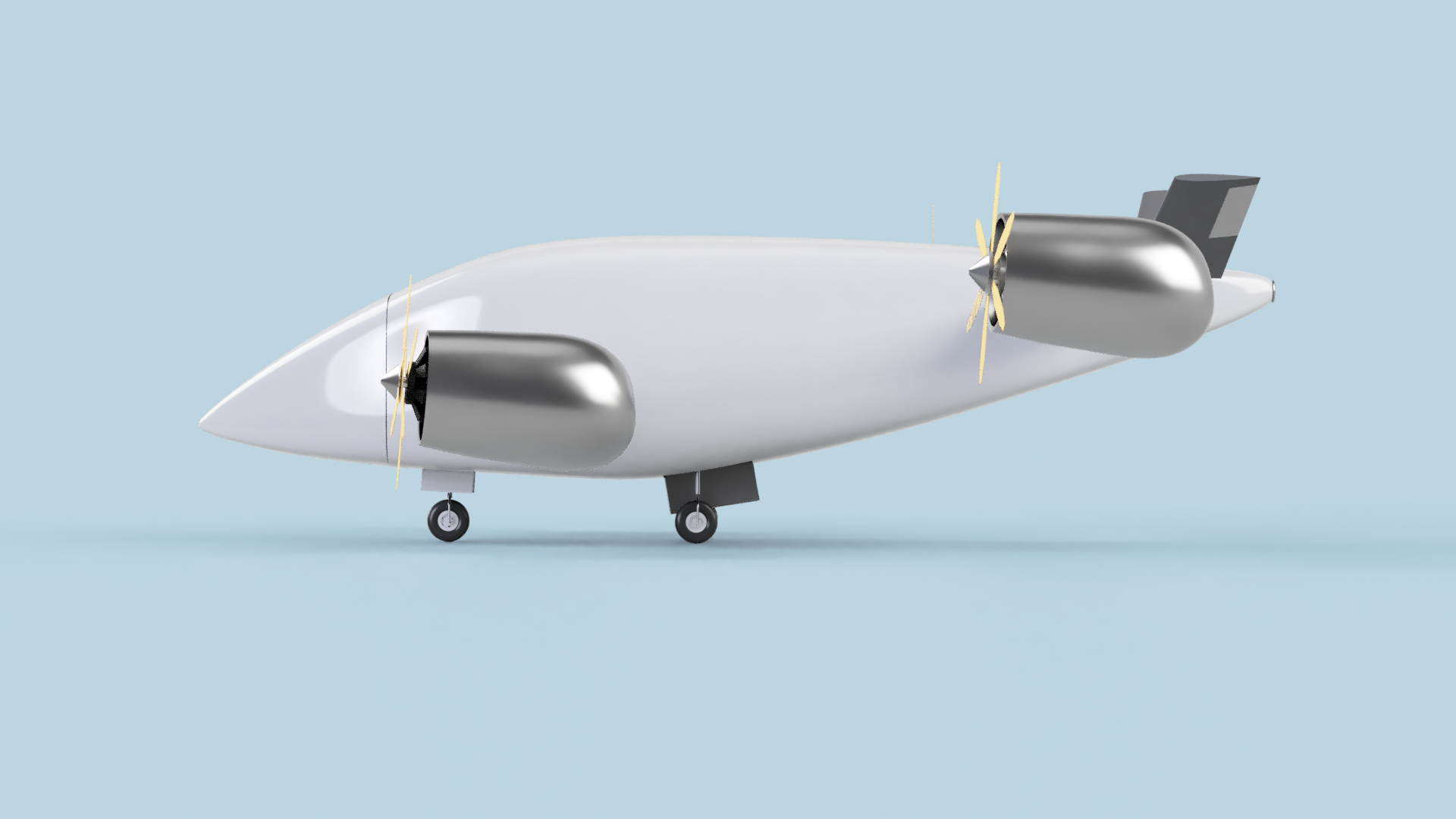
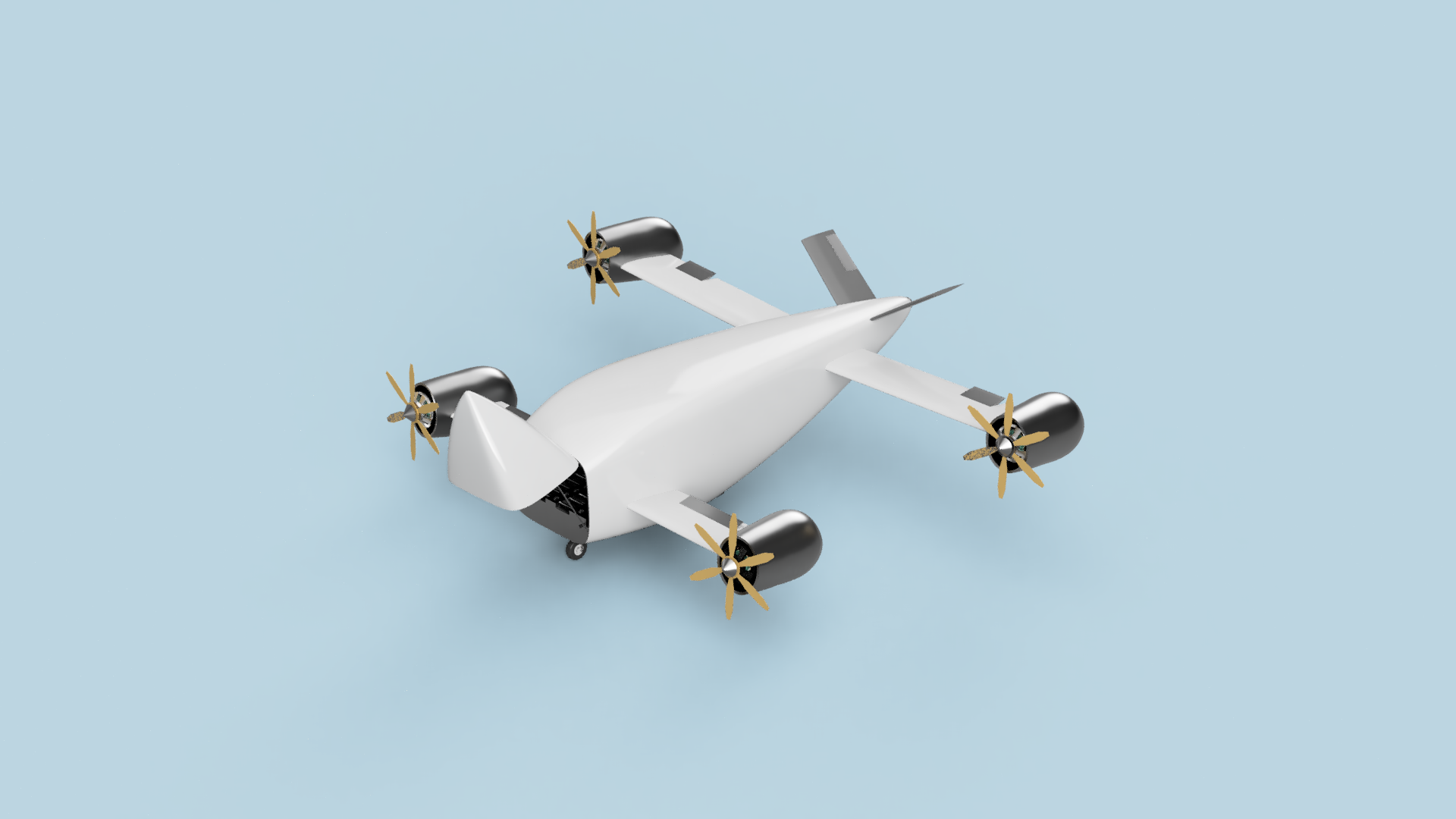
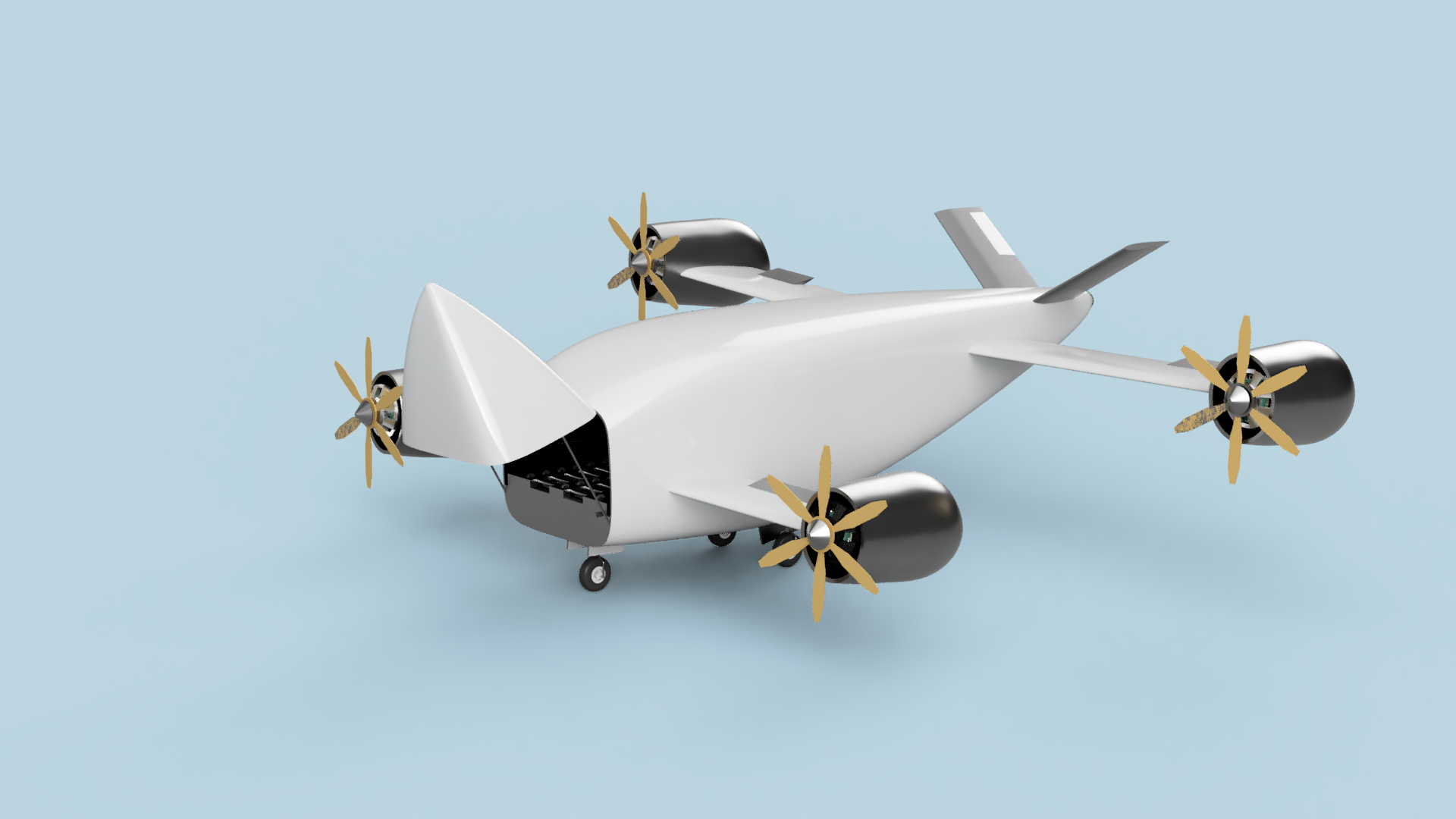
The aircraft is vertical take off landing unmanned aerial system which accomplishes level IV autonomous flight while having high efficiency, manufacturability and a user centric design. This is achieved through 2 main segments:
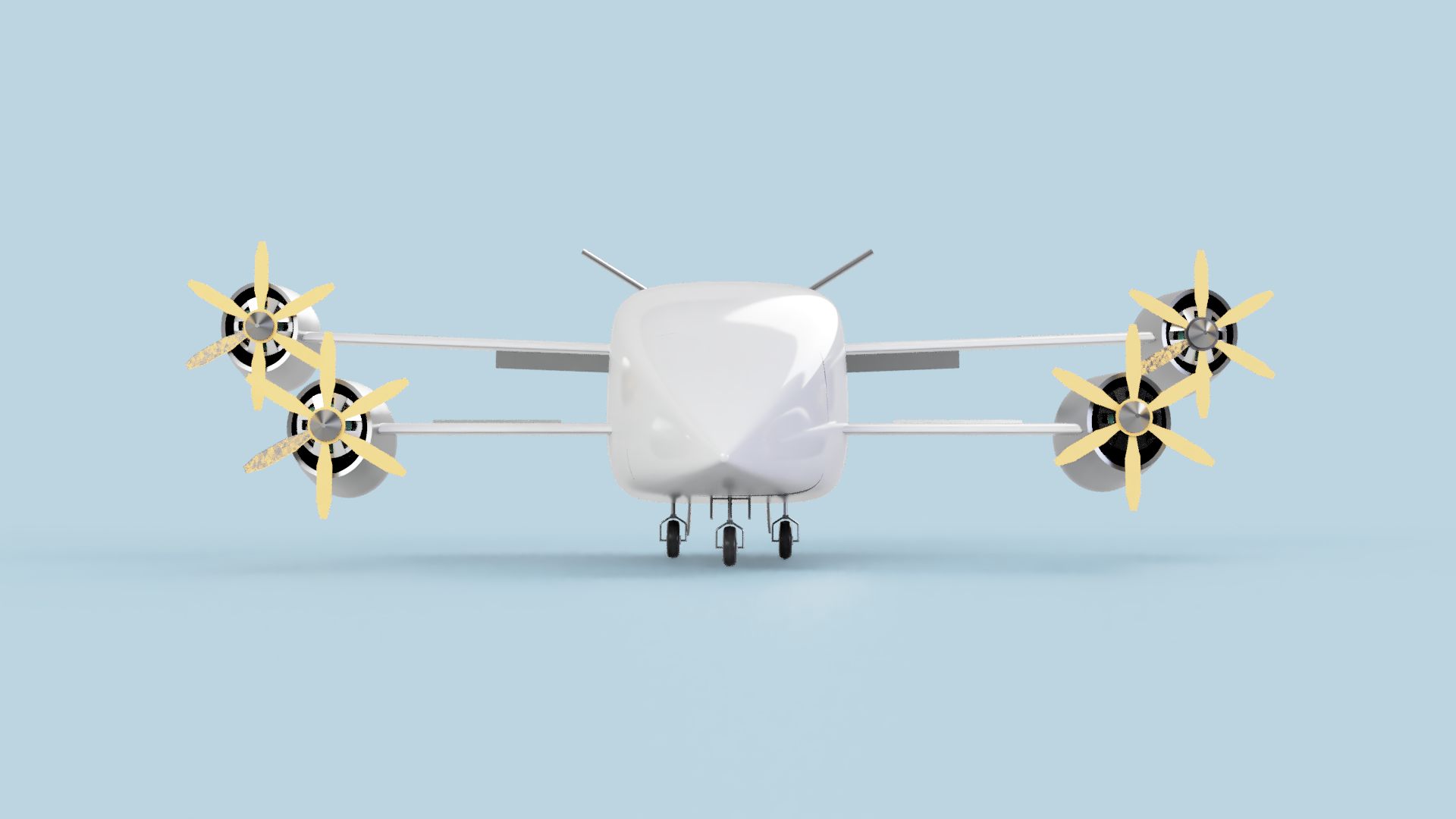
Design Process: The design process was focused on decreasing noise, and increasing manufacturability and efficiency. This was brought by incorporating the following factors: Tandem Wing Configuration Tadpole Fuselage Design Tiltrotor Configuration Coaxial Propellers V-Tail Configuration
Autonomous Systems: The Autonomous Systems use a combination of sensors like Radars, Lidars, Cameras, IMUs and protocols like Photogrammetry and Trilateration to ensure obstacle avoidance and navigation.
Communication is ensured through radio and internet, with encryption and other protocols to ensure that the communication is interrupted.
- Manufacturability: It was manufactured using a mixture of carbon fiber and aluminum rods for support. Carbon Fiber was selected over materials like Kevlar 49 and Fiberglass because it’s strong and easily manufacturable.
Aluminum rods will be used for support in structures for example in the wings, between the airfoils.
How we built it
We built it in both fusion and blender. Fusion was for engineering design, while blender was for working animation. We also made use of figma to make a circuit diagram.
Challenges we ran into
We ran into a lot of assembly challenges while assembling complex mechanisms. We also faced issues with covering the amount of detail we wanted within the required time frame. We were not able to make a mechanism for tilting the wings due to lack of time. This was the same with perfecting many small joints.
Accomplishments that we're proud of
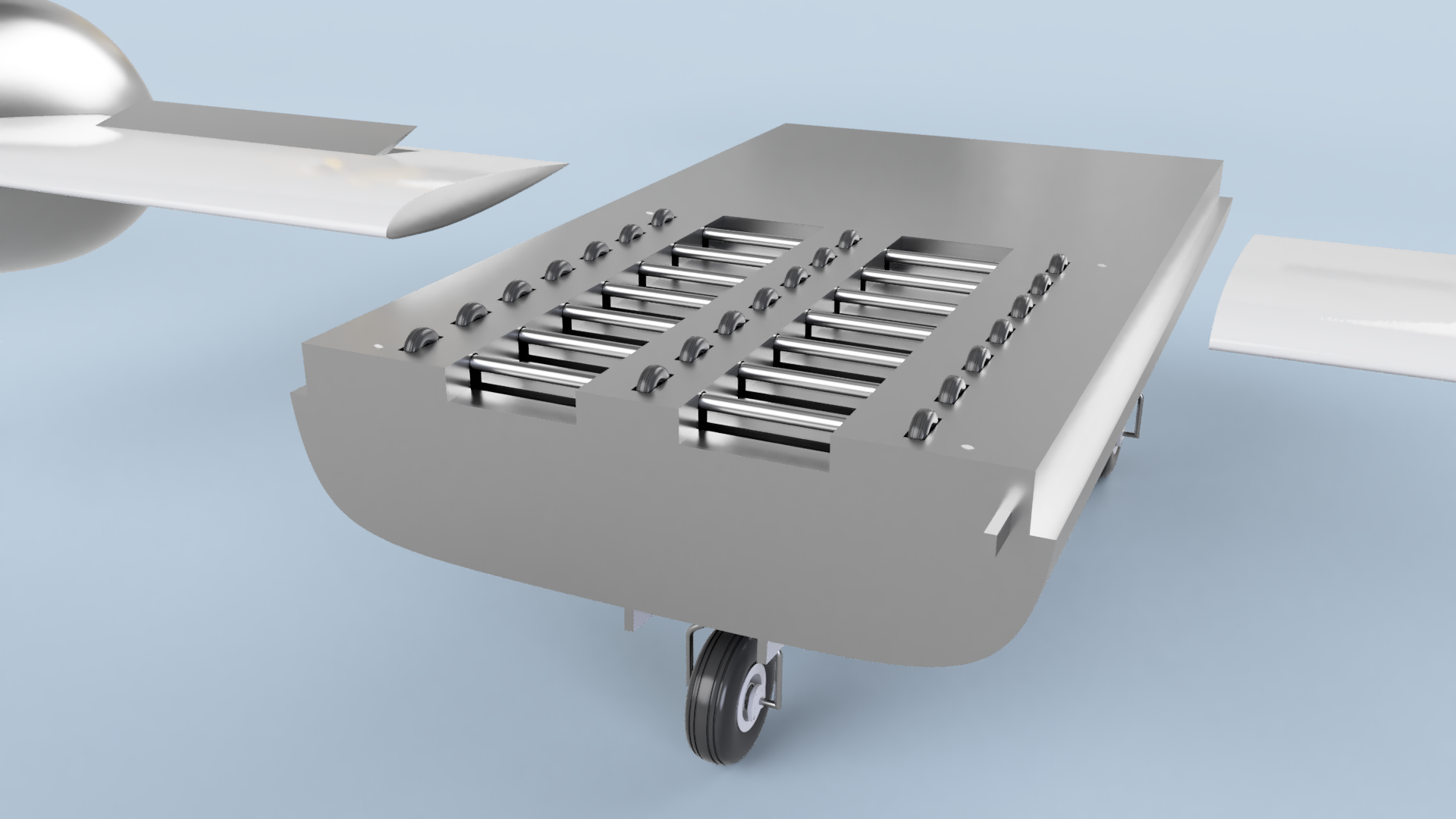
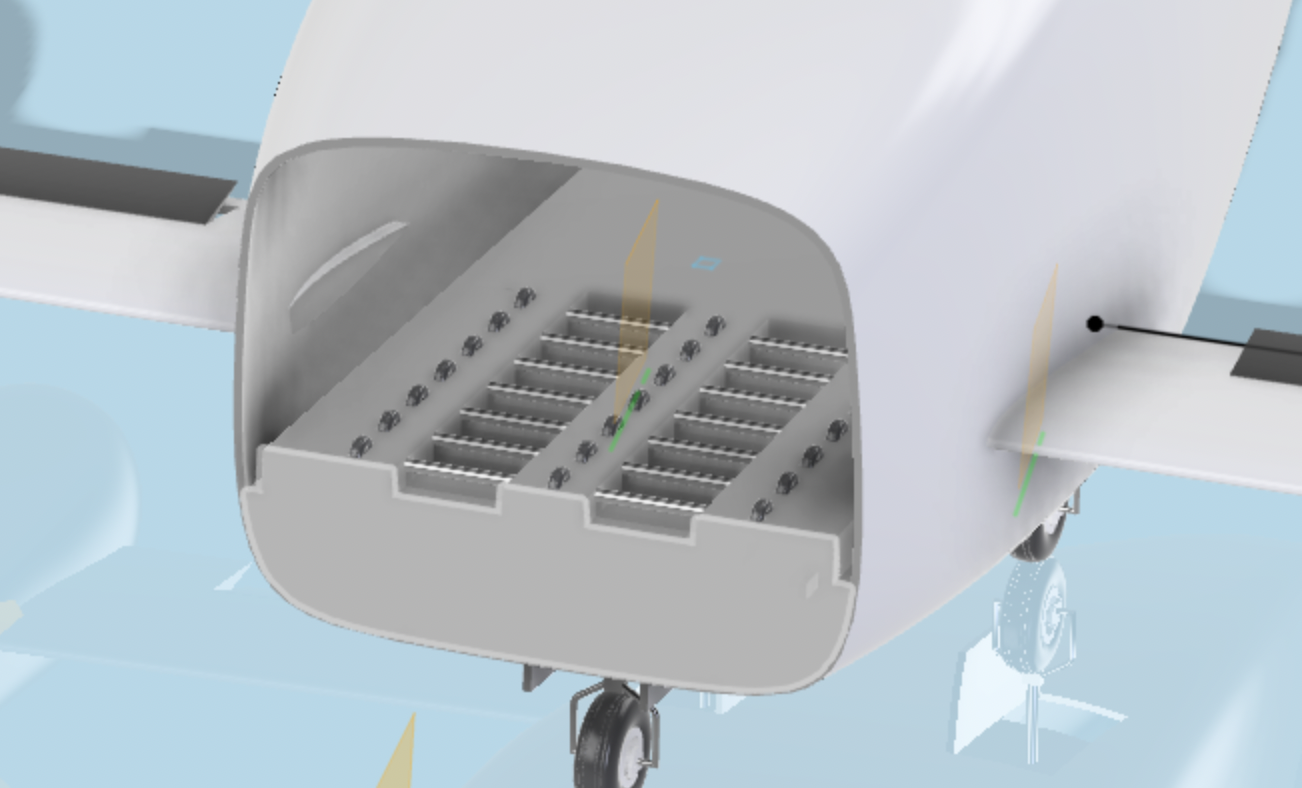
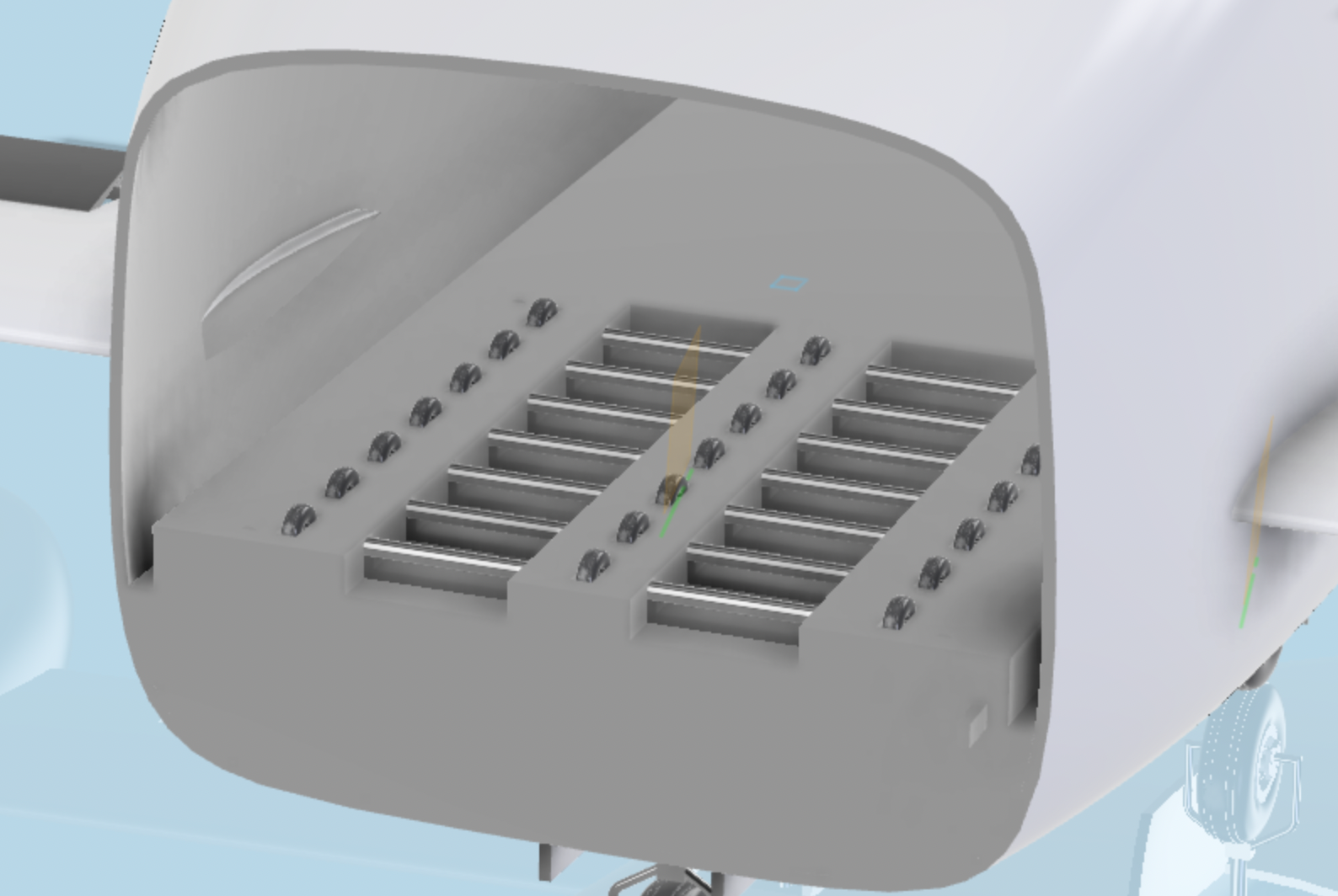
We have added the unloading - loading mechanism in a lot of detail. The motor propeller integration was also covered in detail. All the main external design aspects were covered.
What we learned
We learned better time management and how to improve our fusion skills, specially the joints and assembly skills.
We also learned technical skills like simulations, etc
What's next for Samaritan Aerospace
We look forward to a great presentation.


Log in or sign up for Devpost to join the conversation.