-
-
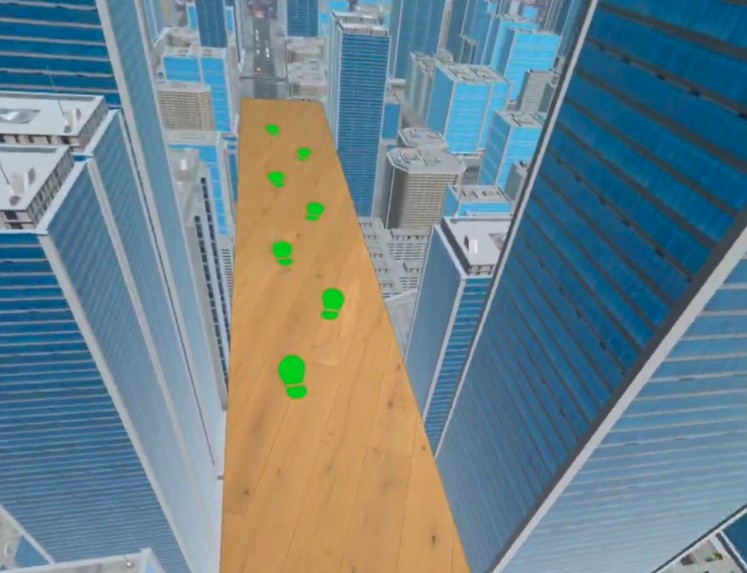
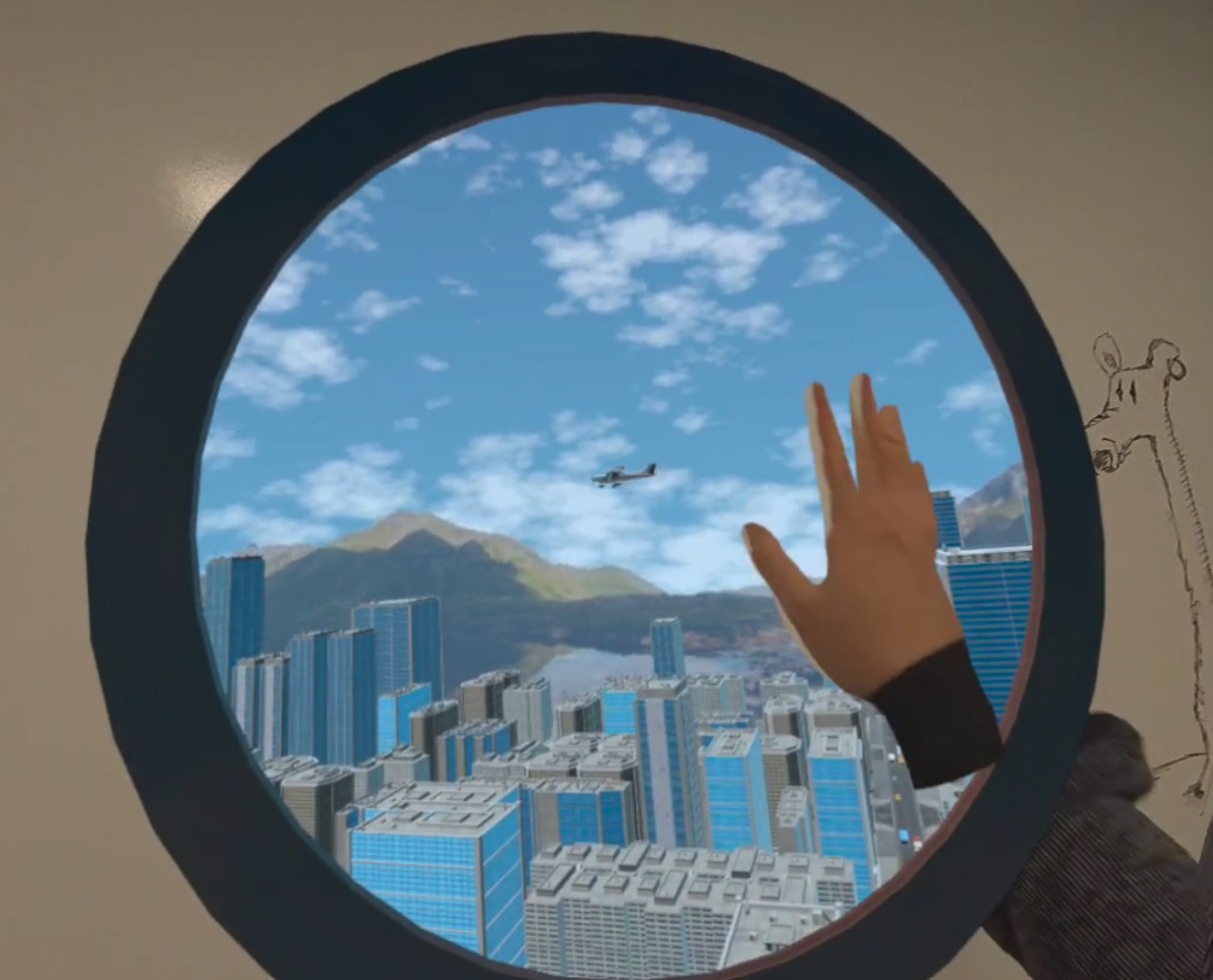
Walk the bridge
-
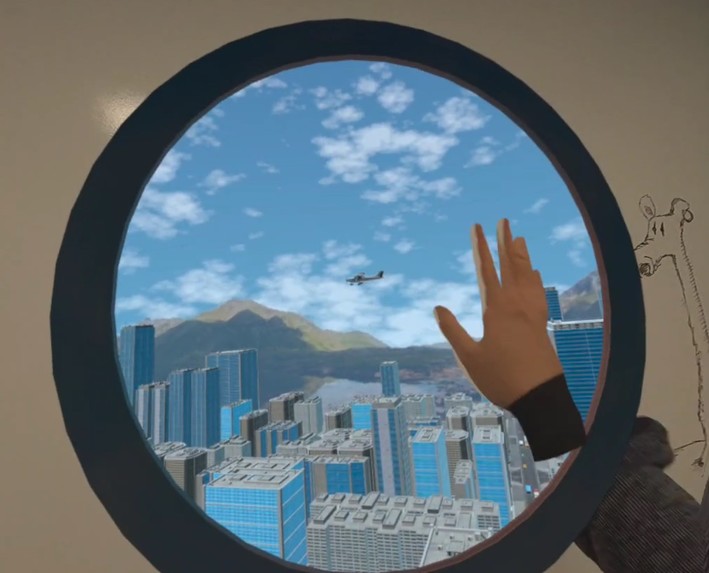
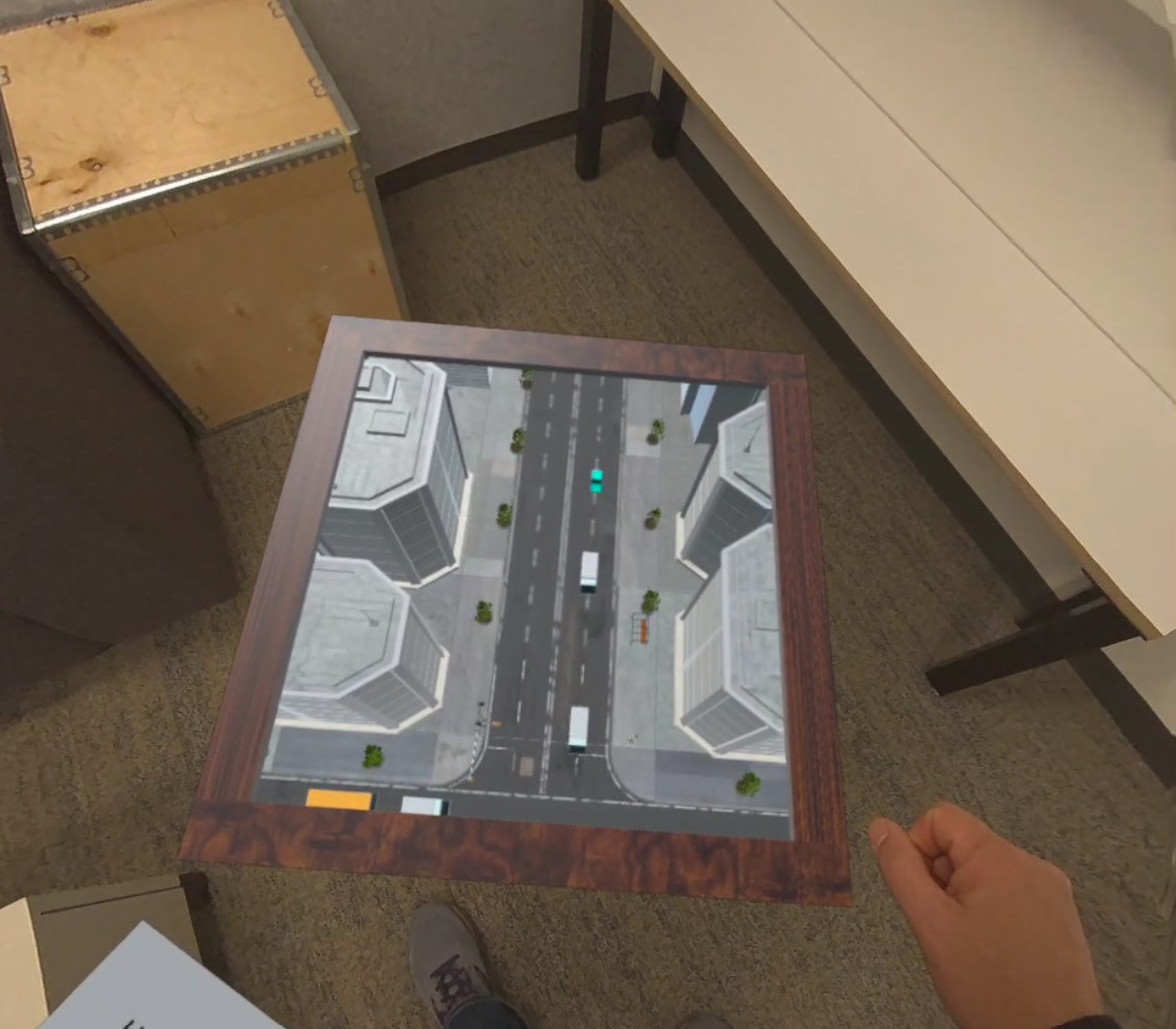
Place virtual windows in your room
-
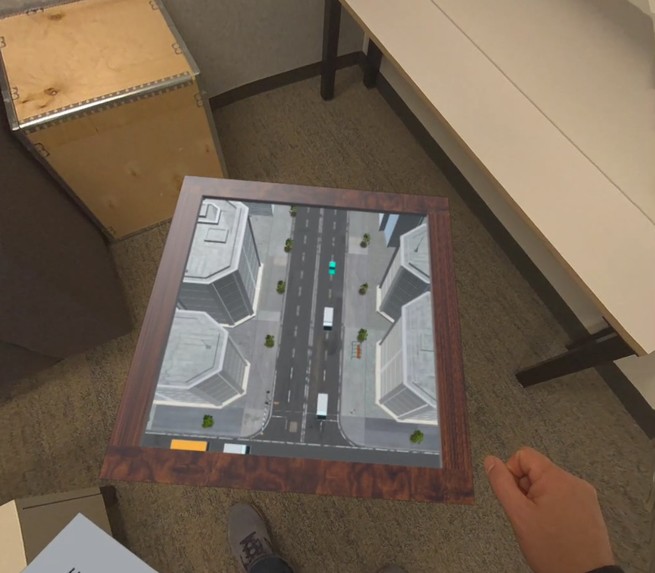
Glass floor windows are scary
-
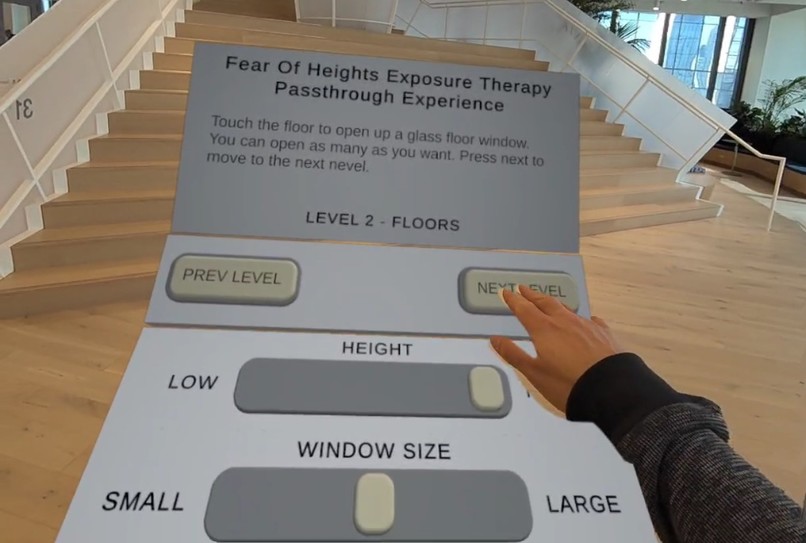
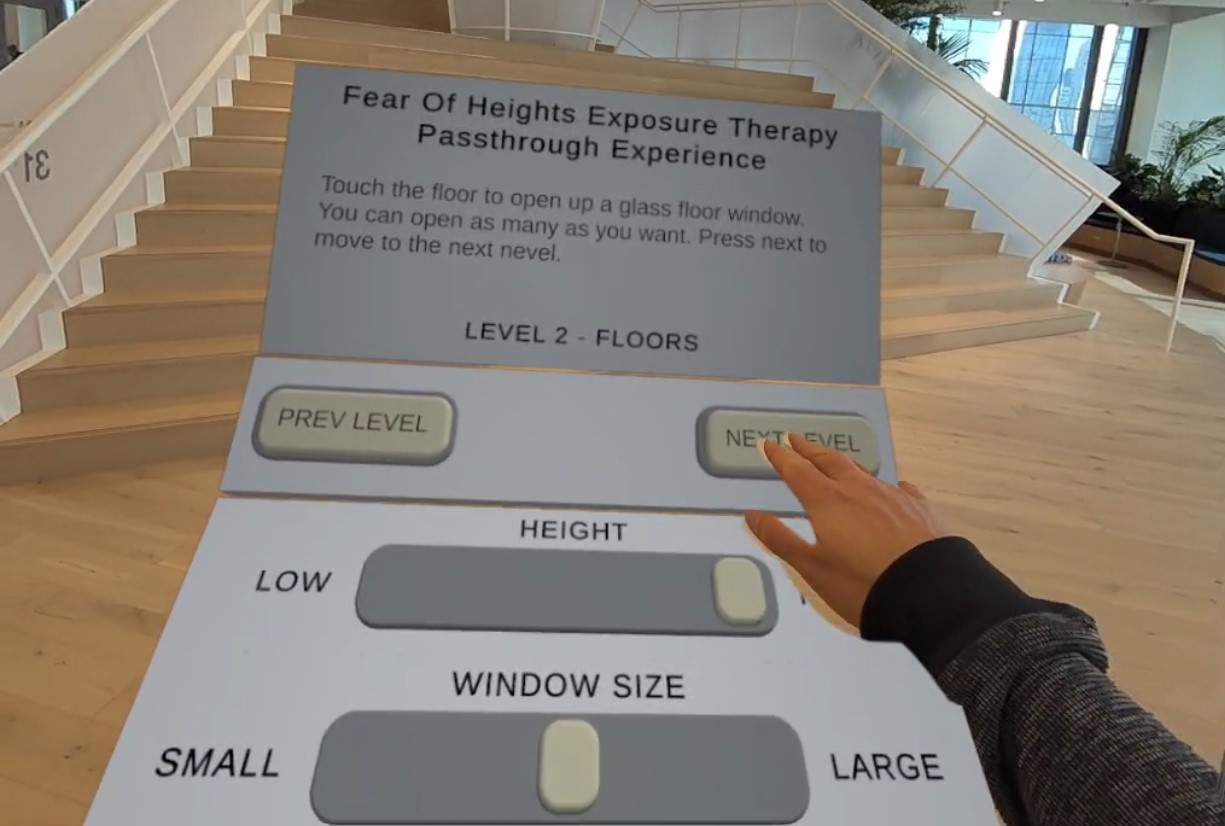
3D control panel

Inspiration
One of our team members had previously attempted to help their spouse treat their fear of heights with a custom VR app, after finding the existing offerings on the market to be insufficient. They realized that using the Presence Platform SDK would allow for a much more impactful and therapeutically useful product.
Addressing Pain Points
- Acrophobia (fear of heights) is one of the most common phobias worldwide, affecting 3% to 6% of all people.
- Particularly in the U.S. healthcare system, getting treatment from qualified mental health practitioners can be difficult and cost-prohibitive.
- Existing VR solutions have limited immersion due to lack of access to real-world visuals.
What it does
FancyPixelPerfection’s Fear of Heights Passthrough Exposure Therapy Experience (FOHPETE) is an innovative mixed reality experience designed to help users overcome a fear of heights, exclusively tailored for the Oculus Quest 3.
Imagine stepping into a world where you can confront your fear of heights head-on, within the safety of a virtual environment. With our app, users can gently control exposure to towering skyscrapers and dizzying heights, where they'll confront their fear in a controlled and supportive setting.
The core of the app lies in its dynamic use of rendering the Passthrough video over a virtual environment. We start by using “magic portals”, which are created by rendering the virtual-world through a controlled and user-placed mesh (on Scene Model Walls and Floors), while letting the user otherwise exist in the real world. These portals offer glimpses into the most common acrophobia-inducing scenario, being elevated above a virtual city. Users are given control over both the height of the elevation, and of the exposure to the fear-inducing views by controlling the size of the portals.
In our final scenario, users are given a greater exposure to the fear-inducing scenario by removing all of the real world except for a safe section of floor, which renders Passthrough video. This allows the user to see their own body and feel grounded in reality. We use the Body Tracking SDK to ensure the user is actually stepping along a challenging path, and reward them when they conquer their fear by reaching the end of it.
How we built it
We used Unity (version 2023.3.19f1) and targeted the Meta Quest 3. We leveraged the following capabilities from the Meta Presence Platform SDK:
- Passthrough
- Scene Model
- Interaction
- Hand Tracking
- Real Hand Rendering
- Body Tracking for Movement SDK (incl. New Lower-Body position estimation)
Challenges we ran into
- Wrapping our heads around how to render our design with stencil & depth buffers
- Mesh renders UV layout issues from mesh generation.
- Hardware difficulties:
- Headset crashes
- Corrupted room mesh data requiring factory reset
- Inconsistent Link connections
Accomplishments that we're proud of
Innovative Approach: Using portal windows on real room geometry to create a sense of height and induce fear is novel for exposure therapy, as is the use of a Passthrough “plank” to ground within a virtual world.
User-Centric Design: We provide a gentle, user-driven exposure experience, with zero triggering phobia until the user decides to open a portal themselves. We also provide multiple tools for allowing the user to scale the phobia themselves, including the ability to create multiple portals, resize them, and change the height of the virtual world.
Effectiveness of Simulation: The fact that the prototype accurately captures the feeling of being up in the air and provides coping methods for dealing with the phobia underscores its effectiveness as a simulation tool. This demonstrates its potential value not only for entertainment but also for therapeutic purposes.
What we learned
- How to scan the room to obtain Scene Model meshes for walls, floors and furniture
- How to use URP Render Features to render a limited section of a virtual world correctly using the Stencil buffer
- How to render Passthrough video on top of that with use of a depth mask
- How to use the Body Tracking SDK to match user floor position with targets
- How to clean up scanned floor meshes in code by adding triangles and correct UV layouts
What's next for Fear of Heights Exposure Therapy
- Design and implement a practical visual aesthetic that complements the therapeutic coping technique, with additional UI and visual effects.
- Add additional scenes to support other trauma and fears that could be treated via exposure therapy, and would benefit in particular from Passthrough, such as:
- Darkness
- Needles
- Noise
- CSA
Built With
- Unity 2022.3.19f1 LTS
- Meta XR SDK v64
- Meta XR Interactions SDK v64
- Meta Movement SDK v5.0.1
- Blood, sweat, tears and duct tape

Log in or sign up for Devpost to join the conversation.