
Inspiration
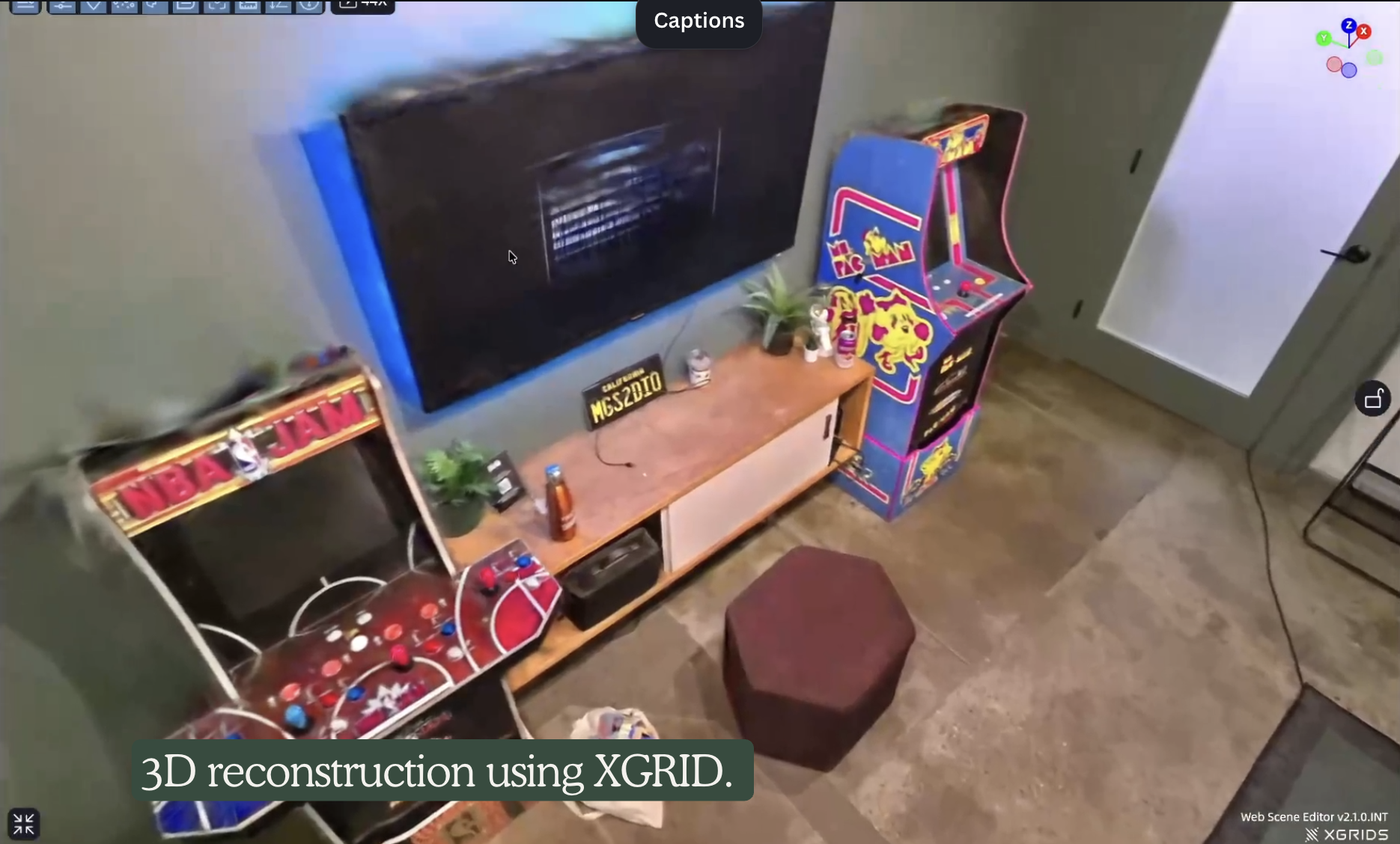
- Gaussian splats capture the real world photorealistically,but they're frozen: you can look, never touch.
- We wanted every object in a scanned room to be individually understood, measured, and movable.
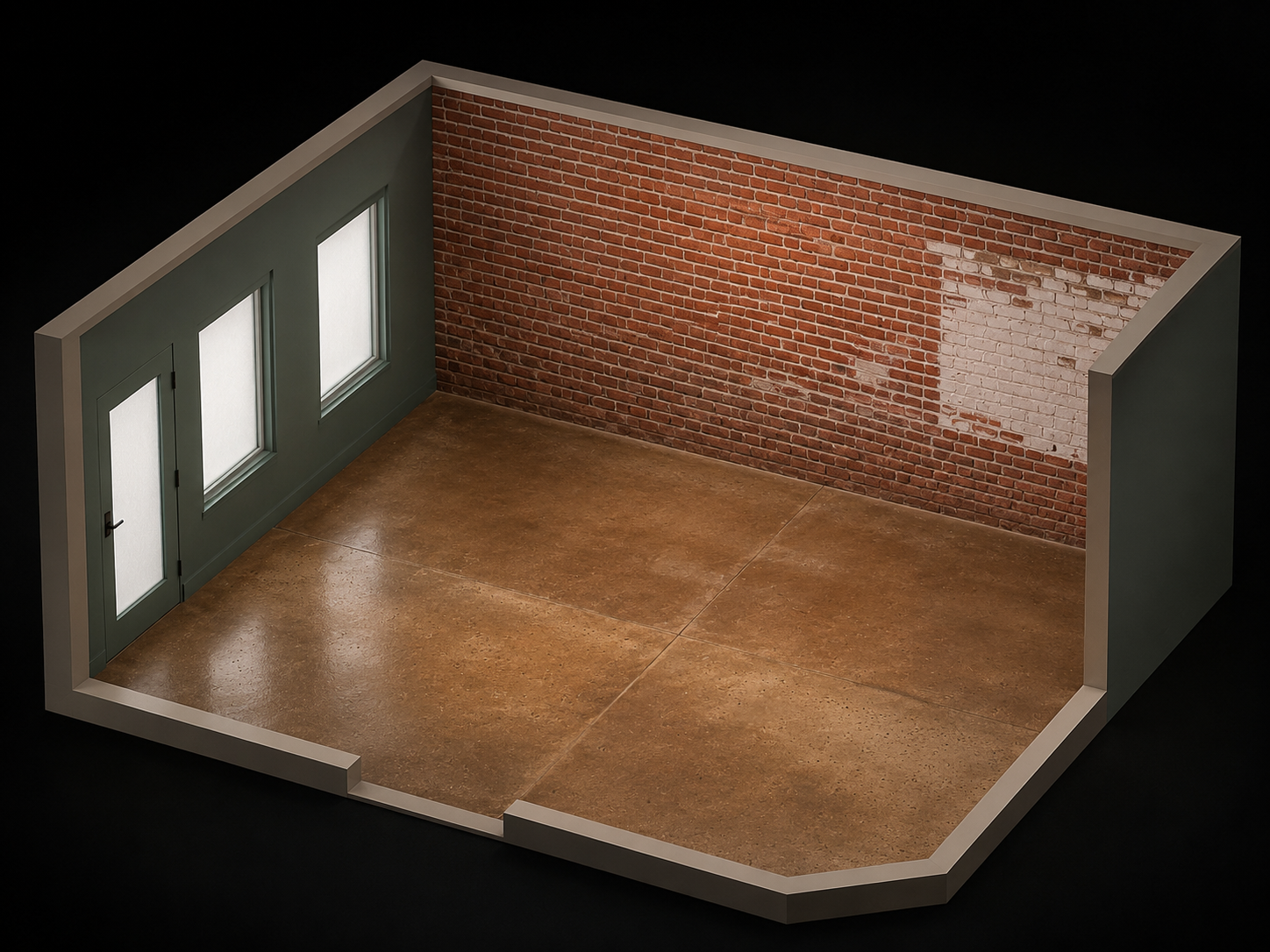
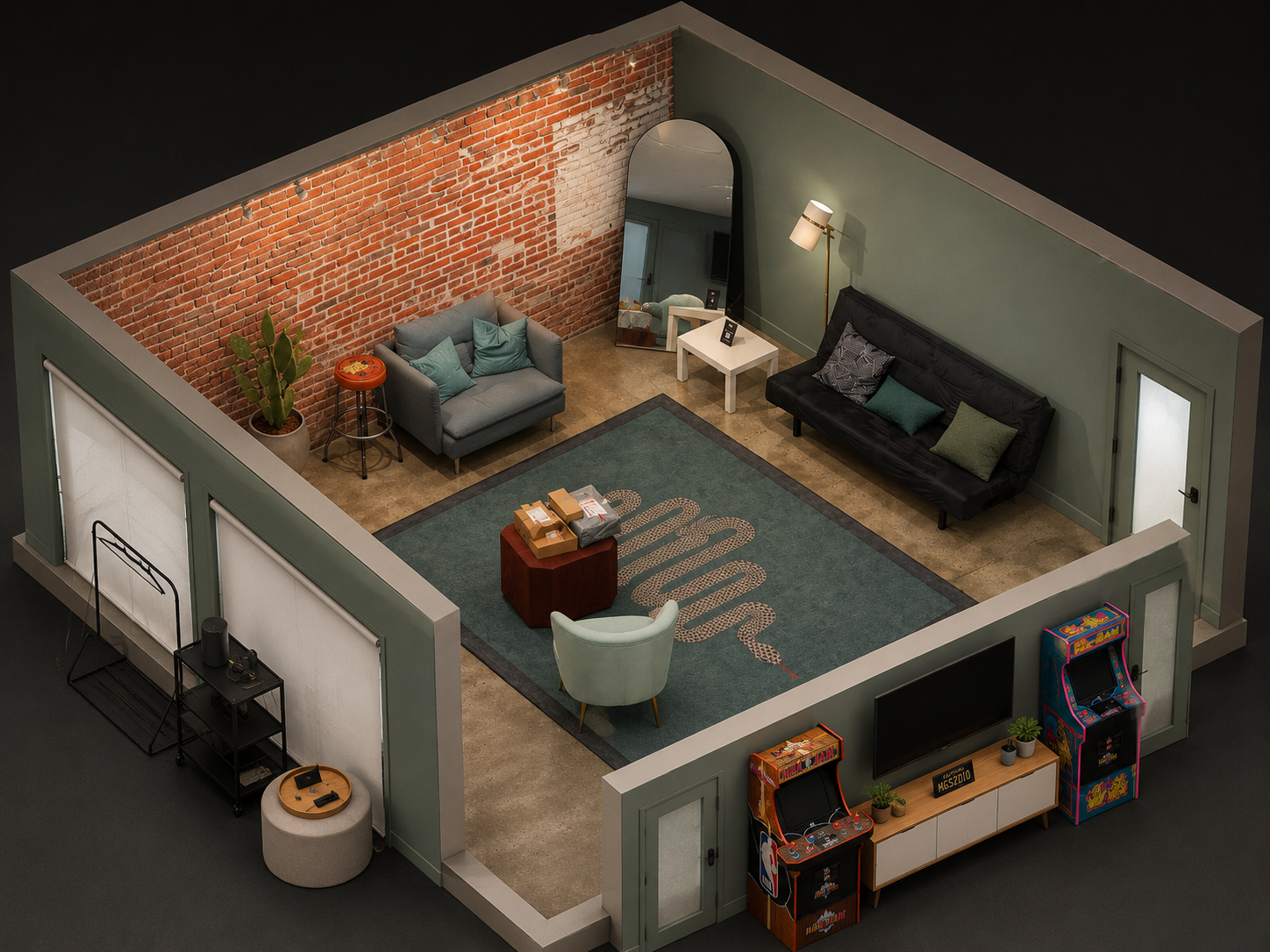
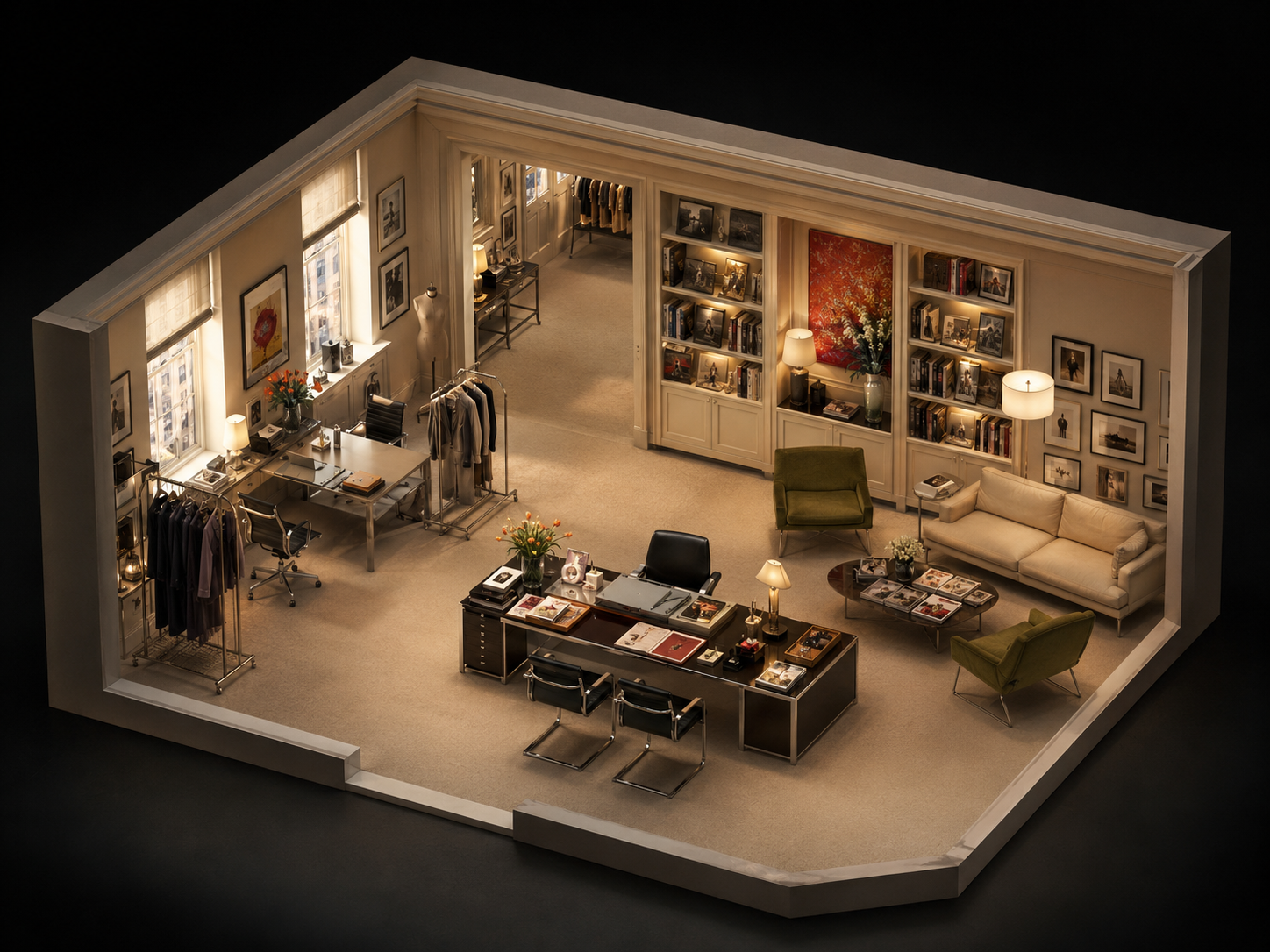
- One capture becomes a restageable digital twin, useful for virtual production, real-estate staging, retail, and embodied-AI training, building agent first game environments.
What it does
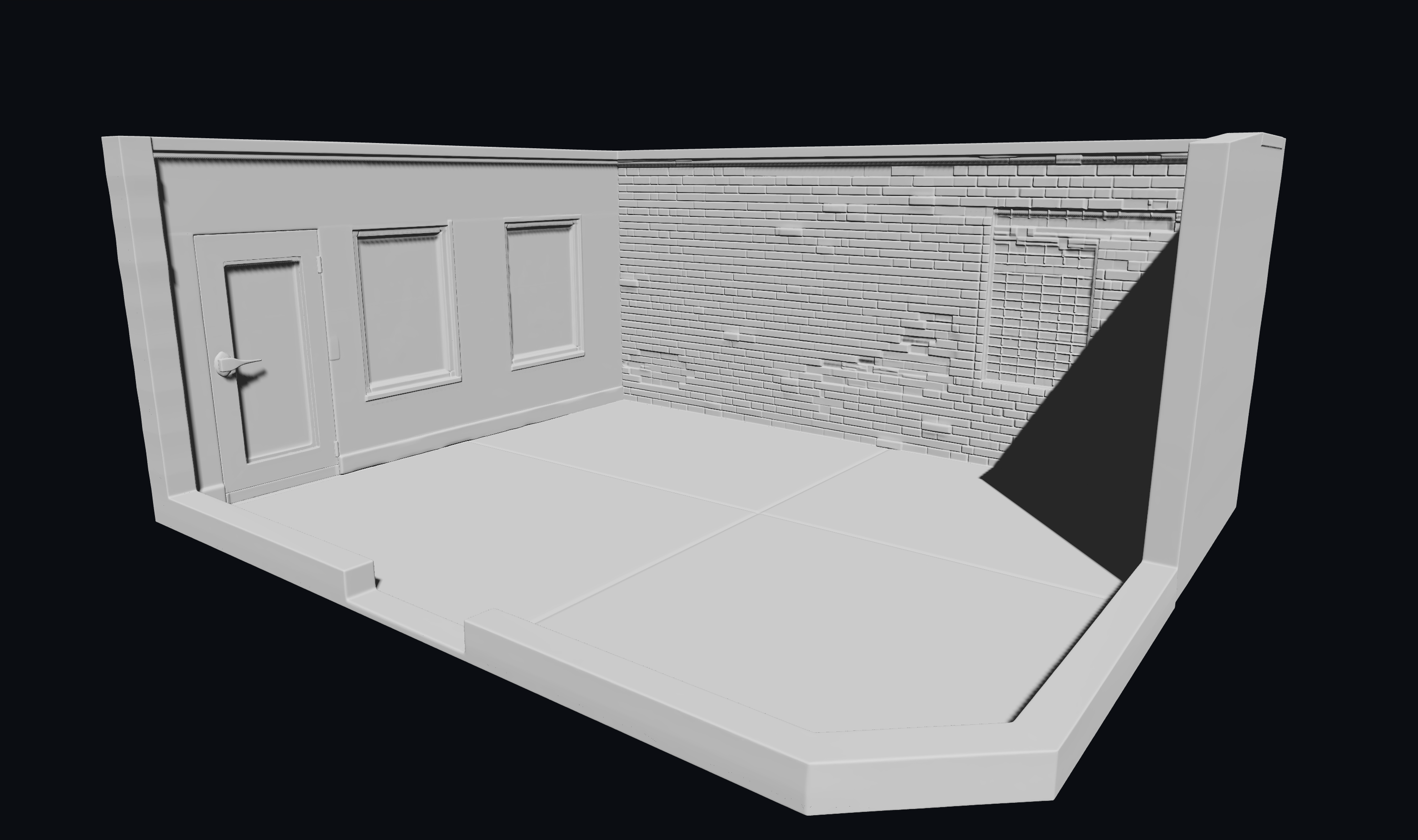
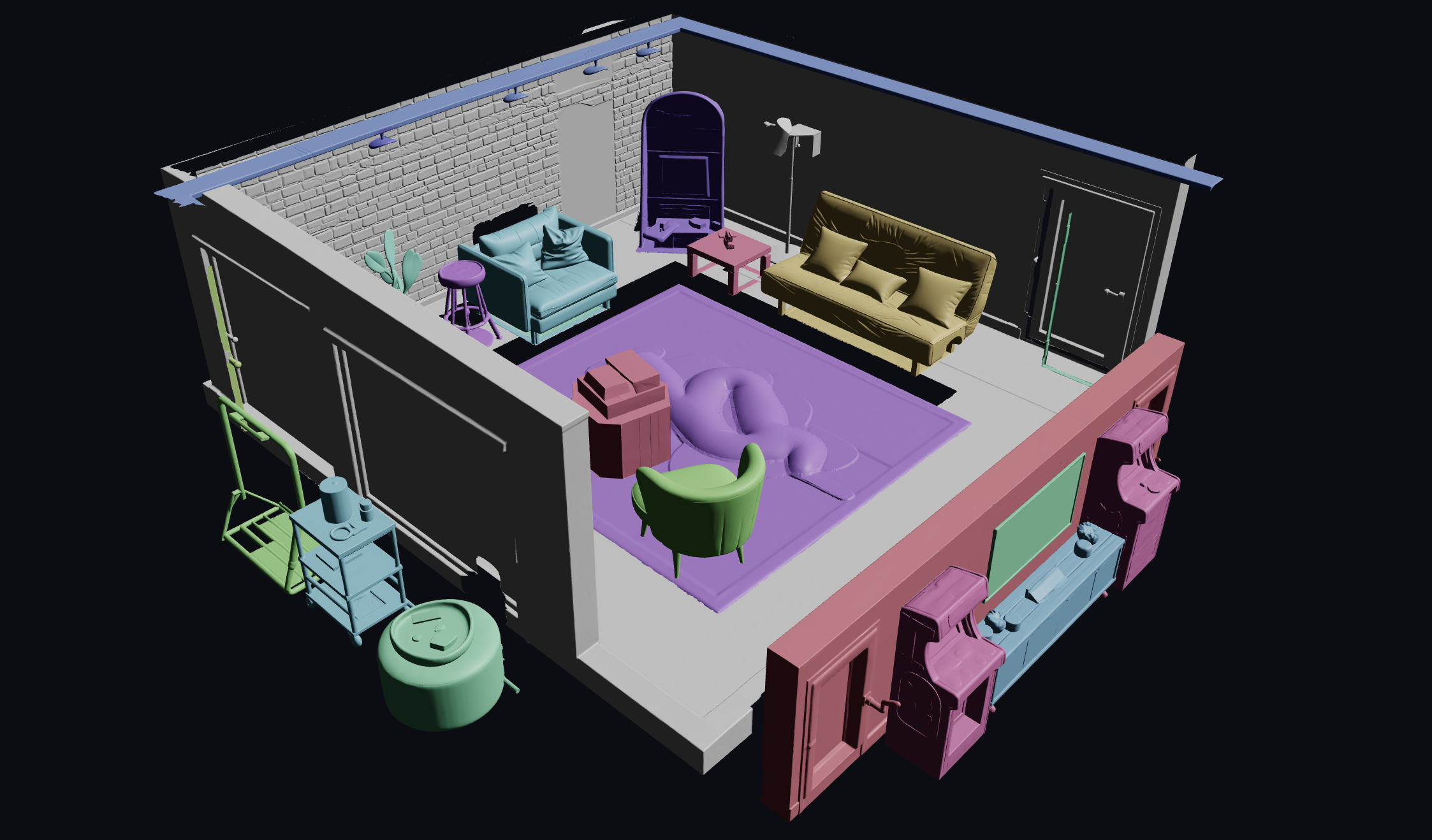
- Takes a 3D splat of a real room and uses SAM2 + a vision-language model to break it into separate, labeled, measured objects.
- Lets you redecorate by talking: "put the lamp on the coffee table" an LLM parses it, a spatial resolver places the object respecting walls, floors, and collisions.
- A vision model then looks at the result, validates the placement, and auto-corrects it — and you can walk through the room first-person on a PICO headset emulator while a teammate live-edits it.
How we built it
- Frontend: React Three Fiber web app with orbit, first-person walk, and PICO emulator support; backend: FastAPI.
- Reconstruction: SAM2 segmentation + VLM labeling + FLUX completion to lift objects out of splats; placement runs on a pure-geometry resolver with room-aware bounds measured by raycasting the actual wall surfaces.
- All AI runs locally: llama3.2 parses commands, Qwen2.5-VL visually validates placements (both via Ollama), with a command-relay so any device can direct any view.
Challenges we ran into
- No clear Splat data to train on, we wanted an HD splat to run through our workflow but we couldn't find any splat that had enough resolution for SAM object detection
- Making tiny local models reliable took careful few-shot prompt work "add a plant" parsed wrong until the examples taught it.
Accomplishments that we're proud of
- A complete loop: real capture → segmented objects → natural-language restaging → self-validating placements.
- The core loop needs zero cloud AI, everything runs on one laptop.
What we learned
- Room geometry must be measured, not assumed, the difference between a bounding box and the real interior is a table stuck in a wall.
- Small local models are enough when the prompt does the heavy lifting.
- VR platforms are uneven, design every feature with a graceful fallback.
What's next for SAM Edits
- True immersive WebXR on real PICO hardware, stand inside the room while it restages around you.
- Add textures and lighting so you can truely experience what the environment feels like!
Built With
- adb
- android
- drei
- fastapi
- flux
- gaussian-splatting
- html5
- javascript
- llama3.2
- node.js
- ollama
- pico-os
- pydantic
- python
- qwen2.5-vl
- react
- react-three-fiber
- sam2
- three.js
- typescript
- vite
- webxr
- zustand

Log in or sign up for Devpost to join the conversation.