-
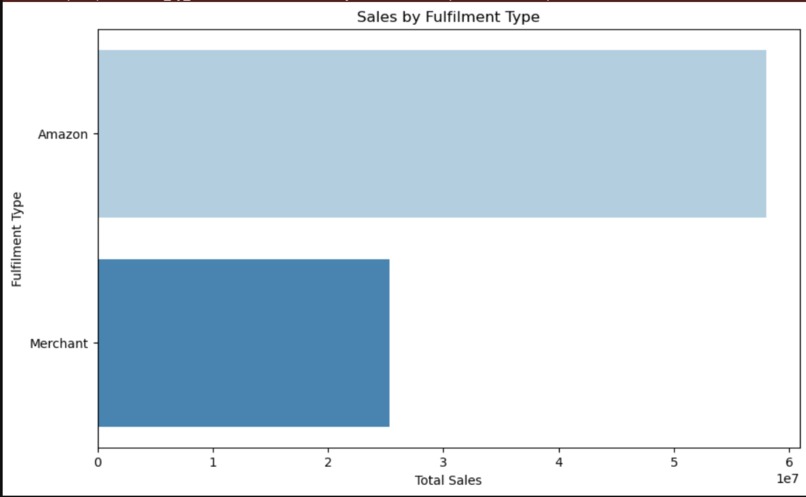
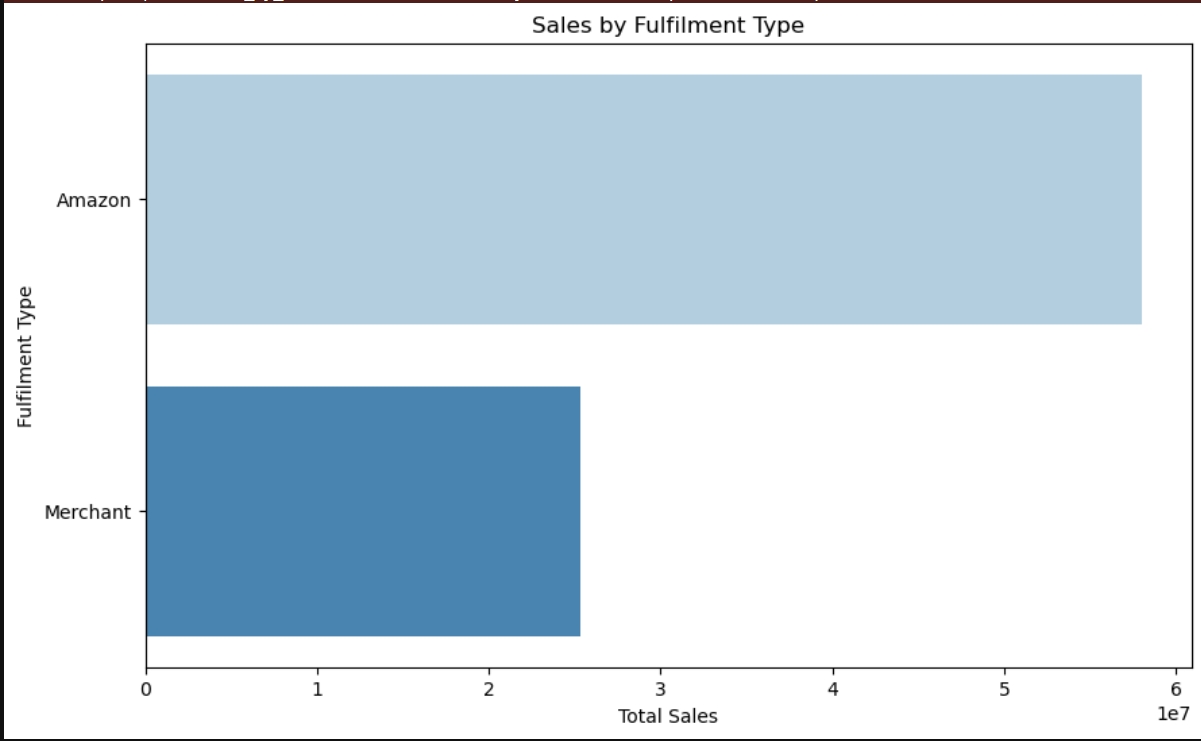
Sales by Fulfillment Type
-
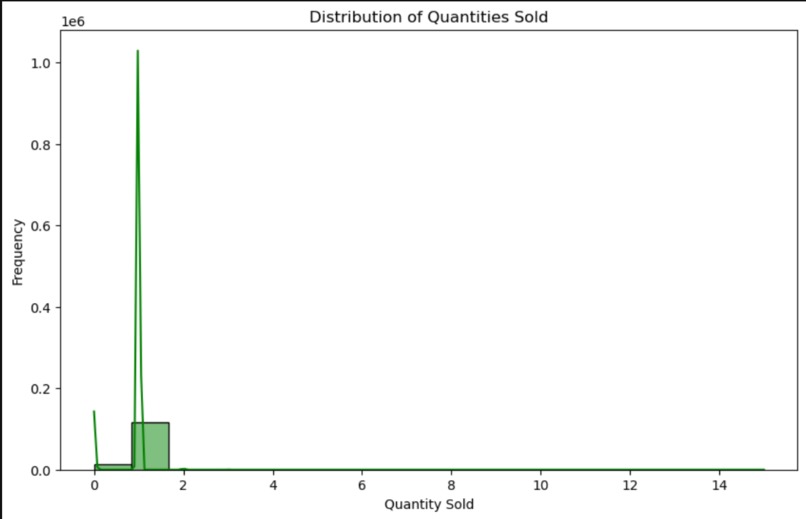
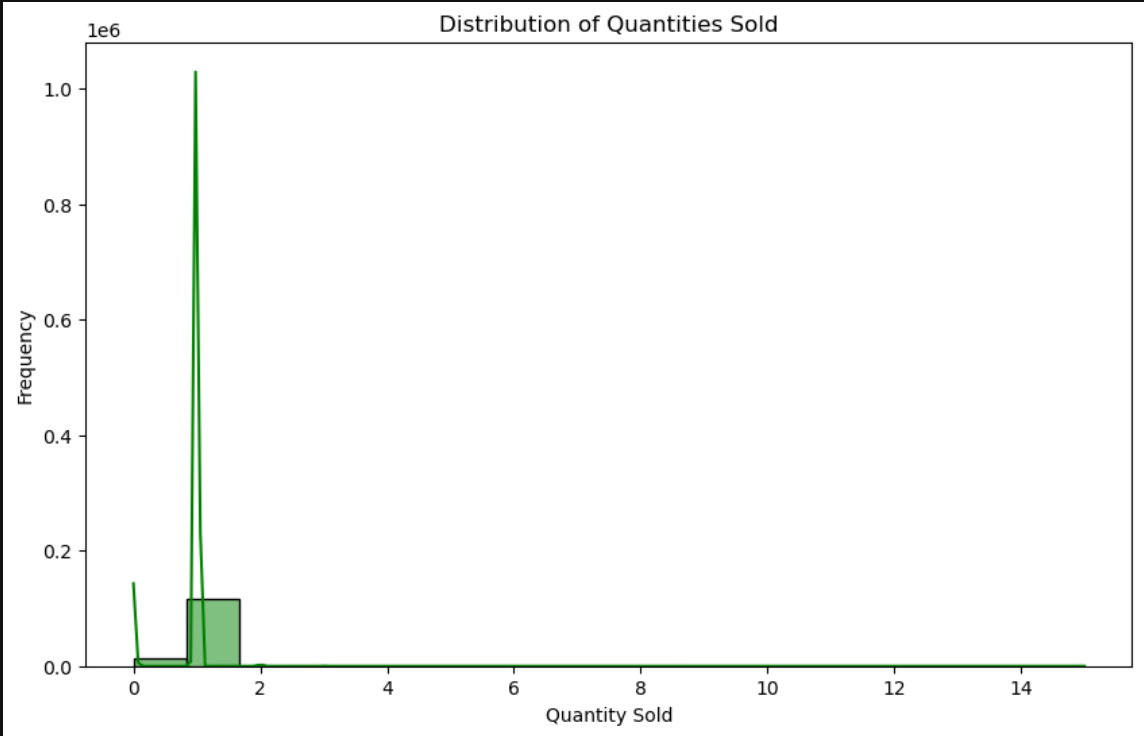
Distribution of Quantities Sold
-
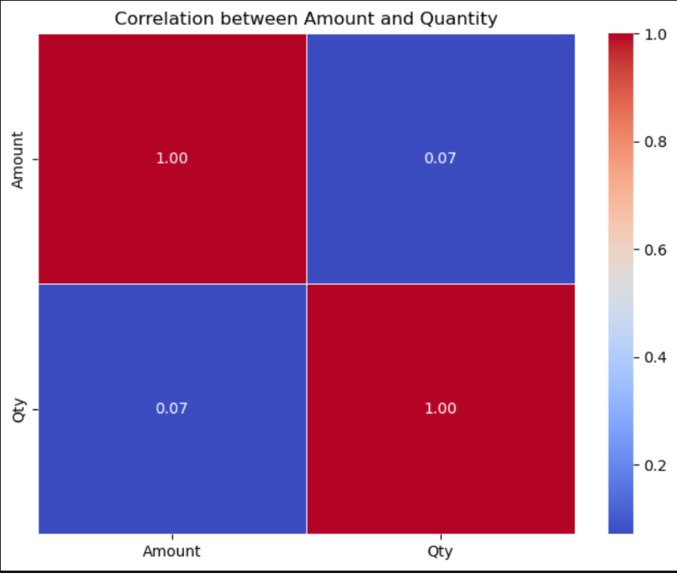
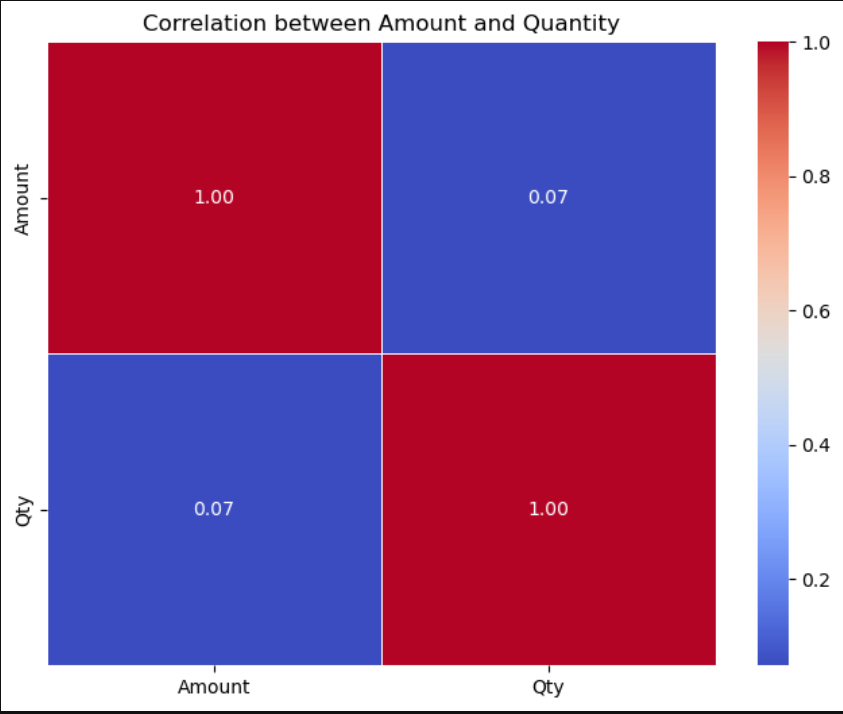
Correlation Between Sales and Quantity
-
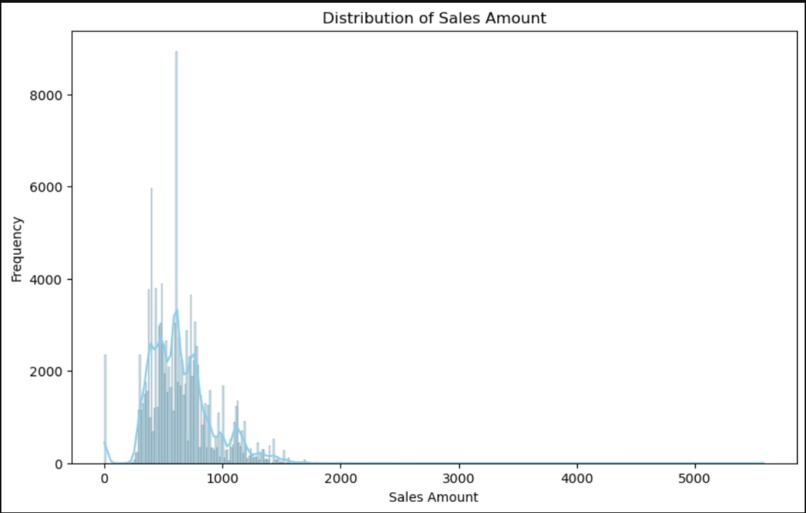
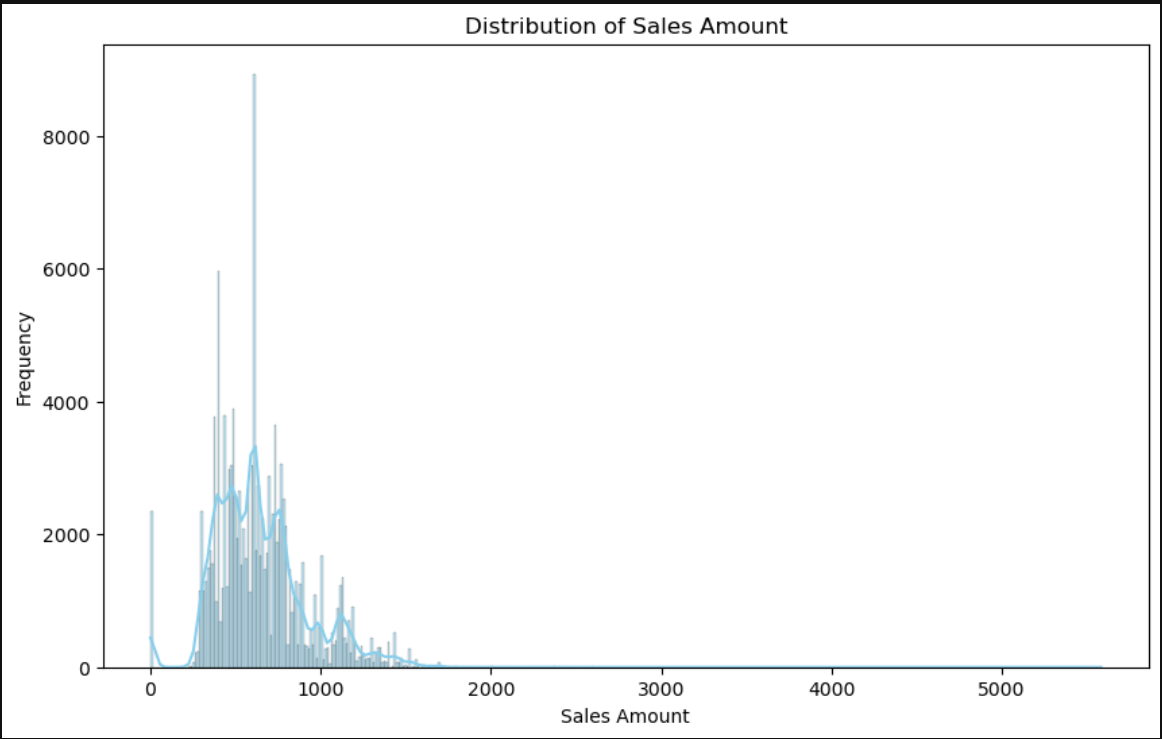
Distribution of Sales (Amount)
Inspiration The expansion of e-commerce at a rapid rate and the need for data-driven decision-making inspired us to create this project. Companies can make better strategies depending on the previous sales data. The model attempts to make accurate predictions in order to help with decision-making, maintain the inventory, and initiate promotional campaigns.
What it does The Sales Forecasting Model forecasts future sales with the help of Prophet, a time series forecasting library. The model encapsulates the trends, seasonality, and geography of the Amazon Sale Report dataset and provides actionable insights to enhance business strategy.
Challenges we faced Dealing with missing data in the dataset was not simple, and off-the-shelf data cleansing methods were being carried out. Getting the Prophet model to strip away granular seasonality as well as trends was a tedious and patient learning of time series forecasting methods.
What we did: I learned much more about time series forecasting and the application of Prophet in this task. I gained hands-on experience in data preprocessing, model tuning, and creating interactive data visualizations that can be used in decision-making.
How we built it: I cleaned and prepared the sales data in the required format for modeling in Python and the Prophet library. I further created an interactive Streamlit dashboard for showcasing the predicted sales, which was simple and interactive to use.
Achievements we're proud of: Having the capacity to run a very accurate model forecast for sales trends. The interactive dashboard is a marvelous achievement since it provides stakeholders with an easy-to-interpret, intuitive, and real-time visualization of data.
What's next for Sales Forecasting Model for E-Commerce using Prophet: Future work includes adding external variables like promotions and holidays to the model, redesigning the dashboard with additional features, and expansion of the solution for continuous real-time forecasting.


Log in or sign up for Devpost to join the conversation.