

Inspiration
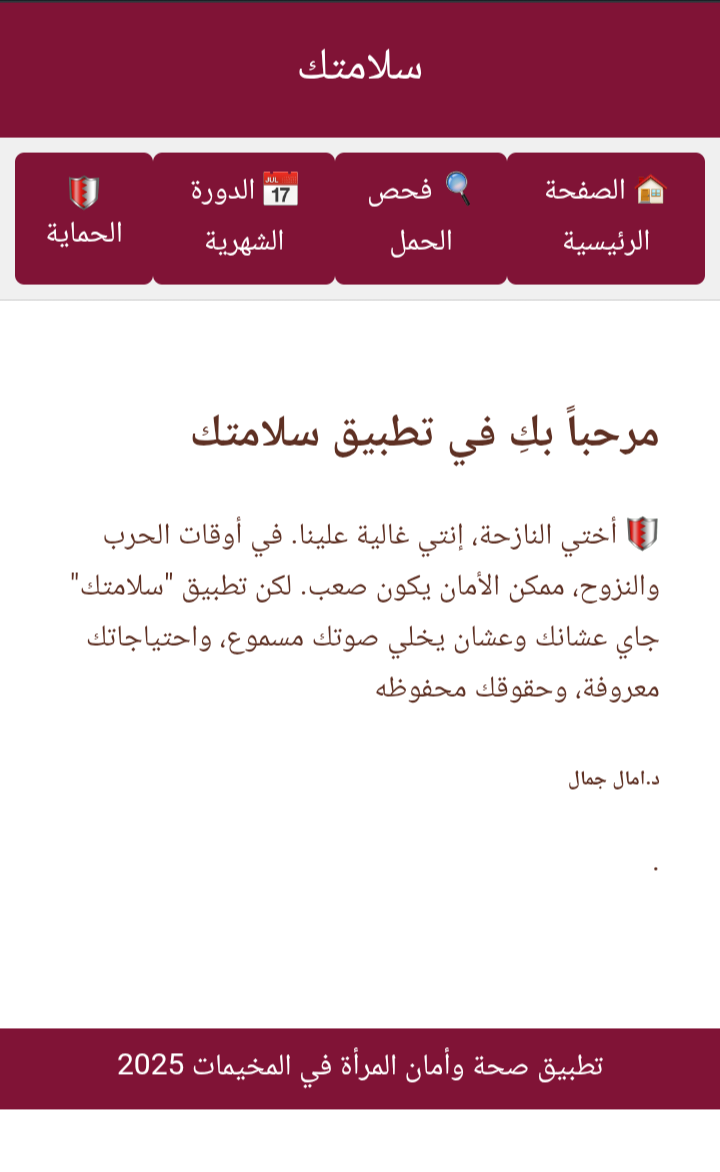
The ongoing conflict and humanitarian crisis in Sudan have left thousands without access to basic healthcare. As a medical laboratory scientist and community leader, I’ve witnessed firsthand the struggles of displaced families—especially women and children—to access medical help. Salamtik/سلامتكِ was inspired by these urgent needs: a desire to create a digital health platform that works both online and offline, offering guidance, triage support, and emergency information even in areas with limited connectivity.
What it does
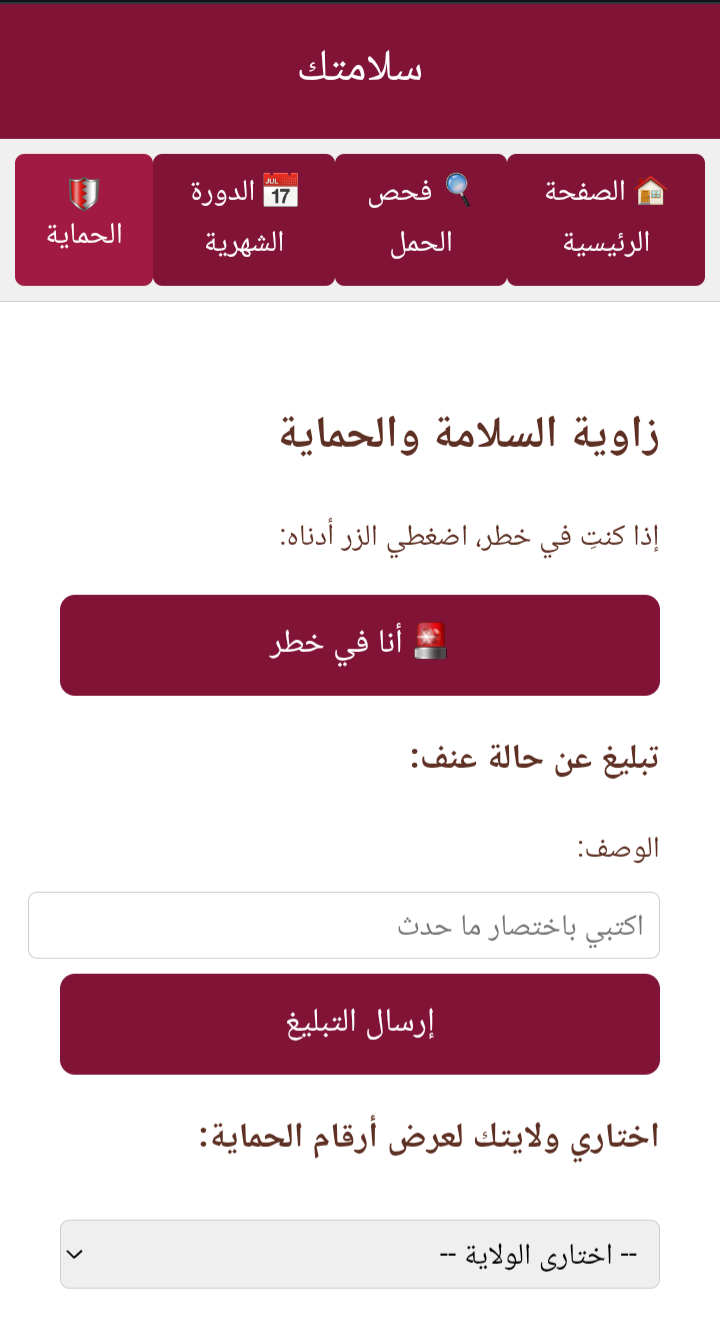
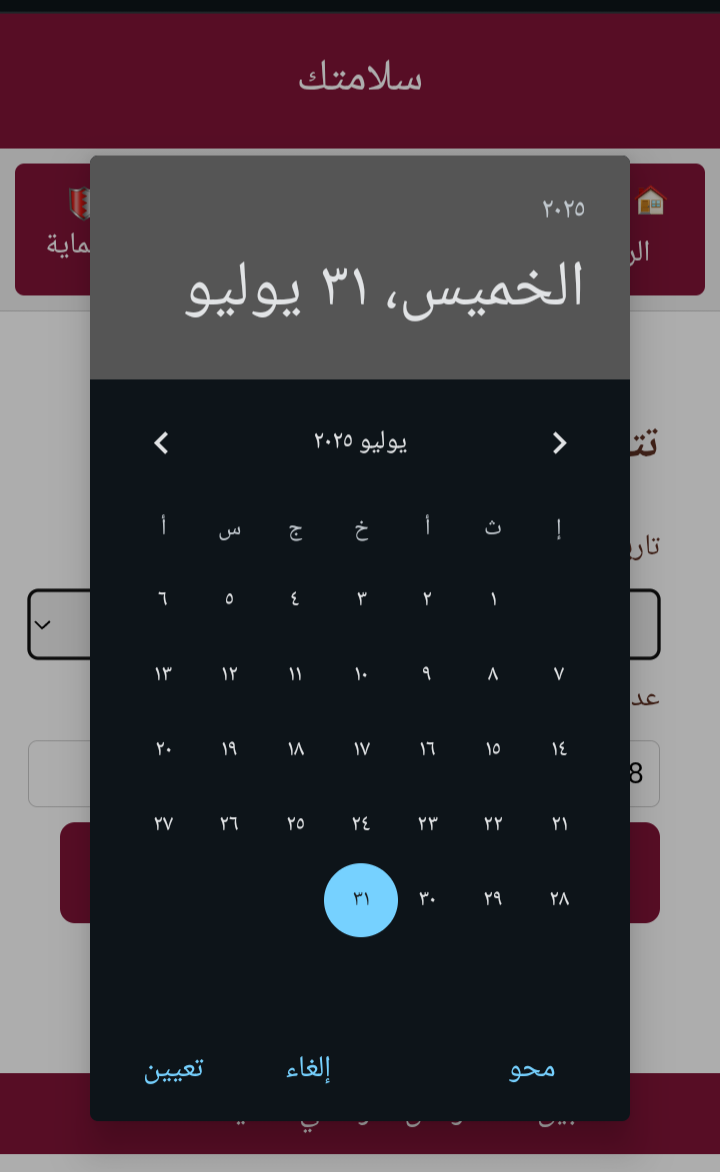
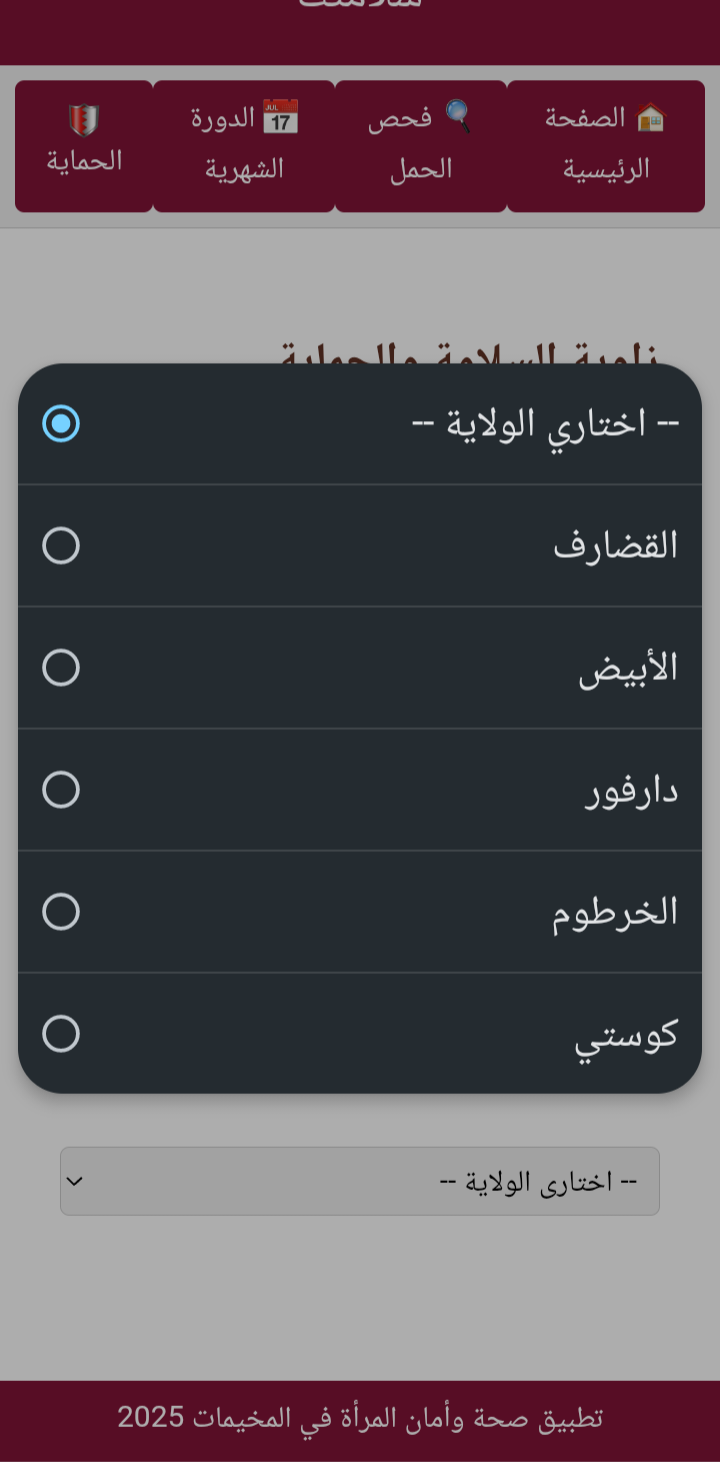
Salamtik/سلامتكِ is a web-based health support platform designed for conflict zones and underserved communities. It offers:
Offline access to essential health information
A triage system to guide users in identifying the urgency of symptoms
Educational resources on women’s health, child care, and disease prevention
A location-based map of the nearest clinics, NGOs, and pharmacies
Emergency numbers and mental health support
Arabic-first interface, tailored to Sudanese and regional users
How we built it
HTML, CSS, and JavaScript for the frontend
Service Workers and localStorage for offline functionality
TensorFlow.js for basic AI-based triage (optional module)
Deployed using Netlify for easy and accessible web hosting
Optimized the UI for mobile-first use, with low-data consumption in mind
Included SVGs and compressed images for fast loading in low-bandwidth areas
Challenges we ran into
Ensuring the app runs offline in unstable networks
Simplifying the AI model to work in-browser using TensorFlow.js
Collecting trustworthy medical data in Arabic
Designing a user-friendly interface that works on older devices
Navigating ethical concerns: offering advice without replacing doctors
Accomplishments that we're proud of
Built a working offline prototype within a limited timeline
Created an Arabic-accessible health tool tailored to displaced women and children
Integrated basic AI triage functionality in-browser without server processing
Partnered with local health NGOs to verify content relevance
Received strong feedback from pilot testing in refugee camps
What we learned
How to balance technology and accessibility in crisis settings
The importance of human-centered design for vulnerable users
New technical skills in offline web apps and lightweight AI models
How cross-disciplinary collaboration (health + tech + community) enhances impact Expanding the health database with maternal and reproductive health content
Partnering with hospitals and NGOs for real-time data sharing
Translating the app into other local languages (e.g., Fur, Nuba, Hausa)
Launching a USSD version for feature phones
Applying for grants and fellowships to scale development and deployment
Publishing open-source code for other conflict zones to adapt


Log in or sign up for Devpost to join the conversation.