-
-
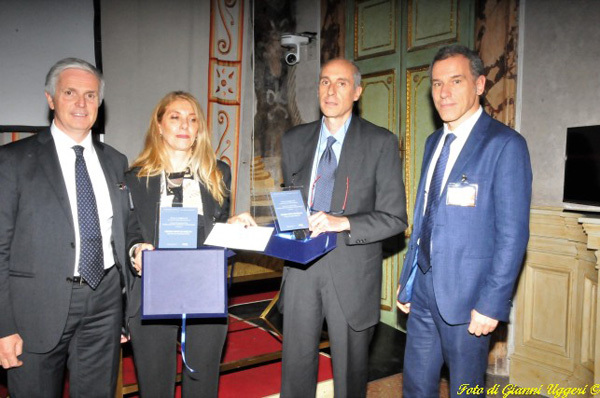
Sapio Research and Innovation Award 2018
-
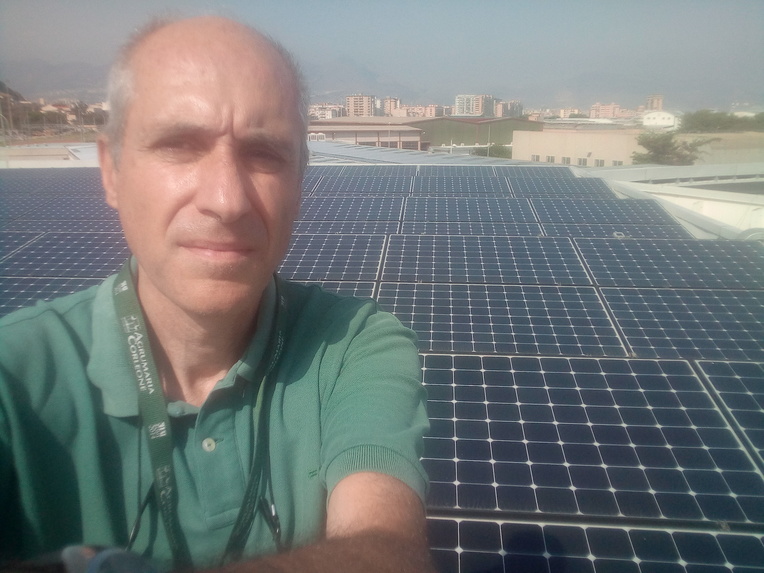
solar panel monitoring
-
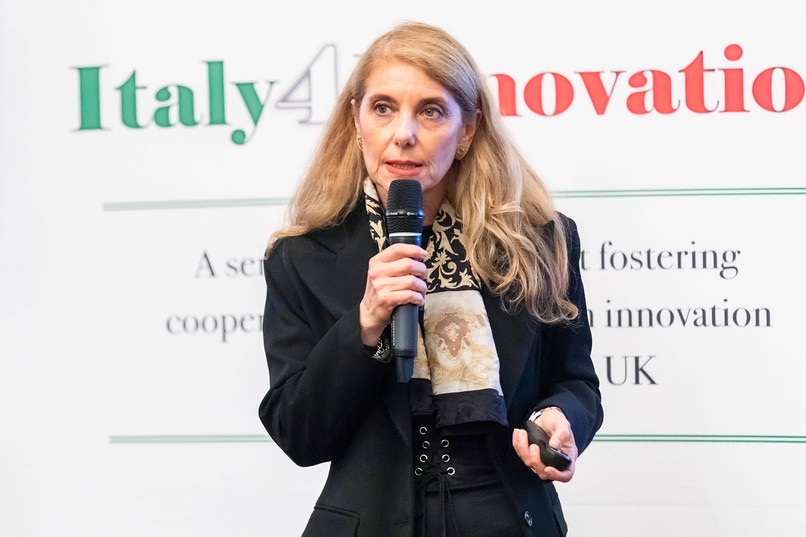
Italian Embassy in London GSP 2019
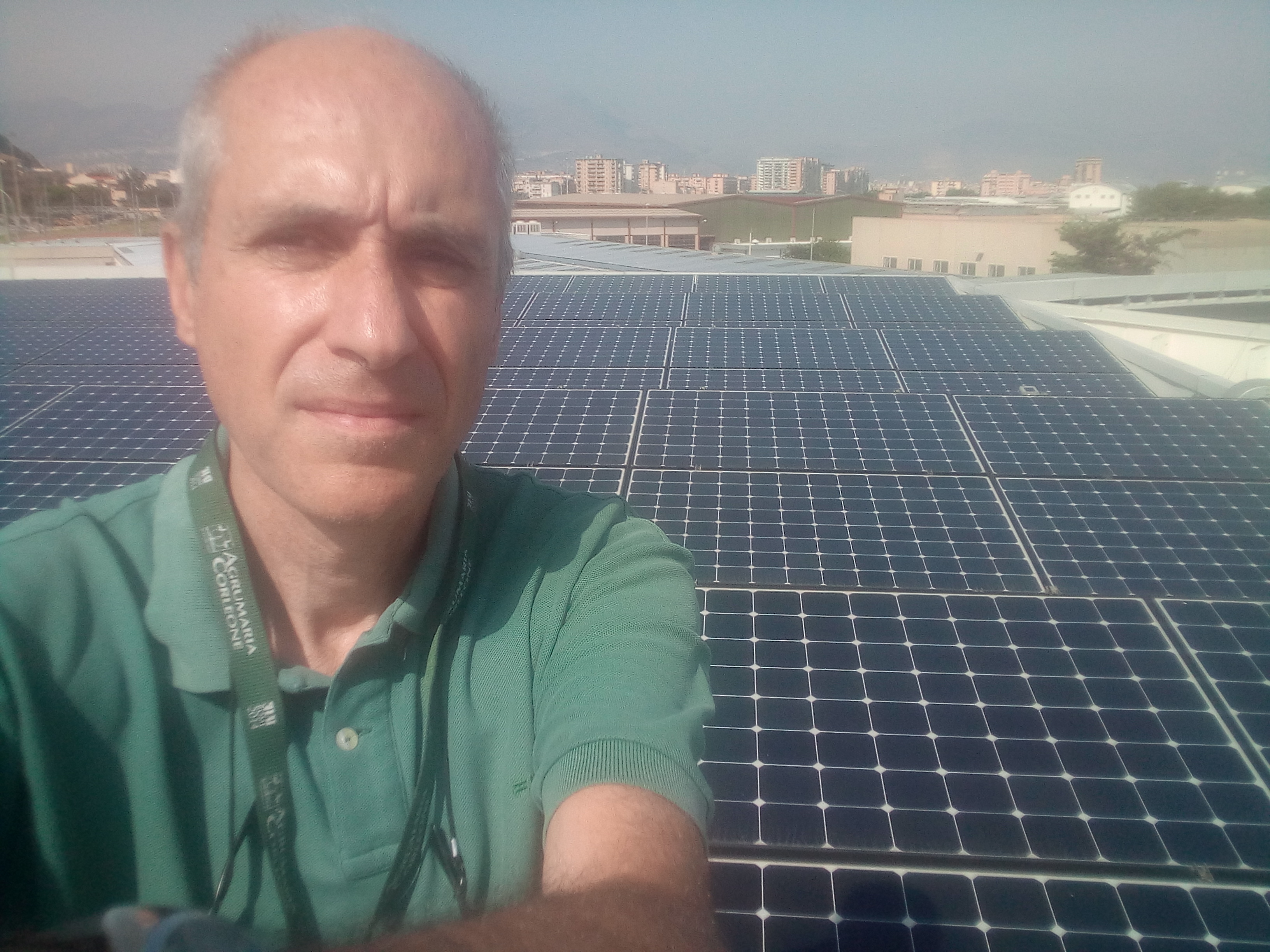
Today, anthropogenic impacts on the environment are increasing the vulnerability of ecosystems and the use of intelligent artificial tools (AI) in intelligent systems capable of ensuring environmental sustainability is particularly important. Furthermore, the use of remote intelligent systems could make intelligent work possible for system operators, nowadays (considering the consequences of COVID-19) fundamental. In this context, our attention is devoted to the identification of an intelligent intelligent system that allows the use of solar energy as a sustainable resource to be more efficient, safer and longer lasting. In particular, our project consists of an innovative AI system to remotely control the solar panels through a simple app, guaranteeing an almost constant energy production over time and a reduction in the damage of the panels. This is particularly important because the damage of one or more cells of the solar panel is one of the most frequent problems that cause the reduction of the useful life and efficiency of solar systems. In addition, damage to the local panel, if not identified, could also result in fire or electric shock to workers during maintenance operations. The identification of a solution to the aforementioned aspects could encourage users, who could benefit more from the production of solar energy, to the application of such a sustainable resource. Compared to other existing control systems that require the installation of specific devices on site, our intelligent system has the important advantage of being based on the AI control algorithm which takes into account both the panel's energy production data and the data relating to panel malfunctions or defects; therefore the data is managed in a very simple and versatile cloud computing model. Using our system, the efficiency and condition of the panels can be easily controlled remotely by users or maintainers or by the manufacturers of the solar installation, regardless of the size of the installation (domestic or commercial or industrial installations). This would allow to obtain a secondary advantage for users, which could optimize the methods and the extent (both in terms of times per year and in terms of costs) of maintenance interventions on the solar system. Since our intelligent system does not require the application of sensors on site, unlike the more complex existing systems, it is also easily replicable for different sites.
Built With
- ai
- algorithm
- controlling
- hardware


Log in or sign up for Devpost to join the conversation.