-
-
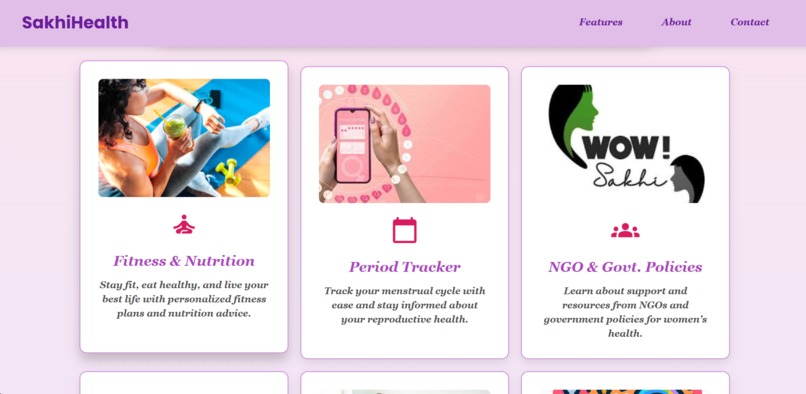
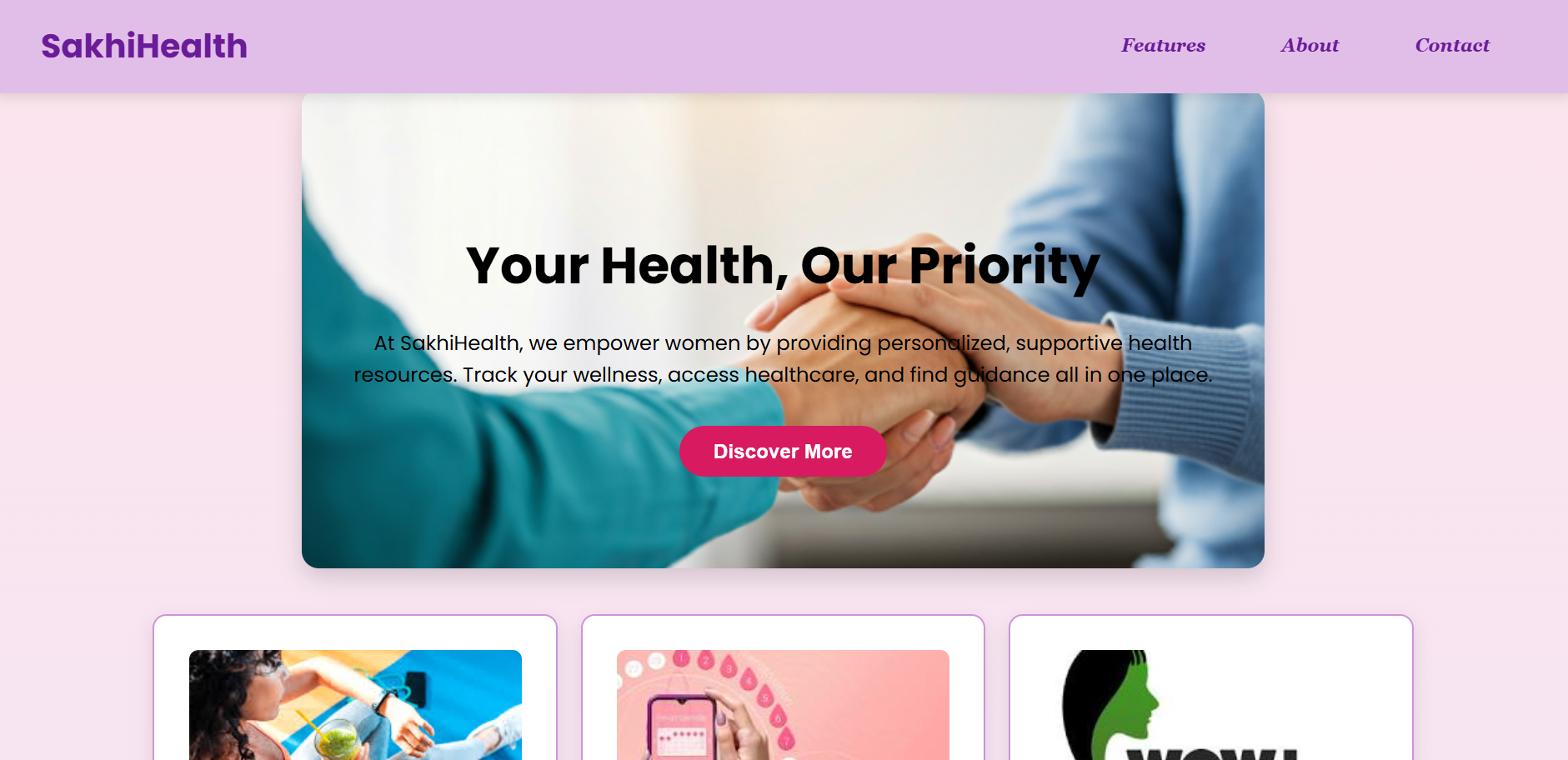
Home page
-
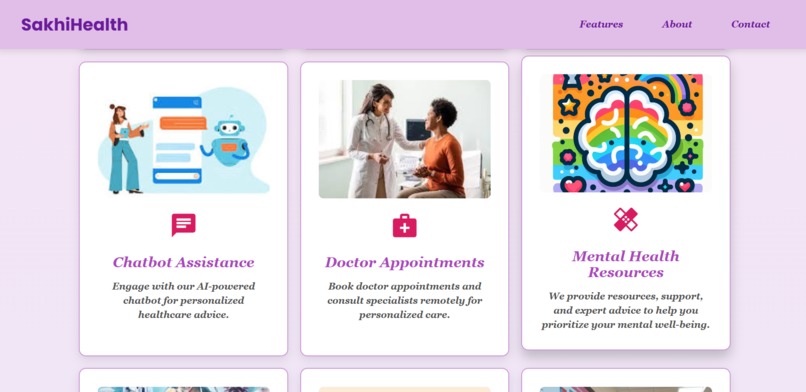
Home page
-
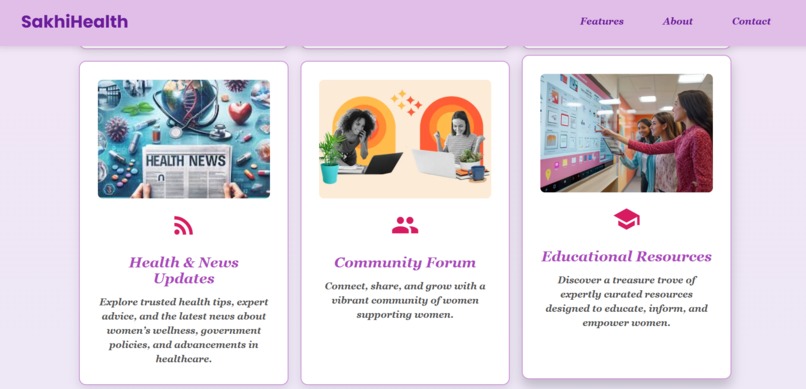
Home page
-
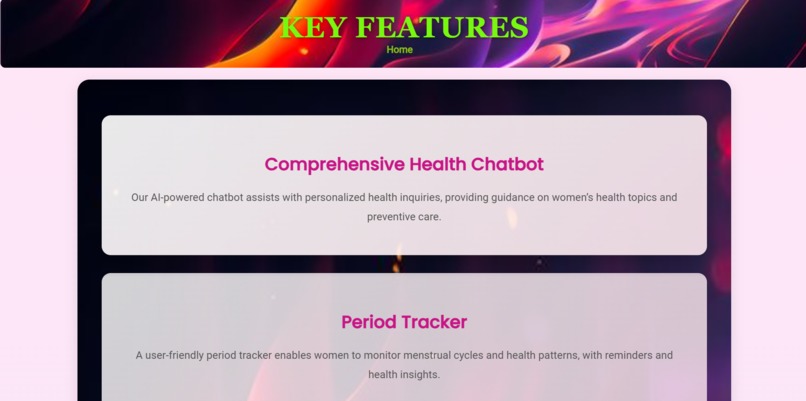
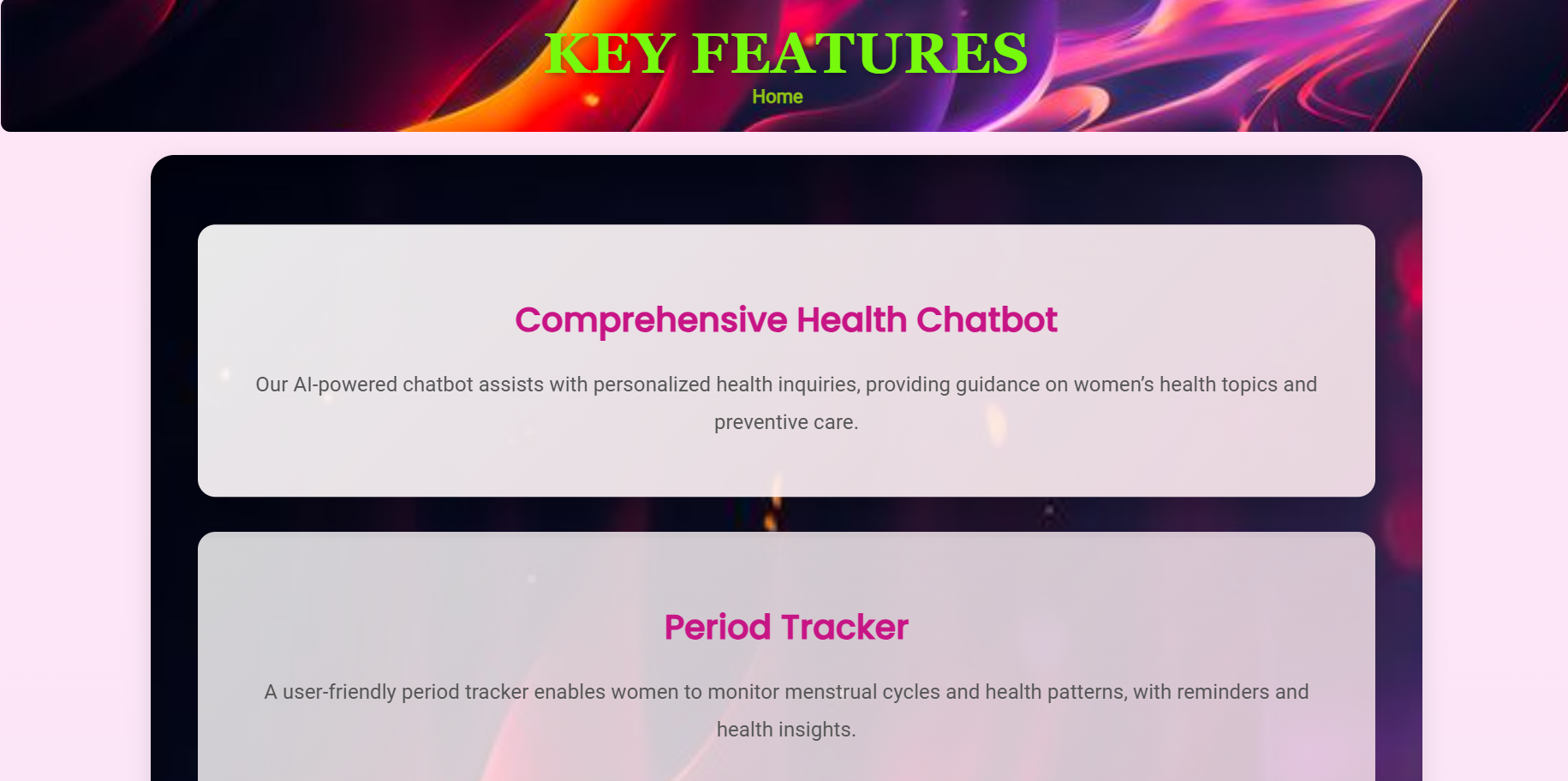
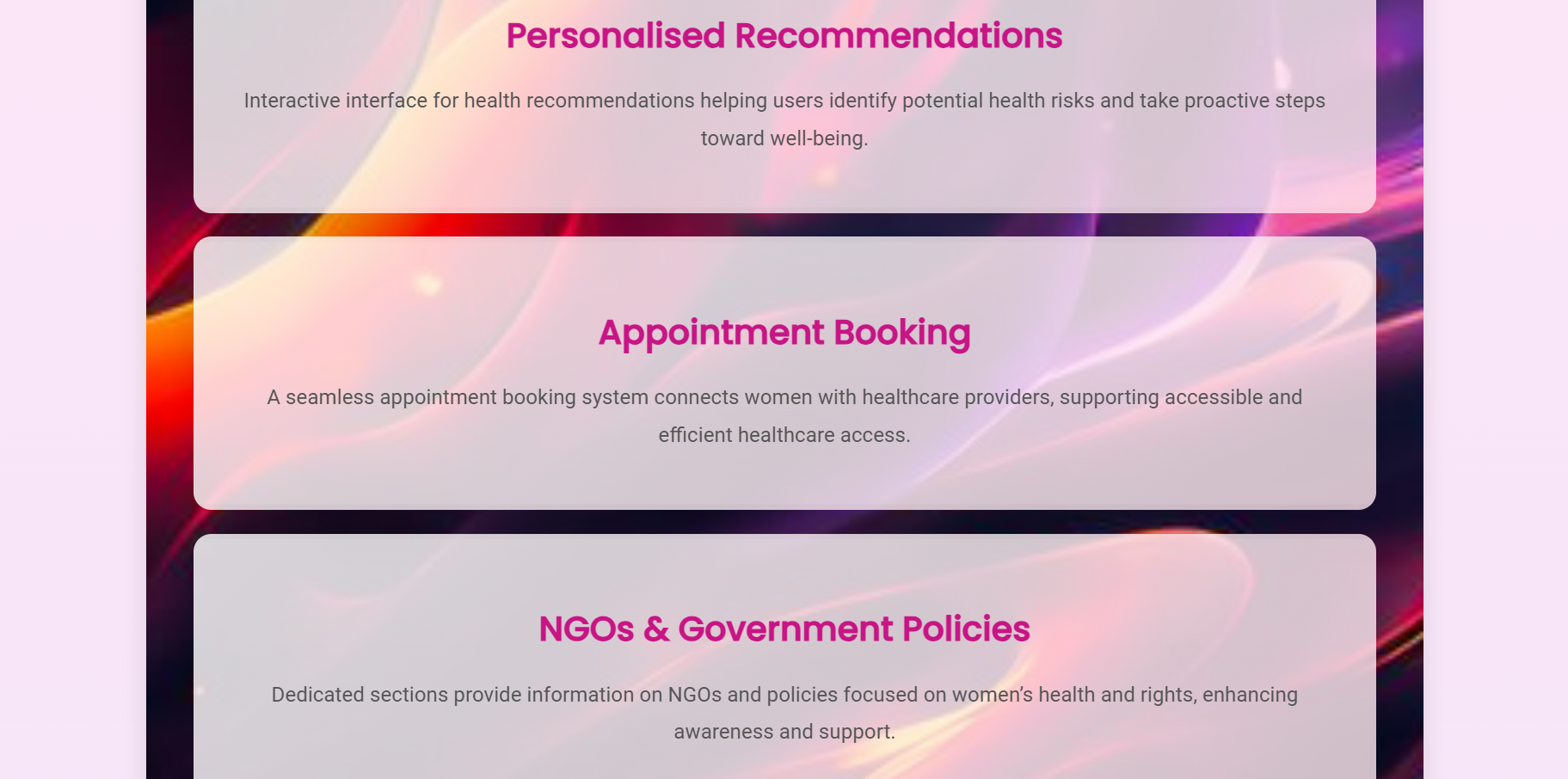
Key Feature page
-
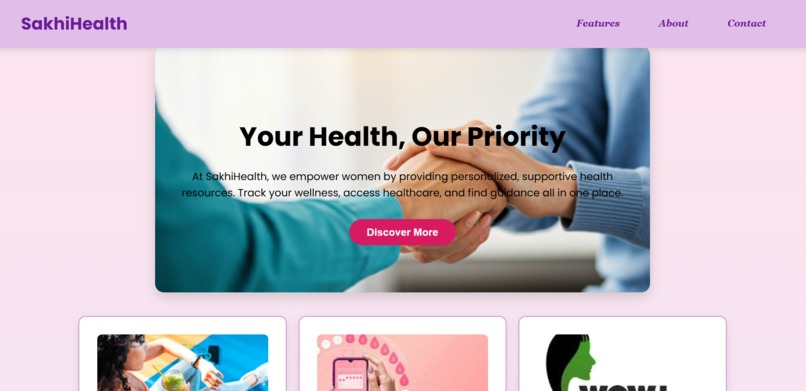
Home Page
-
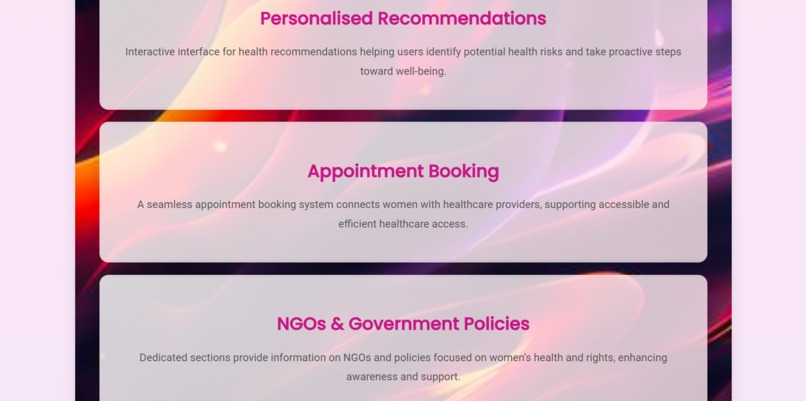
key feature page
-
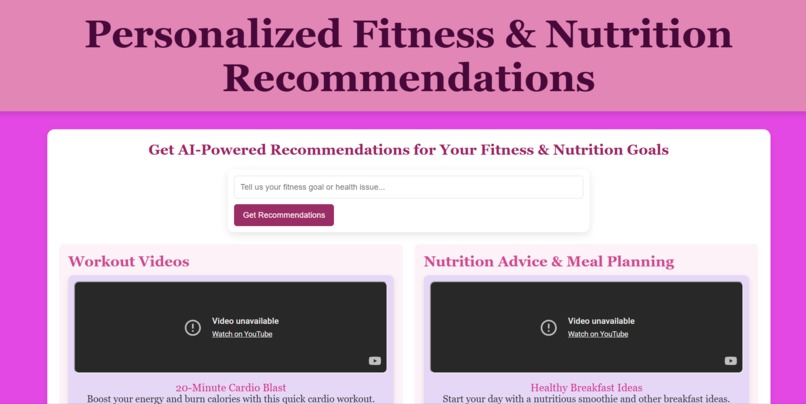
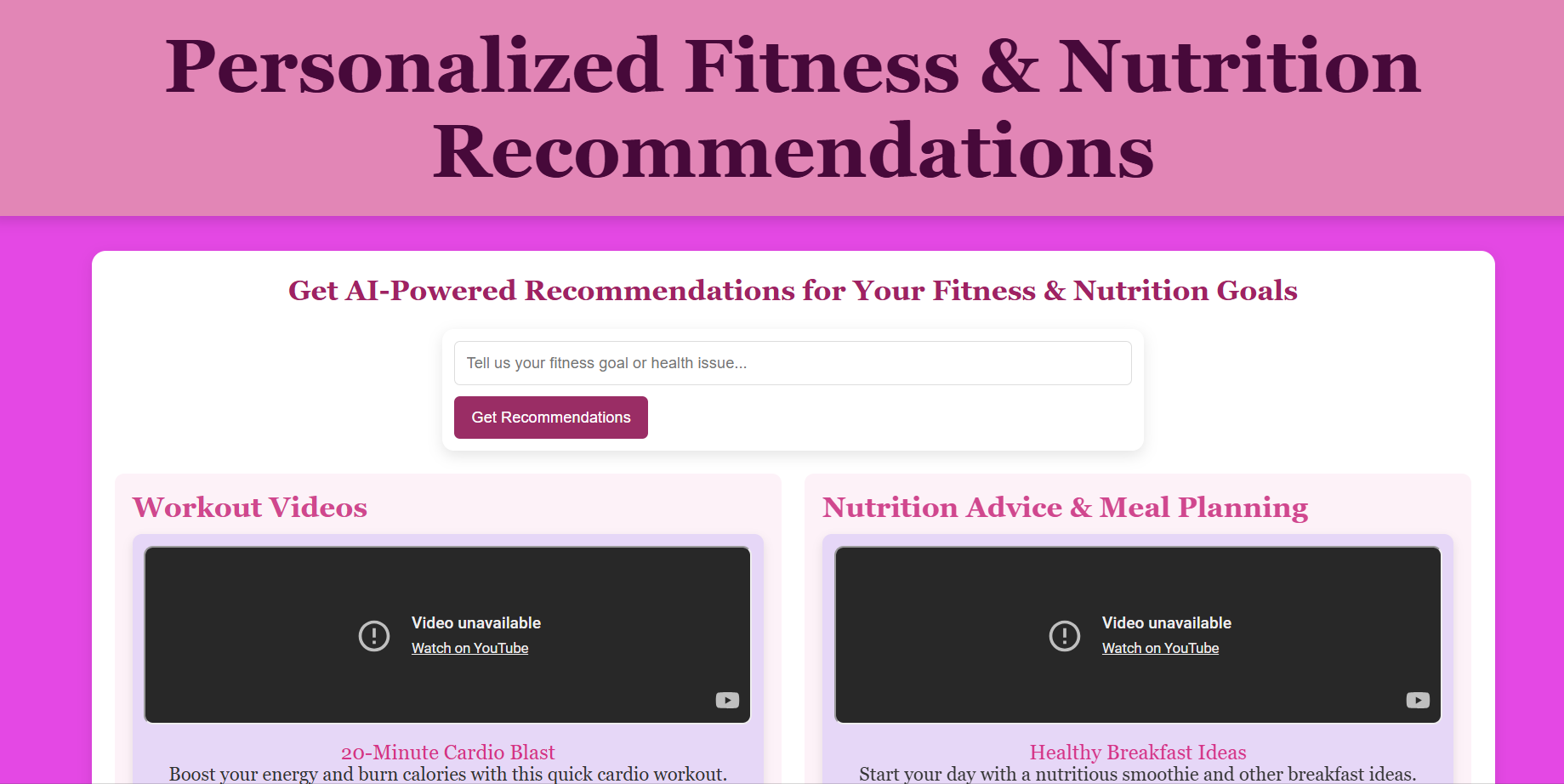
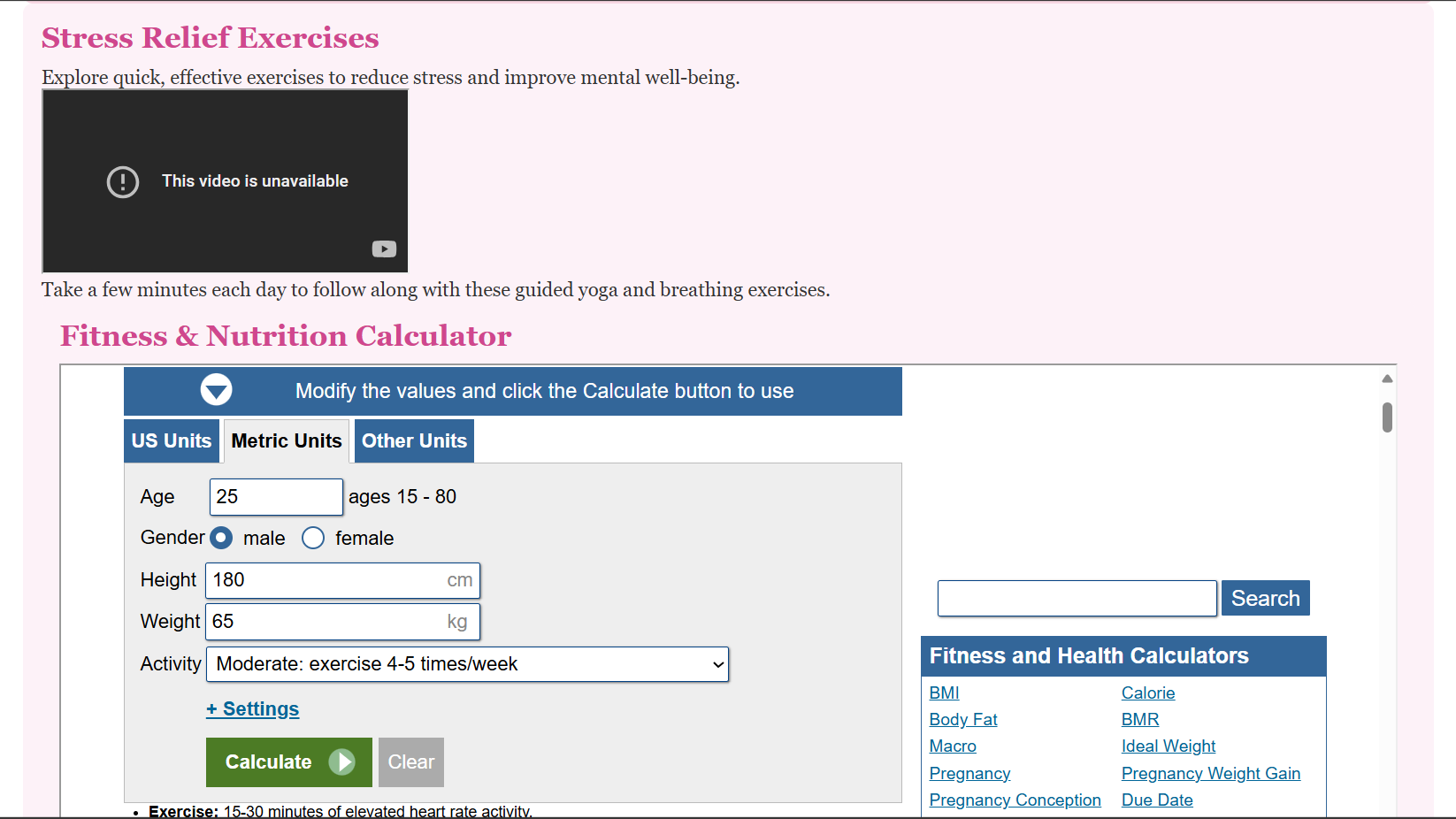
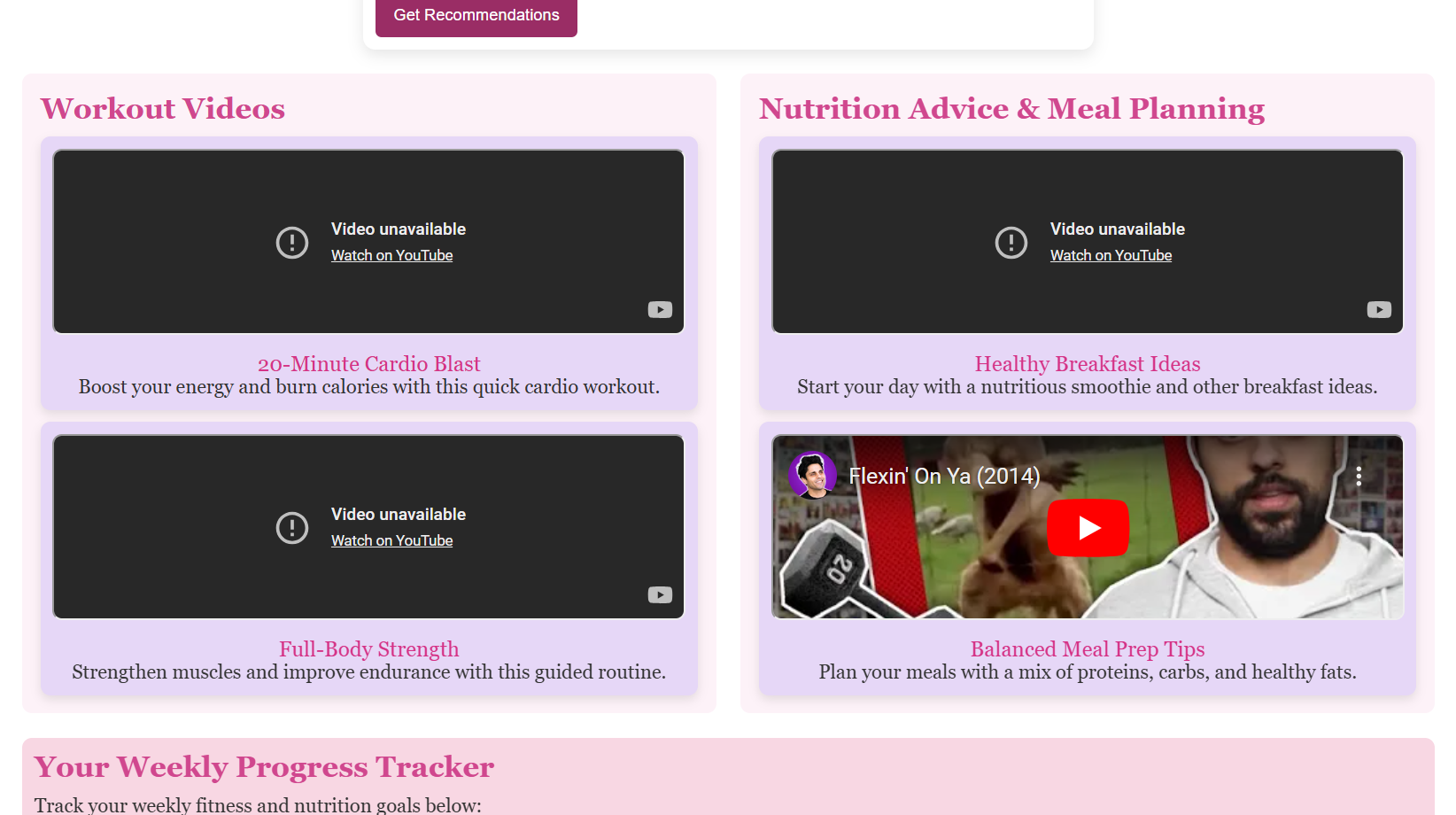
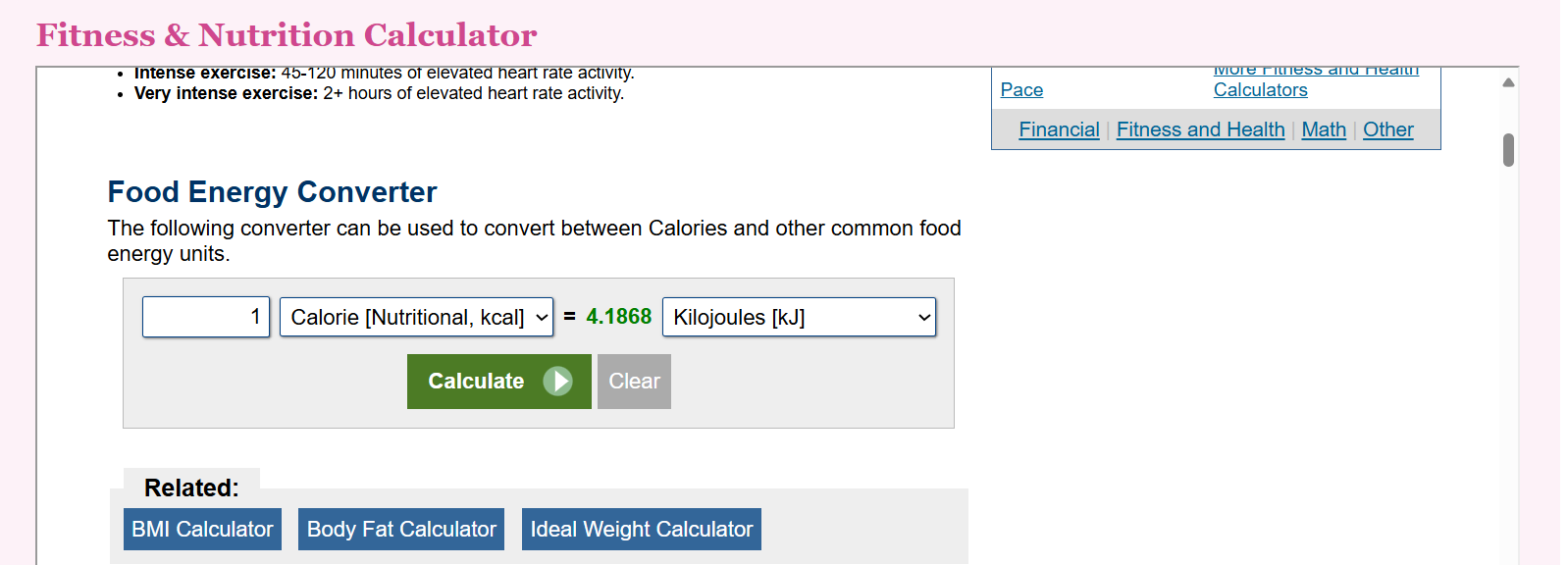
Personalise Fitness and Nutrition page
-
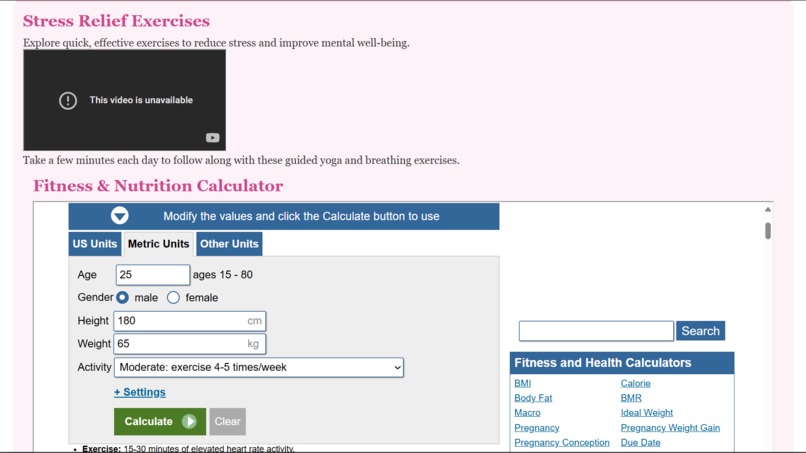
Personalise Fitness and Nutrition page
-
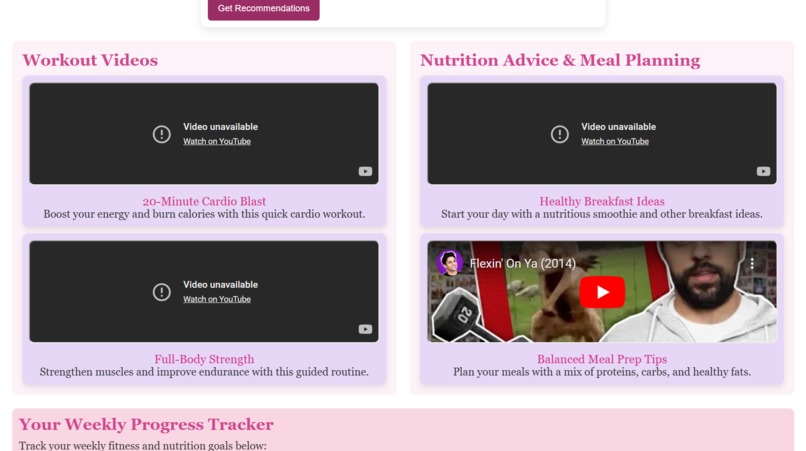
Personalise Fitness and Nutrition page
-
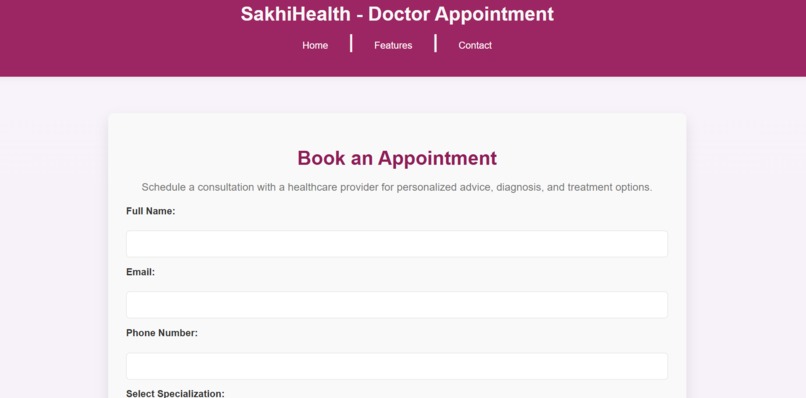
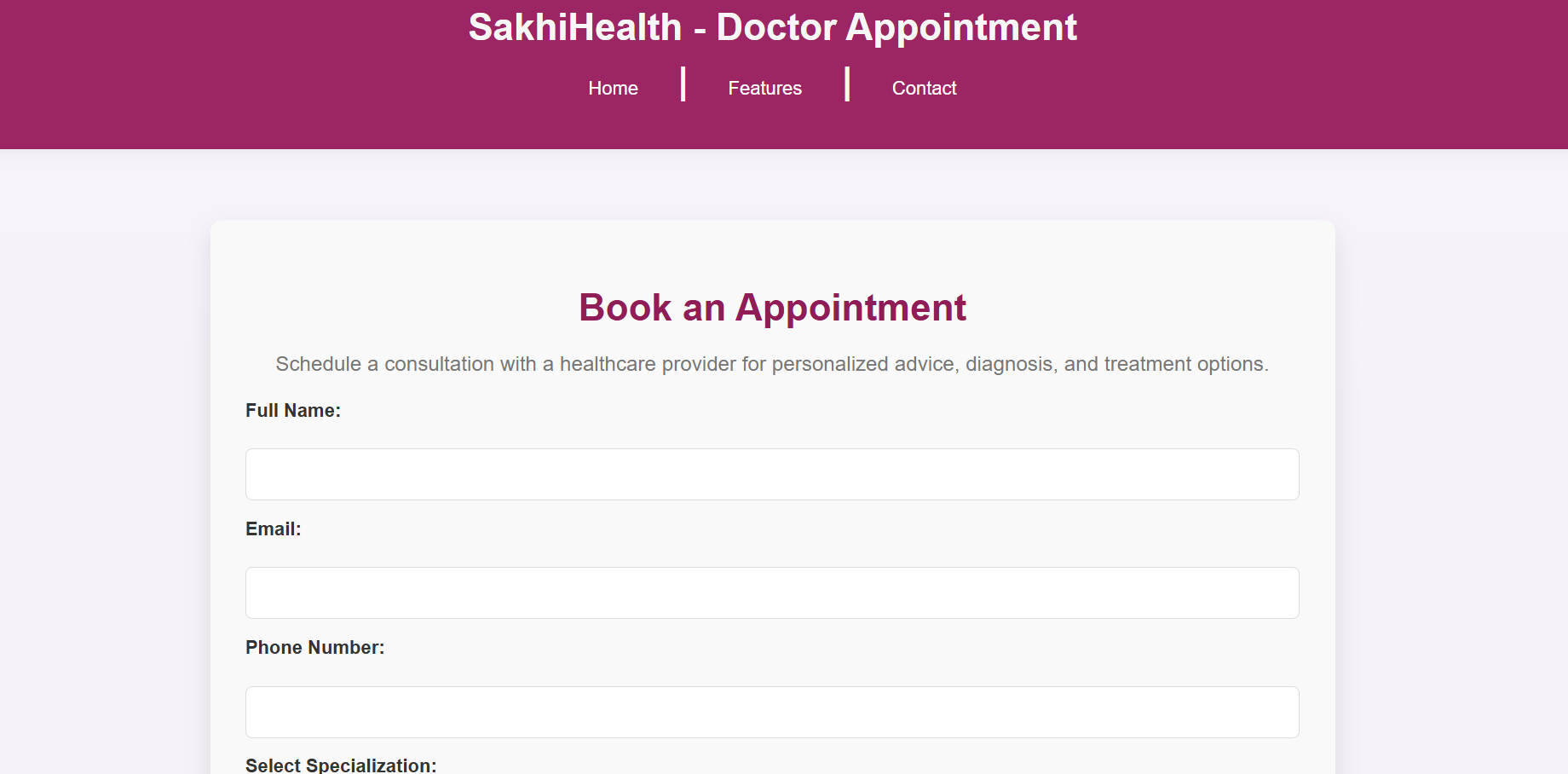
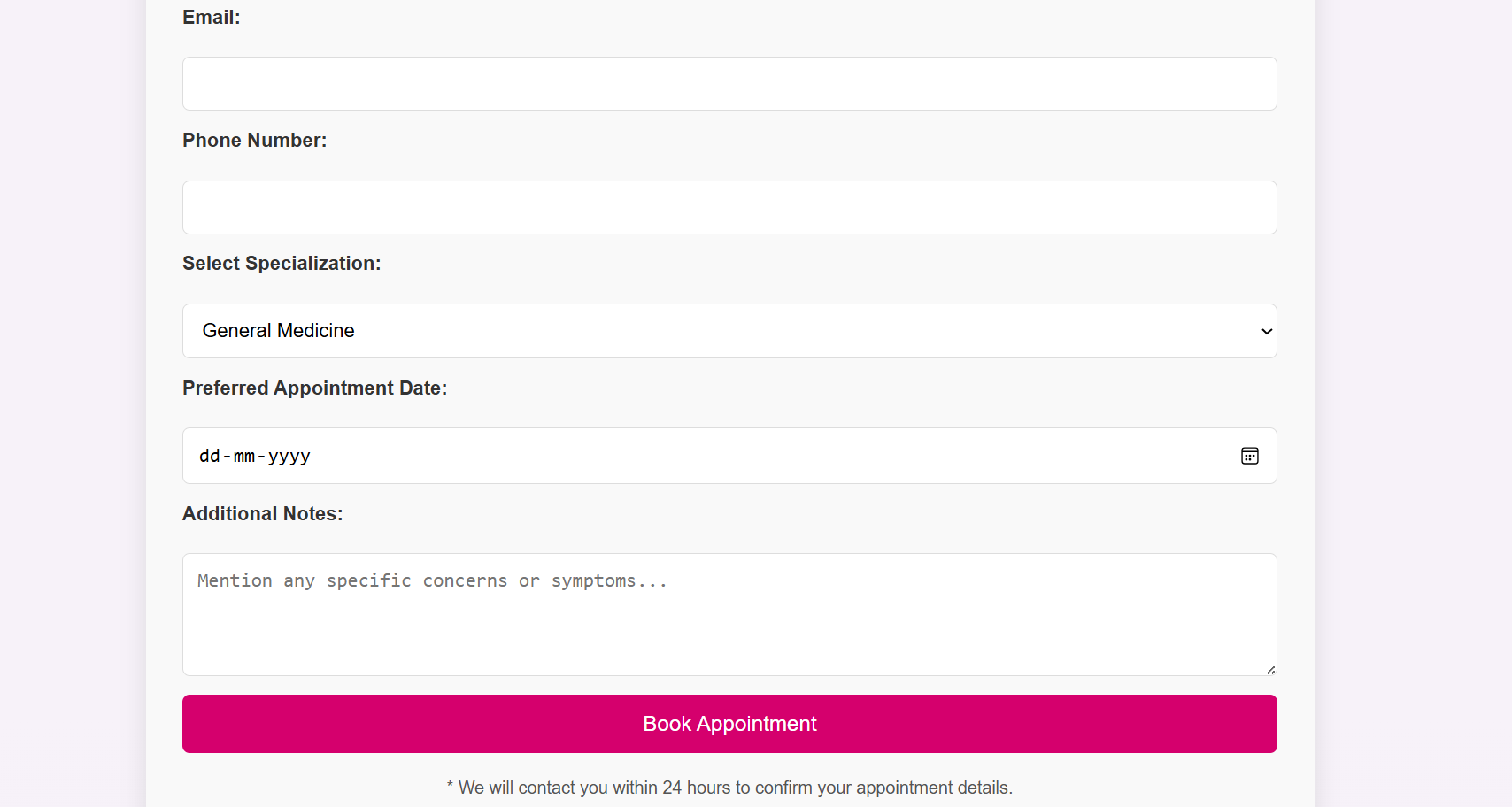
Doctor's appointment page
-
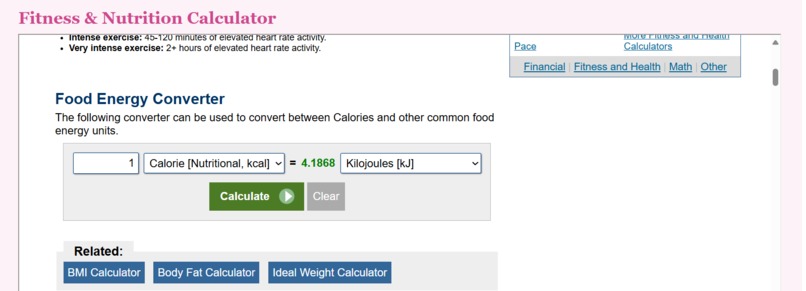
Personalise Fitness and Nutrition page page
-
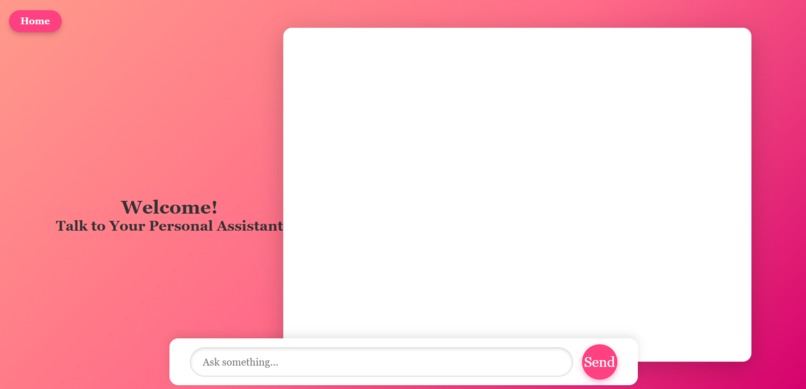
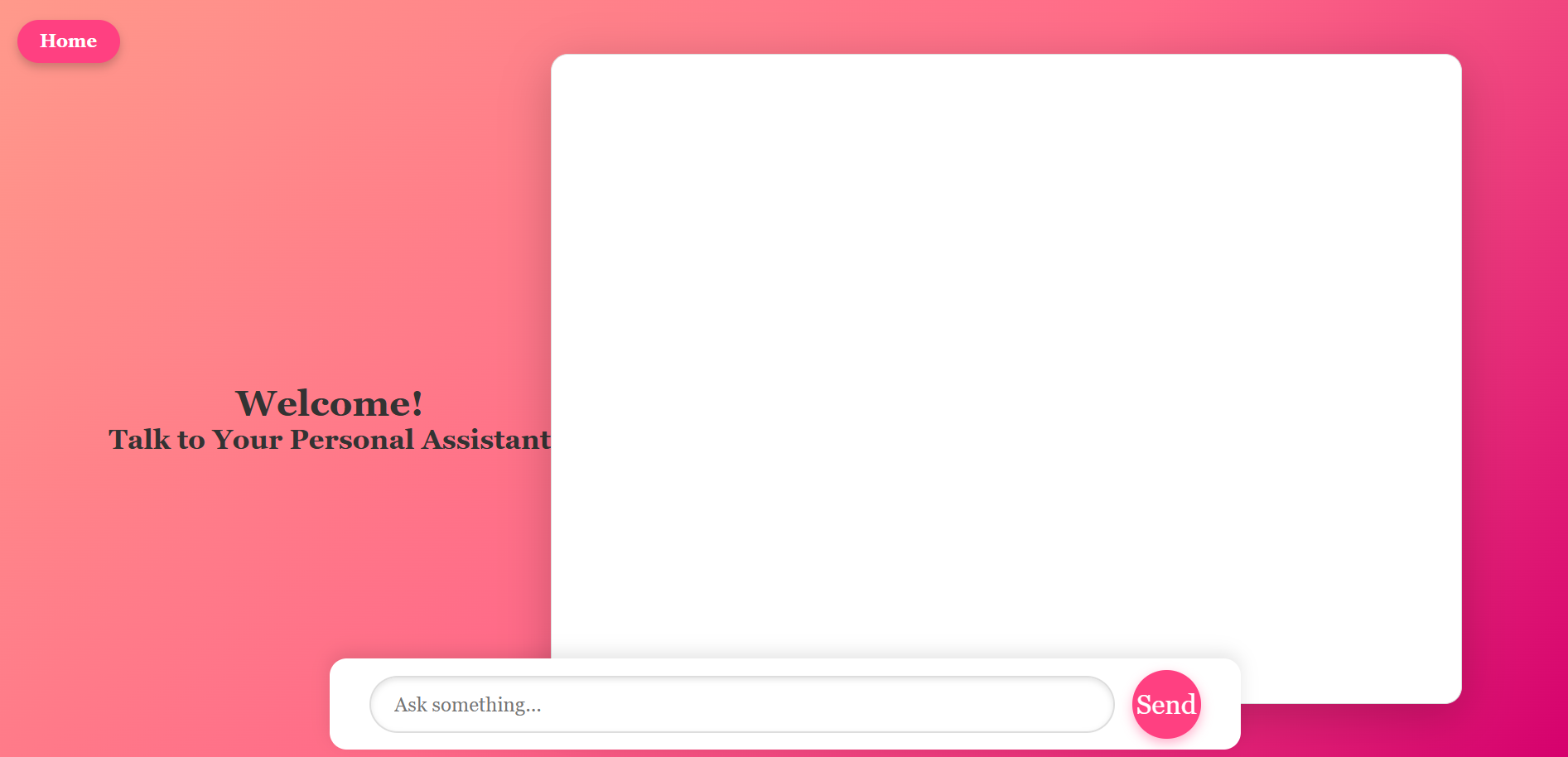
Ai assistant page
-
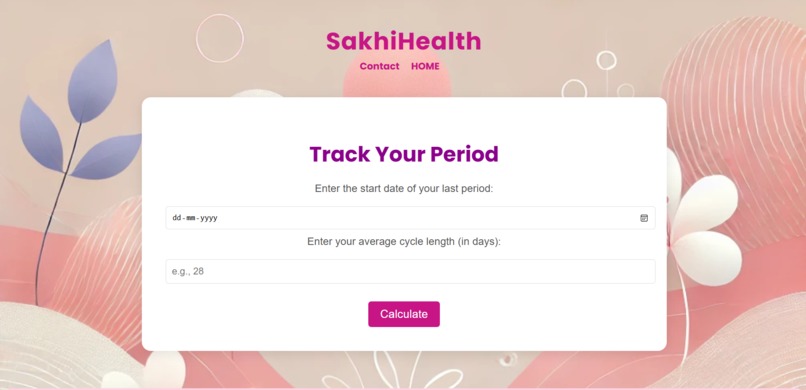
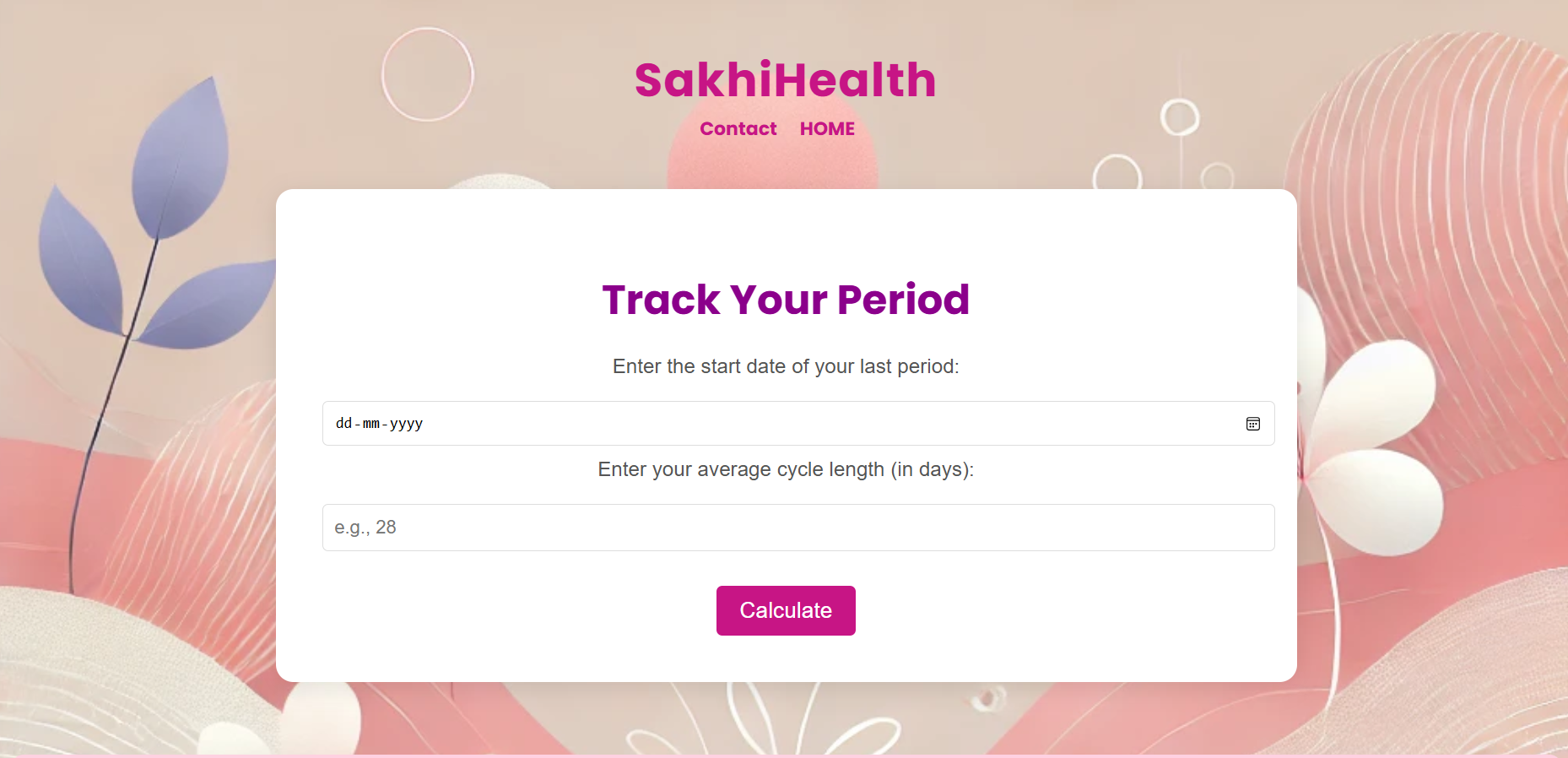
Period tracker page
-
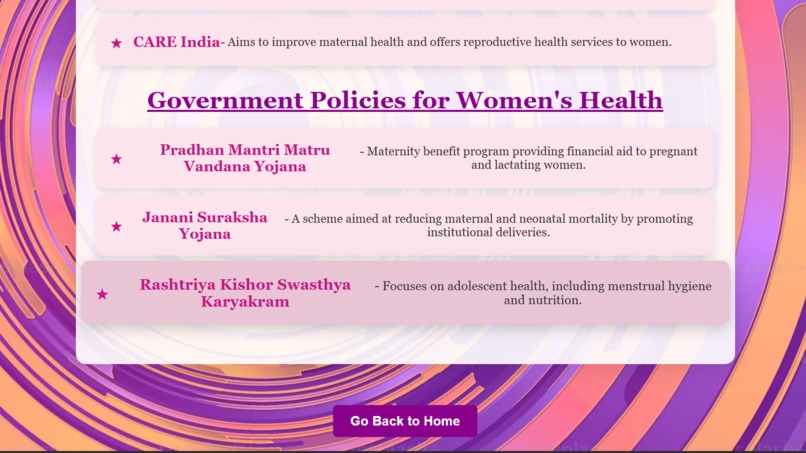
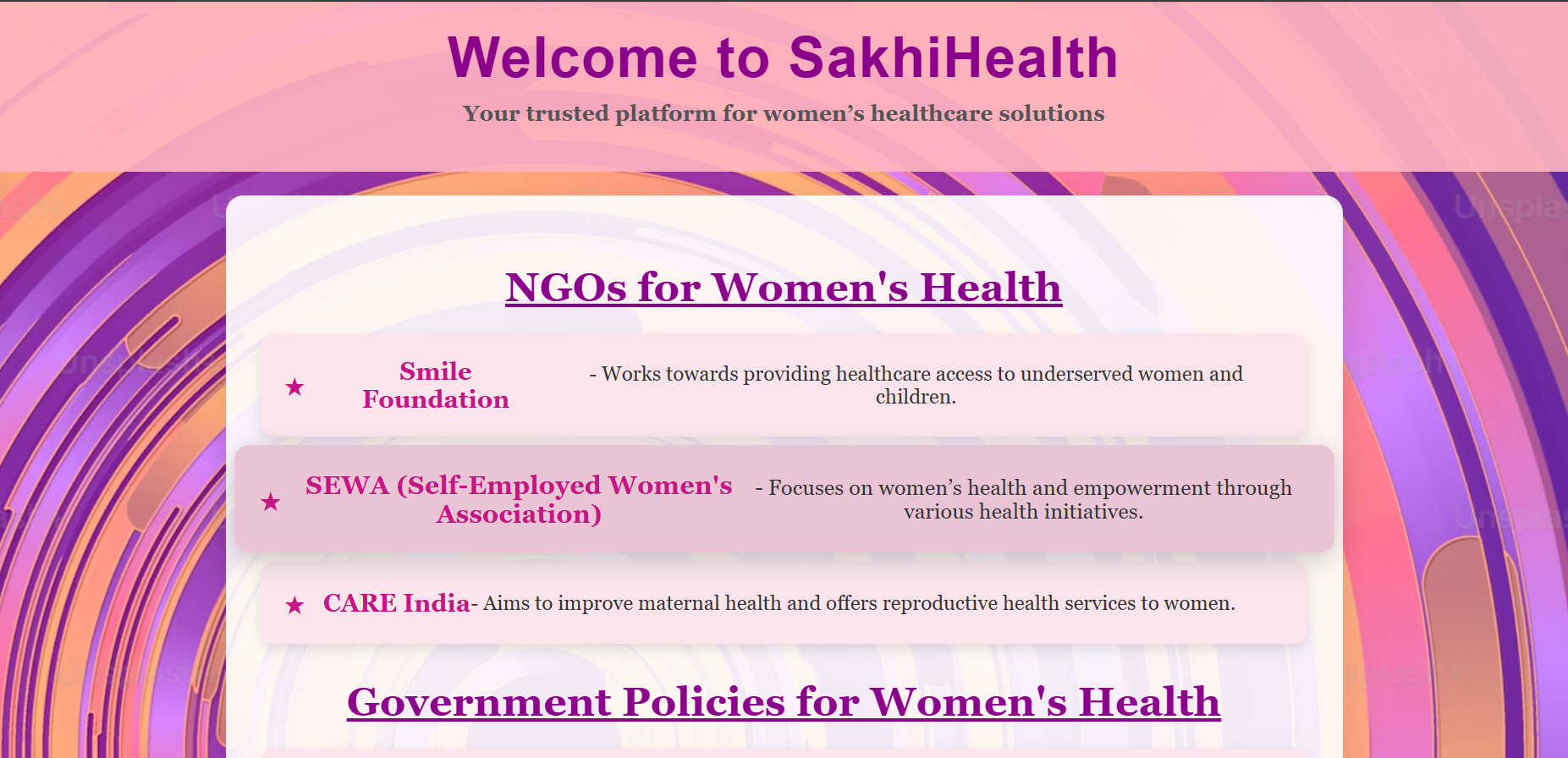
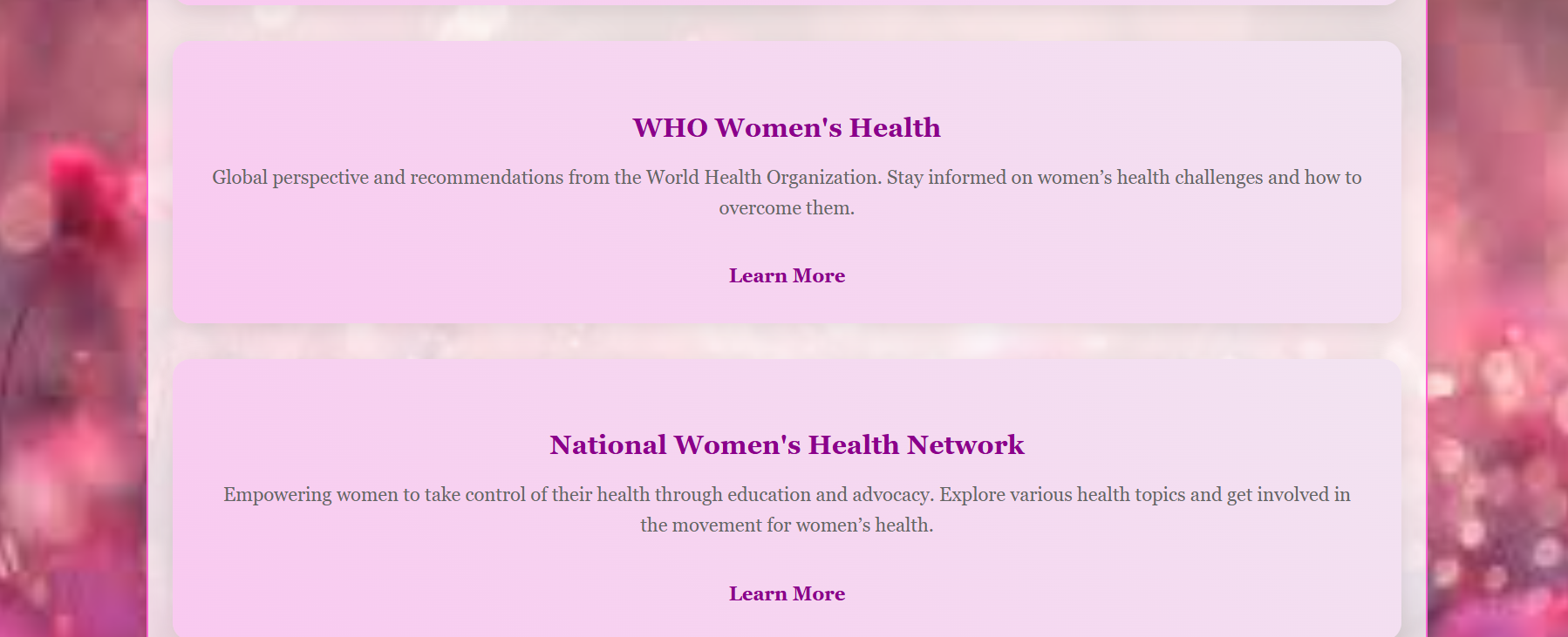
NGOs and government services page
-
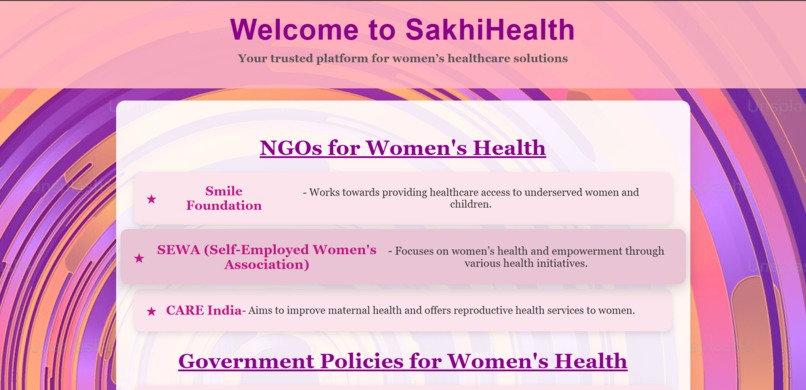
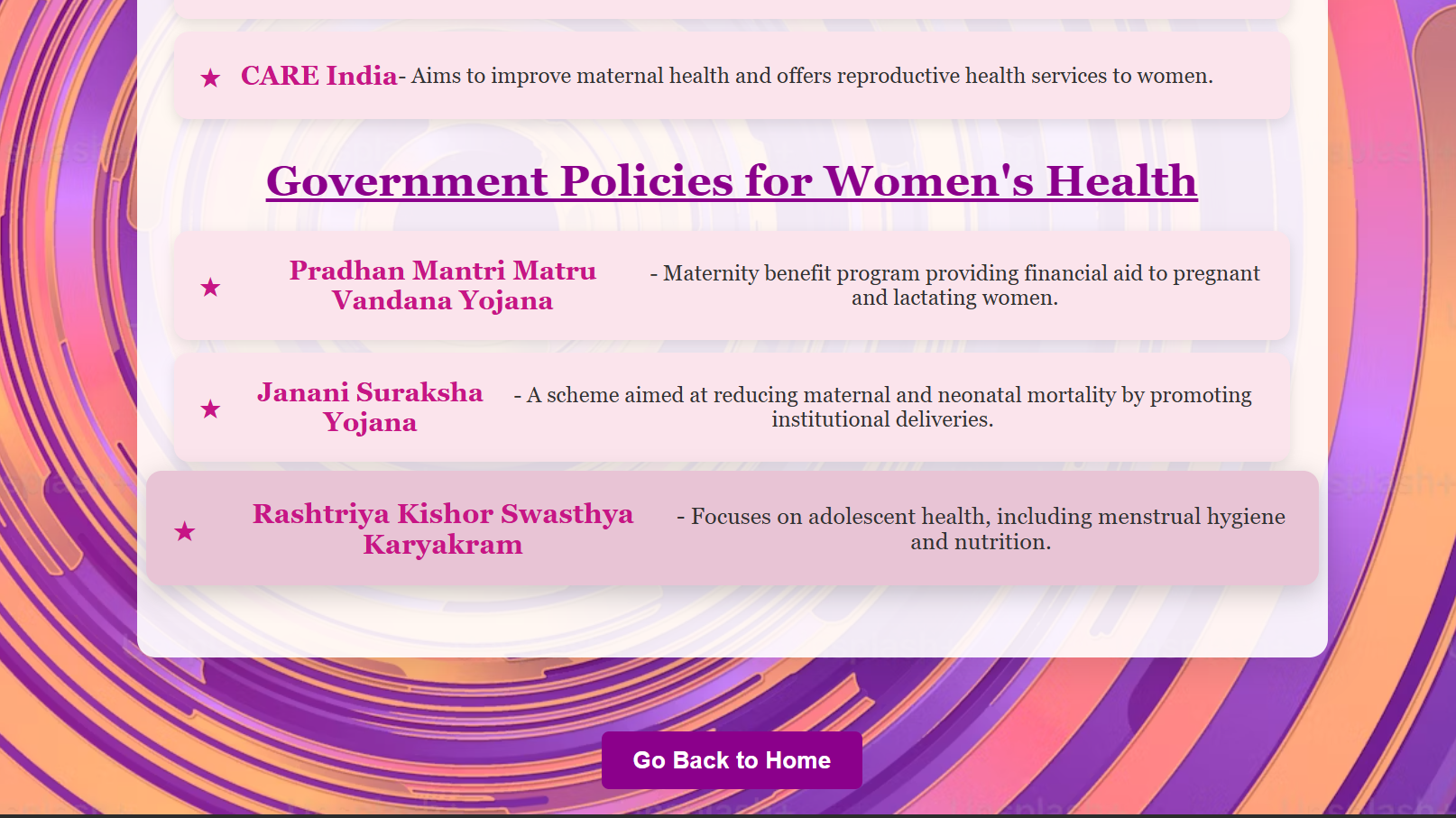
NGOs and government services page
-
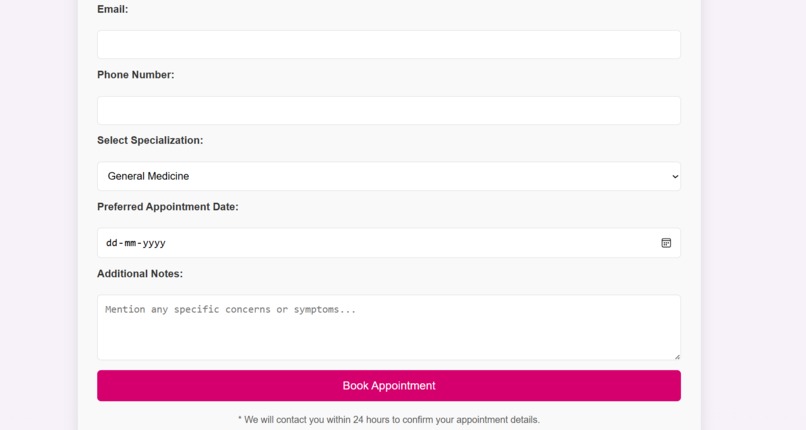
Doctor's appointment page
-
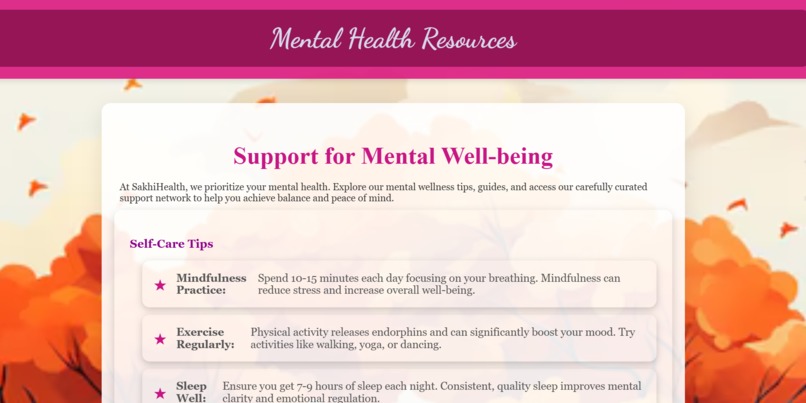
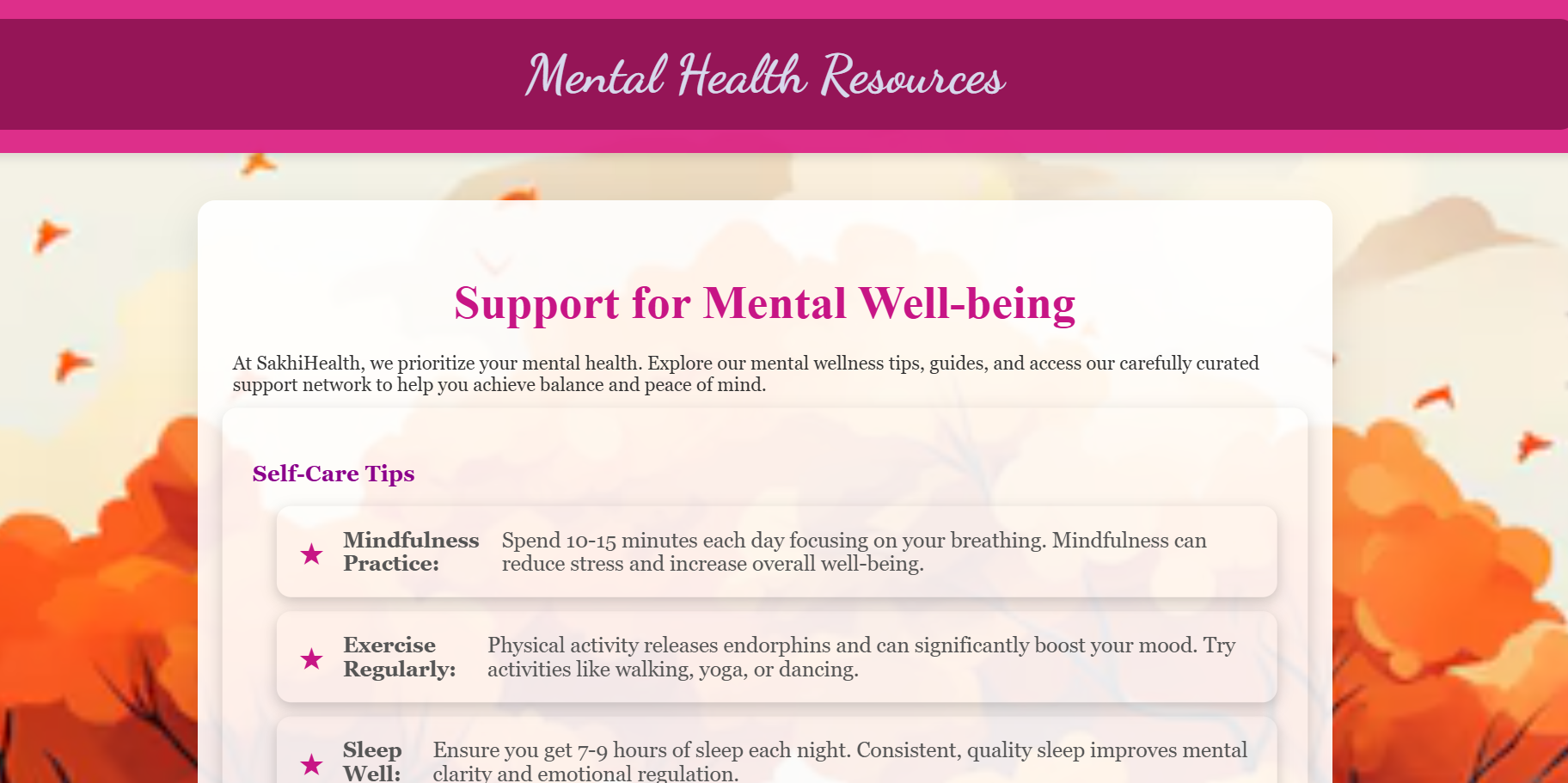
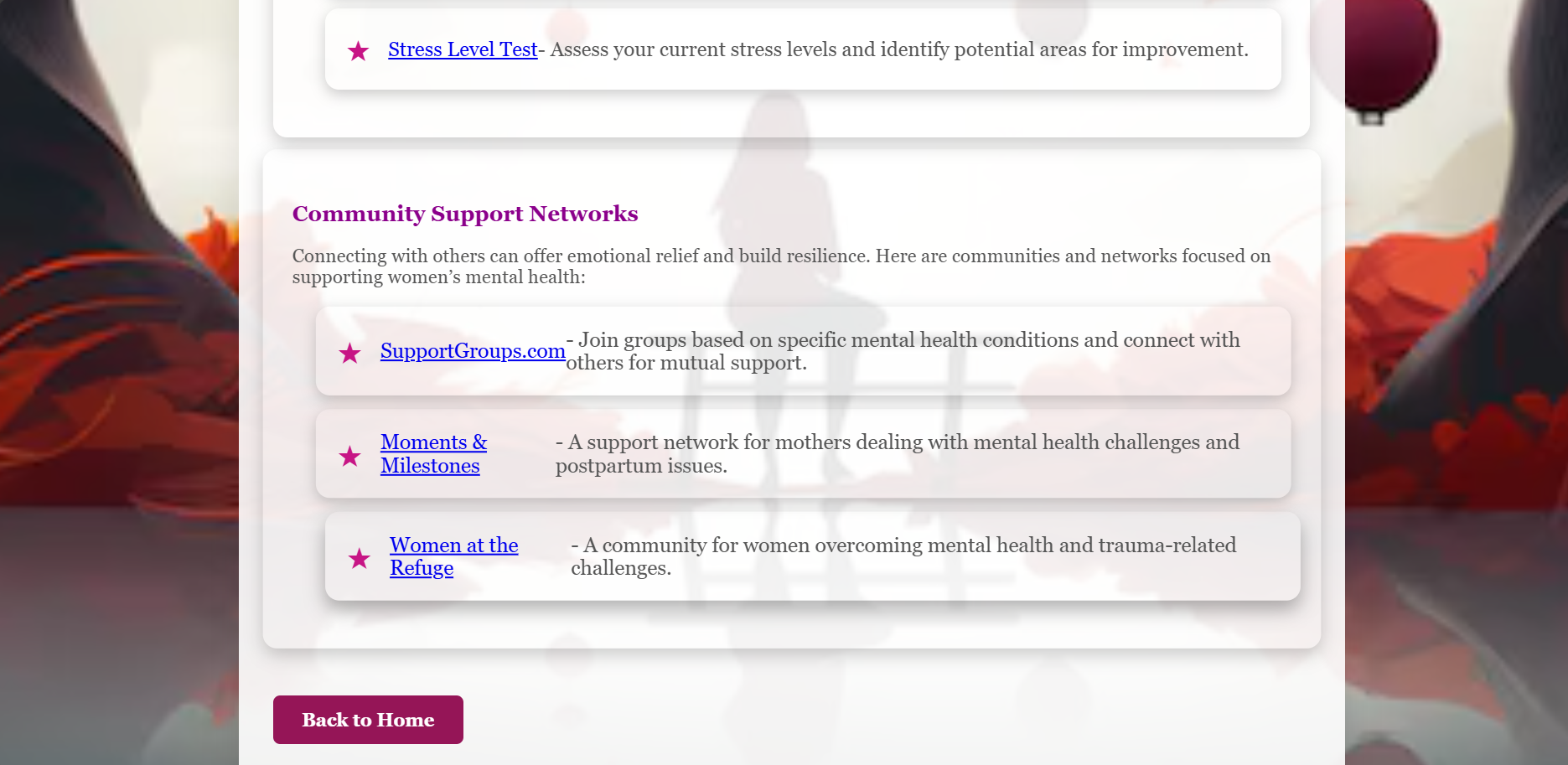
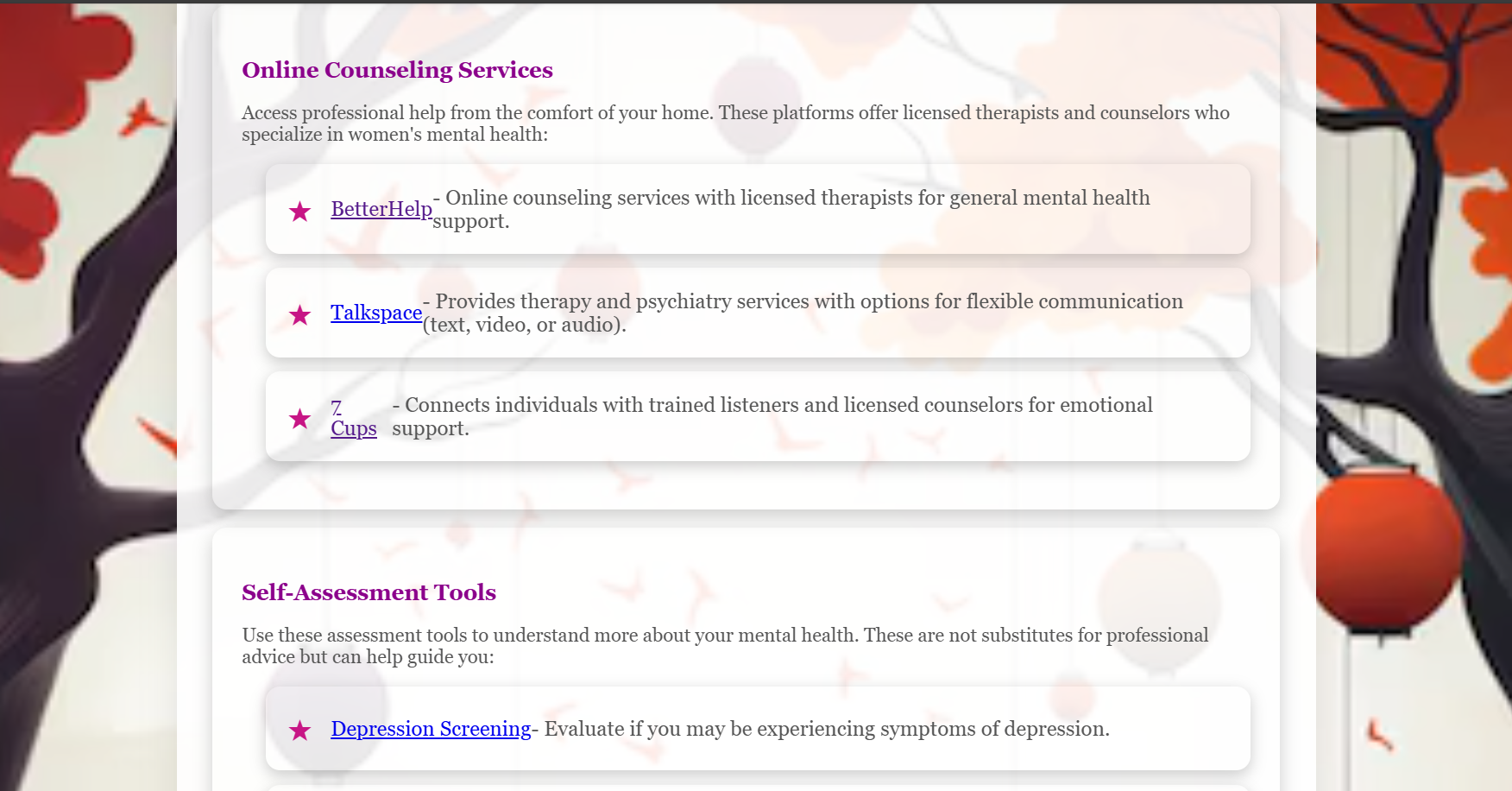
Mental Health Resources page
-
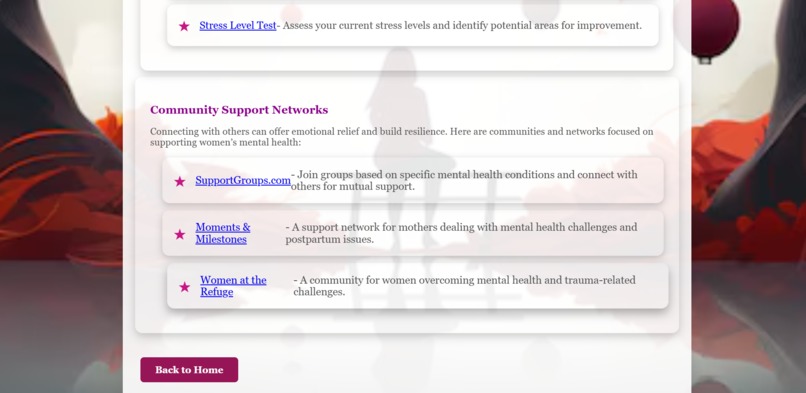
Mental Health Resources page
-
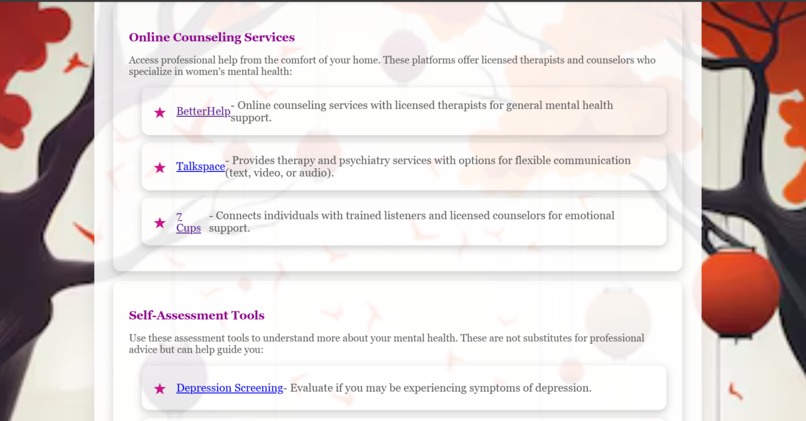
Mental Health Resources
-
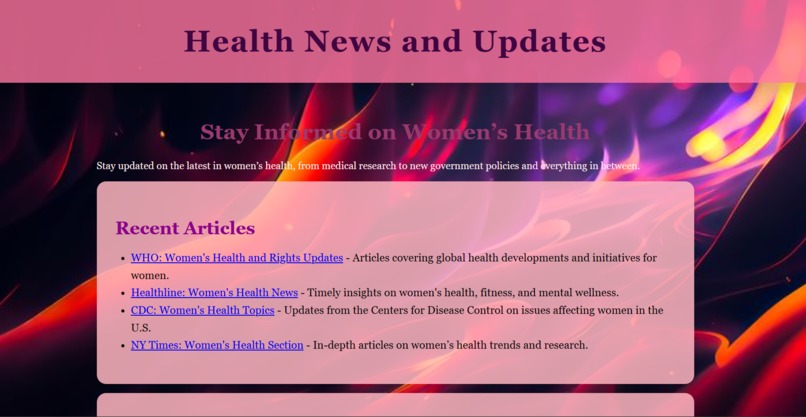
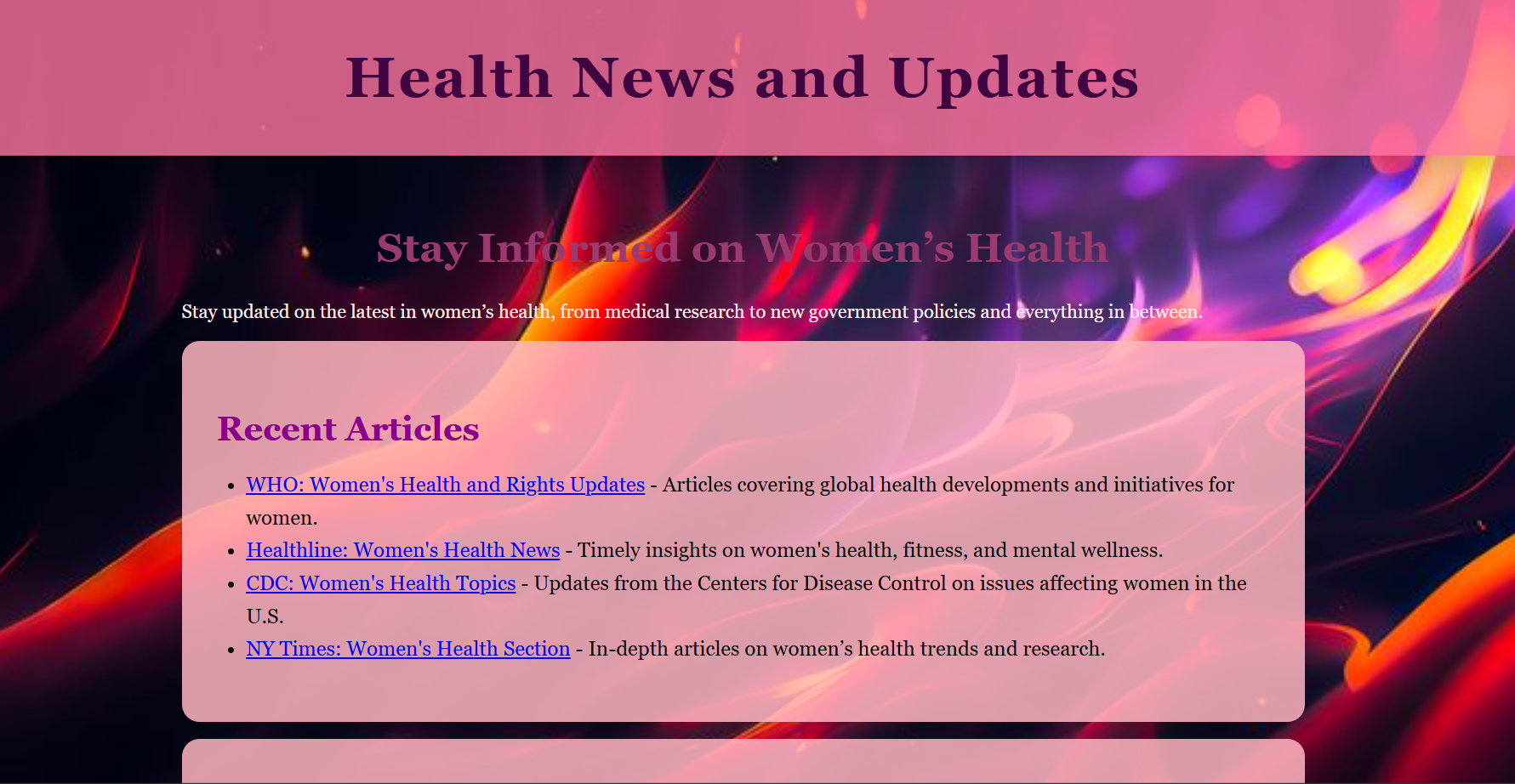
Health News and Updates page
-
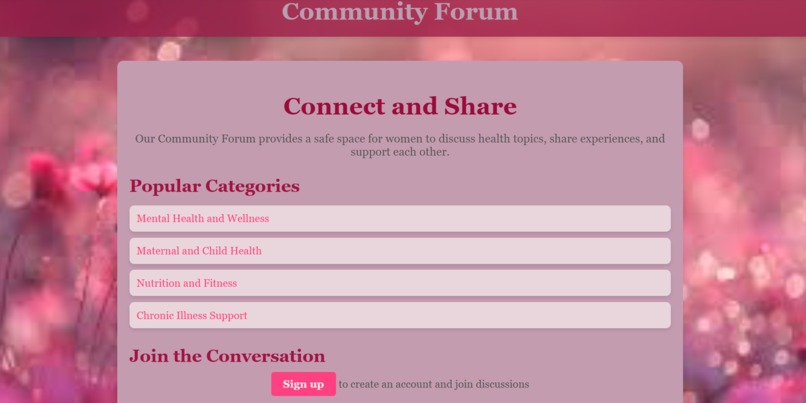
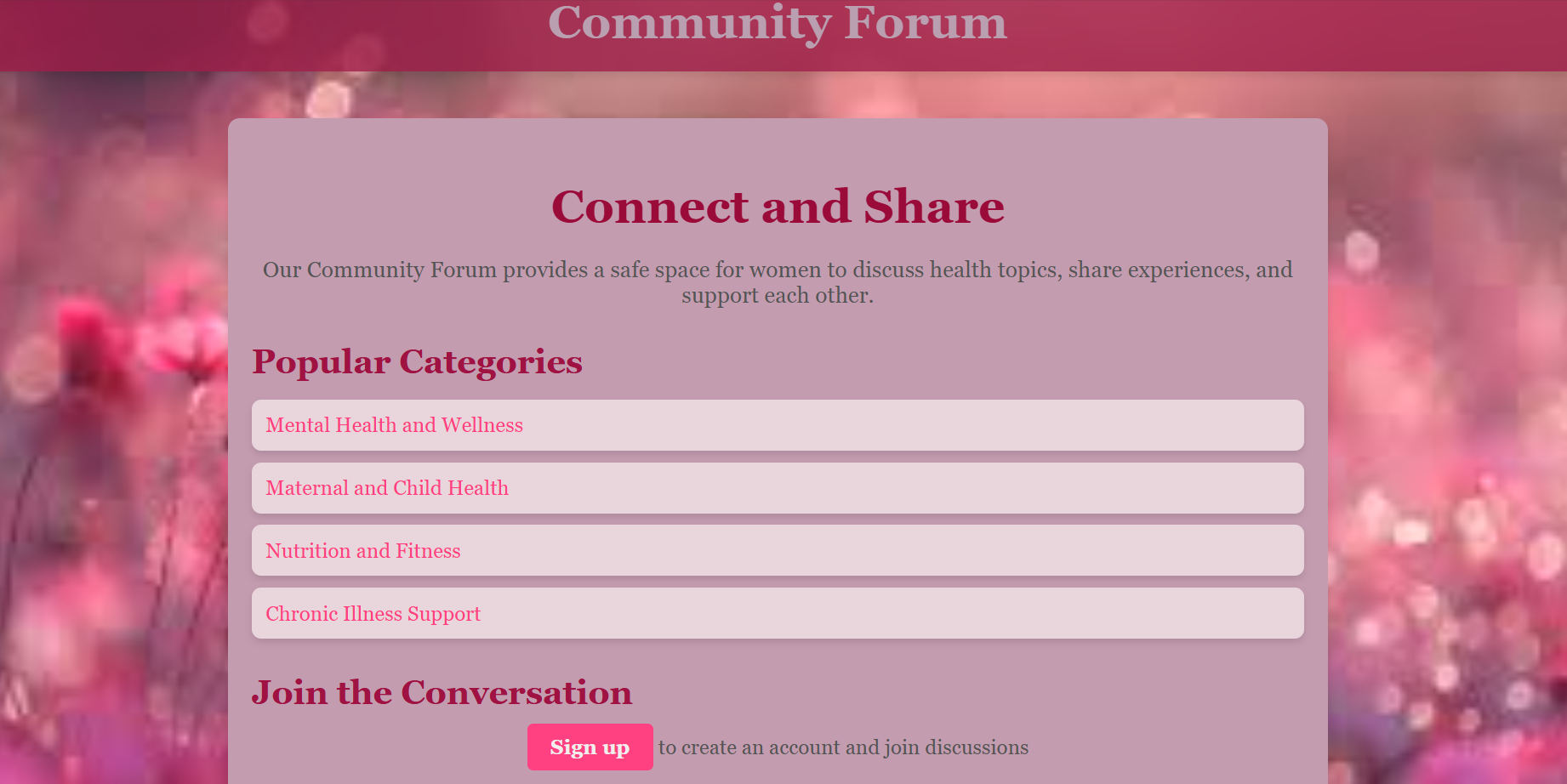
Connect page
-
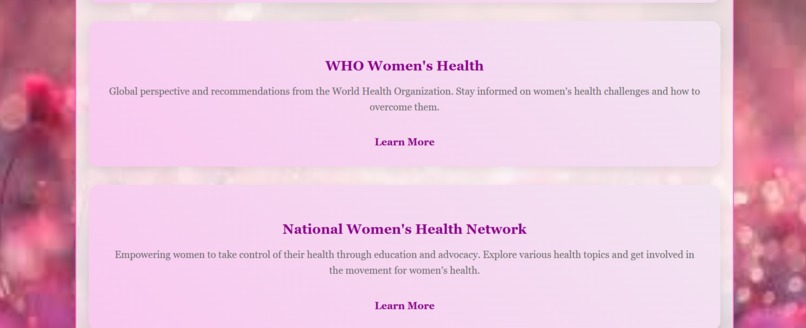
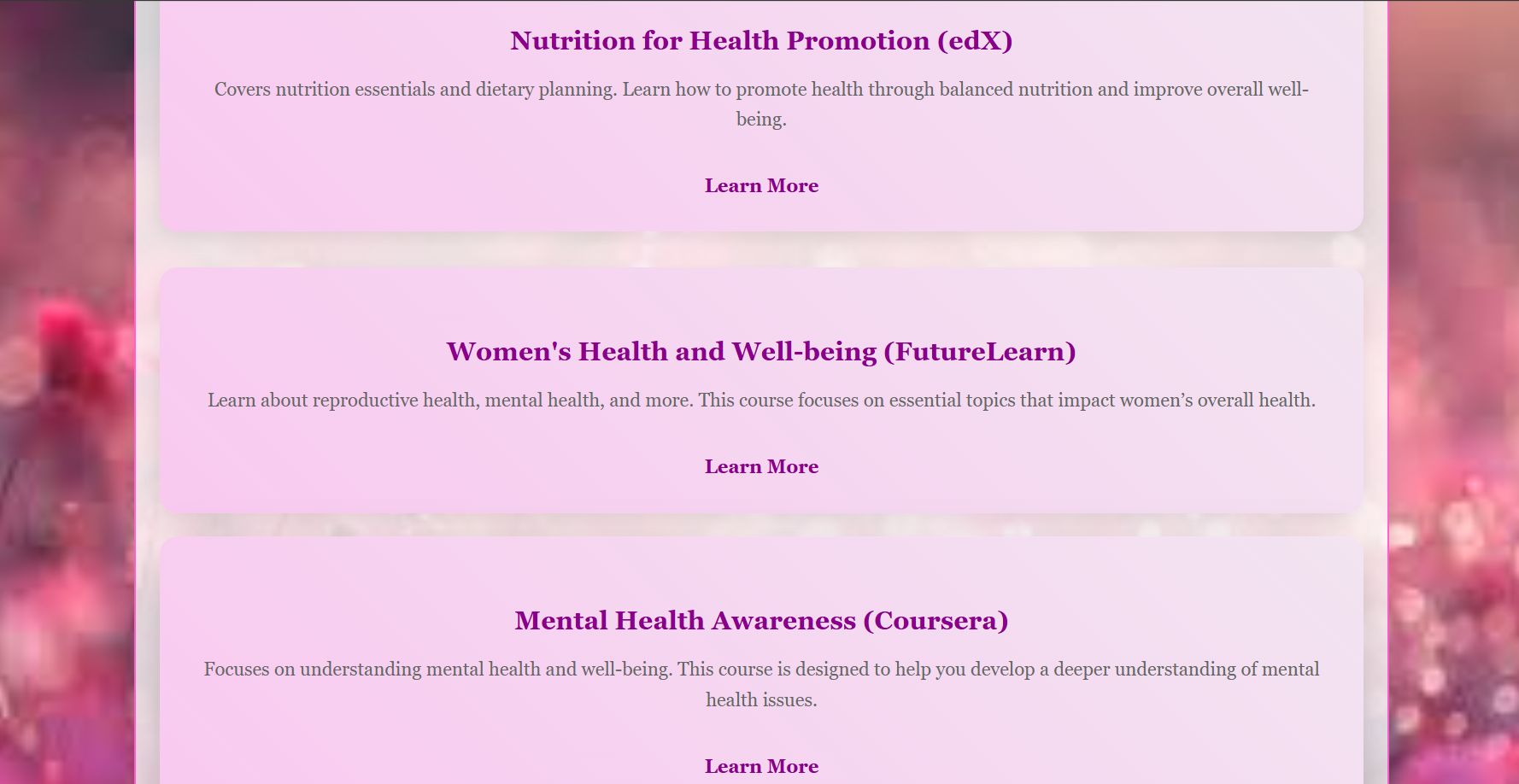
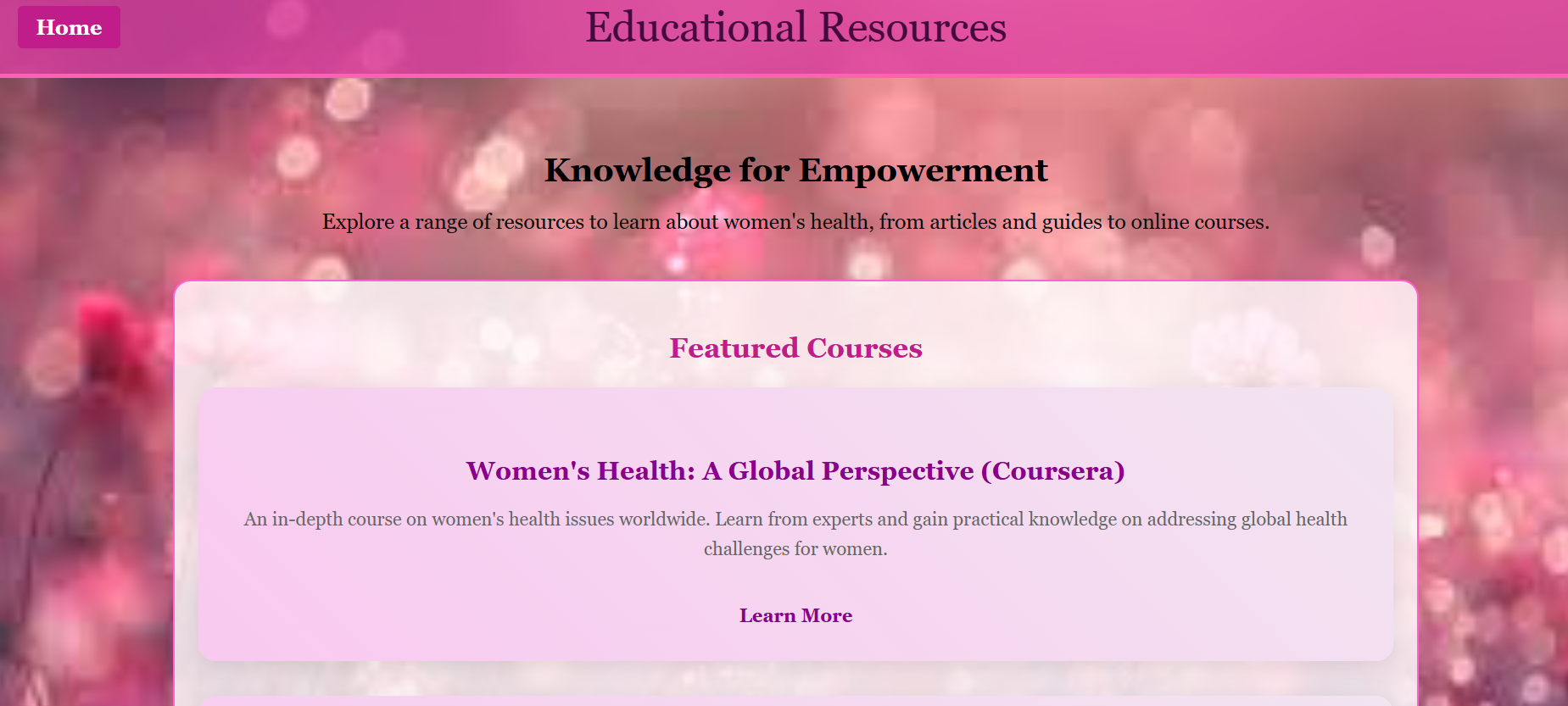
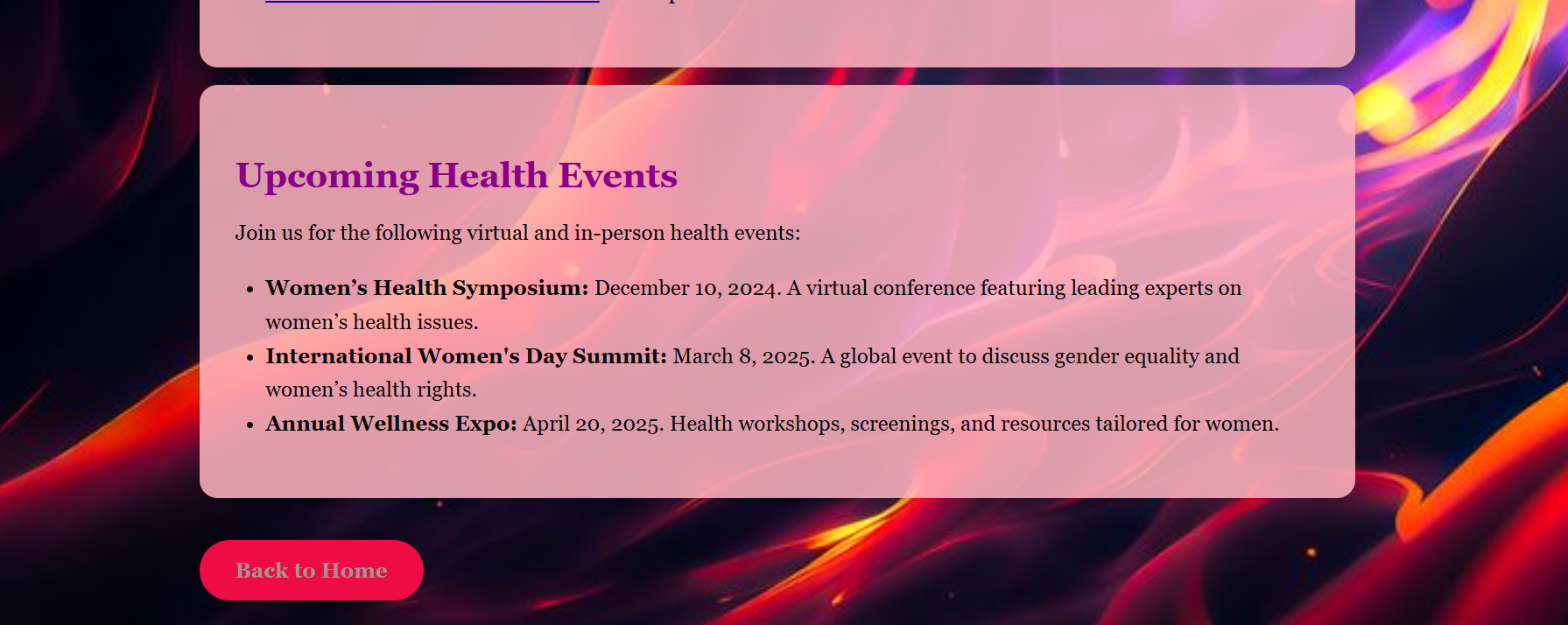
Educational Resources page
-
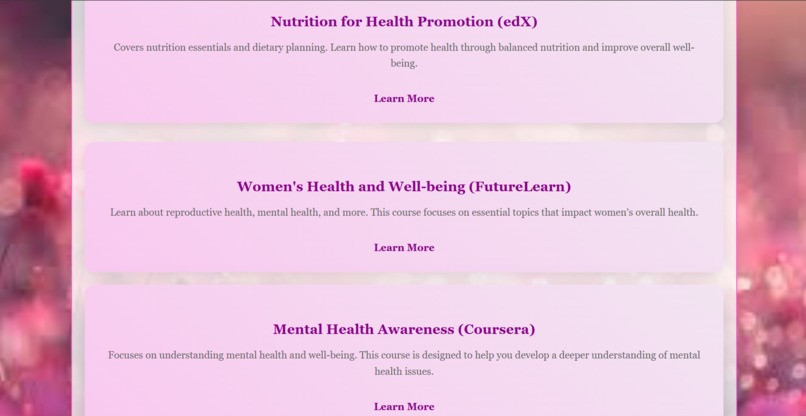
Educational Resources page
-
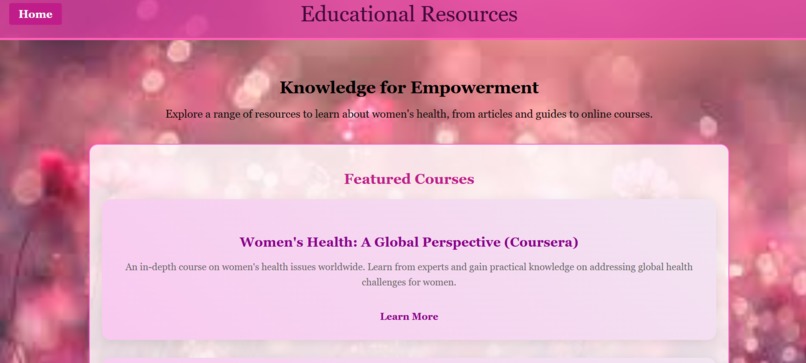
Educational Resources page
-
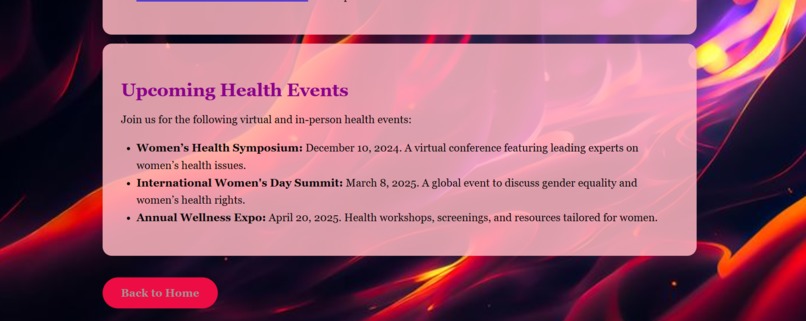
Health News and Updates page
Inspiration
The inspiration behind the SakhiHealth platform came from a desire to create a more inclusive and accessible healthcare system, specifically for women. As I researched the disparities in healthcare access, especially in rural areas, I realized how critical it is to have platforms that empower women with health knowledge and easy access to medical resources. This drive for making a difference, combined with my passion for technology, led me to embark on this project. The idea was to create a platform that not only provided women with personalized healthcare recommendations but also gave them access to resources, such as a chatbot for immediate consultations, a period tracker, and health event updates. It was aimed at addressing the need for timely, personalized, and preventive healthcare solutions.
What it does
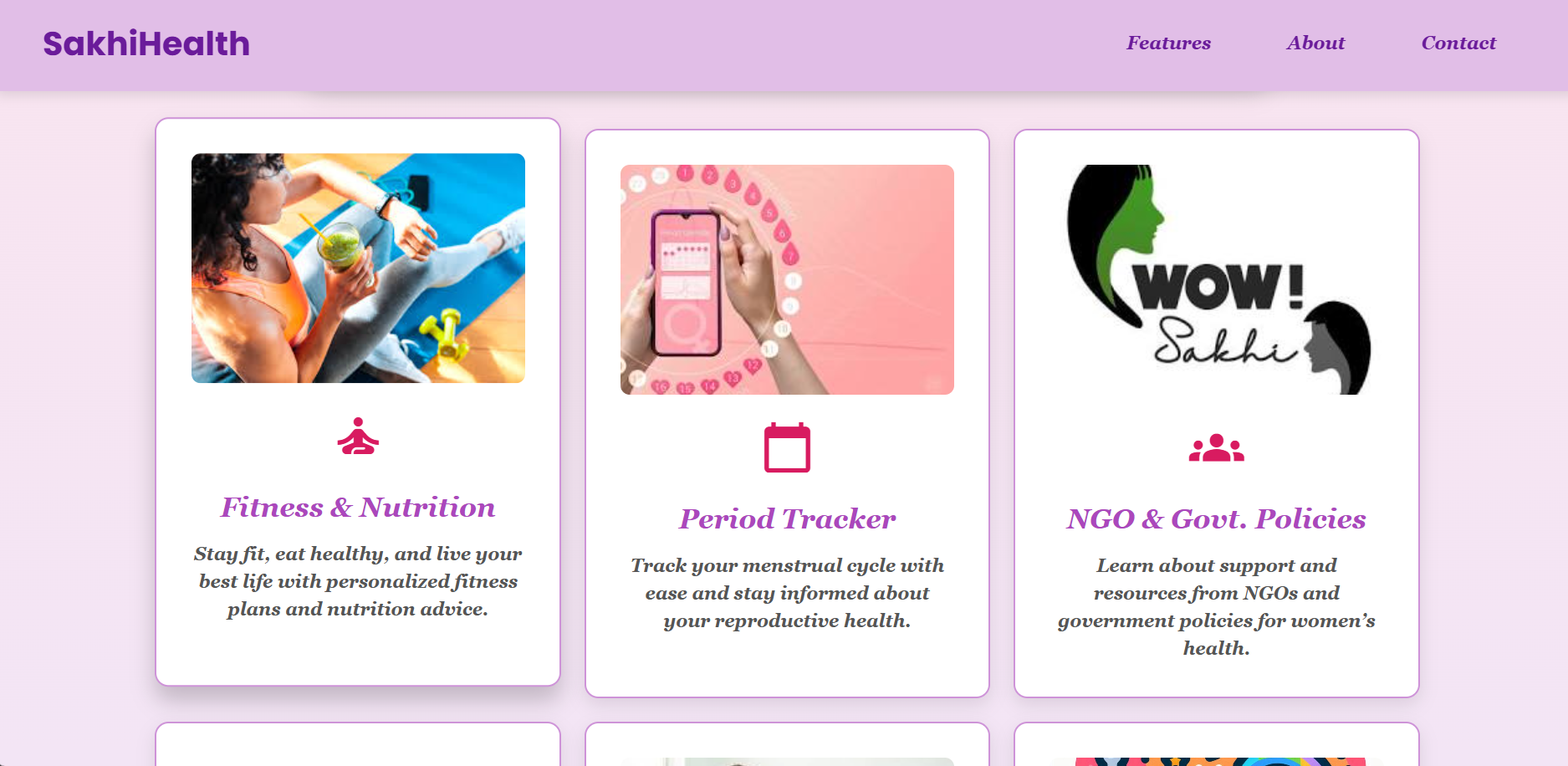
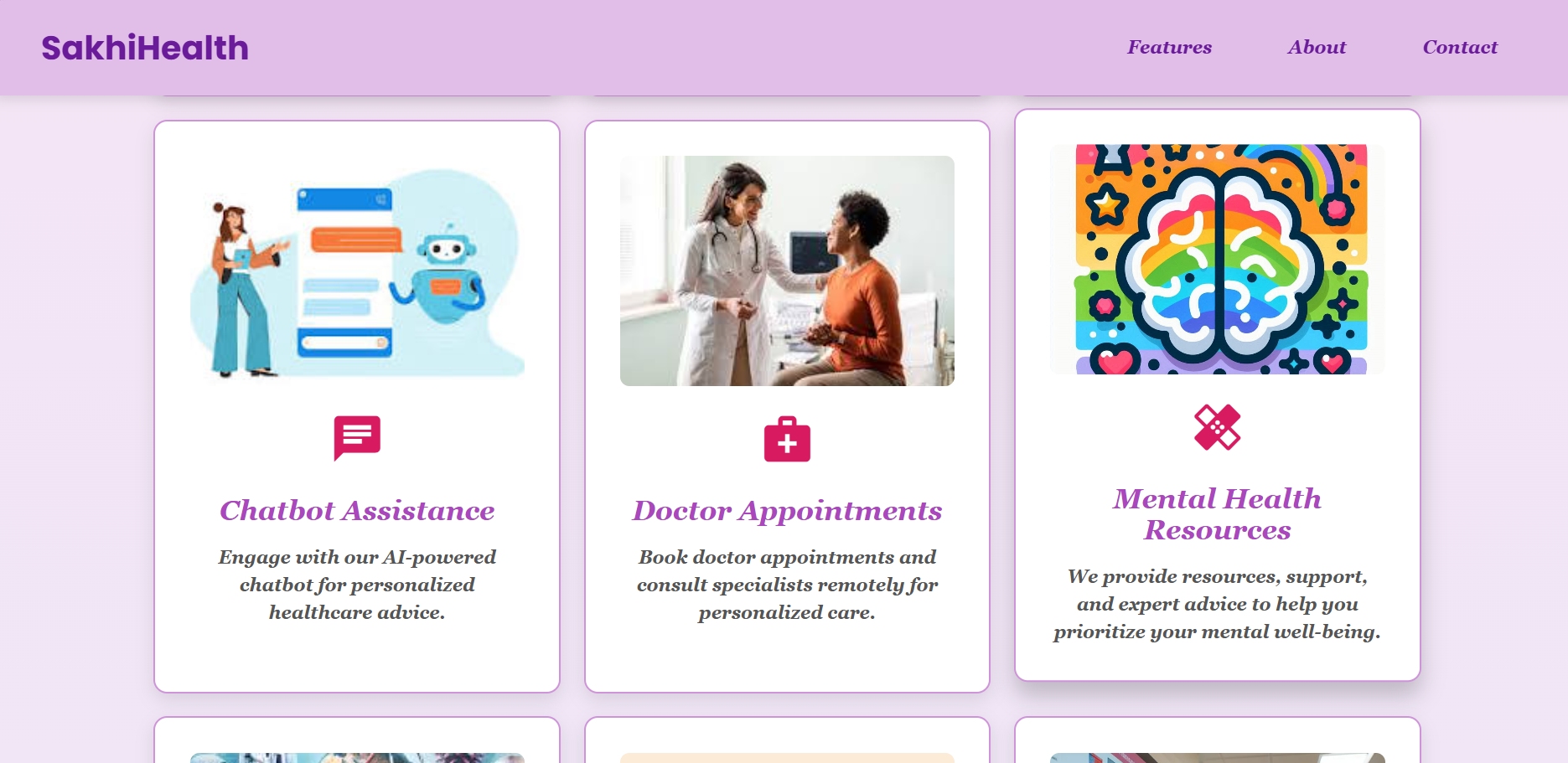
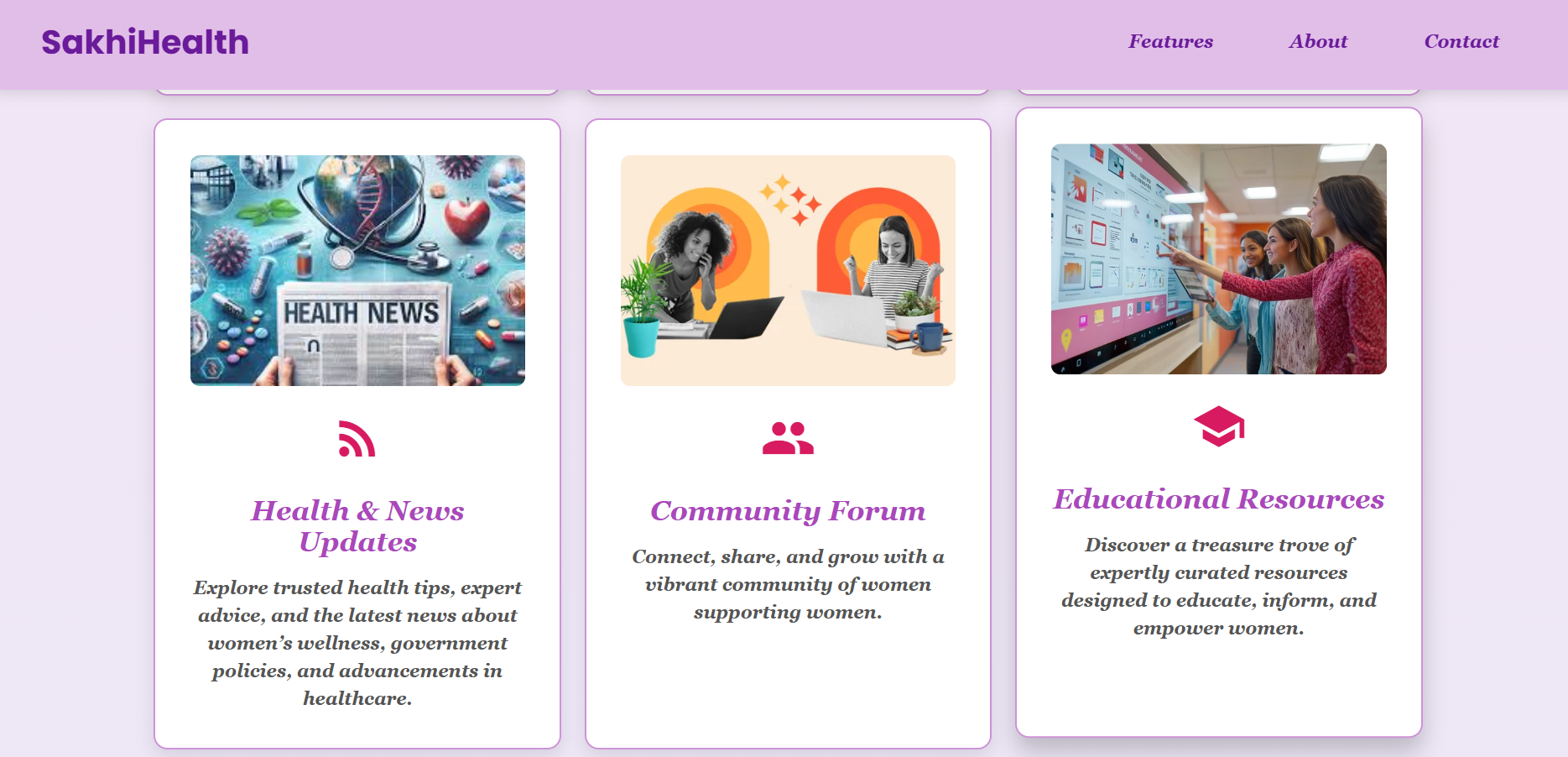
AI-Powered Chatbot: Offers personalized health recommendations and answers to health-related queries. Period & Health Tracker: Helps women track their menstrual cycles, reproductive health, and overall well-being. Resource Hub: Provides access to a wide range of educational materials, articles, and resources on women’s health topics. Appointment Booking: Allows users to book doctor consultations and access healthcare services with ease. Health Events & News: Keeps users updated with the latest health news, upcoming events, and policy updates. Community Support: Connects users with relevant NGOs, health organizations, and support groups for additional assistance.
How we built it
Step 1: Planning and Design
- I started by researching the key features that would provide value to the target audience. These included:
- A chatbot for consultations.
- A period tracker for women’s health management.
- A section for upcoming health events, providing users with updates on conferences, workshops, and webinars.
- A section for recent health articles and news.
I sketched wireframes and designed a user-friendly interface that felt warm, welcoming, and intuitive. I used tools like Figma for designing and planning the layout.
Step 2: Development
I used HTML and CSS to build the structure and design of the platform. For styling, I chose a color palette that was calm and soothing while being modern and professional.
- For the functionality, I used JavaScript to handle interactions such as fetching data from external APIs (for upcoming health events) and displaying personalized health recommendations.
The back-end wasn’t a priority for this version, as I focused on the frontend. However, I integrated existing APIs for fetching health-related news and event data.
Step 3: Integration of APIs
One of the key features of the platform was to dynamically display upcoming health events by integrating a third-party API. This was accomplished by making asynchronous API calls using
fetch()and then dynamically populating the event list on the page.Step 4: Testing and Refining
After building the basic functionality, I tested the platform on different devices to ensure it was responsive. I paid close attention to performance and speed, optimizing images and scripts where necessary.
Challenges we ran into
API Integration:
- The biggest challenge was integrating the third-party health event API smoothly. The initial hurdles were related to fetching data, handling errors gracefully, and formatting the data in a user-friendly way.
- I faced issues with the API rate limits and handling empty or incorrect responses, which required multiple iterations to resolve.
- Design and Usability:
- Ensuring the platform was intuitive for women from diverse backgrounds posed some challenges. I had to iterate on the design to make sure it was both visually appealing and easy to navigate.
- Time Management:
- Balancing this project with other commitments, such as studies and hackathons, was a significant challenge. It required efficient time management to break the project into smaller tasks and complete it within the time frame.
- Responsive Design:
- Ensuring the platform was mobile-friendly and worked across all screen sizes required careful attention. Debugging issues across different devices was a challenge but ultimately a great learning experience.
Accomplishments that we're proud of
-Build a model which may bring impact in the lives of women and girls. Its brings confidence within ourself of doing
What we learned
1.Healthcare Needs and Technology Integration: I gained valuable insights into the health challenges women face, especially around reproductive health, mental wellness, and access to healthcare services. I learned how technology, particularly AI and chatbots, can play a pivotal role in breaking barriers and providing support.
- Web Development and Frontend Technologies: This project allowed me to deepen my understanding of web development, including HTML, CSS, JavaScript, and API integrations. I was able to create a visually appealing and functional user interface that could accommodate the unique needs of women seeking healthcare information and services.
- User-Centered Design: I realized the importance of designing with empathy. Understanding the target audience (women, especially in rural areas) shaped the platform’s user experience. Ensuring simplicity and easy navigation were critical to the design process.
- APIs and Data Handling: Integrating health data, news updates, and event notifications from APIs was a crucial part of the platform. I learned how to fetch and display dynamic content, allowing real-time updates for users to stay informed about relevant health events.
What's next for SakhiHealth
Introduce smarter health recommendations and predictive alerts. Create an impact in the lives of women and girls. Make it reliable and easy to go solution to cater women healthcare needs.
Built With
- api
- canva
- css
- figma
- gemini
- gemma
- gogolefonts
- google-cloud
- html
- javascript
- node.js

Log in or sign up for Devpost to join the conversation.