-
-
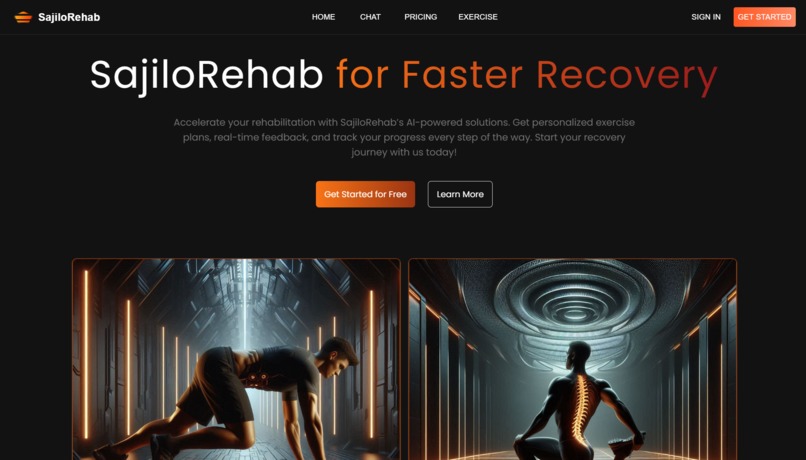
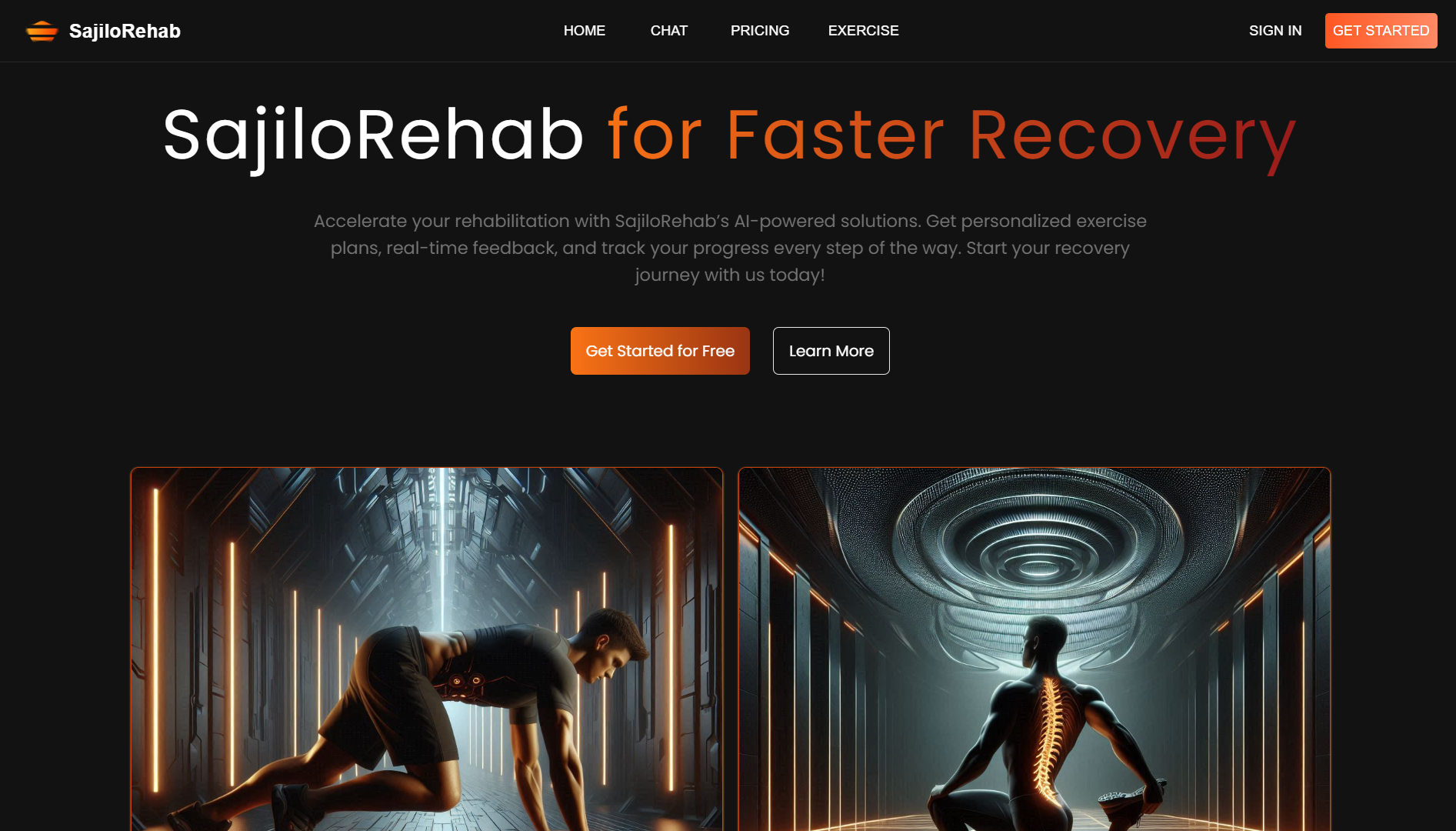
Landing Page
-
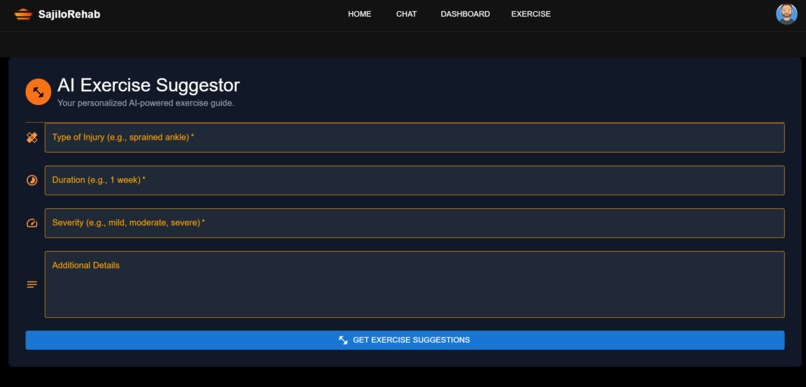
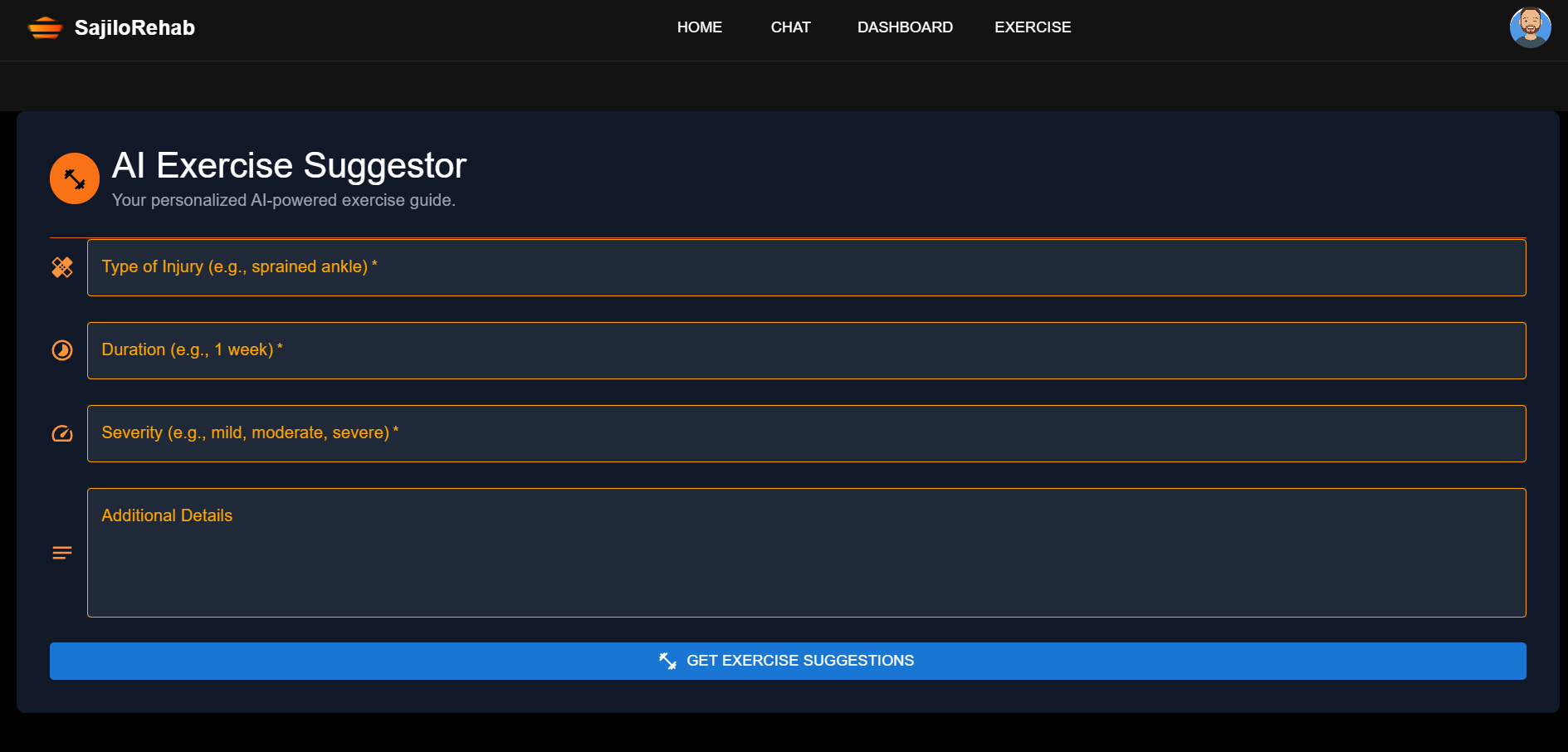
Tailored Exercise Suggestor
-
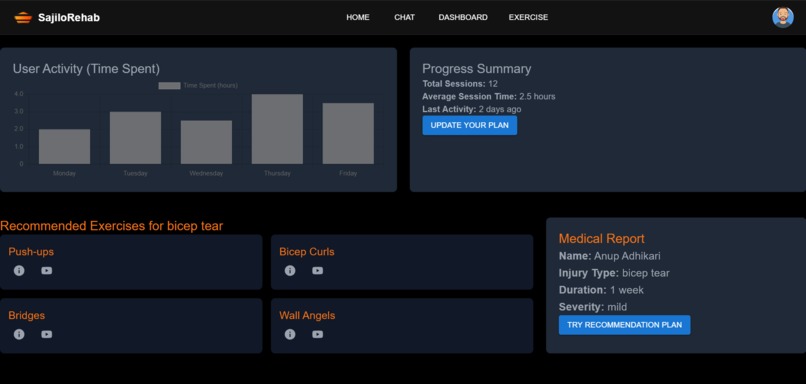
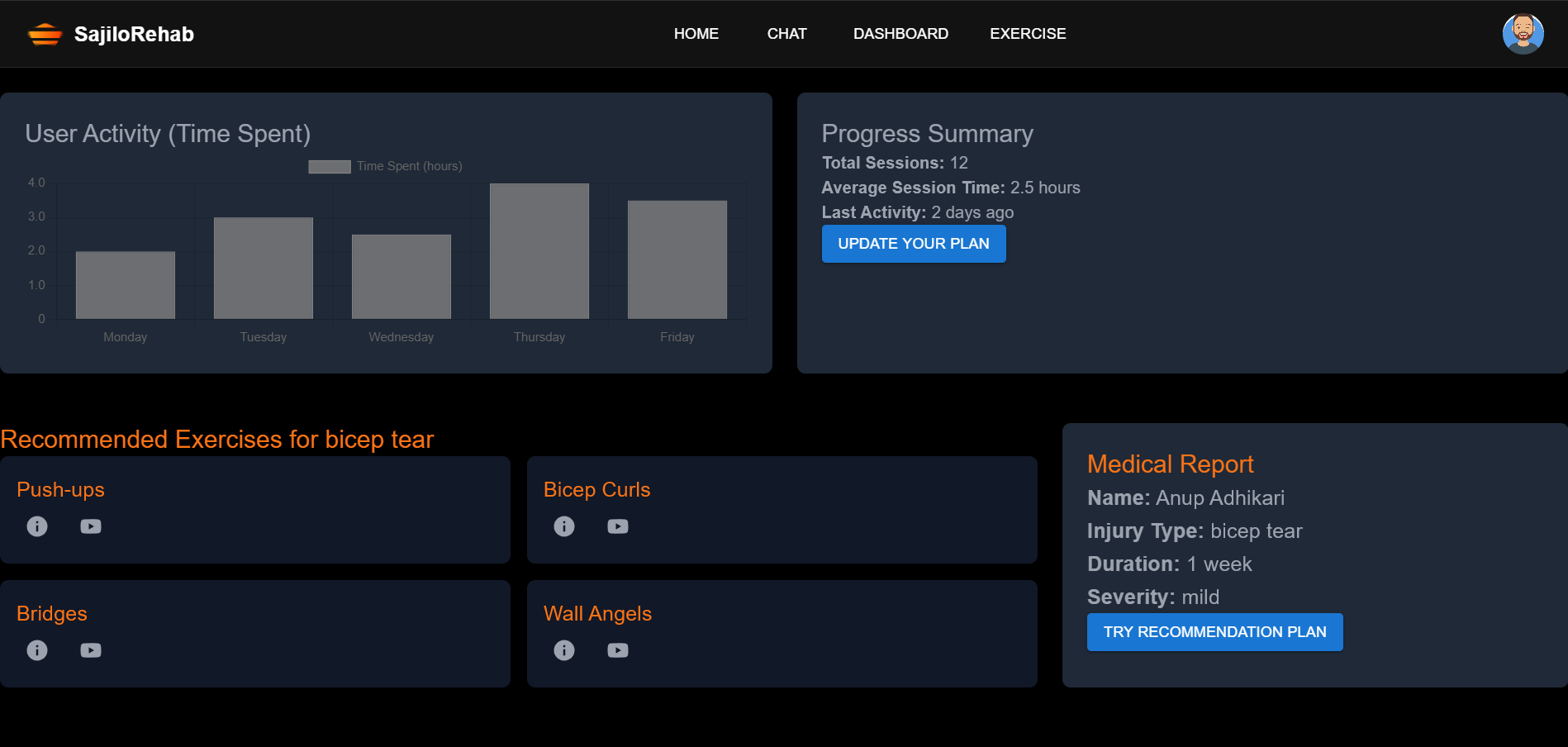
User Dashboard
-
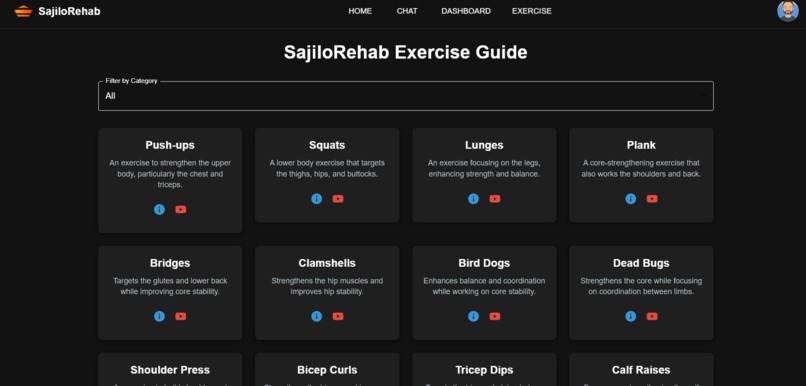
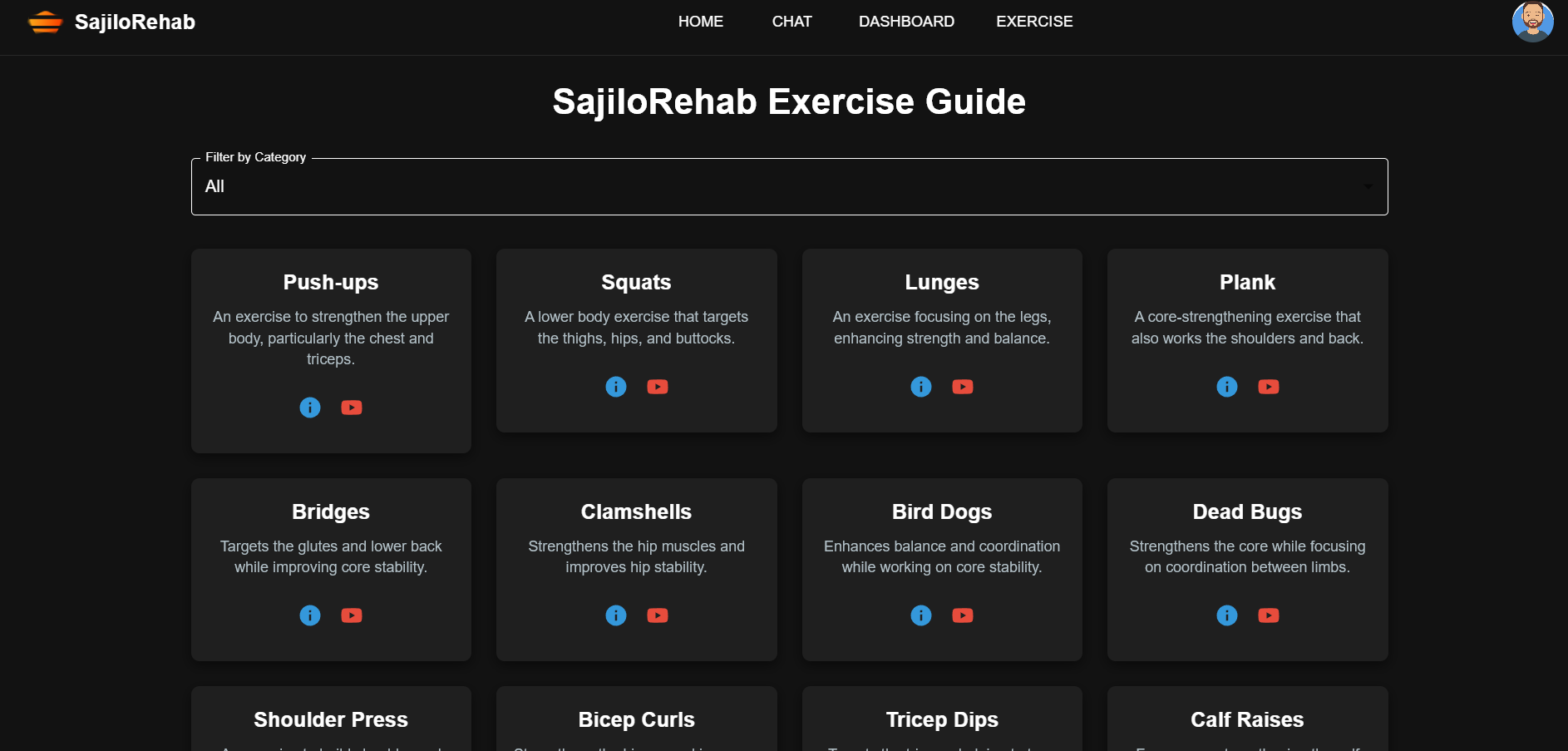
Exercise Library
Inspiration
Physiotherapy is a critical component of recovery for many individuals, but it lags significantly in terms of technological integration compared to other fields in medical science. While disciplines such as radiology and neurosurgery have embraced AI and telemedicine, physiotherapy is still predominantly based on in-person care. Despite the global physiotherapy market's growth, expected to reach $79.34 billion by 2031, it has been slow to adopt advanced technologies that could make treatment more accessible to people with busy schedules or those living in remote areas. Telemedicine adoption during the pandemic surged in many medical fields, with a 43% adoption rate, but telephysiotherapy lagged behind at just 13% adoption. This lack of integration limits the accessibility of physiotherapy for full-time workers and individuals in rural or underserved regions Moreover, research indicates that 70% of physiotherapy patients are required to visit clinics multiple times a week, making it highly impractical for people balancing work commitments. According to a 2018 study, over 60% of physiotherapy patients in urban centers report difficulty balancing work commitments and treatment schedules. For individuals in rural or remote areas, access is even more restricted, with many forced to forgo treatment altogether.
Furthermore, in developing nations, physiotherapy often attracts individuals who were unable to pursue other fields in medical science, which raises concerns about the overall quality of care. A 2016 survey found that 72% of physiotherapists in certain regions of South Asia entered the profession after being unable to qualify for more specialized fields like radiology or neurology. This compromises the patient experience, as less passionate or skilled therapists may not provide optimal care.
What it does
SajiloRehab is an advanced digital platform that transforms traditional physiotherapy into an immersive, technology-driven experience. The platform offers: AI-based motion analysis to track and correct exercise form and posture. Personalized exercise plans tailored to individual injuries. Real-time feedback to reduce the risk of incorrect movements, which studies show increases the likelihood of injury by 49% when exercises are performed improperly. For full-time workers or patients in rural areas, SajiloRehab eliminates the need for frequent, time-consuming clinic visits, providing an accessible, effective solution.
How we built it
SajiloRehab was developed using a combination of the following tools and technologies: Visual Studio Code (VS Code): Microsoft's open-source Integrated Development Environment (IDE) was used to develop the platform's Flask backend, front-end web application, and integration with Azure services. The use of VS Code extensions simplified the management of both the back-end and front-end codebases. How it fits: VS Code was critical in the development of the Flask API, the user interface, and integrations with Azure services, allowing the team to build and manage the entire application in a single environment. GitHub & Azure Pipelines: Version control was handled through GitHub, and we used Azure Pipelines to automate continuous integration/continuous delivery (CI/CD) pipelines. This allowed us to quickly test and deploy updates to the platform. How it fits: By using GitHub Actions in combination with Azure Pipelines, the platform’s deployment process became highly efficient, with automated testing and deployment to Azure Web Apps. Azure Web App: The platform is hosted on Azure Web App, offering robust and scalable hosting with built-in integration to other Azure services like Azure AI and Azure Data Storage. This ensures that SajiloRehab is both scalable and secure, capable of handling multiple users concurrently. How it fits: Hosting on Azure Web App provides a secure, scalable infrastructure with seamless integration to other Azure services, making the platform reliable for users, especially in rural or underserved regions. Computer Vision and AI Algorithms: SajiloRehab uses computer vision to monitor patient movements in real-time and AI algorithms to provide personalized feedback on posture and form. These technologies ensure that patients perform exercises correctly, reducing the risk of injury. Cloud Infrastructure: The platform's infrastructure is hosted on Azure Cloud, ensuring global accessibility and seamless data sharing between patients and healthcare providers. Data Analytics: We leveraged data analytics to track patient progress over time and adjust their exercise regimens based on real-time feedback, further optimizing the rehabilitation process.
Challenges we ran into
Accurate Movement Detection: Tracking and analyzing subtle movements like knee alignment during squats required highly accurate computer vision models. Real-Time Feedback: Processing large volumes of movement data in real-time while maintaining low latency posed significant technical challenges. User Accessibility: Designing an interface and platform that works seamlessly on low-end devices with limited internet connectivity, especially for users in rural or underserved areas.
Accomplishments that we're proud of
Accuracy in Motion Analysis: Our AI-driven system achieved high accuracy in detecting improper movement and posture, which is crucial in minimizing the risk of injury recurrence. CI/CD Automation: Through Azure Pipelines, we automated the testing and deployment processes, enabling faster, more reliable updates. Scalable Hosting: Azure Web Apps allowed us to create a scalable platform that can handle thousands of users simultaneously, making it available to a wide range of individuals, from urban professionals to remote rural patients.
What we learned
Through the development of SajiloRehab, we gained a deeper understanding of the technological gap in the physiotherapy industry. Research shows that traditional telemedicine lacks the immersive, real-time feedback that physiotherapy requires, as highlighted by the 49% higher risk of re-injury due to improper form. Furthermore, the telemedicine adoption rate in physiotherapy is only 13%, highlighting the need for platforms like SajiloRehab that bring AI and computer vision into the physiotherapy space to make it accessible for all..
What's next for SajiloRehab
SajiloRehab’s next steps focus on expanding AI capabilities for more accurate motion tracking and personalized rehabilitation plans. The platform will integrate with telemedicine services, introduce multilingual support, and offer an offline mode for users in remote areas. Mobile app development will improve accessibility, while data-driven insights for healthcare providers will enhance patient care. Clinical trials and certifications will validate the platform’s effectiveness, and exploring virtual reality integration could provide immersive and engaging rehabilitation experiences.
