-
-
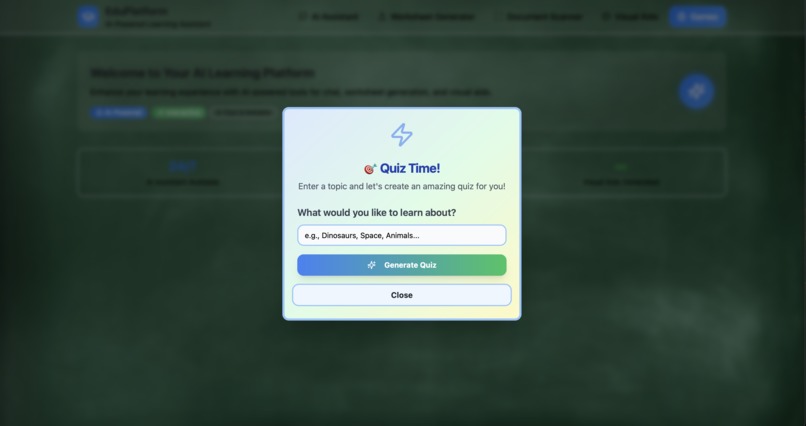
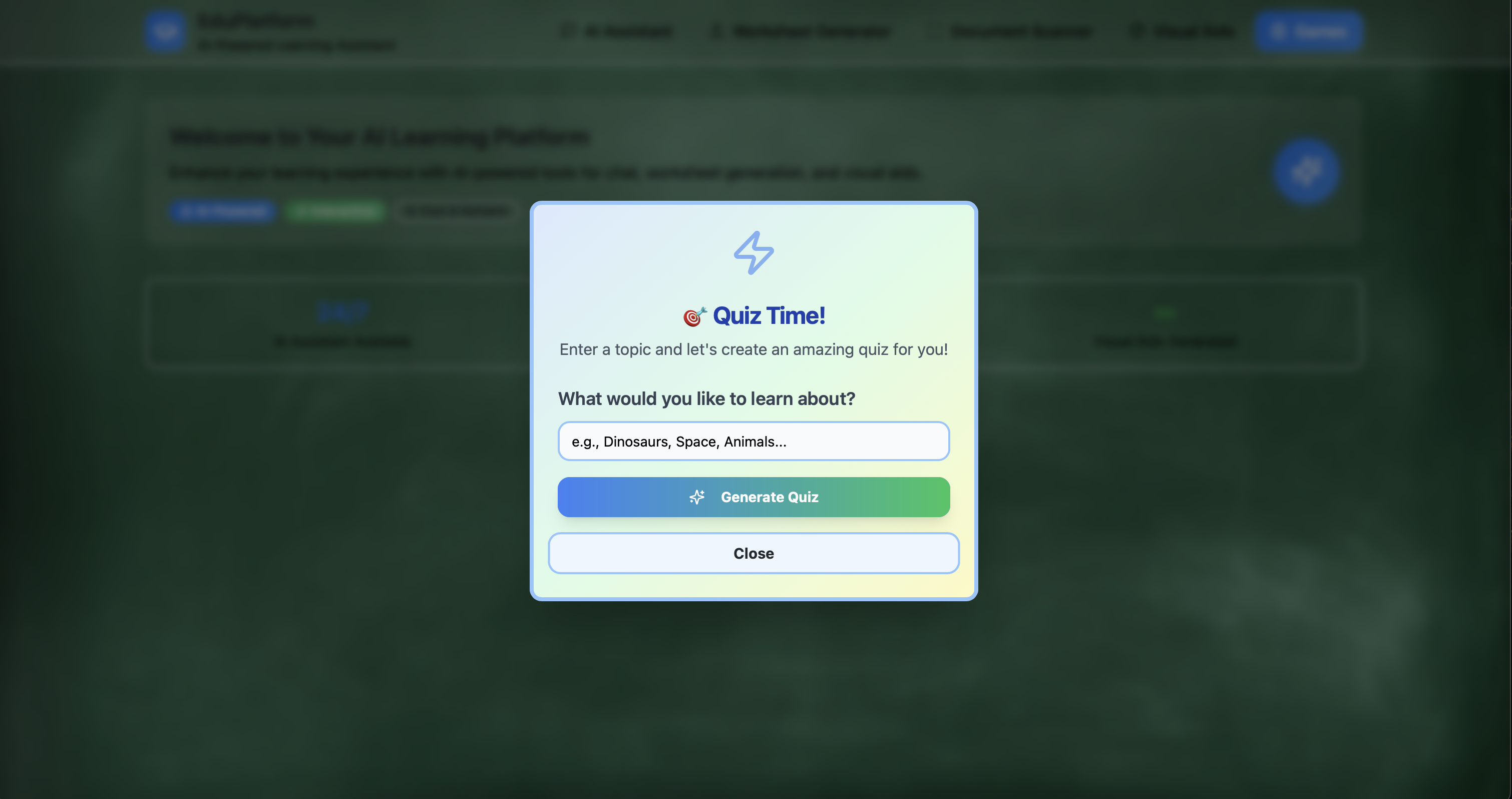
Quiz
-
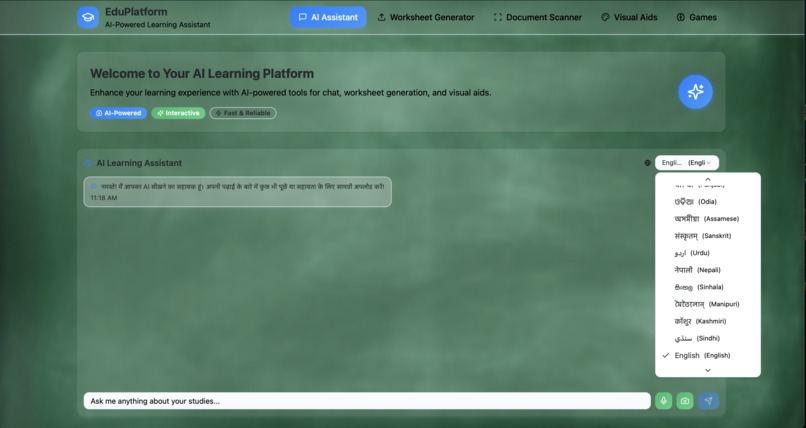
ChatBot
-
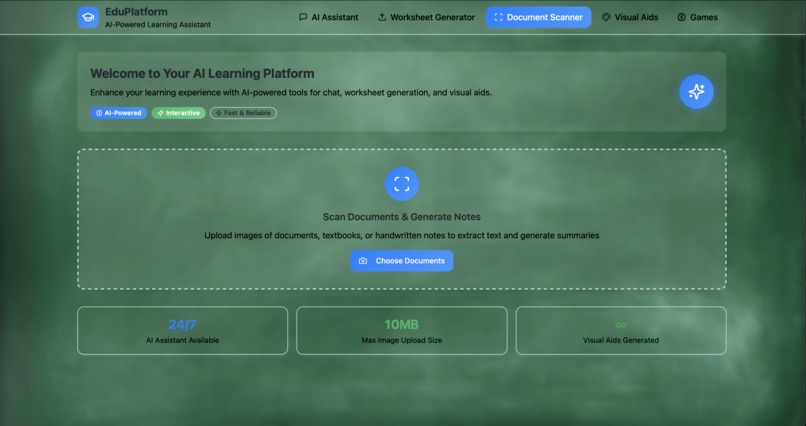
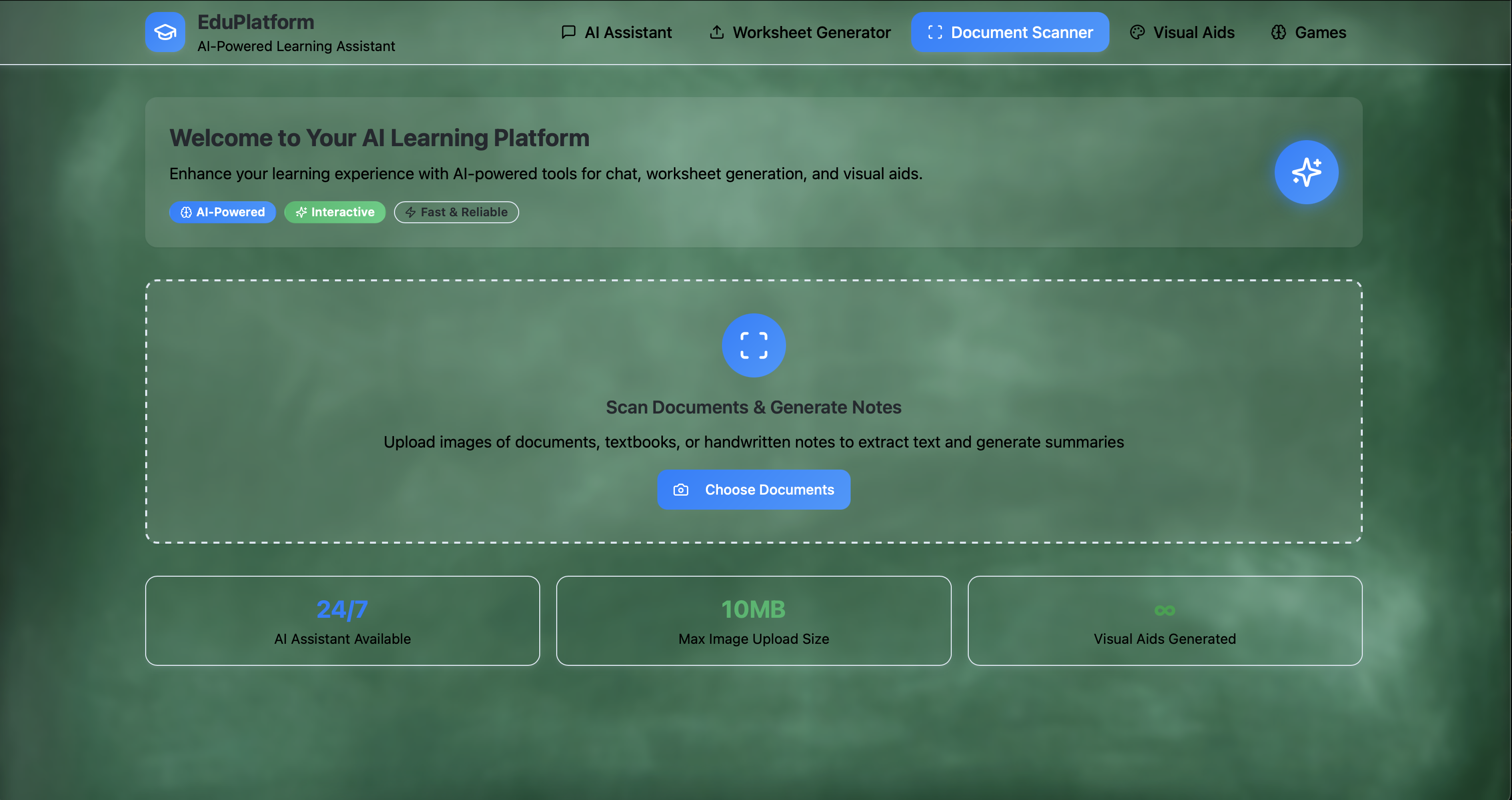
Document Scanner
-
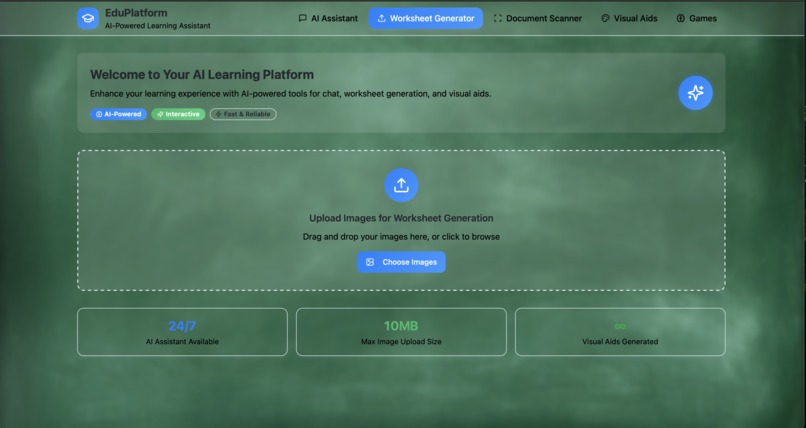
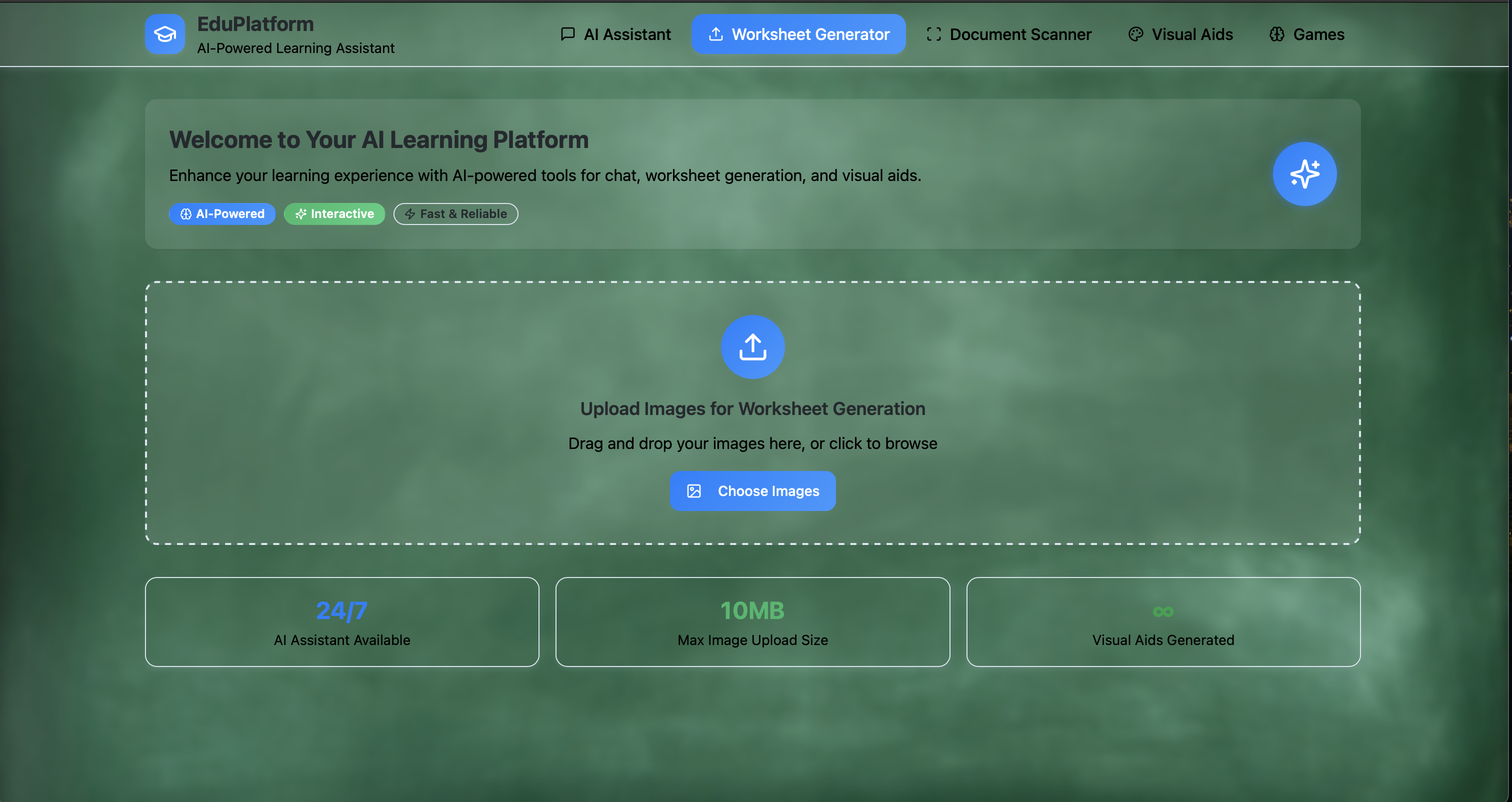
Worksheet generator

Inspiration
In India's rural, multi-grade schools, a lone teacher tends to teach many subjects, levels, and languages with little support. We were motivated to build Sahayak, an independent AI assistant that alleviates the teacher's workload and makes learning more accessible, inclusive, and interactive.
What it does
Sahayak applies agentic AI to perform a variety of teaching tasks from basic voice or text inputs:
- Summarizes textbook images using OpenCV
- Produces multilingual explanations, quizzes, and worksheets
- Generates visual aids for blackboards
- Assesses speech for reading fluency
- Assists students through a multilingual chatbot
Every task is performed by specialized AI agents that work with autonomy and coordination.
How we built it
We developed Sahayak using:
- Gemini API & OpenAI GPT for content generation
- OpenCV for summarizing photos and creating visual aids
- Vertex AI Speech-to-Text and Whisper API for voice inputs
- React + TypeScript for frontend UI
- Firebase (Auth, Firestore, Functions) for backend and hosting
- LangGraph-inspired orchestration to mimic agentic workflows
Challenges we encountered
- Maintaining context-awareness across multiple agents
- Processing audio inputs with multi-accents and background noise
- Managing memory efficiently for image and audio handling on the frontend
- Balancing translation accuracy with grade-appropriate readability
Achievements that we're proud of
- Created an end-to-end autonomous pipeline: from input to worksheet/quiz/visual aid
- Built a multilingual agent workflow that functions in real time
- Achieved accurate photo summarization from real-world textbook pages
- Designed a scalable solution deployable in low-resource classrooms
What we learned
- How to apply agentic AI for real-world social good
- Importance of simple UX in teacher-facing educational tools
- Prompt engineering strategies for educational content creation
- Tackled challenges in multimodal input handling (voice, image, text) in constrained environments
What's next for Sahayak
- Add offline-first support using local storage and on-device ML
- Integrate curriculum-based lesson tracking
- Begin pilot deployments in classrooms and collect real user feedback
- Collaborate with school boards and open data platforms
- Evolve into a full-fledged AI co-teacher, adapting to each student’s needs


Log in or sign up for Devpost to join the conversation.