Inspiration
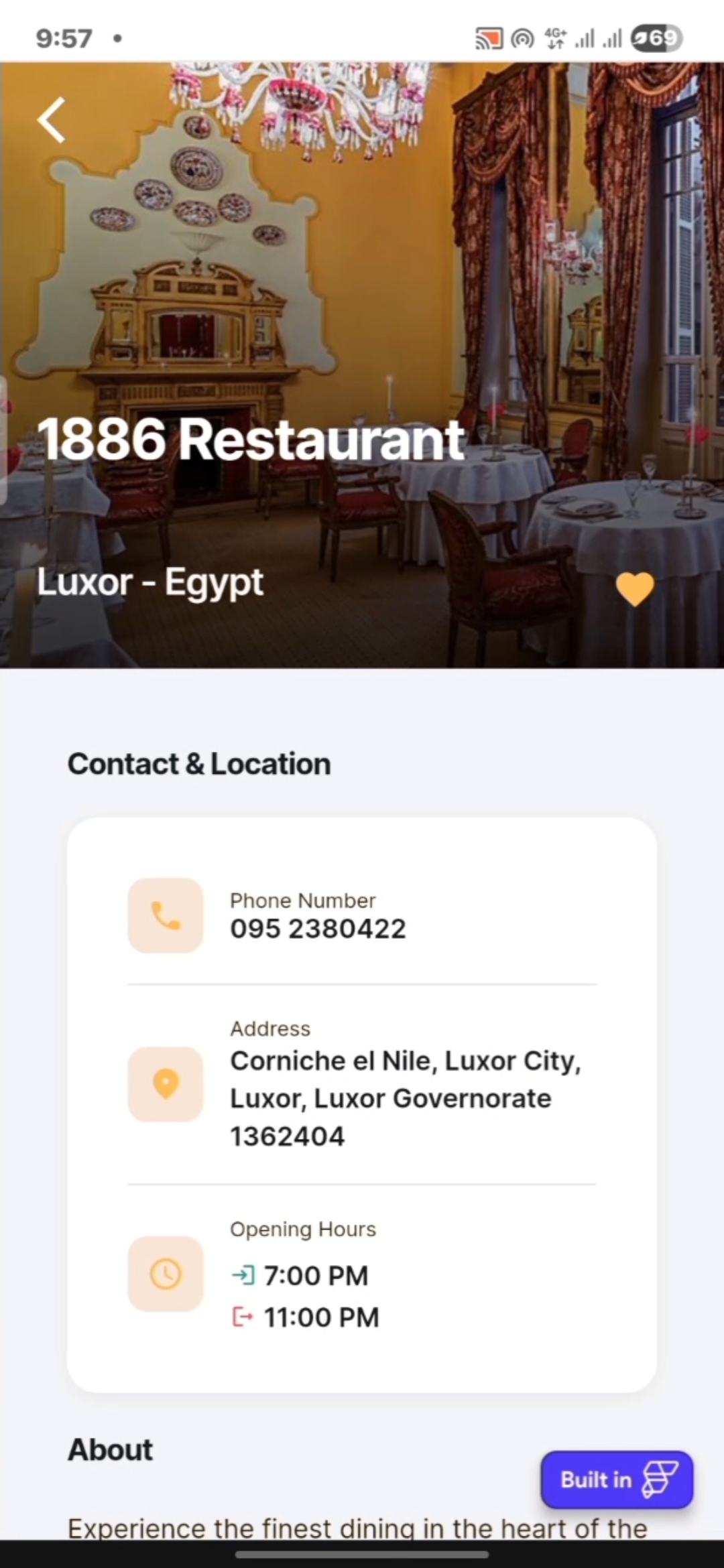
Tourism in a country with a heritage as rich as Egypt should feel like stepping inside a living museum, not a negotiation. However, the reality for most travelers, especially budget-conscious students and culture enthusiasts, is dealing with overpriced tour guides, hidden fees, language barriers, and constant risk of tourist scams. At the same time, the historical sites people travel to see are sometimes neglected, and the deep cultural stories behind them remain untold unless you can afford someone to tell them to you.
When we looked at existing travel apps, we noticed the same gap everywhere. Budget planning lives in one app, social recommendations in another, health and safety information is nonexistent, and immersive cultural experiences, if present at all, are locked behind expensive guided tours. No single platform brings all of this together, and nobody offers it for free.
This gap is exactly what SAHARAT is built to close: an interactive, all-in-one smart travel companion that is completely free to use. We want travelers to point their phone at a monument and watch history come alive in AR, plan their trip around a realistic budget, receive health advice tailored to the destination climate, and rely on an active traveler community. Simultaneously, local businesses like cafes, hotels, and transport services gain a new, sustainable revenue source.
What it does
SAHARAT brings five core pillars into a single unified experience:
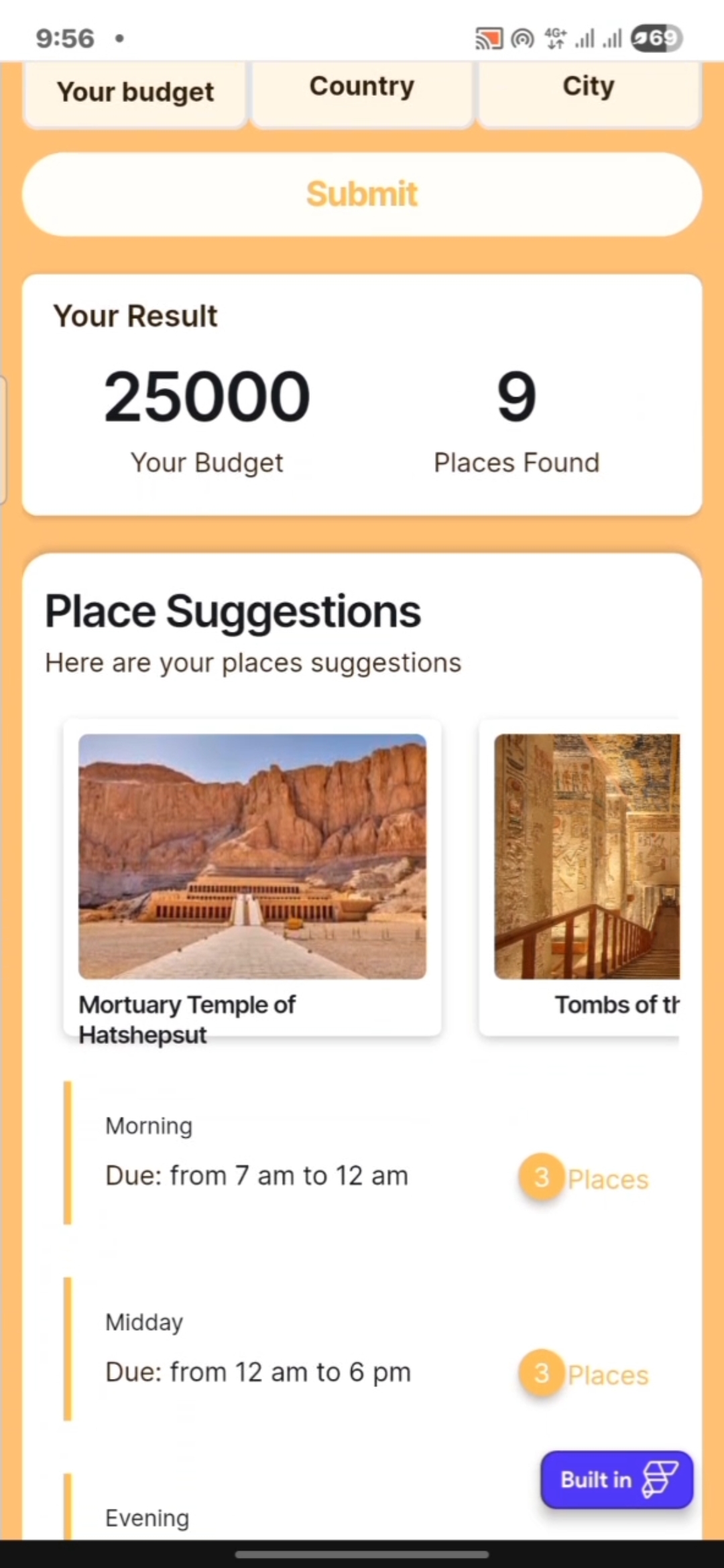
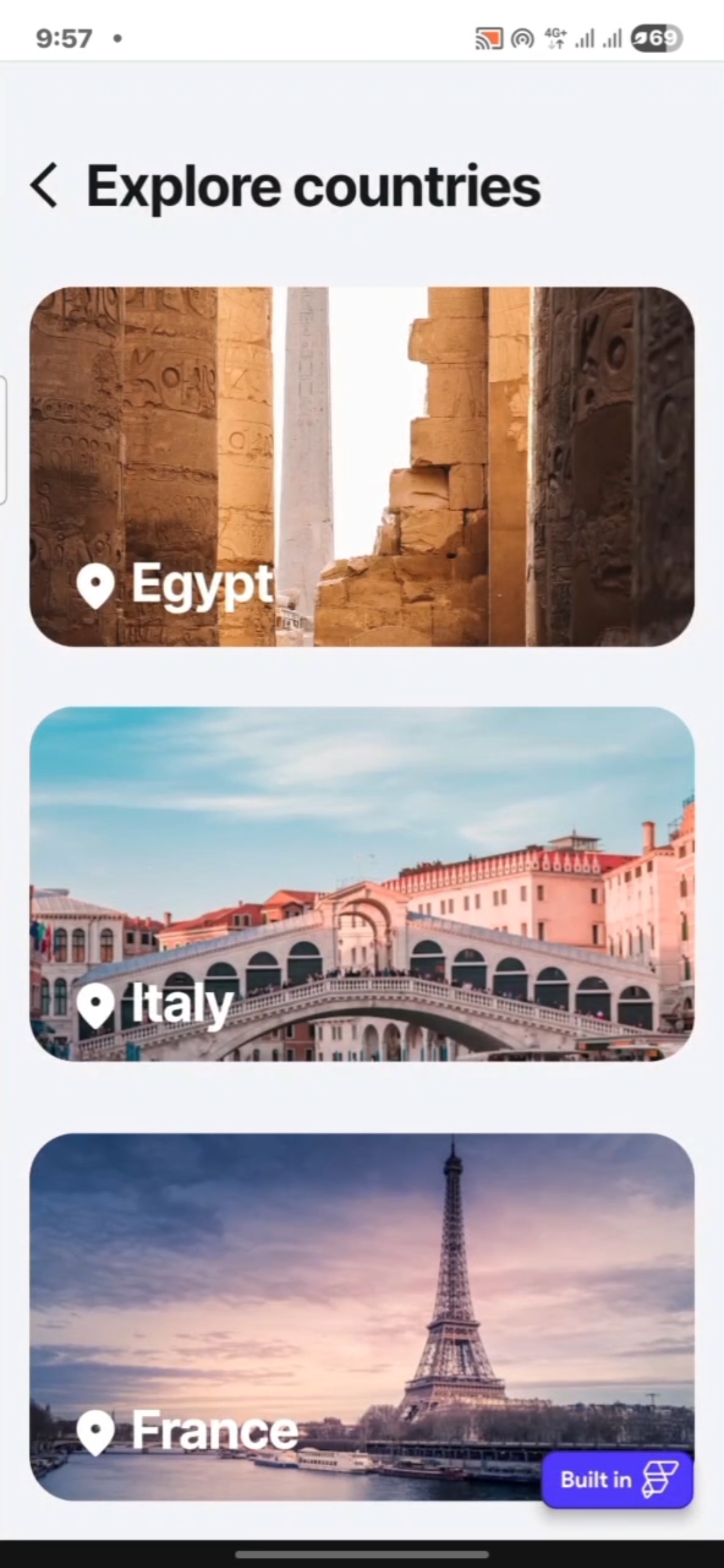
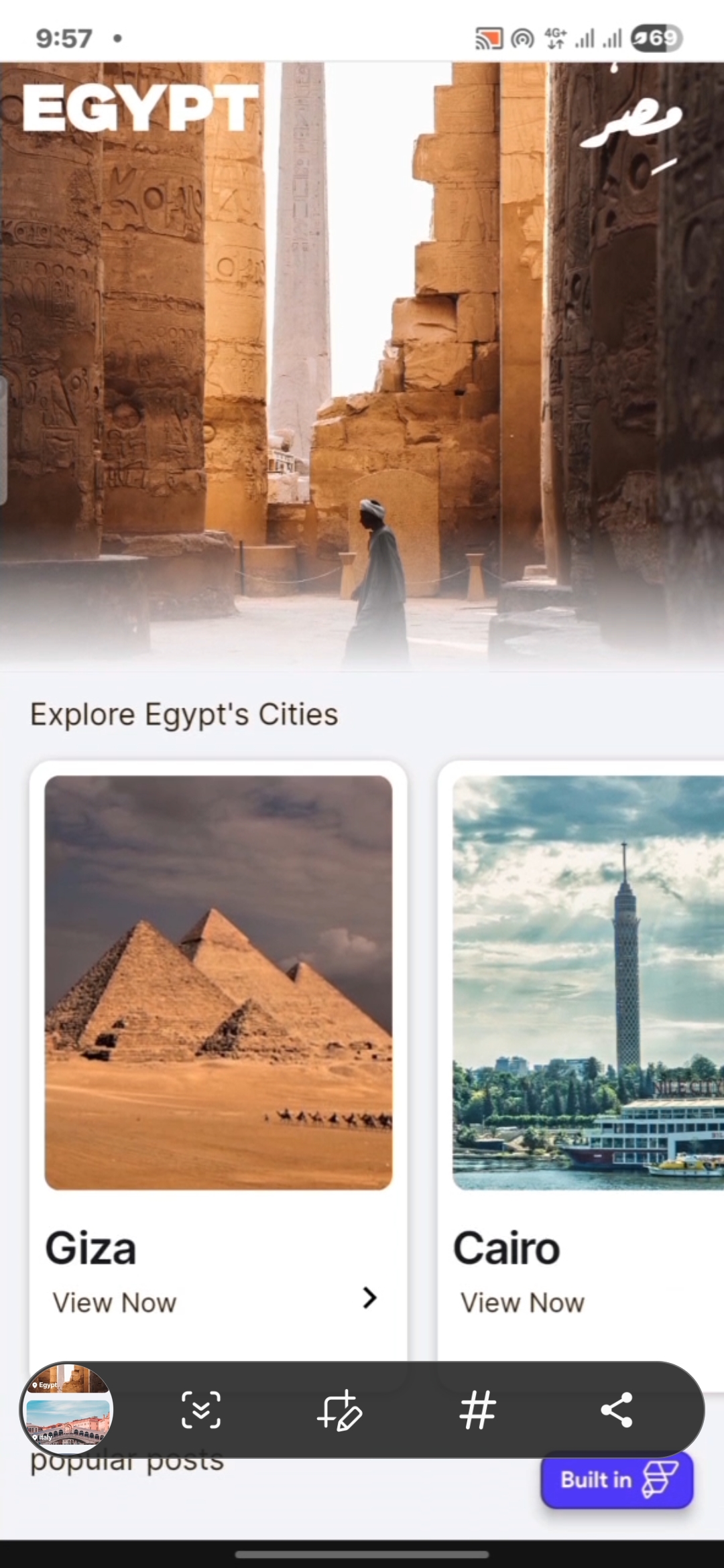
Budget and Trip Planning: A budget-driven itinerary planner with hierarchical destination discovery so travelers can build trips they can actually afford.
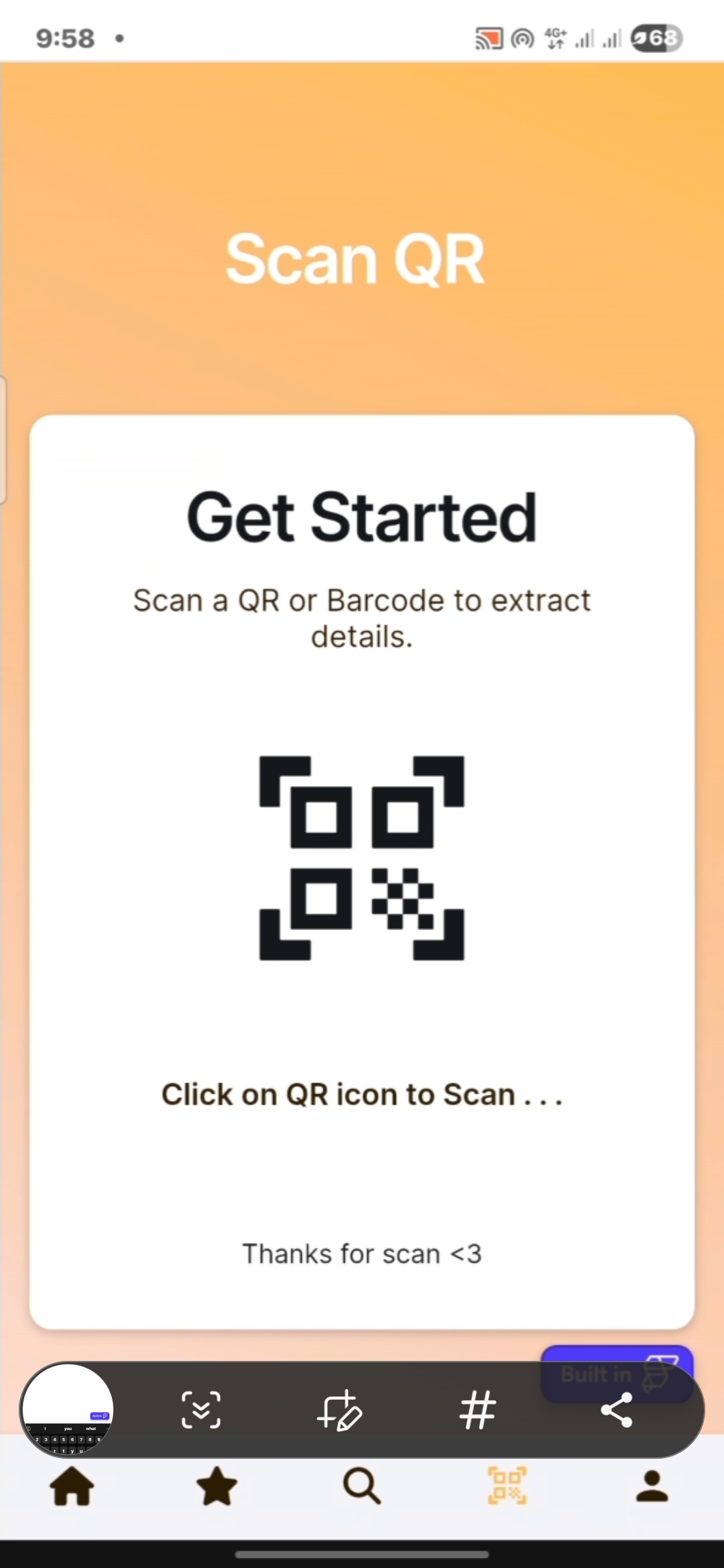
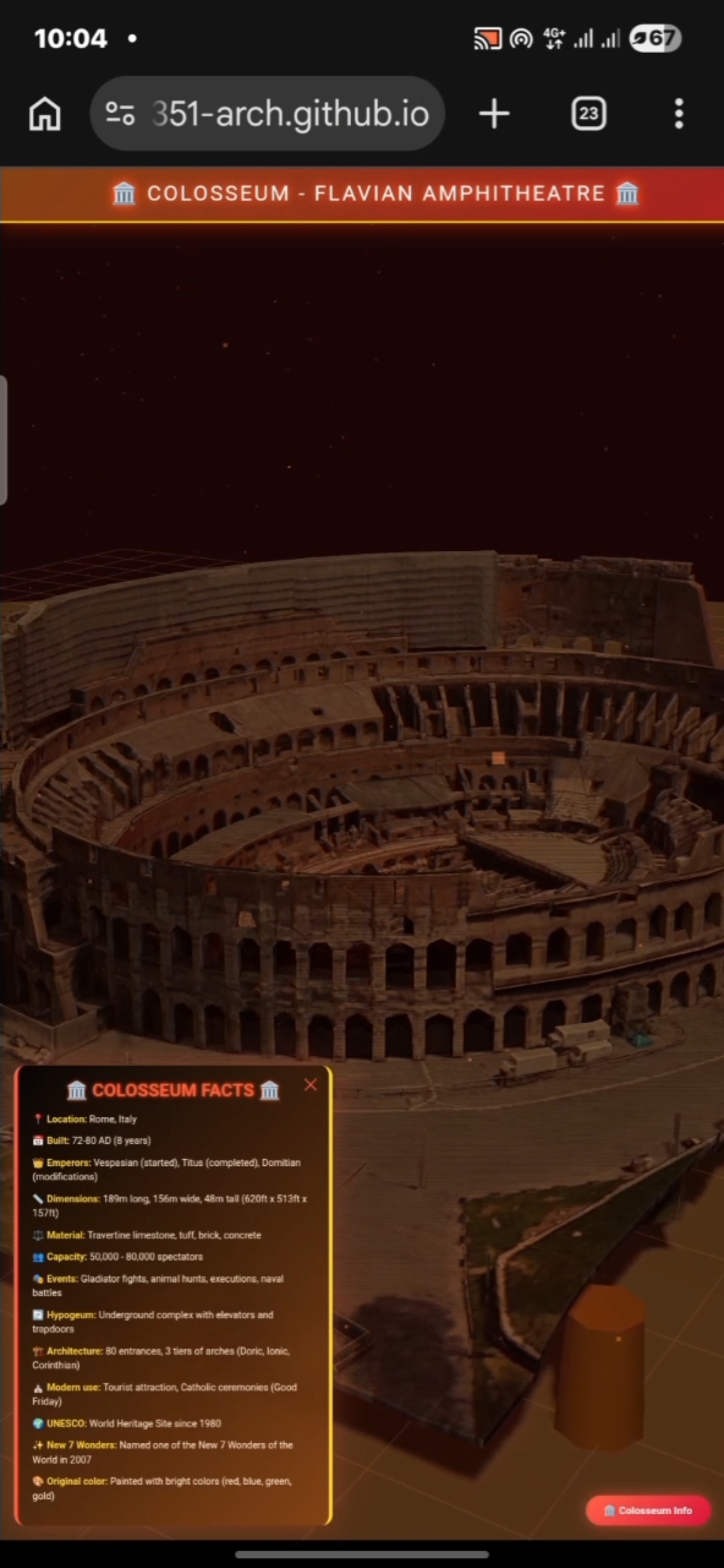
Tailored Cultural AR Experiences: Hand-crafted, realistic 3D models triggered by scanning QR codes at historical sites. Static monuments turn into interactive, deeply narrated experiences without needing a physical guide.
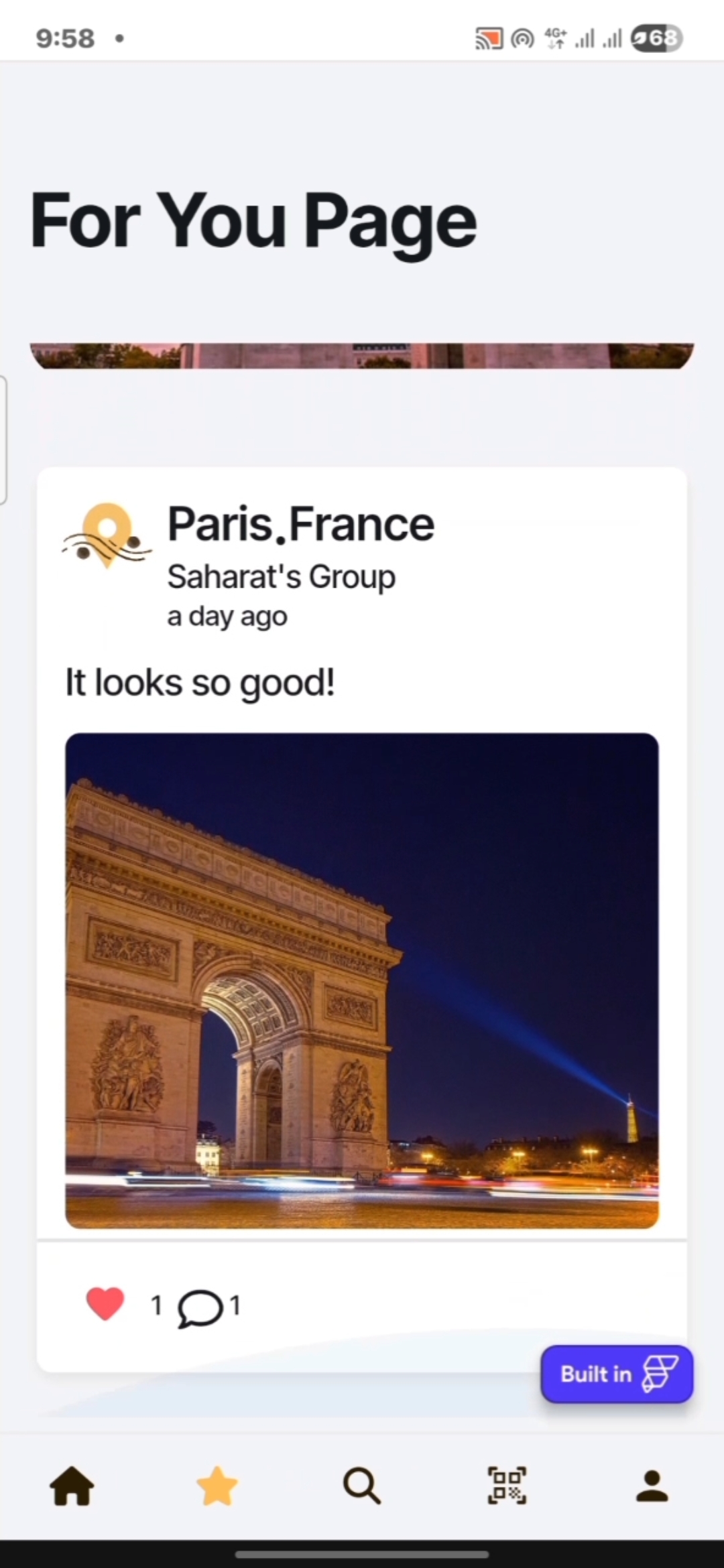
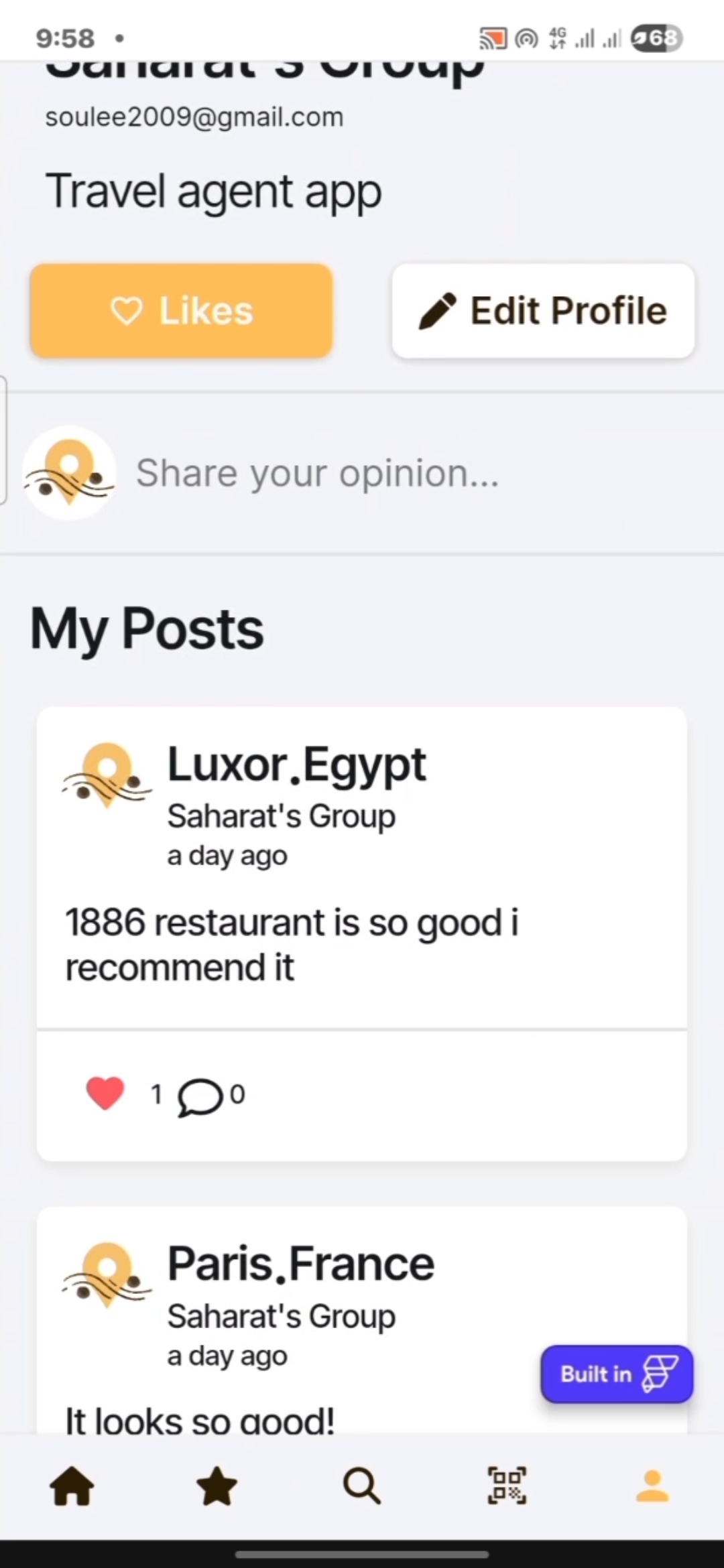
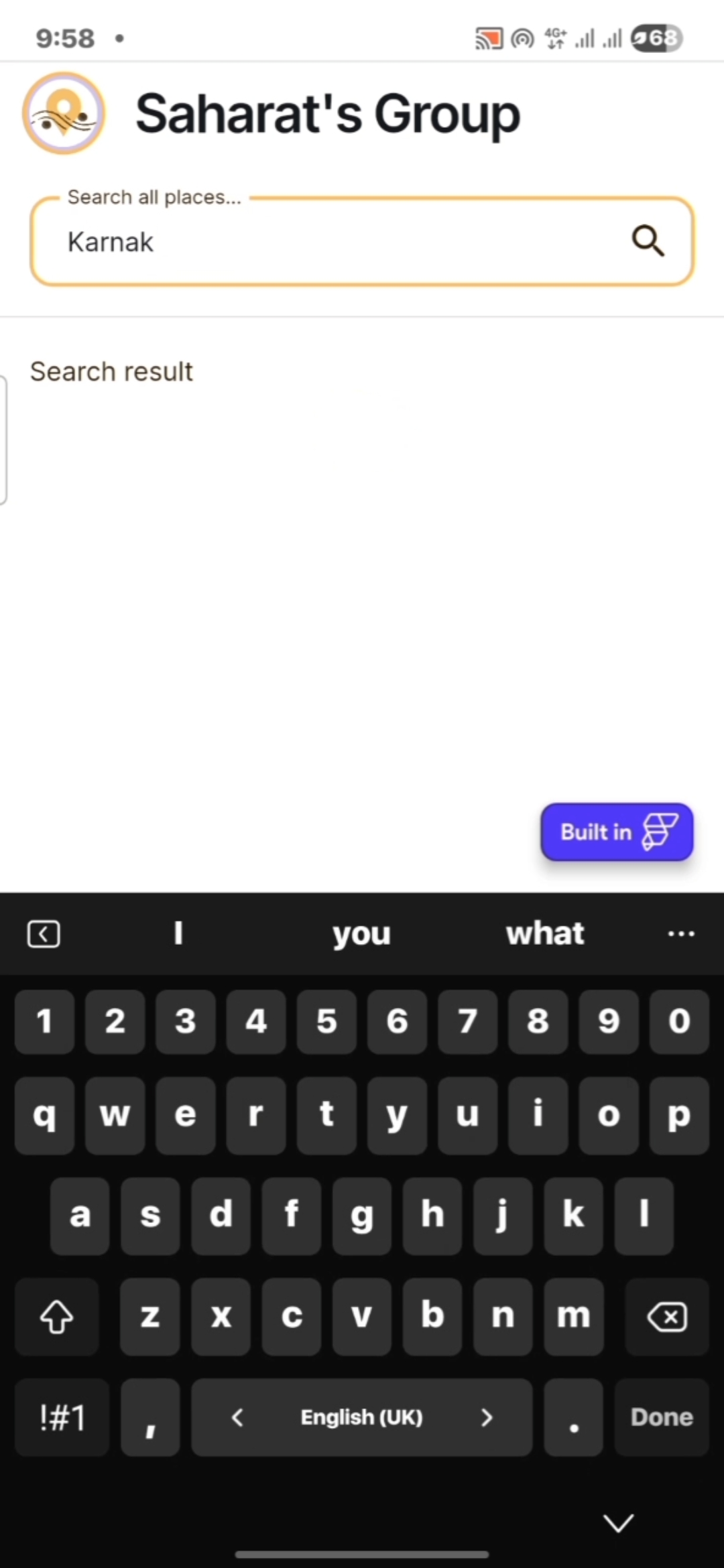
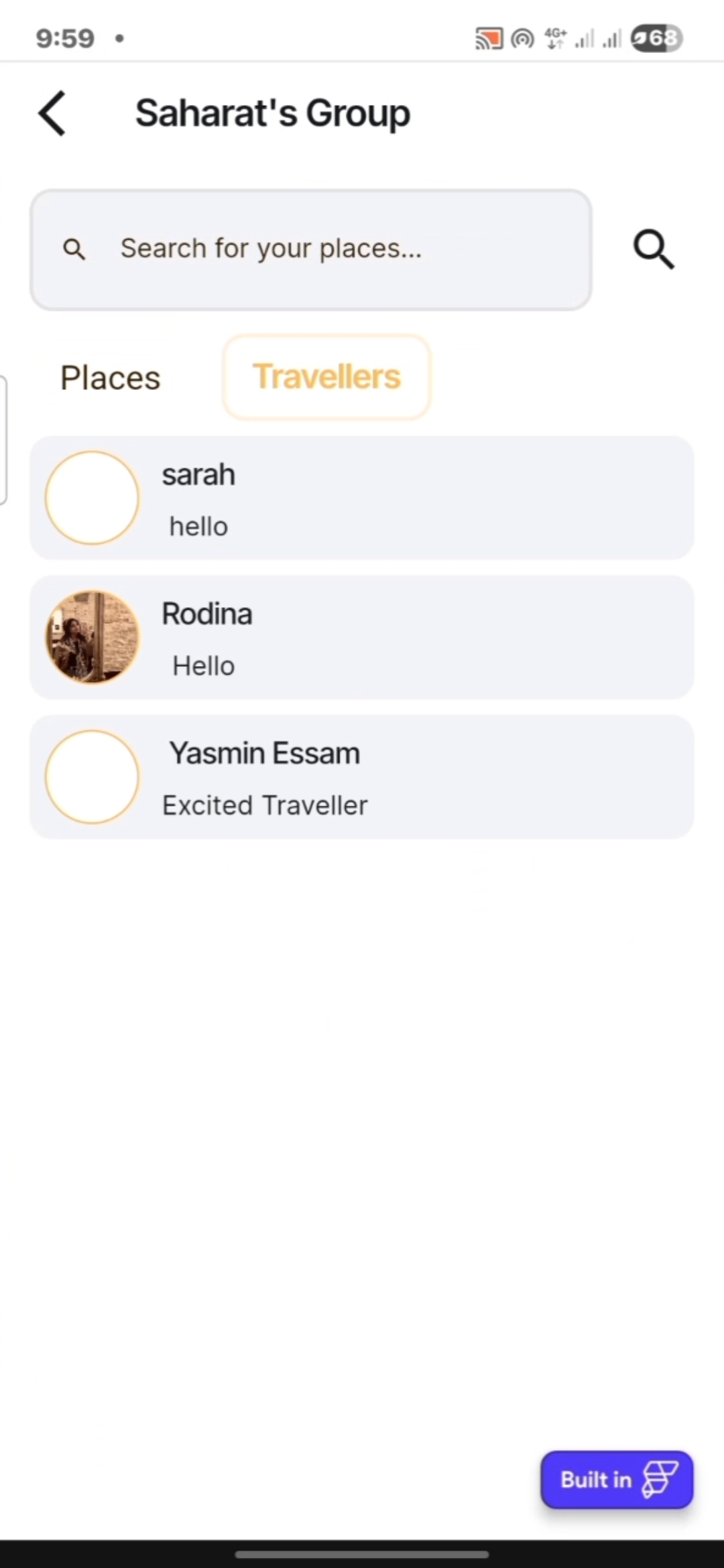
Smart Map and Social Feed: An interactive hub where travelers discover others nearby, share geo-tagged photos, videos, and reviews, and find genuine local recommendations rather than tourist traps.
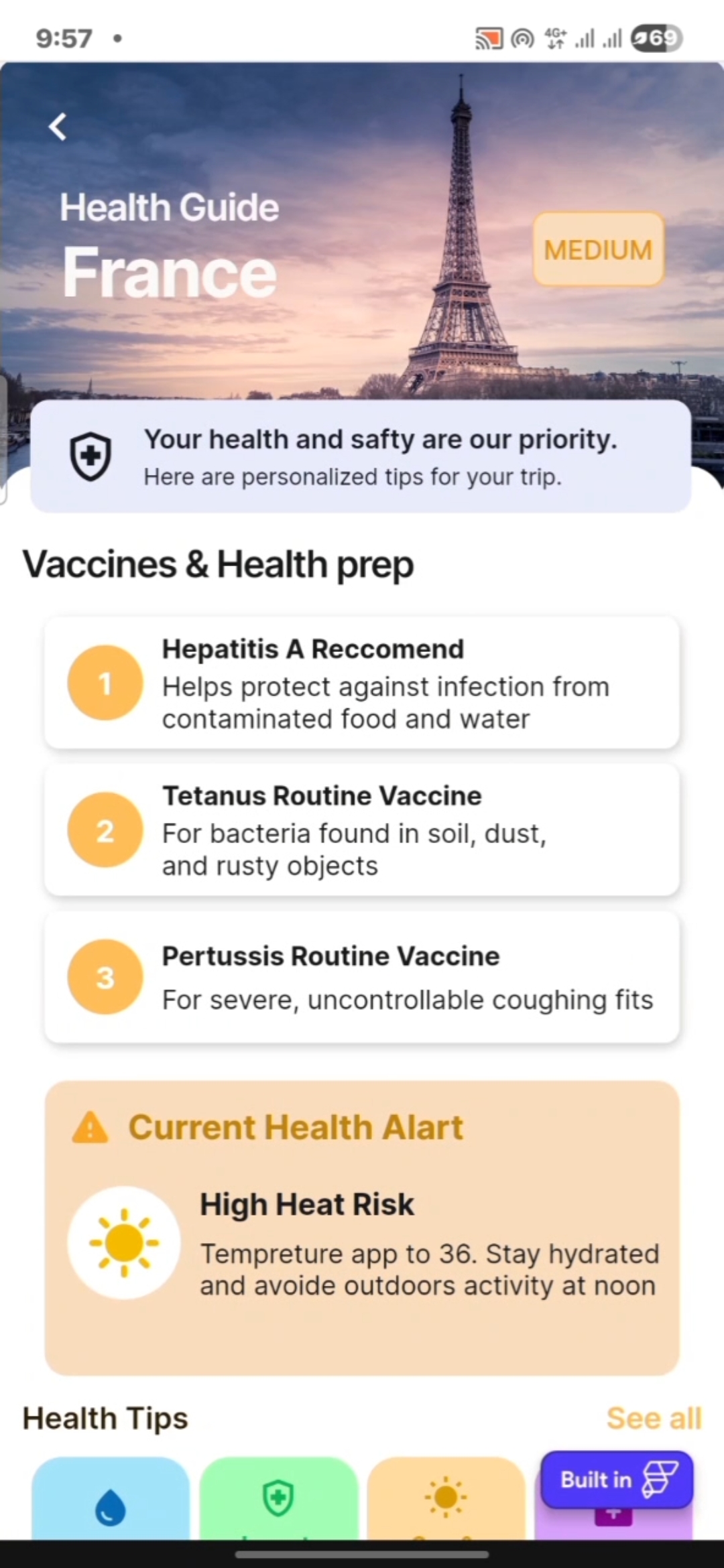
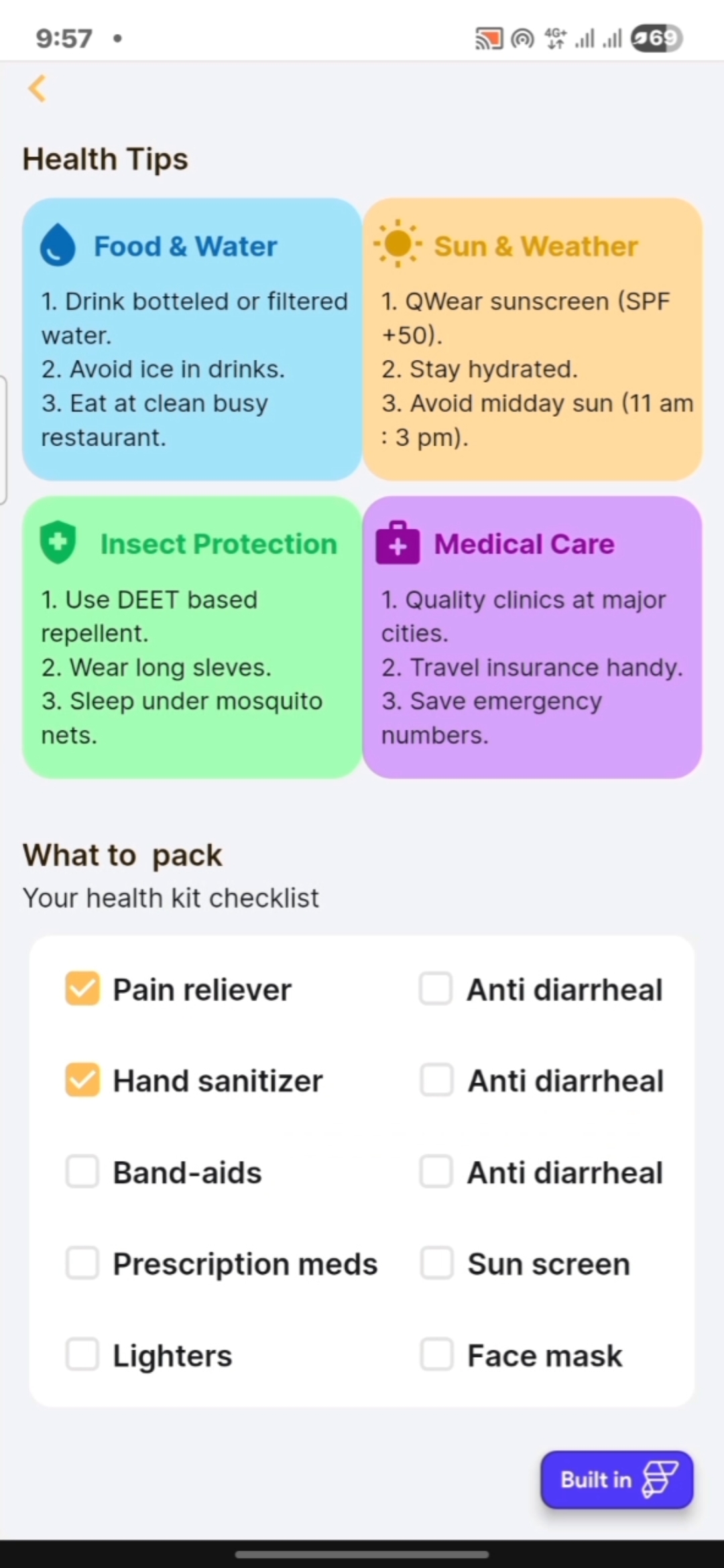
Climate-Based Health Insights: Dynamic health and safety tips that adapt to the destination weather and temperature variations.
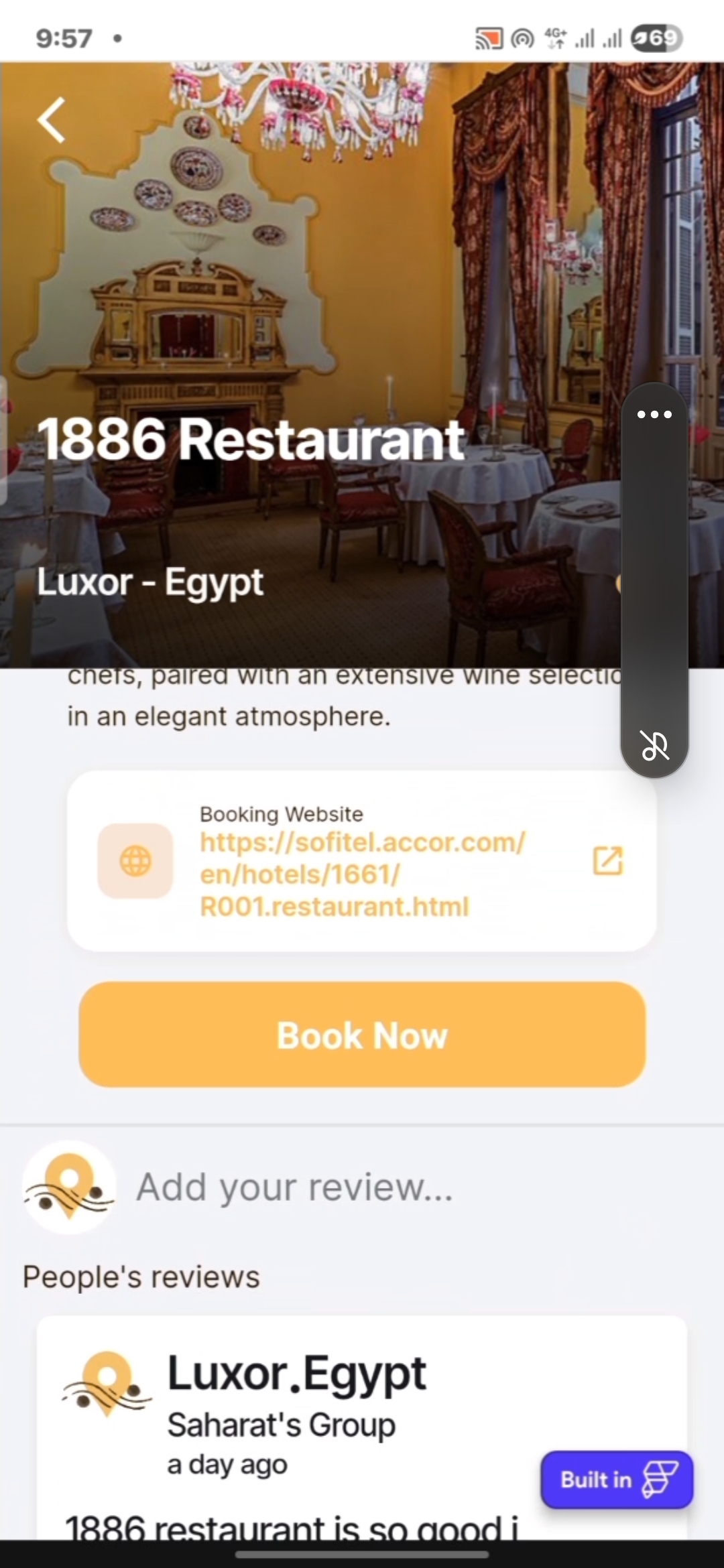
Gamification and Reward System: Users earn reward points when visiting partner locations, which can be redeemed at participating cafes, hotels, and transport partners like inDrive.
On the business side, SAHARAT operates on a B2B commission model with partners. Every transaction made by a traveler through a partner, whether booking a ticket, ordering at a cafe, or taking a ride, generates a 5 percent to 10 percent commission. This keeps the application free for travelers while giving local businesses a compelling reason to join.
How we built it
We built the mobile user interface using FlutterFlow to rapidly design a clean layout for budget tracking, itinerary planning, and destination discovery.
For the AR layer, we hand-crafted realistic 3D models. Scanning a QR code at a site, or browsing within the app, allows travelers to see monuments fully restored through Augmented Reality.
For the Smart Map and social feed, we created an interactive community layer for geo-tagged posts, reviews, and real-time local recommendations. This is backed by Firebase and Supabase, with all custom code tracked through version control.
Challenges we ran into
Custom AR on a Low-Code Platform: FlutterFlow locks custom 3D and AR capabilities behind its premium plans, which threatened to halt our core feature before we even started. We solved this by integrating GitHub directly with FlutterFlow and using Visual Studio Code extensions to write custom AR rendering code and inject it manually into the underlying Flutter codebase, effectively building the premium feature ourselves.
Smart Map API Constraints: Implementing real-time custom maps with live traveler discovery ran into payload and tier limitations on FlutterFlow. Rather than letting this block our presentation, we built a fully functional web-based prototype that demonstrates the complete Smart Map experience, while continuing native deployment for the mobile app.
Balancing the B2B Model: Setting a commission rate that motivates local partners like museums, cafes, hotels, and transport providers without driving up prices for budget travelers required extensive discussion. We settled on a flexible 5 percent to 10 percent range depending on the partner type and transaction volume
Accomplishments that we're proud of
Successfully Bypassed Platform Limitations: We effectively injected custom AR code into our FlutterFlow project by bridging it with GitHub and Visual Studio Code. This allowed us to unlock and deliver a premium, high-tier feature without financial cost and without compromising on quality or user experience.
Built Authentic Cultural AR Experiences from Scratch: We hand-crafted detailed, realistic 3D models of historical landmarks activated by simple QR code scans. This transformed static monuments into deeply immersive, interactive experiences with zero added expense for travelers.
Delivered a Fully Functional Smart Map Prototype: Despite FlutterFlow API constraints, we built an interactive web-based Smart Map prototype that practically showcases live traveler discovery and authentic local recommendations, bringing our platform vision to life beyond just theoretical concepts.
Designed a Balanced and Fair B2B Revenue Model: We developed a flexible 5 percent to 10 percent commission structure that successfully incentivizes local business partners including museums, cafes, hotels, and transport services without driving up end-user costs, ensuring SAHARAT remains completely free for budget travelers.
Unified Five Distinct Travel Pillars into One Platform: Instead of forcing travelers to navigate four or five separate applications for budgeting, social feeds, health advice, maps, and AR exploration, we successfully integrated all five core pillars into a single, seamless user experience tailored for budget-conscious explorers.
What we learned
Navigating FlutterFlow restrictions taught us that low-code tools and custom code are not opposing methods, but complementary layers. By blending the speed of low-code development with custom manual engineering, we moved quickly without sacrificing the features that make SAHARAT unique.
We also became convinced that non-intrusive AR guides and unified smart platforms can accomplish something physical guides cannot: eliminate language barriers, block tourist exploitation, and preserve cultural heritage, ensuring nobody is excluded from the experience due to budget constraints.
What's next for SAHARAT
Our next step is deepening our museum partnerships in AR and VR. We plan to collaborate with official cultural and tourism entities to deploy AR and VR headsets and guided mobile tours inside major museums, aligning with national digital tourism strategies. Beyond that, we aim to transition the Smart Map from a web prototype to a fully native mobile experience and expand our B2B partner network across transport, hospitality, and historical sites.
Built With
- css
- flutterflow
- github
- javascript

