-
-
sagemap
SageMap Project Story
Inspiration
The inspiration for SageMap began with a deeply personal mission: helping my son develop his imagination by creating his own stories. As a parent, I wanted to provide him with a tool that would make storytelling more engaging and fun through the power of artificial intelligence. The initial vision was simple yet profound - create a platform where children could craft their own narratives with AI assistance, making the creative process more interactive and inspiring.
What started as a story-focused development journey gradually evolved into something much bigger. As we built the storytelling features, we realized that the underlying technology - combining AI with visual organization - had incredible potential beyond just stories. The ability to transform ideas into different formats, visualize complex narratives, and make creative processes more accessible could benefit not just children, but anyone looking to organize and express their thoughts.
This evolution from a personal parenting tool to a comprehensive mind mapping platform reflects our core belief: the best innovations often start with solving a specific, meaningful problem for someone you care about, then grow to help others facing similar challenges. The story-centric foundation remains at the heart of SageMap, reminding us that every mind map, every visualization, and every idea represents someone's unique story waiting to be told.
What it does
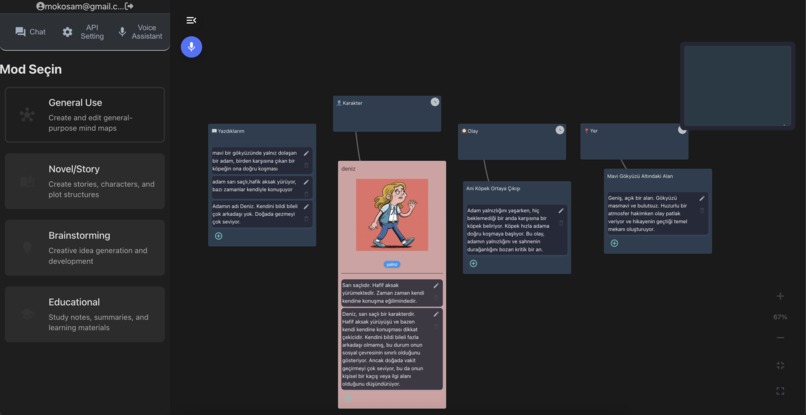
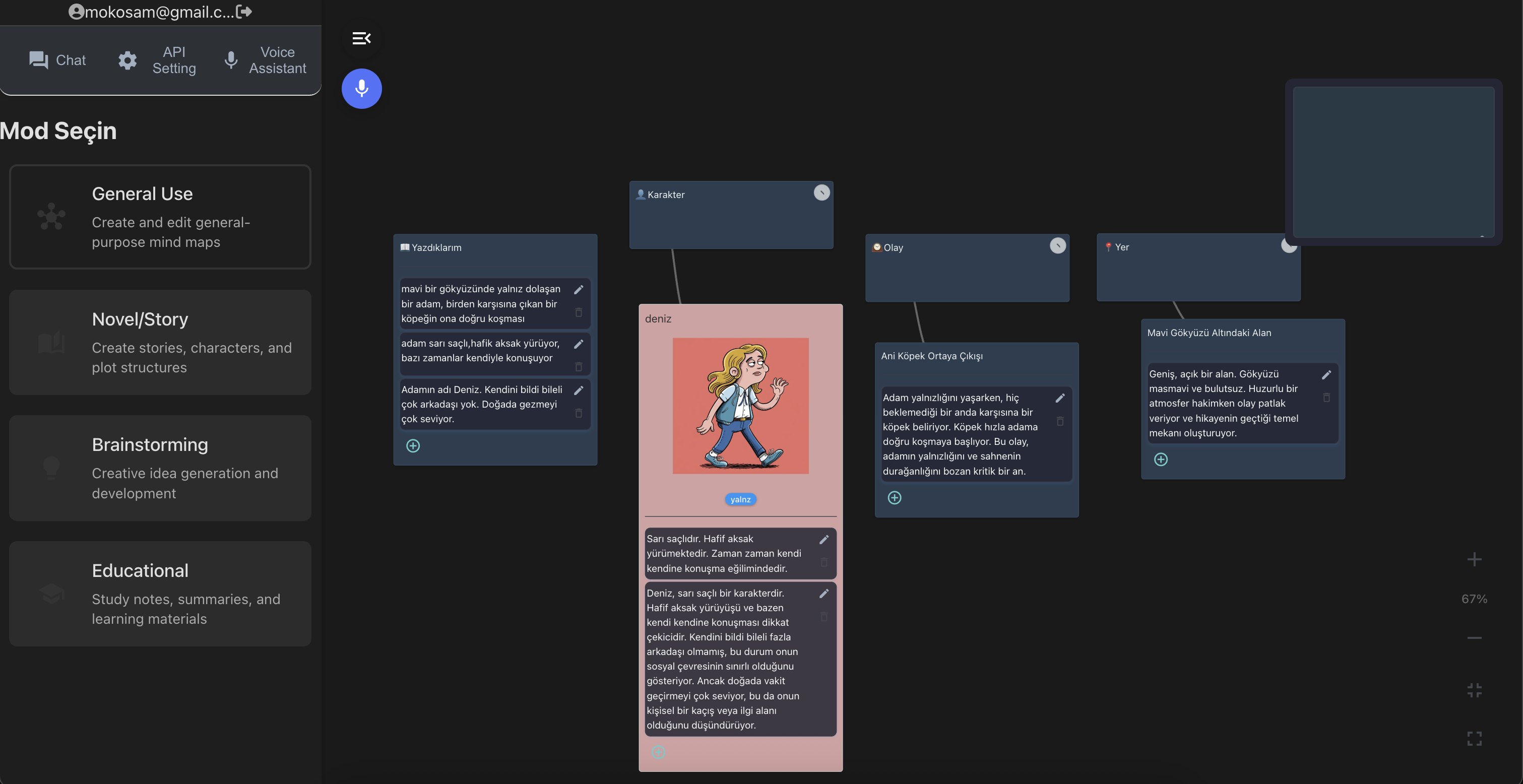
SageMap is an intelligent mind mapping and knowledge visualization platform that transforms the way people organize, understand, and interact with information. The platform offers:
- Interactive Mind Mapping: Create dynamic, visually appealing mind maps with an intuitive drag-and-drop interface
- AI-Powered Content Generation: Integrate with large language models to generate content, ideas, and insights directly within your maps
- Multi-format Support: Convert between different content formats including mind maps, documents, and structured data
- Real-time Collaboration: Work together with team members in real-time on shared knowledge maps
- Smart Organization: Automatically categorize and link related concepts using AI-driven suggestions
- Export Capabilities: Share your knowledge in various formats for presentations, documentation, or further analysis
- Multilingual Support: Work seamlessly in multiple languages with built-in translation capabilities
How I built it
SageMap is built on a modern, scalable architecture that I developed as a solo developer, carefully selecting technologies that would allow for efficient single-person development:
Frontend Technologies:
- Angular 19: Chosen for its robust, component-based architecture that enables complex UI interactions while maintaining code organization
- TypeScript: Essential for type safety and code maintainability during solo development
- SCSS: Enables modular, themeable styling with dark/light mode support
- Canvas API: Powers the interactive mind mapping visualization engine
Backend & Infrastructure:
- Node.js/Express: Handles API requests and server-side operations
- Supabase: Selected for its comprehensive suite - authentication, real-time database, and storage solutions that reduce backend complexity
- PostgreSQL: Stores user data, mind maps, and relational information
AI Integration:
- Multiple LLM APIs: Integrated various AI providers for content generation and analysis
- Custom AI Workflows: Built specialized pipelines for mind map enhancement and content transformation
Solo Development Approach:
- Component-Driven Development: Focused on modular, reusable components for long-term maintainability
- Iterative Development: Built and tested features incrementally to manage complexity
- Responsive Design: Mobile-first approach ensuring accessibility across devices
- Progressive Web App: Implemented offline capabilities and native app-like experience
Challenges I ran into
Building SageMap as a solo developer presented unique technical and personal challenges:
Technical Challenges:
- Canvas Performance: Optimizing rendering performance for large, complex mind maps with hundreds of nodes - all without a team to help debug
- Full-Stack Complexity: Managing both frontend and backend development simultaneously while maintaining code quality
- AI Integration Complexity: Single-handedly managing multiple AI service providers with different APIs, rate limits, and response formats
- Cross-browser Compatibility: Ensuring consistent Canvas API behavior across different browsers without dedicated QA support
Solo Development Challenges:
- Decision Fatigue: Making all architectural and design decisions independently without team input
- Knowledge Gaps: Learning new technologies and solving complex problems without immediate colleague support
- Time Management: Balancing feature development, bug fixes, documentation, and testing as a single person
- Scope Management: Resisting feature creep while building something meaningful for users
Personal Challenges:
- Motivation Maintenance: Staying motivated during difficult phases without team support
- Work-Life Balance: Managing development time while maintaining family responsibilities (especially since this started for my son)
- Quality Assurance: Ensuring code quality and catching bugs without peer review processes
Accomplishments that we're proud of
Technical Achievements:
- Successfully integrated multiple AI providers into a seamless, unified experience
- Built a high-performance Canvas-based rendering engine that handles complex visualizations smoothly
- Implemented real-time collaboration features with robust conflict resolution
- Created a fully responsive, accessible web application that works across all devices
User Experience Wins:
- Developed an intuitive interface that makes AI-powered mind mapping accessible to non-technical users
- Built comprehensive multilingual support with 10+ languages
- Created flexible export options that integrate with existing workflows
- Implemented smart theming system with automatic dark/light mode detection
Innovation Highlights:
- Pioneered the integration of large language models directly into visual mind mapping workflows
- Developed novel content transformation algorithms that preserve context while changing formats
- Created intelligent suggestion systems that enhance creative thinking processes
What I learned
Technical Insights:
- The importance of choosing the right technology stack for solo development - prioritizing tools that reduce complexity
- How to effectively manage and orchestrate multiple AI service integrations as a single developer
- The value of incremental development when working alone on complex features
- Best practices for Canvas-based application development and performance optimization
Solo Development Lessons:
- The critical importance of good documentation when you're the only one who understands the codebase
- How to balance perfectionism with progress - sometimes "good enough" is better than perfect
- The value of community resources, Stack Overflow, and open-source documentation when working independently
- Time management strategies for handling full-stack development responsibilities
Personal Growth:
- Building something meaningful for a loved one provides incredible motivation during difficult phases
- The satisfaction of seeing a personal project evolve into something others can benefit from
- How to stay current with rapidly evolving AI technologies while maintaining focus on core features
- The importance of user feedback, even when starting with an audience of one (my son)
Product Development:
- Users often find creative uses for your tool that you never imagined during development
- Simple, intuitive interfaces are even more critical when you don't have a UX team
- The importance of building modular, maintainable code from the beginning - future you will thank present you
- How personal passion projects can evolve into meaningful solutions for broader audiences
Built With
- angular.js
- canvas
- llm
- supabase


Log in or sign up for Devpost to join the conversation.