-
-
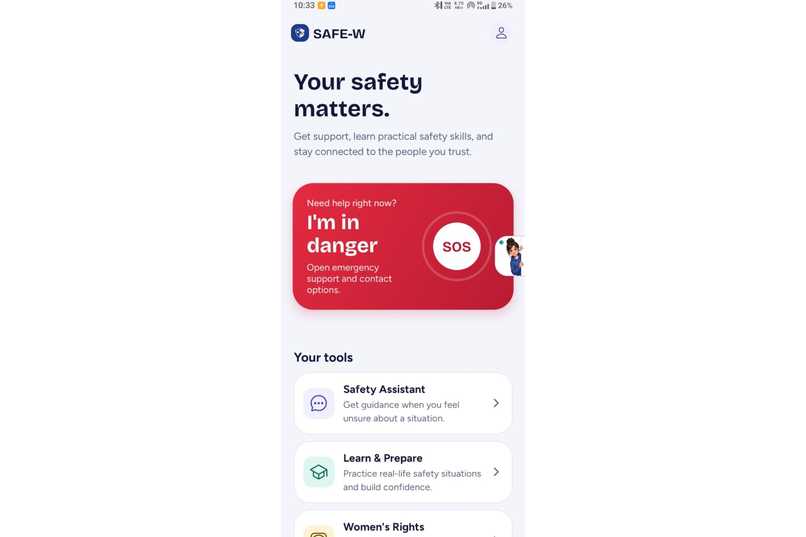
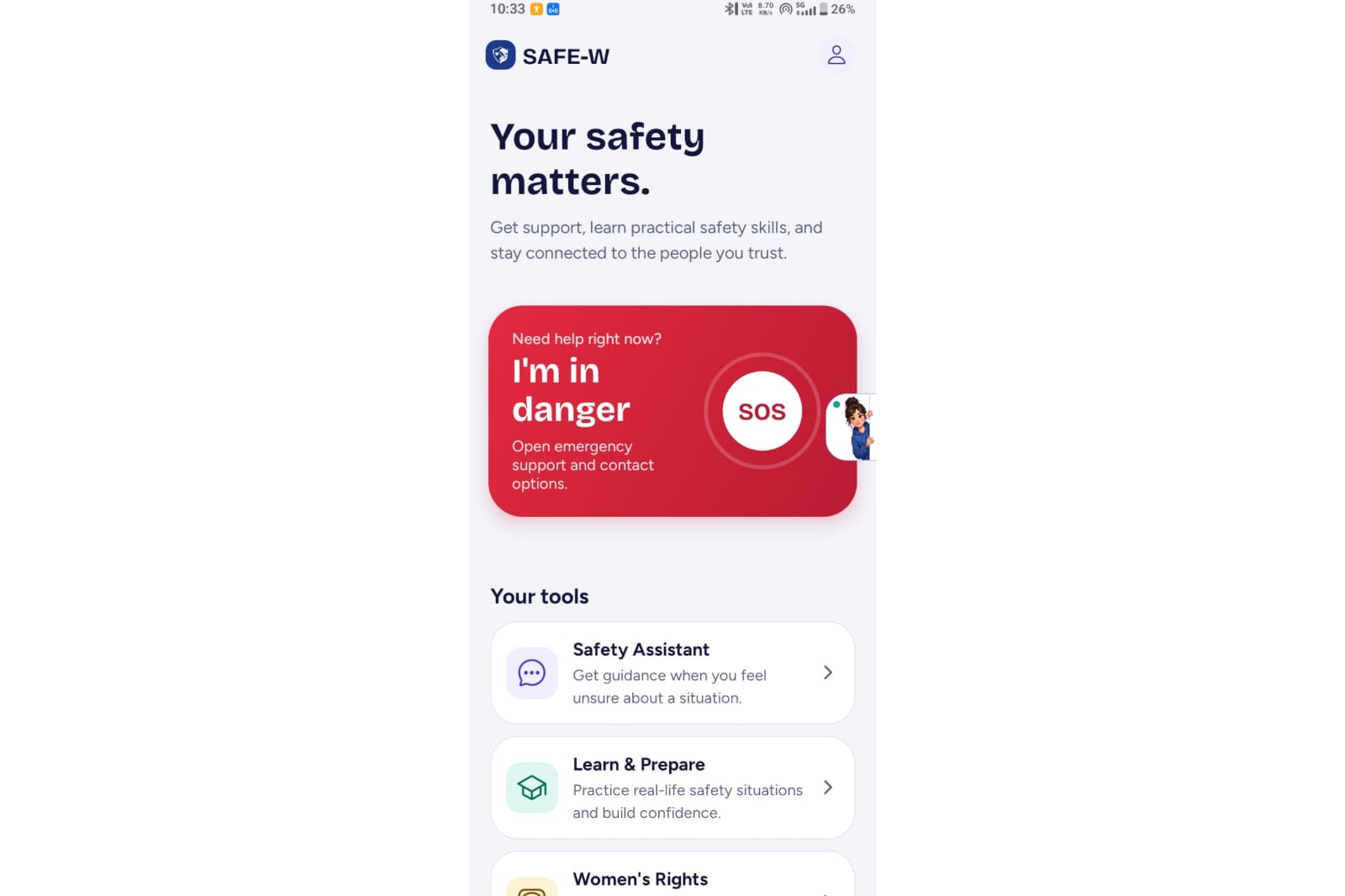
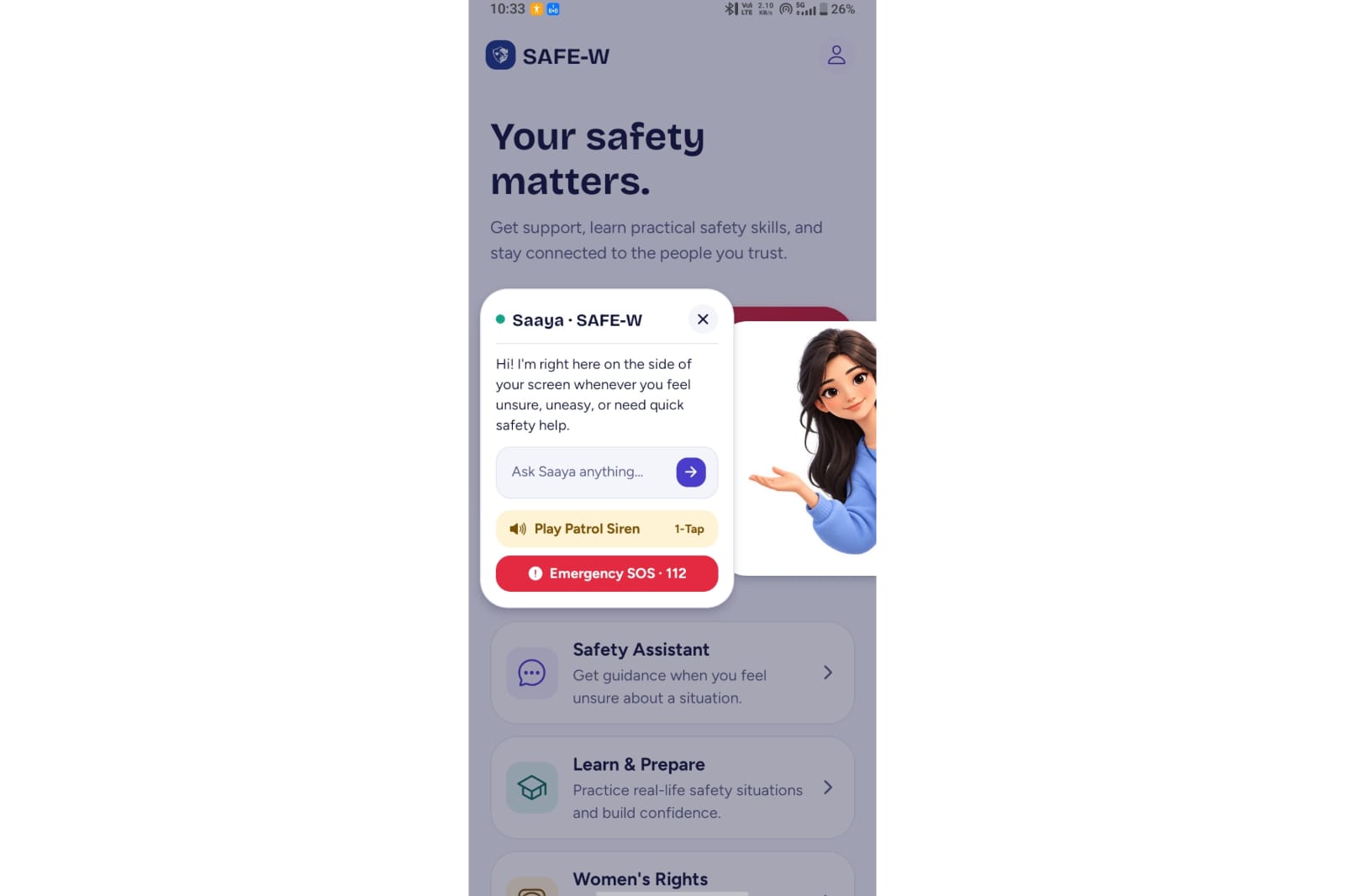
home page of SafeW
-
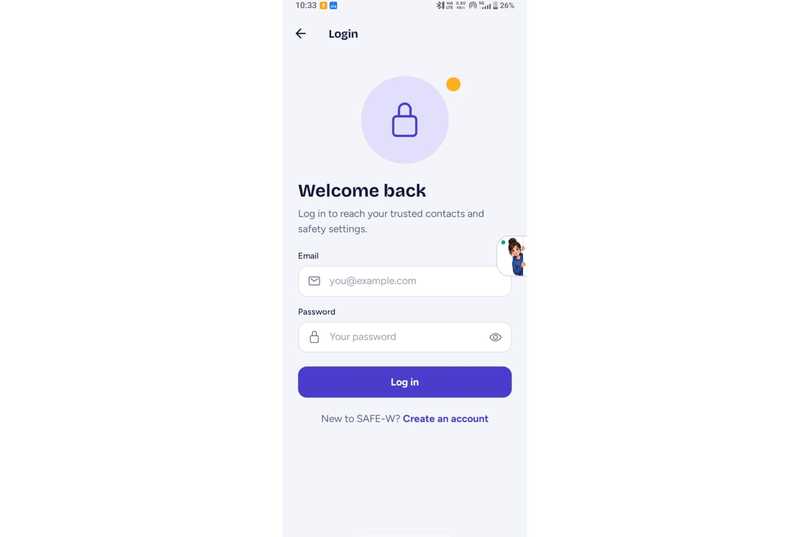
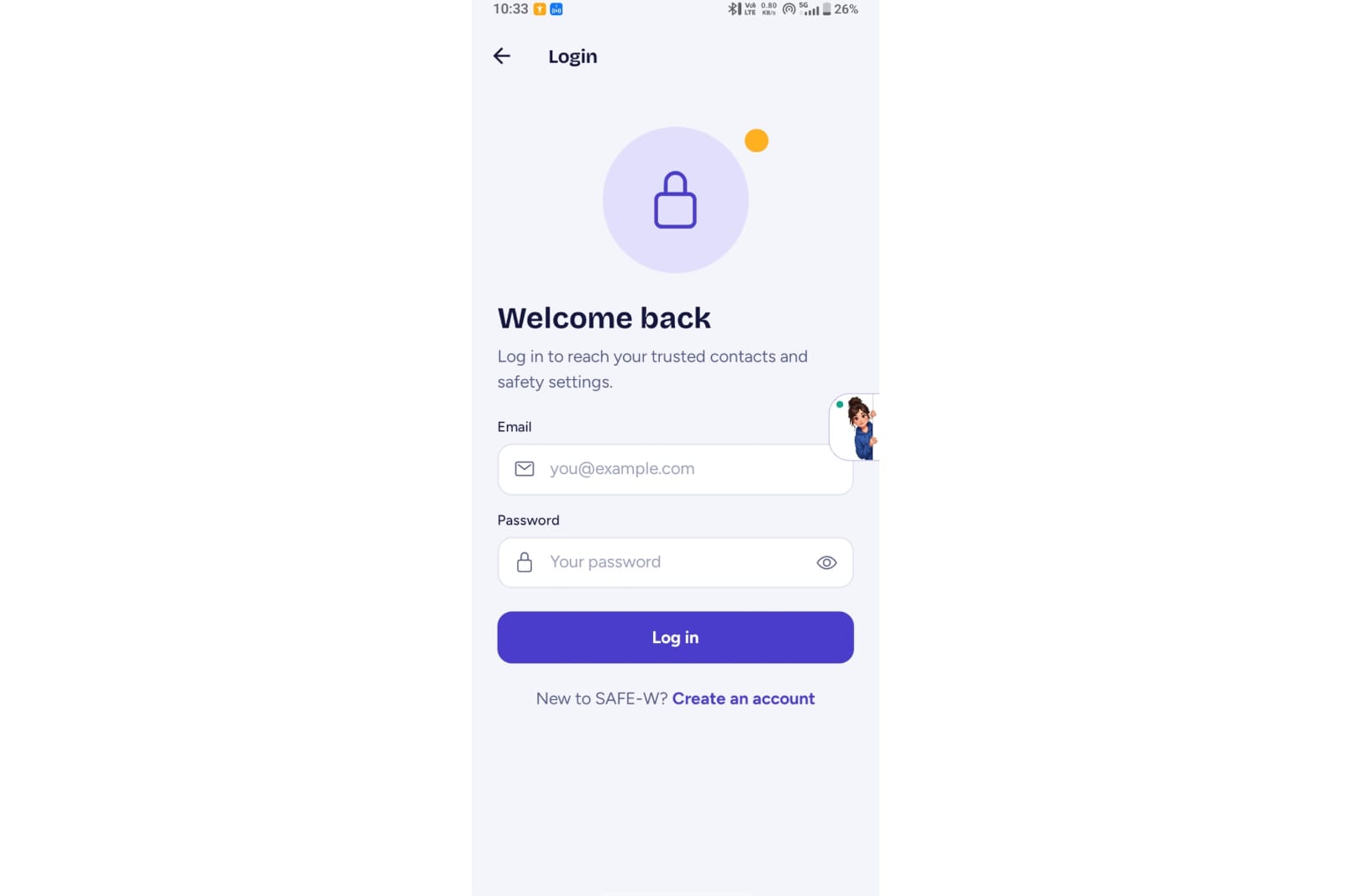
login page
-
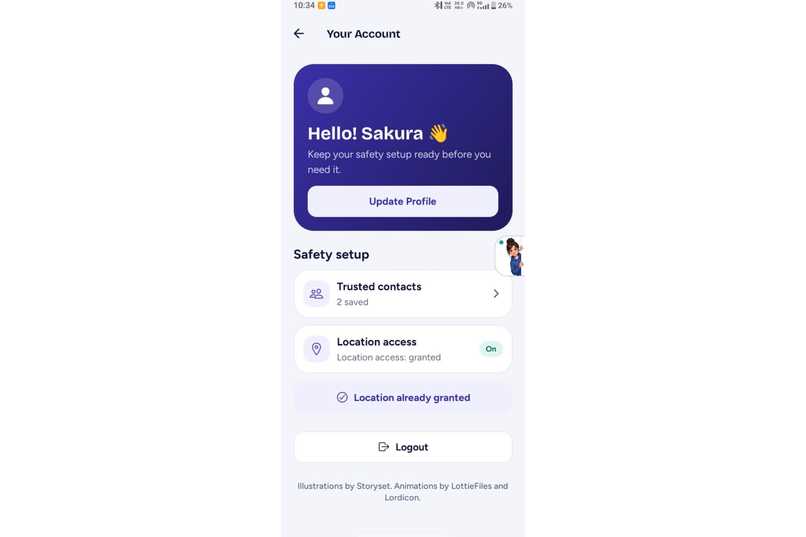
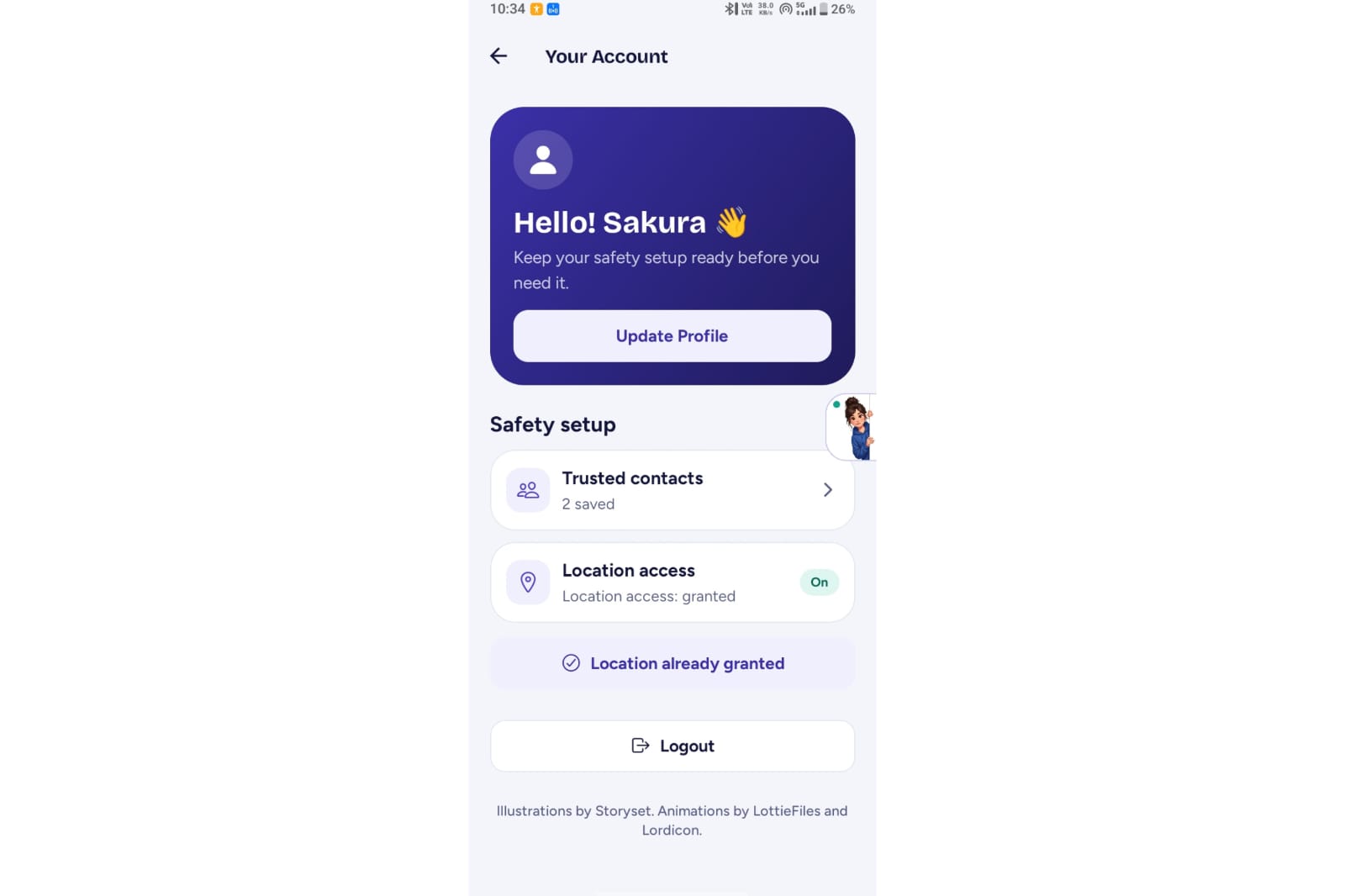
profile page
-
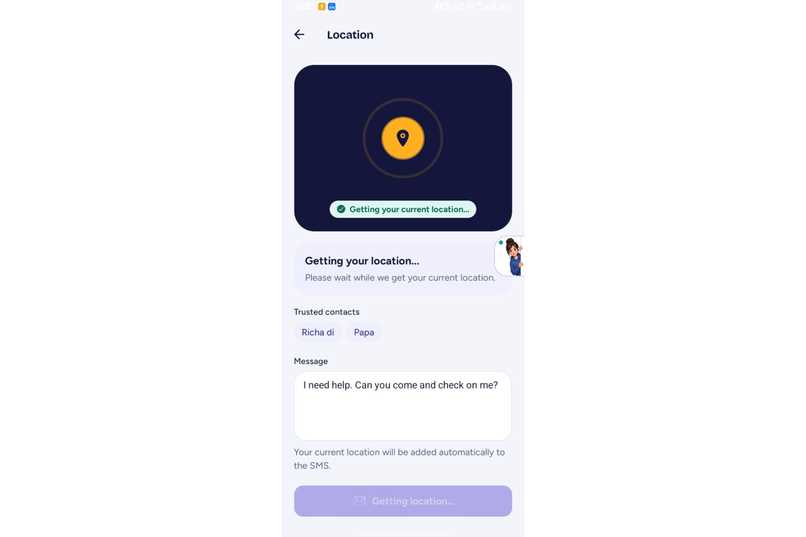
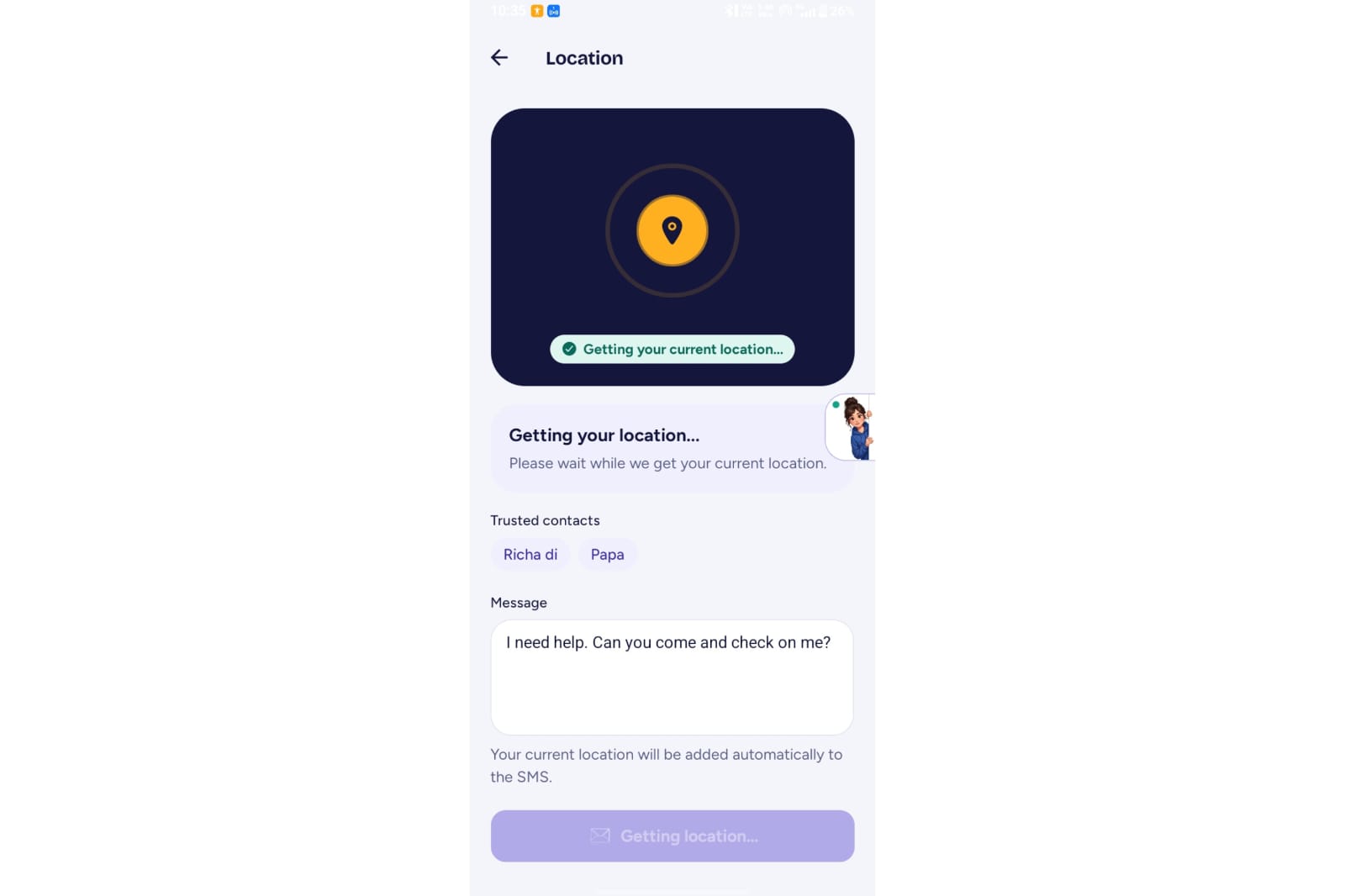
location page
-
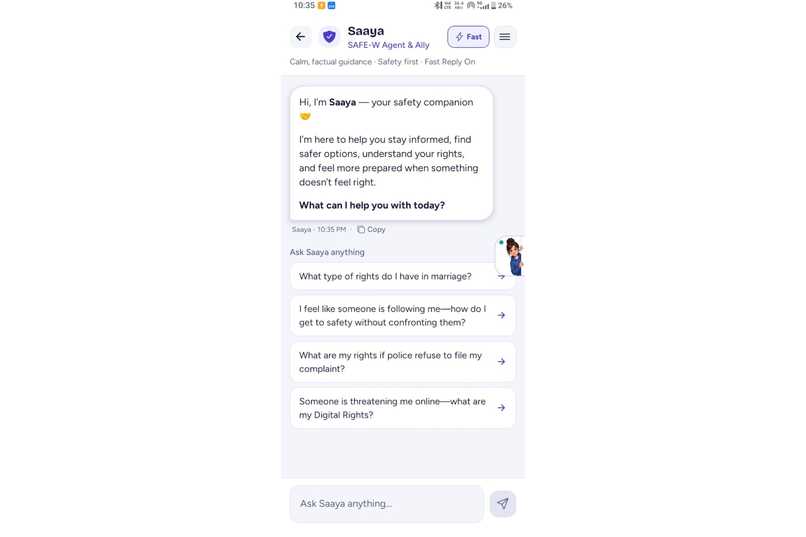
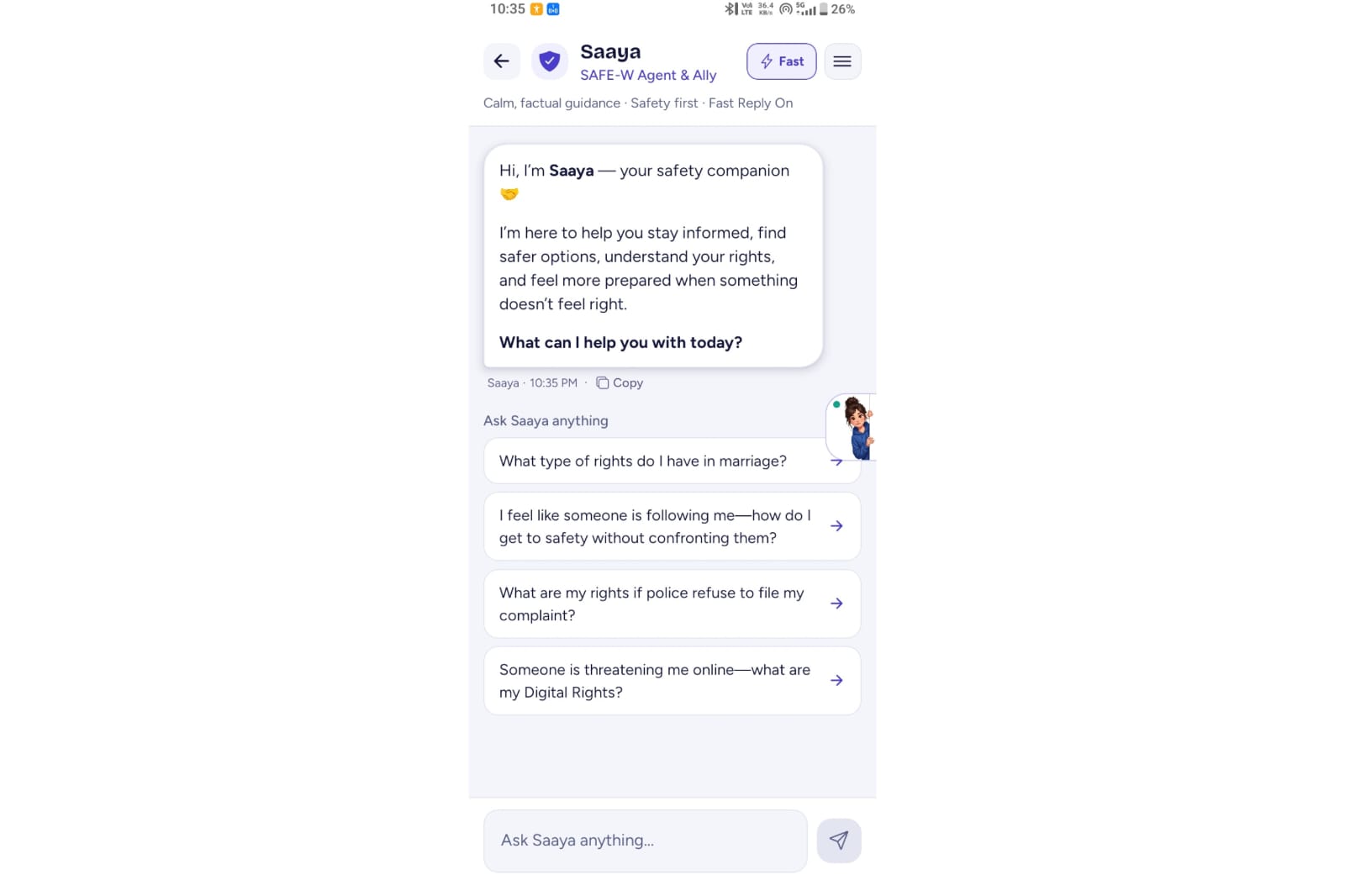
saaya Ai page
-
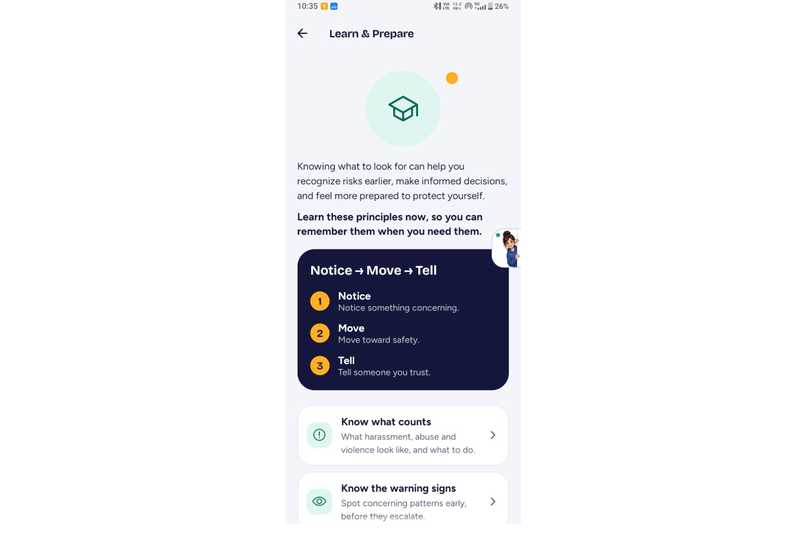
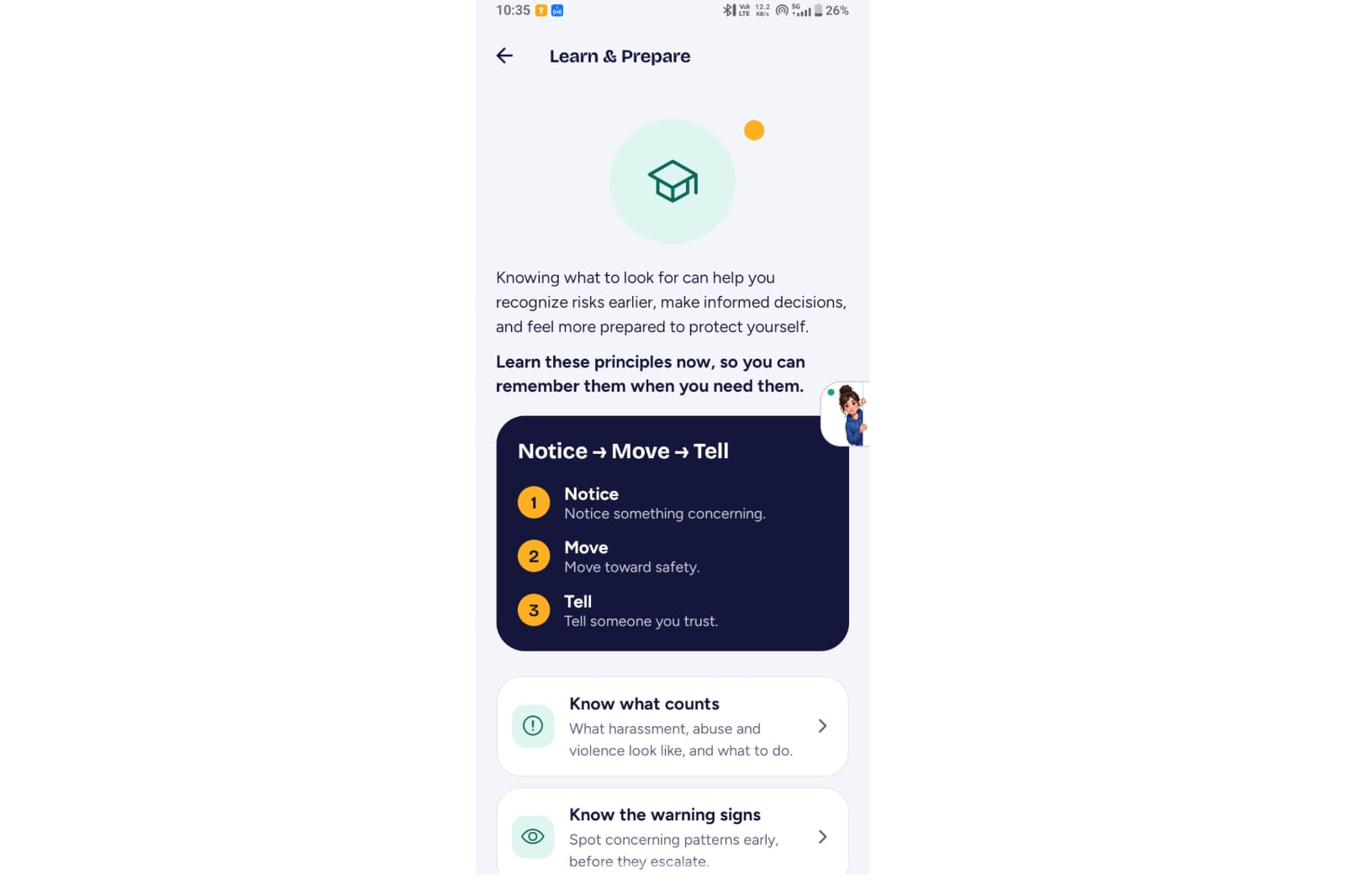
learn and prepare
-
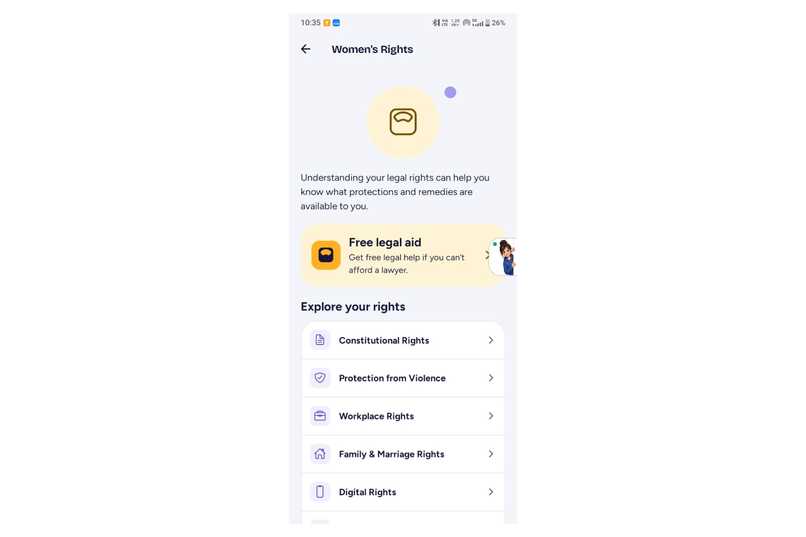
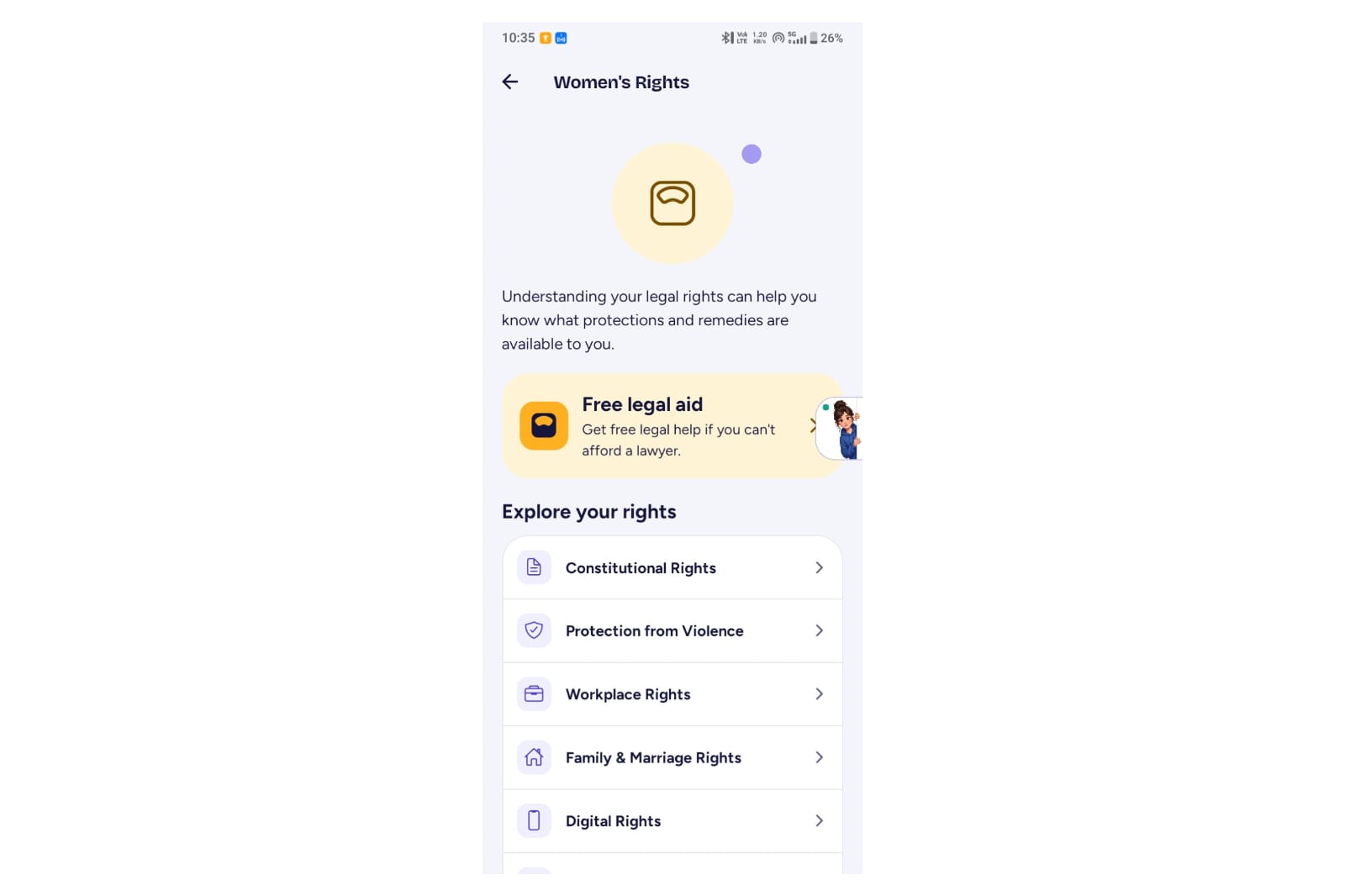
women's right
-
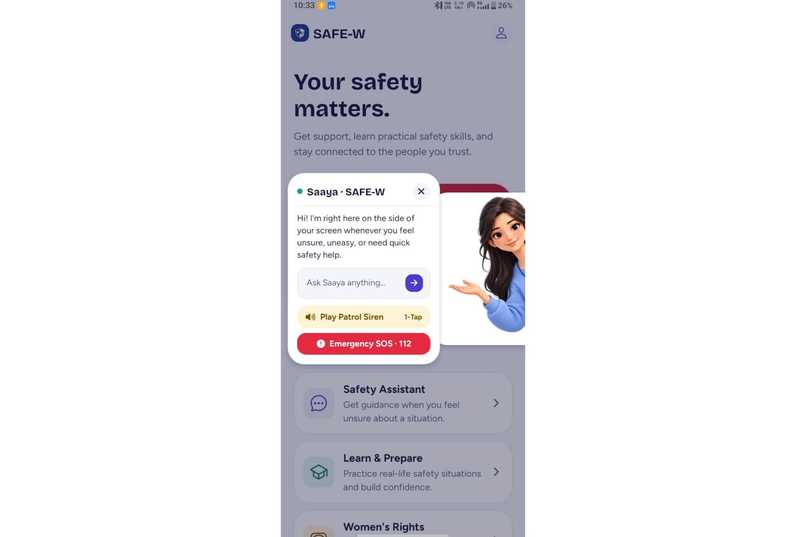
SafeW docked edge feature inside the app
-
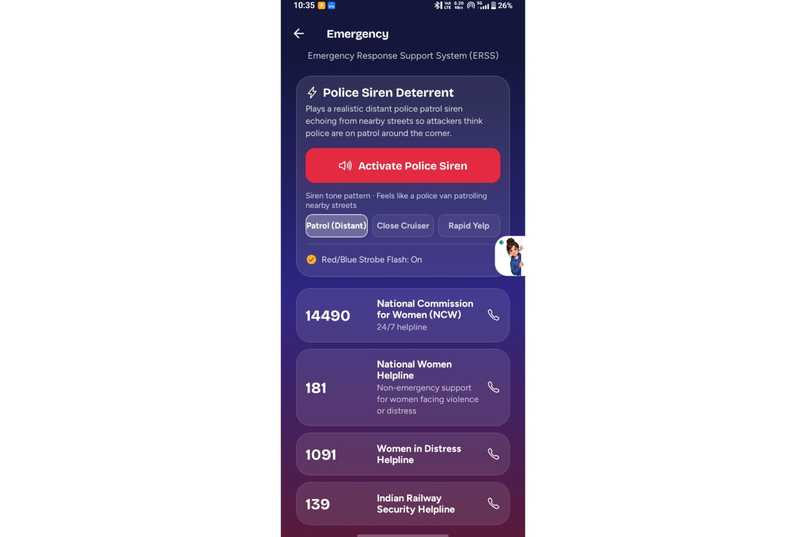
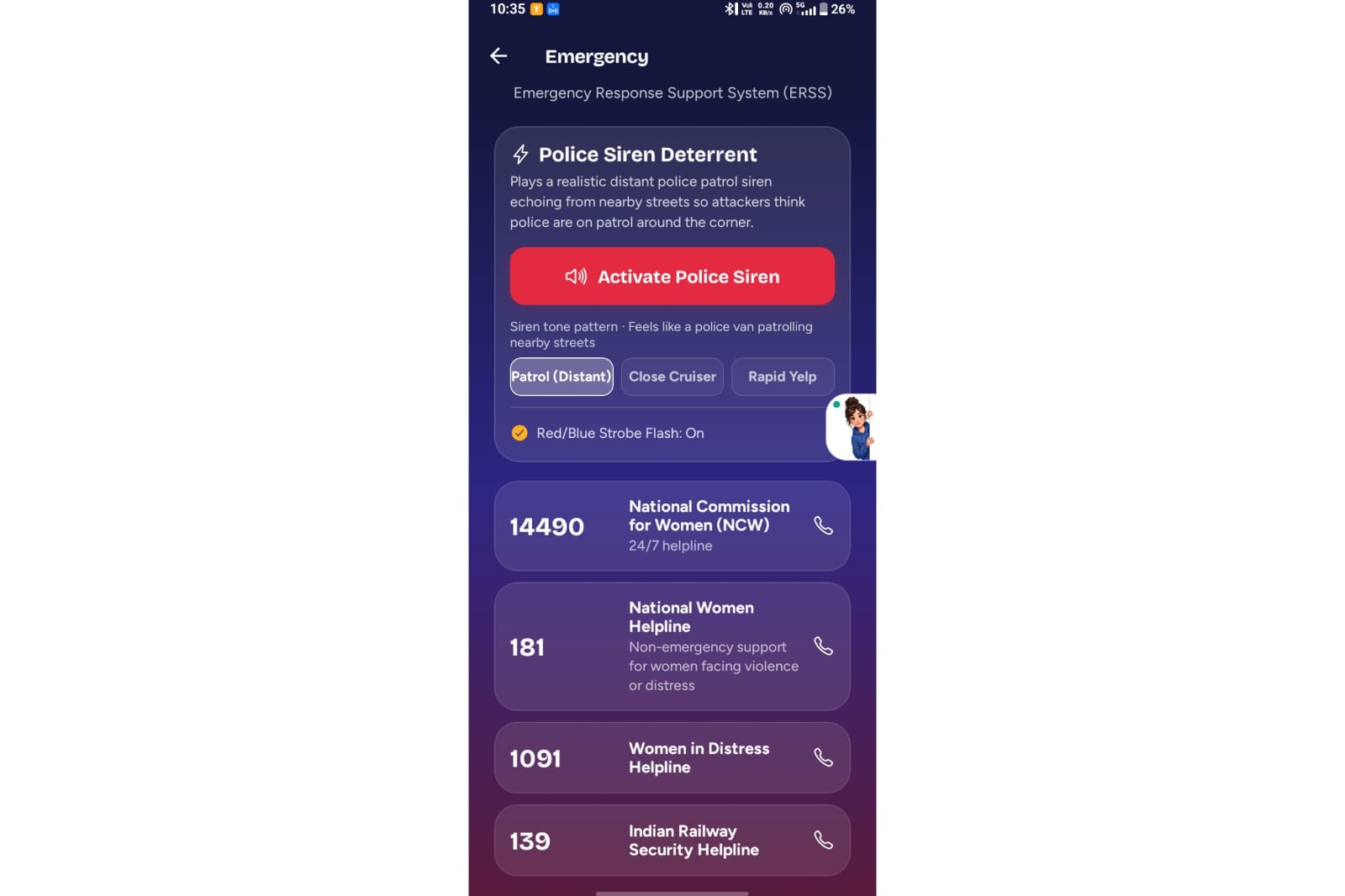
emergency police siren page
SAFEW — Your safety shouldn’t start with an emergency.
💡 Inspiration
The inspiration behind SAFEW came from seeing the reality of crimes and safety concerns faced by women in India and asking myself a simple question:
Can I build something that is actually useful to women when they feel unsafe—not just another emergency button?
Many safety solutions focus primarily on what happens during an emergency. But unsafe situations can begin much earlier—with warning signs, uncertainty, unfamiliar surroundings, or simply not knowing what to do.
That motivated me to create SAFEW as a safety companion focused on preparation, awareness, guidance, and access to help.
The current legal and women's-rights information in SAFEW is specifically focused on India. In the future, I want to expand it with country-specific laws and rights information for users around the world.
🛠️ How I Built It
I built SAFEW as a mobile application using React Native with Expo.
The application brings several safety-focused features together:
- AI Safety Assistant — provides guidance when users are unsure what to do.
- Trusted Contacts — keeps important contacts accessible when help may be needed.
- Learn & Prepare — provides practical safety and awareness information, including Warning Signs to help users recognize potentially unsafe situations.
- Women's Rights — provides India-specific information about relevant rights and laws.
- Location & Emergency Support — connects safety features with the user's situation.
- Emergency Siren — plays a police-siren sound that can be activated in situations where someone feels in severe danger and has limited opportunity to escape. The intention is to create distraction and attract attention, potentially giving the user an opportunity to move toward safety.
📚 What I Learned
Building SAFEW taught me that developing a safety-focused application requires much more than writing code.
I learned about user-centred design, mobile permissions, location handling, AI integration, responsible communication, and designing clear user flows.
I also learned to think about the difference between a feature that technically works and a feature that is actually useful to someone in a stressful situation.
Most importantly, I learned that when building technology related to personal safety, accuracy, clarity, and responsible design matter just as much as functionality.
🚧 Challenges I Faced
One of my biggest challenges was balancing usefulness with responsibility. Safety guidance should be practical without creating unnecessary fear or giving users misleading information.
I also faced technical challenges with location permissions, mobile navigation, UI design, AI integration, and making features behave consistently across devices.
Another challenge was researching and presenting women's rights information responsibly. Since laws vary by jurisdiction, I had to make sure that the legal information in the current version was clearly presented as India-specific.
🌱 What SAFEW Aims to Do
SAFEW is designed to go beyond the traditional idea of an SOS button.
It aims to help users recognize warning signs, prepare themselves, understand their rights, seek guidance, and reach trusted help when necessary.
The current version focuses on India, with the long-term vision of expanding to country-specific safety, legal, and rights information worldwide.
Help people know what to do before they need an SOS button.
Built With
- eas-build
- expo-audio
- expo-location
- expo-router
- expo.io
- express.js
- firebase
- firestore
- google-gemini-api
- nativewind
- node.js
- react-native
- tailwind
- tsx
- typescript

Log in or sign up for Devpost to join the conversation.