-
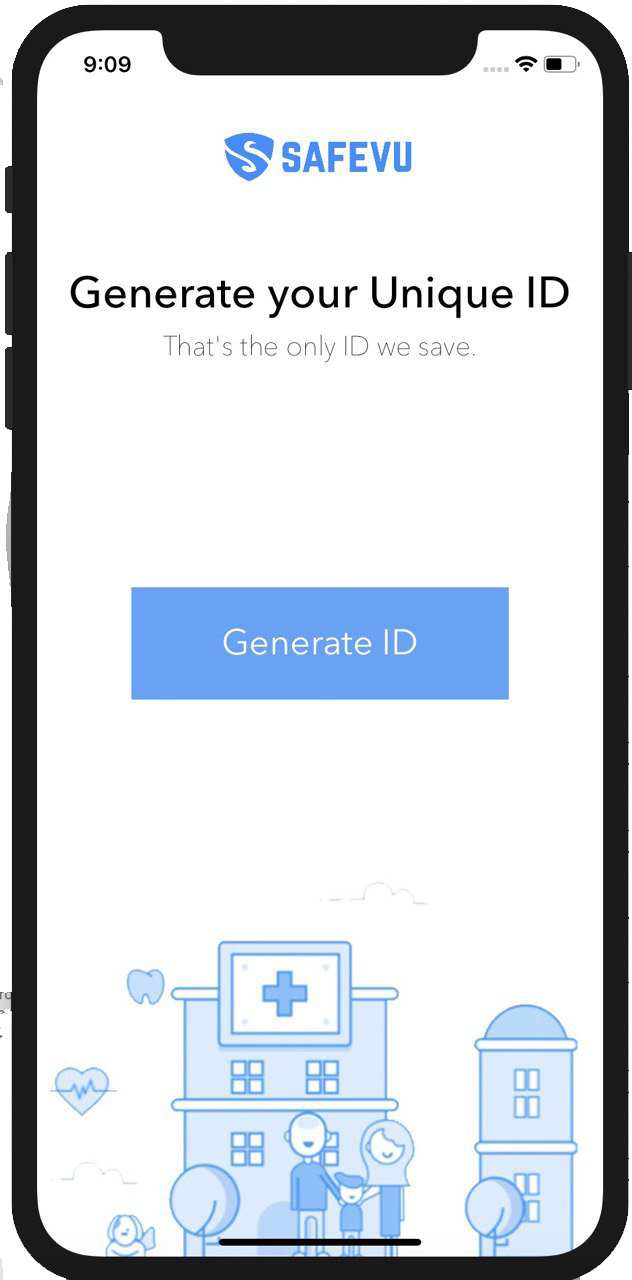
App landing page
-
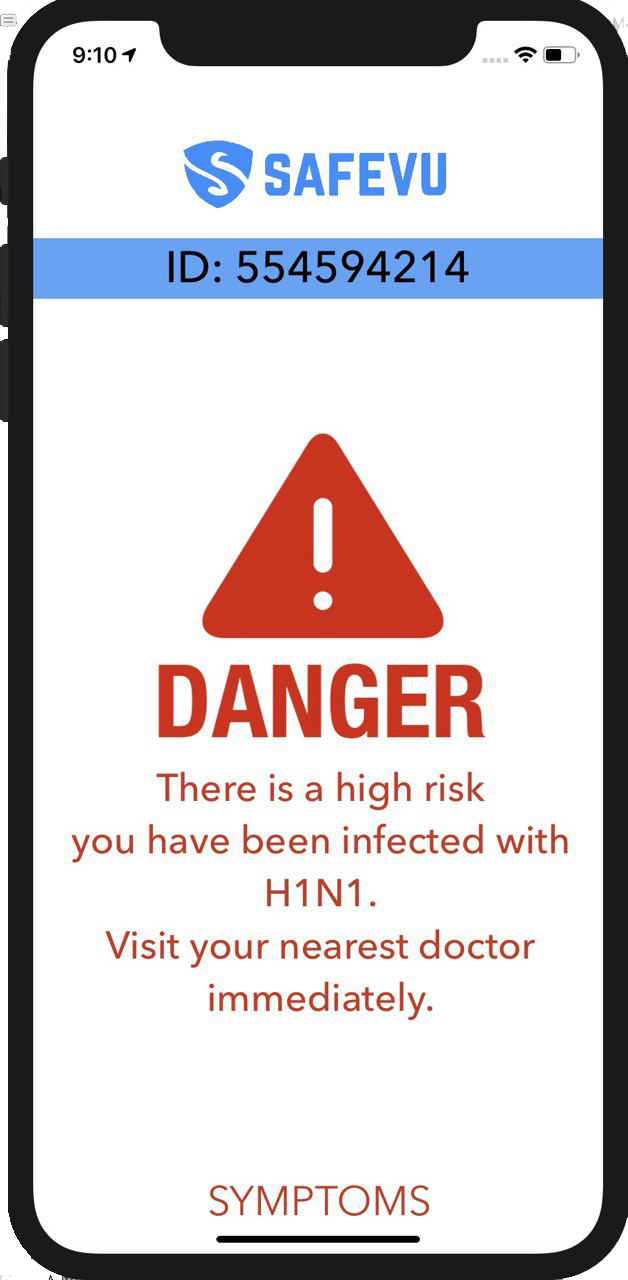
set-up
-
set-up2
-
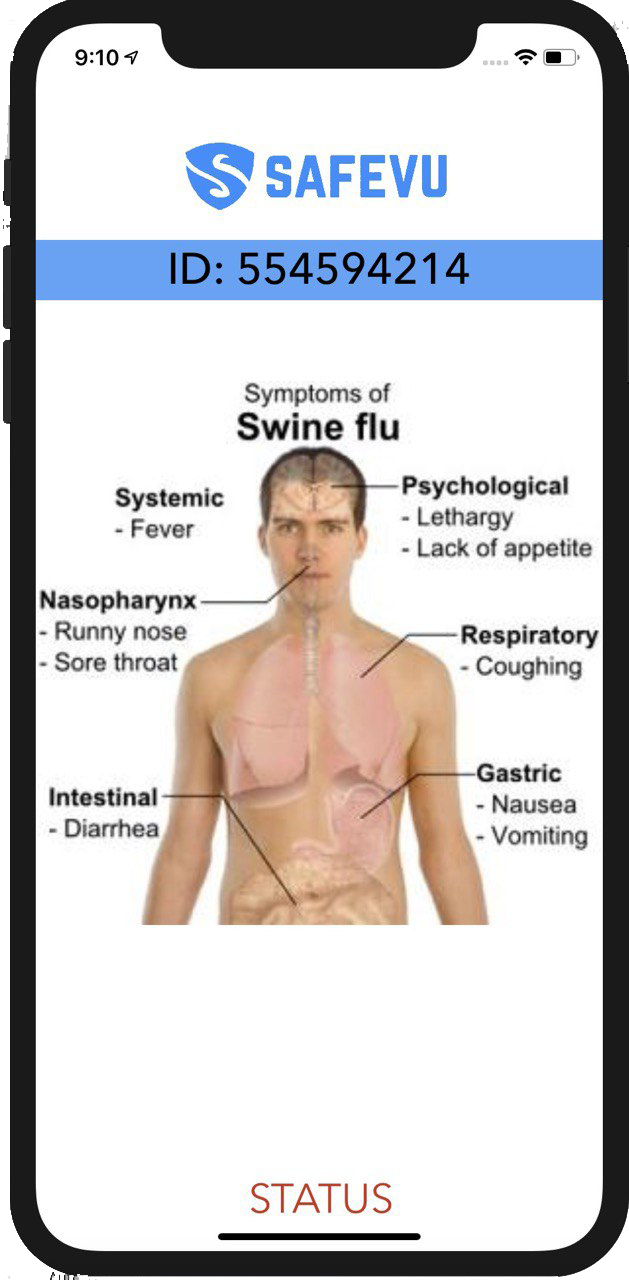
symptoms

Inspiration
How can we reduce the rate of infectious diseases from being spread around? Contact tracing is a deeply resource and human-intensive task which will pose difficulties in the event if future pandemic and epidemics. With the proliferation of smartphones, we're exploring how we can scale contact tracing at the national or global level to be done instantly.
What it does
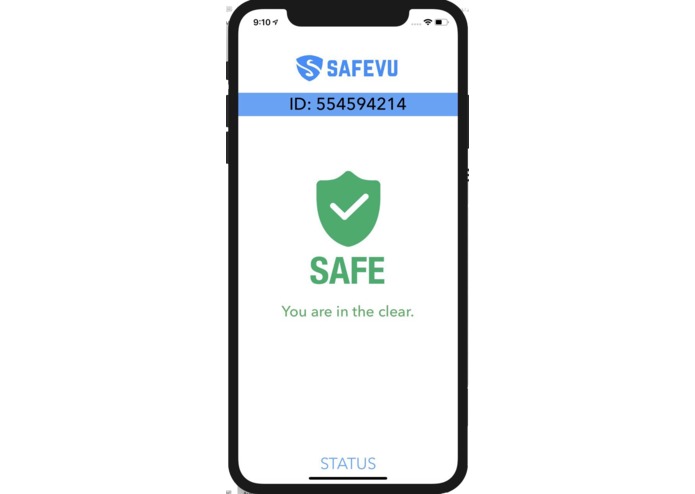
We prototyped an application that enables users to have an ease of mind by alerting them if they have been in close contact with infectious diseases during an epidemic or pandemic. This application works with a combination of peer to peer bluetooth detection and GPS.
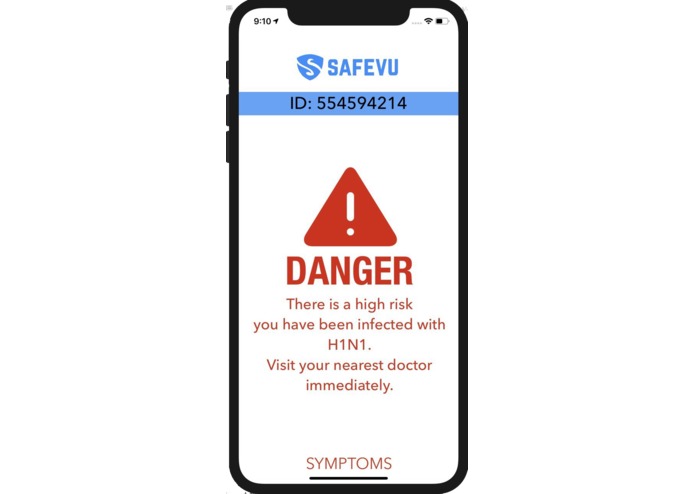
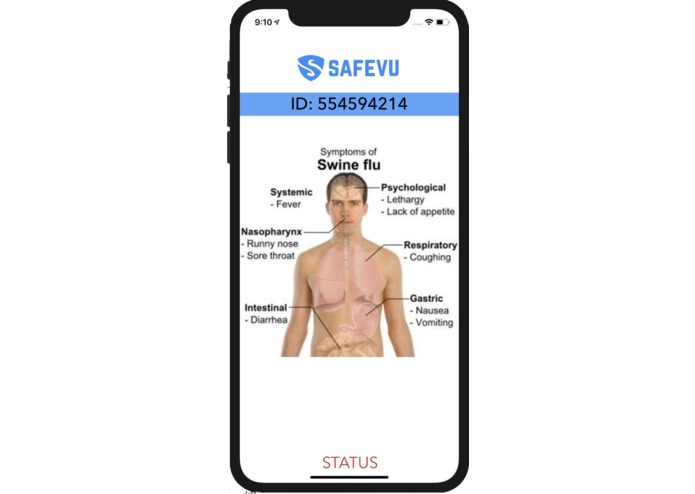
Whenever a user in the network is diagnosed with an infectious disease, we can send an instant alert to all users of the app alerting them to seek medical assistance and testing immediately.
How we built it
it is build with python, flask, and swift while using bluetooth and GPS apis.
Challenges we ran into
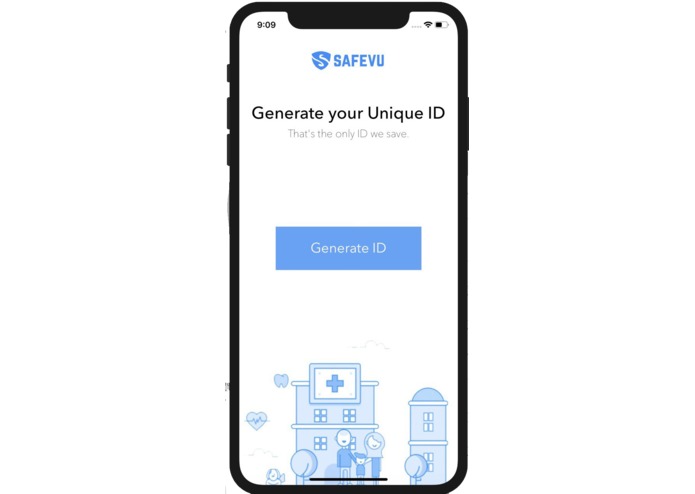
The first challenge was privacy: with an increasing trend of privacy concerns, we had to make sure that data gathered on a user would never be tied back to any personally identifiable information, even their name. To enforce this privacy requirement, we designed a system where each user that signed up would only be assigned a random unique ID with no names stored. We did this to balance user take-up rate with user privacy concerns. However, we do understand that there are citizens who would still be unwilling to download or enable its location tracking and this would result in our service not being able to fully capture the entire list of potential individuals may be contracted with infectious diseases.
While bluetooth works okay, we were unable to ensure that we are able to track our users properly through bluetooth due to limitations with iOS's bluetooth apis that only enable the bluetooth to be utilized for a brief duration of time and listen for other bluetooth networks when the application is open. This would not be feasible in real-world scenarios. We spent the majority of our time trying to work around this technical roadblock and as a result could not develop other areas of the map.
Accomplishments that we're proud of
Designing a privacy-centered framework that people would consider using – this was done after multiple user interviews. Furthermore, learning GPS and bluetooth technologies to come up with a solution that is solving a crucial problem, a problem we keep close to our heart too. This is also one of our group members' first hackathon in the U.S!
What we learned
we learnt about more ideation, such as the practices and strategies we can adopt to brainstorm for to solve a problem.
What's next for SAFEVU
One of the main challenges would be the technical API software limitations set by Apple's iOS system. If we were to make SAFEVU a reality, one of the realistic paths might be to receive institutional support – potentially with governments or NGOs such as the Bill and Melinda Gates Foundation or WHO and partner with Apple to create a pandemic software application that can be made ready for the next epidemic or pandemic.
Also, we understand that infectious diseases are commonly found in developing countries. However, not all citizens in developing countries own a mobile phone and have proper healthcare systems. However, our team aims to continue working on this to contain the spread of diseases around the world.


Log in or sign up for Devpost to join the conversation.