


SafeVoice
AI-Powered Legal Evidence Documentation for Victims of Abuse
SafeVoice is a voice-first AI companion that helps victims of abuse safely document incidents, preserve legal evidence, and prepare for legal action without typing, legal knowledge, or putting themselves at risk.
The project is built around a single principle: safety comes first.
Inspiration
Most victims of abuse never report incidents, not because they do not want help, but because documenting evidence is unsafe, emotionally overwhelming, and legally confusing. Written journals can be discovered, memories fragment under trauma, victims do not know what details matter legally, and professional legal support is often inaccessible.
We wanted to build a system that works quietly, privately, and safely, even in situations where being discovered could be dangerous.
What It Does
SafeVoice is designed to exist invisibly on a shared phone.
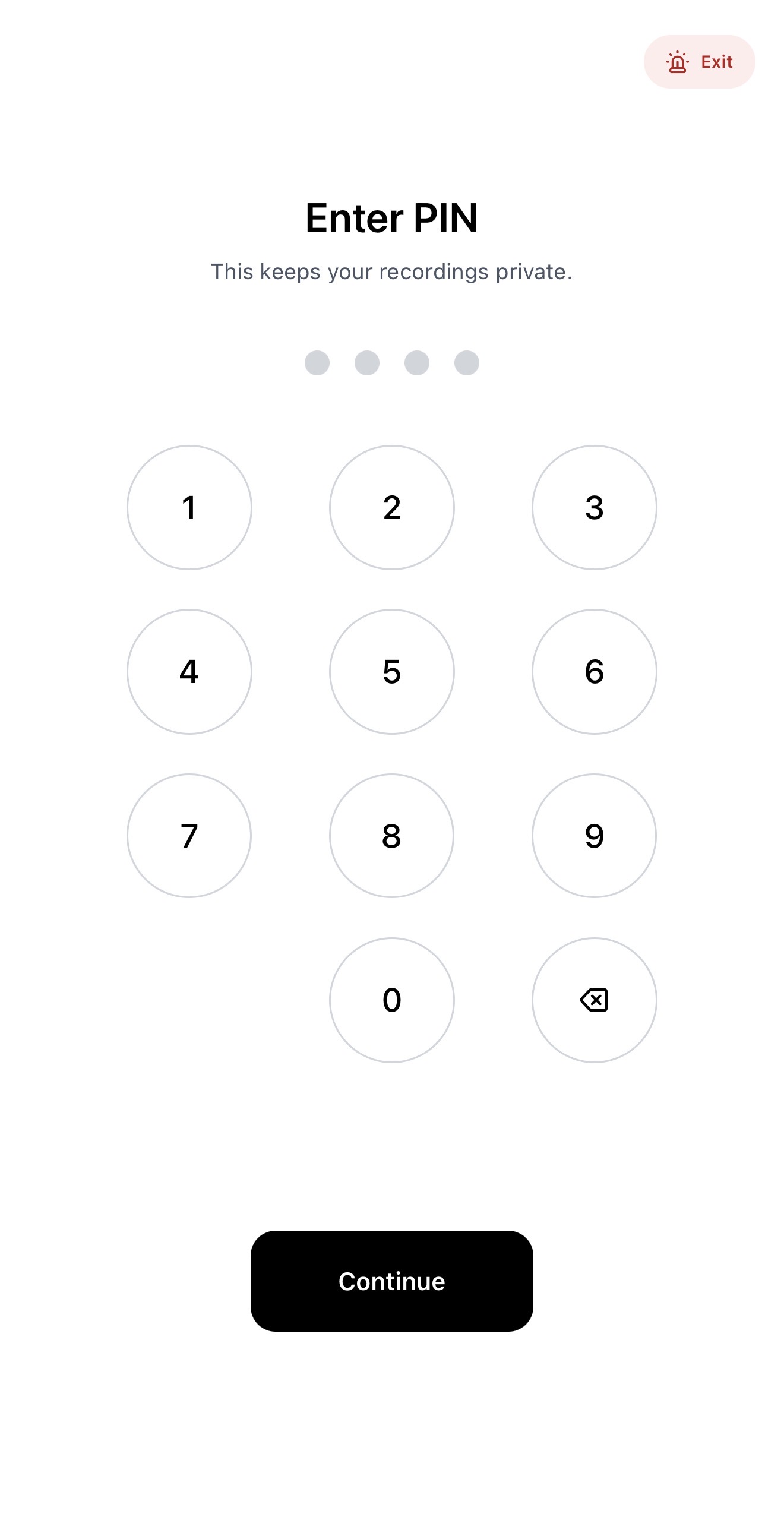
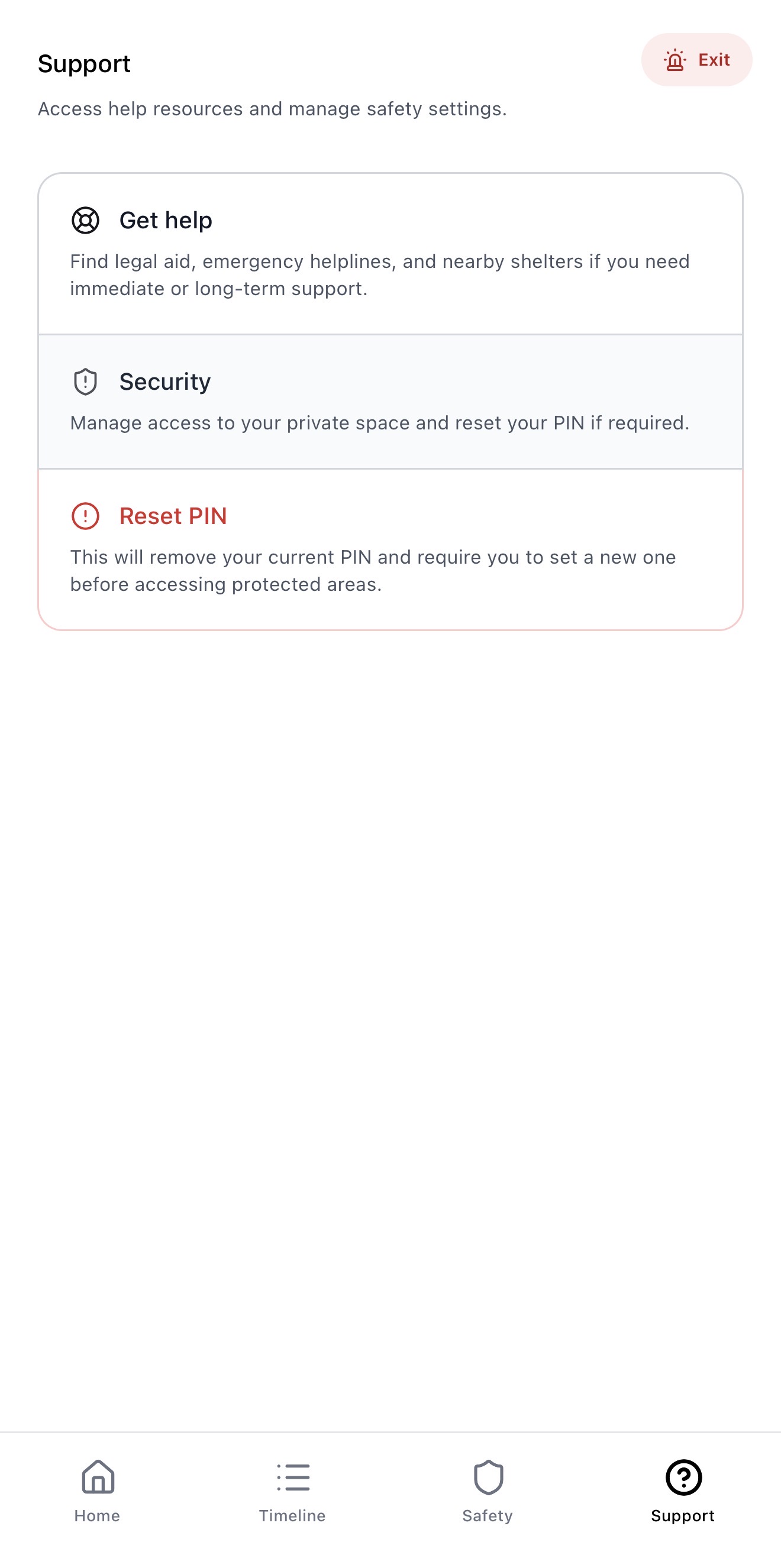
By default, it appears as a harmless meditation or wellness app. There are no visible recordings, no suspicious history, and nothing that reveals its true purpose. Only a deliberate long-press followed by PIN authentication unlocks the real functionality. At any moment, a one-tap quick exit instantly returns the app to its decoy mode.
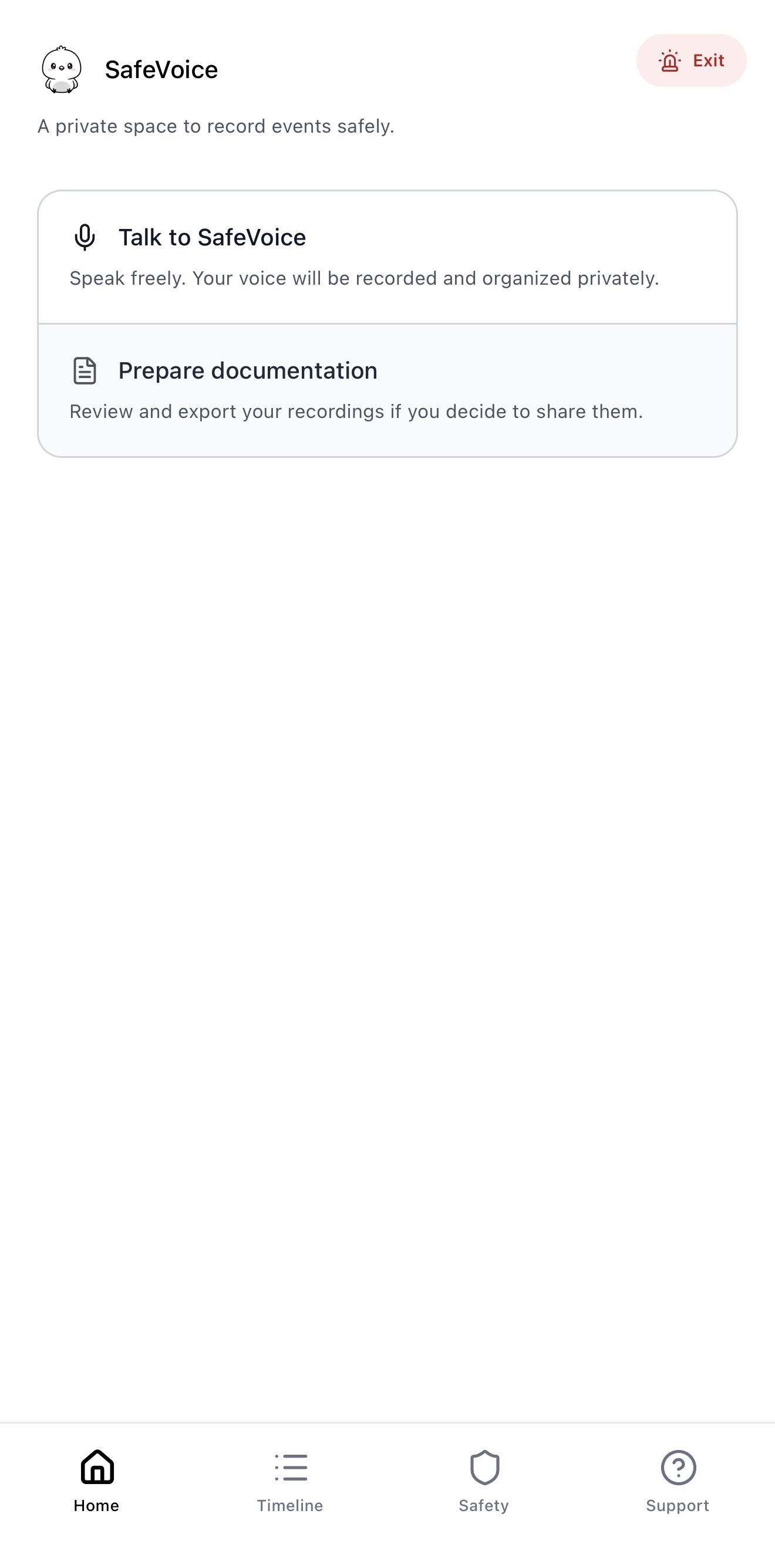
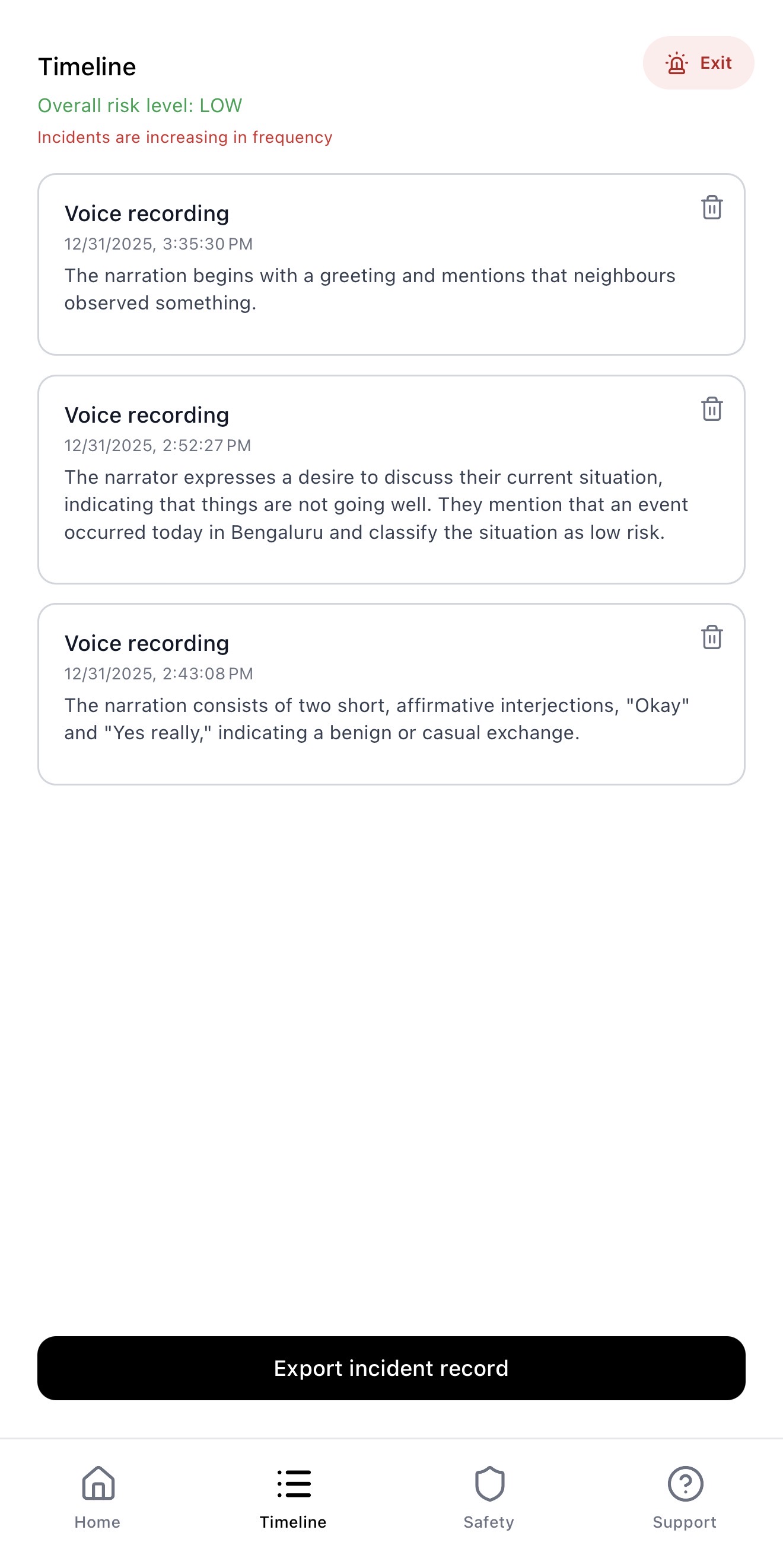
Inside, victims can document incidents using voice instead of writing. SafeVoice listens, understands context, asks gentle follow-up questions, and builds a secure, chronological evidence timeline over time.
The meditation mode itself is real and provides guided emotional regulation, helping users calm themselves before or after documenting an incident while reinforcing the decoy design.
How We Built It
SafeVoice is a voice-first, AI-powered system.
ElevenLabs is used for empathetic voice interaction, including both incident documentation and an AI-powered guided meditation agent. Google Gemini is used to understand spoken narratives, generate contextual follow-up questions, structure evidence, and detect patterns such as escalation and repetition. Google Cloud is used for secure, encrypted processing and storage of sensitive data. Confluent enables real-time streaming of incident events to support continuous risk and escalation analysis. Datadog is used for system observability, reliability monitoring, and tracking risk-related signals.
Each technology was chosen to support safety, reliability, and intelligence rather than vanity features.
Challenges We Faced
The biggest challenge was designing for real-world safety rather than ideal conditions. The app needed to be usable on shared devices without raising suspicion. Voice interactions had to be trauma-informed and non-interrogative. Evidence needed to be legally useful without forcing users to think like lawyers. Reliability was critical, as this is a system people may rely on during moments of fear or crisis.
Balancing emotional sensitivity with technical rigor was the hardest part of the project.
What We Learned
We learned that voice is often the only safe input method in high-risk environments. Trauma-informed design is as important as AI accuracy. Safety-first UX decisions can matter more than feature count. Systems intended for crisis scenarios must prioritize discretion and reliability above everything else.
What’s Next
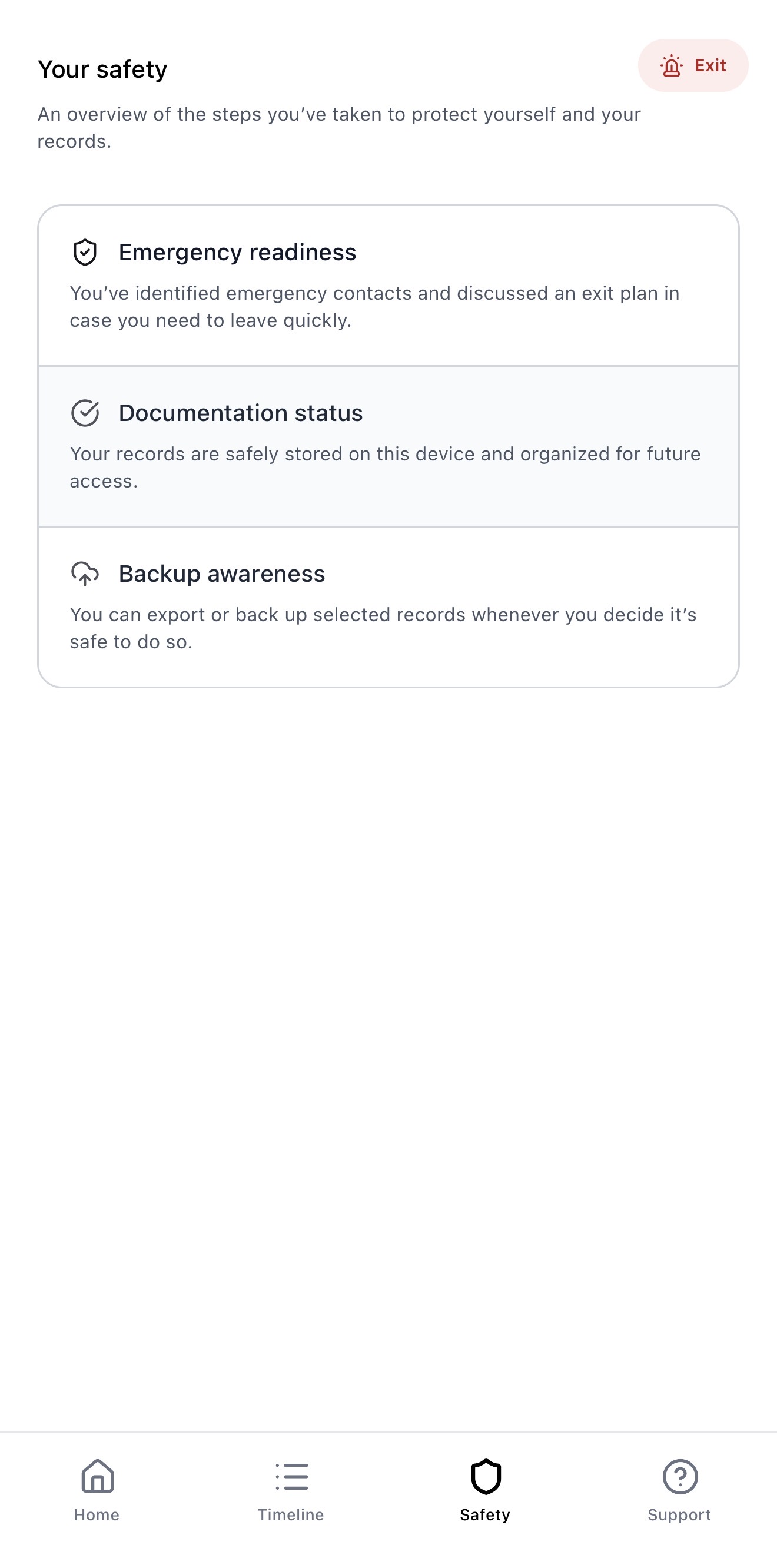
Future work includes partnerships with legal aid organizations, multi-language support, deeper safety planning features, optional handoff to support services when users are ready, and expanded crisis detection capabilities.
SafeVoice is not meant to replace lawyers or shelters. It is meant to help victims prepare safely and on their own terms.
Built With
ElevenLabs, Google Gemini, Google Cloud, Confluent, Datadog, React Native, Expo
Built With
- ai
- cloud
- confluence
- datadog
- elevenlabs
- expo.io
- expogo
- gemini
- google-cloud
- ml
- react-native
- storage
- typescript

Log in or sign up for Devpost to join the conversation.