Inspiration
We’ve all experienced that split-second of heart-pounding panic when you're in the middle of a gaming session and suddenly hear footsteps or a door handle turning. The problem is that human reaction time often isn't fast enough to reach the keyboard and hide a screen gracefully before someone walks in. We wanted to solve this problem by creating a physical boundary that reacts for you.
What it does
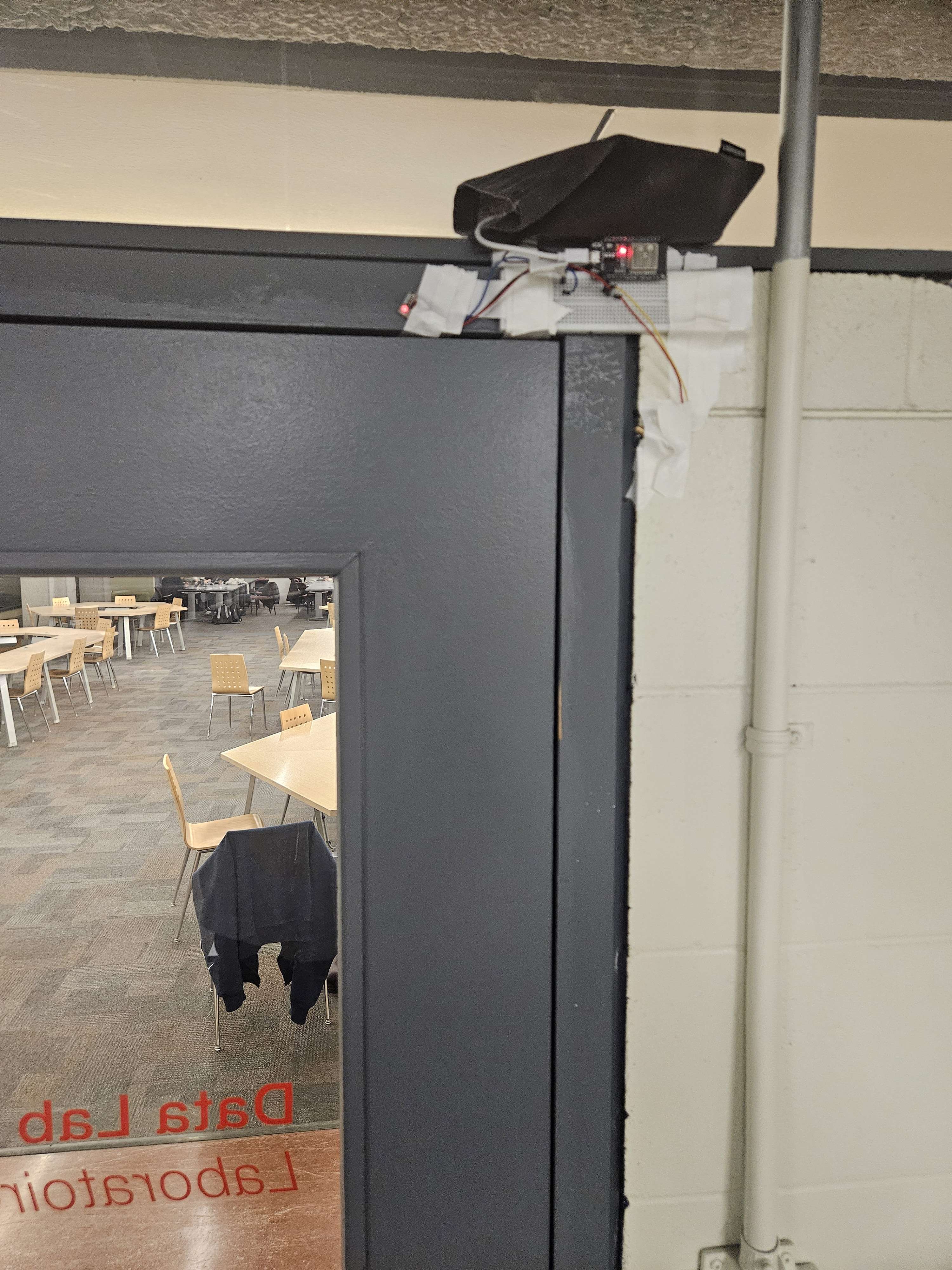
Laser Tab is an automated evasion system for your computer. It uses a laser beam to create a physical security perimeter at your doorway. When an intruder breaks the beam, the system detects the interruption and instantly sends a wireless signal to your PC. The computer then automatically executes an alt-tab command, hiding your current window and switching to a safe screen.
How we built it
We engineered a split-system using two ESP32 microcontrollers linked via a high-speed wireless protocol called ESP-NOW. The device consists of 3 components. First, a 5mW laser beam is pointed at a light-sensitive resistor. A "Hub", which plugs into the computer and utilizes Bluetooth Low Energy (BLE) to register as a standard HID (Human Interface Device). Finally, a sensor detects a drop in light (the beam breaking), which sends an encrypted signal to the "Hub," which commands the PC to switch windows instantly.
Challenges we ran into
When moving from a computer to a portable power bank, the lower voltage caused the laser to dim, which the sensor interpreted as a broken beam. We had to rewrite the logic to be more forgiving of battery power. We also discovered that our sensor sent a high signal when hit by light, requiring us to flip our code logic so the alarm only triggered on a low signal (darkness). Finally, we spent hours debugging ghost triggers only to find a microscopic break in a jumper wire that only failed when it was slightly bent.
Accomplishments that we're proud of
We successfully implemented the ESP-NOW protocol, achieving a nearly instantaneous trigger speed. Seeing the screen switch windows before a person even fully enters the room was a huge win for the project. We also managed to make an ESP32 act as a native Bluetooth HID. This means the device works on almost any computer without needing to install custom drivers or sketchy software. Lastly, we are proud of our persistence in debugging. We did not give up when the system experienced voltage drops on battery power or when a broken wire caused ghost triggers. Instead, we developed custom spy tools to analyze raw data and engineered a software solution to overcome a hardware power limitation.
What we learned
We learned how to interpret raw environmental data and translate it into a reliable digital trigger. We explored how microcontrollers can safely interact with a computer’s operating system to perform automated tasks without needing special software installed on the PC.
What's next for Laser Tab
We want to implement a Laser Tab app that allows you to receive a notification on your phone when someone enters your room. This way, you can monitor who accesses your room and be immediately alerted to any unexpected entry, even when you are not physically present.


Log in or sign up for Devpost to join the conversation.