-
-
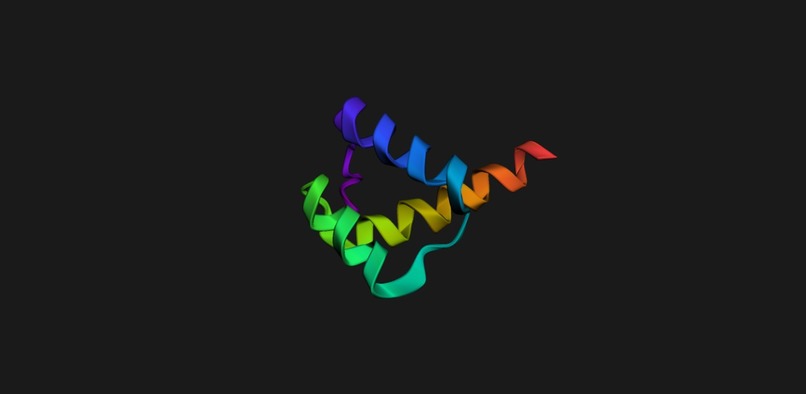
Protien 3d model (generated by our AION AI)
-
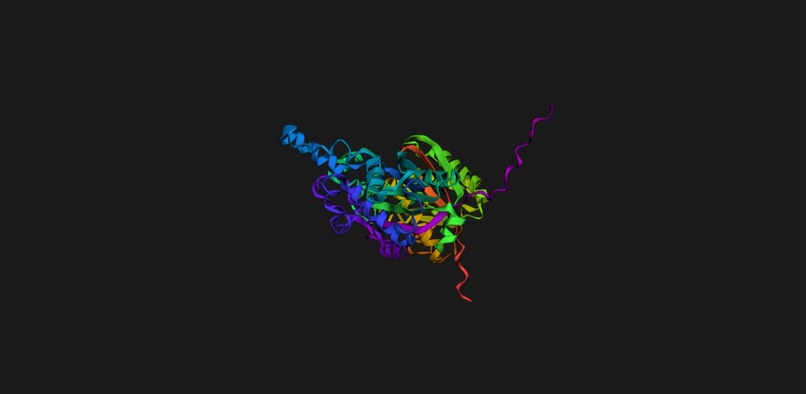
Protien 3d model (generated by our AION AI)
-
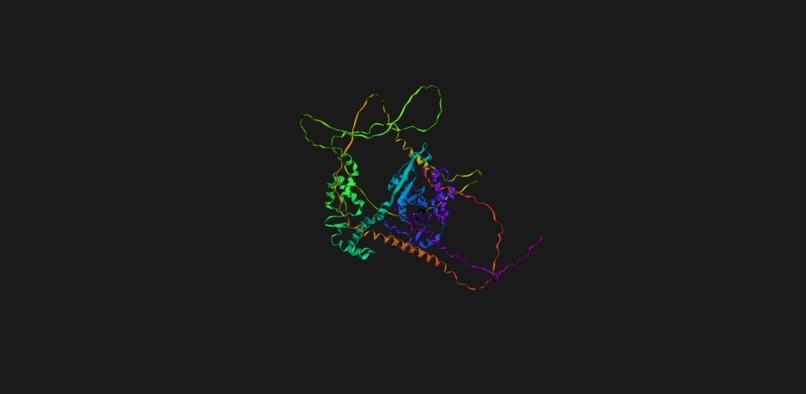
Protien 3d model (generated by our AION AI)
-
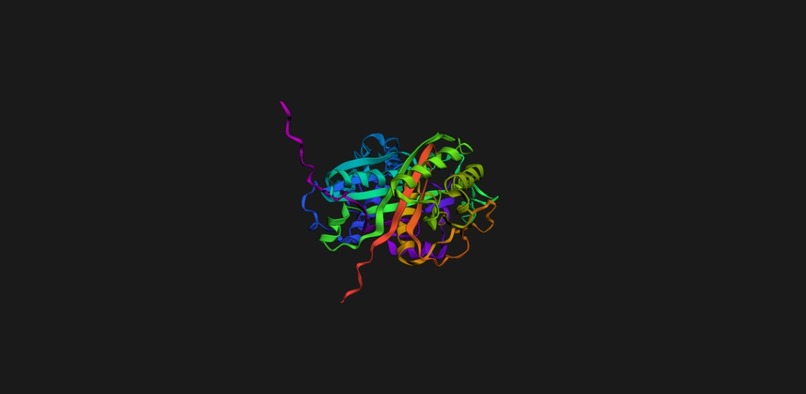
Protien 3d model (generated by our AION AI)
-
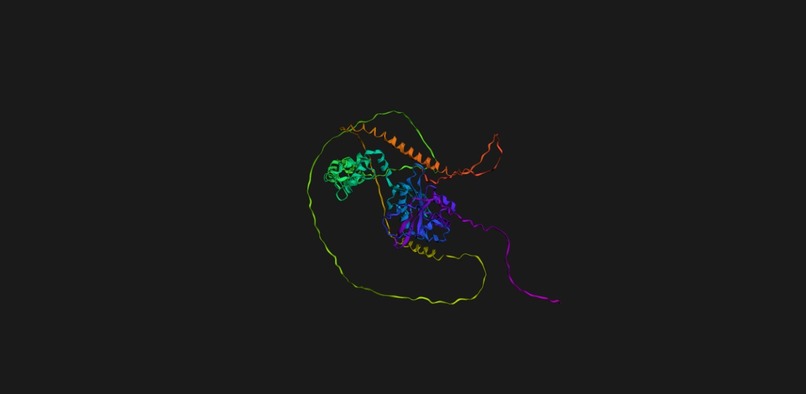
Protien 3d model (generated by our AION AI)`
-
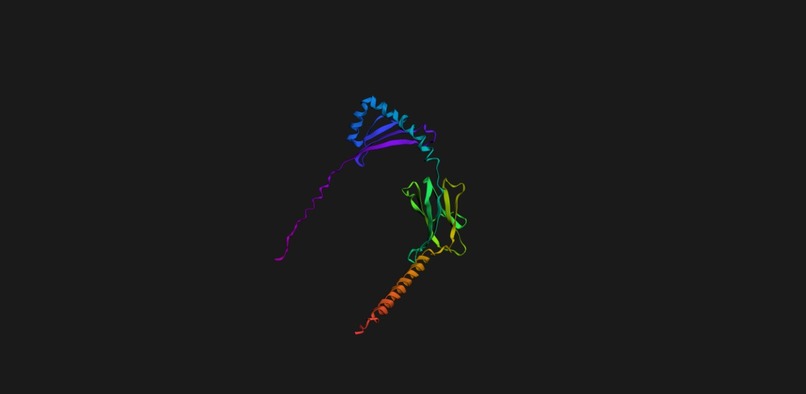
Protien 3d model (generated by our AION AI)
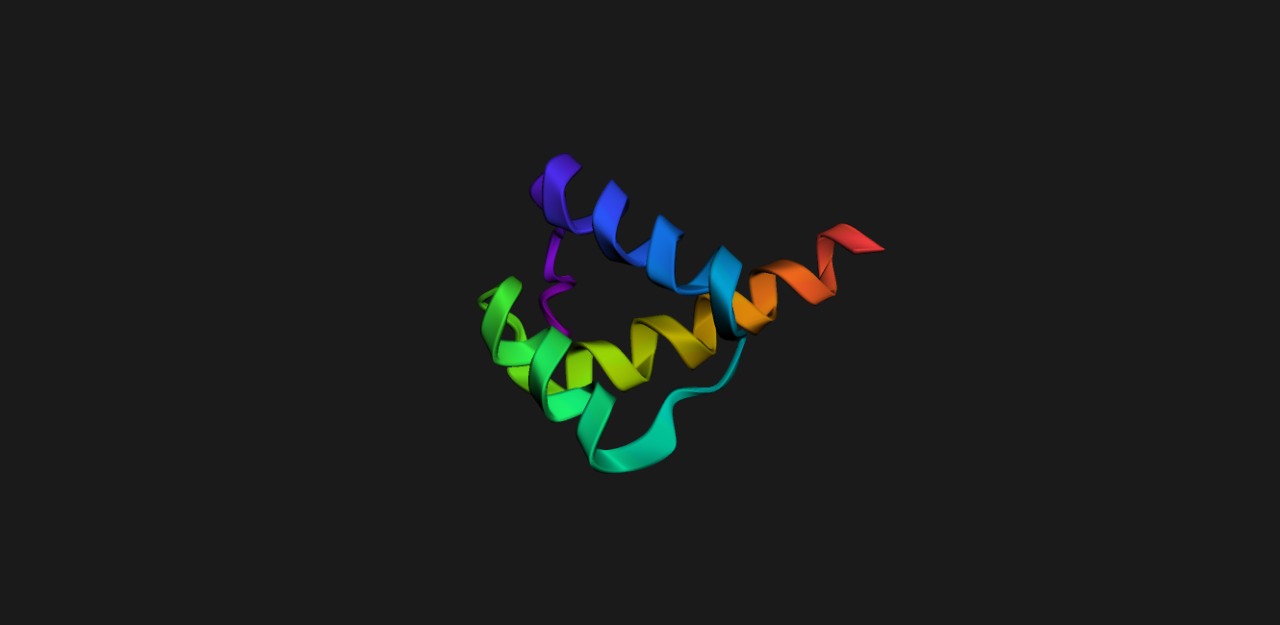
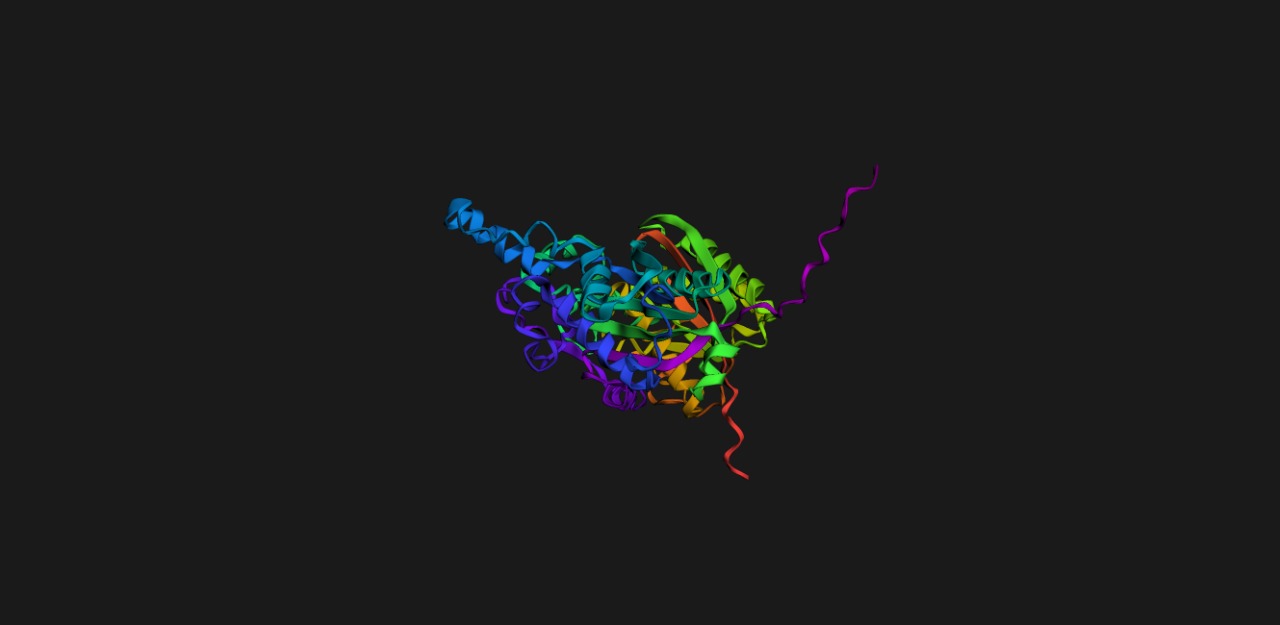
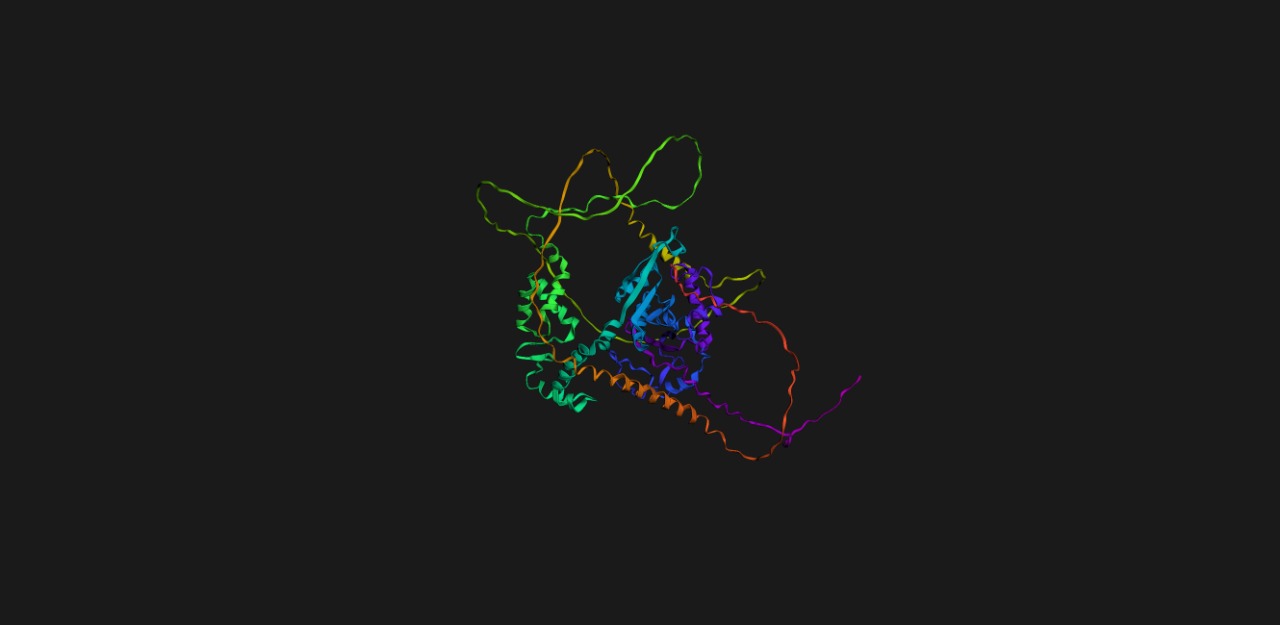
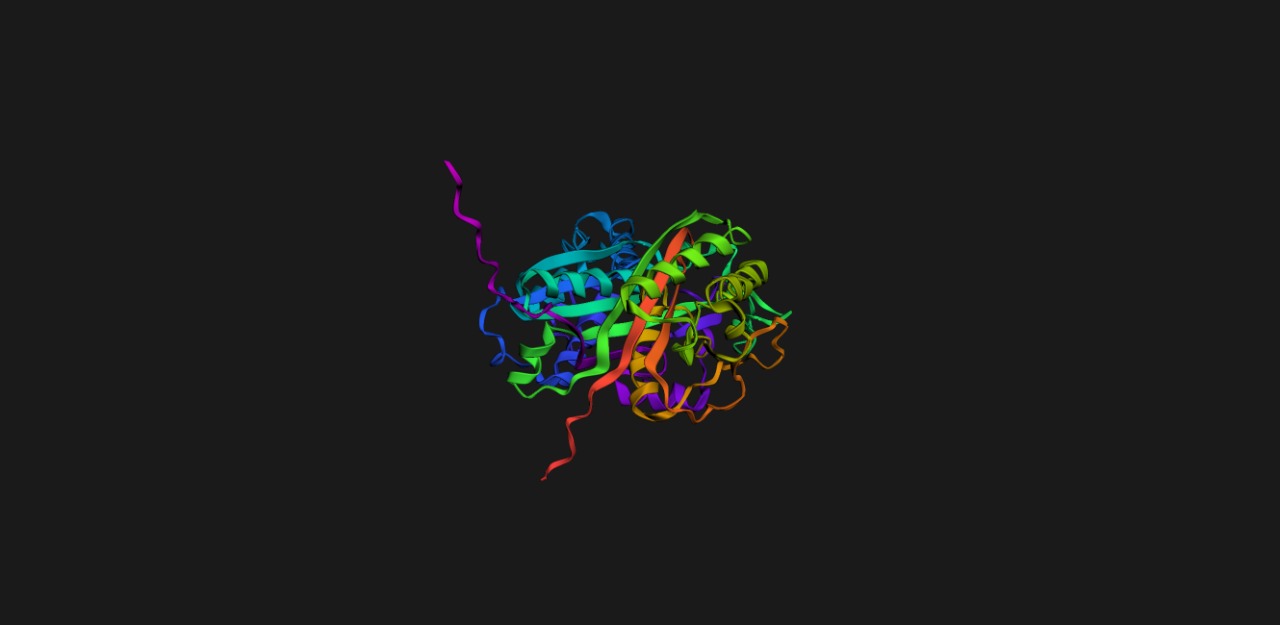
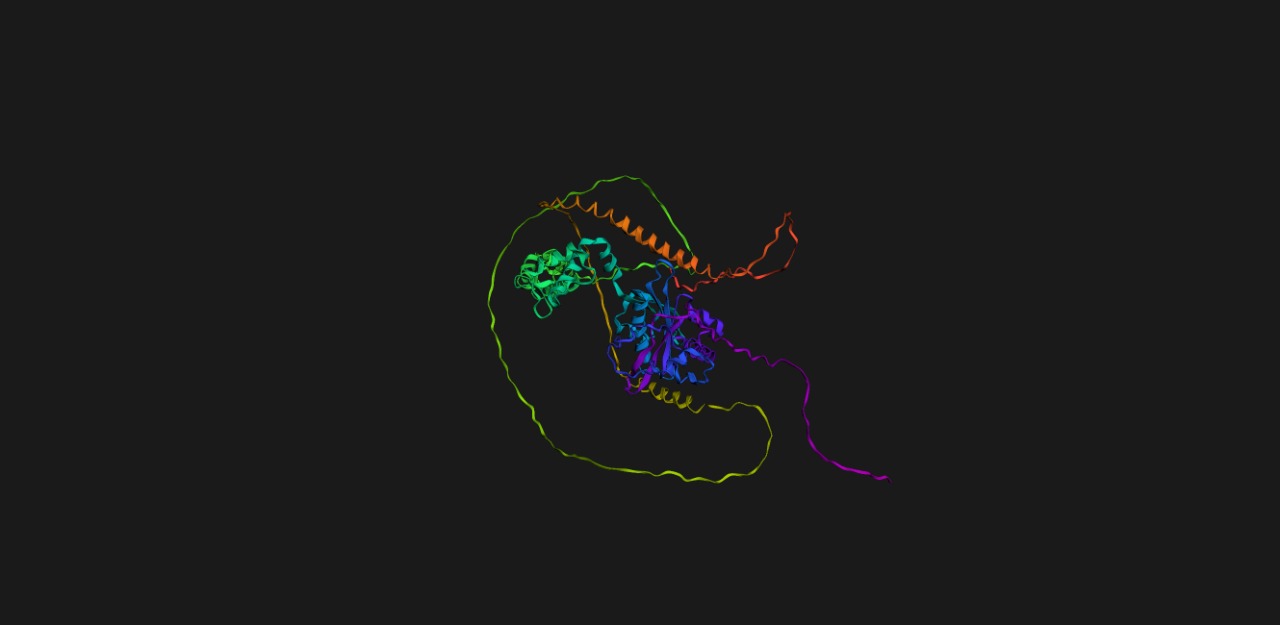
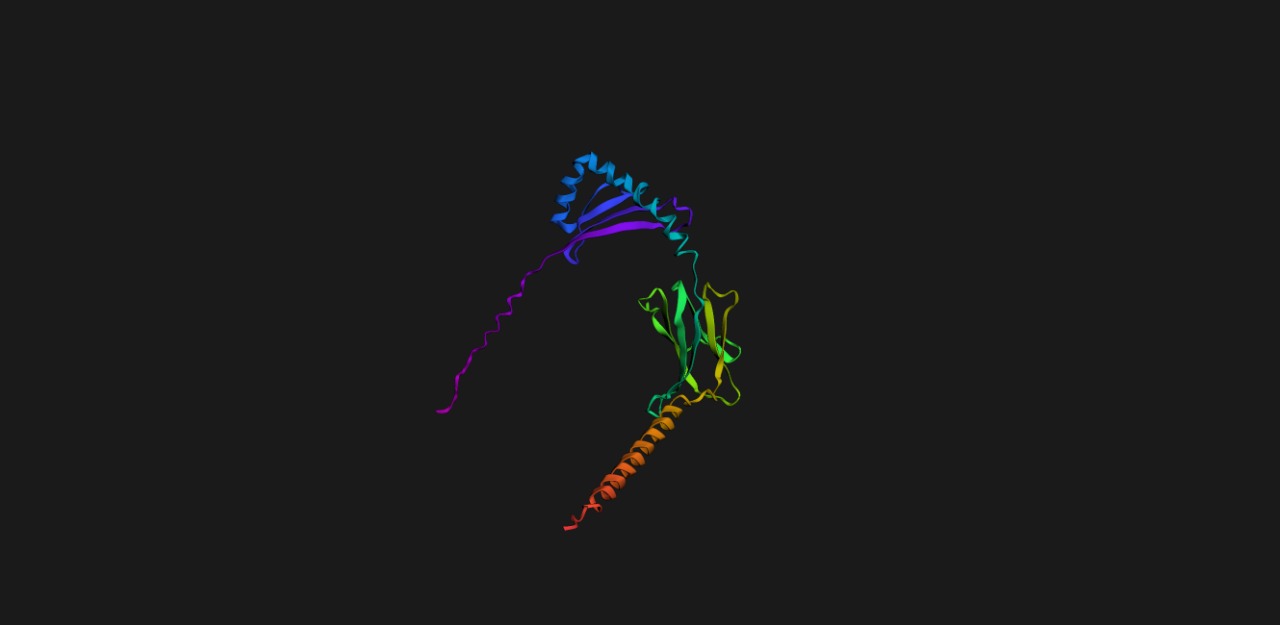
Inspiration We were inspired by the growing divide between biological education, research, and clinical application. Students often struggle to grasp complex biomolecular interactions, while clinicians face mounting challenges analyzing genetic and patient data efficiently. Aion AI was envisioned as a bridge a platform where learning, discovery, and healthcare converge through intelligent assistance and immersive molecular visualization.
What We Learned Building Aion AI demonstrated the transformative impact of artificial intelligence when deeply integrated with biological data. Our team explored how Large Language Models can interpret intricate molecular sequences, how Computer Vision can accelerate image-based diagnostics, and how real-time 3D molecular simulation enhances understanding of molecular folding and drug interactions.
How We Built It Backend: Built in Python using TensorFlow and PyTorch for deep learning.
Frontend: Implemented with React and Three.js for interactive 3D molecular visualization.
Infrastructure: Powered by scalable cloud servers for model training and molecular simulations.
Bioinformatics Integration: Developed algorithms capable of generating 3D protein structures from DNA, RNA, or amino acid sequences.
Personalization Engine: Designed a secure local memory system that remembers user history, learning style, and previous challenges, delivering personalized and adaptive support.
Voice Interface: Added natural, human-accent dialogue for truly engaging human-AI interaction.
Key Features Input biological sequences to visualize 3D molecular structures in real time.
Identify active and binding sites, and predict molecular interactions.
Upload patient reports for instant AI-generated diagnostic insights and treatment recommendations.
Experience real-time 3D simulations for deeply immersive biological learning.
All personal context is retained privately and locally to ensure seamless, secure learning continuity.
Challenges We Faced Integrating multiple AI methods including LLMs, molecular simulation, and clinical data analysis posed significant technical and architectural challenges. Achieving instant, accurate 3D rendering while ensuring security and privacy required continual tuning and optimization.
Sample LaTeX Usage Inline equation example: The area of a cell membrane segment can be represented as
A π r 2 A=πr 2 .
Display math example and scientific context: A fundamental concept in computational biology is modeling the energy landscape of protein folding. The total protein folding free energy can be represented as:
Protein Folding Energy ∑
i 1 n k i ⋅ ( Δ G i ) Protein Folding Energy= i=1 ∑ n k i ⋅(ΔG i ) Where:
n n: The number of relevant folding events or structural features
k i k i : A coefficient reflecting the energetic contribution of step i i
Δ G i ΔG i : Gibbs free energy change at step i i
Understanding and calculating this sum enables researchers to analyze protein stability, folding efficiency, and predict how proteins will behave and interact critical for drug discovery and molecular design.

Log in or sign up for Devpost to join the conversation.