-
-
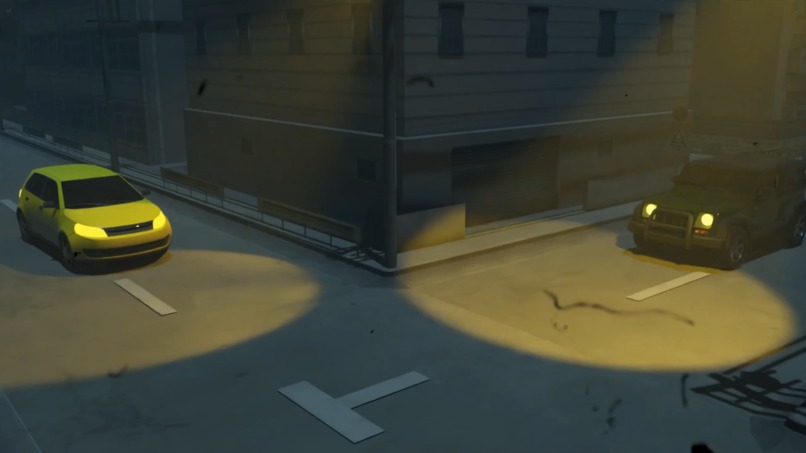
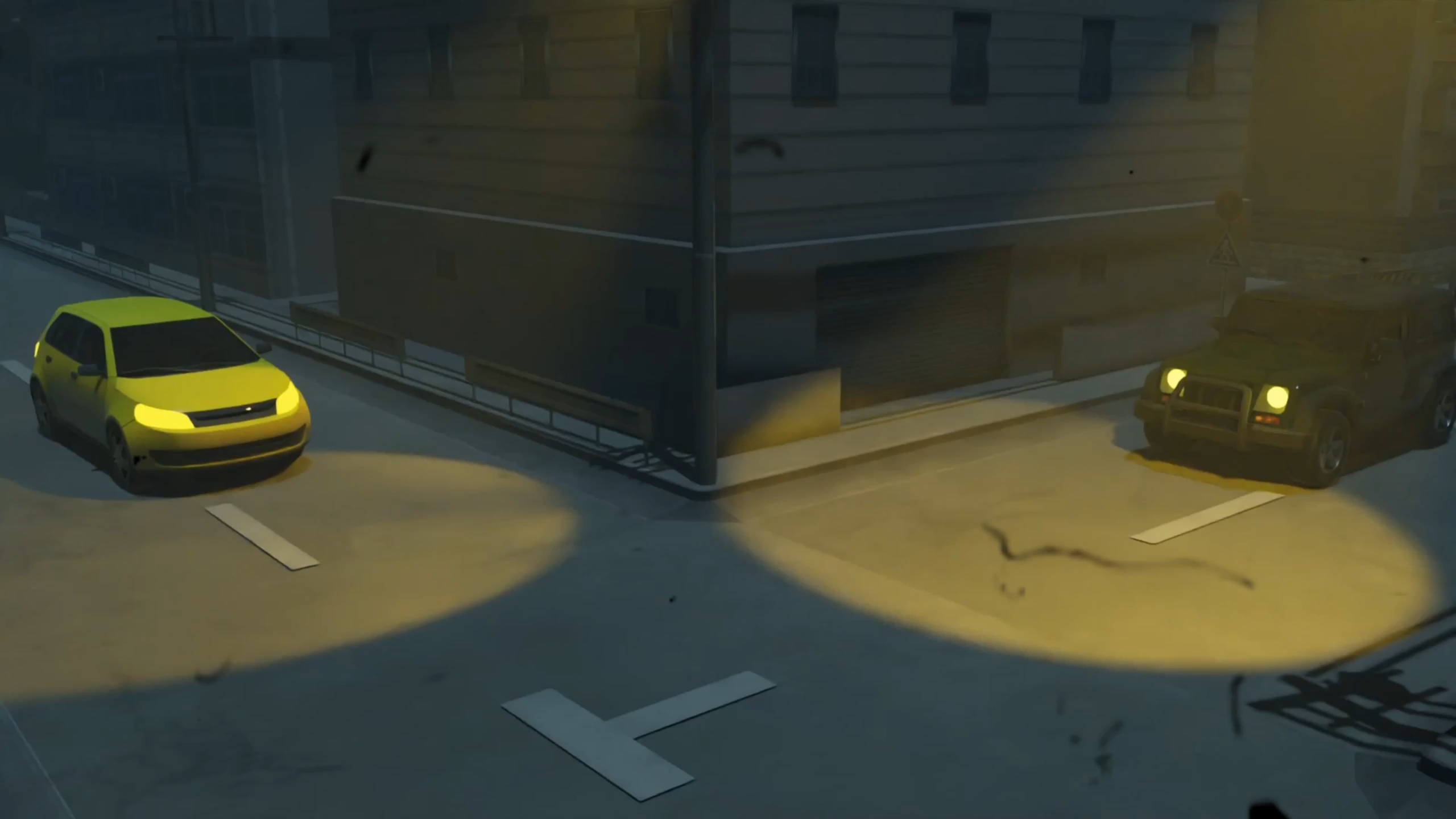
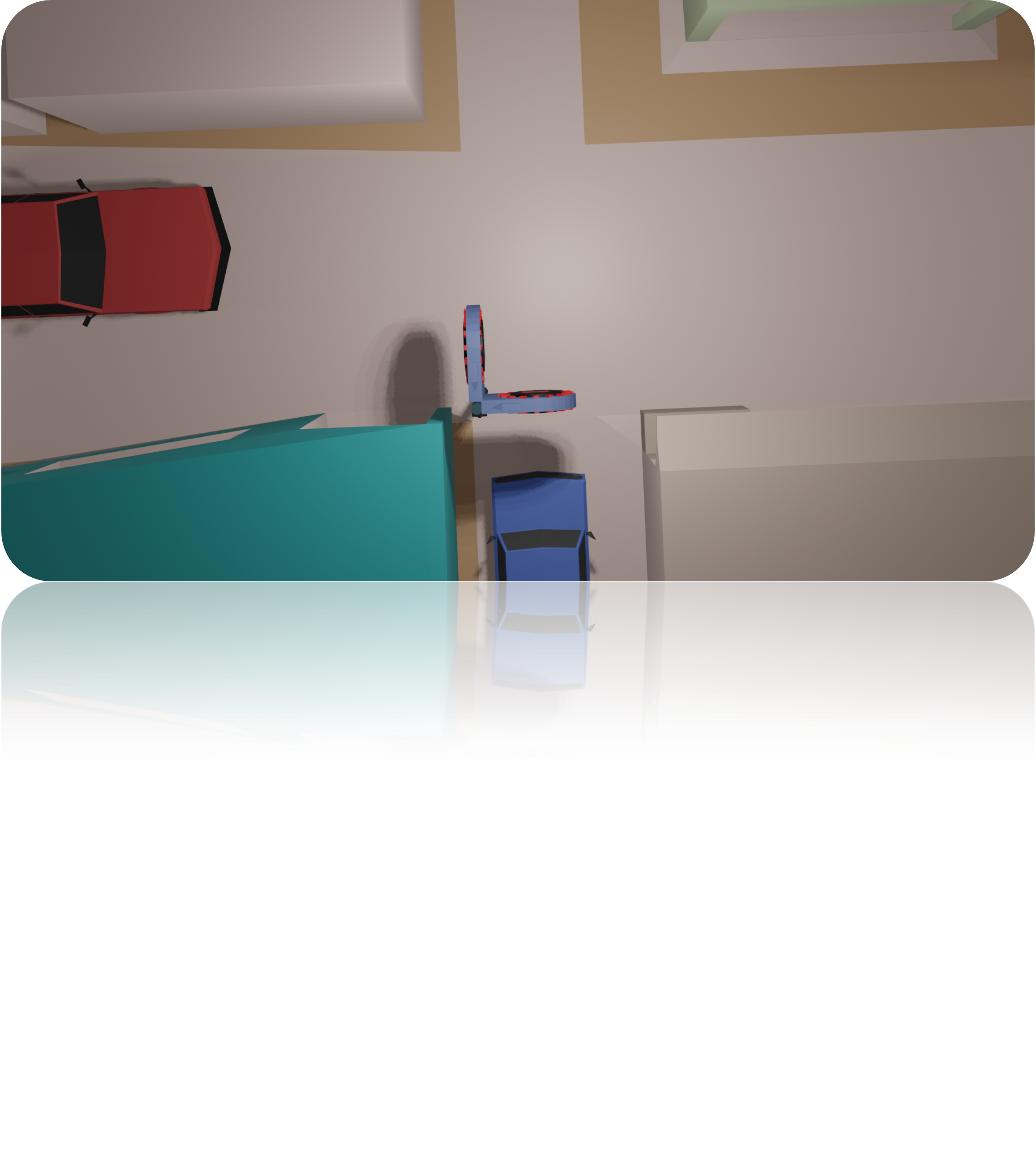
Virtual Representation of Accident scenario without Safepath ai
-
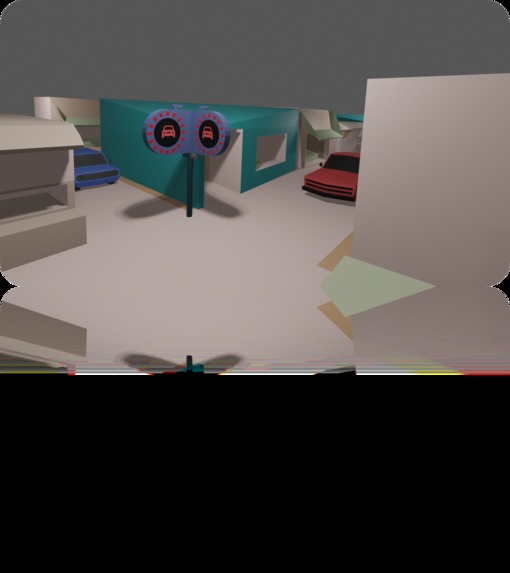
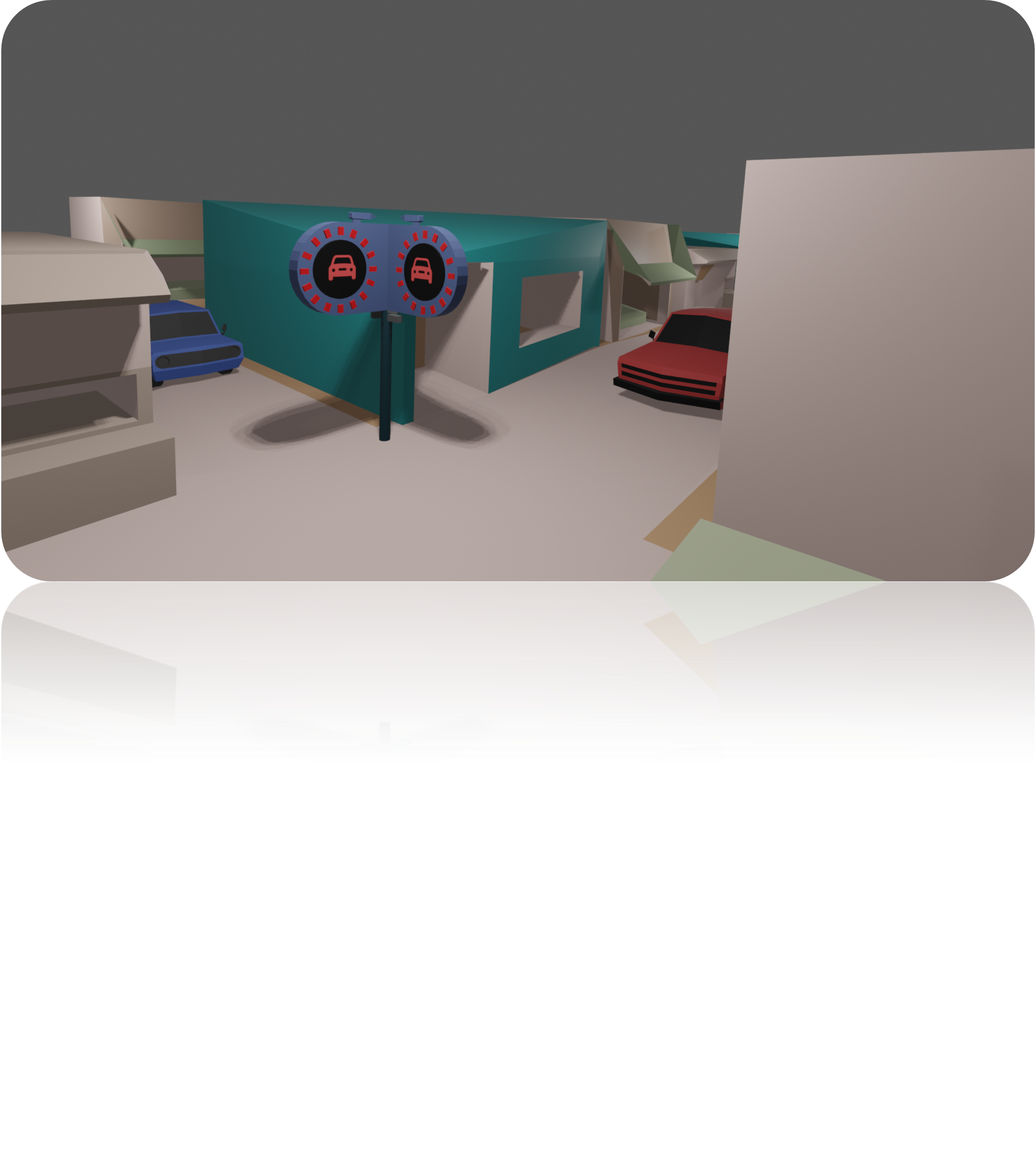
With Safepath AI
-
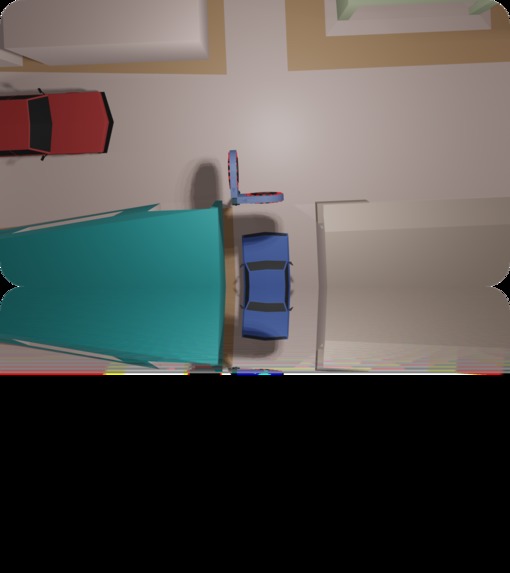
Drivers infromed
-
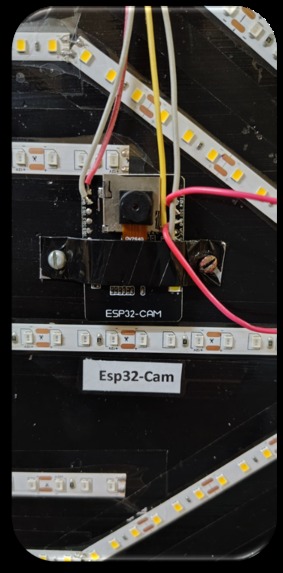
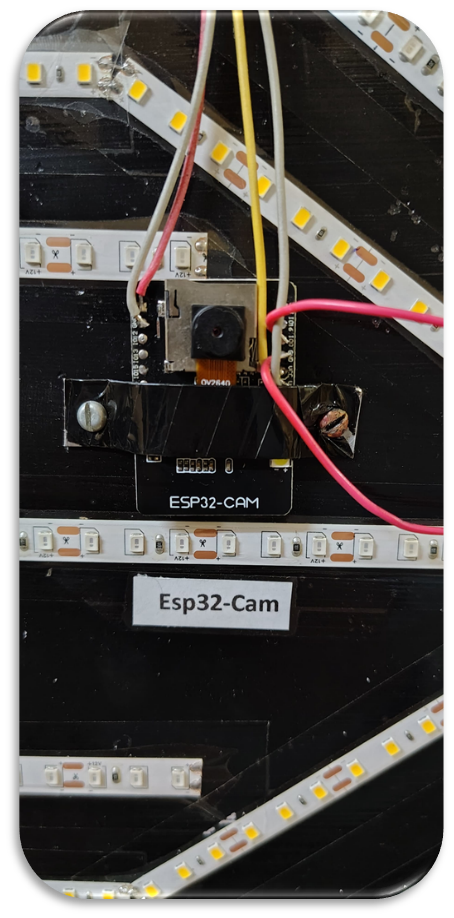
Cameras facing each roads
-
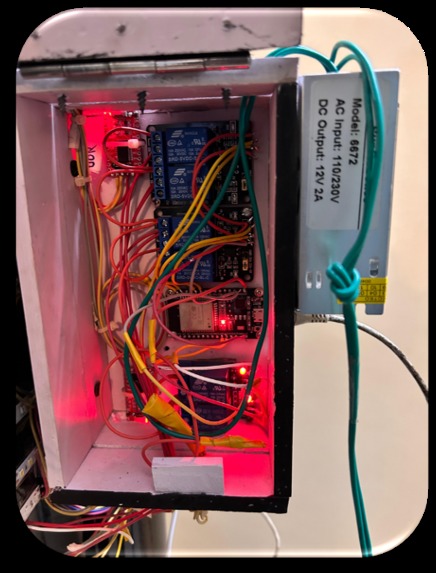
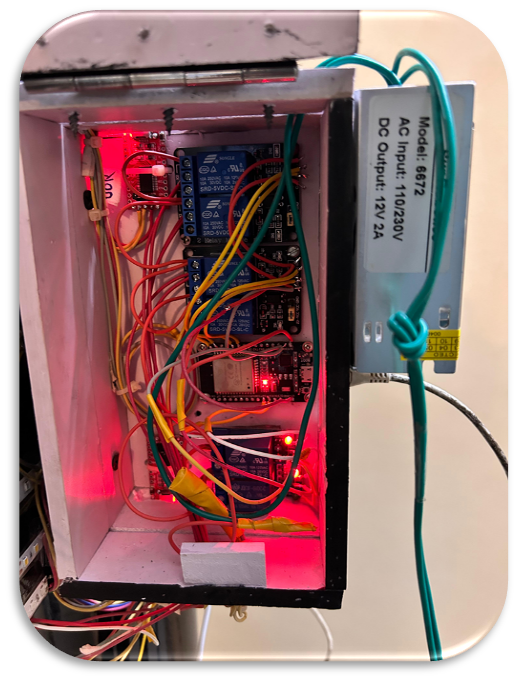
Relays, Espcam(ftdi), esp32
-
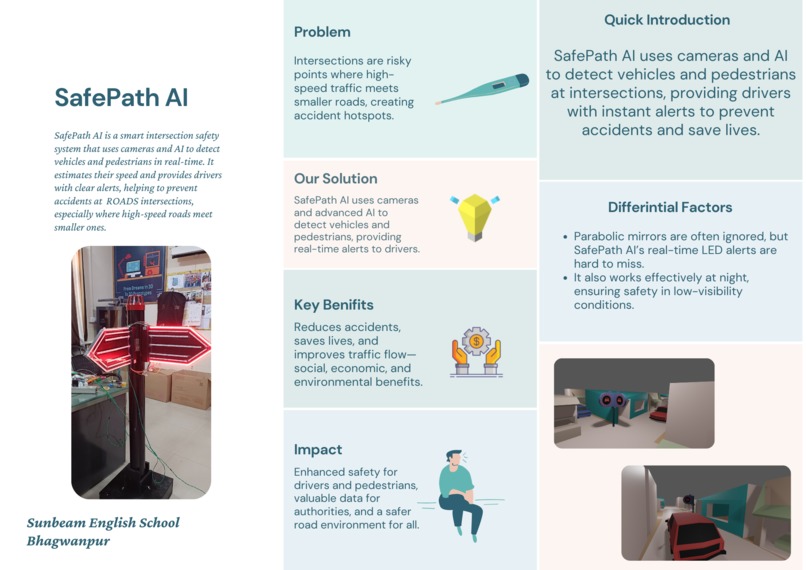
One Pager
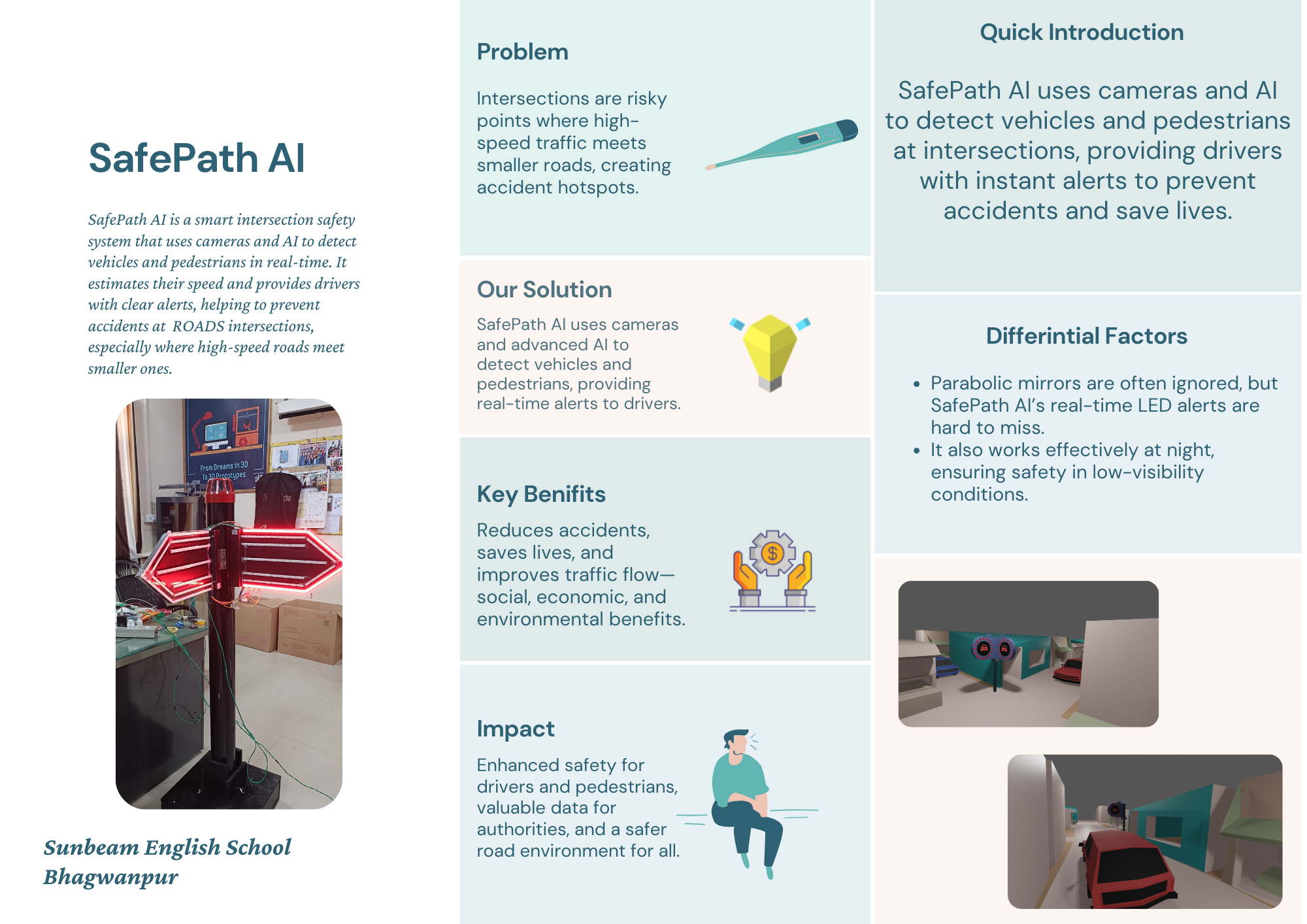
Problem: Road intersections and blind turns are some of the most dangerous spots on roads. Drivers often can’t see vehicles approaching from the other side, especially at night, in fog, or during bad weather. About 25–30% of fatal accidents occur at such intersections. Traditional tools like mirrors or signs don’t always help — they depend on the driver’s visibility and attention, which can fail under poor lighting or high-speed conditions.
Solution: SafePath AI is a smart, AI-based system that detects vehicles and pedestrians in real time, calculates their speed, and gives visual alerts through LED panels. These lights help drivers make safe decisions before entering an intersection, reducing collision risks.
How It Works: SafePath AI uses two ESP32-CAM modules running YOLO and SSD object detection models. Each camera monitors one road and tracks vehicle motion between frames to estimate speed. Based on speed, LED panels on the opposite side light up:
Green – Safe speed (slow vehicle)

Yellow – Caution (medium speed)

Red – Danger (fast vehicle – wait)
If a vehicle is coming fast from the main road, a red LED lights up on the smaller road, warning drivers to stop.
Features:
Real-time vehicle and pedestrian detection
AI-based speed tracking
Smart LED warning system
Works day and night, even in fog or rain
Collision detection that alerts nearby police or hospitals
Cost-effective and easy to install
Why It’s Different: Unlike parabolic mirrors, which only reflect and depend on visibility, SafePath AI actively detects, analyzes, and alerts drivers in real time. It works automatically in all conditions and gives clear, color-coded warnings, making it more accurate and dependable.
Inspiration
We were inspired by the high number of accidents at blind intersections that could be avoided with smarter technology. Seeing how small changes can save lives motivated us to create SafePath AI — where AI meets the road.
How we built it
We used ESP32-CAM modules for video input and trained YOLO + SSD models for object detection. The system calculates speed using frame-to-frame tracking in Python, then triggers LED panels through programmed thresholds. It contains relays to control led light strips, ESP32 as microcontroller. Safepath AI serves as client connected to a hosted server for AI processing.
Challenges we ran into
Making the system accurate on low-cost hardware.
Synchronizing real-time detection with LED response.
Testing safely without using real cars.
Accomplishments that we’re proud of
Built a working prototype with real-time object detection.
Achieved smooth speed tracking and LED alerting.
What we learned
We learned how AI and embedded systems can work together to solve real-world problems. We also gained hands-on experience in computer vision, hardware communication, and system integration. We learned how to do server side processing.
What’s next for SafePath AI
We plan to test SafePath AI on real intersections, integrate it with smart traffic lights, and add cloud connectivity for data logging. Future updates will include solar power support, and vehicle-to-vehicle communication for smarter roads.

Log in or sign up for Devpost to join the conversation.