-
-
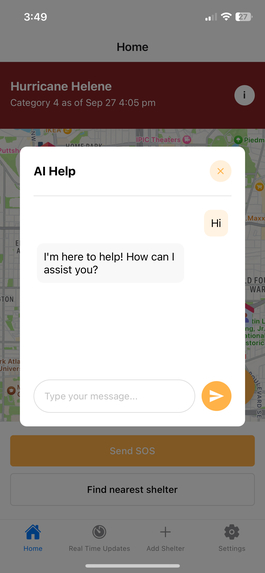
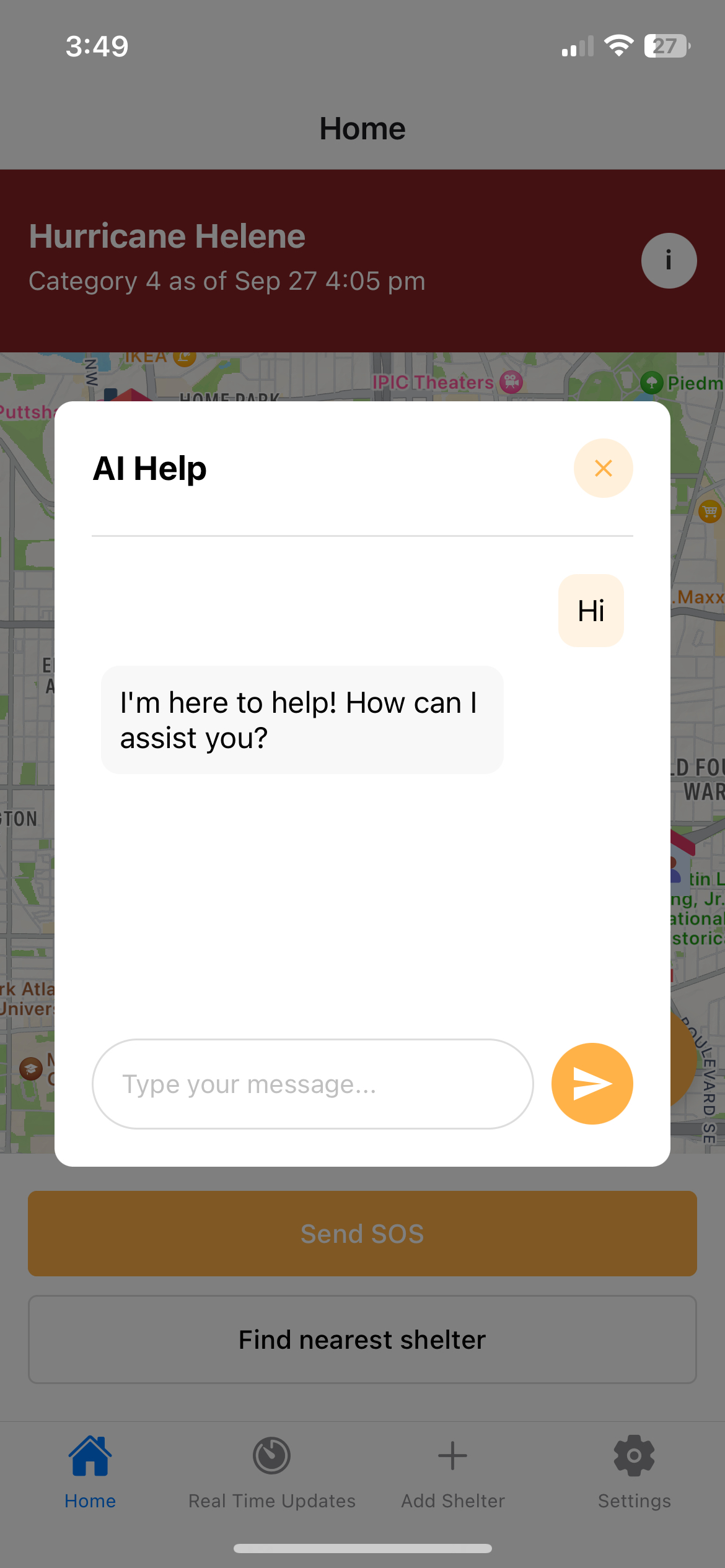
AI Chatbot
-
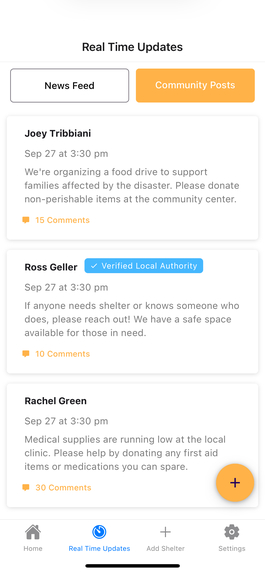
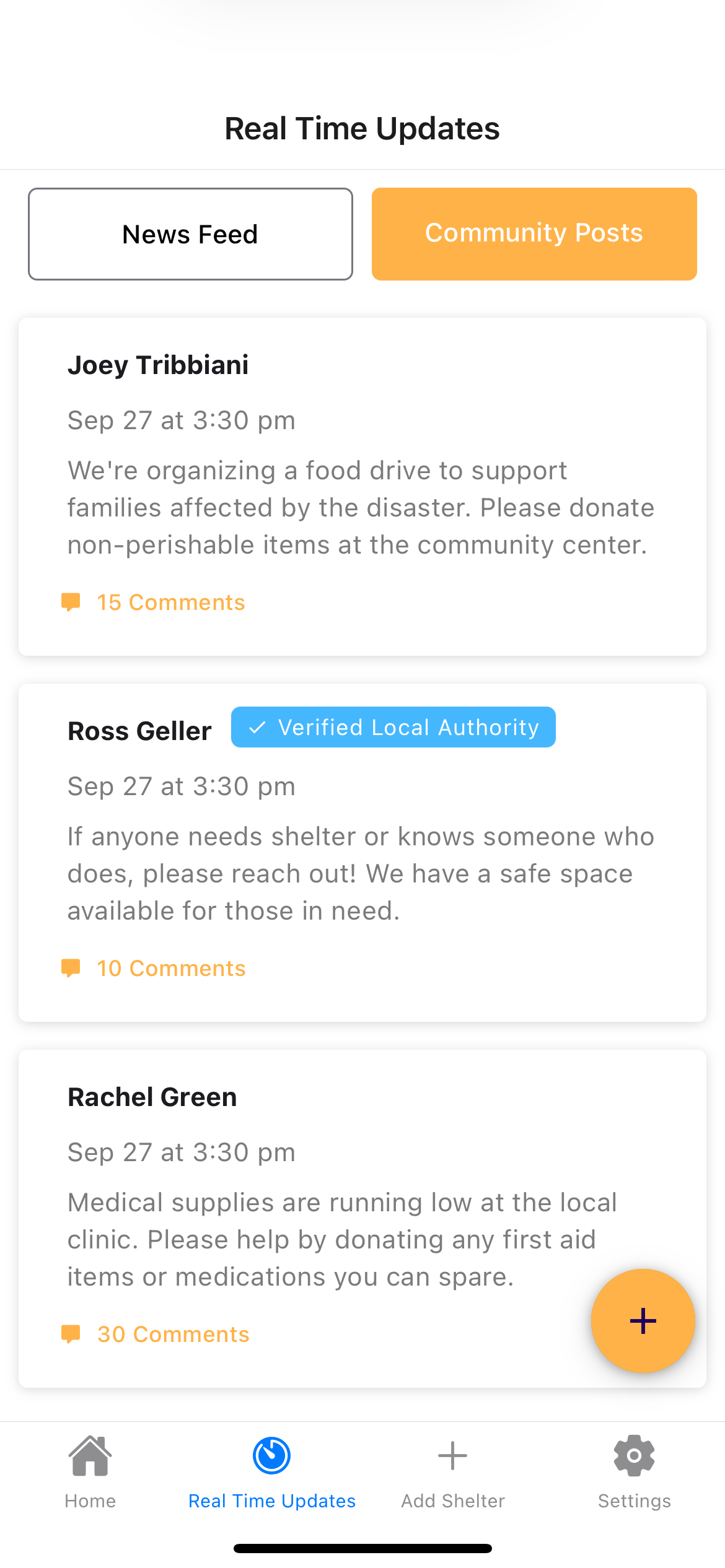
Community Posts
-
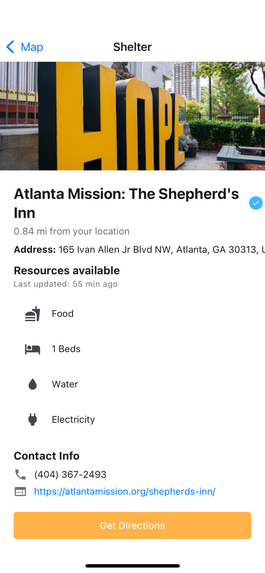
Resource Availability
-
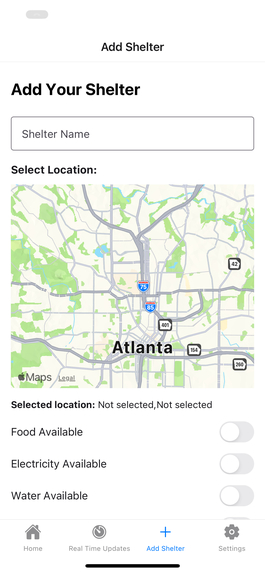
Add a Shelter
-
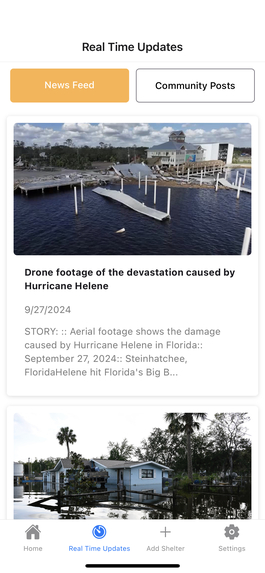
Real Time Updates
-
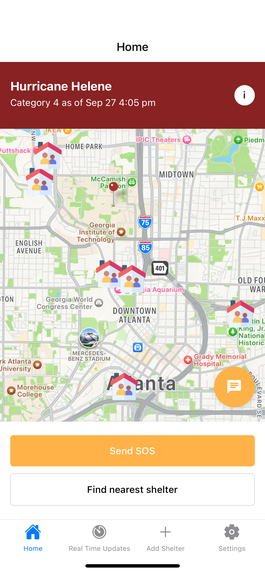
Homepage
Inspiration
Hurricane Helene really opened our eyes to how unprepared people can be during natural disasters. It wasn’t just about the damage; it was seeing so many people struggle to find shelter, food, or even just a way to let their families know they were safe. It made us realize there’s a huge gap when it comes to providing real-time, accurate information to those in need. We didn’t want people to feel that lost and helpless again, so we built SafeHaven with the goal of giving people a clear and reliable source of help right when they need it most.
What it does
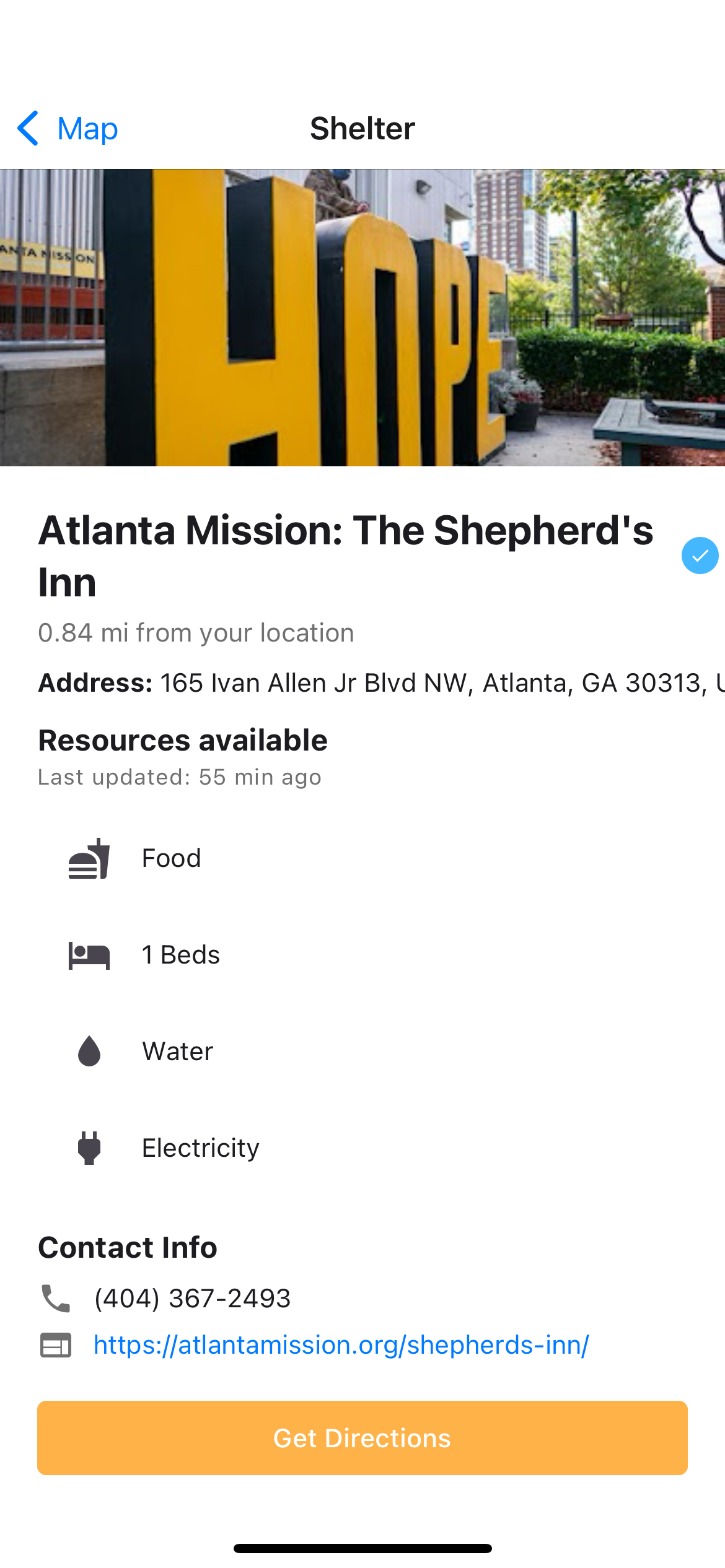
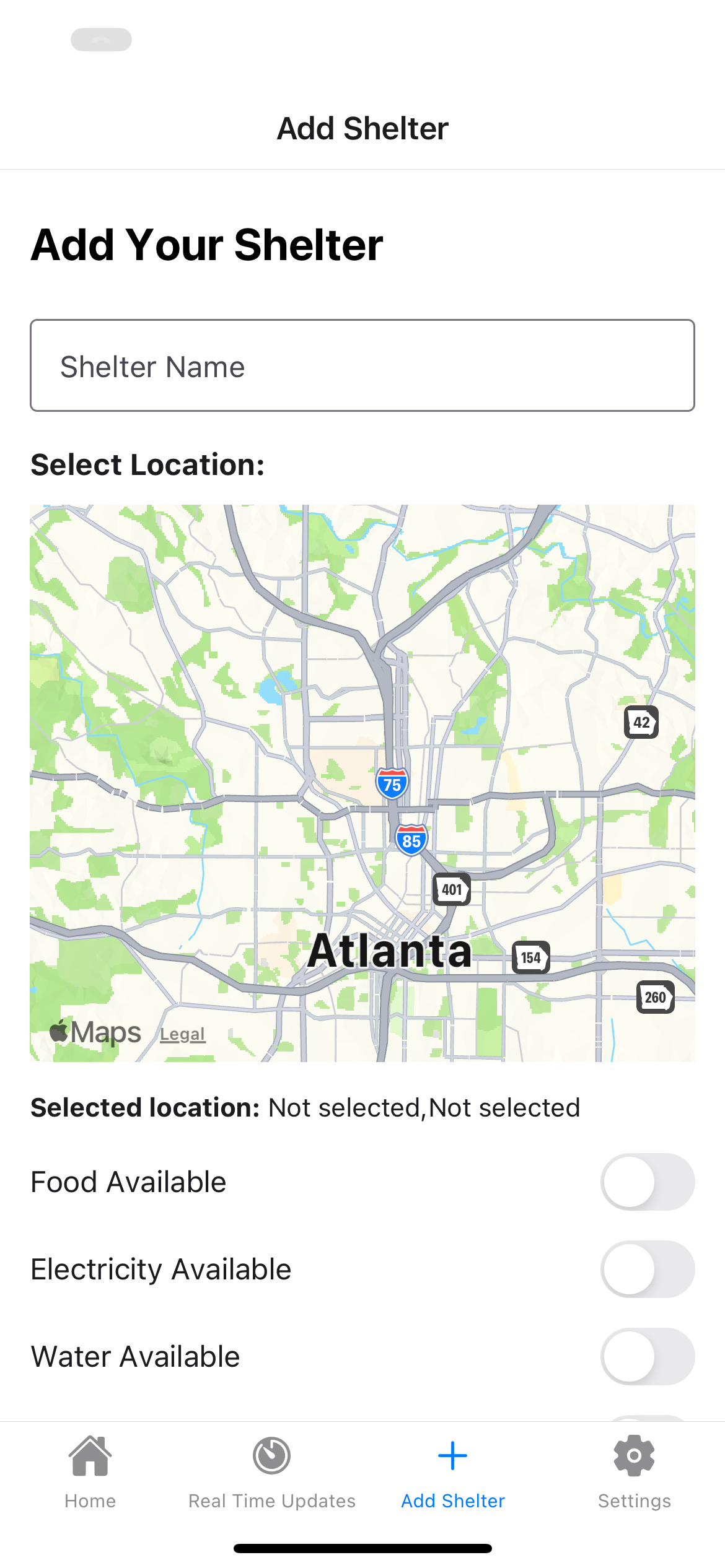
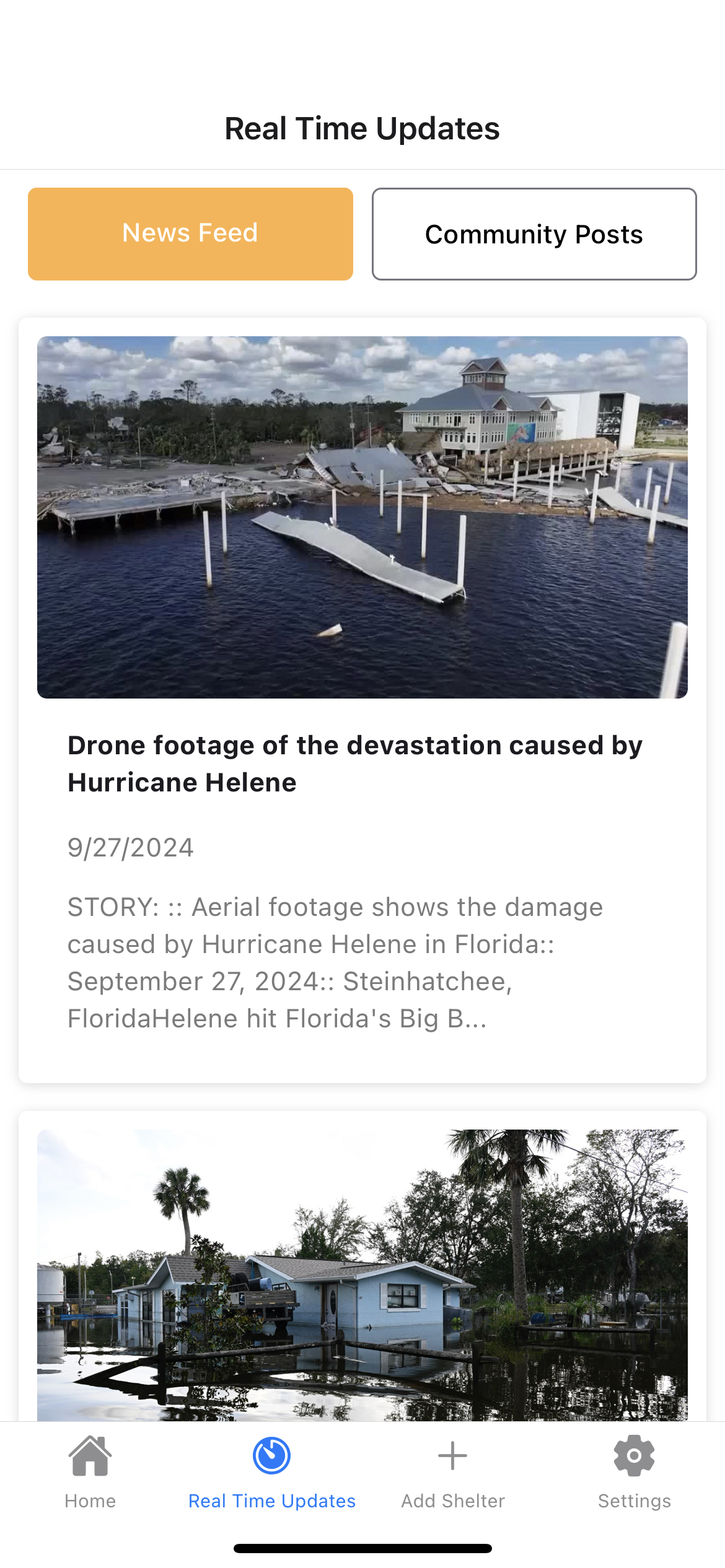
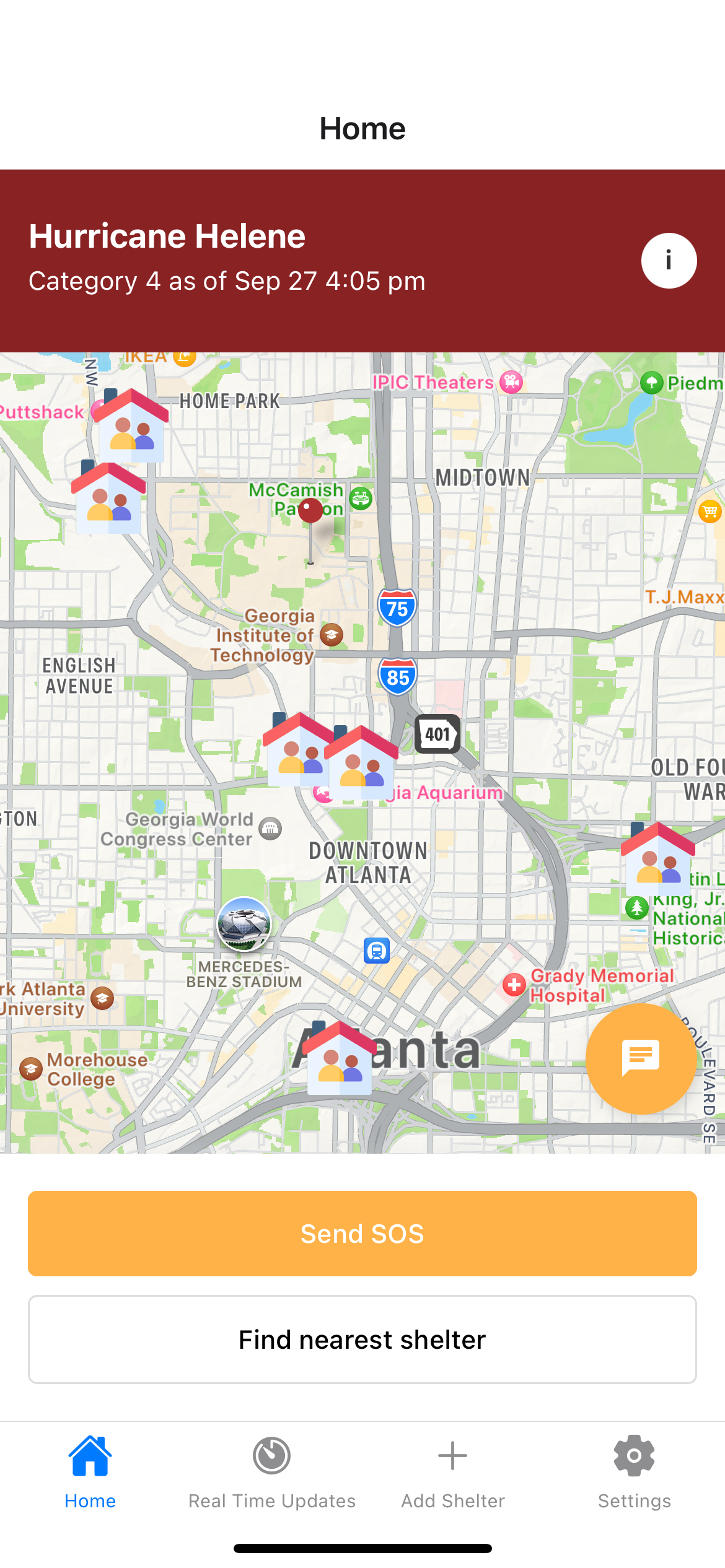
SafeHaven acts as your go-to guide during a disaster. It connects you to nearby shelters with real-time info on available beds, food, water, and medical supplies, so you’re not wasting precious time searching. It also provides live alerts about what's happening around you—think road closures, evacuation routes, and weather updates. Plus, SafeHaven has a built-in communication hub, which means you can quickly check in with your community or find out about volunteer efforts in your area. It’s more than just an app; it’s a lifeline that keeps you connected and informed when you need it most.
How we built it
We started with Django for the backend since it's reliable and scalable, and we needed something that could handle real-time data updates without lag. For the frontend, we chose React Native because we wanted the app to be available on both iOS and Android, and it gave us the flexibility to make quick updates. We also implemented geolocation services through the Google Places API to pinpoint exactly where shelters and resources are located relative to the user.
Challenges we ran into
One of the toughest challenges was ensuring that the information we provided was always accurate and up-to-date. Natural disasters are unpredictable, and things change quickly, so it wasn’t just about building an app, it was about building something that could adapt in real-time. Implementing the APIs to get real-time updates was a complex task. We had to carefully integrate services like WeatherAPI to pull in data about ongoing weather conditions, disaster warnings, and alerts and set up databases to handle the specific information about the nearby shelters.
Accomplishments that we're proud of
We’re genuinely proud of creating something that has the potential to make a real difference during disasters. It wasn’t just about coding or getting the tech right, it was about creating a platform that could actually help people when they’re at their most vulnerable. Seeing SafeHaven successfully pull in real-time data, update users on shelter availability, and allow them to communicate with others was a huge win for us.
What we learned
This project taught us a lot about building technology that can handle unpredictable and high-pressure situations. We learned the importance of redundancy and having backup systems in place, because when it comes to natural disasters, there’s no room for downtime or delays. We also gained a deeper understanding of how to integrate multiple APIs efficiently and how to optimize user experience under stressful conditions. More than anything, though, we learned that technology can be a powerful tool for good when it's designed with empathy and real-world challenges in mind.
What's next for SafeHaven
We have big plans for SafeHaven. Next, we want to partner with local authorities and organizations in disaster prone areas to improve the accuracy of our data, making sure every shelter listing is verified and up-to-date. We’re also working on adding features like real-time mapping of disaster zones to keep users updated on hazardous areas and ensuring safer evacuation routes. Additionally, we’re developing an AI-powered chatbot that will provide personalized safety advice and recommend nearby shelters based on available space and resources. We want to prove SafeHaven can be a reliable resource no matter how bad the situation gets.

Log in or sign up for Devpost to join the conversation.