Inspiration
Cyberattacks are becoming smarter with AI-powered phishing, deepfakes, fake Wi-Fi networks, and social engineering scams. Most people only learn about these threats after becoming victims. We wanted to create a platform that safely simulates real-world cyberattacks so users can experience, understand, and defend against them before actual attackers strike.
What it does
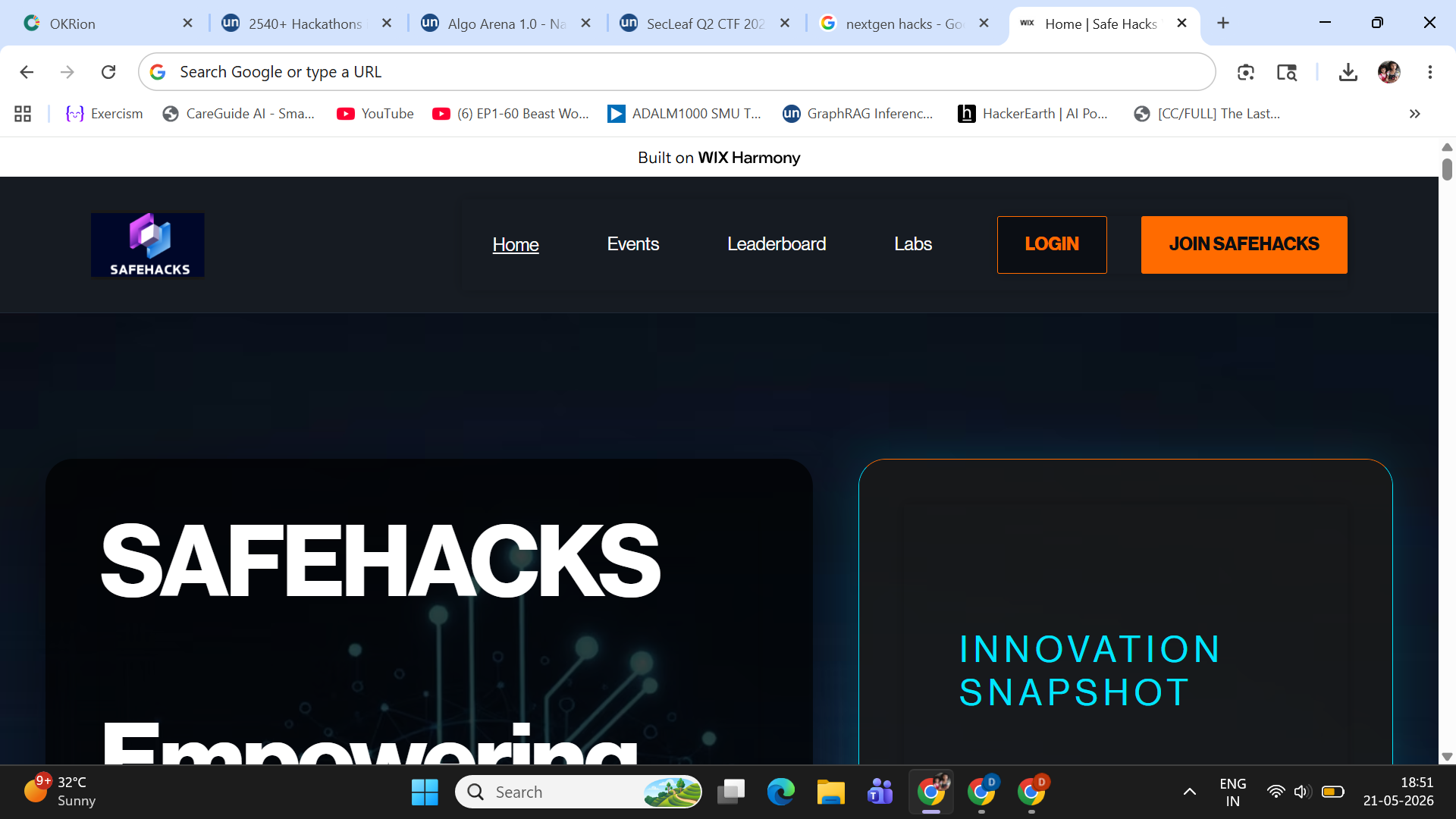
SafeHacks is an AI-powered cybersecurity awareness and attack simulation platform. It demonstrates common cyber threats in a safe, controlled environment and teaches users how to recognize and prevent them.
Features include:
- AI-generated phishing simulations
- Fake Wi-Fi attack demonstrations
- Malware behavior visualization
- Scam and deepfake detection
- Real-time threat awareness dashboard
- Security training through interactive demos
The goal is to help students, employees, and organizations improve cyber awareness through hands-on experience.
How we built it
We built SafeHacks using:
- Frontend: React / Next.js for the interactive dashboard
- Backend: Node.js + Express
- AI Integration: OpenAI APIs for phishing and scam simulation
- Database: Firebase / MongoDB
- Cybersecurity Tools: Python scripts and sandboxed environments for safe demonstrations
- Visualization: Charts and real-time attack monitoring dashboards
We focused on creating realistic attack simulations while ensuring everything remained fully isolated and ethical.
Challenges we ran into
- Creating realistic attack simulations without introducing actual security risks
- Balancing educational value with ethical boundaries
- Handling AI-generated phishing content responsibly
- Building sandboxed environments for malware visualization
- Integrating multiple tools and APIs within limited hackathon time
Accomplishments that we're proud of
- Successfully built a working prototype with live attack simulations
- Created an engaging and educational cybersecurity experience
- Integrated AI into cybersecurity awareness training
- Designed a clean, interactive dashboard for demonstrations
- Built a project that is both technically impressive and socially impactful
What we learned
- Ethical cybersecurity development requires careful planning and safeguards
- AI can be both a cybersecurity threat and a powerful defense tool
- User awareness is often the weakest point in security systems
- Real-world attack simulations are far more effective than traditional training methods
- Team collaboration and rapid prototyping are critical during hackathons
What's next for SafeHacks
- Add real-time phishing email analysis
- Expand deepfake voice and video detection
- Create enterprise cybersecurity training modules
- Launch browser extensions for live threat warnings
- Add gamified learning and leaderboard systems
- Deploy SafeHacks as a cloud-based cybersecurity awareness platform for schools and organizations

Log in or sign up for Devpost to join the conversation.