-
-
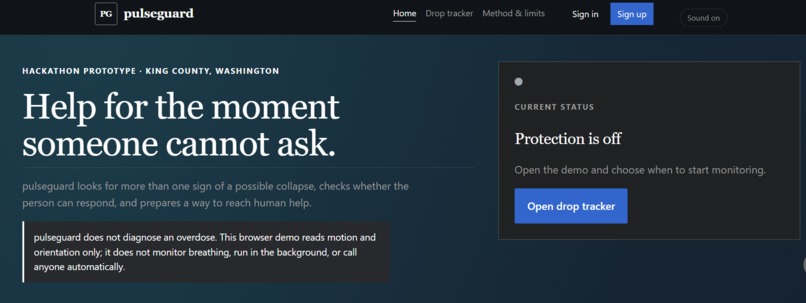
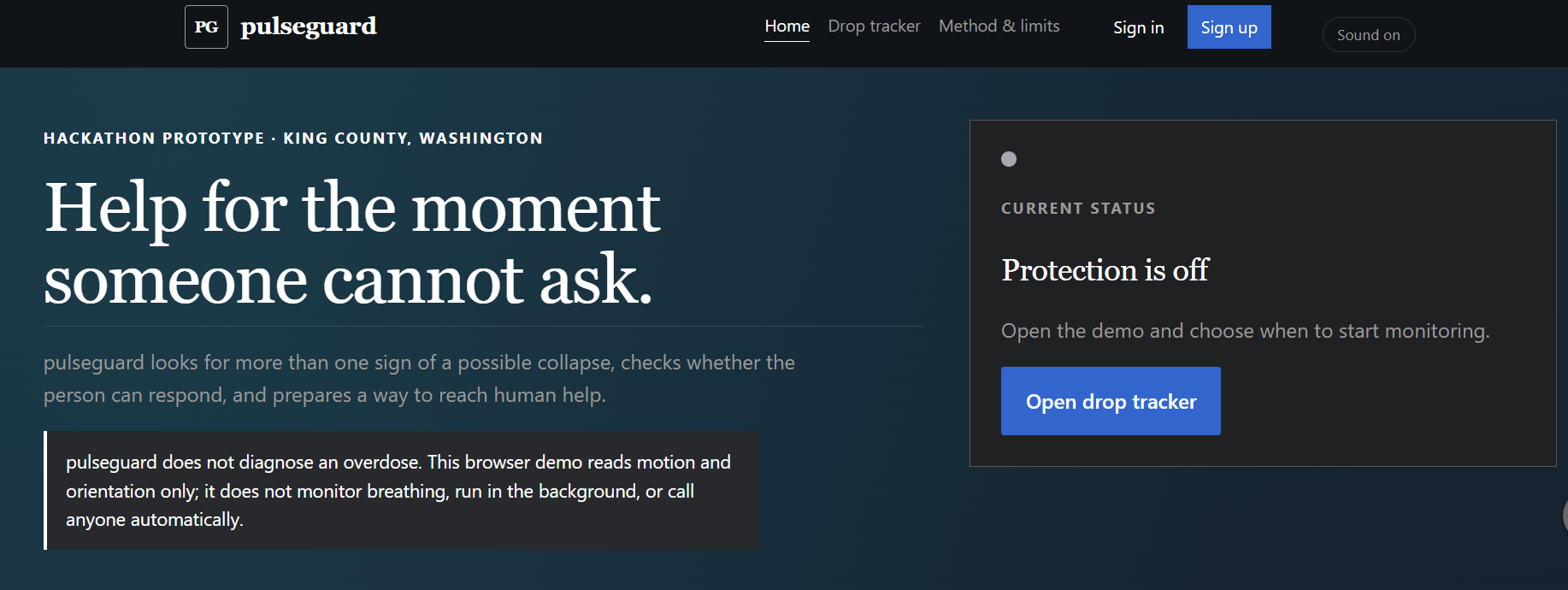
Website
-
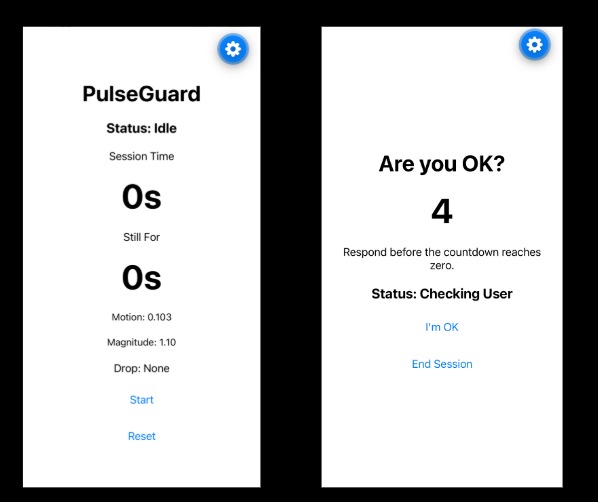
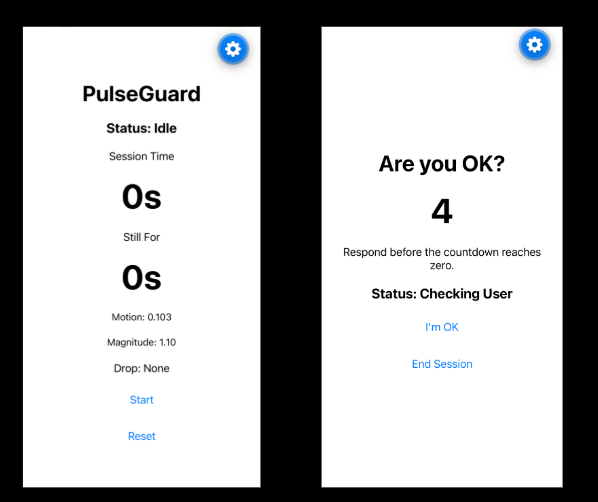
App
Inspiration
My cousin's uncle died from a drug overdose while driving, and it truly impacted our family.
What it does
PulseGuard is designed to respond to that problem by monitoring for possible warning signs, helping locate nearby naloxone resources, and starting an emergency response when needed. It is especially intended for people who may be at higher risk of overdose, including people who use substances regularly or are experiencing dependence. PulseGuard does not make drug use safe — it simply adds another layer of protection if something goes wrong.
How we built it
We utilized a multi-step framework system that encompasses various factors through our designated approach. For example, VS Code was something that we initialized from the start, as well as using ChatGPT to review our mistakes while troubleshooting the layers of the website and app.
Challenges we ran into
We initially were not too familiar with the coding database, so it took a bit of time to understand the framework of the research and leveraging that towards a coding standpoint.
Accomplishments that we're proud of
For the app, we are proud that it actually is able to detect the motion of someone when they fall due to a drug overdose. For the website, we are proud that it allows the user to take the next step of getting help after the fall.
What we learned
We learned how to work together, delegate work authentically, and solve this problem, as well as forcing our thinking towards a public-safety standpoint.
What's next for SafeGuard
Hopefully we can pitch this as an actual app towards investors, and bring it up with mayors of congress within the East King County region.

Log in or sign up for Devpost to join the conversation.