-
-
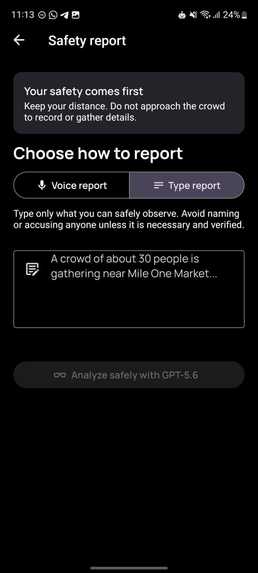
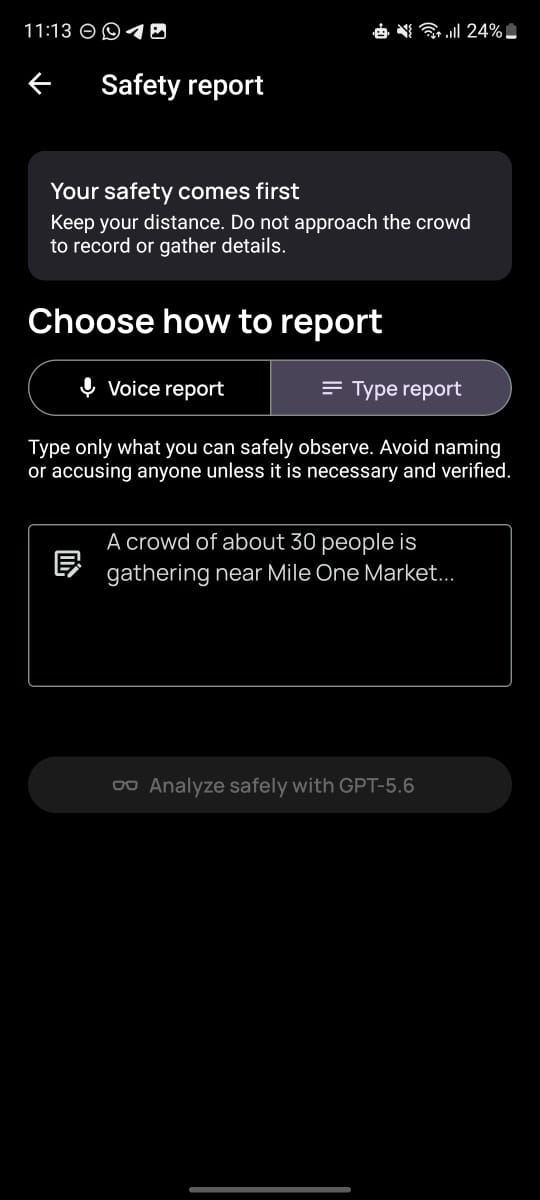
Text Report Screen
-
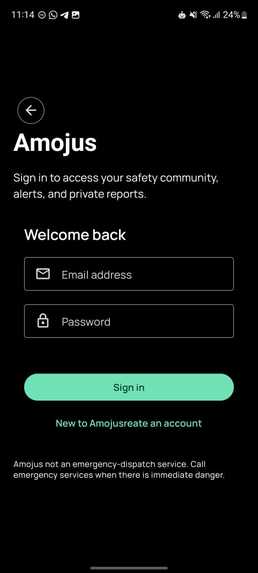
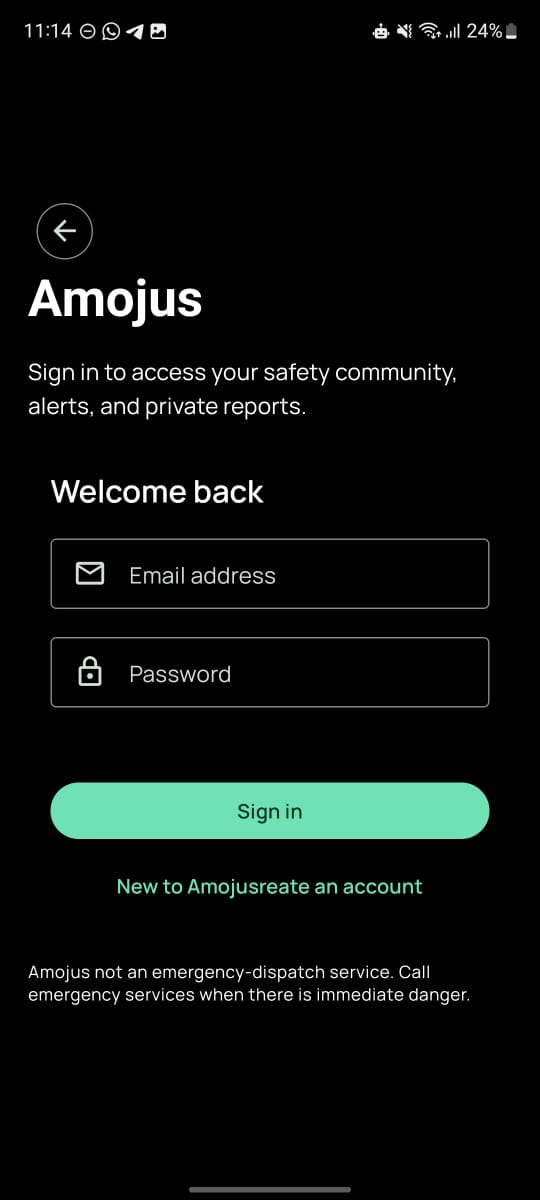
Login Screen
-
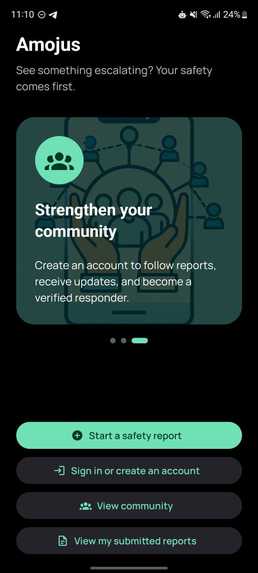
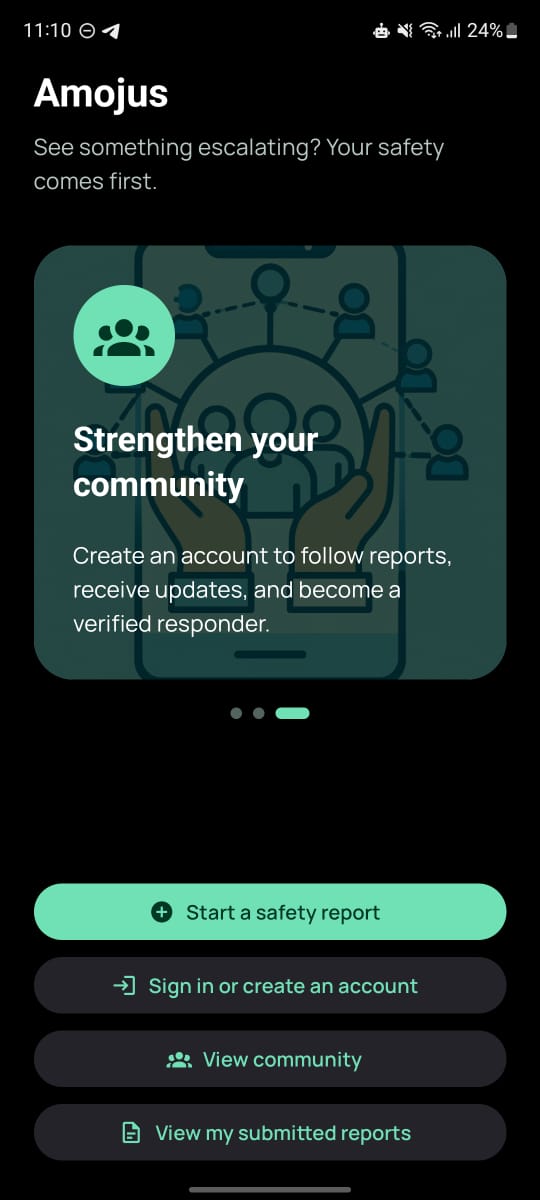
Welcome screen
-
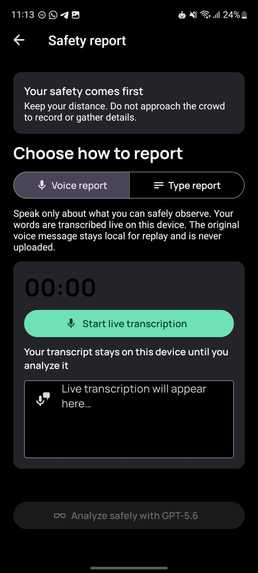
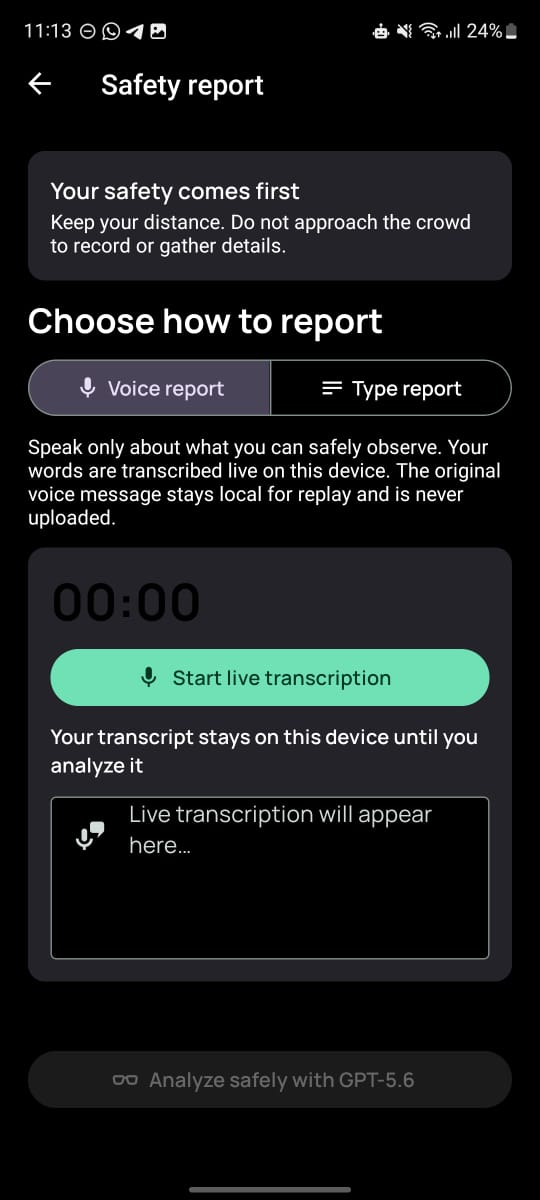
Voice Message Report screen
-
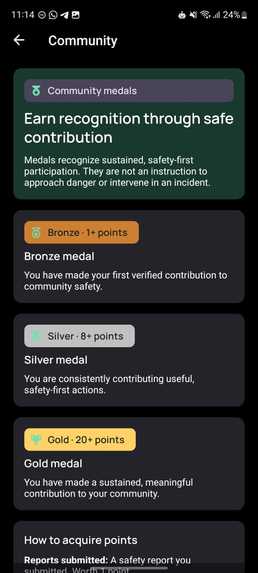
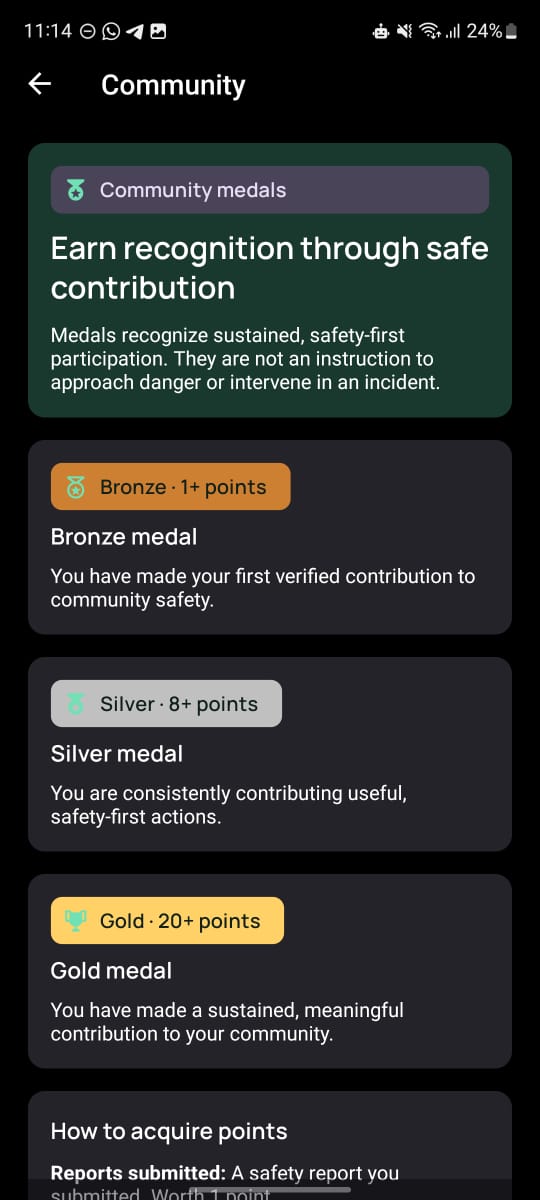
Community Learning Screen
-
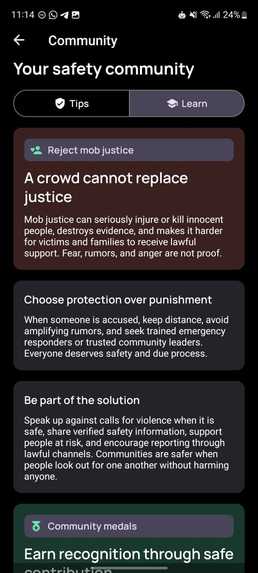
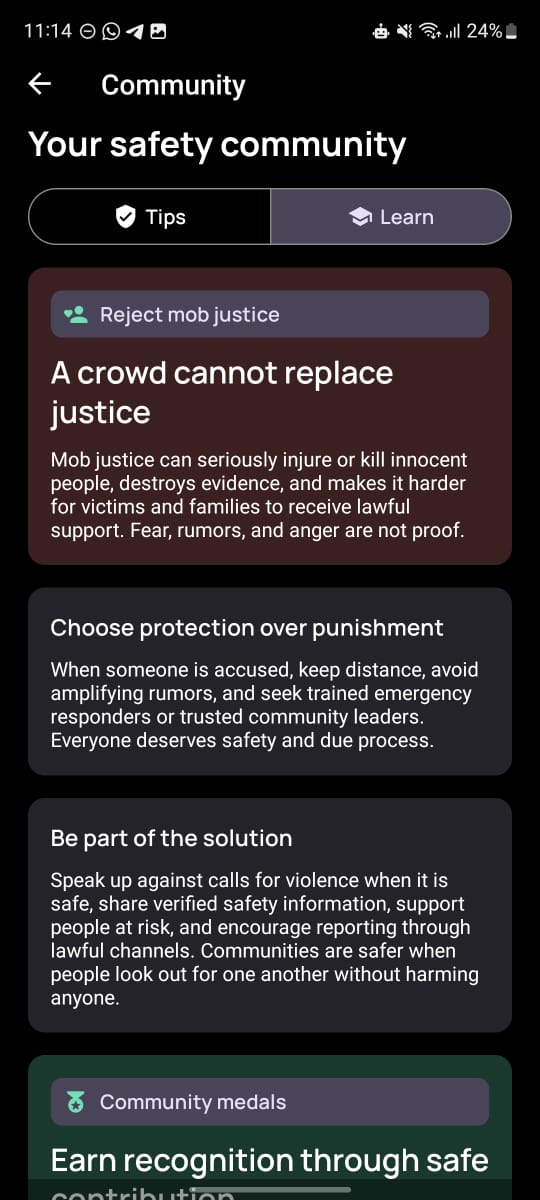
Community Learning Screen
-
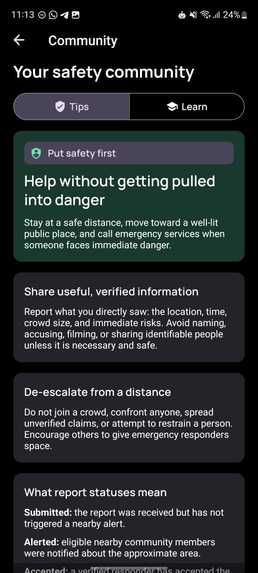
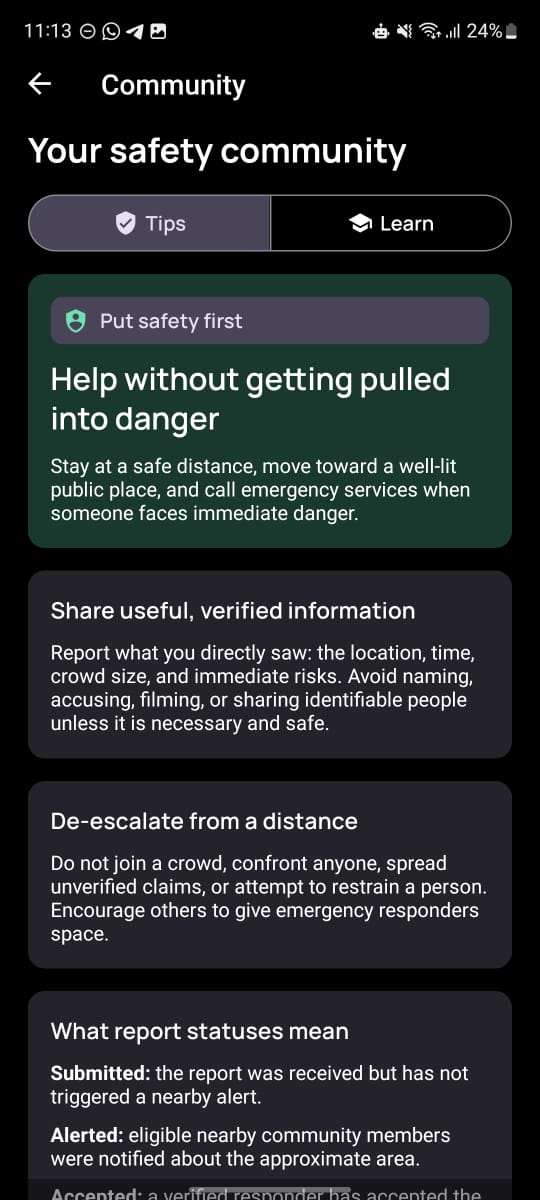
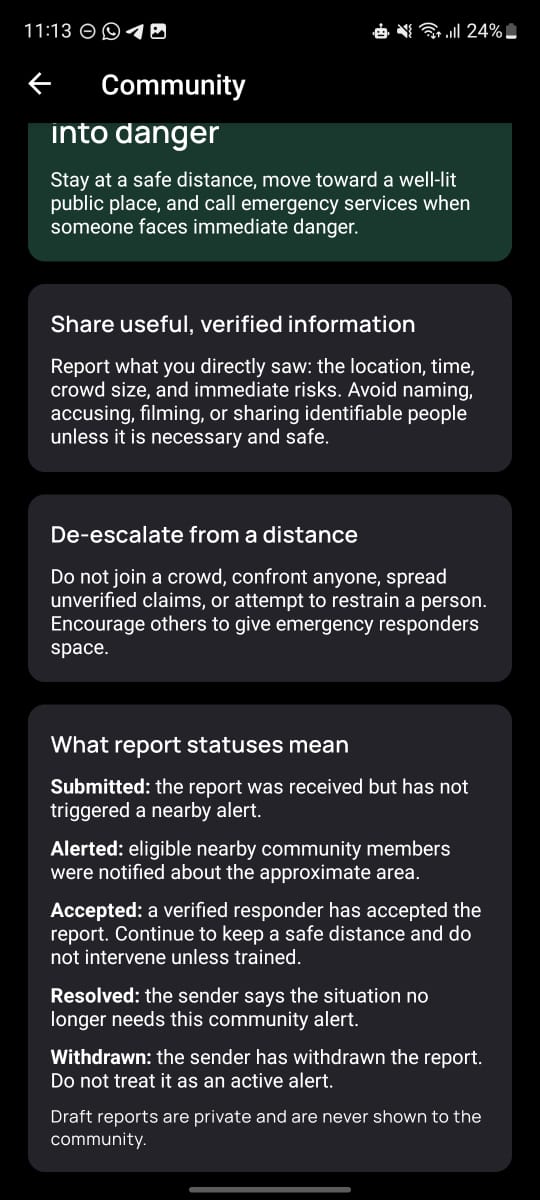
Community Tips Screen 1
-
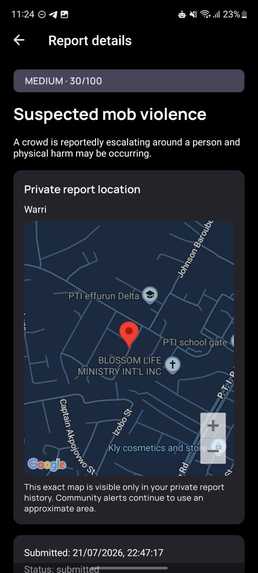
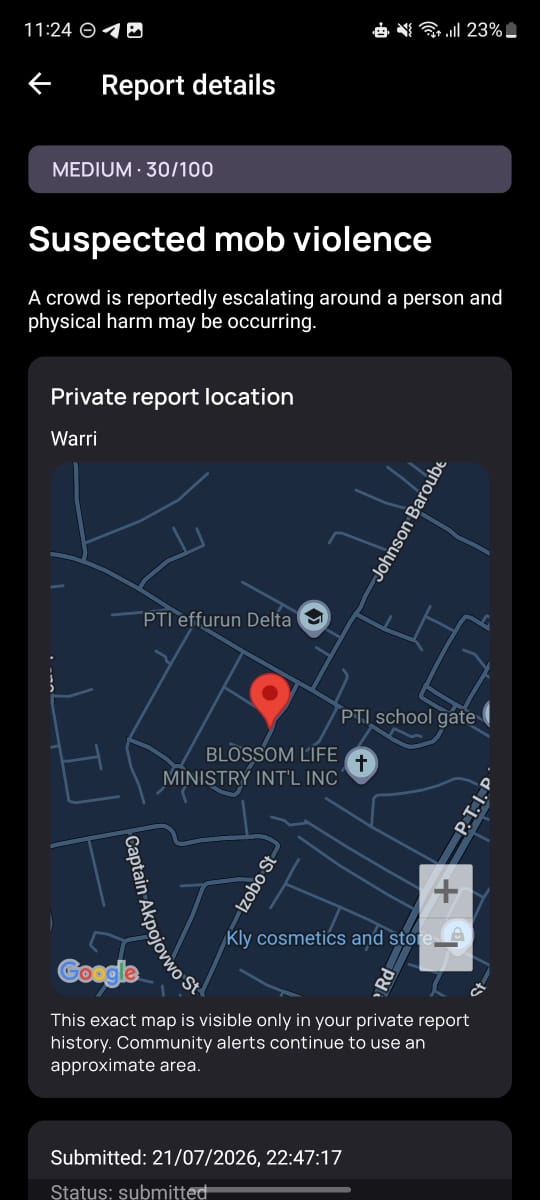
Report detail screen
-
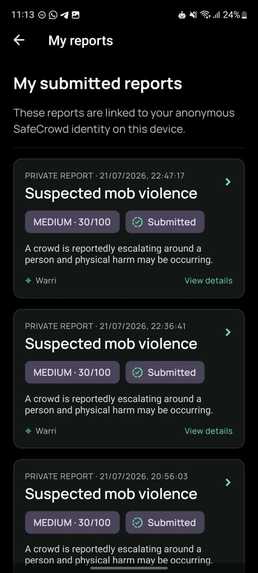
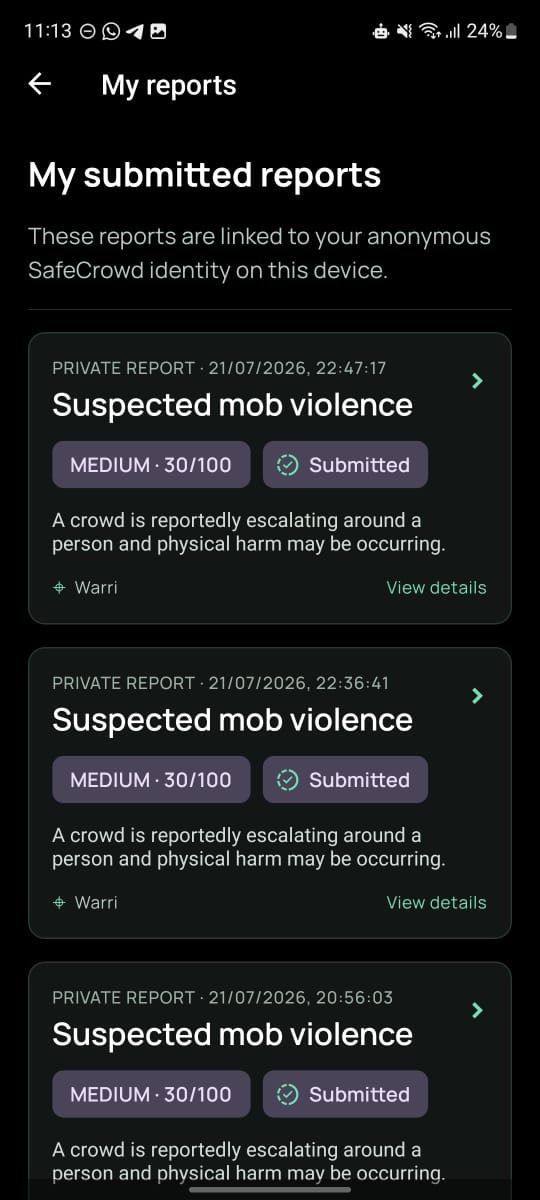
User Submitted Reports
-
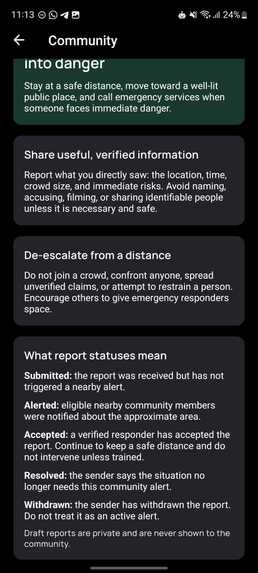
Community Tips Screen 2
-
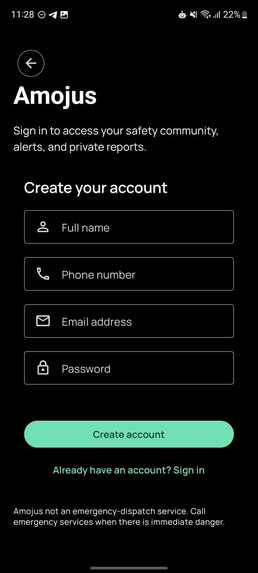
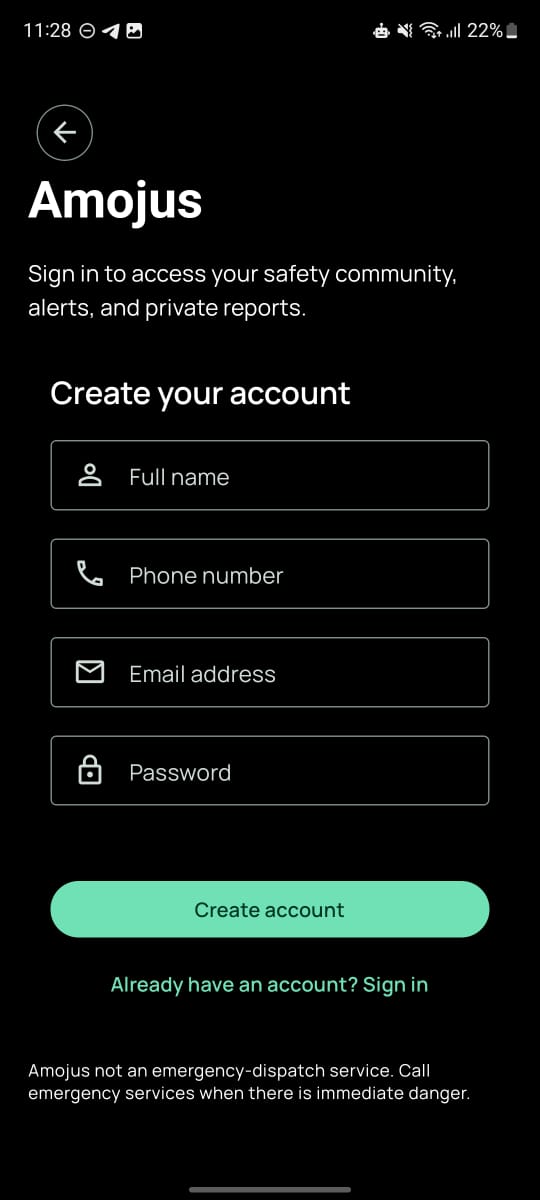
Sign up Screen
-
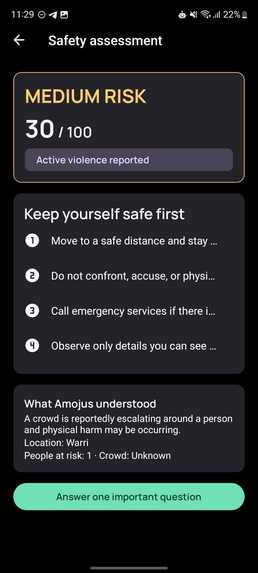
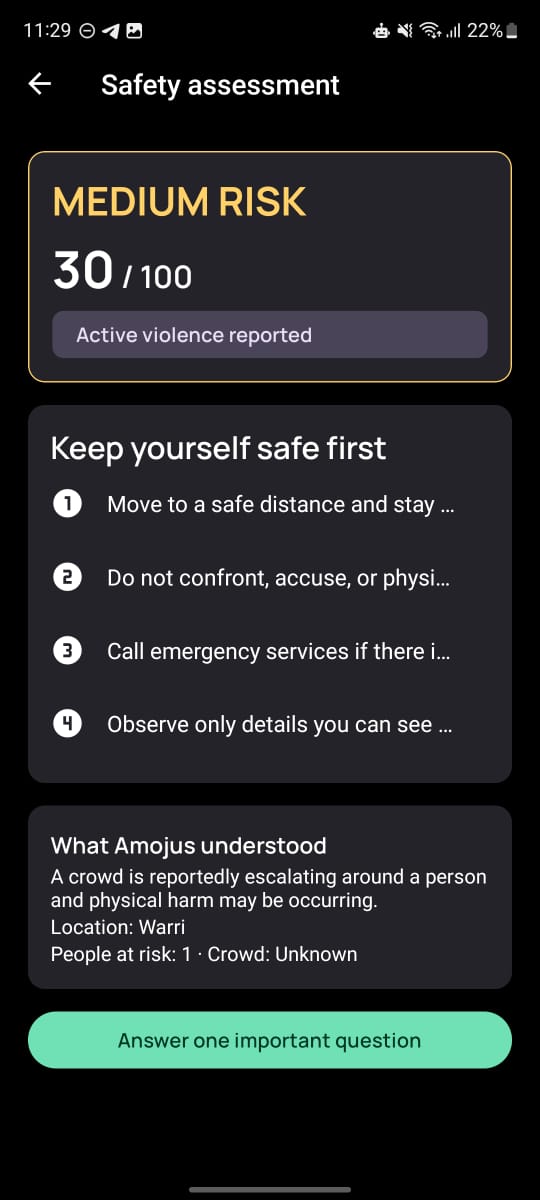
Report analysis
-
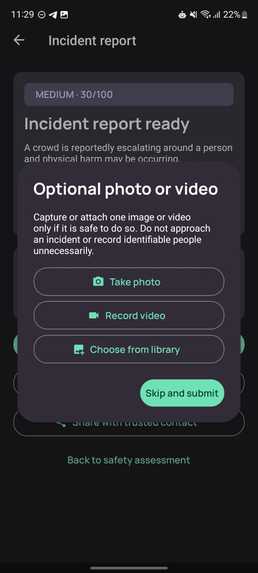
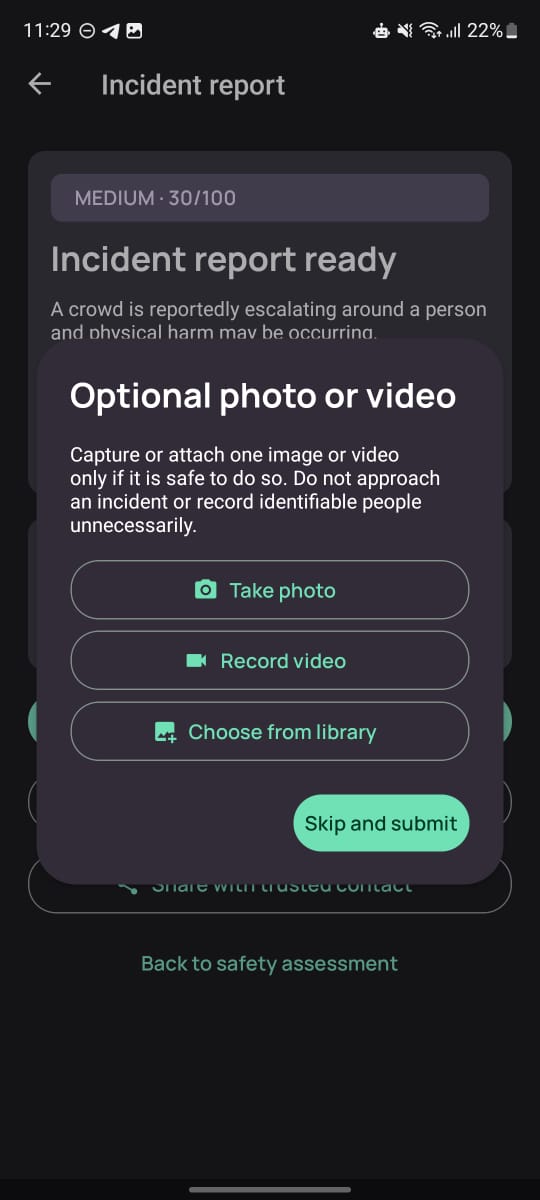
Report media
Inspiration
For several years, I have wanted to build a platform that could help prevent mob violence, also known as jungle justice. Unfortunately, I delayed acting on the idea until a series of tragic incidents reminded me how urgently such a solution is needed.
In June 2026, a woman in Kaduna State, Nigeria, was reportedly killed by a mob after being accused of child theft. Months earlier, another woman in Warri, Delta State, was also killed following a similar allegation. In March 2025, a group of hunters travelling from Port Harcourt to Kano were attacked and killed after being mistaken for kidnappers. These incidents are heartbreaking examples of how fear, misinformation, and delayed intervention can quickly escalate into irreversible violence.
The widespread adoption of smartphones and social media has accelerated the speed at which rumours and misinformation spread, reaching communities that previously experienced fewer such incidents. We believe the same technologies can be used to save lives instead of endangering them. Amojus was inspired by the belief that early reporting, responsible AI, and community collaboration can help prevent violence before it happens.
What it does
Amojus is an AI-powered community safety platform designed to help prevent mob violence through early reporting, intelligent risk assessment, and localized community alerts.
Community members can anonymously or securely report suspicious situations, potential mob gatherings, or violent incidents using text, photos, videos, and voice recordings. OpenAI models analyze these reports, estimate the likelihood of escalation, extract important facts, and generate actionable safety recommendations.
When a report indicates an elevated risk, nearby community members can receive alerts based on an approximate location rather than precise GPS coordinates, helping protect user privacy while increasing community awareness.
The platform also enables users to:
- Submit reports anonymously or with a verified account.
- Track the status of their reports.
- View verified incidents within their community.
- Receive AI-generated safety guidance.
- Receive nearby safety alerts through push notifications.
How we built it
We built Amojus as a cross-platform mobile application using Expo, React Native, TypeScript, and Firebase for authentication, cloud functions, real-time data synchronization, storage, and push notifications. OpenAI models power the platform's incident analysis, structured information extraction, risk assessment, and safety recommendations.
One of the most significant enablers of this project was the use of GPT-5.6 and Codex throughout the entire software development lifecycle.
Rather than using AI only for code completion, we used GPT-5.6 as a collaborative engineering partner to help architect the system, refine product requirements, evaluate design trade-offs, generate implementation plans, and review security and privacy considerations. Codex was then used to translate those plans into production-ready code, implement complex features, refactor components, troubleshoot issues, and rapidly iterate on the application.
Throughout development, GPT-5.6 and Codex assisted with:
- Designing the overall application architecture and Firebase data model.
- Planning the MVP scope and prioritizing features for the hackathon timeline.
- Generating production-quality React Native, TypeScript, and Firebase Cloud Functions.
- Implementing authentication, media uploads, location services, and push notification workflows.
- Debugging Expo, Firebase, Android, and navigation issues.
- Refactoring components into a more maintainable and scalable architecture.
- Reviewing code for correctness, performance, and best practices.
- Accelerating documentation, UI copy, and submission materials.
This AI-assisted development workflow dramatically reduced the time required to move from concept to a functional MVP. In approximately three days, we were able to build an end-to-end platform that would ordinarily require significantly more engineering time, allowing us to focus more effort on solving the underlying social problem rather than repetitive implementation tasks.
Challenges we ran into
One of the biggest challenges was balancing privacy with public safety. We wanted to notify nearby community members without exposing anyone's precise location. Another challenge was designing an anonymous reporting workflow that encourages participation while maintaining accountability and preventing abuse.
Building reliable location-based push notifications, integrating AI analysis into the reporting pipeline, and ensuring that AI recommendations promote de-escalation rather than confrontation also required significant engineering effort.
Accomplishments that we're proud of
We are proud of building a working MVP that demonstrates how AI can be used to improve community safety rather than simply automate existing processes.
Some of our achievements include:
- AI-powered incident assessment and structured report generation.
- Anonymous reporting to encourage participation.
- Privacy-preserving nearby community notifications.
- Real-time incident updates.
- Evidence uploads supporting photos and videos.
- A scalable Firebase backend.
- A polished cross-platform mobile experience built with Expo and React Native.
- Most importantly, we transformed an idea inspired by real societal challenges into a platform that has the potential to help communities respond earlier and more safely.
What we learned
One of our biggest takeaways was that modern AI models can transform the way software is built when used as collaborative engineering tools rather than simple code generators.
Using GPT-5.6 together with Codex fundamentally changed our development workflow. Instead of spending hours researching APIs, debugging framework issues, or writing repetitive boilerplate, we were able to rapidly explore design alternatives, implement complex features, and resolve technical challenges while maintaining full control over engineering decisions.
This experience demonstrated how AI can significantly increase developer productivity and make it possible for small teams to deliver ambitious, production-quality prototypes within extremely short hackathon timelines. It allowed us to spend more time validating ideas, improving user experience, and refining the impact of the solution instead of being slowed by routine implementation work.
For Amojus, GPT-5.6 and Codex were not just coding assistants; they served as collaborative engineering partners that helped us move from an idea inspired by real-world events to a working AI-powered platform in just a few days.
What's next for Amojus
Amojus is only the first step toward a broader community safety ecosystem. Our roadmap includes:
- Integrating with police departments, emergency responders, and other security agencies through secure agentic AI workflows that can automatically relay verified incident information for faster response.
- Introducing multilingual voice reporting and real-time speech transcription to make reporting accessible regardless of literacy level.
- Implementing AI-assisted credibility scoring by correlating multiple independent reports from the same area.
- Expanding the community reward system to recognize and incentivize members whose reports or contributions help prevent violence and improve public safety.
- Partnering with governments, NGOs, humanitarian organizations, and philanthropic foundations to educate communities about the dangers of mob justice and promote peaceful conflict resolution.
- Providing live safety maps and analytics to help authorities identify emerging hotspots and intervene proactively.
Built With
- cloud-functions
- codex
- database
- expo.io
- firebase
- google-cloud-messaging
- google-maps
- gpt
- openai
- react-native
- typescript


Log in or sign up for Devpost to join the conversation.