Inspiration
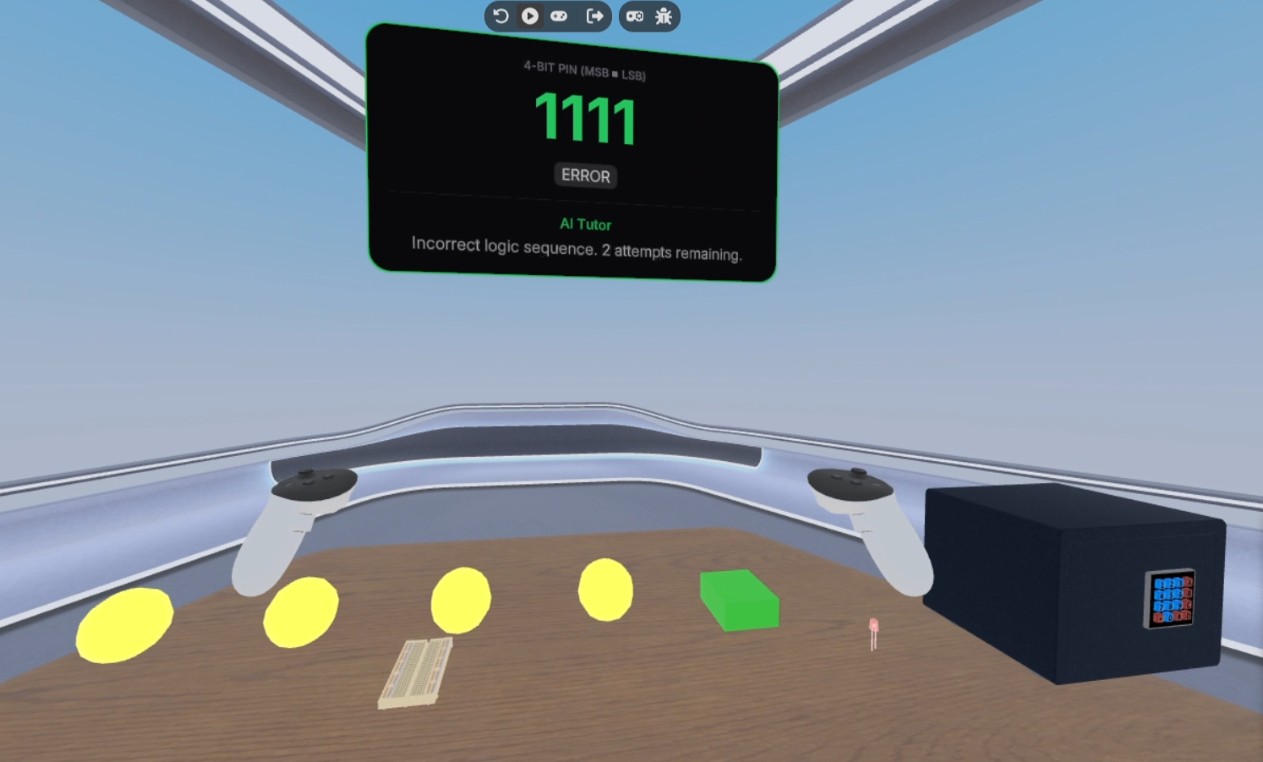
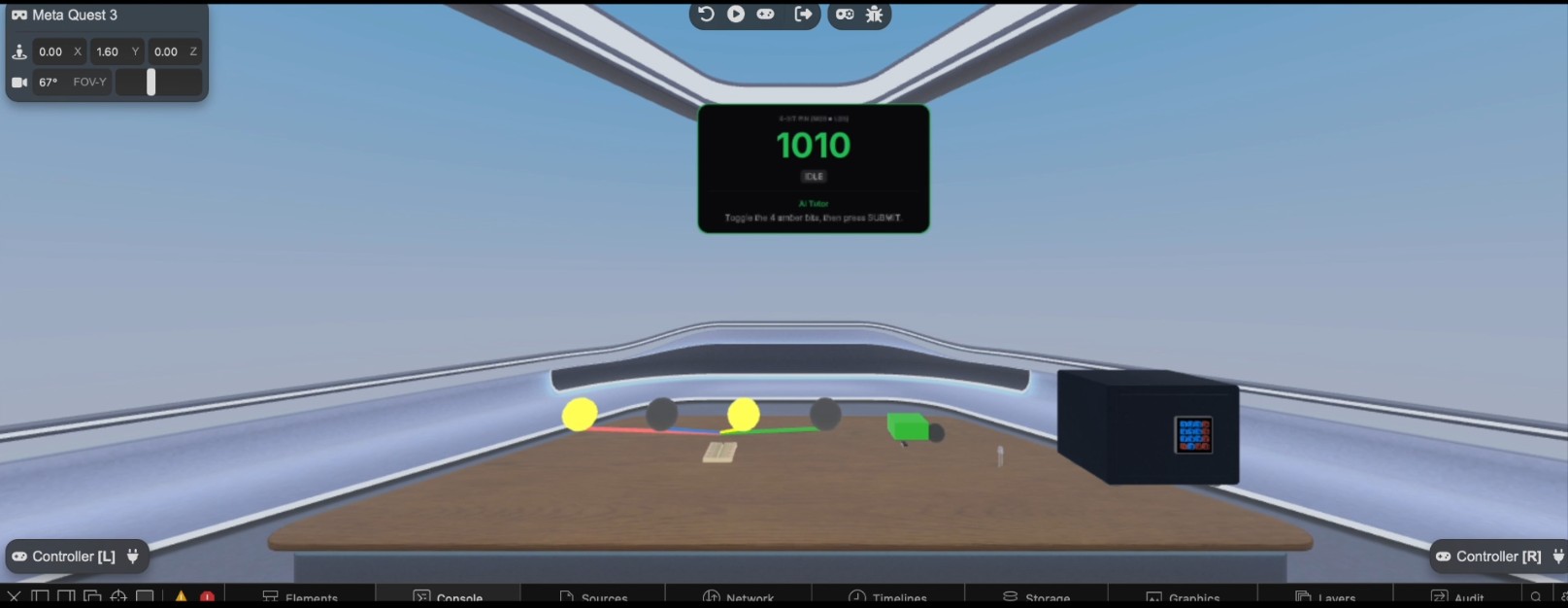
Learning hardware logic and circuit building from static, 2D textbook diagrams is boring, unapproachable, and lacks hands-on muscle memory. We wanted to find a way to make hardware theory feel as engaging and interactive as a video game. The answer? "Kill the manual" entirely. To crack the safe, they must physically build the correct digital logic circuit by inputting a specific binary sequence (1 0 1 0). As they toggle the inputs, the dynamic wires visually glow, giving instant real-time feedback before the safe finally swings open.
What it does
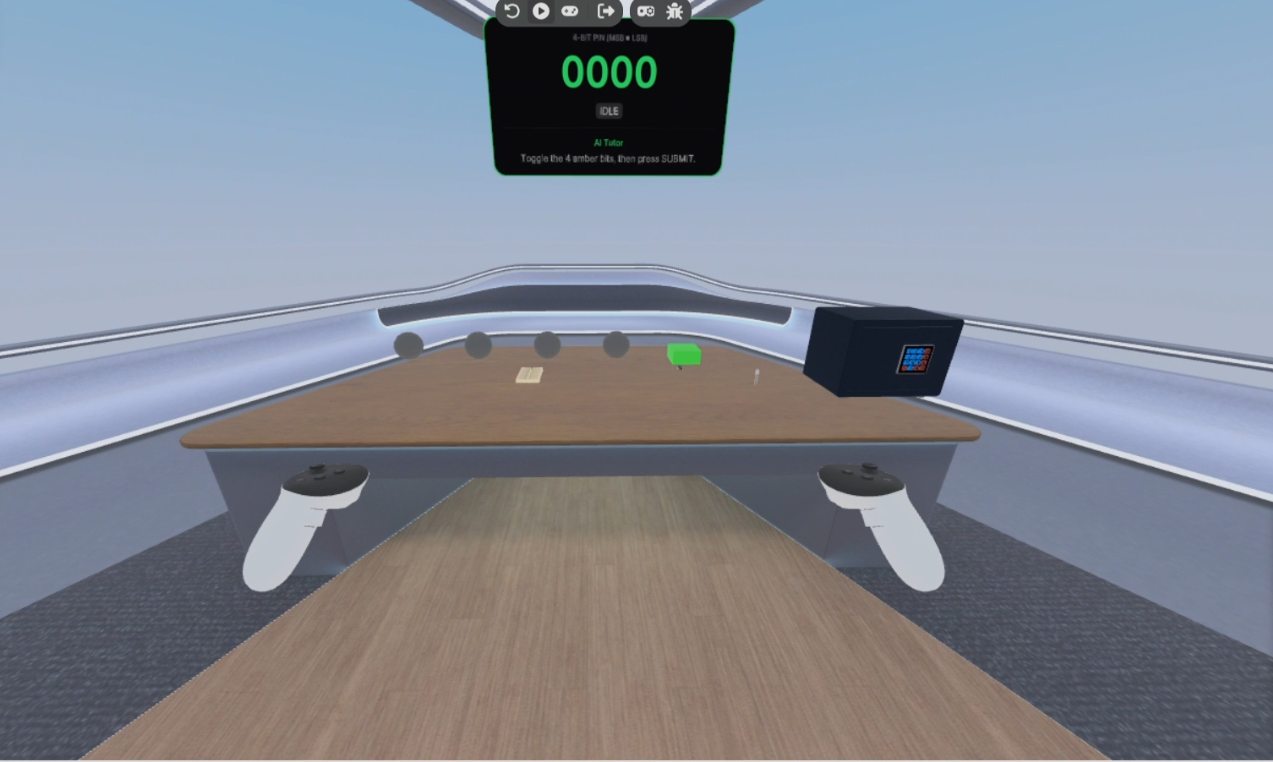
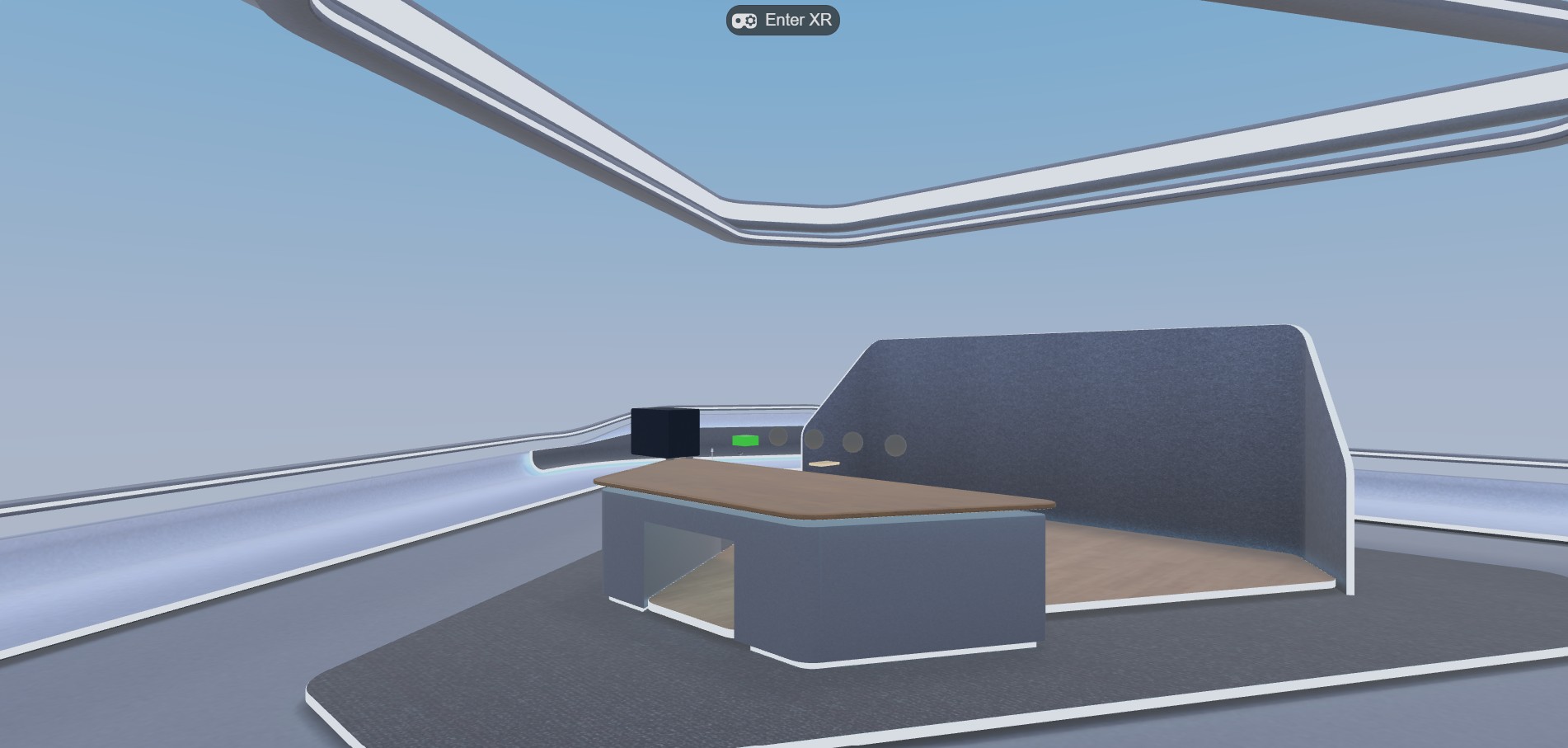
SafeBuild XR is a gamified WebXR puzzle experience that replaces the traditional textbook with an interactive 3D workshop. Users are dropped into a virtual room with a breadboard, logic gates, and a locked combination safe.
How we built it
In just a few days, our global team successfully bridged an immersive frontend with a real-time backend: Frontend: Built with React and Three.js for seamless WebXR integration. We focused on clear UX design—using dynamic, color-changing visual wires and bright LEDs to give users instant visual feedback without overwhelming them with complex physics. Backend: A Python/Flask API that evaluates the digital logic payload in real-time with zero latency. AI Integration: Powered by the Google Gemini API to process edge cases and ensure the logic loop remains unbreakable (e.g., handling failed attempts).
Challenges we ran into
Our biggest challenge was deciding on the scope of the MVP. Initially, we wanted to implement 1:1 hardware physics, including current-limiting and pull-down resistors. However, we realized that trying to code complex physics could break the core user experience. We pivoted to a "feature freeze" and focused purely on making the digital logic and UI feedback (glowing wires and LEDs) incredibly smooth.
Accomplishments that we're proud of
We are incredibly proud of successfully bridging a 3D WebXR frontend with a real-time Python/Flask backend with zero latency. Also, building a cohesive, cross-global team that communicated effectively and executed a strategic "feature freeze" to deliver a polished MVP within the hackathon time limit is a huge win for us.
What we learned
We learned the critical importance of scoping for hackathons. Instead of getting bogged down in complex physics simulations, we learned how to use simple but effective visual feedback (like glowing wires and LEDs) to guide the user experience. We also gained valuable experience integrating AI APIs into real-time interactive loops and coordinating development across different time zones.
What's next for SafeBuildXR - Crack Digital Logic in VR
Our MVP proves the digital logic and backend API communication work flawlessly. For V2, we plan to: 1) Implement full hand-tracked interactions for picking up and routing wires. 2) Add accurate component resistance logic for a deeper, more realistic hardware simulation.


Log in or sign up for Devpost to join the conversation.